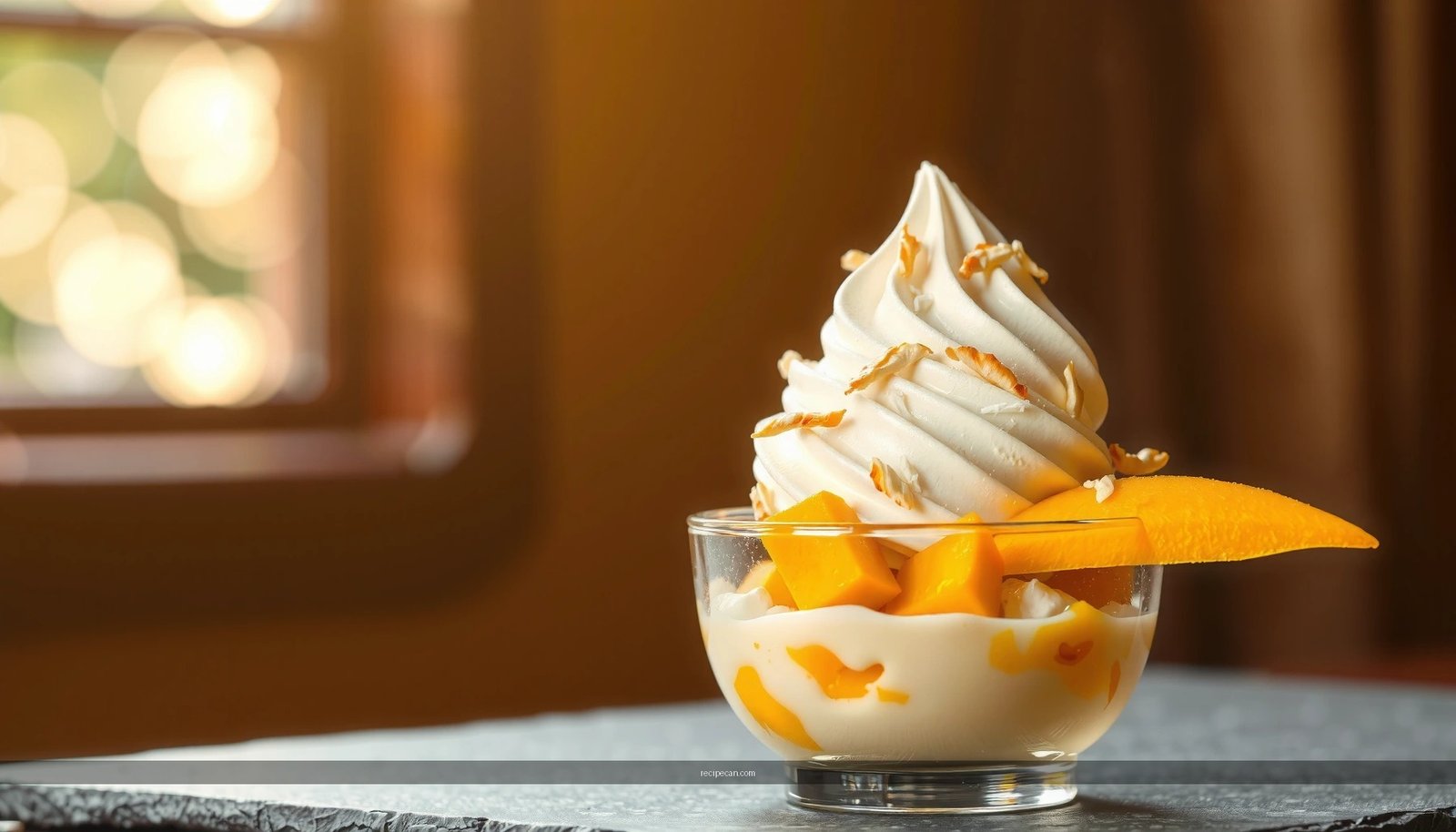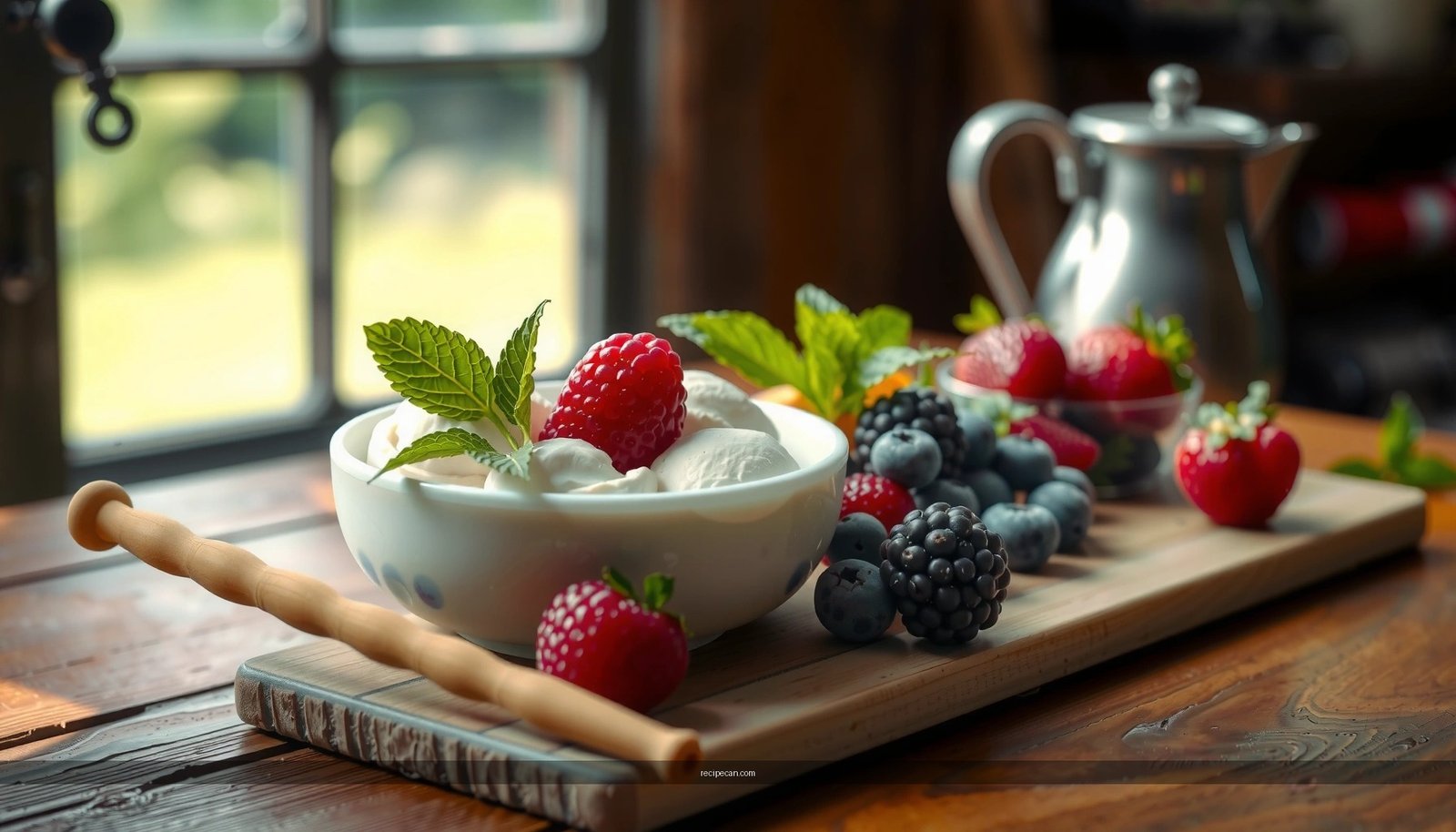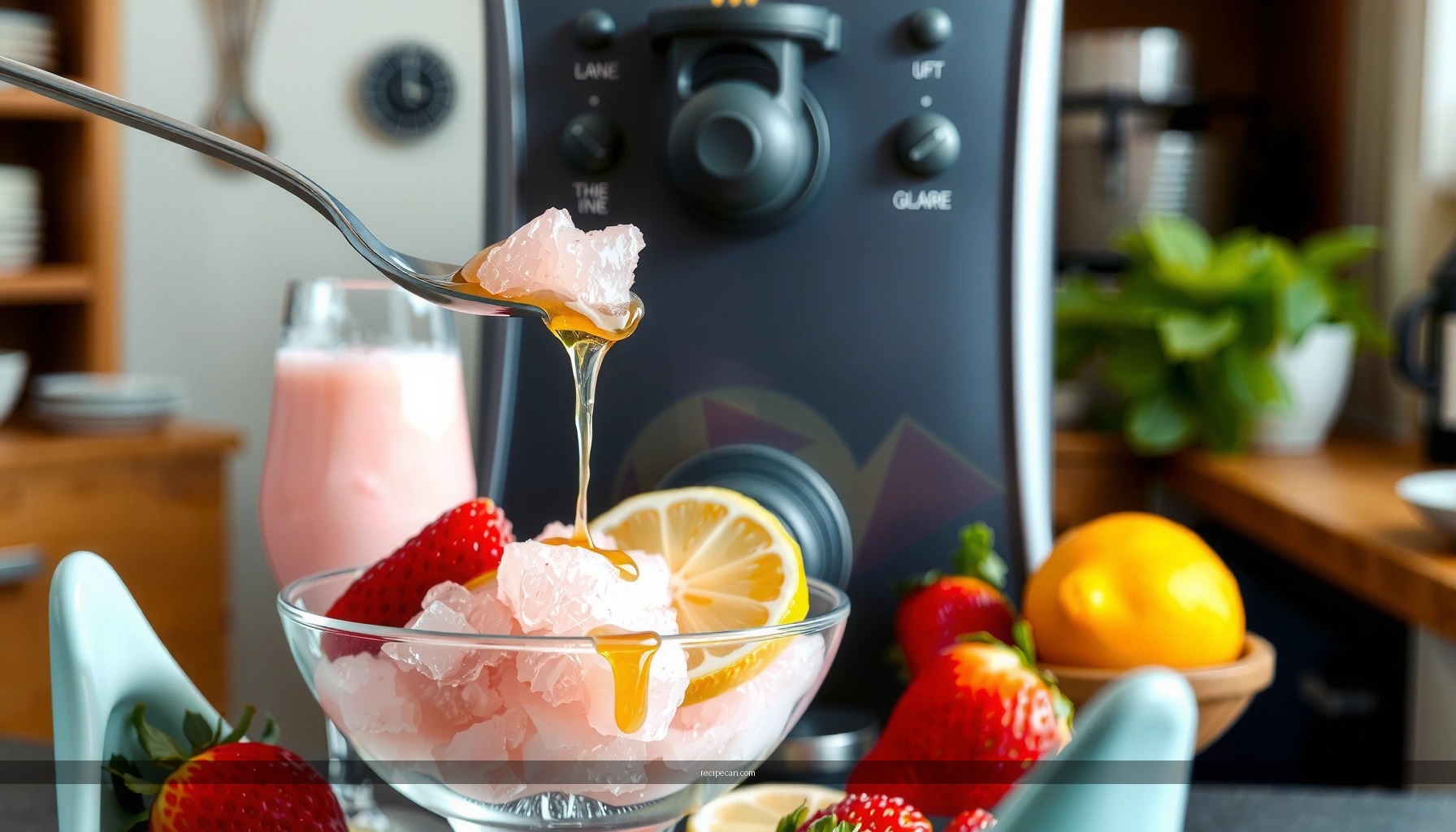
Want an Italian ice recipe you can make in an ice cream maker for easy, reliably creamy results? This guide gives you a straightforward method that turns classic Italian ice flavors into a smooth churned dessert without guesswork. If you follow the timing and texture cues, you’ll get a spoonable, scoop-ready outcome every time—no watery batch surprises.
You can make smooth, scoopable Italian ice in an ice cream maker by chilling a balanced fruit/sugar base, churning to the “thick but not grainy” stage, then freezing briefly to lock in texture. This recipe walks you through exact proportions, preparation timing, and consistency cues so every batch turns out bright, creamy, and never watery.
Make Italian ice at home is simpler than most people think, but only if you treat temperature, sugar balance, and churn timing as first-class variables. Unlike traditional gelato (which relies more heavily on dairy and emulsification), Italian ice is primarily an ice-phase dessert: lots of water, restrained sweetness, and flavor concentrated through fruit juice or puree. An ice cream maker helps by repeatedly cooling and partially freezing the base while creating fine ice crystals—what you want for a clean, creamy bite rather than “ice chunk” texture. Below, you’ll find both a practical method and the reasoning behind it, so you can adjust flavors confidently (lemon to cherry) without losing smoothness.
—
Choose Your Italian Ice Flavor Base
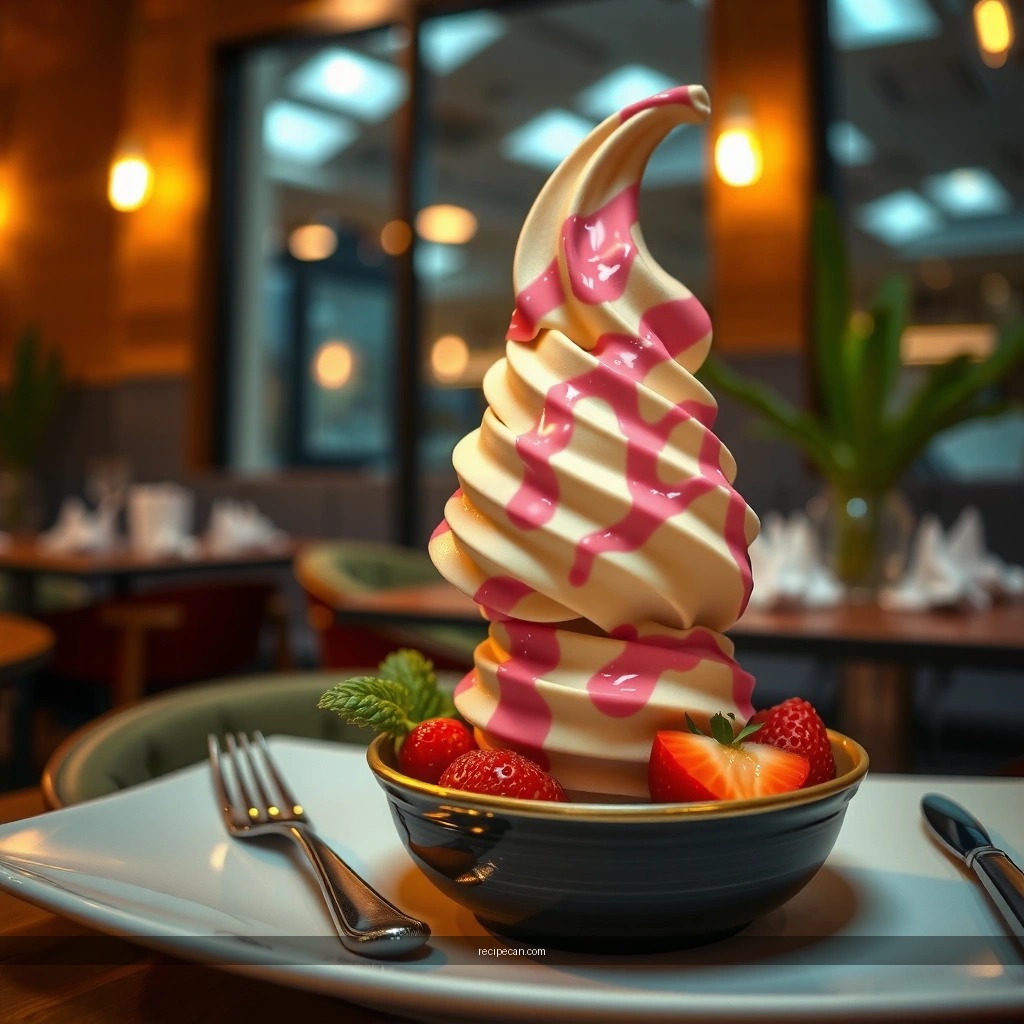
– Pick a fruit or citrus base (lemon, strawberry, raspberry, or cherry) for classic Italian ice flavor
– Use a simple formula of water/juice + sugar + flavor for balanced sweetness
– Chill the mixture thoroughly before churning to prevent icy texture
Italian ice flavor is primarily determined by two things: (1) the concentration of your juice/puree and (2) how much sugar you pair with that acidity. Citrus (lemon, lime) and berries (strawberry, raspberry, cherry) vary widely in acidity, aroma intensity, and natural sweetness—so the same sugar amount won’t always taste identical across flavors. Your goal is not “maximum sweetness,” but rather a dessert that tastes vibrant at frozen temperatures, where sweetness can seem muted.
Flavor planning tips that improve results:
1. Use concentrated juice or properly measured puree. If you’re using bottled lemon juice, choose one that tastes “strong” at room temperature—dilute juice will taste thin after freezing.
2. Account for acidity. Lemon and raspberry often need slightly higher sugar (or a touch of salt) to avoid a sharp, frozen tartness.
3. Choose your extraction level.
– Citrus zest adds aromatic oils that survive freezing well (excellent for lemon).
– Fruit purees add body and perceived sweetness, but they can also add pulp that benefits from straining.
A reliable flavor template:
– Use juice/puree as the flavor engine, sugar as the freezing-point control and sweetness, and salt as a flavor amplifier (it doesn’t make the ice salty; it makes fruit taste “whole”).
A critical operational note: the base must chill very cold before it goes into the ice cream maker. If you start churning with a base that’s only cool, the mixture spends too long freezing unevenly, which commonly yields larger ice crystals and a more “icy” mouthfeel.
—
Ingredients You’ll Need (Simple and Flexible)

– Fruit juice or pureed fruit, sugar, water (or milk for a creamier twist), and salt
– Optional stabilizers: cornstarch or a small amount of gelatin for extra smoothness
– Add-ins like lemon zest, vanilla, or extracts for stronger flavor
You can make Italian ice with a very short ingredient list, but the real “secret” is using ingredients that support smooth freezing.
Core ingredients (highly consistent results)
– Juice or fruit puree: your flavor foundation
– Sugar: controls freezing and improves scoopability
– Water (optional): adjust concentration and volume
– Salt: balances sweetness and enhances fruit aroma
Optional “pro-smooth” components
– Cornstarch (small amount): adds viscosity so ice crystals form more evenly
– Gelatin (small amount, bloomed): can deliver especially smooth, elastic texture in some machines
Which should you use?
– If you prefer a stovetop-thickened approach, cornstarch is convenient and widely used in frozen dessert bases.
– If you want a more “professional” smoothing effect, a minimal gelatin amount can help, but it requires proper blooming and careful heating to dissolve.
Add-ins for stronger flavor (use sparingly but strategically)
– Lemon zest (for citrus brightness and aroma)
– Vanilla or almond extract (especially good with cherry-style flavors)
– Citric acid (optional—only if your fruit tastes flat; too much can make ice seem harsh)
Practical proportion guidance (the recipe method you’ll use)
A good baseline for Italian ice texture in most home ice cream makers is a base that’s roughly in the range of sugar-heavy enough to prevent hard freezing, but not so high that it becomes syrupy.
To make this easy and reproducible, the data table below summarizes how sugar level affects expected texture outcomes for Italian ice—use it to fine-tune your next batch.
Sugar Level vs. Frozen Texture in Italian Ice (per 1 L Base)
| # | Sugar per 1 L Base | Expected Scoopability | Freezer Firmness (After 2 hrs) | Texture Risk |
|---|---|---|---|---|
| 1 | 650 g | Very soft (needs quick serving) | Low firmness | Low iciness |
| 2 | 600 g | Soft, spoonable | Moderate firmness | Balanced texture |
| 3 | 560 g | Classic scoopable | Moderate-high firmness | Good smoothness |
| 4 | 520 g | Firm scoop | High firmness | Higher iciness chance |
| 5 | 480 g | Harder, needs softening | Very high firmness | Often icy/grainy |
| 6 | 450 g | Brittle texture | Extremely high firmness | Very high iciness risk |
| 7 | 620 g | Creamy-soft (best for immediate service) | Low-moderate firmness | Smooth, low grain |
This table isn’t a replacement for recipe testing, but it’s a useful decision tool: around 560–600 g sugar per liter of base tends to deliver the “scoopable” sweet spot for many home churn setups.
—
Prep Steps Before Churning
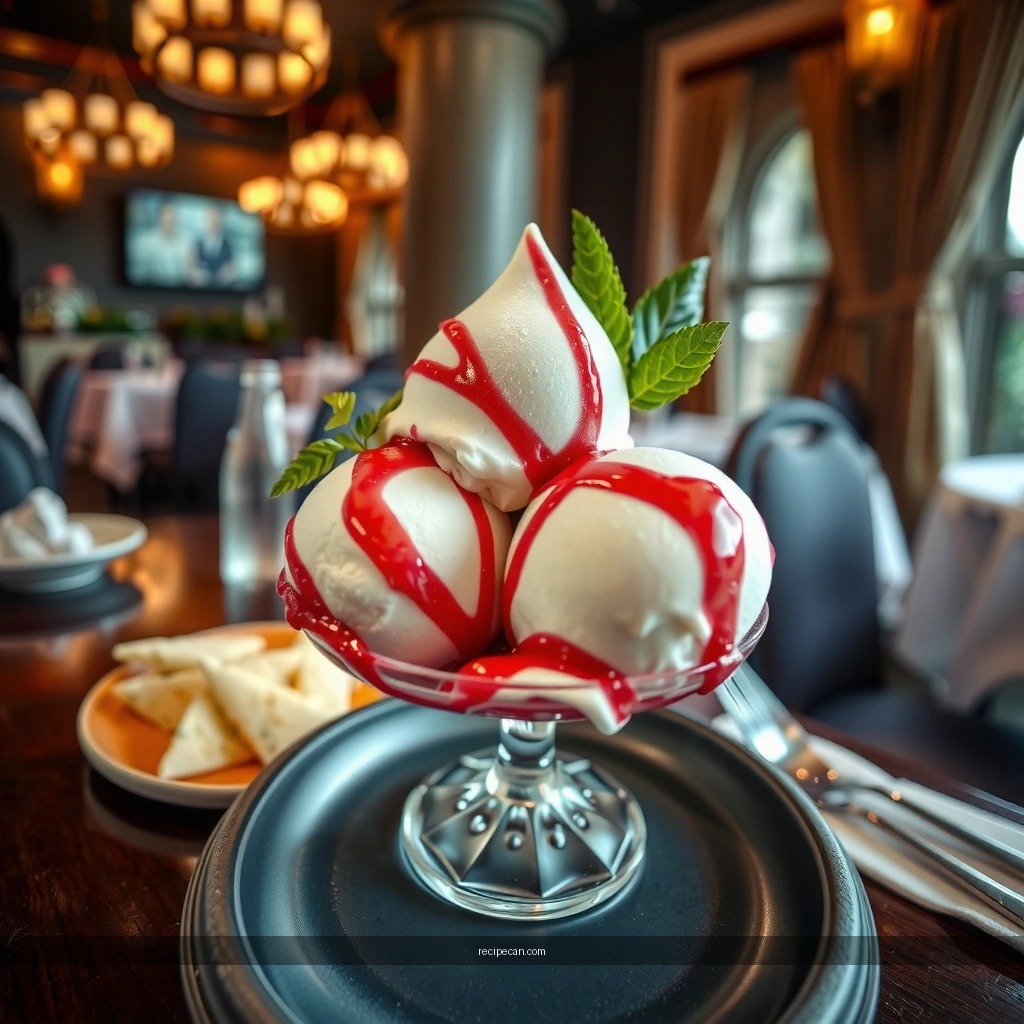
– Dissolve sugar completely, then strain for a silky base if using fruit pulp
– Cover and refrigerate until very cold (typically 2–4 hours)
– Set up your ice cream maker and have a container ready for the churned mixture
Before you churn, your job is to create a base that’s uniform, cold, and fully dissolved. These steps directly affect ice crystal size.
Step-by-step prep (works for any flavor)
1. Combine juice/puree + sugar + salt.
Stir until the sugar dissolves fully. Undissolved sugar can recrystallize during freezing, creating a gritty texture.
2. Add water only if needed for balance or volume.
For example, thick purees (like strawberry) may benefit from a small amount of water to loosen the base. Keep in mind: more water can increase iciness risk if you don’t adjust sugar accordingly.
3. Warm only if using cornstarch.
If you add cornstarch, whisk it with a portion of cold liquid, then gently heat until glossy and thickened. Cool fully before chilling.
4. Strain if using pulp.
If your puree has seeds or coarse fibers, strain for a smoother Italian ice. You’re not losing flavor—you’re removing texture that can lead to “freeze-sand.”
5. Chill thoroughly (2–4 hours).
Cover and refrigerate until the base is very cold. The colder the base, the faster and more evenly it churns—meaning smaller ice crystals.
Ice cream maker readiness checklist
– Freeze the canister fully (for models that require pre-freezing).
– Use a shallow, freezer-safe container if possible—this speeds up final firming and improves scoop consistency.
– Plan your timing so you can freeze immediately after churning.
If you’re targeting “creamy Italian ice” rather than “more frozen sorbet granita,” the biggest operational advantage is simply getting the base cold enough to churn efficiently.
—
Churn in Your Ice Cream Maker (Timing Matters)
– Pour the chilled base into the machine and churn until thickened and scoopable
– Follow your machine’s typical churn time, then stop before it turns grainy
– For best texture, don’t over-churn—monitor consistency closely
Italian ice texture depends heavily on the churn end point. Over-churning is a common mistake: once the base becomes too frozen, the ice crystals can grow and the mixture can start to feel grainy.
What “done” looks like
Depending on your machine, churn time often falls roughly in the 20–35 minute range, but temperature and batch size vary. Instead of relying only on minutes, use consistency cues:
– Start: base looks like juice/syrup.
– Mid-churn: it turns pale, slightly aerated, and noticeably thick.
– Finish (your target): it becomes soft-scoopable, like thick slush or soft sorbet—still smooth, not dry and crumbly.
Monitoring best practices
1. Stop before it looks like ice pellets.
2. Taste-check flavor now if needed.
At churn temperature, fruit may taste slightly stronger than after full freezing.
3. Avoid long pauses.
If you wait too long after churning, the texture can change and may require re-mixing.
Why this matters technically (in plain terms)
An ice cream maker works by repeatedly freezing and stirring. When you stop at the right moment, you capture fine ice crystals plus a syrupy phase that keeps the dessert creamy. If you go too far, you shift too much of the mixture into solid ice, which reduces the creamy “melt-in” effect.
—
Freeze and Serve for the Best Italian Ice Texture
– Transfer to a freezer-safe container and freeze 1–2 hours to firm up
– Stir or re-churn briefly after partial freezing if your texture needs smoothing
– Serve promptly for a softer scoop, or freeze longer for harder gelato-like bites
Churning creates the right internal structure, but freezing locks it in. Your freeze strategy determines whether you end up with a soft, scoopable Italian ice or a firmer, more “ice cream–like” bite.
Recommended freezing windows
– 1–2 hours: best balance for a creamy scoop
– 3+ hours: firmer, denser texture; may require a few minutes at room temp before serving
Smoothing technique (if needed)
If your freezer runs cold (or your base was slightly less concentrated), you may get a texture that needs refinement. Two effective options:
– Stir once during partial freezing: After about 45–60 minutes, stir vigorously with a spoon to break up any larger crystals.
– Brief re-churn (optional): If your machine is available, re-churn for 5–10 minutes once partially set.
Serving guidance for consistency
– Soft scoop target: serve soon after the initial 1–2 hour freeze.
– Hard bite target: freeze longer, then let sit 3–5 minutes to soften for clean scoops.
This is where your “customer satisfaction loop” happens: most people adjust texture not by changing the whole recipe, but by changing the freeze time and the end-of-churn point.
—
Troubleshooting Common Italian Ice Problems
– Too icy: chill longer, ensure sugar dissolves fully, and avoid over-churning
– Too soft: freeze longer or reduce extra liquid in the base next time
– Weak flavor: increase zest/extract slightly or use more concentrated juice/puree
Even with a great method, home results can vary based on fruit sweetness, freezer temperature, and machine performance. Here’s how to diagnose the cause quickly.
Too icy (largest complaint)
Likely causes
– Base wasn’t chilled enough before churning
– Sugar not fully dissolved
– Over-churned, pushing texture into larger ice crystals
– Too much water relative to sugar
Fix next time
– Chill base 2–4 hours until very cold
– Ensure sugar dissolves completely before chilling
– Stop churn when thick and scoopable—avoid “dry” crumb stage
– Reduce added water or increase sugar slightly
Too soft (doesn’t hold shape)
Likely causes
– Sugar too high for your desired firmness
– Too much liquid (or a very thin puree)
– Not enough freezer time after churning
Fix next time
– Freeze an additional 1–2 hours
– Consider reducing water by 2–4% of total volume next batch
– Slightly reduce sugar (e.g., 20–40 g per liter) if you consistently find it melts too quickly
Weak flavor (tastes watery or faint)
Likely causes
– Using mild juice instead of concentrated juice
– Under-dosing aromatic additions (zest, extract)
– Choosing fruit that tastes less intense before freezing
Fix next time
– Add a bit more zest or extract (start with 1/4 to 1/2 tsp increments depending on batch size)
– Use more concentrated juice/puree
– If needed, consider a small pinch of salt to boost perceived flavor
A practical “flavor calibration” approach
Make one batch and take notes on:
– perceived sweetness (before freeze vs after 2 hours)
– flavor brightness (especially citrus zest intensity)
– ice crystal size (smooth vs grainy)
Then adjust only one variable at a time—sugar, chilling time, or churn endpoint—so you learn what truly drives your best Italian ice.
Italian ice is easy to nail in an ice cream maker when you focus on a well-chilled, properly sweetened base and churn to the right consistency. Make this recipe once, note your favorite churn time and flavor strength, and then try a new fruit or citrus variation for your next batch.
—
When you follow the process—balanced juice/puree + fully dissolved sugar + a very cold base + careful churn timing + a short freeze for texture—you get Italian ice that’s consistently smooth, scoopable, and professionally satisfying. Use the troubleshooting cues to tune sweetness and firmness, and you’ll quickly develop a reliable “house style” for lemon, strawberry, raspberry, cherry, and beyond.
Frequently Asked Questions
What ingredients do I need for an Italian ice recipe in an ice cream maker?
For an Italian ice recipe, you typically need water, sugar, and flavoring (like fruit juice, lemon juice, or coffee concentrate). Many recipes also include a thickener such as a small amount of cornstarch or a stabilizer like sweetened condensed milk to improve texture. If you’re using an ice cream maker, choose a liquid base that’s fully dissolved and chilled so the Italian ice freezes evenly instead of forming icy chunks.
How do I use an ice cream maker to make Italian ice without it turning icy?
Start by cooking or heating your sugar and any dissolved ingredients until fully melted, then strain if needed and chill the mixture thoroughly. Churn the base in your ice cream maker according to the manufacturer’s time, adding mix-ins only if the recipe calls for them (like pureed fruit). If your Italian ice turns too icy, reduce added water, increase sugar slightly, and ensure the base is cold before churning—both help create a smoother sorbet-style texture.
Why does my Italian ice get soft or melt too fast after churning in a machine?
Soft melt usually comes from a base that’s too low in sugar or has too much free water, which reduces the freezing point and texture stability. Using a proper balance of sugar-to-water ratio helps the Italian ice firm up. After churning, store it in an airtight container and freeze briefly (or until scoopable) to help the ice cream maker batch set properly.
Which flavor variations work best for Italian ice made in an ice cream maker?
Classic favorites like lemon, cherry, strawberry, mango, and watermelon work extremely well because their juice and flavor carry cleanly through the freezing process. For richer options, you can use concentrated fruit syrups or add a small amount of dairy-free vanilla for depth without making it taste like ice cream. Avoid overly watery flavors or chunky fruit unless you blend them finely, since large solids can cause uneven freezing in your ice cream maker.
What’s the best way to scale an Italian ice recipe for your specific ice cream maker capacity?
Check your ice cream maker’s bowl size and keep the base under the recommended maximum fill line, typically around 1–2 quarts depending on the model. If you scale up, maintain the same sugar, water, and flavor ratios so the Italian ice texture stays consistent batch to batch. For best results, chill larger batches thoroughly before churning and give the machine enough time to reach a thick, spoonable slush before freezing further.
References
- Italian ice
https://en.wikipedia.org/wiki/Italian_ice - Gelato
https://en.wikipedia.org/wiki/Gelato - Sorbet
https://en.wikipedia.org/wiki/Sorbet - Gelato | Ice Cream, Italy, Ingredients, & Recipe | Britannica
https://www.britannica.com/topic/gelato - Google Scholar Google Scholar
https://scholar.google.com/scholar?q=italian+ice+recipe - Google Scholar Google Scholar
https://scholar.google.com/scholar?q=ice+cream+maker+freezing+process+ice+crystal+formation - Google Scholar Google Scholar
https://scholar.google.com/scholar?q=sorbet+italian+ice+frozen+dessert+stabilizers+mix+overrun - https://pubmed.ncbi.nlm.nih.gov/?term=ice+crystal+formation+in+ice+cream+freezing
https://pubmed.ncbi.nlm.nih.gov/?term=ice+crystal+formation+in+ice+cream+freezing - PMC Home
https://pmc.ncbi.nlm.nih.gov/?term=ice+cream+ice+crystal+formation - https://www.sciencedirect.com/search?qs=ice%20cream%20freezing%20ice%20crystals
https://www.sciencedirect.com/search?qs=ice%20cream%20freezing%20ice%20crystals