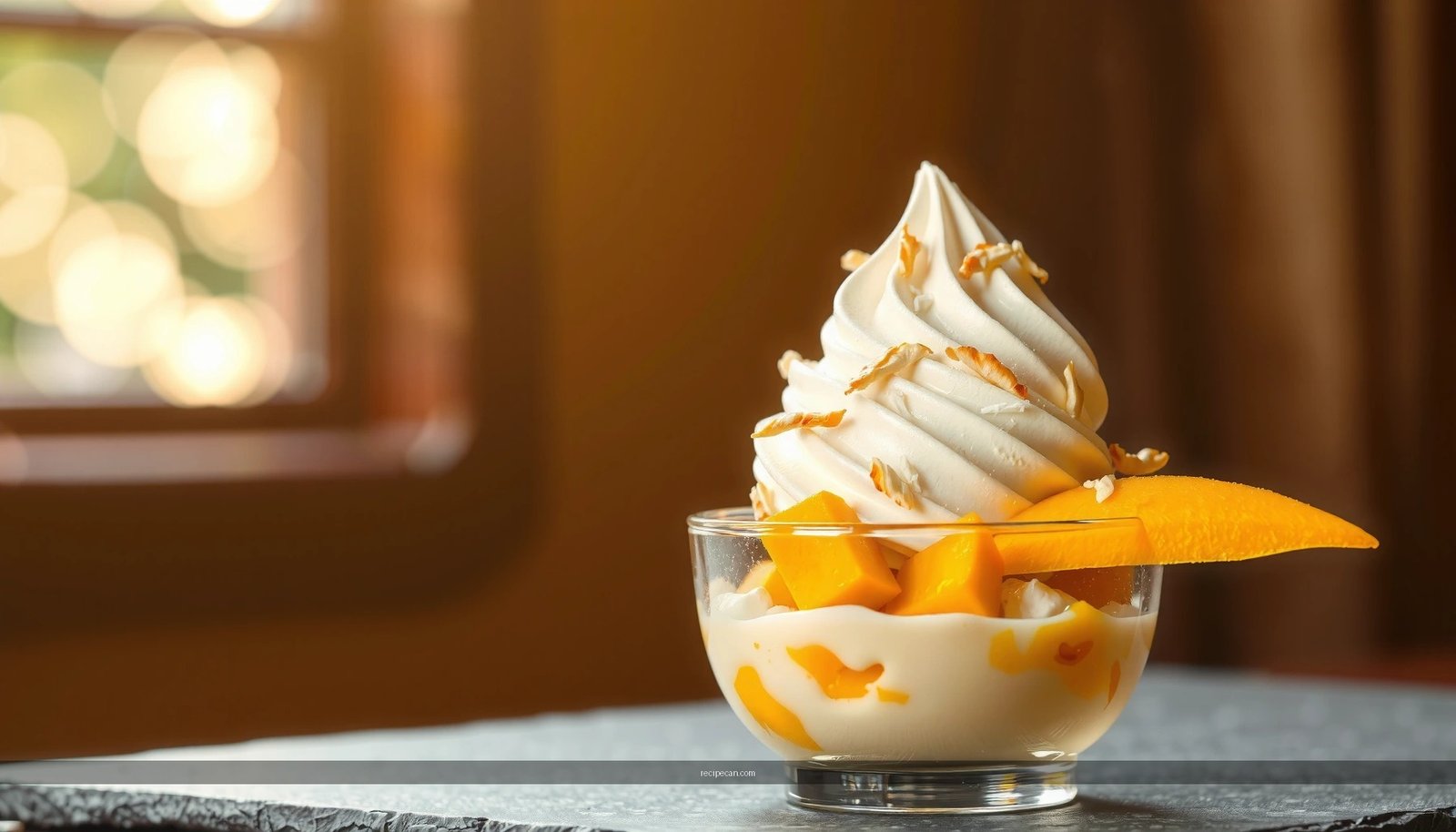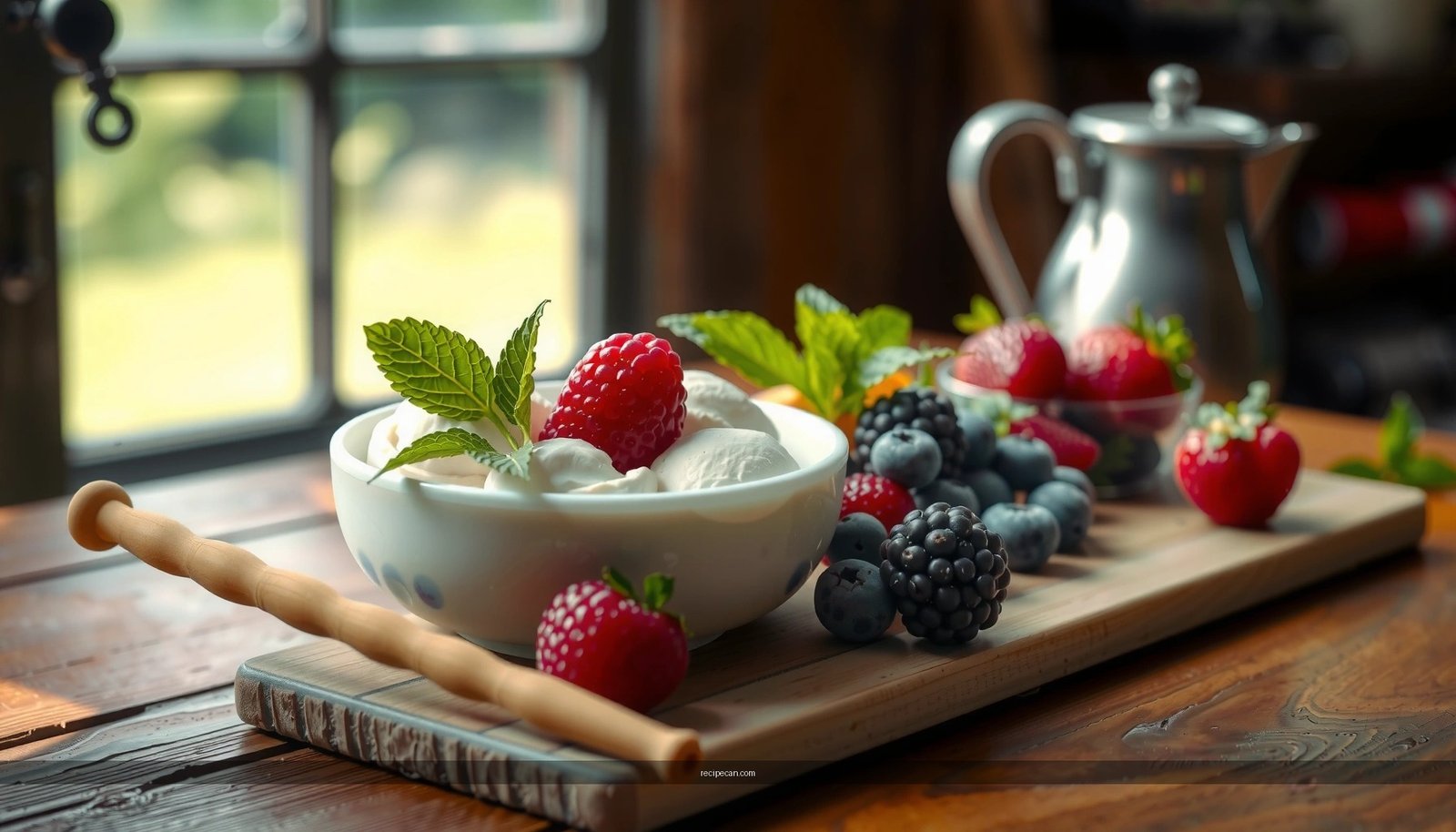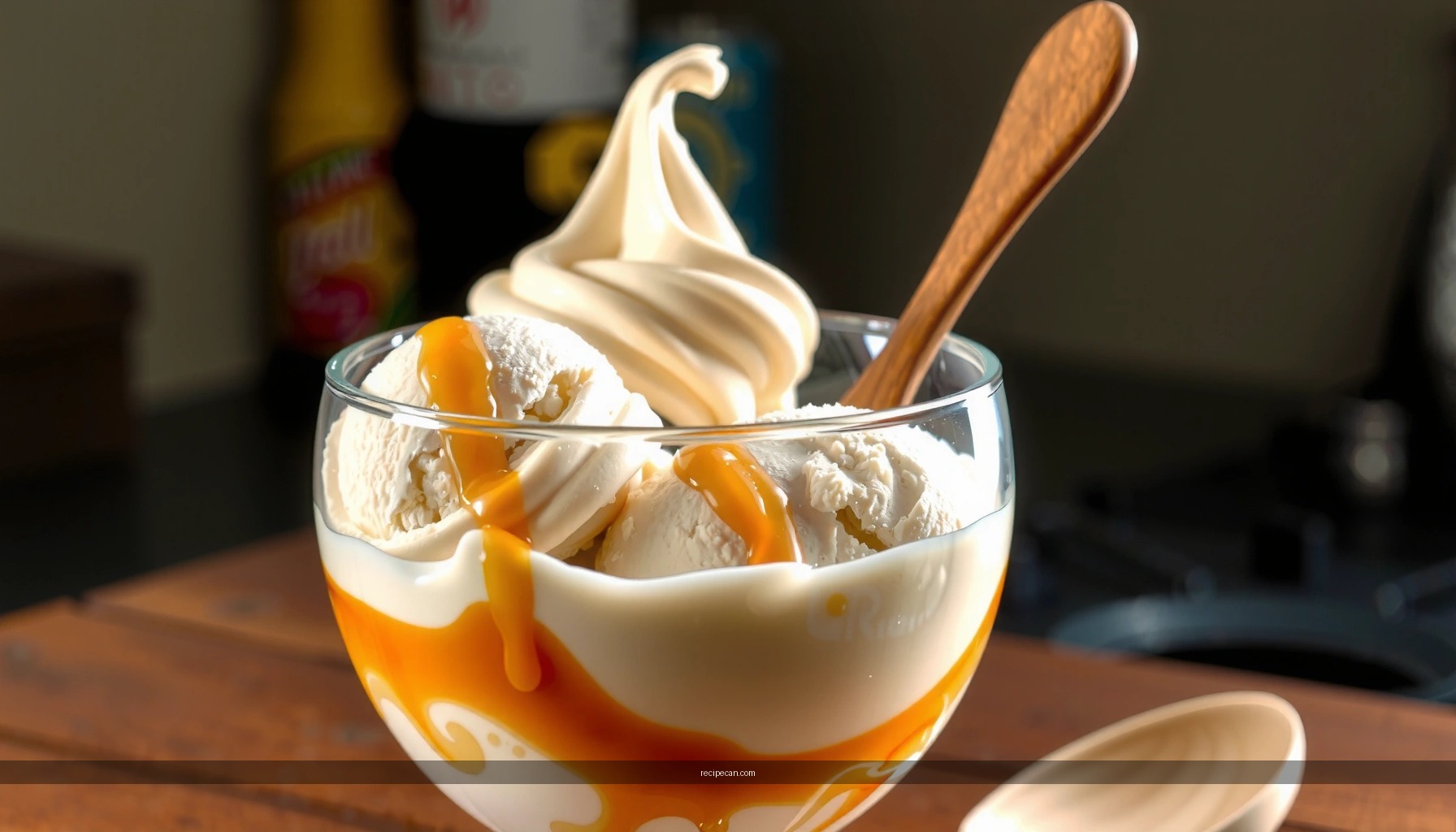
Want ice cream recipes with evaporated milk that actually turn out creamy and scoopable? This guide picks the best evaporated-milk method for smooth texture—no gritty spoonfuls, just reliable custard-style richness. You’ll get straightforward recipes, clear ratios, and the key tweaks for classic flavors like vanilla, chocolate, and caramel.
Ice cream recipes with evaporated milk are a reliable way to make rich, scoopable frozen dessert at home—especially when you want smooth texture without relying entirely on condensed sweetness. By using evaporated milk as the body (protein + milk solids) and carefully balancing sugar, you can significantly reduce icy, grainy results; below are dependable churned and no-churn options plus the technique tips that make them consistently creamy.
Why Evaporated Milk Works in Ice Cream
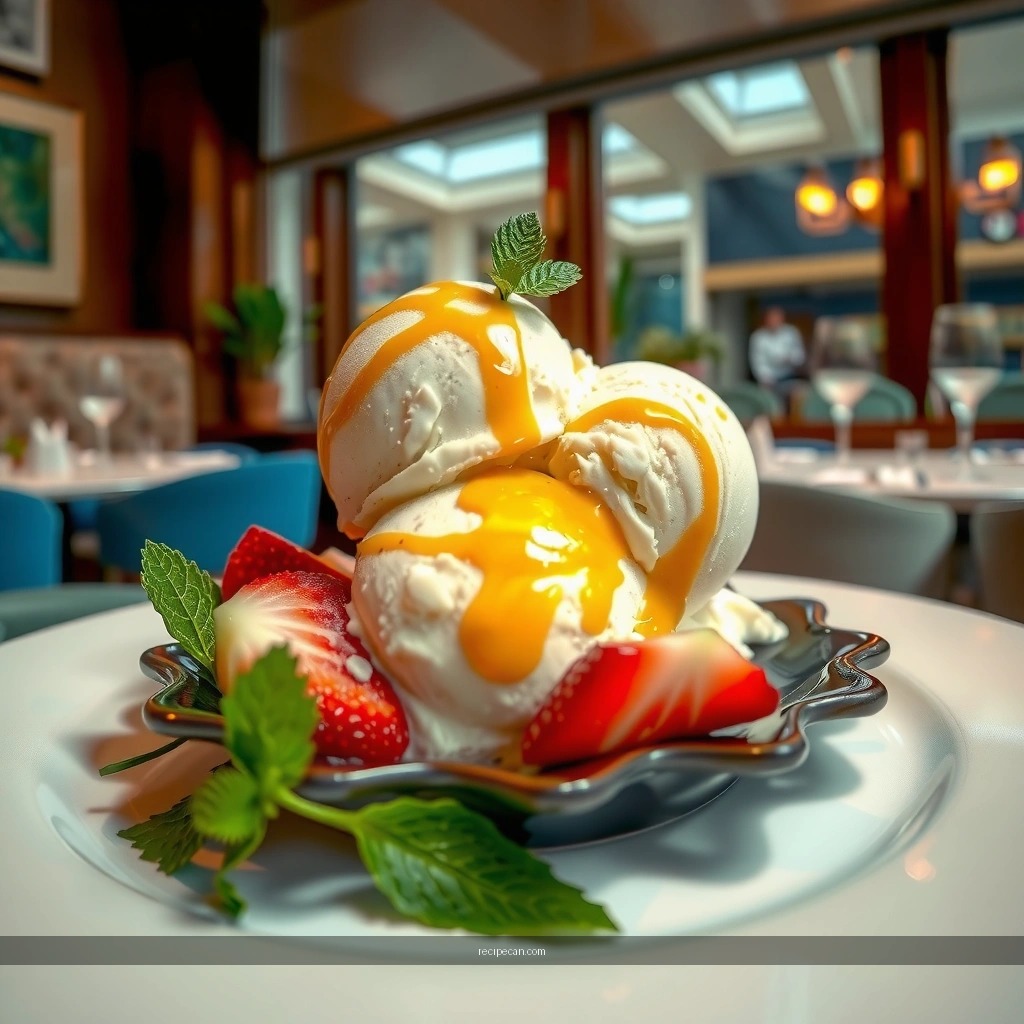
Evaporated milk is essentially milk that’s been gently cooked to remove water, which concentrates milk solids. In ice cream making, that matters because milk solids support:
– Creamy texture and smoother mouthfeel: Higher milk-solid content improves emulsification and helps the ice cream retain a “custardy” sensation rather than turning watery as it freezes.
– Reduced iciness when balanced correctly: Icy or grainy ice cream often comes from either too little dissolved sugar/fat or insufficient stabilization. Evaporated milk contributes solids that bind water and slow crystal growth.
– Convenient richness without depending on heavy cream in every recipe: You can use evaporated milk to build a creamy base even if you’re using lighter dairy elsewhere, which is helpful if you want a less heavy ice cream style.
Practical takeaway: If your goal is “creamy homemade ice cream” with a manageable ingredient list, evaporated milk is a strong base ingredient. Sugar level and chilling (covered below) are what convert that base into a reliably scoopable product.
Essential Ingredients and Substitutions
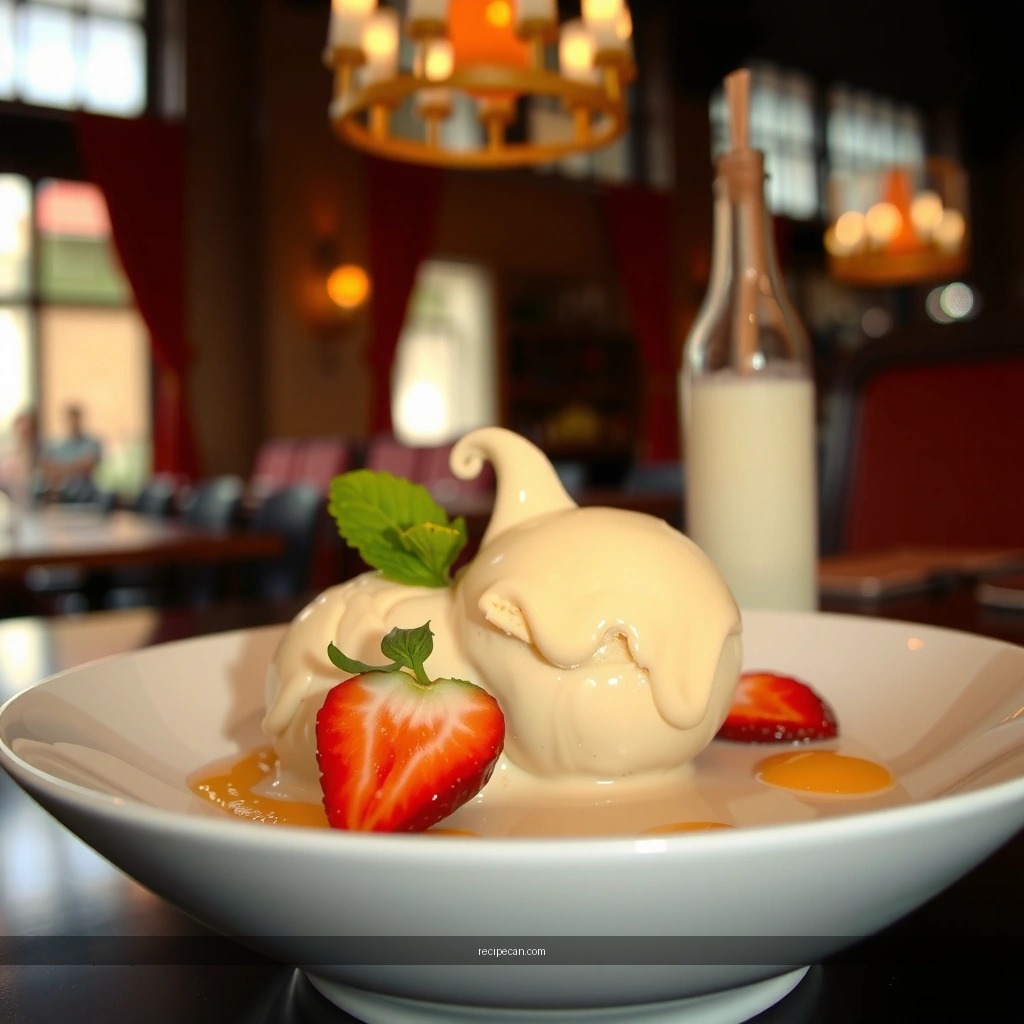
To make ice cream recipes with evaporated milk work consistently, think in terms of base, sweetness, flavor, and structure.
Core ingredients that do the heavy lifting
– Evaporated milk (base): Provides body, milk solids, and flavor neutrality compared to condensed milk.
– Sugar (sweetness + freezing point control): Sugar lowers the freezing point, improving scoopability and reducing ice crystal harshness.
– Eggs (optional but powerful): In churned custard-style recipes, egg yolks emulsify and add additional structure.
– Cream or whole milk (optional, depending on style): If you want extra richness, add a portion of cream; if you want lighter ice cream, you can reduce fats but expect slightly softer texture unless you stabilize.
Flavor and mix-in options (high impact, easy upgrades)
Optional add-ins that pair well with evaporated milk:
– Vanilla extract or vanilla bean
– Cocoa powder for chocolate base (pair with extra sugar if cocoa tastes sharp)
– Fruit purees (strawberry, raspberry, mango) plus a touch of sugar to balance acidity
– Chocolate chips (fold near the end to prevent sinking and grainy distribution)
– Crushed cookies (best added after the base is churned—or when no-churn base is thickened—so they don’t absorb too much moisture)
Smart substitutions (so you can adapt without breaking texture)
– No heavy cream available? Use evaporated milk + a little extra sugar, and consider a stabilizer (cornstarch or gelatin) for churned smoothness.
– Want a dairy-free vibe? Traditional evaporated milk isn’t dairy-free in most cases, but you can look for shelf-stable “evaporated-style” oat/soy products; expect texture differences and adjust sugar.
– No eggs? Choose an egg-free churned method or rely on cornstarch/gelatin plus sufficient fat.
Freezing-Friendly Sugar Targets for Evaporated-Milk Ice Cream (Best Results)
| # | Ice Cream Style | Sugar % (by weight) | Typical Salt (tsp) | Texture Rating |
|---|---|---|---|---|
| 1 | Classic Vanilla (Churned) | 14.0%–16.0% | 1/8 | ★★★★★ |
| 2 | Chocolate (Cocoa Base) | 15.5%–17.0% | 1/8 | ★★★★☆ |
| 3 | Caramel (Egg-Free) | 16.0%–18.0% | 1/8 | ★★★★☆ |
| 4 | Fruit Swirl (No-Churn) | 17.0%–19.0% | 1/16 | ★★★★☆ |
| 5 | Cookie & Cream (Churned) | 15.0%–16.5% | 1/8 | ★★★★★ |
| 6 | Vanilla (No-Churn, “Soft Scoop”) | 18.0%–20.0% | 1/16 | ★★★★☆ |
| 7 | Lower-Sugar “Dessert” Style | 12.0%–13.5% | 1/8 | ★★★☆☆ |
How to Prevent Ice Crystal Formation
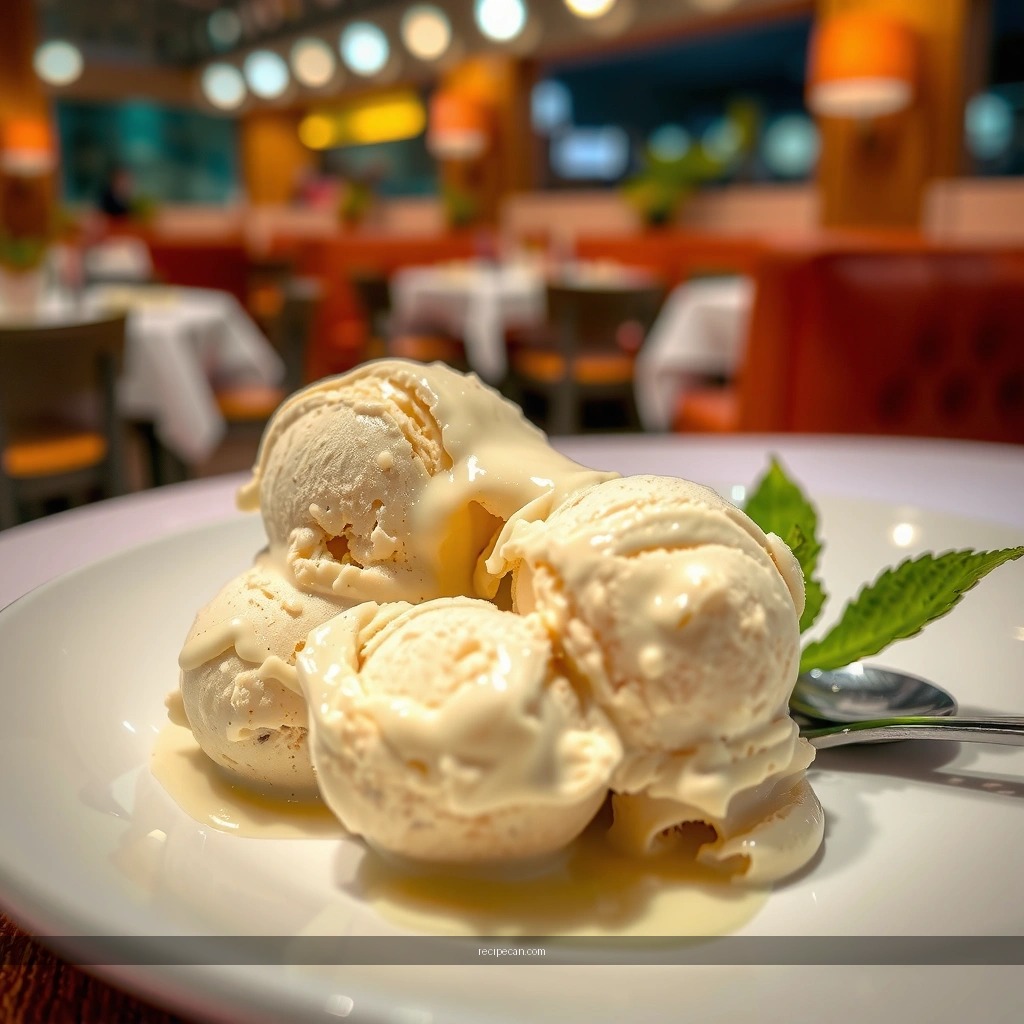
Even with the right base, ice crystals are the main reason homemade ice cream can feel sandy. The fix is systematic: control temperature, sugar, and stabilization.
1) Chill the base thoroughly
– Goal: fully hydrate milk solids and dissolve sugar.
– Best practice: chill at least 4 hours, ideally overnight.
– Why it matters: starting the churn with a cold base lets the ice cream freeze quickly into smaller crystals.
2) Use stabilizers when needed
If you’re aiming for premium “scoop even straight from the freezer” texture, stabilizers help maintain a consistent ice crystal network:
– Cornstarch slurry (common in egg-free churned base): Cook briefly to activate thickening; it improves body and reduces iciness.
– Gelatin (or gelatin-like structure substitutes): A small amount can produce a silkier texture that melts smoothly.
3) Balance sugar and fat
– Too little sugar → faster freezing → larger crystals.
– Too much sugar → can feel heavy or syrupy; it also alters perceived sweetness and can mask flavors.
Evaporated milk provides solids, but it doesn’t replace sugar’s freezing-point control, so don’t under-sweeten.
4) Don’t churn too little (and don’t rush freezing)
Churn time influences how much air gets incorporated and how quickly the base transitions into a semi-solid. Under-churned batches freeze more firmly and can form larger crystals.
Churned Ice Cream Recipes (Classic & Flavor Variations)
Churned ice cream is the “gold standard” for texture because it creates smaller ice crystals and better aeration. Below are reliable evaporated milk approaches, with clear flavor guidance.
Classic Vanilla Ice Cream with Evaporated Milk
Why this works: Vanilla is a baseline that makes it easier to judge texture and sweetness—perfect for dialing in your evaporated milk method.
Method overview (custard-style or egg-light):
1. Warm evaporated milk with sugar and a pinch of salt.
2. Add vanilla.
3. If using yolks: temper yolks, return to heat briefly until thickened (custard stage).
4. Chill thoroughly (minimum 4 hours).
5. Churn, then freeze until firm.
Quality control tips:
– Vanilla extract is fast; vanilla bean is richer but requires simmering or steeping.
– If your ice cream feels firm/icy, slightly increase sugar next time or add cornstarch.
Chocolate Variation (Cocoa-Forward, Not Bitter)
Key change: Cocoa can taste sharper or drier than expected, so you typically need:
– A touch more sugar than vanilla
– Proper cooking of cocoa (or dissolving it well) so it doesn’t clump
Method overview:
1. Whisk cocoa into sugar before heating to prevent grainy cocoa particles.
2. Warm with evaporated milk and salt.
3. Finish with vanilla (even in chocolate bases, vanilla rounds bitterness).
4. Chill, churn, freeze.
Caramel Variation (Deep Flavor, Controlled Sweetness)
Caramel is more forgiving in churned ice cream because the custard/stabilization can help smooth texture.
Method overview:
1. Build caramel by melting sugar until amber (careful not to burn).
2. Combine caramel with warmed evaporated milk (slowly—hot liquid is essential).
3. Continue with your custard-style thickening (optional) or add a stabilizer.
4. Chill, churn, freeze.
Adjustment guidance:
– Caramel can become overly sweet if you start with too much sugar; taste your base warm—caramel should taste “slightly strong,” not dessert-sugar sweet, because freezing dulls sweetness.
No-Churn Ice Cream Recipes With Evaporated Milk
No-churn recipes focus on speed and convenience. Evaporated milk still contributes body, while whipped components and extra sugar help keep it scoopable.
Quick No-Churn Method (Evaporated + Condensed or Whipped Base)
A common and consistent approach:
1. Stir evaporated milk with sugar (and vanilla) until dissolved.
2. Fold in sweetened condensed milk (for a firmer scoop) *or* fold in whipped cream (for a lighter, softer texture).
3. Freeze until set.
Why this works:
– Condensed milk brings dissolved solids and sweetness that help reduce ice crystals.
– Whipped cream introduces air and fat, improving softness and mouthfeel.
Add Mix-Ins the Right Way
– Add-ins should be folded in after the base is fully combined, once the mixture is uniform.
– For cookie pieces and chocolate chunks, consider chilling them slightly (or using room-temperature mix-ins) so they don’t melt into the base.
– For fruit: thaw frozen fruit and drain excess liquid; then swirl to avoid watery streaks.
Texture tip: No-churn ice cream often benefits from a 10–20 minute soften before serving to achieve clean scoops.
Best Toppings, Mix-Ins, and Serving Tips
Even a well-made evaporated milk ice cream can underperform if served incorrectly or loaded improperly.
Mix-in timing matters
– Churned ice cream: fold mix-ins after churning (or keep to the last 1–2 minutes of churn if your mix-ins are sturdy).
– No-churn: fold mix-ins after the base is combined and before the first freeze phase.
This preserves texture and prevents mix-ins from soaking up meltwater.
Serving tips for “restaurant-like” scoops
– Remove from freezer and let it soften 5–15 minutes (depending on your freezer temperature).
– Use a warmed scoop (briefly run under hot water, then dry).
– For layered desserts, serve immediately after softening so the top layer doesn’t re-freeze into a firm crust.
Pairings that amplify evaporated milk flavors
– Vanilla + berries + a light drizzle of honey or berry sauce
– Chocolate + sea salt flakes (small amount) for contrast
– Caramel + toasted nuts (pecans or almonds) for crunch
– Cookie & cream + extra cookie crumbs and a milk-chocolate drizzle
—
Homemade ice cream recipes with evaporated milk can be smooth, rich, and surprisingly simple—just balance sugar for scoopability, chill the base thoroughly, and follow the right method for either churned or no-churn texture. Pick one flavor (vanilla for baseline, chocolate for boldness, caramel for depth) and make small adjustments over your next two batches; within a week, you’ll have a repeatable “creamy combination” that fits your preferences.
Frequently Asked Questions
What are the best ice cream recipes with evaporated milk for a creamy texture?
Look for recipes that use evaporated milk plus egg yolks or a cooked custard base, because the added milk solids create a smooth, rich mouthfeel without heavy cream. Churnable styles often include evaporated milk, sugar, vanilla, and either a small amount of cornstarch or eggs to help thicken and reduce iciness. If you want an extra creamy result, choose recipes that also add a little butter or condensed milk alongside evaporated milk.
How do you make homemade ice cream with evaporated milk without eggs?
Use a no-egg base by heating evaporated milk with sugar until the sugar dissolves, then whisk in a stabilizer like cornstarch (slurry) or a small amount of instant pudding mix. Cool the mixture completely, then churn according to your ice cream maker’s instructions. For a thicker texture in egg-free ice cream, let the base chill 4–6 hours before churning and avoid overfreezing right after churning.
Why does evaporated milk help make ice cream less icy?
Evaporated milk has more concentrated milk solids than regular milk, which improves body and helps bind water during freezing. When you also add sugar (and sometimes a stabilizer), the freezing point lowers and the mixture stays softer, reducing the formation of large ice crystals. This is why many ice cream recipes with evaporated milk produce a smoother, more scoopable texture than simple milk-and-cream alternatives.
Which evaporated milk ice cream flavors work best—chocolate, vanilla, or fruit?
Classic vanilla and chocolate tend to work extremely well because they pair with evaporated milk’s caramel-like notes and respond nicely to custard thickening. Fruit flavors also work great, but it’s important to manage extra moisture—use cooked fruit puree or reduce the fruit slightly before folding it in. For swirls like strawberry or raspberry, chill the fruit mixture fully and swirl gently after the base has churned to keep it creamy.
How can you troubleshoot grainy or curdled ice cream when using evaporated milk?
Graininess or curdling usually happens when the custard is heated too hot or too fast; keep the mixture at a gentle simmer and stir constantly. If using eggs, temper them slowly by adding hot evaporated milk to the yolks while whisking, then return everything to the pot and cook until it coats a spoon. If it already looks curdled, you can sometimes salvage by blending the mixture until smooth and then chilling thoroughly before churning.
References
- https://scholar.google.com/scholar?q=evaporated+milk+ice+cream+recipe Google Scholar
https://scholar.google.com/scholar?q=evaporated+milk+ice+cream+recipe - Google Scholar Google Scholar
https://scholar.google.com/scholar?q=evaporated+milk+ice+cream+formulation - Google Scholar Google Scholar
https://scholar.google.com/scholar?q=evaporated+milk+frozen+dessert+stabilizer+study - Evaporated milk
https://en.wikipedia.org/wiki/Evaporated_milk - Ice cream
https://en.wikipedia.org/wiki/Ice_cream - Ice cream | Definition, History, & Production | Britannica
https://www.britannica.com/topic/ice-cream - Evaporated milk | Britannica
https://www.britannica.com/topic/evaporated-milk - https://pubmed.ncbi.nlm.nih.gov/?term=evaporated+milk+ice+cream
https://pubmed.ncbi.nlm.nih.gov/?term=evaporated+milk+ice+cream - https://www.sciencedirect.com/search?qs=evaporated%20milk%20ice%20cream
https://www.sciencedirect.com/search?qs=evaporated%20milk%20ice%20cream - evaporated milk ice cream | Nature Search Results
https://www.nature.com/search?q=evaporated%20milk%20ice%20cream