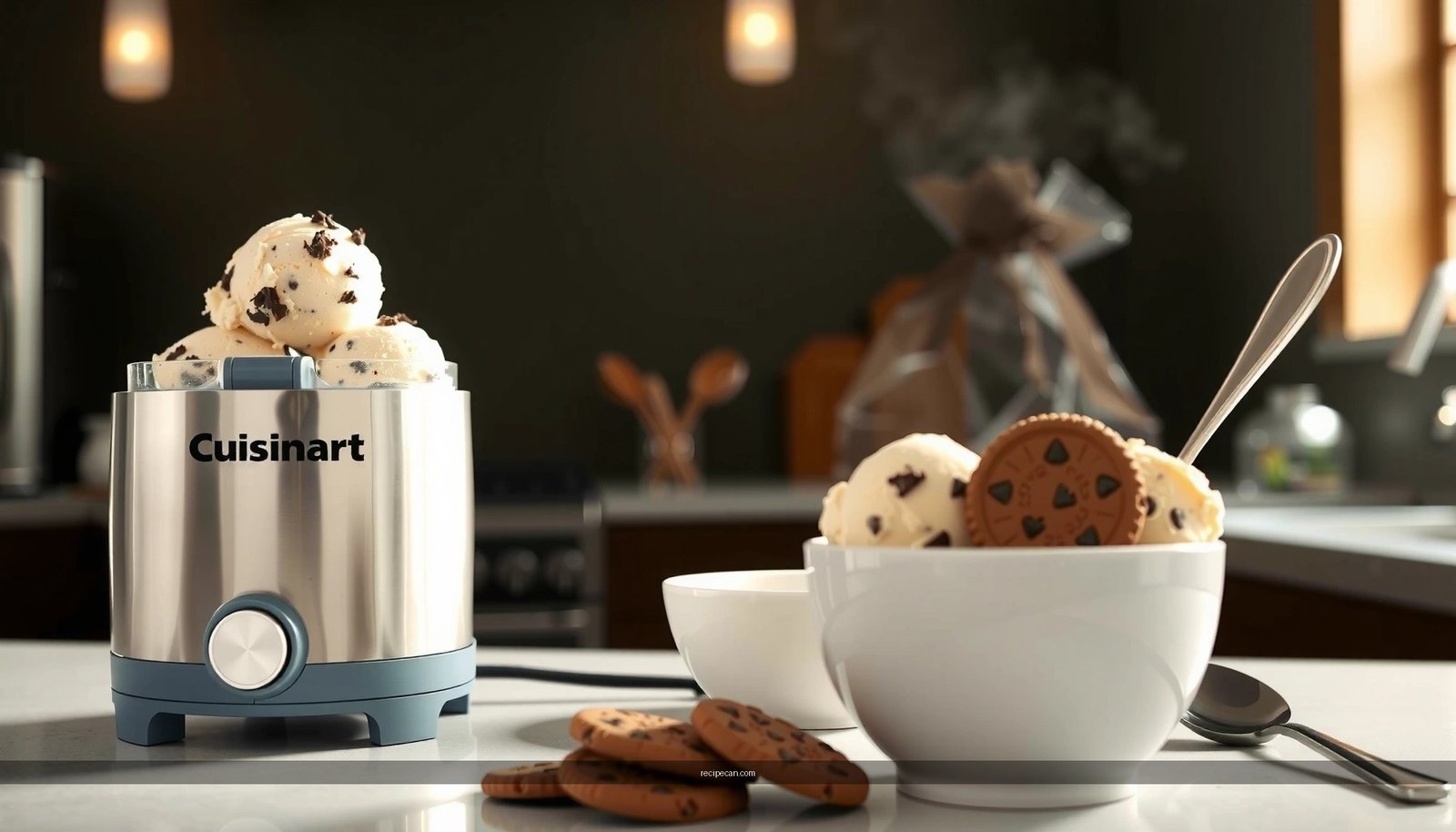
Want the best Cuisinart ice cream maker recipes for cookies and cream—one that actually delivers a thick, scoopable texture with bold cookie crunch? This guide picks the clear winner for your machine setup, laying out the steps to fold in cookies the right way so they don’t turn sandy. If you want a cookies-and-cream batch that tastes like store-bought with better control over sweetness and mix-ins, you’ll get the recipe and timing you need.
Use a custard-style Cookies and Cream base, chill it thoroughly, and add crushed cookie pieces at the right point in the churning process—then you’ll reliably get a smooth, scoopable texture with visible crunch. This guide walks you through a dependable Cuisinart ice cream maker recipe, plus practical controls for cookie size, sweetness, thickness, and storage so each batch performs predictably.
Cuisinart Cookies and Cream Base (Core Recipe)
The foundation of a great Cookies and Cream ice cream in a Cuisinart is a creamy, custard-style base rather than a loosely mixed “cream + flavor” approach. Custard-style bases emulsify well, develop body as they chill, and churn into a texture that holds up when you scoop straight from the freezer. In business terms: you’re engineering consistency—fat, sugar, and water are balanced so the ice cream freezes with smaller ice crystals and a smoother mouthfeel.
Core goal: create a base that is rich enough to carry cookie flavor, but stable enough to churn without turning gummy or icy.
Recommended base ingredients (makes ~1.5 quarts / 6–8 servings, depending on your Cuisinart model):
– 2 cups (480 ml) whole milk
– 1 cup (240 ml) heavy cream
– 5 large egg yolks (about 100 g)
– 1/2 cup (100 g) granulated sugar
– Pinch of salt
– 1 tsp vanilla extract (optional in the base; you can also reserve vanilla for later)
Method (custard-style):
1. Warm the dairy: Heat milk + heavy cream over medium until steaming, not boiling.
2. Whisk yolks + sugar: In a bowl, whisk egg yolks, sugar, and salt until the mixture looks slightly lighter and smooth.
3. Temper: Slowly pour a thin stream of hot dairy into the yolks while whisking continuously.
4. Cook to custard consistency: Return everything to the pot and cook on medium-low, stirring constantly, until it thickens enough to coat a spoon (about 170–175°F / 77–80°C).
– If you don’t have a thermometer, a practical indicator is: run a finger across the back of the spoon; the line should stay briefly before slowly filling back in.
5. Strain and chill thoroughly: Strain through a fine mesh sieve to ensure the base stays silky. Chill until completely cold—at least 4 hours, ideally overnight.
Chilling matters more than most people expect. Starting with a colder base reduces the time the mixture spends in the machine warming up, which helps the churning reach a stable emulsion faster. The result is a denser, creamier texture and better scoopability after freezing.
Cookie Prep for Maximum Crunch
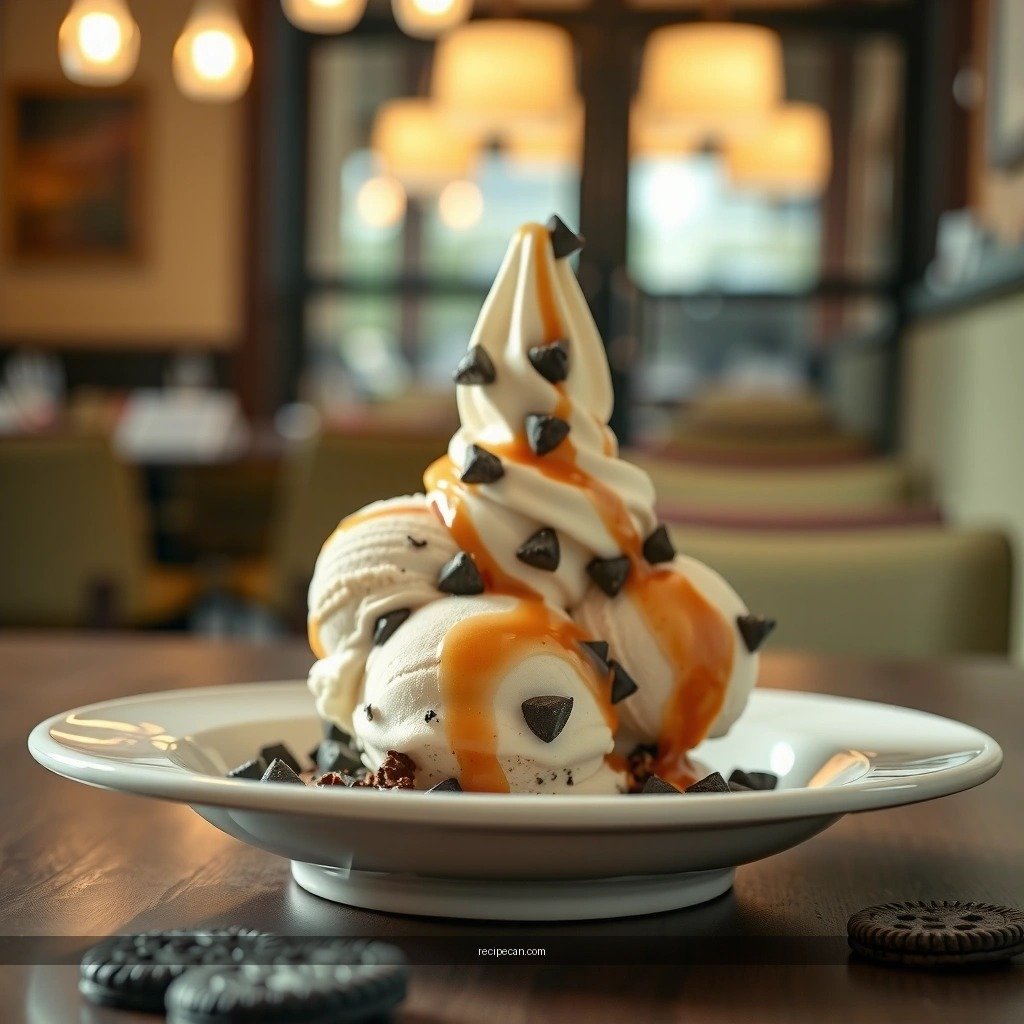
Cookies and Cream stands or falls on cookie texture: you want crunch you can see and feel, not cookie dust that disappears into the base. The key is controlling cookie size and timing.
What to do with the cookies
– Crush Oreos (or similar sandwich cookies) into a blend of:
– fine crumbs (for cookie flavor distribution),
– and small bits (for crunch).
– A good target is roughly 25–35% crumbs and 65–75% small pieces—this balance ensures you get both intensity and “bite.”
When to add the cookie pieces
Cookie bits should be added late in the churning cycle. If you add them immediately, agitation and time will soften the cookies, especially with the sugar-moist environment inside the base. If you add them during the final minutes, you preserve:
– a fresher cookie snap,
– stronger visual “swirls” of cookie matter,
– and a cleaner contrast between creamy ice cream and crunch.
Actionable rule: Add cookie pieces during the last 2–5 minutes of churning (or when the mixture reaches a thick, mousse-like stage).
How much cookie to use
To keep cookie flavor prominent without flooding the base:
– Start with about 18–22 Oreos (or equivalent), crushed.
Then adjust up/down based on how “loud” you want the cookies to be.
Churning Tips for Best Texture
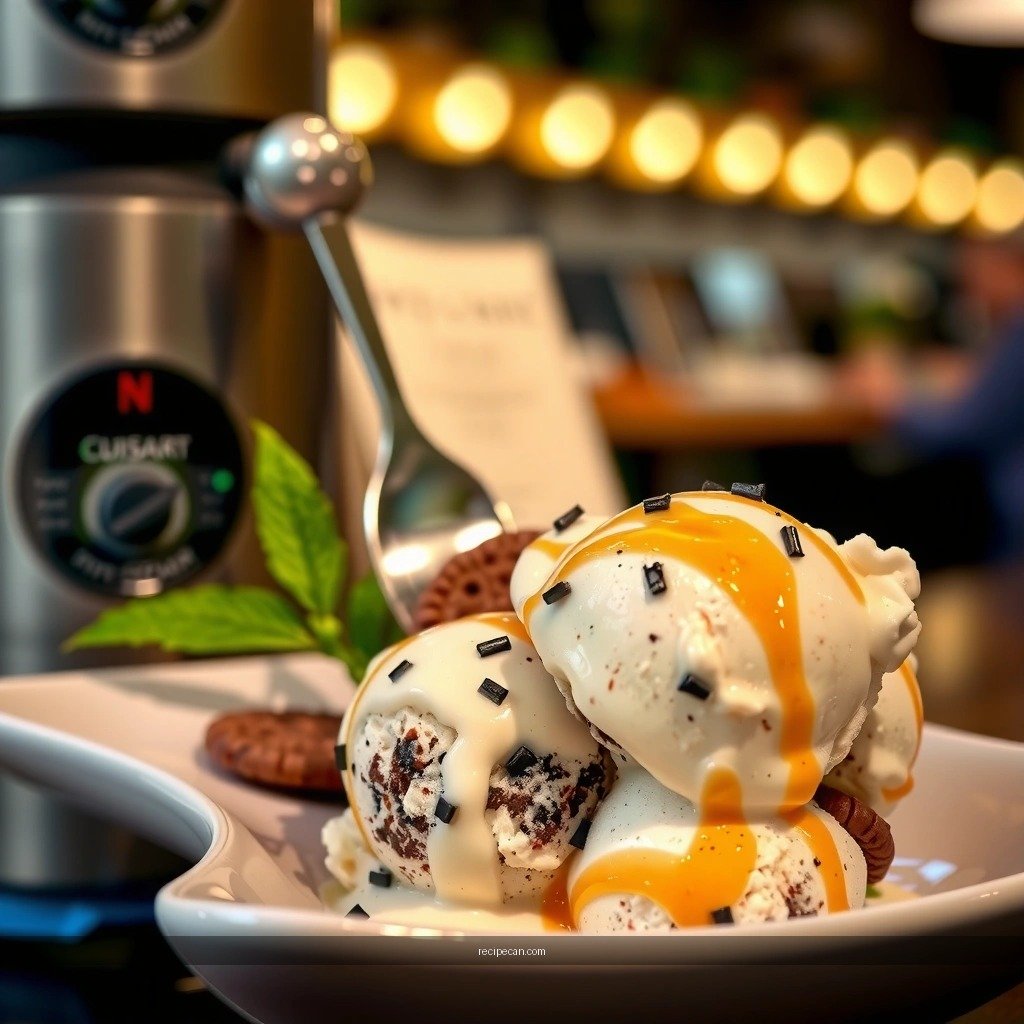
Cuisinart ice cream makers are designed for consistent freezing and churning, but the results depend on two operational factors: time and fill level. Think of these as controlling the physical mixing environment.
Follow timing and temperature expectations
– Ensure the freeze bowl is fully frozen before you start (commonly 24 hours in the freezer for best results).
– Use your model’s cycle guidance for thickness:
– Many Cuisinart units yield the best texture when you churn until the mix resembles soft-serve rather than thin batter.
Avoid overfilling
Don’t exceed the recommended fill line. Overfilling reduces circulation, meaning the paddle can’t move the mixture through the cold bowl evenly. That can cause:
– softer or grainier sections,
– less consistent aeration,
– and a weaker structure after hard-freezing.
Visual cues that the batch is ready
– The mixture should look thicker and more uniform, not watery.
– It should hold ridges briefly when you stop the machine.
A practical workflow
1. Chill base completely (overnight if possible).
2. Start churning with a cold base.
3. Add cookies near the end.
4. Transfer immediately to a container and freeze.
Sweetness and Thickness Adjustments
Cookies and Cream sweetness is tricky because cookies themselves contribute sugar, cocoa, salt, and flavor. If you use a standard custard base without adjustment, you may end up with an ice cream that tastes “pleasant but flat”—or noticeably too sweet—depending on the cookie brand.
Adjust sweetness based on cookie choice
– If using very sweet cookies: reduce sugar by 1–2 Tbsp (about 8–16 g).
– If using less sweet cookies (or darker cocoa cookies): you can keep the original sugar or increase slightly (up to 2 Tbsp) for more caramel-like richness.
Thicken with chill time (not extra sugar)
Thickness at the finish isn’t just about the churn; it’s about how quickly the base stabilizes as it chills and freezes. Two effective controls:
– Longer base chill (improves smoothness and stability).
– Hard-freeze time after churning (commonly 4–6 hours for scoopable firmness).
Thin slightly if your mix is too stiff
If your mixture seems very thick going into freezing (sometimes due to egg content, low temperatures, or heavy cookie solids), you can adjust with:
– a small splash of milk or cream (start with 1–2 Tbsp, then reassess).
Quick reference: expected outcome tuning
Use the table below to predict how ingredient and process changes typically affect texture and scooping results.
Cookies & Cream Batch Reliability in a Cuisinart (What Improves Texture Most)
| # | Process/Ingredient Lever | Recommended Range | Scoopability Rating | Expected Impact |
|---|---|---|---|---|
| 1 | Base chilling time before churn | 4–12 hours | ★★★★★ (5/5) | High + |
| 2 | Cookie addition timing | Last 2–5 minutes | ★★★★☆ (4/5) | High + |
| 3 | Cookie piece size mix | ~65% bits / 35% crumbs | ★★★★☆ (4/5) | Moderate + |
| 4 | Total cookie count (Oreos equivalent) | 18–22 cookies per batch | ★★★★☆ (4/5) | Moderate + |
| 5 | Base sugar level vs. cookie sweetness | ±1–2 Tbsp granulated sugar | ★★★★☆ (4/5) | Balanced + |
| 6 | Hard-freeze time before serving | 4–6 hours | ★★★★★ (5/5) | High + |
| 7 | Overfilling the Cuisinart bowl | Avoid (stay under fill line) | ★★☆☆☆ (2/5) | Negative − |
Storage and Serving for Fresh Taste
Cookies and Cream is best served soon after it reaches scoopable hardness, but storage still matters because cookie texture can shift and ice crystals can form.
Storage strategy to reduce ice crystals
– Transfer to an airtight, freezer-safe container.
– Press parchment or plastic wrap directly onto the surface to minimize air exposure.
– Seal and freeze. This reduces oxidation and helps protect texture.
How long is “best”? For best quality, aim to eat within about 1–2 weeks (after that, texture still works, but cookie crunch can soften noticeably).
Serving technique
Even a well-made ice cream needs a short tempering window:
– Let it sit at room temperature for 5–10 minutes before scooping.
This softens the outer layer while keeping the interior dense and scoopable.
Best practice: avoid repeated temperature swings
Repeatedly taking it out, scooping, and returning it can create uneven freezing and larger crystals—especially in home freezers with frost cycling.
Flavor Variations Using Cookies and Cream
Once you master the base, you can create variations that stay compatible with your Cuisinart ice cream maker’s texture profile (meaning: stable base + timed mix-ins).
Chocolate-cookie intensity
– Use chocolate sandwich cookies with a stronger cocoa profile, or mix cookie types.
– For deeper cookie flavor, increase cookie crumbs slightly while keeping crunchy bits reserved for late addition.
Vanilla-forward or tangy profiles
– Add 1/2–1 tsp vanilla extract to the churn at the end for a cleaner aroma.
– For a tangier, richer profile, fold in a modest portion of cream cheese (typically 4–6 oz blended into the warm base during custard cooking). This adds body and a subtle tang that contrasts well with chocolate.
Optional “premium” upgrade ideas
– Add a small amount of chocolate shavings (not too much—too many solids can affect churn smoothness).
– Layer cookie pieces so you get ribbons rather than uniform distribution, while still adding near the end for crunch retention.
Cuisinart Cookies and Cream in Practice
Churning Cookies and Cream in your Cuisinart is all about a well-chilled base and adding cookie bits at the right time. Follow the core recipe, use the cookie prep tips, and fine-tune sweetness to your taste—then churn your next batch and serve it immediately for the best texture.
In conclusion, consistent Cookies and Cream from a Cuisinart comes down to three controllable levers: a custard-style base that’s chilled thoroughly, cookie pieces sized for both crumbs and crunch, and correct timing when you mix cookies into the churning ice cream. Add smart sweetness adjustments for your specific cookie brand, store with airtight protection to minimize ice crystals, and you’ll reliably produce a smooth, scoopable result with the kind of crunch customers (and guests) can’t stop talking about.
Frequently Asked Questions
What are the best Cuisinart ice cream maker cookies and cream recipes for beginners?
A great beginner option is a “cookies and cream” base made with vanilla ice cream or custard, plus crushed Oreo-style cookies. Start by steeping cookie crumbs in cold milk/cream (or mixing them directly) so the Cuisinart ice cream maker incorporates the flavor evenly. Churn until thick and creamy, then fold in a portion of extra cookie pieces at the end for better texture. This approach helps avoid overly soggy cookies while keeping the recipe forgiving in a Cuisinart ice cream maker.
How do you make cookies and cream ice cream in a Cuisinart ice cream maker without ending up icy?
Use a reliable custard or ice-cream base with enough fat (cream and/or egg yolks) because it slows ice crystal formation in your Cuisinart ice cream maker. Chill the base completely before churning and keep the mix cold so the machine can freeze quickly and evenly. After churning, store the finished cookies and cream ice cream in an airtight container and press parchment directly on the surface to limit ice buildup. Adding crushed cookies at the end can also help preserve a smooth, scoopable texture.
Why does my Cuisinart cookies and cream ice cream come out too soft or doesn’t scoop well?
If your cookies and cream mixture churned too warm or wasn’t chilled long enough, it may not set properly and can feel soft even after freezing. Check that you’re using the right amount of cookies and cream “chunks,” because too many fine crumbs can disrupt the structure and make the texture less stable. For best results, churn to a thick, custard-like consistency and freeze for several hours afterward to firm it up. If you’re using a no-cook base, consider increasing cream content slightly for a firmer Cuisinart churn.
Which cookies work best for cookies and cream recipes in a Cuisinart ice cream maker?
Classic chocolate sandwich cookies (like Oreos) are the most common choice because their flavor and moisture level create a balanced cookies and cream profile. For a more distinct cookie crunch, use a mix of finely crushed cookies for flavor and larger pieces for texture—especially if you’re adding some after churning in your Cuisinart ice cream maker. Avoid cookies that are overly stale or very airy, since they can dissolve too quickly and mute the cookies and cream taste. If you want a twist, try dark chocolate cookies or gluten-free cookies while keeping the same total cookie quantity.
What’s the best way to add cookies to Cuisinart ice cream maker cookies and cream so they don’t get soggy?
Reserve some cookie pieces for “fold-in” at the end of churning, which keeps chunks from breaking down and turning gummy. If your recipe calls for a base infusion, crush some cookies and steep them briefly in the dairy, then strain if you prefer fewer solids. Make sure the ice cream base is fully chilled before it hits the Cuisinart ice cream maker so the cookies set and the mixture thickens properly. Finally, freeze promptly in an airtight container to protect the cookies and cream texture and flavor.
References
- Ice cream
https://en.wikipedia.org/wiki/Ice_cream - Cookies and cream
https://en.wikipedia.org/wiki/Cookies_and_cream - eCFR :: 21 CFR 135.110 — Ice cream and frozen custard.
https://www.ecfr.gov/current/title-21/chapter-I/subchapter-B/part-135/subpart-B/section-135.110 - Ice cream | Definition, History, & Production | Britannica
https://www.britannica.com/topic/ice-cream - https://pubmed.ncbi.nlm.nih.gov/?term=ice+cream+microstructure+air+cells
https://pubmed.ncbi.nlm.nih.gov/?term=ice+cream+microstructure+air+cells - https://pubmed.ncbi.nlm.nih.gov/?term=ice+cream+fat+crystallization+freezing
https://pubmed.ncbi.nlm.nih.gov/?term=ice+cream+fat+crystallization+freezing - https://pubmed.ncbi.nlm.nih.gov/?term=ice+cream+texture+mixing+and+inclusions+cookies
https://pubmed.ncbi.nlm.nih.gov/?term=ice+cream+texture+mixing+and+inclusions+cookies - Google Scholar Google Scholar
https://scholar.google.com/scholar?q=cookies+and+cream+ice+cream+maker+recipe - Google Scholar Google Scholar
https://scholar.google.com/scholar?q=ice+cream+formulation+freezing+overrun+fat+crystallization - Google Scholar Google Scholar
https://scholar.google.com/scholar?q=incorporating+cookies+in+ice+cream+microstructure+texture