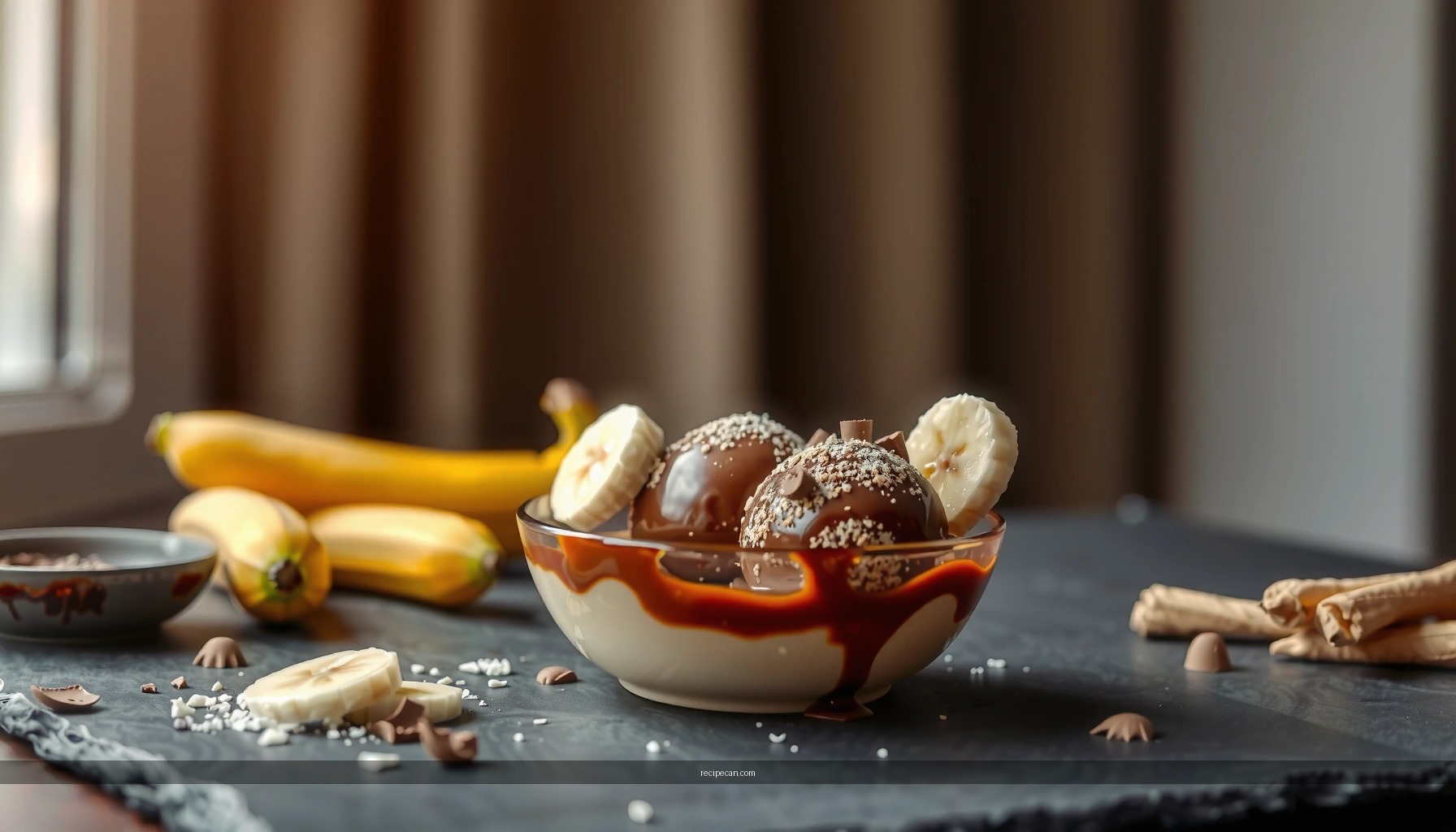
If you want the best banana and chocolate ice cream recipe for a rich, scoopable result, you’ll get it here: velvety banana flavor with deep chocolate payoff in every bite. This recipe answers the key question—how to blend ripe bananas and chocolate so the ice cream turns out creamy, not icy, with no temperamental steps. Follow the precise method and you’ll be churning a dessert that tastes like homemade gelato, straight from your freezer.
Make creamy banana and chocolate ice cream by blending ripe bananas, mixing in cocoa (or melted chocolate), and churning or freezing until firm. This approach delivers a rich, smooth texture with natural sweetness from bananas, and this recipe breaks down the ingredients, technique, and quality tips so you can consistently produce great results at home.
Ingredients for Banana and Chocolate Ice Cream
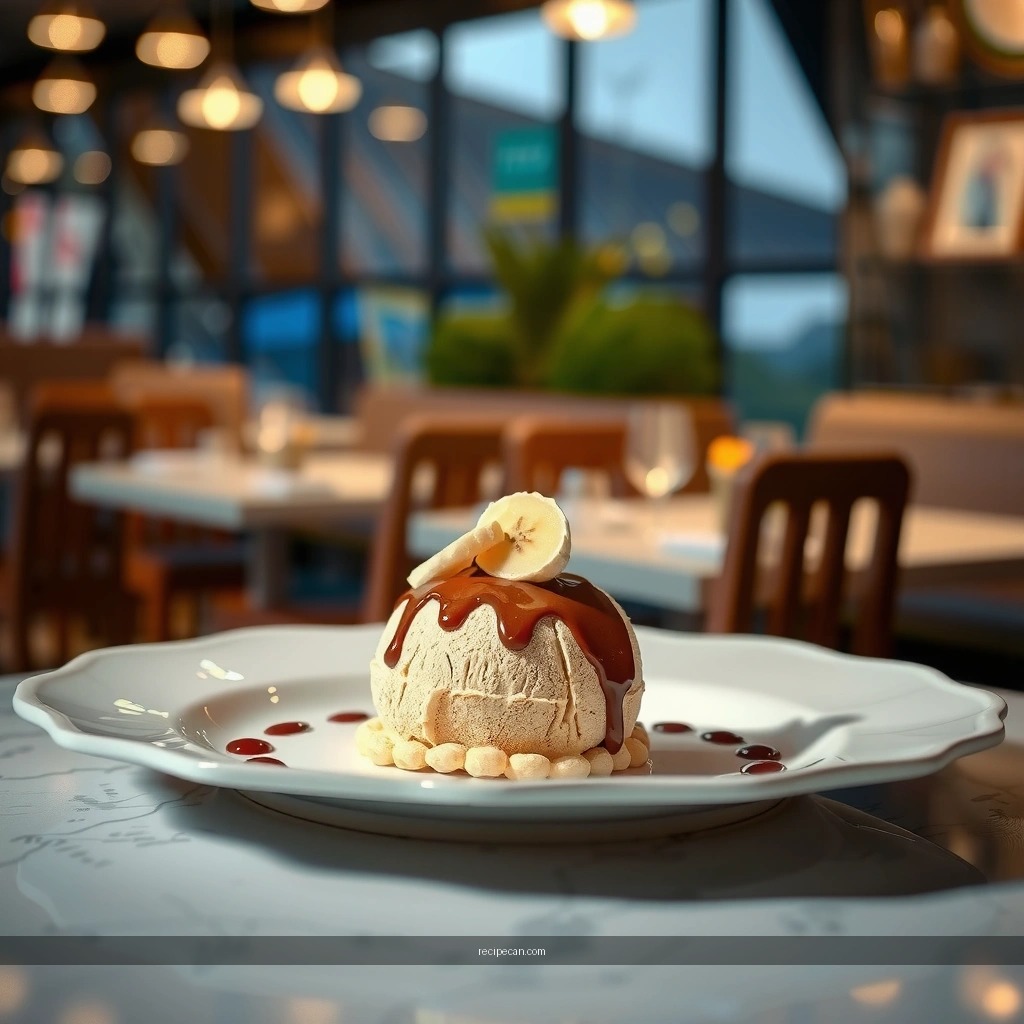
To make banana and chocolate ice cream with a genuinely creamy mouthfeel, the goal is balance: sweet, ripe fruit; enough dairy (or non-dairy) fat for body; and cocoa or chocolate for deep flavor. Below is what to choose and why.
– Use ripe bananas for natural sweetness and creamy texture.
Look for bananas with lots of brown spots. They’re higher in natural sugars and softer, which helps blend into a smooth base and reduces any chance of a “rubbery” or gritty texture.
– Choose cocoa powder or melted chocolate for the chocolate flavor.
– Cocoa powder offers classic chocolate intensity and blends easily into a banana base.
– Melted chocolate (dark or semi-sweet) adds both flavor and viscosity, which can improve perceived creaminess.
– Add dairy (milk/cream) or a non-dairy option if preferred.
Dairy typically yields the most traditional texture, especially if you include cream. For non-dairy banana chocolate ice cream, use a high-fat option (like coconut cream or full-fat oat cream) to replace the fat that helps slow crystal formation.
Banana Chocolate Ice Cream Base: Recommended Ingredient Roles (for ~6 cups)
| # | Ingredient | Typical Amount | Best For | Impact |
|---|---|---|---|---|
| 1 | Ripe bananas | 4 medium (~560 g) | Sweetness + creamy body | ★★★★★ |
| 2 | Unsweetened cocoa powder | 60 g (about 1/2 cup) | Deep chocolate flavor | ★★★★☆ |
| 3 | Milk (or oat milk) | 240–300 ml | Smooth blend + pourable base | ★★★★☆ |
| 4 | Heavy cream (or oat/o coconut cream) | 300 ml | Creaminess + slower ice crystal growth | ★★★★★ |
| 5 | Vanilla extract | 2 tsp | Rounds banana/chocolate notes | ★★★★☆ |
| 6 | Fine salt | 1/8–1/4 tsp | Enhances perceived chocolate depth | ★★★☆☆ |
| 7 | Sweetener (optional) | 0–60 g sugar/honey | Adjusts sweetness for less-ripe bananas | ★★☆☆☆ |
Simple Steps to Make the Ice Cream
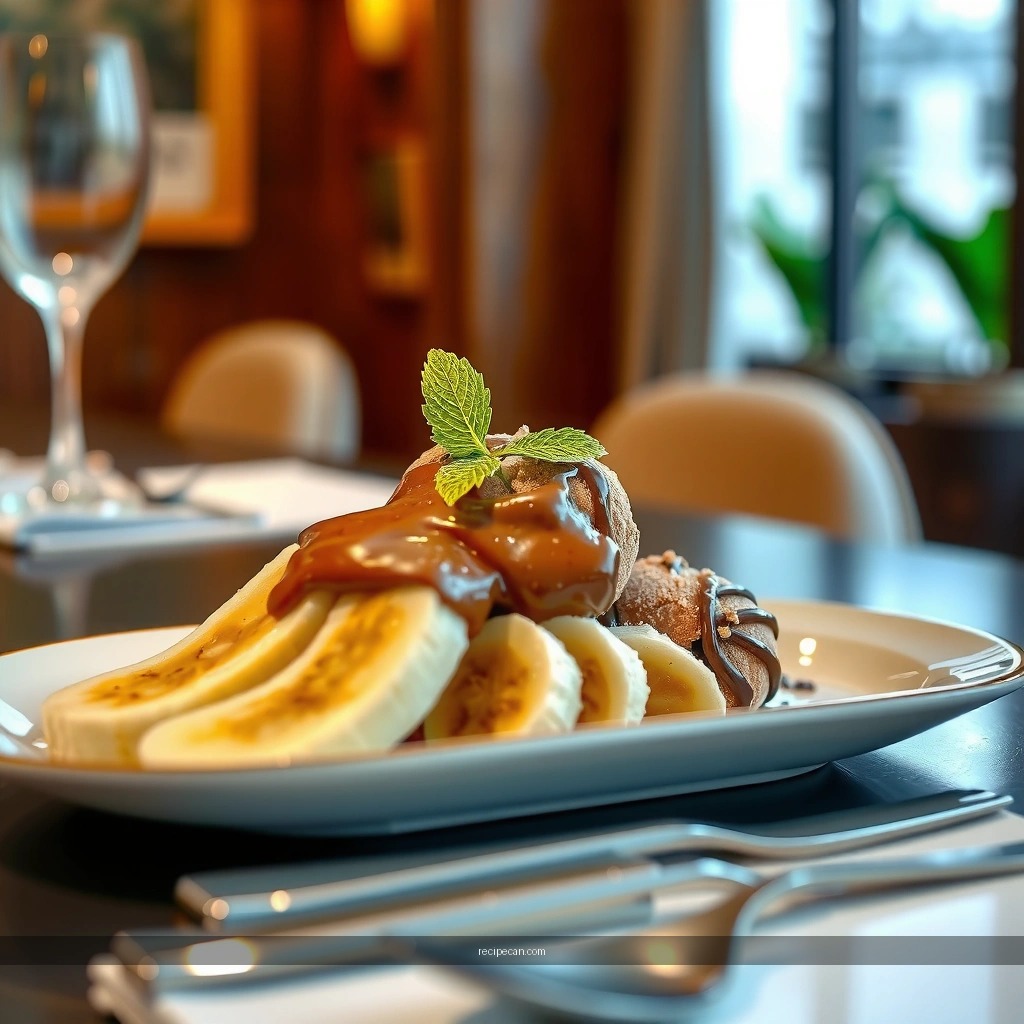
This is the simplest workflow that still respects texture science: blend thoroughly, incorporate chocolate uniformly, chill to stabilize, then churn or freeze with minimal crystal growth.
– Blend bananas until smooth, then mix in cocoa/chocolate and milk/cream.
Start by blending bananas on their own until completely smooth. Then add cocoa powder (sift if lumpy) and your dairy/non-dairy base. If using melted chocolate, cool it slightly first so it doesn’t seize or curdle when combined.
– Chill the base briefly for a thicker, better-churn result.
Chill for at least 2–4 hours (or overnight). Cold base improves how ice crystals form and helps the mixture reach a consistent viscosity. If you want a “business-grade” repeatable result, chilling is not optional.
– Churn according to your machine, or freeze and stir until set.
– With an ice cream maker: churn until it looks like soft-serve, usually 20–35 minutes, then transfer to a container and freeze to firm up.
– No-churn method: pour into a shallow container and freeze. Stir vigorously every 45–60 minutes for the first 2–3 hours, then let it freeze undisturbed until solid. This reduces iciness dramatically.
Best Texture Tips (Creamy vs. Icy)
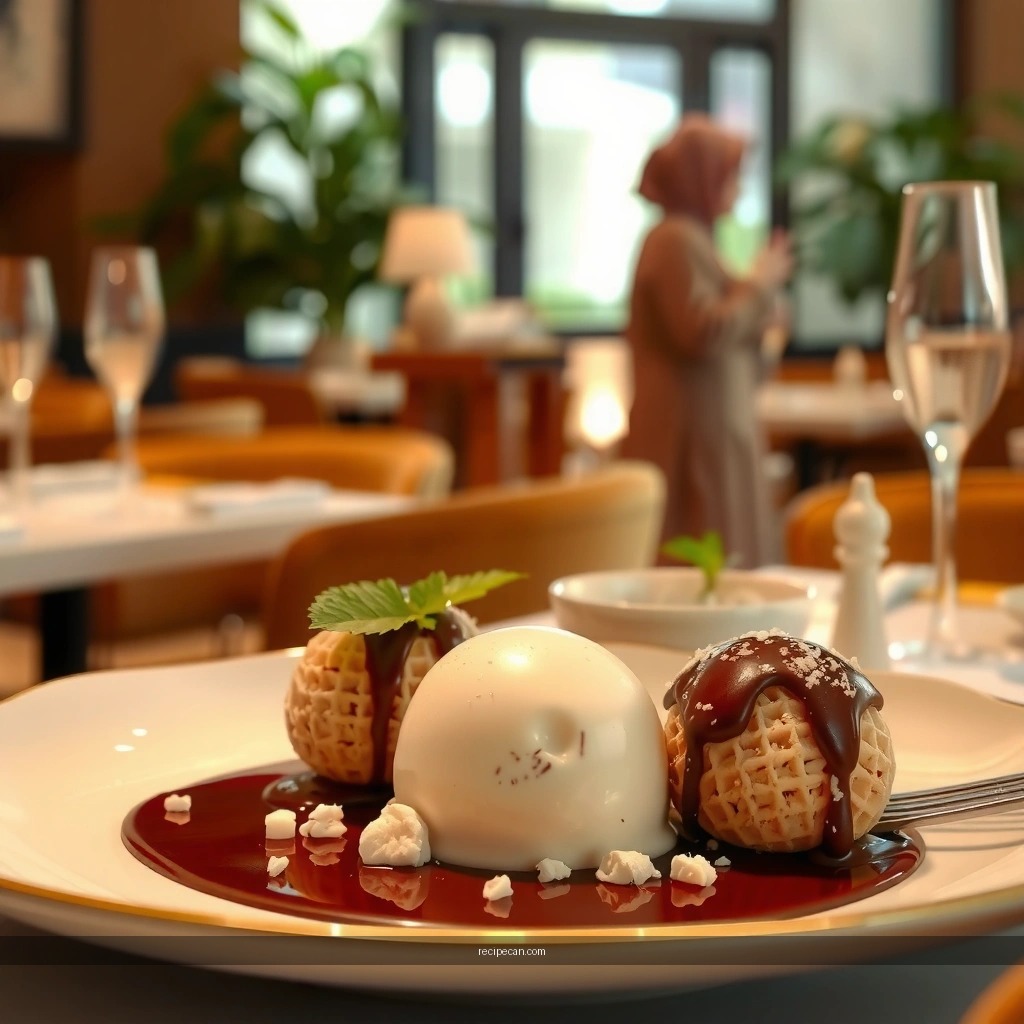
Banana and chocolate ice cream can go either way—luxuriously creamy or disappointingly icy—depending on two variables: fat/sugar balance and temperature control.
– Chill the mixture before freezing to reduce iciness.
When the base is warmer, it freezes in larger ice formations. Chilling encourages smaller crystal development and improves scoopability.
– Stir or re-blend during freezing if you’re not using a churner.
In no-churn freezing, stirring is your replacement for mechanical churning. Even one or two aggressive mixing sessions can meaningfully improve texture, but more frequent stirring early on typically yields the best result.
– Balance banana ripeness with sweetness to avoid a gritty texture.
Underripe bananas contain more starch and less sugar, which can lead to a chalky or slightly gritty mouthfeel after freezing. If your bananas aren’t fully ripe, consider adding a modest sweetener—but avoid over-sweetening, which can also soften structure.
Flavor Variations and Mix-Ins
Once you have the base recipe, you can tailor it to your audience—or your own preferences—without compromising texture. A good strategy is to add mix-ins that either: (1) stay suspended well, or (2) incorporate chocolate flavor without hardening into unpleasant chunks.
– Add chocolate chunks, fudge swirls, or crushed cookies for extra indulgence.
Fold in mix-ins after churning (or after the base begins to thicken in no-churn). This timing helps distribute ingredients evenly and keeps cookies from dissolving.
– Stir in a pinch of salt to enhance chocolate and banana flavor.
Salt boosts flavor contrast—especially in cocoa. Use restraint; too much salt shifts the profile.
– Try vanilla, espresso powder, or cinnamon for warm depth.
– Espresso powder heightens “dark chocolate” notes without making the ice cream taste like coffee.
– Cinnamon pairs naturally with banana and complements cocoa warmth, especially for a dessert-style profile.
Practical example for customization: if you’re serving this at a family event, consider a “bar” approach—make one base, then portion into containers with different add-ins (cookie pieces in one, fudge swirl in another). It’s efficient and gives guests choice.
Storage and Serving Suggestions
Even the best banana and chocolate ice cream can degrade if it’s exposed to air. Proper storage protects texture, aroma, and overall eating quality.
– Store in an airtight container to prevent freezer burn.
Press parchment or plastic wrap directly onto the surface before sealing. This minimizes ice crystals forming on top and keeps chocolate notes from fading.
– Let it sit 5–10 minutes before serving for easier scooping.
From a serving standpoint, this small window matters. Too cold straight from the freezer can feel firm and slightly less creamy.
– Consume within a few weeks for best taste and texture.
After a couple of weeks, flavor can dull and texture may stiffen. For peak results, aim to enjoy within 2–3 weeks.
Common Mistakes to Avoid
Most ice cream problems aren’t “bad luck”—they’re predictable causes. Avoid these, and you’ll get consistently smooth banana chocolate ice cream.
– Using underripe bananas can make the ice cream less sweet and less smooth.
Choose bananas with plenty of brown spots. If you only have greener bananas, roast or thaw them first, then blend very thoroughly.
– Skipping chilling may lead to a thinner base and icier result.
Skipping chill is a common reason homemade ice cream turns brittle or icy. Chill stabilizes fats and improves structure.
– Over-freezing without stirring can create large ice crystals.
Especially in no-churn versions, leaving the base undisturbed early leads to larger crystals. Stir during the first part of freezing for a smoother outcome.
This banana and chocolate ice cream recipe delivers a rich, naturally sweet flavor with a creamy texture you can make at home—churned or no-churn. Follow the ingredient guidance, chill for best results, and experiment with mix-ins like chocolate chunks, cookie pieces, or a hint of espresso. Make a batch today and enjoy a homemade frozen treat in just a few steps.
Frequently Asked Questions
What ingredients do I need to make banana and chocolate ice cream at home?
You’ll typically need ripe bananas, cocoa powder or melted chocolate, milk or cream, sugar (optional), and a pinch of salt for balance. For a richer texture, use heavy cream plus whole milk; for a lighter version, swap some cream for yogurt or evaporated milk. Optional add-ins like vanilla extract, chocolate chips, or a splash of espresso can enhance the chocolate and reduce cocoa bitterness.
How do I get a creamy texture when blending banana into chocolate ice cream?
Use very ripe bananas and blend them thoroughly until smooth before churning. If you’re going for extra silkiness, chill the banana-chocolate mixture in the refrigerator for at least 2–4 hours so it churns evenly. If you don’t have an ice cream maker, mash and freeze the mixture, then re-blend every 30–45 minutes during the first few hours to break up ice crystals.
Why does my banana and chocolate ice cream turn icy, and how can I prevent it?
Icy banana and chocolate ice cream usually happens when there’s too much water and not enough fat or stabilizers to control ice crystal growth. Make sure bananas are fully ripe, and use enough cream (or consider adding a small amount of cornstarch slurry or a spoon of Greek yogurt for body). Also avoid frequent thawing and re-freezing; keep it at a steady freezer temperature and press parchment directly onto the surface to minimize freezer burn.
What is the best way to incorporate ripe bananas without overpowering the chocolate flavor?
Start with a balanced ratio—too many bananas can make the banana flavor dominate and mute the cocoa. Try using bananas for sweetness and body, then boost chocolate with cocoa powder and/or melted chocolate, plus a pinch of salt and a touch of vanilla to round out flavors. If you want a more pronounced chocolate taste, add chocolate chips or a chocolate swirl after churning so the chocolate remains vivid.
Which method is best: churned ice cream maker or no-churn banana chocolate ice cream?
If you want the smoothest banana and chocolate ice cream with less effort, an ice cream maker is the most reliable option because it controls freezing as it churns. No-churn works well too, but it requires periodic stirring/re-blending to prevent large ice crystals and to keep the texture creamy. Choose the ice cream maker for consistent results, and choose no-churn if you want a simpler recipe that still delivers a good homemade chocolate banana dessert.
References
- Google Scholar Google Scholar
https://scholar.google.com/scholar?q=banana+chocolate+ice+cream+recipe - Google Scholar Google Scholar
https://scholar.google.com/scholar?q=banana+ice+cream+formulation+chocolate - Google Scholar Google Scholar
https://scholar.google.com/scholar?q=ice+cream+emulsion+stabilizers+sucrose+chocolate - Ice cream
https://en.wikipedia.org/wiki/Ice_cream - Chocolate ice cream
https://en.wikipedia.org/wiki/Chocolate_ice_cream - Banana
https://en.wikipedia.org/wiki/Banana - https://www.britannica.com/plant/banana
https://www.britannica.com/plant/banana - Chocolate | Definition, History, Types, Production, & Facts | Britannica
https://www.britannica.com/topic/chocolate - https://pubmed.ncbi.nlm.nih.gov/?term=ice+cream+formulation+stabilizers+emulsion
https://pubmed.ncbi.nlm.nih.gov/?term=ice+cream+formulation+stabilizers+emulsion - https://pubmed.ncbi.nlm.nih.gov/?term=banana+ice+cream
https://pubmed.ncbi.nlm.nih.gov/?term=banana+ice+cream