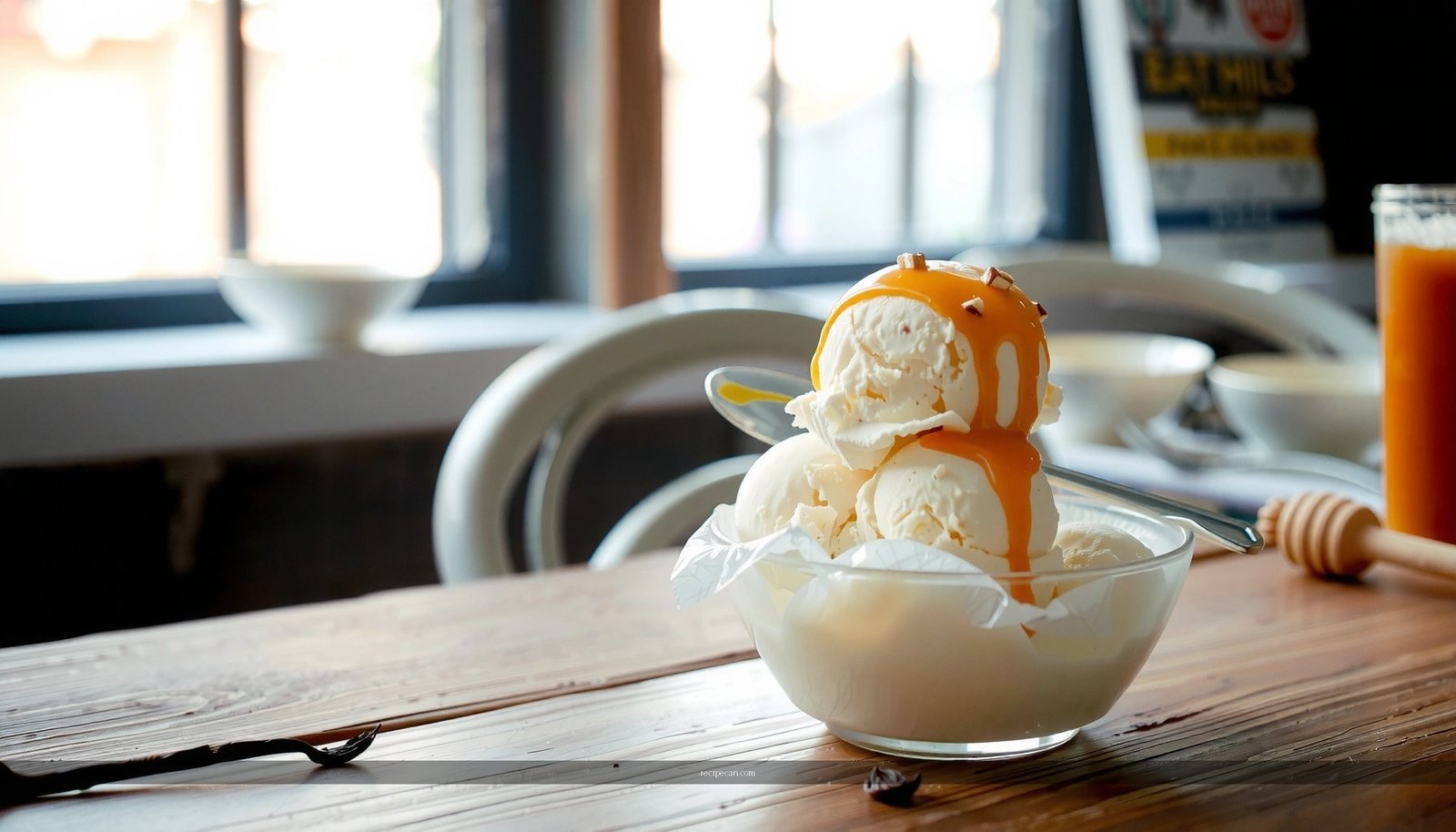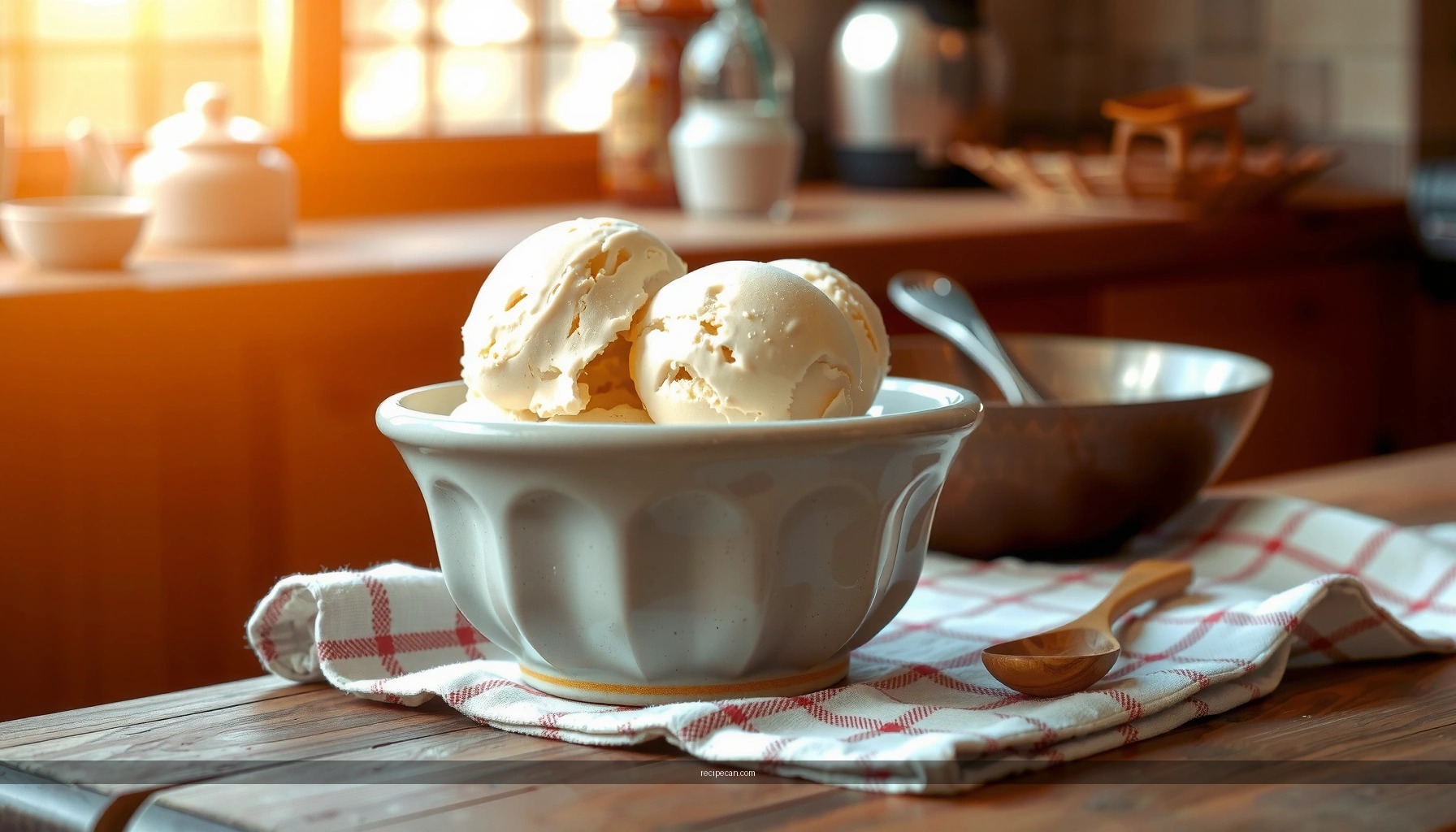
Get the Amish ice cream recipe for a truly creamy homemade classic, with the custard base and churned texture that make it taste like the real thing. This straightforward method answers the key question—how to make Amish-style ice cream at home that’s rich, smooth, and scoopable without turning icy. Follow the steps and you’ll land a dependable result every time, not a “close enough” dessert.
You can make Amish ice cream with a straightforward dairy base, careful cooling, and steady churning to achieve a rich, scoopable texture. Below is a reliable Amish ice cream recipe (with a custard-style “old-fashioned” approach), plus practical tips for temperature control, mix-ins, storage, and troubleshooting so your homemade classic turns out creamy instead of icy or grainy.
Ingredients You’ll Need
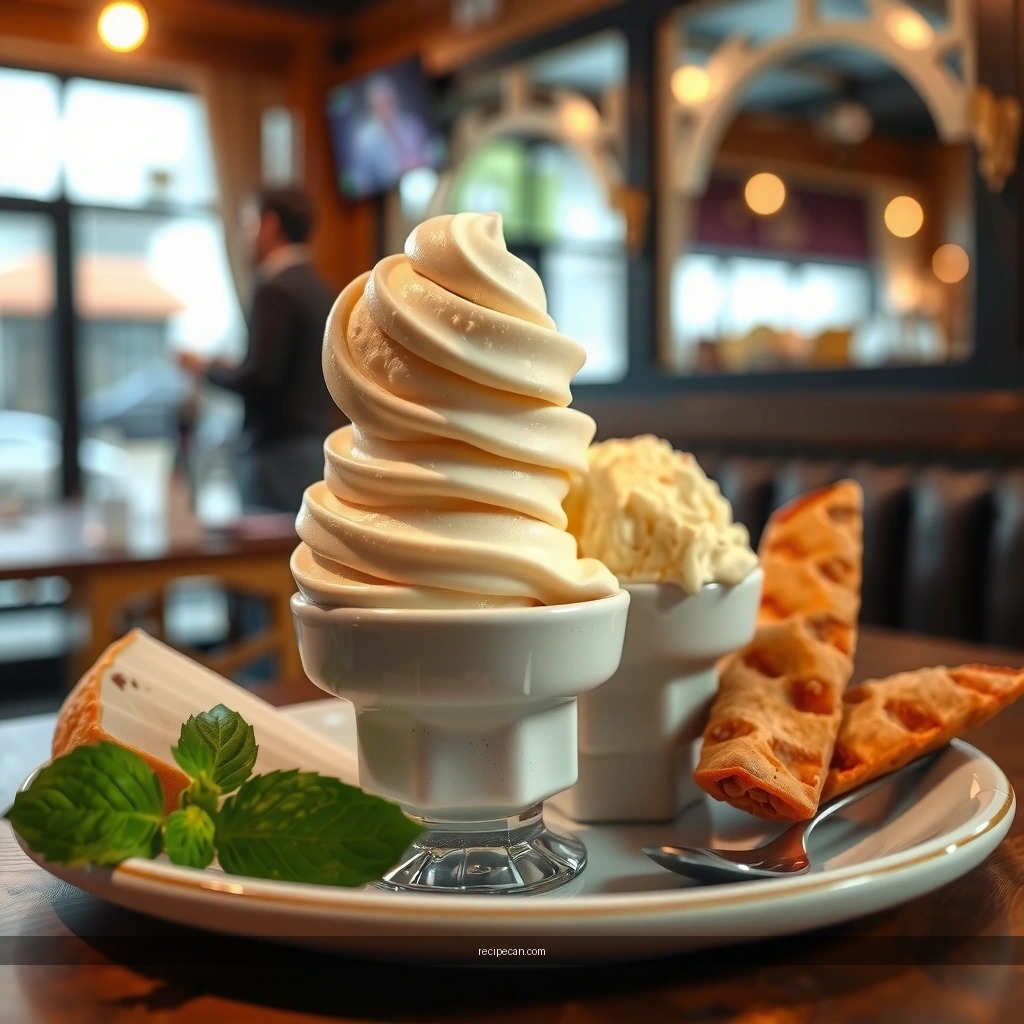
– Gather cream, milk, sugar, and flavorings (like vanilla) for the classic base
– Use quality dairy for the creamiest, most authentic taste
– Optional mix-ins (fruit, chocolate, cookies) can be added after the base is ready
Amish ice cream recipes vary by household, but most share the same core idea: a simple dairy-and-sugar base that’s cooled thoroughly before it ever touches the churn. For the smoothest results, prioritize fresh dairy (especially cream) and real vanilla rather than imitation flavoring.
Classic base ingredients (custard-style churned ice cream):
– Heavy cream (for body and fat—fat helps prevent ice crystals)
– Whole milk (adds “milkiness” and balances richness)
– Granulated sugar (sweetness and structure)
– Vanilla extract (the hallmark flavor)
– Optional salt (small amount to sharpen sweetness and improve perceived flavor)
Optional mix-ins (add after churning):
– Chopped fresh berries or cooked-and-cooled fruit
– Chocolate chunks or cocoa swirl
– Crushed cookies
– Toasted nuts (fold in gently to avoid overworking)
> Tip for authenticity: Amish-style ice cream is typically “simple,” so if you use mix-ins, keep them complementary rather than overpowering. The dairy base should still be the star.
Dairy Base Choices for Amish-Style Creaminess (Typical US Fat %)
| # | Dairy base strategy | Typical fat | Churn outcome | Creaminess score |
|---|---|---|---|---|
| 1 | Heavy cream + whole milk (≈60/40) | ~22–24% | Fast setting, smooth scoop | ★★★★★ |
| 2 | Heavy cream only (≈no milk) | ~36–40% | Very rich; watch churn time | ★★★★☆ |
| 3 | Half-and-half + whole milk (≈50/50) | ~6–8% | Softer texture; risk of iciness | ★★★☆☆ |
| 4 | Whipping cream (≈30–36%) + milk (≈50/50) | ~17–20% | Good balance; classic body | ★★★★☆ |
| 5 | Cream + evaporated milk (≈50/50) | ~16–20% | Smoother mouthfeel; less icy | ★★★★☆ |
| 6 | Cream + 2% milk (≈60/40) | ~15–18% | Satisfactory; slightly firmer later | ★★★☆☆ |
| 7 | Low-fat milk-heavy mix (≈skewed toward skim) | ~3–10% | Higher freeze-back risk | ★★☆☆☆ |
Step-by-Step Recipe Instructions

– Warm the dairy just enough to dissolve sugar, then cool completely
– Add vanilla (or your chosen flavor) once the mixture is cooled
– Churn according to your method until thick and scoopable
Below is a dependable Amish ice cream recipe method that aligns with “old-fashioned” principles: gentle heating, thorough cooling, and controlled churning. Measurements are written for a typical 1-quart (about 1 liter) batch.
Step 1: Heat gently to dissolve sugar
1. In a saucepan, combine whole milk and heavy cream.
2. Add sugar and a pinch of salt (optional).
3. Warm over medium-low heat, stirring, until the sugar dissolves and the mixture is steaming—but do not boil.
Why this matters: Boiling can affect protein behavior and can lead to a less silky texture in churned ice cream. Dissolving sugar is the goal.
Step 2: Cool the base completely
1. Remove from heat.
2. Transfer to a clean bowl or container.
3. Cool to room temperature, then refrigerate until fully chilled.
Target temperature: fridge-cold is ideal (often ~35–40°F / 2–4°C). If you churn with a warm base, your ice cream will freeze back faster and may come out icier.
Step 3: Add vanilla after cooling
Stir in vanilla extract only once the base has cooled. This protects the aroma and keeps the vanilla from dulling.
Step 4: Churn until thick and scoopable
Churn according to your equipment:
– Ice cream maker (electric): churn until it looks like soft-serve (thick, not liquid).
– Hand-crank / old-fashioned churn: churn until the texture holds a shape and the dasher “drags” through thickening cream.
Consistency check: When it’s ready, you should be able to scoop and it should look aerated and creamy—not soupy.
Step 5: Freeze briefly to set
Transfer to a freezer-safe container and press plastic wrap directly onto the surface to reduce air exposure. Freeze for a few hours for best scoopability.
> Note: Amish-style ice cream is often enjoyed with a “homemade” texture—slightly soft at service time—so plan to freeze, then soften before serving.
Churning Tips for the Best Texture
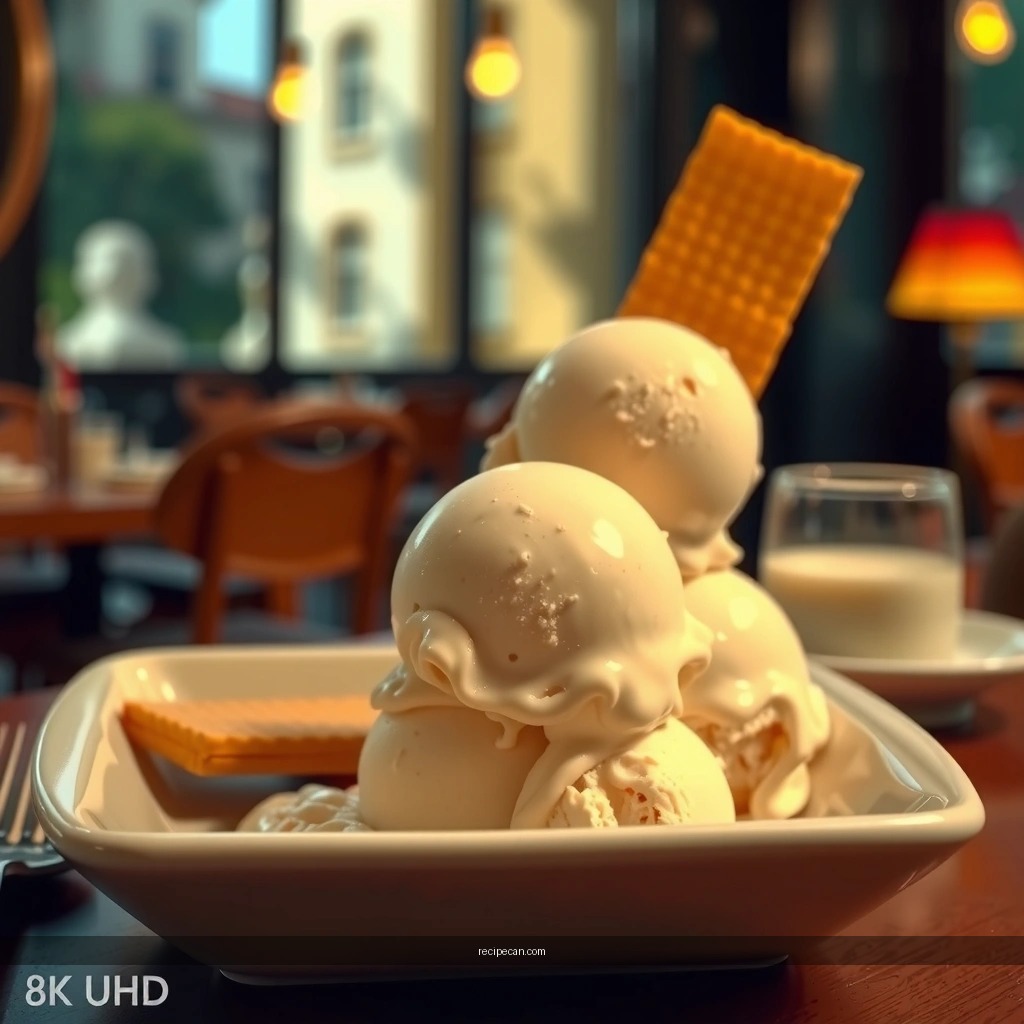
– Keep the mixture cold before churning for faster, better results
– Avoid over-churning to prevent a grainy or butter-like texture
– Chill the finished ice cream briefly to set the texture
Texture is where the Amish method shines—because it’s process-driven. Even a great base can disappoint if temperature and timing drift.
Keep everything cold
– Chill the base thoroughly before it goes into the churn.
– If you’re using a bowl-type ice cream maker, pre-freeze the canister long enough (follow manufacturer guidance).
Cold starting temperatures encourage smaller ice crystals and a creamier final product.
Churn with restraint
Over-churning can lead to:
– Graininess (ice crystals grow)
– Butter-like texture (fat separates if churn is pushed too far)
A practical approach: stop when the ice cream looks like soft-serve and holds soft peaks.
Set, then serve with timing
After churning, freeze briefly to firm up. For the creamiest experience:
– Let it sit at refrigerator temperature for 5–15 minutes before serving so it scoops cleanly without becoming too hard.
Flavor Variations to Try
– Vanilla Amish ice cream is the classic starting point
– Add cinnamon, chocolate, or fruit for easy upgrades
– For mix-ins, fold gently so flavors stay distinct
Once you master the creamy classic base, you can pivot without changing the fundamentals.
1) Cinnamon Amish ice cream
– Add ground cinnamon to the cooled base (or bloom it gently in a portion of warm dairy before combining).
– Start with 1–2 teaspoons per quart and adjust for preference.
2) Chocolate Amish ice cream
Two solid options:
– Cocoa method: whisk cocoa into a small amount of cold milk first (to avoid lumps), then stir into the cooled base.
– Chocolate-chunk method: churn the vanilla base, then fold in chopped chocolate after.
3) Fruit variations (berry, peach, or cherry)
For fruit, aim for balance:
– Use cooked fruit to concentrate flavor and reduce extra water.
– Cool fruit completely before folding in.
Fold gently: Overmixing can bruise fruit and smear flavors, especially when you want distinct swirls.
4) Cookie and candy mix-ins
– Add mix-ins after churning and fold lightly.
– Chopped cookies should be crushed to an “oatmeal-like” texture if you want a softer bite; larger chunks create more contrast.
Storage and Serving Best Practices
– Store in an airtight container to reduce ice crystals
– Let it soften slightly before serving for smoother scoops
– Keep notes on flavors and churn time to perfect your next batch
Airtight storage reduces freezer burn and iciness
To limit ice crystal growth:
– Use an airtight container
– Press plastic wrap directly onto the surface before the lid (when possible)
– Keep freezer temperature stable
Serve at the right softness
Hard freezer texture is often mistaken for “bad ice cream,” but it’s usually a serving-time issue.
– Pull the ice cream out shortly before serving so it reaches a creamy scoop state.
Keep a simple batch log
Professional consistency comes from small records:
– churn start/end time
– base temperature (how cold it was)
– vanilla amount
– any mix-in additions
Over 2–3 batches, you’ll quickly identify what produces your preferred Amish-style texture.
Troubleshooting Common Issues
– If it’s too hard, soften before serving and verify proper chilling time
– If it’s icy, reduce over-freezing or improve cooling/churning temperature steps
– If it tastes flat, adjust sweetness or use higher-quality vanilla/dairy
Problem: Ice cream is too hard
What it means: It froze back harder than expected or served too cold.
– Let it soften before serving.
– Confirm you chilled the base properly before churning (not too warm).
– Don’t freeze it indefinitely right after churning; give it time to set, then serve within a reasonable window for best texture.
Problem: Ice crystals (icy mouthfeel)
What it means: Too much ice growth—usually due to temperature issues or over-freezing.
– Ensure the base is chilled before churning.
– Avoid over-churning.
– Minimize time spent at warm room temperature during transfer.
– Store airtight to reduce moisture migration.
Problem: Flavor tastes flat
What it means: Sweetness and aroma may be muted by dairy quality or vanilla handling.
– Use higher-quality vanilla extract.
– Confirm your sugar amount is correct (under-sweet bases often taste “dull” after freezing).
– Add a tiny pinch of salt to brighten flavors.
Quick improvement loop
If a batch isn’t right, don’t start over from scratch—adjust one variable at a time: chilled time, churn duration, or vanilla quality. That’s how you reliably converge on the creamy Amish ice cream texture you want.
Making Amish ice cream is all about a simple dairy base, thorough cooling, and steady churning for that classic creamy texture. Follow the steps, try one flavor variation, and use the troubleshooting tips if anything feels off—then make your next batch even better.
Frequently Asked Questions
What makes an Amish ice cream recipe different from other homemade ice cream recipes?
Amish ice cream recipes are known for using simple, traditional pantry ingredients and a straightforward custard-free or lightly cooked approach, depending on the family method. Many Amish-style versions rely on heavy cream, whole milk, and sugar with minimal add-ins so the dairy flavor stays front and center. They’re also often designed for practical churn times and consistent results.
How do I make Amish-style ice cream without a custard base?
Start by chilling your dairy mixture—typically heavy cream, whole milk, and sugar—so it churns smoothly and thickens properly. Some Amish recipes call for stirring in vanilla and letting the mixture rest to dissolve the sugar before churning. If your recipe includes eggs, you can still temper them and cook briefly, but many traditional-style Amish ice creams focus on a simpler, no-custard approach.
Which churn method is best for an Amish ice cream recipe: hand-crank or electric?
Both hand-crank and electric ice cream churns can work well, as long as you maintain proper temperature and churn until the mixture reaches soft-serve thickness. Electric churns are often easier to keep consistent, while hand-crank churns can be ideal for smaller batches and a more hands-on process. The key is ensuring the base is fully chilled and churning long enough for the Amish ice cream texture to set correctly.
Why does my homemade Amish ice cream taste icy or too soft, and how can I fix it?
Icy or overly soft Amish ice cream usually comes from a base that wasn’t chilled long enough, incorrect sugar balance, or not churning to the right stage. Make sure your ice cream mixture is refrigerated thoroughly before churning, and churn until it reaches a thick, creamy consistency rather than just slightly aerated. After churning, freeze it in an airtight container so the Amish ice cream doesn’t absorb freezer air that can worsen texture.
Best vanilla Amish ice cream recipe tips: what add-ins work without overpowering the classic flavor?
Traditional Amish vanilla ice cream keeps the flavor simple—use real vanilla extract (or paste) and let the dairy mixture rest so the sweetness fully integrates. If you want add-ins, choose smaller portions like chopped vanilla bean, fresh fruit purees, or cookie pieces so they don’t overwhelm the custard-like dairy richness. For a smooth Amish ice cream result, add mix-ins near the end of churning to reduce icy chunks and maintain a creamy texture.
References
- Google Scholar Google Scholar
https://scholar.google.com/scholar?q=Amish+ice+cream+recipe - Google Scholar Google Scholar
https://scholar.google.com/scholar?q=Amish+foodways+ice+cream - Google Scholar Google Scholar
https://scholar.google.com/scholar?q=traditional+ice+cream+churning+homemade+ice+cream+science - https://pubmed.ncbi.nlm.nih.gov/?term=ice+cream+crystallization
https://pubmed.ncbi.nlm.nih.gov/?term=ice+cream+crystallization - https://pubmed.ncbi.nlm.nih.gov/?term=ice+cream+fat+crystallization+structure
https://pubmed.ncbi.nlm.nih.gov/?term=ice+cream+fat+crystallization+structure - Ice cream
https://en.wikipedia.org/wiki/Ice_cream - https://www.britannica.com/food/ice-cream
https://www.britannica.com/food/ice-cream - Amish
https://en.wikipedia.org/wiki/Amish - Amish | Definition, History, Beliefs, Education, Children, Lifestyle, & Facts | Britannica
https://www.britannica.com/topic/Amish - https://pubmed.ncbi.nlm.nih.gov/?term=Amish+diet
https://pubmed.ncbi.nlm.nih.gov/?term=Amish+diet