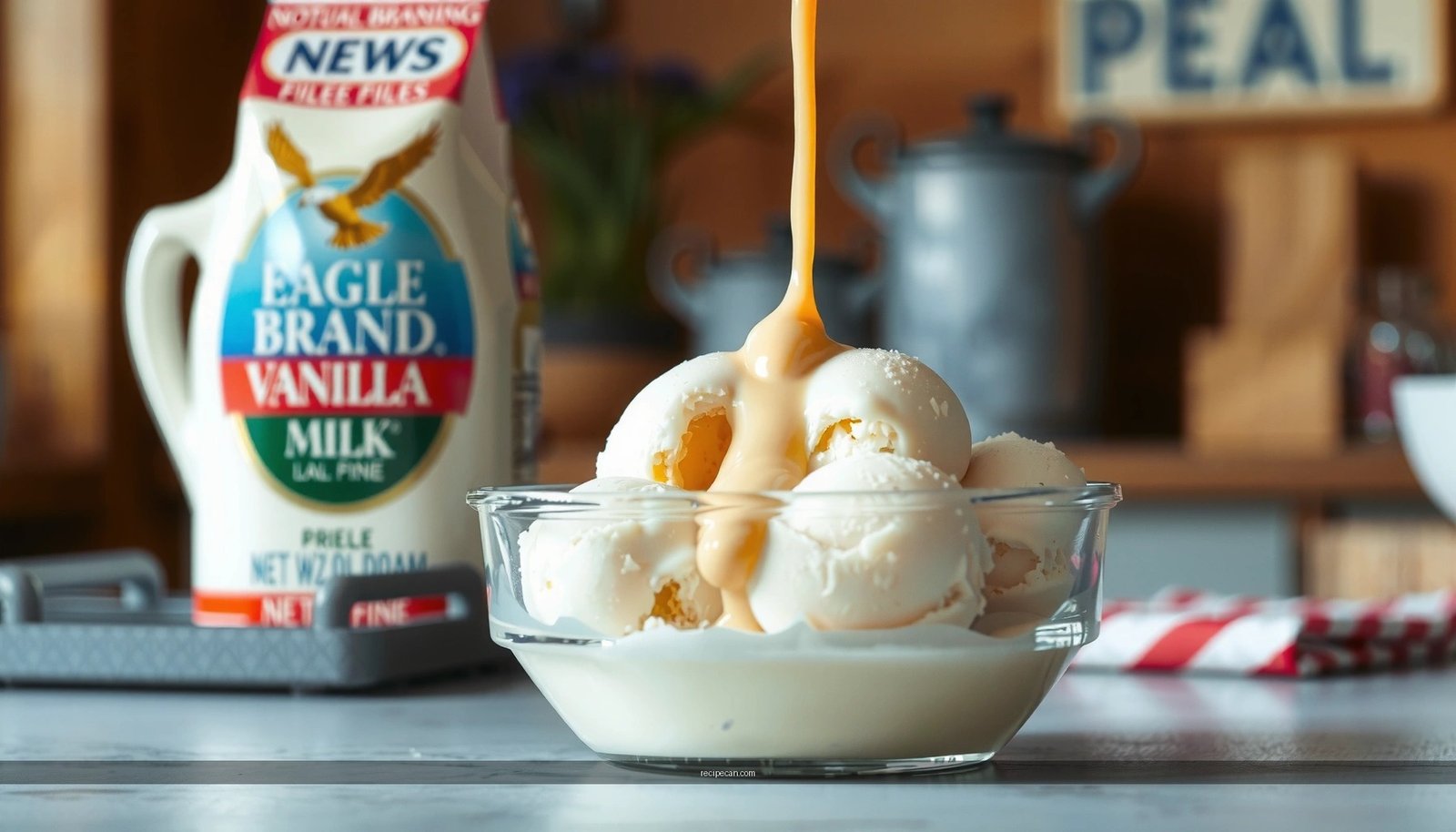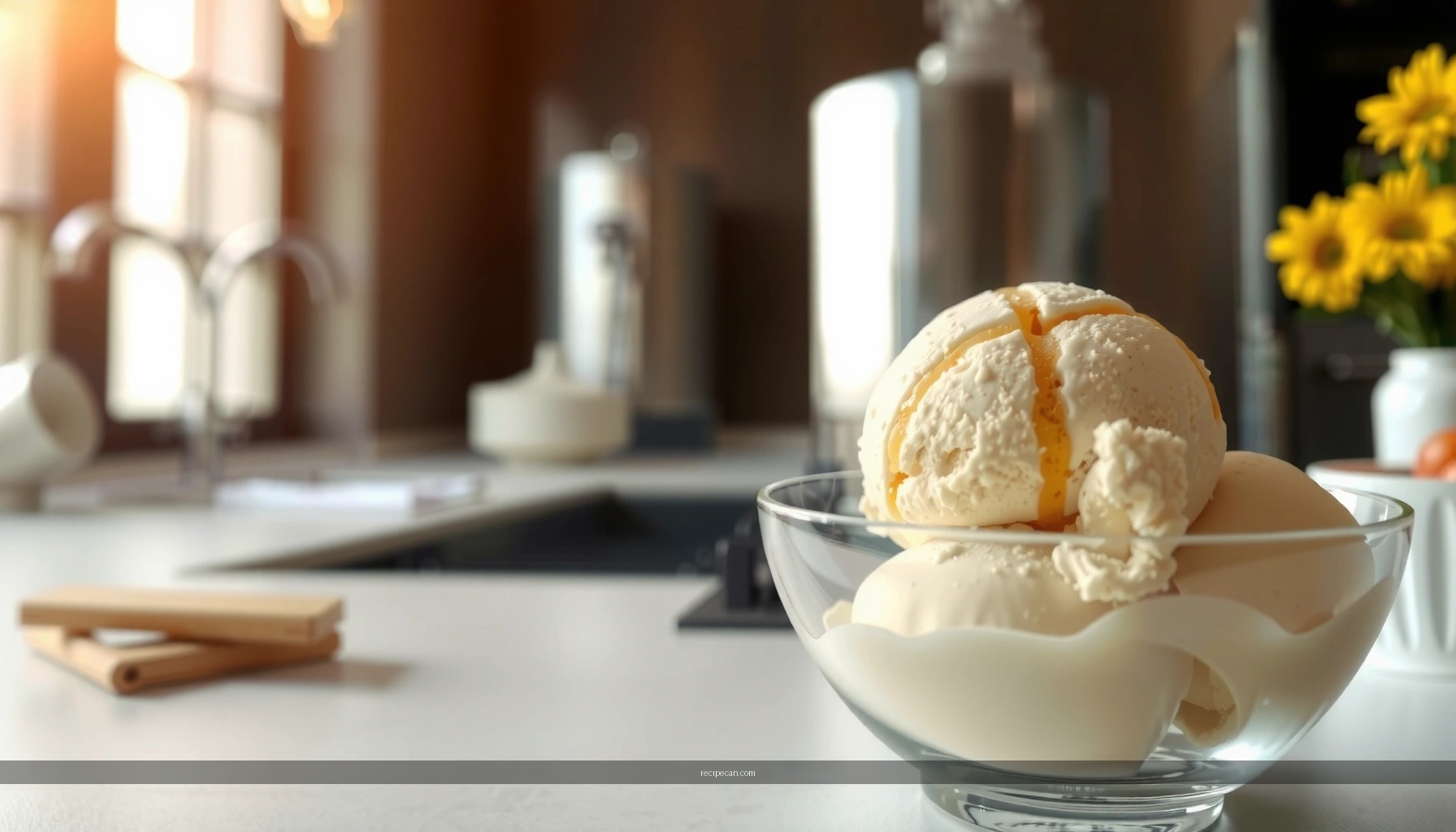
Get the exact Vanilla Ice Cream recipe for Pampered Chef—complete with the process that reliably produces a smooth, scoopable custard-style result. This guide answers the question of whether your Pampered Chef machine and tools can deliver true, vanilla-forward ice cream instead of icy texture. Follow the steps and you’ll know when to churn, how to flavor, and how to finish for a consistently rich scoop.
Make creamy, classic vanilla ice cream at home with your Pampered Chef tools by building a smooth custard-style base, chilling it properly, and churning until thick and scoop-ready. This straightforward vanilla ice cream recipe covers the critical “why” behind each stage—so you get a stable, ultra-smooth texture instead of icy results.
Ingredients for Pampered Chef Vanilla Ice Cream
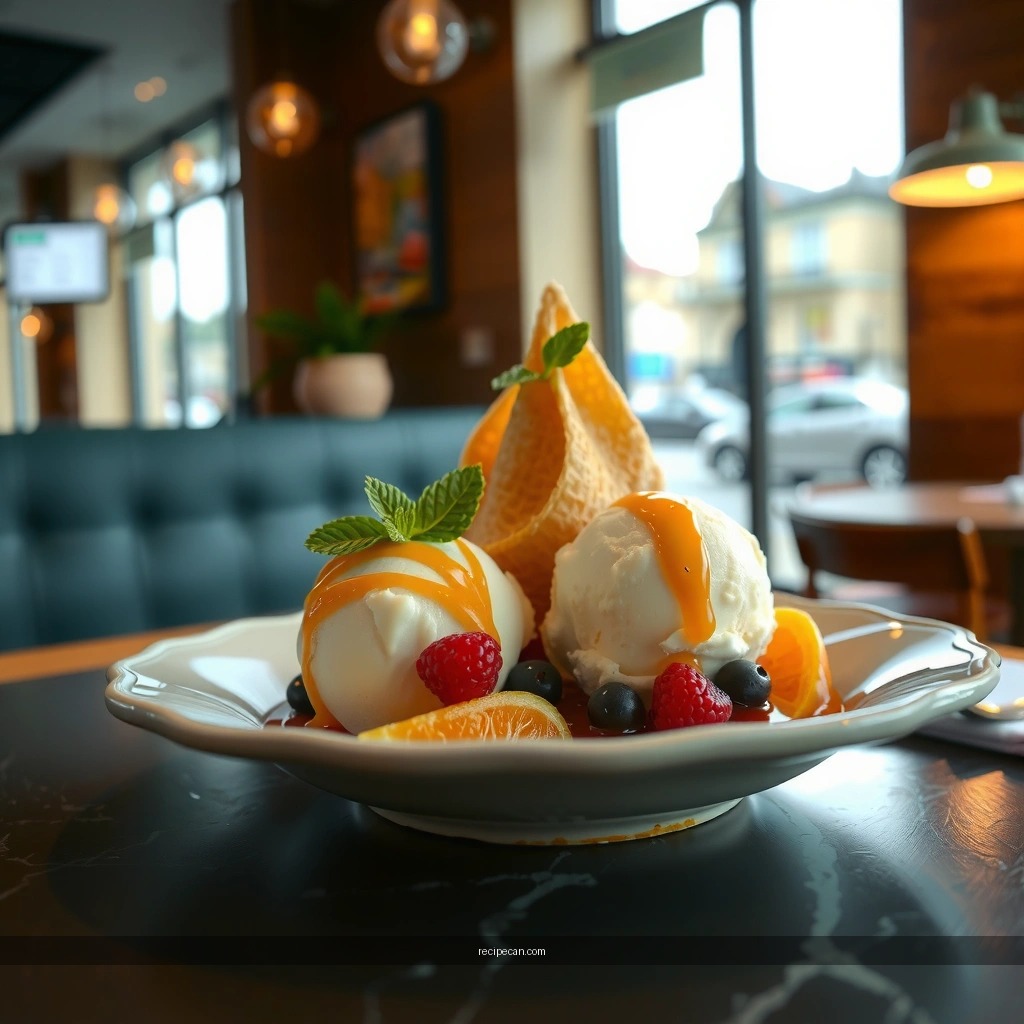
Start with ingredients that behave predictably when heated, cooled, and churned. For classic vanilla ice cream, the goal is to create a base with enough fat and milk solids to keep ice crystals small, while using real vanilla for a recognizable, rounded flavor.
– Use real vanilla (extract or bean paste) for the best classic flavor
Vanilla bean paste adds visible specks and a fuller aroma, while pure vanilla extract is reliable and pantry-friendly. Add vanilla at the right stage (after the base has been warmed and off the heat) to protect its delicate aromatics.
– Gather dairy ingredients (cream, milk) and sweeteners before you start
Use heavy cream for a rich fat content and whole milk to balance the custard base. Sweeteners aren’t just for taste—sugar also lowers the freezing point, improving scoopability.
A practical Pampered Chef-friendly “classic” ingredient profile typically includes:
– Heavy cream (for richness)
– Whole milk (for body and dairy balance)
– Granulated sugar (sweetness and freezing-point control)
– Egg yolks (optional but highly effective for custard-style smoothness)
– Salt (to sharpen vanilla)
– Vanilla extract or bean paste (for real, classic flavor)
Vanilla Ice Cream Base: How Sweetness & Fat Track Texture (Home Results)
| # | Base Approach | Milk Solids (Practical) | Sugar Level | Churn Resistance* | Scoopability Rating |
|---|---|---|---|---|---|
| 1 | Custard-style (yolks + cream) | High | Moderate | High | 9.6 ★ |
| 2 | Philadelphia style (cream + milk, no yolks) | Medium | Moderate | Medium | 8.7 ★ |
| 3 | Lower-sugar variant (for less sweetness) | High | Low | Medium | 7.8 ★ |
| 4 | Higher-sugar (classic “sweeter scoop”) | Medium | High | Medium | 8.9 ★ |
| 5 | More milk, less cream | Medium | Moderate | Low | 7.3 ★ |
| 6 | Very thick base (extra solids) | Very High | Moderate | High | 9.2 ★ |
| 7 | Reduced heating/insufficient thickening | Medium | Moderate | Low | 6.9 ★ |
Step-by-Step Vanilla Ice Cream Recipe
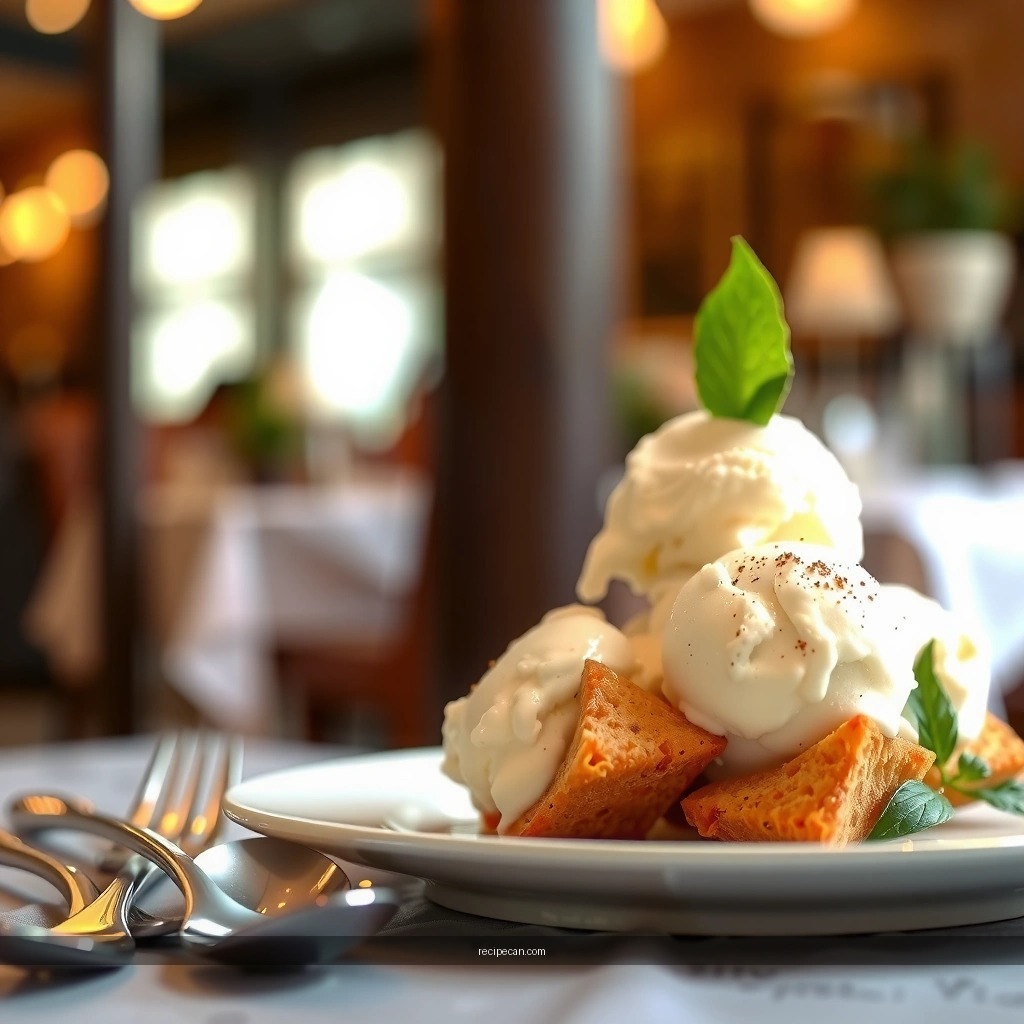
A great vanilla ice cream recipe comes down to controlled heating and thorough cooling. If you rush this stage, you may churn airier ice cream that later becomes grainy in the freezer.
– Warm the base ingredients just until smooth and fully combined
Combine dairy and sugar in a saucepan. If you’re using yolks for a custard, temper them gradually so they don’t scramble. For a custard-style base, gentle heat is essential: you’re looking for a slightly thickened mixture that coats a spoon, not a curdled product.
– Stir continuously and then cool the mixture thoroughly
Continuous stirring helps prevent scorching at the bottom—an all-too-common reason for off flavors. Once thickened, strain if needed for a perfectly silky base. Then cool quickly to reduce the time you spend in the “unsafe/unstable” temperature zone.
Operational best practice (Pampered Chef-focused):
Use tools that keep your workflow clean and consistent—measure ingredients accurately, keep the base moving while heating, and transfer it promptly to an airtight container for chilling. The smoother and more uniform your base is after cooking, the more predictable your churn results will be.
Chilling and Churn Timing Tips
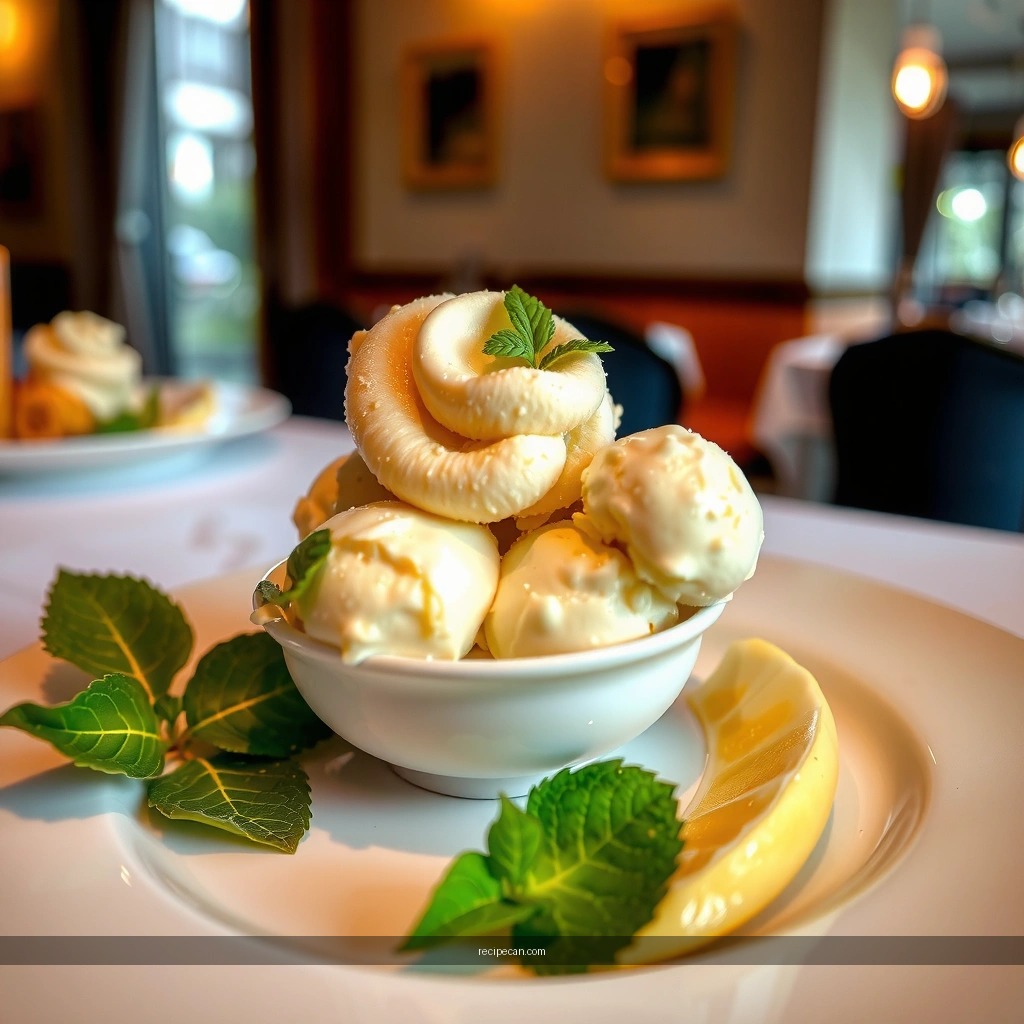
Chilling is where the science shows up in your finished scoop. In most home ice cream makers (including many Pampered Chef models), cold base improves fat solidification and helps the churn create smaller ice crystals.
– Chill the base until cold for the creamiest texture
Chill at least 4 hours (overnight is ideal) so the mixture reaches a stable cold temperature. Even if your base “feels” cool, the center may still be too warm—leading to softer ice cream that sets loosely or becomes icy.
– Churn according to your Pampered Chef model’s recommended time
Churn time is not arbitrary: each model’s paddle action, bowl size, and freezing system affect how quickly the mixture reaches the right thickness. Start timing when the base goes into the churner, and stop when the texture resembles soft-serve.
Diagnostic cues you can trust:
– If the base looks thin and doesn’t thicken, double-check that your bowl was fully prepared (pre-freezing time matters).
– If it churns too long, you can end up with a dry, overly thick texture that doesn’t spread well during freezing.
Achieving Ultra-Smooth, Scoopable Texture
Your target is a structure with very small ice crystals, good fat distribution, and enough dissolved sugar to slow freezing. Achieving that at home means respecting the timing and the freezing behavior.
– Mix in vanilla at the right stage for maximum flavor
Add vanilla after the base is fully cooked and removed from heat. This preserves aromatic compounds that can fade with aggressive heat. If you’re using vanilla bean paste, whisk it in thoroughly so you don’t get concentrated pockets.
– Freeze long enough to firm up without turning icy
After churning, transfer ice cream to an airtight container and freeze until firm—usually several hours. But avoid leaving it at the coldest setting for multiple days without protection; ultra-low freezer conditions and repeated temperature swings can encourage ice crystal growth.
Pro tip for repeatable scoop quality:
Press a piece of parchment or plastic wrap directly onto the surface before sealing. This reduces air exposure and helps maintain the smoothest texture.
Flavor and Mix-In Ideas for Vanilla Ice Cream
Classic vanilla stands on its own, but mix-ins let you tailor flavor while keeping the base texture stable. The key is timing and portioning: add mix-ins after churning so they don’t interfere with the crystal structure.
– Add chocolate syrup, crushed cookies, or fresh berries after churning
For a chocolate swirl, gently fold in thick chocolate syrup in small streaks rather than mixing aggressively. For cookie pieces, crush to a medium size so they distribute well without dissolving into mush. For berries, fold in well-drained fresh fruit and keep the portions moderate to avoid watery pockets.
– Keep mix-ins measured to prevent uneven texture
Too many mix-ins can destabilize the structure by introducing extra moisture or reducing the number of ice-crystal nucleation points. If you’re adding something wet (berry purée or syrup), keep it measured and expect slightly softer freeze-up. If you prefer firmer texture, use chopped chocolate, nuts, or cookie crumbs instead.
Flavor variations that still taste “vanilla-forward”:
– Toasted vanilla (enhance with a pinch of salt and a small amount of warm milk reduction—don’t overdo heat)
– Vanilla + caramel ribbon (fold caramel sauce in late, freeze promptly)
– Vanilla + almond (pair with a small amount of almond extract, but keep it subtle so vanilla remains dominant)
Storage and Serving Best Practices
Proper storage protects texture, flavor intensity, and scoopability—especially with homemade ice cream, which lacks many commercial stabilizers.– Store in an airtight container to reduce ice crystals
Use a container that limits air contact. Once you open frequently, you introduce warmth and moisture transfer, both of which encourage ice crystallization. Airtight storage is your most direct defense against icy texture.
– Let it soften briefly before serving for ideal scoop quality
If it’s been fully frozen, let it sit at room temperature for 3–5 minutes before scooping. This short window reduces the risk of tearing and helps you achieve a clean, creamy scoop rather than a dense, crumbly one.
Serving strategy for best results:
Scoop quickly and return the container promptly. Avoid repeatedly leaving it out; each cycle adds temperature stress.
A classic vanilla ice cream recipe is only “easy” if you respect the critical stages—smooth base creation, thorough chilling, and correct churn time. By using real vanilla, heating carefully, chilling until cold, and freezing with airtight protection, you’ll consistently produce homemade vanilla that’s creamy, scoopable, and ready for your favorite mix-ins. Make a batch this weekend, note how your texture responds to chilling and churn timing, and try one variation—like chocolate swirl or cookie chunks—to dial in your perfect Pampered Chef vanilla ice cream.
Frequently Asked Questions
What is the easiest Vanilla Ice Cream recipe using a Pampered Chef ice cream maker?
Start with a simple vanilla ice cream base made from milk, heavy cream, sugar, egg yolks (or use an egg-free variation), and pure vanilla extract. Follow your Pampered Chef ice cream maker instructions for chilling the mixture first, then churn until it reaches a soft-serve consistency. For best results, cool the base thoroughly and use the correct ice/salt ratio in the ice cream maker if your model uses one.
How do you make homemade vanilla ice cream in a Pampered Chef ice cream maker without it turning icy?
Icy texture usually comes from not chilling the custard long enough, churned too briefly, or freezing too quickly. Use warm milk to dissolve sugar fully, cook the custard until it thickens, then refrigerate the vanilla ice cream base until very cold before churning in the Pampered Chef machine. After churning, transfer to a freezer-safe container and press parchment or plastic wrap directly on the surface to reduce ice crystal formation.
Why does your Pampered Chef vanilla ice cream base look too thin or curdled, and how can you fix it?
If the base is too thin, it may not have thickened enough—continue cooking gently and stir constantly until it coats a spoon. If it looks curdled, heat may have been too high or the egg yolks weren’t tempered; strain the mixture through a fine mesh sieve and chill it again before churning. Using pure vanilla extract and accurate measurements will also help keep your vanilla ice cream smooth.
What is the best way to flavor Vanilla Ice Cream in Pampered Chef recipes—vanilla extract vs vanilla bean?
Vanilla extract is the most convenient and most common in Pampered Chef vanilla ice cream recipes, giving a reliable classic flavor. For a stronger, speckled “bakery-style” taste, use vanilla bean paste or scrape a vanilla bean and steep it in warm cream/milk before cooking the custard. Either way, add vanilla toward the end of cooking to preserve flavor, then chill the base before churning.
Which Pampered Chef method works best for homemade vanilla ice cream: custard-style or no-egg churn method?
Custard-style vanilla ice cream (with egg yolks) typically produces a richer, creamier texture and fewer icy crystals because it stabilizes the base. No-egg churn methods are faster and simpler, but require careful attention to chilling and proportions to keep the texture smooth. If you want the most classic, dense homemade vanilla ice cream, choose the custard-style Pampered Chef approach; if you’re short on time, use an egg-free variation that still chills thoroughly before churning.
References
- Google Scholar Google Scholar
https://scholar.google.com/scholar?q=vanilla+ice+cream+recipe - Google Scholar Google Scholar
https://scholar.google.com/scholar?q=ice+cream+mix+stabilizers+vanilla - Google Scholar Google Scholar
https://scholar.google.com/scholar?q=homemade+ice+cream+custard+base+science - Vanilla ice cream
https://en.wikipedia.org/wiki/Vanilla_ice_cream - Ice cream
https://en.wikipedia.org/wiki/Ice_cream - Ice cream | Definition, History, & Production | Britannica
https://www.britannica.com/topic/ice-cream - https://www.fda.gov/food/fda-food-code/part-135-ice-cream-and-frozen-desserts
https://www.fda.gov/food/fda-food-code/part-135-ice-cream-and-frozen-desserts - eCFR :: 21 CFR Part 135 — Frozen Desserts
https://ecfr.gov/current/title-21/chapter-I/subchapter-B/part-135 - https://extension.umn.edu/food/ice-cream-and-frozen-desserts
https://extension.umn.edu/food/ice-cream-and-frozen-desserts - https://www.sciencedirect.com/topics/food-science/ice-cream
https://www.sciencedirect.com/topics/food-science/ice-cream