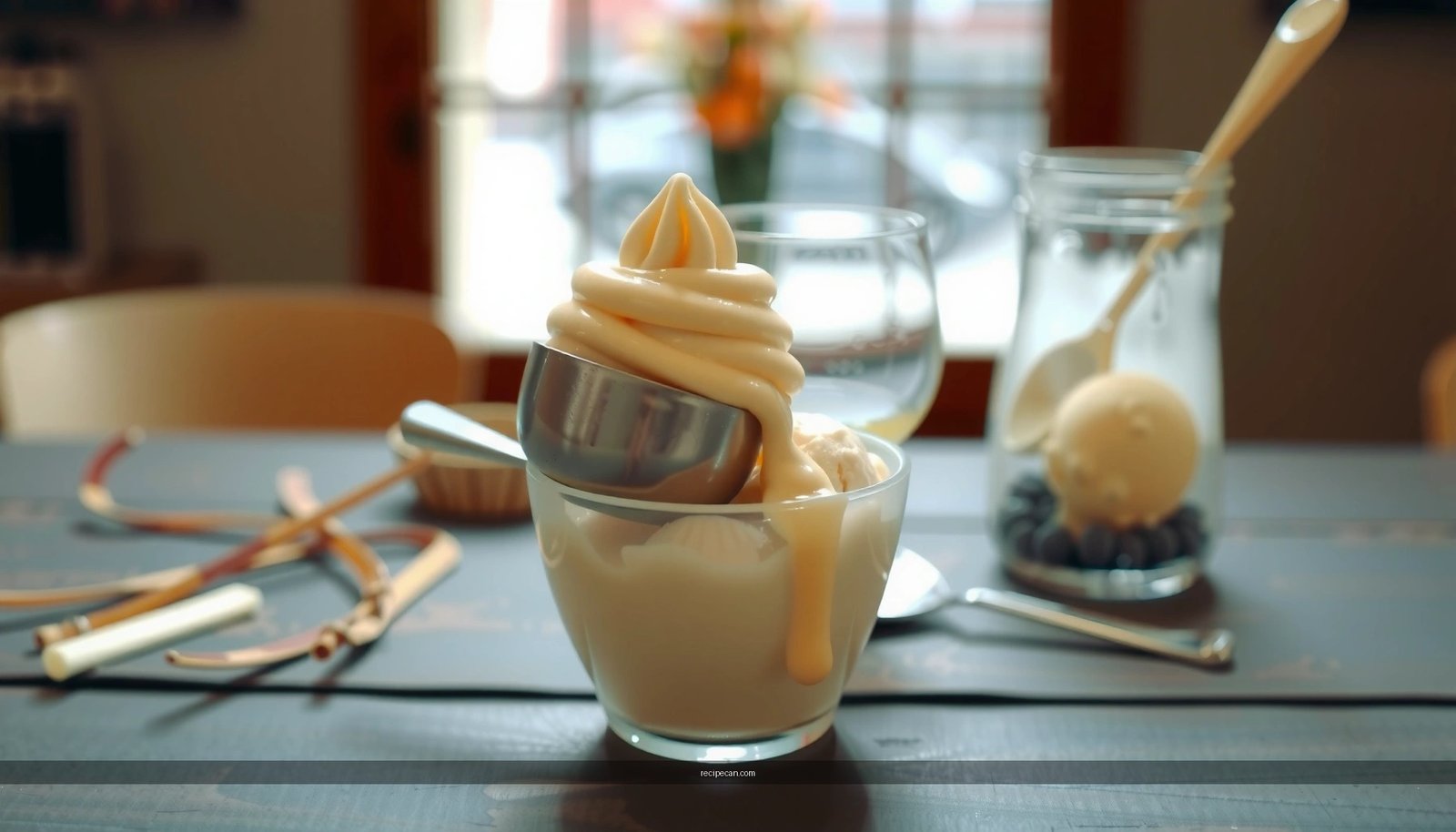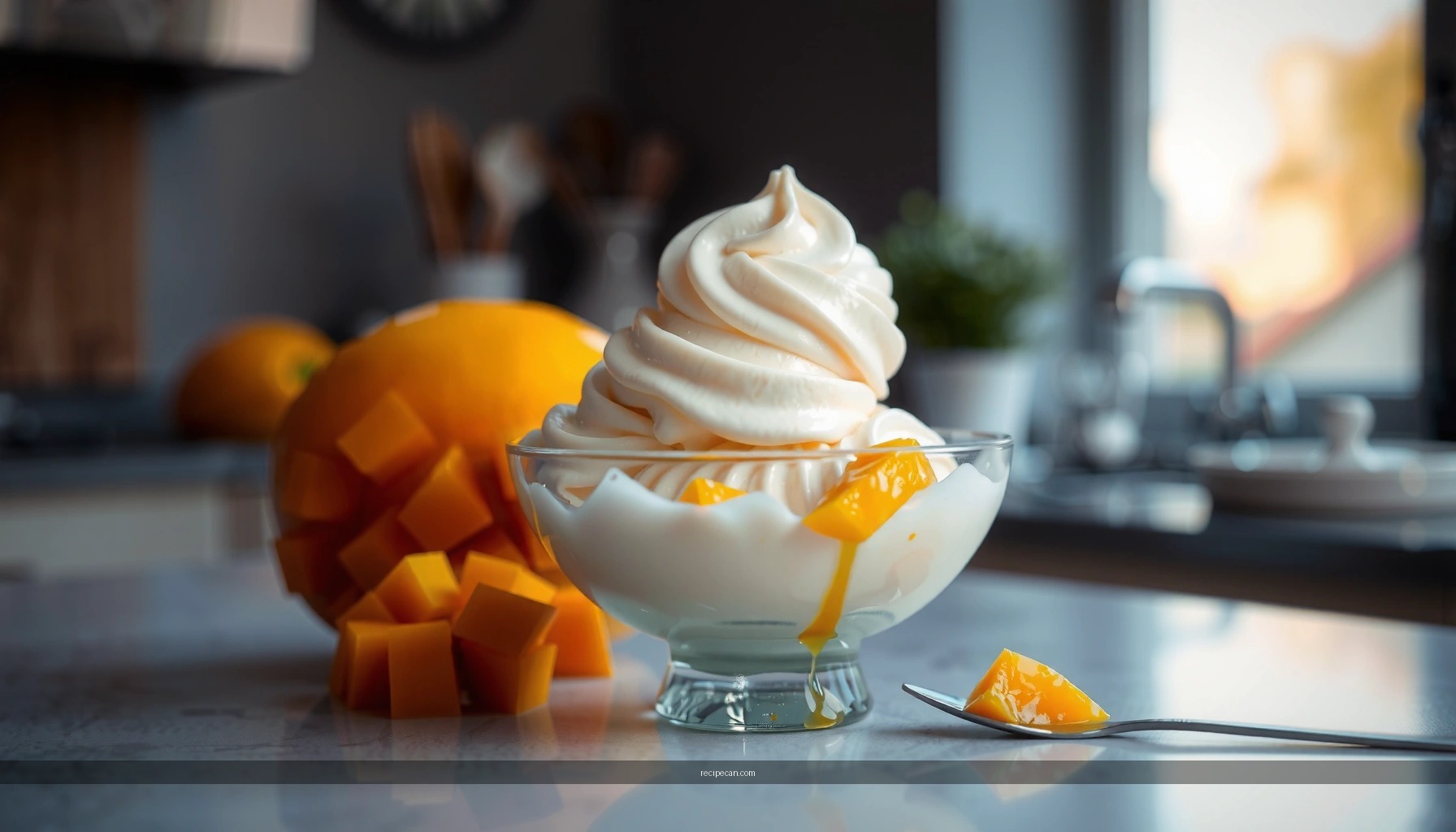
This mango yogurt ice cream recipe delivers the creamiest, most scoopable results with minimal effort—no churn machine required. Expect bright, sweet mango flavor balanced by tangy yogurt in a base that freezes smoothly and tastes like premium gelato. If you want an easy homemade dessert that’s reliably thick and flavorful every time, this is the one.
Make mango yogurt ice cream at home by blending ripe mango with yogurt, sugar (or honey), and a splash of lemon, then churning or freezing until thick and scoopable. In practice, the process is straightforward: you create a smooth mango-yogurt base, stabilize the texture with chilling, and finish with either an ice cream churn or repeated stirring so you get a tangy, creamy result without complicated techniques.
Mango Yogogurt Ice Cream Ingredients
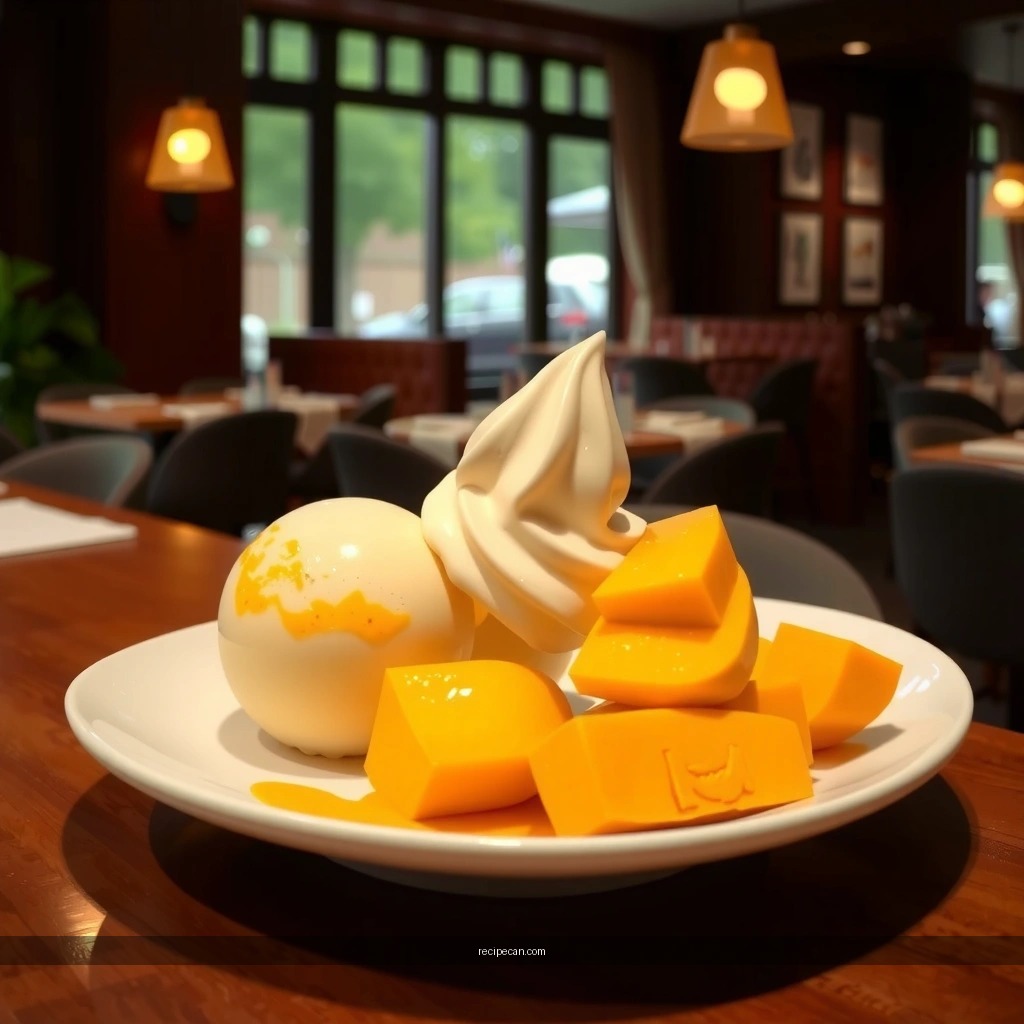
– Ripe mango, plain yogurt, and a sweetener of your choice (sugar or honey)
– Optional lemon juice to brighten flavor
– Optional vanilla or cream for extra smoothness
To make this recipe consistently creamy, focus on ingredient quality and balance:
1. Mango: Choose ripe, fragrant mangoes—look for a sweet aroma near the stem and a mango that yields slightly when pressed. Overripe mango can be very flavorful, but it may add more water; blending fully solves most texture issues.
2. Yogurt: Plain full-fat yogurt delivers the smoothest mouthfeel. If you want a tangier profile and a thicker base, Greek yogurt is usually the best choice.
3. Sweetener: Mango’s natural sweetness varies by variety and ripeness. Sugar offers predictable sweetness and clean freezing behavior. Honey adds floral notes but can slightly soften crystallization; it’s still excellent for this recipe.
4. Lemon: A small amount of lemon juice acts like a flavor “amplifier.” It won’t taste strongly lemony, but it will lift the mango and reduce cloying sweetness.
5. Optional vanilla or cream: Vanilla rounds out flavor; a small amount of cream (or using a richer yogurt) can make the texture even more scoopable and dessert-like.
Below is a practical benchmark for ingredient balance—helpful if you’re planning for portions and adjusting sweetness based on mango ripeness.
Mango Yogurt Ice Cream Base: Yield & Texture Impact Benchmarks (Per ~6 Cups)
| # | Adjustment (Ingredient Choice) | Sweetness Level | Expected Freeze Texture | Business-Style Score | Recommendation |
|---|---|---|---|---|---|
| 1 | Full-fat plain yogurt + mango | Moderate | Creamy, scoopable | ★★★★☆ | Top pick |
| 2 | Greek yogurt (thicker) + mango | Moderate | Very thick, less icy | ★★★★☆ | Great for no-churn |
| 3 | Low-fat yogurt (instead of full-fat) | Moderate | More prone to ice crystals | ★★★☆☆ | Consider full-fat |
| 4 | Add 1–2 tbsp lemon juice | Perceived sweetness ↓ | Brighter, cleaner finish | ★★★★☆ | Highly recommended |
| 5 | Use honey (instead of sugar) | Slightly higher | Smoother, softer texture | ★★★★☆ | Flavor upgrade |
| 6 | Add 2–4 tbsp heavy cream | Neutral | More luxurious, less icy | ★★★★★ | Best premium texture |
| 7 | No chilling before freezing | Same sweetness | Less smooth, icy edges | ★★☆☆☆ | Avoid if possible |
Step-by-Step Mango Prep and Blending
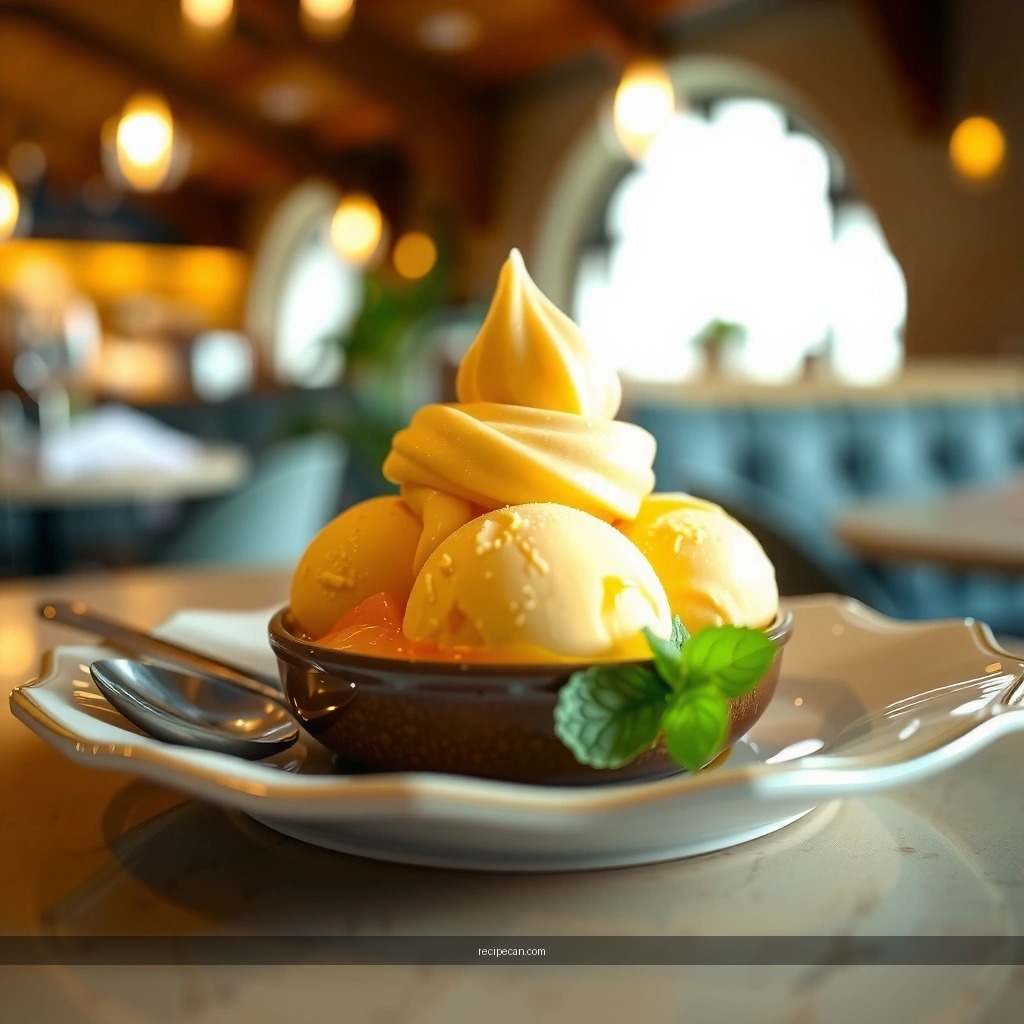
– Peel, pit, and dice mango, then blend until silky
– Mix blended mango with yogurt and sweetener until fully smooth
– Taste and adjust sweetness or tang with lemon
A mango yogurt ice cream recipe lives or dies by blend quality and flavor tuning. Here’s the workflow that reliably produces a smooth, scoopable base:
1. Prep the mango
– Peel and pit, then dice into small cubes. Smaller pieces blend faster and more evenly.
– If you want ultra-smooth texture, pulse mango first, then blend on a higher speed until silky.
2. Blend mango thoroughly
– Blend until you no longer see fibrous bits or small frozen streaks (even at room temperature).
– If your mango is exceptionally thick, add 1–2 tablespoons of yogurt or a small splash of lemon water (or simply blend longer).
3. Combine the base
– In a bowl or blender-safe pitcher, combine blended mango, yogurt, and sweetener.
– Blend again briefly or whisk aggressively to fully dissolve sugar. If using honey, mixing thoroughly is usually sufficient, but you can still run it briefly in the blender for uniformity.
4. Taste for balance
– Start with about a tablespoon of lemon juice (then adjust).
– Mango sweetness can range widely by season; if you taste “flat,” add a little lemon to brighten, or add a touch more sugar/honey if it tastes genuinely under-sweet.
Practical note: For food-safety and best texture, keep the mixture chilled until you’re ready to churn or freeze.
Churning vs. No-Churn Method
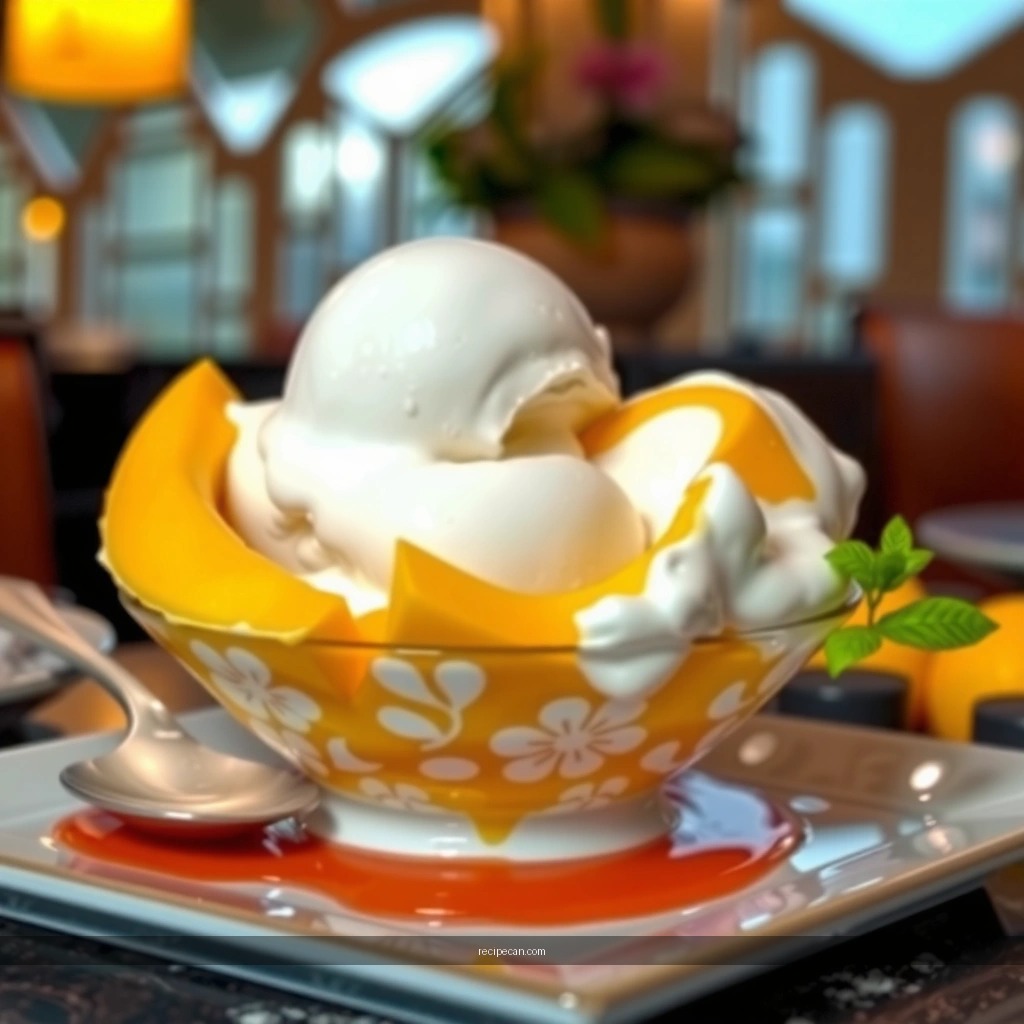
– Churn: follow your ice cream maker for a thicker, airy texture
– No-churn: freeze in a shallow container and stir every 30–45 minutes
– Choose the method based on whether you have an ice cream maker
Both methods work—your choice determines texture and process time.
Churn method (ice cream maker)
Churning incorporates air and helps control ice crystal size, which typically results in a thicker, scoopable consistency with less effort. The base should be well-chilled first. Then:
– Pour into the ice cream maker
– Churn until it reaches a soft-serve stage (often around the end of the machine’s cycle)
– Transfer to a container and freeze briefly to firm up
No-churn method (stir-freeze)
If you don’t have an ice cream maker, you can still achieve excellent results by managing ice crystal growth:
– Pour the base into a shallow, freezer-safe container (wider surface area = faster freeze)
– Freeze, then stir every 30–45 minutes
– Repeat until the mixture is thick and uniformly set, then cover and freeze until ready to serve
Why stirring matters: Each stir breaks larger ice crystals into smaller ones, giving a smoother mouthfeel later.
Texture Tips for Creamy Results
– Use full-fat or Greek yogurt for a thicker, creamier base
– Chill the mixture before churning or freezing
– Stir/churn until the mixture reaches soft-serve consistency
If you want “restaurant-style” mango yogurt ice cream, treat texture like a controlled variable.
1. Choose the right yogurt
– Full-fat plain yogurt and Greek yogurt typically produce the best creamy texture.
– Low-fat yogurt tends to freeze more rigidly, increasing the chance of icy bite.
– Chill the mixture for at least 1–2 hours before churning or freezing.
– Starting colder helps the mixture thicken more quickly and more evenly.
3. Use the correct endpoint
– Whether you churn or no-churn, stop when the mixture resembles soft-serve.
– Over-freezing while still too soft can lead to uneven texture; under-freezing can cause a loose scoop later.
4. Avoid moisture surprises
– Very watery mango (from under-ripeness or storage in a humid environment) can dilute the base. Blending fully helps, but the flavor may still be less intense—taste and adjust sweetness.
Flavor Variations to Try
– Add toasted mango chunks or a mango puree swirl
– Boost flavor with cardamom, ginger, or extra vanilla
– Make it dairy-free by using coconut yogurt (if preferred)
Once your base method is mastered, variations are easy—and they’re a great way to differentiate your homemade batch for guests.
1) Mango texture upgrades
– Toasted mango chunks: Dice mango and lightly sauté or toast briefly to deepen flavor, then fold in near the end. This gives a more complex “mango dessert” identity.
– Mango puree swirl: Reserve some mango puree (with a touch of lemon) and gently swirl it into the base after churning or during the early phase of no-churn freezing.
2) Warm spice profiles
– Cardamom: Add a small pinch—cardamom pairs naturally with mango and yogurt, giving an aromatic, bakery-like character.
– Ginger: Use grated ginger very sparingly; it should create a subtle zing rather than overpower the fruit.
– Vanilla: Stir in vanilla extract for a smoother, rounded sweetness.
3) Dairy-free option
– Replace yogurt with coconut yogurt for a dairy-free mango yogurt ice cream style.
– Coconut yogurt can be slightly sweeter or richer depending on the brand, so taste early and adjust your sweetener and lemon accordingly.
Storage and Serving Suggestions
– Store in an airtight container to reduce ice crystals
– Let it sit 3–5 minutes before scooping for best texture
– Enjoy within about 1–2 weeks for peak flavor
Proper storage determines whether your ice cream stays creamy or becomes brittle.
1. Use an airtight container
– Press parchment or plastic directly onto the surface before sealing (optional but helpful).
– This reduces exposure to air, which can accelerate ice crystal formation.
2. Soften before serving
– Let the container sit at room temperature for 3–5 minutes.
– Mango yogurt ice cream straight from the freezer can be too firm; a short soften improves scoopability and flavor release.
3. Timing
– For peak taste and smoothness, aim to eat within 1–2 weeks.
– After that, the flavor may remain good, but texture can gradually shift toward a firmer, more crystalline bite.
4. Practical serving ideas
– Fresh mango slices, a drizzle of honey, or crushed pistachios are simple, high-impact toppings.
– If you want a more “premium dessert” vibe, serve with a shortbread crumble or granola.
When you blend ripe mango with yogurt and churn (or stir-freeze) until thick, you get a creamy, tangy mango yogurt ice cream that tastes like summer. Follow the ingredient, blending, and texture tips above, then try a variation or two—make a batch today and share your favorite topping.
Frequently Asked Questions
What ingredients do I need for a mango yogurt ice cream recipe?
You’ll typically need ripe mangoes (fresh or frozen), plain Greek yogurt, milk or cream, sugar or honey, and a bit of lemon juice for brightness. Many mango yogurt ice cream recipes also include vanilla extract and a pinch of salt to enhance flavor. If you want a thicker texture, Greek yogurt is best; if you prefer a lighter scoop, use more milk.
How do I make mango yogurt ice cream without an ice cream maker?
Start by blending mango yogurt, sweetener, and lemon juice until smooth, then chill the mixture thoroughly. Pour it into a shallow container and freeze, stirring every 30–45 minutes for the first 2–3 hours to break up ice crystals. Once it reaches a thick, churned-like consistency, let it finish freezing and scoop straight from the freezer for best results.
Why does my mango yogurt ice cream turn icy, and how can I fix it?
Ice crystals usually form when the base isn’t well-balanced in sugar/fat or when it isn’t chilled before freezing and churning. Using full-fat Greek yogurt (or adding a small amount of cream) improves creaminess, while chilling the base reduces crystallization. If you’re not using an ice cream maker, regular stirring during freezing is key to preventing icy mango yogurt ice cream.
Which mango is best for mango yogurt ice cream—fresh or frozen?
Fresh ripe mangoes give the brightest flavor and a naturally juicy sweetness, which helps the ice cream taste like real fruit. Frozen mango works just as well for mango yogurt ice cream and often makes it easier to maintain consistent results year-round. For either option, blend the mango until smooth to avoid icy chunks and ensure an even, creamy texture.
What’s the best way to store mango yogurt ice cream for maximum flavor and texture?
Store your mango yogurt ice cream in an airtight container and press parchment paper or plastic wrap directly onto the surface to minimize ice crystals. Keep it in the coldest part of the freezer and try to eat within 1–2 weeks for best flavor. Let it sit at room temperature for 3–5 minutes before serving so the mango yogurt ice cream softens and becomes scoopable.
References
- Google Scholar Google Scholar
https://scholar.google.com/scholar?q=mango+yogurt+ice+cream+recipe - Google Scholar Google Scholar
https://scholar.google.com/scholar?q=yogurt+ice+cream+formulation+stabilizers+fat+proteins - Google Scholar Google Scholar
https://scholar.google.com/scholar?q=mango+flavor+frozen+dessert+ice+cream - Ice cream
https://en.wikipedia.org/wiki/Ice_cream - Frozen yogurt
https://en.wikipedia.org/wiki/Frozen_yogurt - Yogurt
https://en.wikipedia.org/wiki/Yogurt - Mango
https://en.wikipedia.org/wiki/Mango - https://pubmed.ncbi.nlm.nih.gov/?term=yogurt+ice+cream
https://pubmed.ncbi.nlm.nih.gov/?term=yogurt+ice+cream - https://www.sciencedirect.com/search?qs=yogurt%20ice%20cream
https://www.sciencedirect.com/search?qs=yogurt%20ice%20cream - https://www.britannica.com/plant/mango
https://www.britannica.com/plant/mango