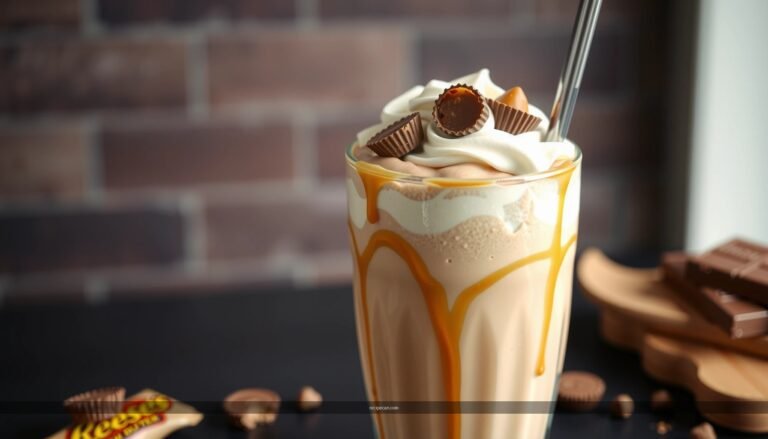
Get the best chocolate milkshake recipes that actually deliver—thick, creamy, and chocolate-forward with minimal effort. This article picks the clear winner for home cooks: the classic “blended ice cream + milk + cocoa” version that’s consistently smooth and rich. You’ll also find easy upgrades for deeper chocolate flavor and a foolproof thickness you can match to your taste.
If you want the best chocolate milkshake recipes, follow a simple formula: blend cold milk, chocolate (cocoa powder or syrup), and vanilla ice cream until thick and smooth. With the right chocolate type and a few thickness controls—plus optional add-ins and smart toppings—you can reliably create an easy, creamy, restaurant-style shake at home.
Estimated Flavor Sweetness & Intensity by Chocolate Type
| # | Chocolate Ingredient | Typical Sweetness | Perceived Chocolate Intensity | Best For |
|---|---|---|---|---|
| 1 | Vanilla + Chocolate Syrup | High | Medium ★★★★☆ | Classic diner-style |
| 2 | Unsweetened Cocoa Powder | Low–Medium | High ★★★★★ | Deep chocolate flavor |
| 3 | Dutch-Process Cocoa | Low–Medium | Very High ★★★★★ | Smooth, mellow richness |
| 4 | Chocolate Syrup + Cocoa Mix | Medium–High | High ★★★★★ | Balanced sweet + bold |
| 5 | Chocolate Hazelnut Spread (swirl) | Very High | Very High ★★★★★ | Easy sweetness overload |
| 6 | Chocolate Milk (shortcut base) | High | Medium ★★★★☆ | Fastest prep, lighter control |
| 7 | Cocoa + Espresso (micro-dose) | Low–Medium | High ★★★★★ | Coffee-chocolate depth |
Classic Thick Chocolate Milkshake
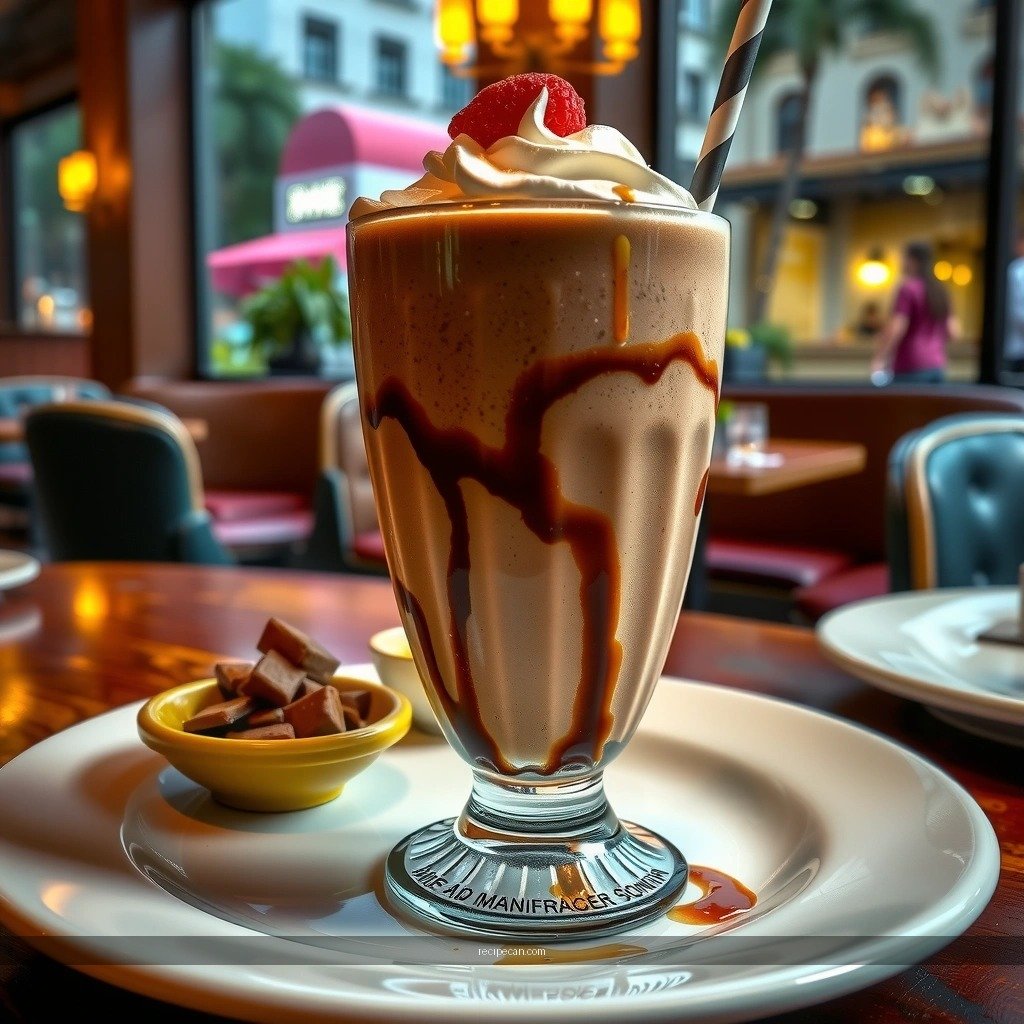
For the classic thick chocolate milkshake, your goal is simple: maximize fat and freeze points while evenly dispersing chocolate. Vanilla ice cream provides the creamy body and quick thickening, while chocolate syrup or cocoa powder adds flavor and sweetness.
A practical starting point for a thick shake (about 2 servings) is:
– 2–2½ cups vanilla ice cream
– ¾ cup cold milk (start with less if you want it thicker)
– 3–4 tbsp chocolate syrup or 3 tbsp cocoa powder
– Optional: ½ tsp vanilla extract for extra aroma
What makes it “thick”
Blending time matters because friction and mixing help break ice crystals and stabilize the emulsion. For a smooth, thick consistency, blend on high for 30–45 seconds. If your blender runs hot or your ingredients are too soft, shorten slightly; if your shake looks grainy, blend longer (up to ~60 seconds) and re-check.
Quality levers that businesses and serious home cooks use
– Use cold milk: Warm milk slows thickening and can create a looser texture.
– Keep ice cream firm: Soft ice cream increases the chance of thinness.
– Add chocolate strategically: Syrup dissolves quickly; cocoa needs enough liquid to hydrate and dissolve.
For cocoa powder, an effective technique is to pre-mix it with 1–2 tbsp of the cold milk into a paste before adding it to the blender. This reduces “dry cocoa” specks and improves mouthfeel.
Cocoa Powder vs. Chocolate Syrup

Choosing between cocoa powder and chocolate syrup isn’t just about taste—it’s about sweetness, dissolution, and how reliably you’ll hit a consistent thickness.
Cocoa powder: deeper flavor, less sweetness
Cocoa powder is typically unsweetened, so it delivers a more intense chocolate profile without pushing the shake into candy-sweet territory. It also tends to create a slightly more “chocolate-forward” finish and pairs well with vanilla ice cream because the vanilla rounds out cocoa’s bitterness.
Best use: When you want a richer chocolate milkshake that still tastes balanced.
Chocolate syrup: faster, sweeter, more uniform
Chocolate syrup is pre-sweetened and already liquid, so it incorporates quickly and evenly. The result is usually a smoother blend with less risk of cocoa clumping—especially if you’re in a hurry or your milkshake base is colder and thicker.
Best use: When you want classic sweetness and a fast, dependable texture.
The analytical “mix” approach: get the benefits of both
If you want a professional-style result—boldness from cocoa, convenience from syrup—try a hybrid:
– 2 tbsp chocolate syrup
– 2 tbsp cocoa powder
– Vanilla ice cream + cold milk to target thickness
This combination often tastes “more chocolate” than either ingredient alone because it covers both flavor intensity and sweetness perception.
Chocolate Milkshake with Optional Add-Ins
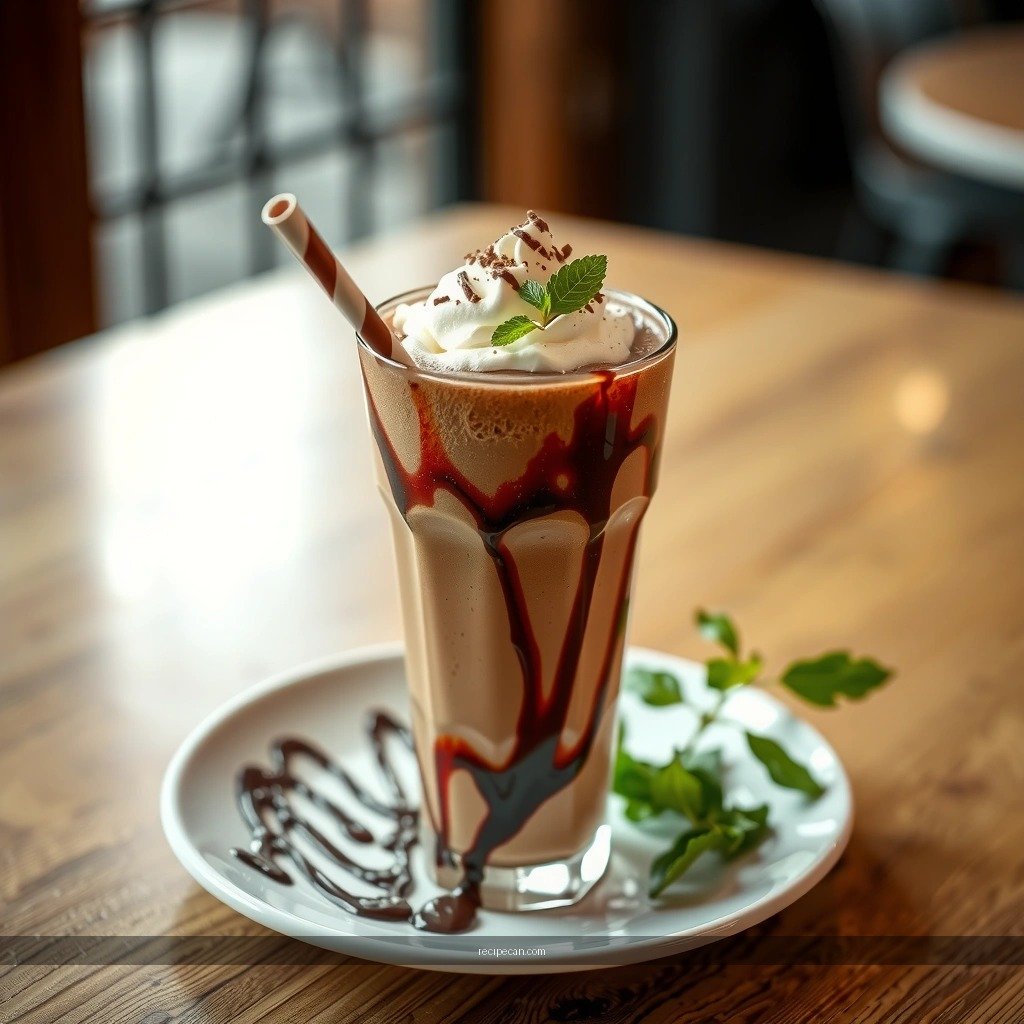
Add-ins are where chocolate milkshakes become signature drinks. The key is operational: add-ins can change thickness, sweetness, and texture. Treat them like controlled variables—start small, then iterate.
High-impact add-ins (and why they work)
– Peanut butter (1–2 tbsp): Adds savory depth and boosts perceived richness. Peanut butter can thicken the shake slightly, so reduce milk by a tablespoon if you want to keep it thick.
– Espresso (½–1 tsp concentrated or 1 tbsp brewed, cooled): Espresso doesn’t make it “coffee flavored” for most people; it enhances chocolate aroma and makes cocoa taste rounder and less flat.
– Crushed cookies (2–4 tbsp): Adds crunch and flavor complexity. For best results, crush finely so you don’t end up with gritty ice-cream pockets.
Keep the shake balanced
A simple rule: if your add-in is sweet (like cookie crumbs), reduce syrup slightly. If your add-in is dry or fibrous (like cookie pieces), blend longer and add 1–2 tbsp more milk to prevent a thick, uneven texture.
Example variations you can scale
– Reese-style vibe: chocolate syrup + peanut butter + pinch of salt
– Mocha shake: cocoa + a micro-dose of espresso + vanilla
– Dessert shake: crushed chocolate wafers + cocoa + vanilla
These variations work because they align with chocolate’s strongest pairing profiles: fat-and-salt (peanut butter), aromatic enhancement (espresso), and crunchy contrast (cookies).
Dairy-Free and Lighter Chocolate Milkshake Options

Chocolate milkshakes can absolutely be dairy-free and still creamy. The trick is substituting fat and structure—not just swapping milk.
Best dairy-free strategy
Use:
– Oat milk or almond milk for the base
– Dairy-free vanilla ice cream (look for products with higher fat content for best texture)
If you use a thinner dairy-free milk without a supportive ice cream base, you’ll likely get a “drinkable” shake instead of a spoonable one.
Make it lighter without losing the chocolate punch
To lighten the shake:
– Use less ice cream and more milk
– Consider reducing chocolate syrup slightly, then rely on cocoa powder to keep the flavor intense
– Blend carefully so you don’t over-aerate (over-aeration can make it taste “watery” once it settles)
A practical light-shake ratio:
– 1 cup dairy-free vanilla ice cream
– 1 cup oat/almond milk
– 2–3 tbsp cocoa powder or 2–3 tbsp chocolate syrup
– Optional: ½ tsp vanilla extract
Texture note: dairy-free thickening works differently
Plant-based ice creams can melt faster and may separate if your blender doesn’t fully homogenize the mix. Blend a full 45–60 seconds, then let it rest for 1–2 minutes and stir again briefly before serving.
How to Get the Perfect Thickness
Thickness is the defining characteristic of the best chocolate milkshake recipes. It’s determined by ice cream proportion, milk temperature, sugar type, and blending behavior.
Quick thickness rules that actually work
– For thicker shakes: use more ice cream and less milk
– For thinner shakes: add milk gradually—one tablespoon at a time
– For thicker texture: blend longer, and chill ingredients beforehand
Why thickness changes (in plain terms)
– Ice cream brings fat and frozen water that help the shake stay cohesive.
– Syrup increases sweetness and can slightly reduce “dry” cocoa sensation by improving dissolution.
– Cocoa powder absorbs moisture; too much cocoa without enough liquid can make the shake feel heavy or pasty.
A repeatable “thickness adjustment” method
1. Blend your base for 20–25 seconds.
2. Pause and check texture. If it’s too thick, add 1 tbsp milk and blend 10 more seconds.
3. If it’s too thin, add ¼ cup ice cream and blend 15–20 seconds.
4. For cocoa-based shakes that feel uneven, add a small splash of milk and blend longer to fully hydrate cocoa.
Chill for consistency
If your milkshake ingredients are marginally warm, your shake will thin quickly. Keep ice cream firm, use cold milk, and—if possible—pre-chill your glasses. This is a simple operational step that improves perceived quality.
Serving Tips and Toppings
Even the best chocolate milkshake recipe can underperform if served incorrectly. Your toppings and serving method influence aroma release, texture contrast, and the overall mouthfeel.
Topping ideas that enhance texture
– Whipped cream: Adds lightness and boosts dessert-like perception.
– Chocolate shavings: Provide a premium visual and a melt-and-release chocolate aroma.
– Sprinkles: Add playful crunch and color contrast.
For the most balanced experience, choose one texture add-on (crunch or cream) rather than piling everything at once.
Serve immediately for best mouthfeel
Chocolate milkshakes hold their best texture briefly after blending. Serve right away—preferably in chilled glasses—and consume with a spoon and straw for a mixed texture experience (cream + surface thickness).
Portioning tips
– For “diner-style” thickness: use smaller glasses and thicker base ratios.
– For “smooth dessert” thickness: use slightly larger portions but reduce blending time a little so it doesn’t feel overly aerated.
Conclusion
The best chocolate milkshake recipes come down to a repeatable formula—cold milk, chocolate (cocoa or syrup), and vanilla ice cream—then precise control of sweetness and thickness. Choose cocoa for deeper flavor or syrup for classic, easy blending, add optional mix-ins like peanut butter or espresso in measured amounts, and use dairy-free swaps with an ice-cream base to maintain creaminess. Finally, blend for the right time, adjust milk and ice cream to your preferred consistency, and serve immediately with smart toppings for a truly easy, creamy, chocolate-forward shake every time.
References
- Milkshake
https://en.wikipedia.org/wiki/Milkshake - Chocolate milk
https://en.wikipedia.org/wiki/Chocolate_milk - https://www.britannica.com/topic/milkshake
https://www.britannica.com/topic/milkshake - Dietary Guidelines for Americans
https://www.dietaryguidelines.gov/ - Healthy diet
https://www.who.int/news-room/fact-sheets/detail/healthy-diet - https://pubmed.ncbi.nlm.nih.gov/?term=chocolate+milk+nutrition
https://pubmed.ncbi.nlm.nih.gov/?term=chocolate+milk+nutrition - https://pubmed.ncbi.nlm.nih.gov/?term=milkshake+nutrition
https://pubmed.ncbi.nlm.nih.gov/?term=milkshake+nutrition - https://pubmed.ncbi.nlm.nih.gov/?term=cocoa+flavanols+milk
https://pubmed.ncbi.nlm.nih.gov/?term=cocoa+flavanols+milk - Google Scholar Google Scholar
https://scholar.google.com/scholar?q=best+chocolate+milkshake+recipe - Google Scholar Google Scholar
https://scholar.google.com/scholar?q=chocolate+milkshake+sensory+evaluation+cocoa+milk+ice+cream