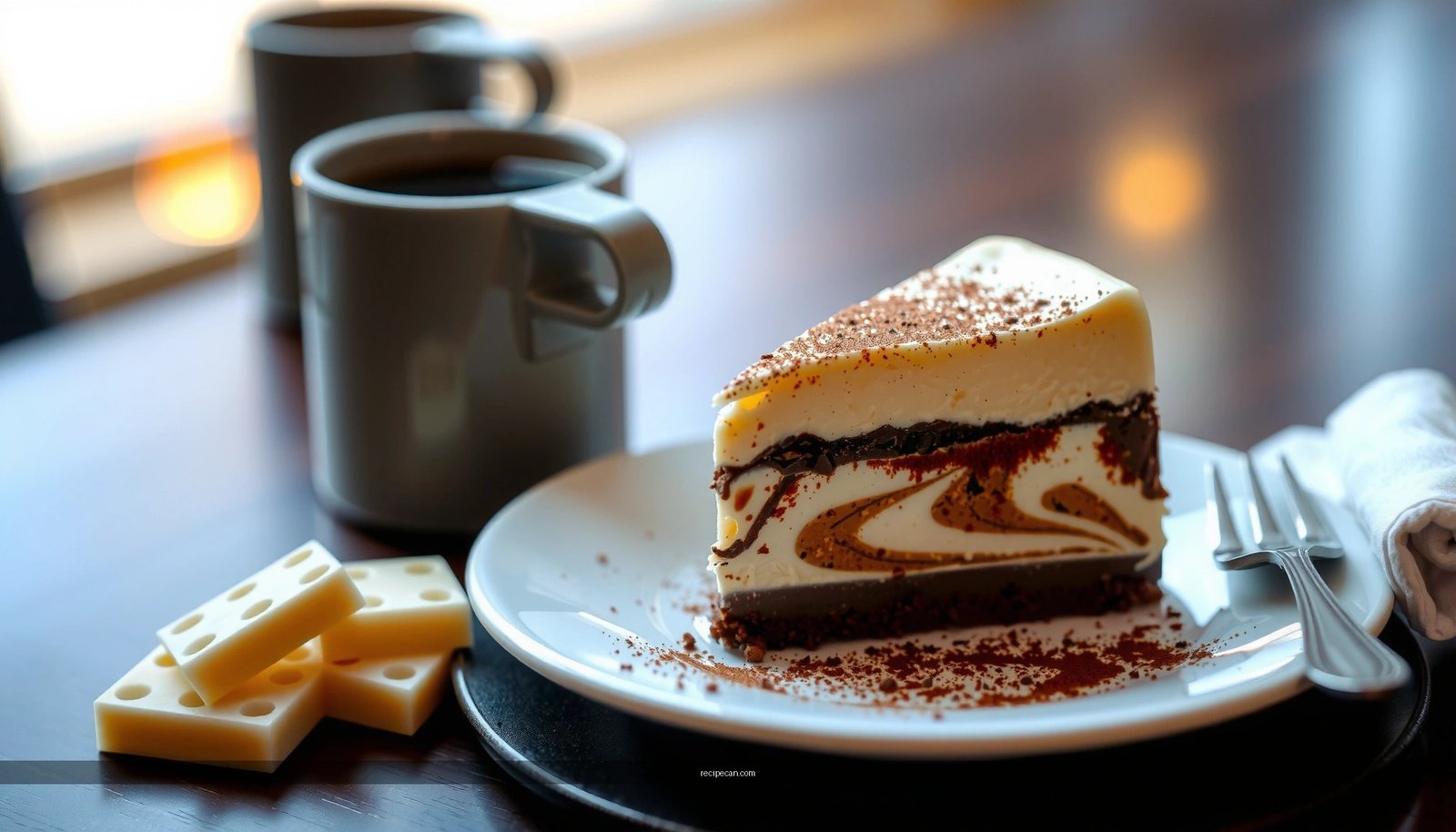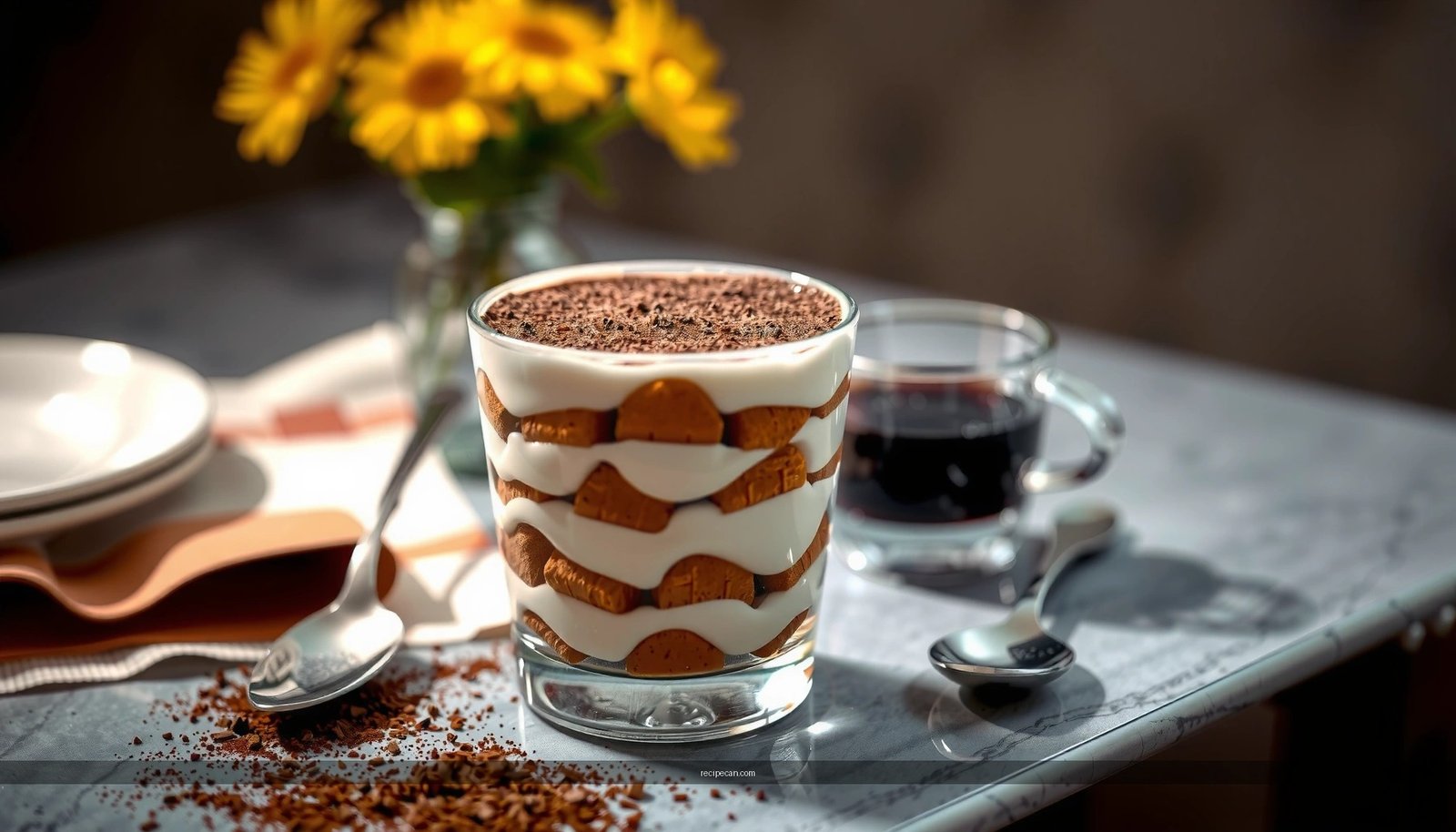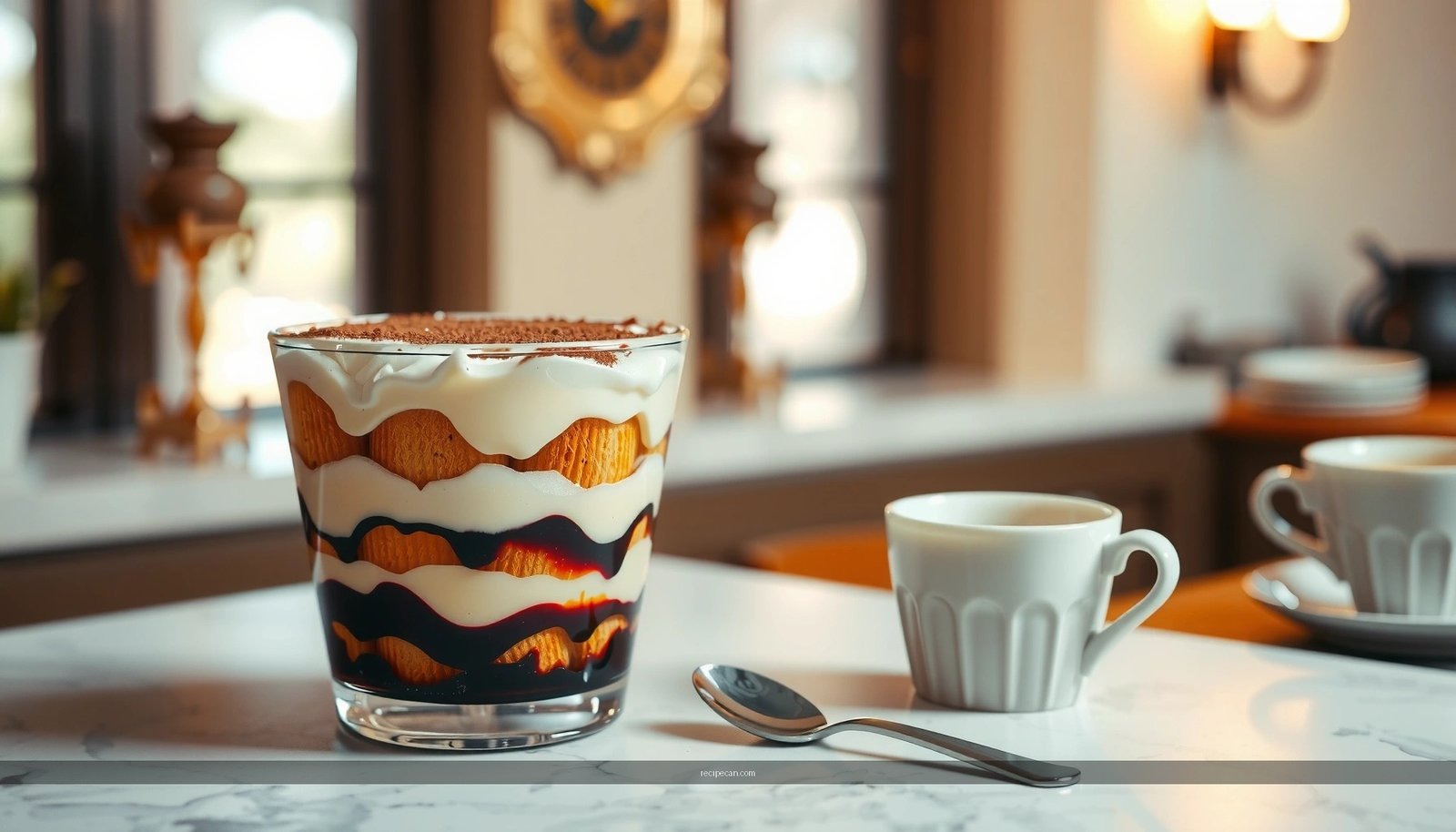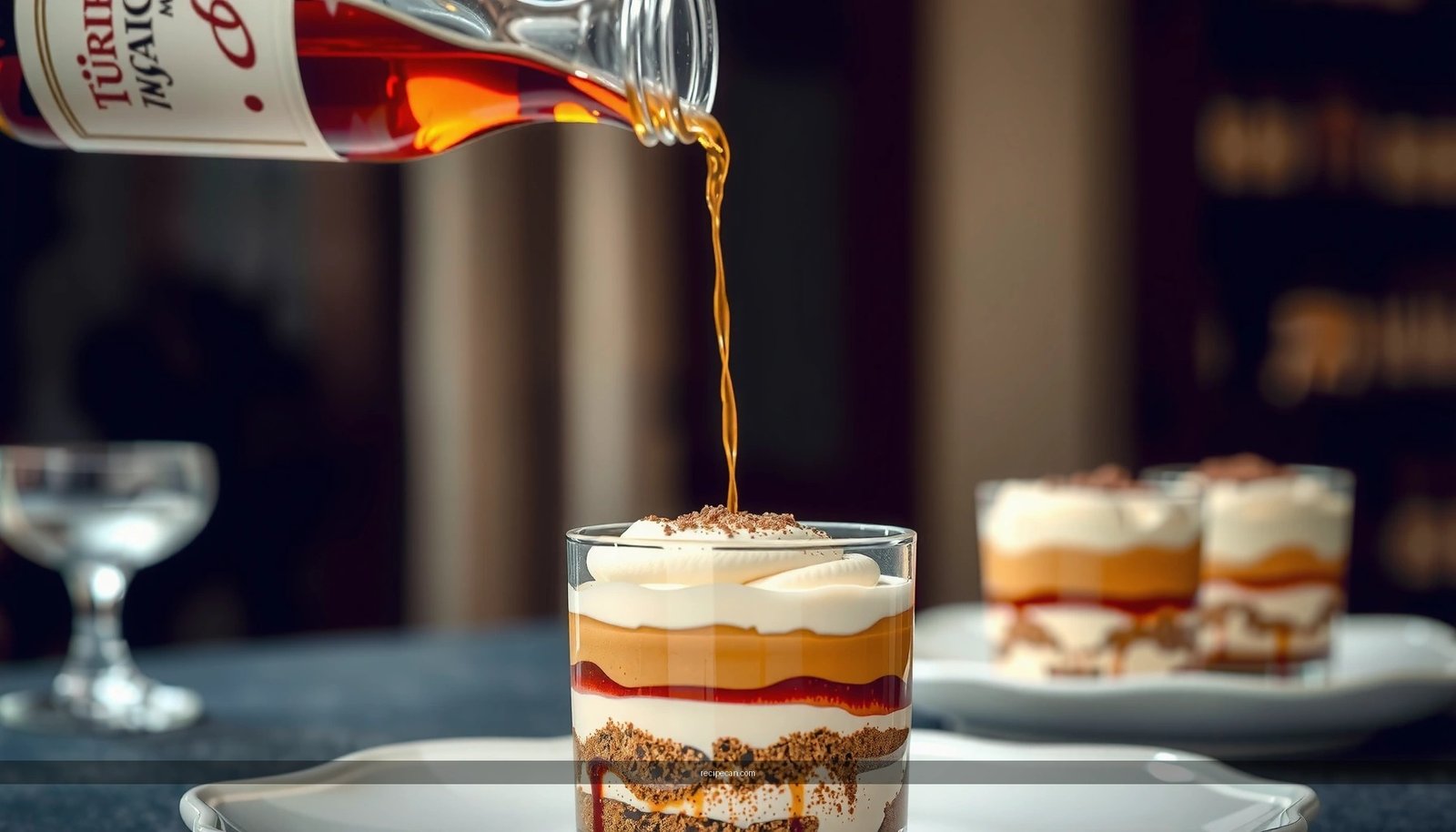
Want the best tiramisu recipe liquor? For classic, bold coffee flavor with the right sweetness, Kahlúa (or another coffee liqueur) is the top pick because it dissolves easily into espresso and mascarpone without overpowering the dessert. Need a lighter, more bakery-style profile—skip the rum and go with a mild coffee liqueur instead. Keep reading for the exact way to add it (how much, when, and what to substitute).
A tiramisu recipe liquor—typically espresso liqueur or coffee liqueur—adds deep, signature coffee notes, but the right approach is to use it lightly and strategically so mascarpone stays creamy instead of overwhelmed. In the sections below, you’ll learn which liquors pair best with tiramisu, how much to add, where it goes in the recipe, and how to get comparable flavor with alcohol-free alternatives.
Choose the Best Tiramisu Recipe Liquor
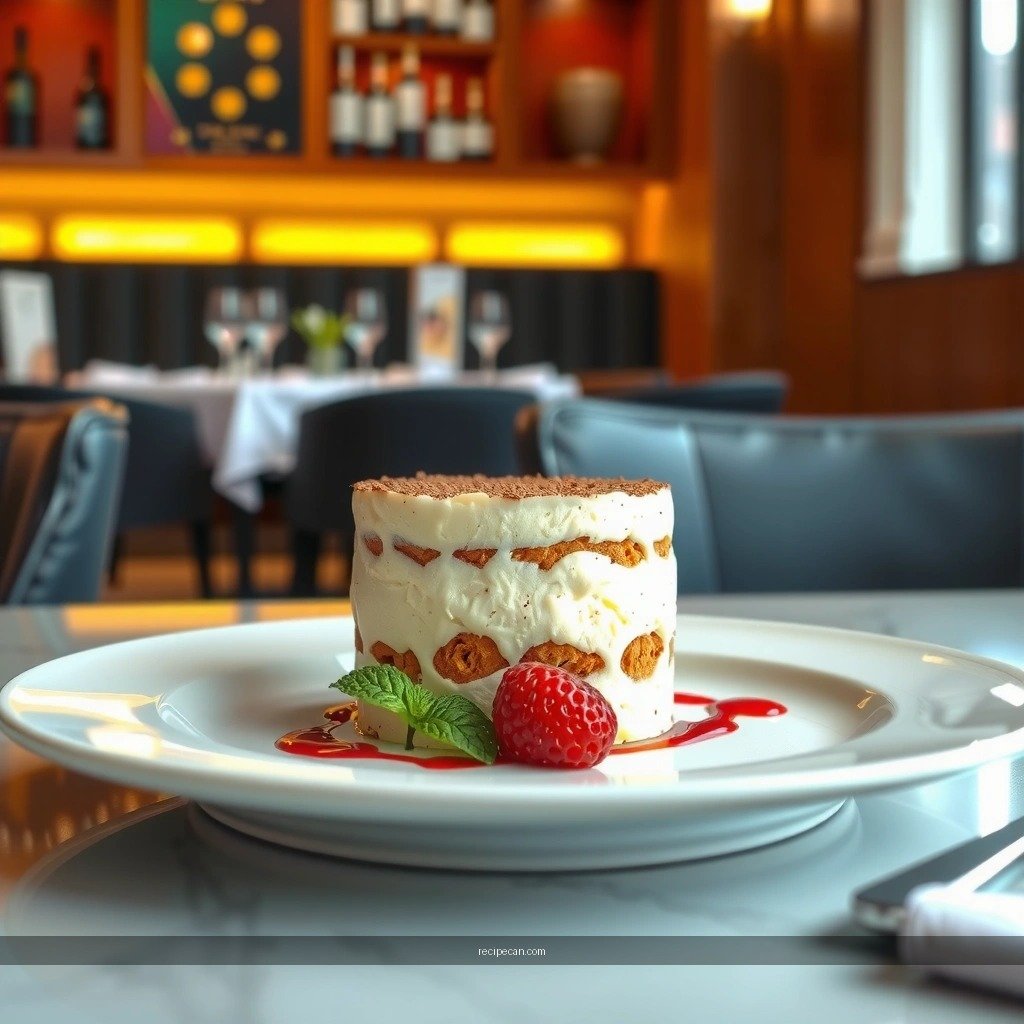
Selecting the right tiramisu recipe liquor is less about “which brand is best” and more about balancing three flavor forces: (1) coffee intensity, (2) sweetness, and (3) how much the alcohol will push aromatic bitterness.
Espresso liqueur (like Kahlúa) is the classic choice for bold coffee flavor
Espresso liqueurs typically combine roasted coffee, caramelized sweetness, and a noticeable alcohol backbone. That combination is ideal for tiramisu because the espresso flavor harmonizes with mascarpone’s mild, dairy-forward profile and the cocoa on top. Choose espresso liqueur when you want a dessert that tastes distinctly coffee-forward even after chilling.
Coffee liqueur and Marsala both complement the dessert without clashing
– Coffee liqueur: Similar direction to espresso liqueur, but often slightly lighter in roast character depending on the product. This can be advantageous if your espresso is already strong or if your mascarpone is particularly rich (you’ll avoid “double-bitter” flavors).
– Marsala: A fortified wine with warm, dried-fruit and toasted-nut notes. Marsala doesn’t taste like coffee, but it strengthens dessert depth and roundness—especially when you’re using espresso in the base and want the alcohol to read as “caramel-vanilla” rather than “coffee.”
Practical pairing guidance (quick decision)
– Want classic coffee punch? Choose espresso liqueur.
– Want coffee flavor that stays elegant (not harsh)? Consider a coffee liqueur with moderate sweetness.
– Want deeper dessert warmth and complexity beyond coffee? Try Marsala (use sparingly).
Flavor & Application Guide for Tiramisu Recipe Liquor
| # | Liquor/Ingredient | Typical ABV | Sweetness Level | Best Use in Tiramisu | Coffee Compatibility | |
|---|---|---|---|---|---|---|
| 1 | Espresso Liqueur | 20–26% ABV | Medium–High | Ladyfinger dip + coffee mixture | ★★★★★ | |
| 2 | Coffee Liqueur (general) | 15–30% ABV | Medium | Ladyfinger brush for controlled flavor | Sweet coffee base (balanced) | ★★★★☆ |
| 3 | Marsala (dry or medium) | 15–20% ABV | Medium | Warm depth + aroma booster | Toasted-fruit note pairing | ★★★☆☆ |
| 4 | Dark Rum (optional) | 35–40% ABV | Medium–High | Tiny amount in coffee liquid | Caramel + molasses undertone | ★★☆☆☆ |
| 5 | Bourbon (lightly used) | 35–45% ABV | Low–Medium (varies) | Only if you want oak/spice | More “spiked dessert” style | ★★☆☆☆ |
| 6 | Amaretto (almond-forward) | 20–30% ABV | High | Small add-in for aromatic depth | Espresso-forward but sweet | ★★★☆☆ |
| 7 | Coffee extract (alcohol-free) | 0% ABV | N/A (concentrated) | Replace liquor in coffee liquid | Controlled bitterness without alcohol | ★★★★☆ |
How Much Liquor to Add
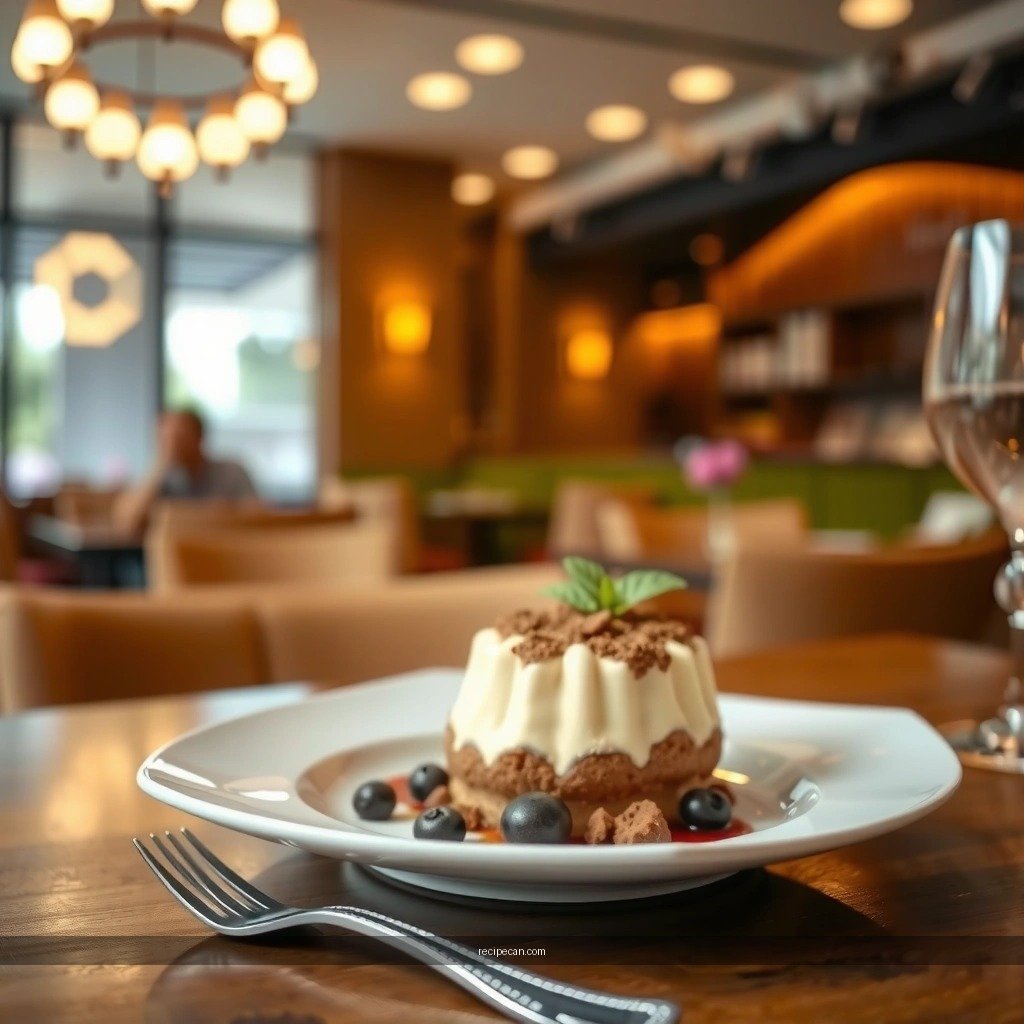
The biggest professional takeaway for a tiramisu recipe liquor is that “more” almost never improves texture. Alcohol and sugar both affect how quickly ladyfingers soften—so quantity directly impacts whether the final dessert is sliceable or watery.
– Use a light drizzle (about 1–3 tablespoons) to avoid soggy ladyfingers
For most home tiramisu pans (commonly ~6–8 servings), 1 tablespoon per layer’s worth of dipping liquid is usually enough. If your ladyfingers are thin, use the low end; if they’re thicker or slightly stale, you can go closer to 3 tablespoons total across the recipe.
– Start small and adjust to your taste since mascarpone softens strong flavors
Masking can work in both directions: mascarpone is rich enough to soften sharp alcohol notes, meaning you might not detect “too much liquor” until the dessert sits for several hours. A best practice is to taste the coffee mixture before assembly (more on that below) and then under-season slightly—chilling will round flavors.
A useful benchmark for taste and texture
If you can smell strong alcohol immediately from the dipped ladyfingers, you’ve likely exceeded what’s needed. For a balanced tiramisu, the aroma should be coffee-forward, not “spirit-forward.”
Where the Liquor Goes in the Recipe
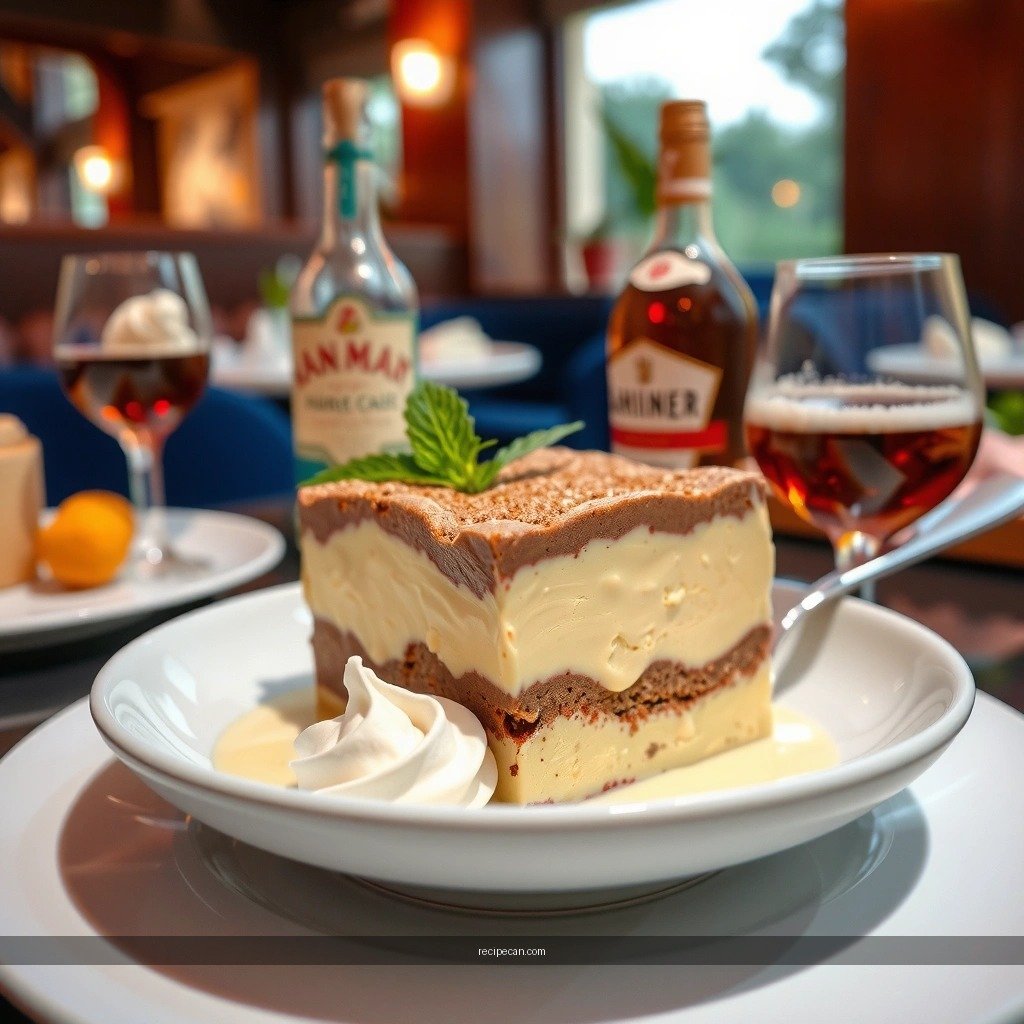
Where you add tiramisu recipe liquor matters as much as how much you add. The goal is to flavor the dessert while controlling water absorption.
– Dip or lightly brush ladyfingers—don’t soak them fully
Ladyfingers are porous. Full soaking turns them into mush and releases too much liquid into the mascarpone layers. Instead:
– Dip quickly (1–2 seconds per side) and remove immediately, or
– Brush the surface with a spoon or pastry brush so the interior stays structured.
– Add a touch to the mascarpone mixture only if you want deeper flavor
Mascarpone doesn’t need alcohol to be delicious; it needs stability. If you add liquor to the mascarpone, use a restrained amount (for example, 1–2 teaspoons diluted into the coffee mixture or lightly stirred into the cream) so the base remains smooth and not “loose” or curdle-prone.
Quality control tip: If you’re using cocoa powder with a very dark, bitter profile, slightly reduce liquor (or choose a less aggressive coffee liqueur) to avoid a harsh finish.
Alcohol-Free or Low-Alcohol Tiramisu Options
Not everyone can (or wants to) use alcohol, and even for businesses serving mixed audiences, offering alcohol-free options protects customer trust while keeping the dessert compelling.
– Use strong brewed espresso or coffee concentrate instead of liquor
Replace the liquor portion with espresso/coffee concentrate. Concentrate matters because it keeps flavor high while reducing dilution of the mascarpone structure.
– Try coffee syrup or vanilla extract for flavor without alcohol
– Coffee syrup: Adds sweetness and coffee aroma without the sharpness that can come from alcohol.
– Vanilla extract: Helps round bitterness and supports mascarpone’s creamy vanilla tone.
For a closer “liqueur-like” character, you can also use a combination: part espresso concentrate plus a small amount of coffee syrup (rather than just plain coffee).
Low-alcohol strategy (for broad appeal)
If you want some “spirit character” but not full-strength, use a smaller quantity of liqueur and increase the coffee base (espresso) proportionally. This gives aroma and sweetness without increasing soak risk.
Tips for Balanced Flavor and Texture
A professional approach to tiramisu recipe liquor treats chilling time and bitterness management as process variables—not afterthoughts.
– Let the tiramisu chill long enough for flavors to meld (at least a few hours)
Chilling isn’t just about setting. It allows coffee aroma to distribute evenly, sweet notes to integrate, and the cream to become cohesive. Many recipes improve significantly after 4–6 hours, and they often taste even better the next day as long as the ladyfingers weren’t oversoaked.
– Taste your coffee mixture before assembling to ensure it’s not too bitter
If your espresso is too bitter, liquor will amplify the perception because alcohol carries aromatic intensity. Adjust beforehand:
– Add a small amount of sugar or sweet syrup if it tastes sharp
– Dilute slightly with warm water only if the mixture is too intense (then cool it before dipping)
Service note: If transporting or holding for events, plan assembly so you can serve chilled—texture degrades as time passes, especially if ladyfingers have been aggressively dipped.
Common Mistakes to Avoid
Even experienced cooks can miss the mark with tiramisu recipe liquor. These errors are predictable—and fixable.
– Over-soaking ladyfingers can cause a runny, watery tiramisu
This is the most common texture failure. If slices don’t hold and the pan looks wet, you likely used too much liquid or left the ladyfingers submerged too long. Remedy: next time, reduce dip time, use a thicker coffee base, and keep the mascarpone stable by not flooding layers.
– Adding too much liquor can overpower the mascarpone and espresso
Alcohol has a strong volatile aroma and can dominate the palate. When that happens, mascarpone loses its creamy “anchor,” and the dessert tastes more like “coffee drink with cream” than balanced tiramisu. Remedy: start at the low end (1 tablespoon total), then increase gradually across batches.
Secondary mistake to watch: Using very high-ABV spirits (like full-strength rum) instead of liqueurs. Even small quantities can taste harsh and disrupt the classic tiramisu profile.
Tiramisu recipe liquor can make your dessert taste richer and more coffee-forward—especially when you use the right type and the right amount. Pick a classic coffee or espresso liqueur, dip/brush the ladyfingers lightly, and chill to lock in flavor. Try your preferred liquor next time (or use espresso for an alcohol-free version) and adjust to get your perfect balance.
Frequently Asked Questions
What liquor is best for a classic tiramisu recipe?
Most traditional tiramisu recipe versions use espresso-based liquor like coffee liqueur (such as Kahlúa) because it blends smoothly with the coffee and mascarpone. You can also use Marsala wine for a more classic Italian flavor, especially if your tiramisu has a slightly nutty, fortified note. Choose a flavor that matches your coffee—if you want bold coffee flavor, go heavier on coffee liqueur rather than a neutral alcohol.
How do you add liquor to tiramisu without making it too boozy?
Start by mixing your espresso (or strong coffee) with the liquor and use only a light hand when soaking the ladyfingers. A quick dip—about 1–2 seconds per side—helps prevent sogginess while still delivering tiramisu liquor flavor. If you’re worried about alcohol intensity, reduce the liquor by 1/3 and rely more on espresso for the “tiramisu recipe liquor” taste.
How much liquor should you use in a tiramisu recipe for 8–10 servings?
A common range is about 2–4 tablespoons of liquor for a typical 8–10 serving tiramisu, depending on how strong your coffee is. If you’re using coffee liqueur, 2–3 tablespoons is usually enough for noticeable flavor without overpowering the mascarpone. For Marsala or a sweeter liquor, lean closer to 2 tablespoons and adjust based on your preference.
Why does tiramisu with liquor need to chill, and how long should you wait?
Chilling allows the mascarpone mixture to set and the ladyfingers to absorb the espresso and tiramisu liquor evenly, which improves texture and flavor distribution. For the best results, refrigerate at least 4 hours, though overnight is ideal for a more cohesive tiramisu recipe. Without sufficient chilling, the dessert may taste less integrated and feel firmer or more “dry” in the layers.
Which liquor substitutes work if you want a non-alcoholic tiramisu recipe?
You can use non-alcoholic coffee syrups, espresso concentrate, or a splash of vanilla extract to replicate the flavor contribution of tiramisu liquor. For a similar warmth to traditional liqueur, try using rum extract (alcohol-free) in very small amounts, then taste the mixture. Keep the soaking liquid consistent with your original recipe so the ladyfingers soften properly while avoiding excess moisture.
References
- Tiramisu
https://en.wikipedia.org/wiki/Tiramisu - Marsala
https://en.wikipedia.org/wiki/Marsala - Amaretto
https://en.wikipedia.org/wiki/Amaretto - List of liqueur brands
https://en.wikipedia.org/wiki/Coffee_liqueur - Kahlúa
https://en.wikipedia.org/wiki/Kahl%C3%BAa - Tiramisu | Meaning, Ingredients, Origin, Desserts, & Taste | Britannica
https://www.britannica.com/topic/tiramisu - Marsala | wine | Britannica
https://www.britannica.com/topic/Marsala-wine - Google Scholar Google Scholar
https://scholar.google.com/scholar?q=tiramisu+recipe+liqueur+marsala - Google Scholar Google Scholar
https://scholar.google.com/scholar?q=coffee+liqueur+desserts+tiramisu - Google Scholar Google Scholar
https://scholar.google.com/scholar?q=tiramisu+alcohol+raw+eggs+food+safety