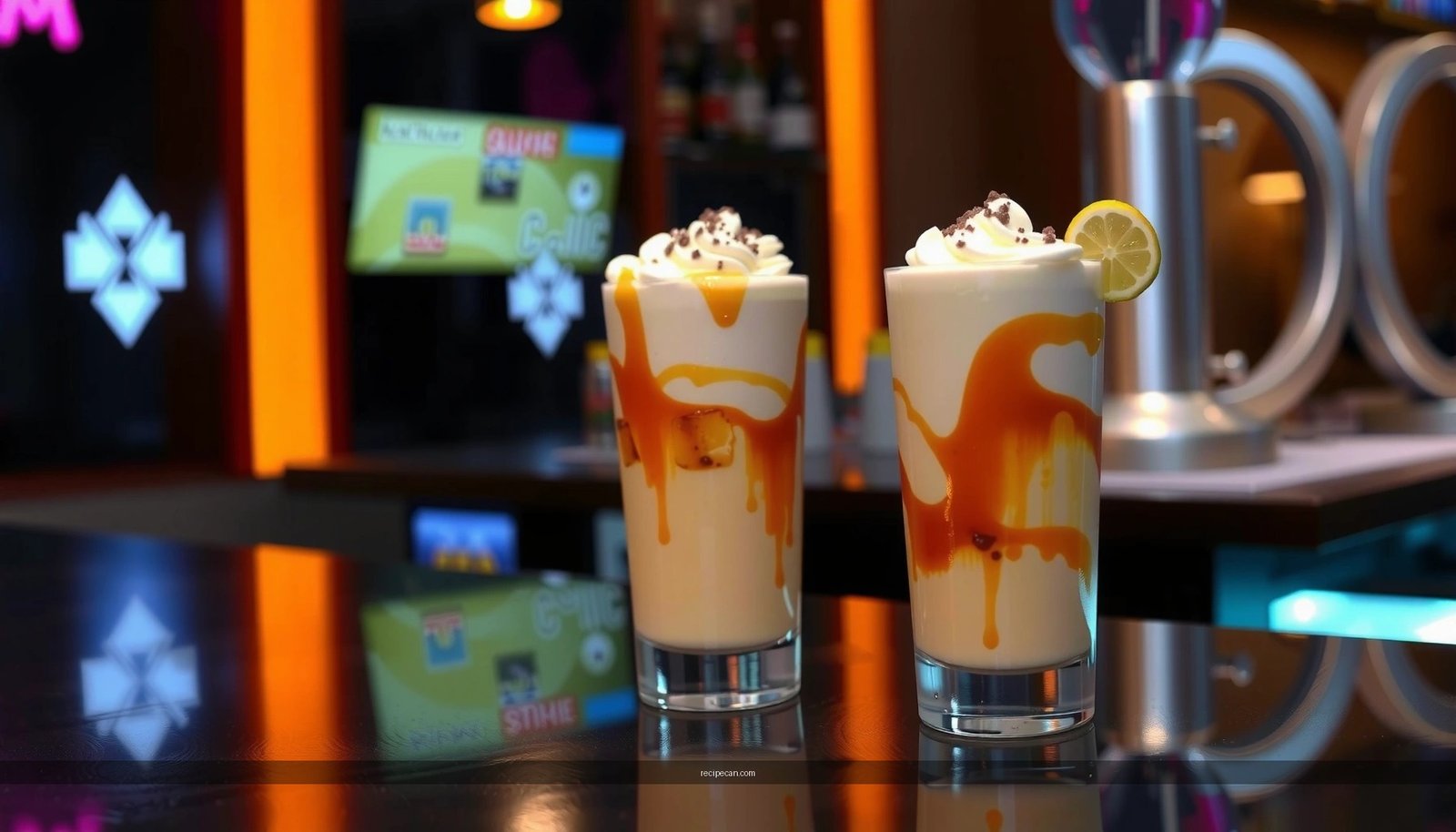
Want the best alcoholic milkshake recipe that tastes like a classic dessert and hits hard enough for a party? This easy, creamy version delivers a foolproof blend of ice cream, milk, and your choice of liquor—smooth, thick, and ready to serve in minutes. Follow the steps and you’ll get a consistently great shake every time, whether you’re making one for yourself or a whole round.
An alcoholic milkshake is best when you treat it like a ratio problem: start with creamy ice cream and cold milk first, then add alcohol slowly until the flavor is bold but the texture stays thick. Below is a reliable, step-by-step method that keeps your drink rich (not watery), along with proven spirit pairings, flavor variations, and serving tips for a party-ready finish.
A key analytical truth about alcoholic milkshakes is that alcohol behaves differently than mixers like juice or soda. Many spirits and liqueurs contain enough ethanol and flavor compounds to thin perception of sweetness, and some liqueurs carry sugar that changes how “balanced” the shake tastes. The goal is to lock in the creamy emulsion first (ice cream + milk), then tune the alcohol level so the drink remains dessert-thick and spoonable.
Choose Your Alcohol Base
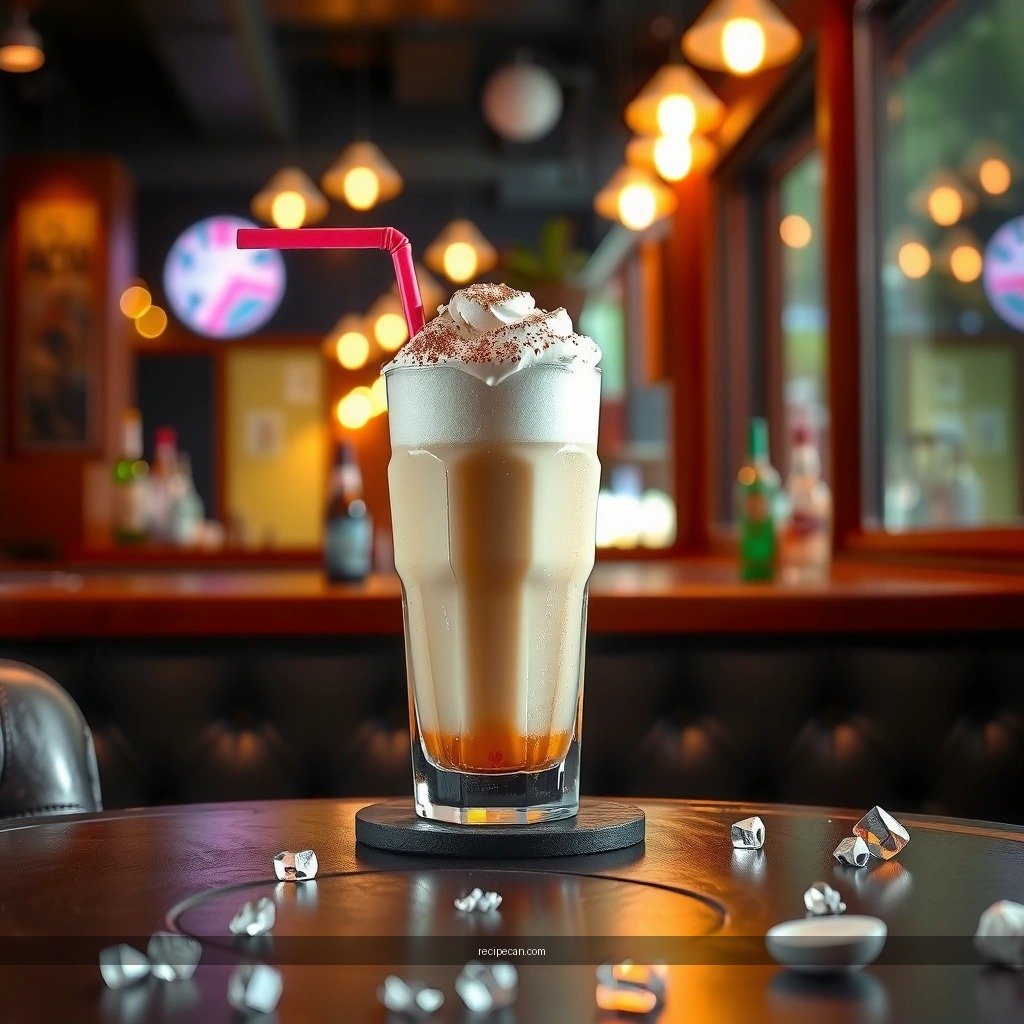
– Pick spirits that match your flavor (vodka, rum, bourbon, or flavored liqueurs)
– Start with a smaller pour and adjust to taste
– Consider how sweet the alcohol already is
Choosing the right alcohol base is the fastest way to make an alcoholic milkshake taste intentionally “dessert-like” instead of boozy. Start by thinking in three categories:
1. Neutral spirits (clean flavor): Vodka is a strong starting point when you want the ice cream and flavoring (cookies, chocolate, vanilla, fruit) to lead. It adds alcohol warmth with minimal interference.
2. Caramel-and-oak friendly spirits (warm, dessert notes): Bourbon pairs exceptionally well with vanilla, chocolate, caramel syrups, and cookie crumble because those flavors echo vanilla, toasted sugar, and baking spices.
3. Tropical or molasses-like spirits (rum family): Rum—especially spiced rum—tends to amplify vanilla and chocolate and gives a “milkshake bar” vibe that works well at parties.
How much to use (practical guidance): For a standard blender batch (about 16 oz / 2 cups total volume), begin with 1 to 2 oz of alcohol, then taste and adjust. If you go straight to 4 oz+ without building the cream base first, you often get a thinner mouthfeel and an over-boozy finish.
Sweetness matters. If your alcohol is a liqueur (e.g., amaretto, coffee liqueur, chocolate liqueur), it usually brings added sugar and flavor intensity. That means you may need less sweet additions (like syrup) and sometimes less total alcohol to avoid a cloying shake.
To help you make smart, repeatable choices, use this pairing guide as a starting point for your next alcoholic milkshake:
Alcohol Pairing Guide for Creamy Alcoholic Milkshakes (16 oz Batch)
| # | Alcohol Base | Start Pour | Sweetness Impact | Best Ice Cream Match | Overall Balance |
|---|---|---|---|---|---|
| 1 | Vodka | 1–2 oz | Low | Vanilla | ★★★★☆ |
| 2 | White Rum | 1.5–2.5 oz | Low–Medium | Vanilla / Chocolate | ★★★★☆ |
| 3 | Spiced Rum | 1–2 oz | Medium | Vanilla / Brown sugar | ★★★☆☆ |
| 4 | Bourbon | 1–2 oz | Low–Medium | Vanilla / Caramel | ★★★★☆ |
| 5 | Coffee Liqueur | 0.75–1.5 oz | High | Chocolate / Vanilla | ★★☆☆☆ |
| 6 | Amaretto | 0.75–1.25 oz | High | Vanilla / Chocolate | ★★★☆☆ |
| 7 | Tequila (Blanco) | 1–1.5 oz | Low | Strawberry / Vanilla | ★★☆☆☆ |
Use this table as a practical “first blend” starting point. If your result tastes too boozy, reduce the pour (not the ice cream). If it tastes muted, increase slowly in 0.25–0.5 oz increments.
Select the Best Milkshake Ingredients
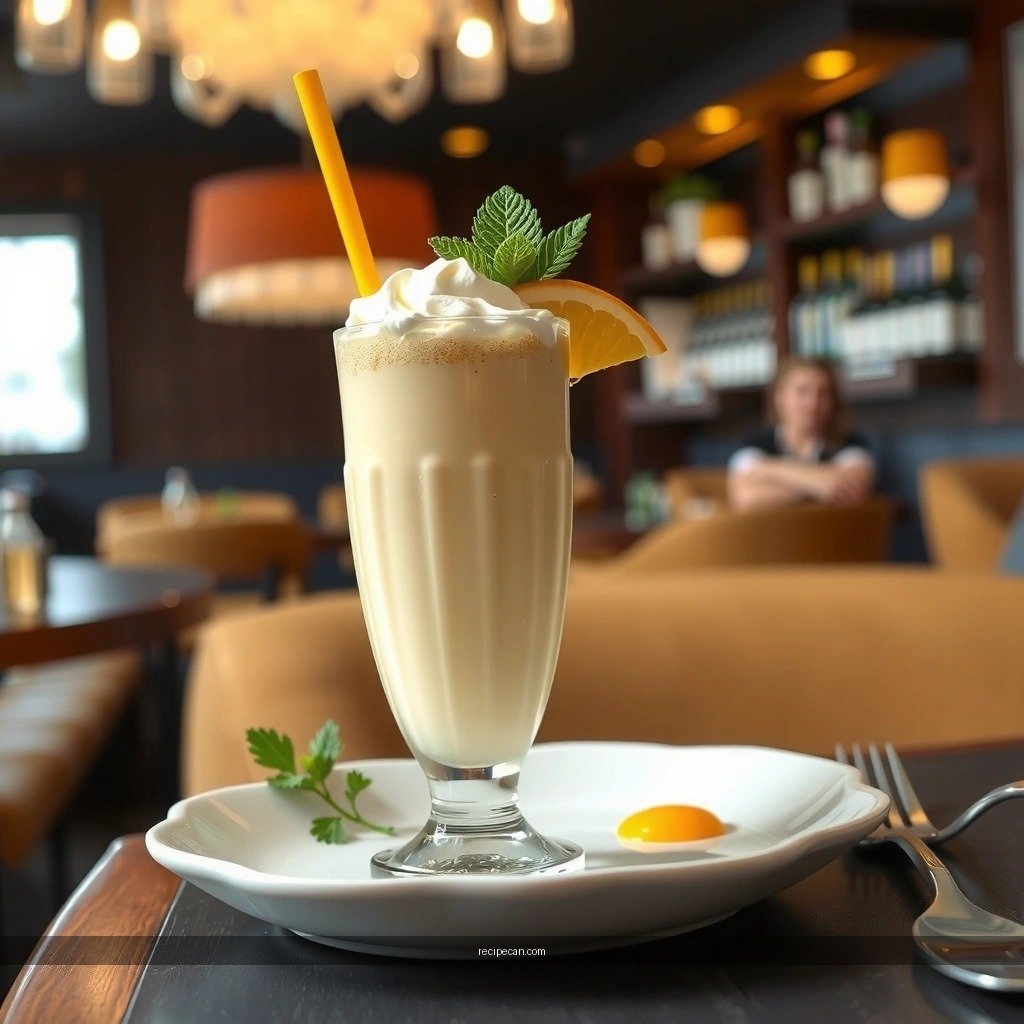
– Use vanilla ice cream (or chocolate for a classic twist)
– Add cold milk for blending and adjust thickness
– Optional: include cream or flavored syrup for extra richness
Core base (recommended):
– Vanilla ice cream (2 cups): Provides a neutral, creamy foundation that amplifies most alcohols and flavor syrups.
– Cold milk (start with 1/4 cup): Milk helps blending but too much makes the shake watery fast. If you want “spoon-thick,” add milk gradually.
Optional upgrades (choose one or two):
– Heavy cream (2–4 tbsp): Boosts body and helps the shake feel luxurious even with moderate alcohol.
– Flavor syrup (1–3 tbsp): Adds sweetness and aroma without changing your overall texture as dramatically as adding more milk.
– Crushed cookie pieces or chocolate syrup: For mix-ins, add small amounts so the blender can still emulsify smoothly.
Analytical tip for texture: Alcohol can slightly disrupt the way fats and proteins emulsify. The easiest defense is to keep the base cold (use ice-cold milk and frozen ice cream straight from the freezer) and blend just until smooth, not continuously for several minutes.
Step-by-Step Blending Instructions
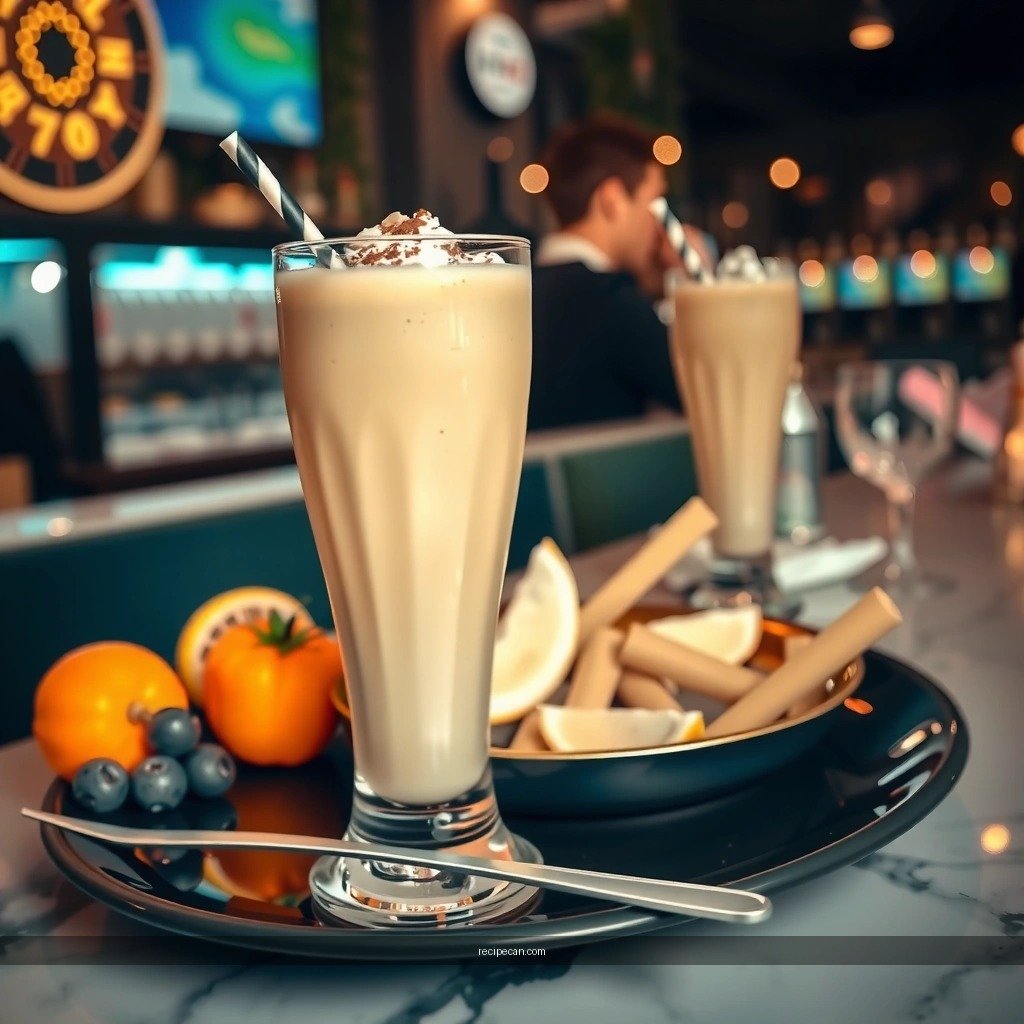
– Blend ice cream, milk, and alcohol until smooth and thick
– Taste and fine-tune sweetness and alcohol level
– Chill briefly if you want a thicker texture
Here’s a dependable method for a creamy, party-ready alcoholic milkshake using a blender. It’s built to keep the texture stable and reduce “over-blending.”
Step 1: Pre-measure for control
– Ice cream: 2 cups
– Cold milk: 1/4 cup (plus more only if needed)
– Alcohol: start at 1–2 oz (based on your chosen spirit/liqueur)
Step 2: Blend in order
1. Add ice cream + milk to the blender first.
2. Blend for 15–25 seconds until thick and smooth.
3. Add alcohol and any syrup (if using) and blend another 10–15 seconds.
Step 3: Taste and fine-tune
– If it’s too boozy, reduce alcohol next time or add 1–2 tbsp more ice cream and re-blend briefly.
– If it’s too mild, increase alcohol by 0.25–0.5 oz.
– If it’s not sweet enough, add syrup a small amount at a time (1 tsp increments work well).
Step 4: Chill briefly for thickness (optional but effective)
If you want maximum “thick straw” texture, chill assembled glasses for 5–10 minutes. This is especially helpful when using liqueurs with added sugar, which can otherwise make the shake feel softer.
Flavor Variations to Try
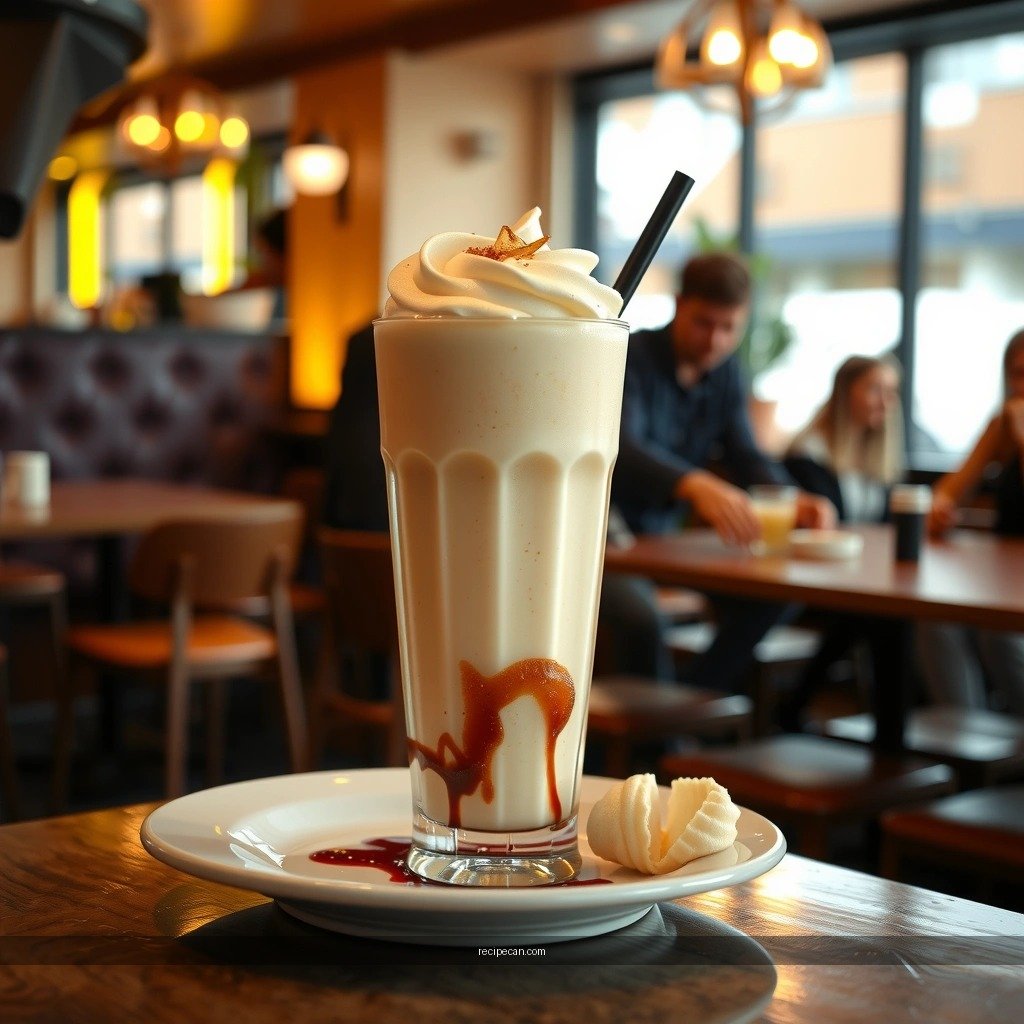
– Cookies & cream: crushed cookies + chocolate syrup + rum
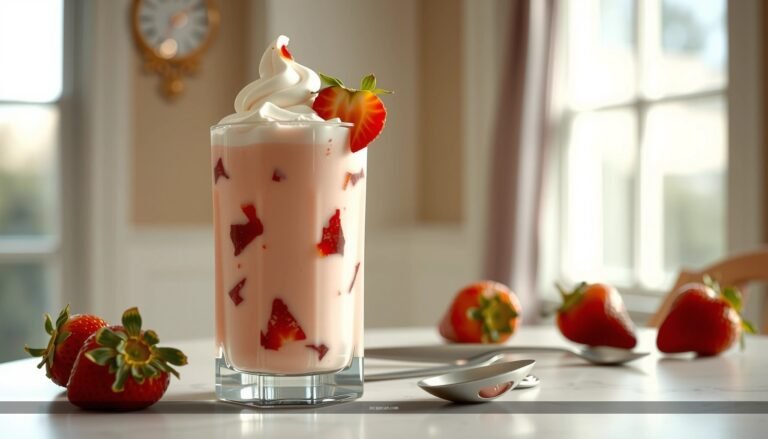
– Strawberry: strawberry ice cream + strawberry liqueur + fresh berries
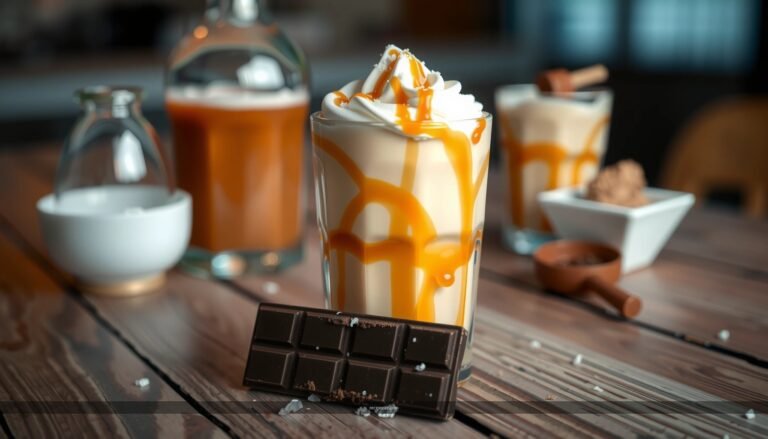
– Caramel: caramel syrup + bourbon + pinch of salt
Once your base technique is reliable, variations become simple “substitution patterns.” The key is to match alcohol flavors to the same flavor family as your syrup and ice cream.
Cookies & Cream (crowd favorite)
– Ice cream: Vanilla (or cookies & cream if you want extra crunch)
– Add-ins: Crushed chocolate sandwich cookies (2–4 tbsp)
– Flavor: Chocolate syrup (1–2 tbsp)
– Alcohol: Rum (start at 1–2 oz)
Why it works: Rum’s warm notes complement chocolate and cookies, while the syrup provides sweetness so you don’t need to overpour alcohol.
Strawberry (fresh, lighter, and festive)
– Ice cream: Strawberry or vanilla with strawberry compote
– Add-ins: Fresh berries (a small handful) or 1–2 tbsp puree
– Alcohol: Strawberry liqueur (start at 0.75–1.25 oz)
– Optional: A squeeze of lemon (tiny amount) to brighten
Why it works: Strawberry liqueurs are often fruit-forward and sweet, so keep the pour controlled to maintain a clean “milkshake” flavor.
Caramel (grown-up dessert profile)
– Ice cream: Vanilla
– Flavor: Caramel syrup (1–2 tbsp)
– Alcohol: Bourbon (1–2 oz)
– Pro move: Add a pinch of salt to amplify caramel
Why it works: Bourbon’s toasted depth plus salt makes caramel taste richer without needing extra sugar.
Garnish and Serve Like a Pro
– Top with whipped cream, chocolate drizzle, or sprinkles
– Add a drizzle or rim sugar for a more “dessert” look
– Serve immediately with a thick straw
Presentation influences how “party-ready” the alcoholic milkshake feels—especially when guests expect a dessert drink.
Easy garnish ideas (choose based on your flavor):
– Whipped cream (all variations)
– Chocolate drizzle (cookies & cream, chocolate-heavy shakes)
– Sprinkles (classic fun; works with vanilla and strawberry)
– Caramel swirl (caramel bourbon shakes)
– Fresh berry top (strawberry shakes)
Texture-first serving:
– Use a thick straw or small spoon—your target is spoonable thickness.
– Serve immediately after blending, because alcohol and fat can soften the texture as the drink warms.
Optional “dessert bar” styling:
– Rim the glass with sugar (or cocoa + sugar for chocolate shakes).
– Add a zigzag of syrup inside the glass before pouring for a layered look.
Safety and Storage Tips
– Keep alcohol amounts moderate for better flavor and texture
– Don’t leave milkshakes at room temp for long
– If scaling up, blend in batches to maintain smoothness
These tips protect both taste and guest safety—important for hosting and event planning.
Moderate alcohol improves quality
Overpouring doesn’t just increase alcohol content; it often makes the shake taste sharper and thinner. Keep your starting pour conservative and tune upward slowly.
Temperature management
Milkshakes are dairy-based, so avoid leaving them at room temperature for extended periods. For service, prepare batches close to serving time and keep ingredients cold.
Scaling up without texture loss
If you’re making many shakes, blend in batches rather than throwing everything in one massive batch. Large blender loads heat up and reduce emulsification quality, which can lead to graininess or uneven consistency.
—
A creamy alcoholic milkshake is quick to make when you choose complementary flavors and blend everything just until smooth. Follow the ingredient picks (ice cream first, milk second), start with a smaller alcohol pour, and adjust after tasting—then garnish and serve right away for the best thick, dessert-like texture. If you tell me your preferred spirit and flavor direction (vanilla/chocolate/strawberry/caramel), I can suggest an exact “start pour” and syrup ratio tailored to your taste.
References
- Milkshake
https://en.wikipedia.org/wiki/Milkshake - Milkshake
https://en.wikipedia.org/wiki/Milkshake#Alcoholic_milkshakes - Google Scholar Google Scholar
https://scholar.google.com/scholar?q=alcoholic+milkshake+recipe - Google Scholar Google Scholar
https://scholar.google.com/scholar?q=cocktail+milkshake - Google Scholar Google Scholar
https://scholar.google.com/scholar?q=ice+cream+milkshake+alcohol+mixing - https://pubmed.ncbi.nlm.nih.gov/?term=alcohol+and+milk+intake
https://pubmed.ncbi.nlm.nih.gov/?term=alcohol+and+milk+intake - Alcohol Use | Alcohol Use | CDC
https://www.cdc.gov/alcohol/index.htm - Alcohol’s Effects on Health | National Institute on Alcohol Abuse and Alcoholism (NIAAA)
https://www.niaaa.nih.gov/alcohols-effects-health - Alcohol
https://www.who.int/news-room/fact-sheets/detail/alcohol - https://www.fda.gov/food/food-additives-petitions/alcoholic-beverages
https://www.fda.gov/food/food-additives-petitions/alcoholic-beverages