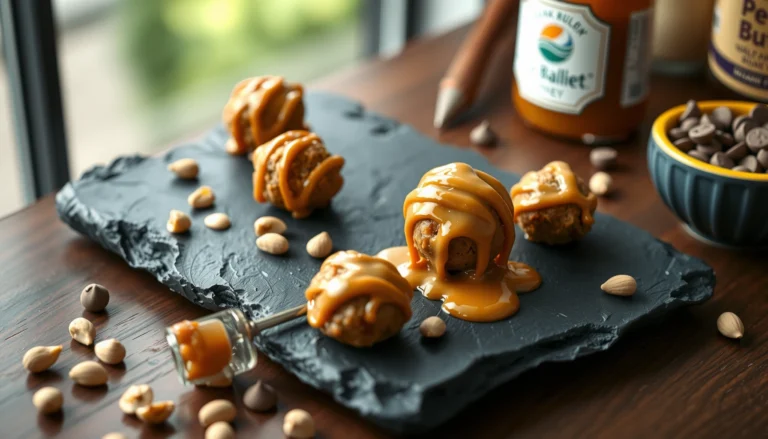
Looking for a recipe for peanut butter balls that actually delivers easy, no-fuss sweet treats? This guide gives you the straight-shot method to mix, roll, and set rich peanut butter goodness into bite-size balls with consistent results every time. If you want a fast dessert that holds its shape and tastes like classic peanut butter candy, this recipe is the winner.
Make peanut butter balls quickly by mixing creamy peanut butter, powdered sugar, and a touch of vanilla, then rolling and chilling until firm. This classic no-bake recipe gives you step-by-step, reliable results—whether you enjoy them plain or dipped in chocolate for a richer finish.
Ingredients for Peanut Butter Balls
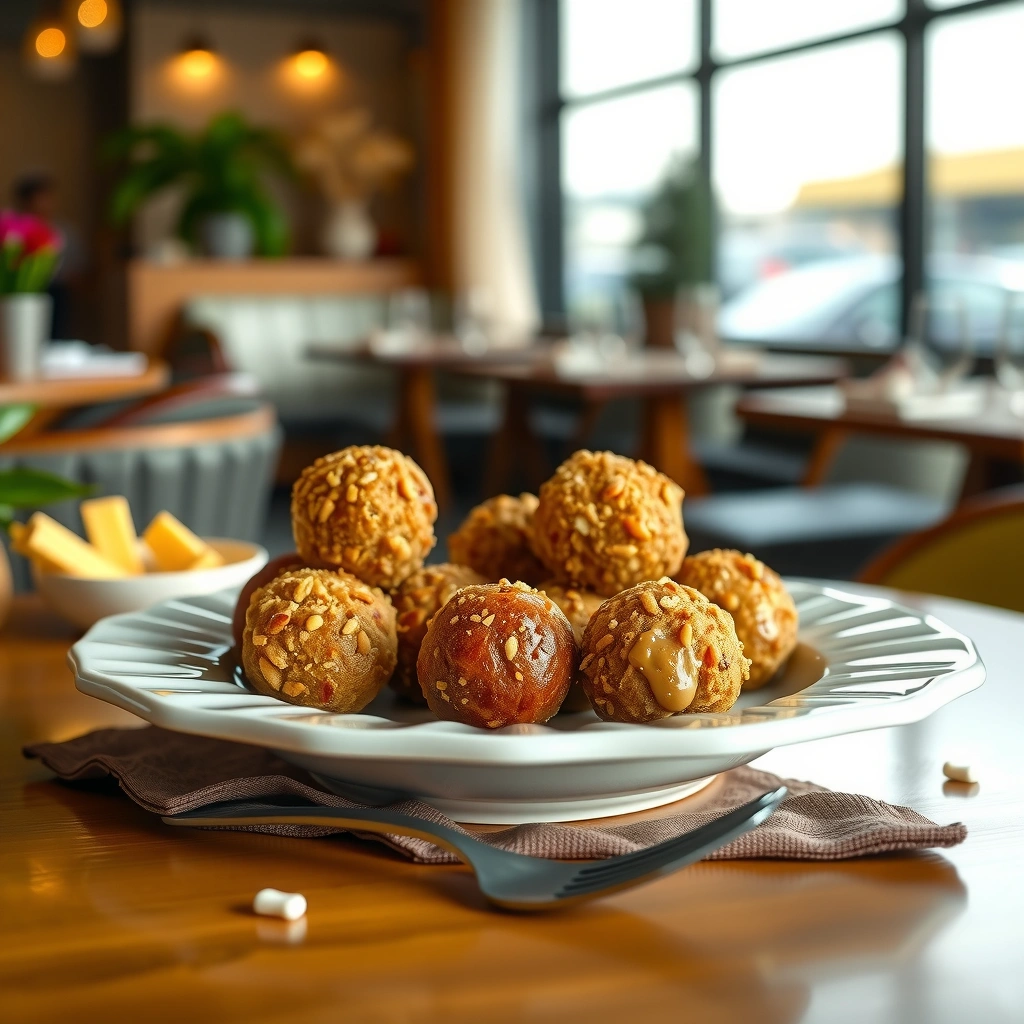
A great batch of peanut butter balls starts with ingredients that balance flavor, structure, and shelf stability. While the recipe is simple, each component plays a specific role—important if you want consistent texture from batch to batch.
– Use creamy peanut butter as the main base
Creamy peanut butter provides the fat and proteins that help the mixture bind and hold its shape during chilling. Look for “creamy” peanut butter (not natural with lots of separation) if you want the smoothest rolling texture. If you only have natural peanut butter, stir it thoroughly and expect the mixture to be slightly looser—then adjust with more powdered sugar.
– Combine with powdered sugar for the right texture
Powdered sugar (confectioners’ sugar) acts like a dry binder. It sweetens and thickens the mixture so you can roll bite-size balls without them sticking excessively or collapsing. Use powdered sugar rather than granulated sugar, because sugar grain size directly impacts whether the dough forms cleanly.
– Add vanilla (and optional salt) for extra flavor
Vanilla rounds out the peanut butter flavor and makes the finished bites taste “bakery-style.” A small pinch of salt is optional, but it boosts perceived sweetness and deepens chocolate pairing when you coat the balls.
Pro tip for operational consistency: Measure ingredients by weight if possible. In commercial-style kitchens, consistent ratios are the difference between “rollable dough” and “sticky batter.”
Ingredient Ratios and Expected Texture Outcomes (Standard Batch)
| # | Mix Variant | Creamy Peanut Butter (cups) | Powdered Sugar (cups) | Vanilla (tsp) | Texture Rating |
|---|---|---|---|---|---|
| 1 | Classic, rollable | 1.0 | 2.0 | 1 | ★★★★☆ |
| 2 | Slightly firmer | 1.0 | 2.25 | 1 | ★★★★☆ |
| 3 | Softer bite | 1.0 | 1.75 | 1 | ★★★☆☆ |
| 4 | Sticky mix (under-sugared) | 1.1 | 1.9 | 1 | ★★☆☆☆ |
| 5 | Dry mix (over-sugared) | 0.95 | 2.35 | 1 | ★★★☆☆ |
| 6 | Vanilla-forward | 1.0 | 2.0 | 1.5 | ★★★★☆ |
| 7 | Balanced + pinch of salt | 1.0 | 2.0 | 1 | ★★★★☆ |
Step-by-Step Instructions
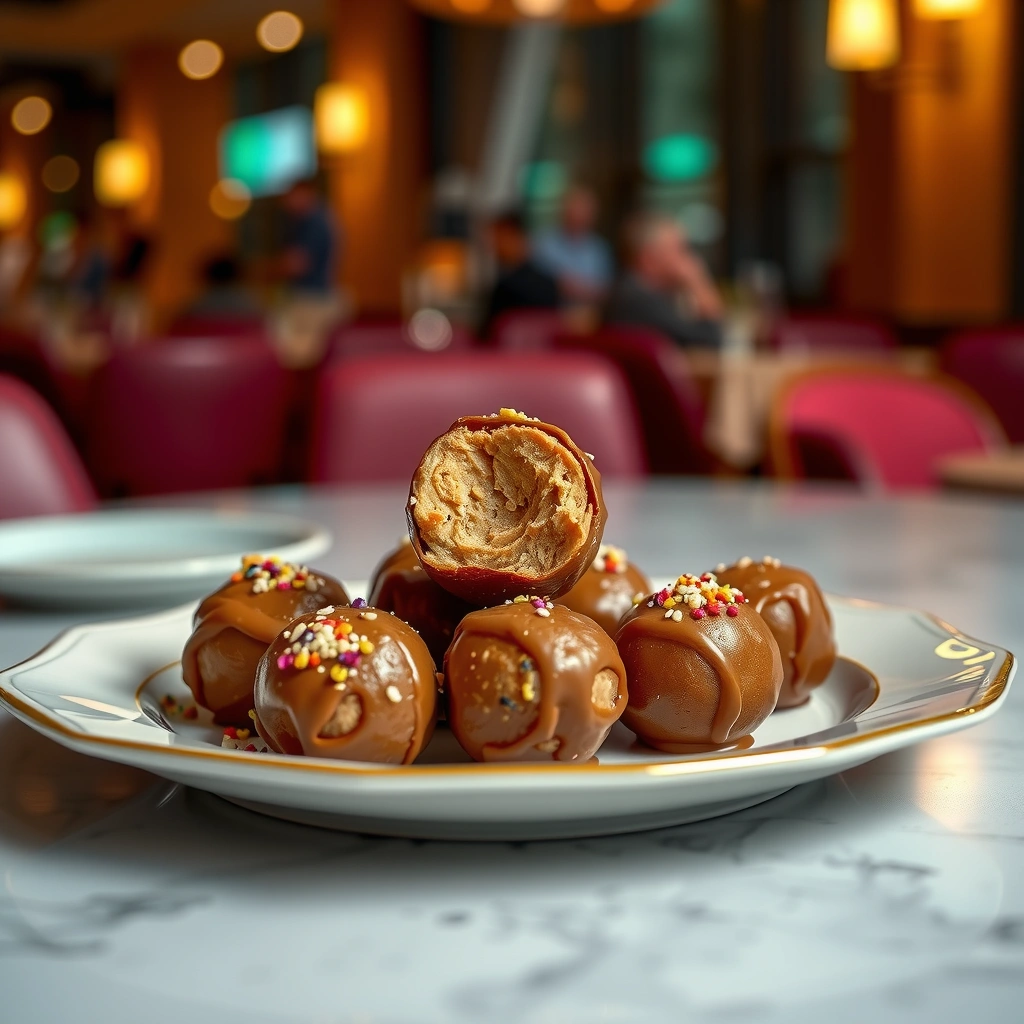
The method is intentionally straightforward, and that simplicity is what makes these no-bake peanut butter balls such a dependable go-to. If you follow the sequence below, you’ll get a thick dough that rolls cleanly and sets properly in the refrigerator.
– Mix peanut butter and powdered sugar until a thick dough forms
Start by stirring creamy peanut butter in a bowl to ensure it’s uniform. Add powdered sugar gradually—this reduces the chance of lumps and helps you control consistency. Mix until the mixture becomes a thick, cohesive “dough” rather than a soft paste. If needed, scrape the bowl to ensure dry sugar isn’t hiding at the bottom.
– Roll into small balls using clean hands
Aim for roughly 1 tablespoon per ball for bite-size portions. Rolling tips:
1) Lightly coat your hands with a thin film of oil or powdered sugar if needed.
2) Roll quickly so the warmth of your hands doesn’t soften the dough.
3) Place balls on parchment-lined trays to prevent sticking and to speed up chilling.
– Chill for at least 30 minutes to set
Chilling firms the fats in the peanut butter and stabilizes the shape. Minimum time is typically 30 minutes; for best results—especially if your kitchen is warm—chill closer to 45–60 minutes before serving or dipping.
Optional Chocolate Coating
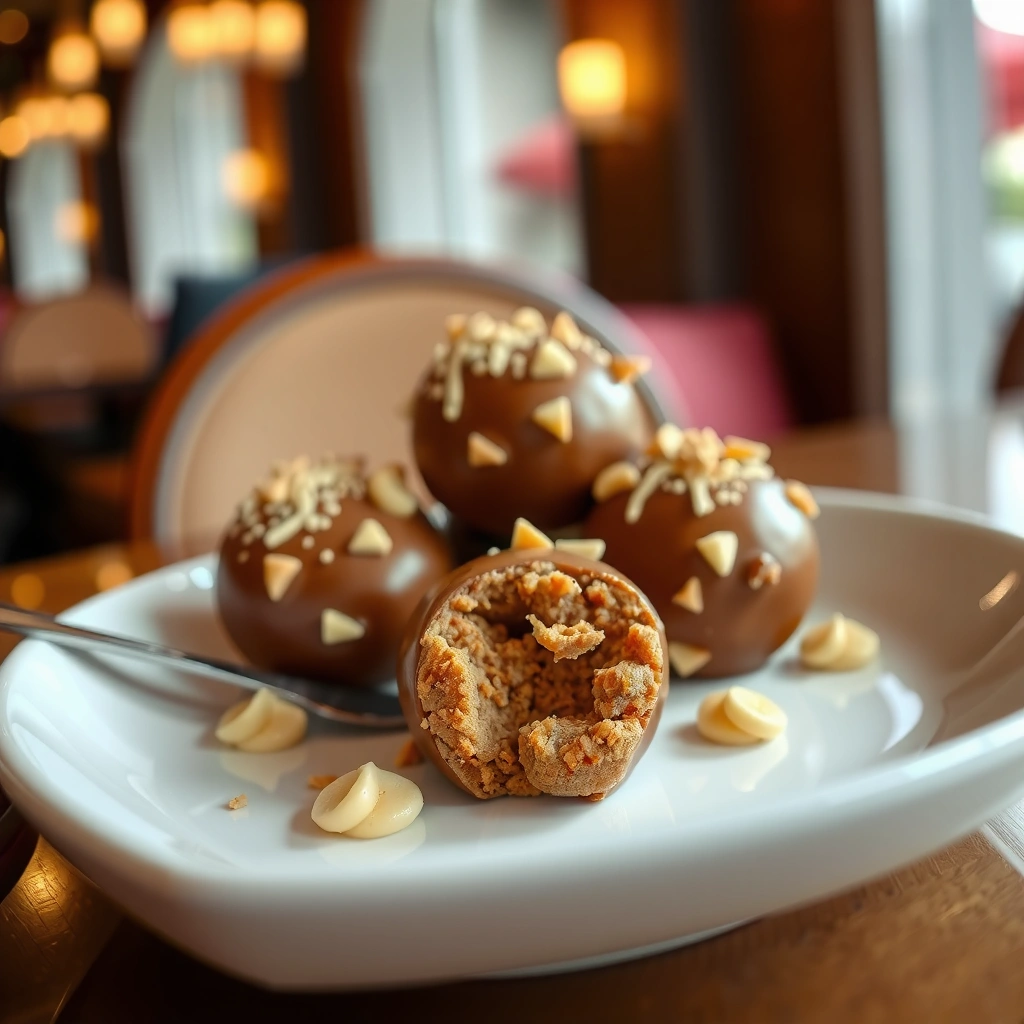
Chocolate coating turns these from “classic snack” into “gift-worthy dessert.” The key is to coat while the balls are firm, so chocolate doesn’t slide or pool.
– Melt chocolate or candy coating for dipping
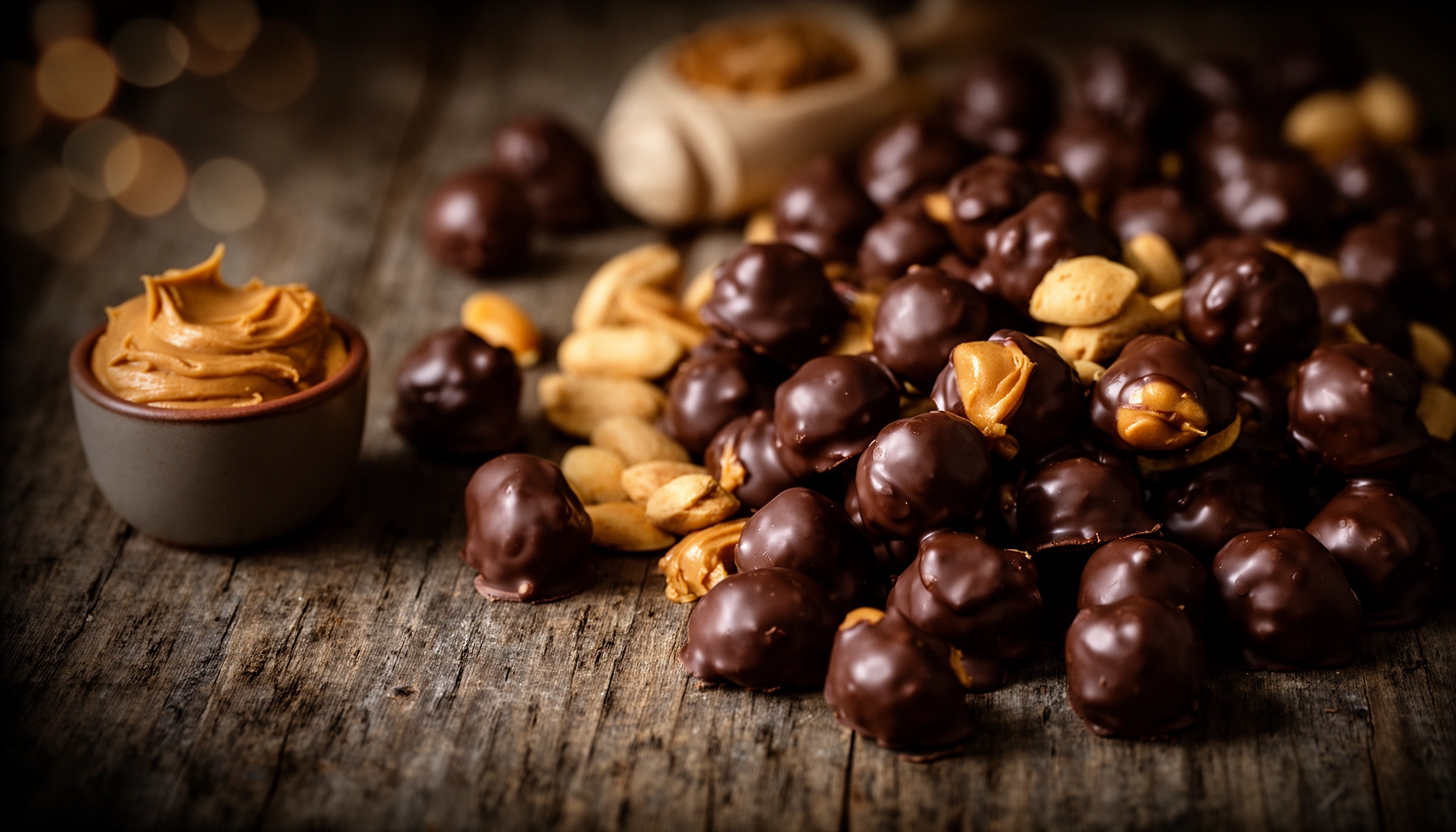
Use either semisweet chocolate or chocolate candy coating. Candy coating melts more easily and sets with a smoother finish, while real chocolate offers deeper flavor. Melt in short intervals (microwave) or via a double boiler, stirring until glossy.
– Dip each peanut butter ball and let excess drip off
Work with one ball at a time. Dip, turn to coat evenly, and allow excess chocolate to drip back into the bowl. If you see streaks forming, the most common cause is warm centers—return the tray to the fridge briefly, then try again.
– Place on parchment and chill again until the coating hardens
After dipping, set balls on parchment. Chill 15–25 minutes until the chocolate is fully set. For clean edges, avoid stacking immediately after coating—stacking can smear the surface.
Operational note: If you’re preparing for an event, coat in batches. Keeping the base balls chilled between steps improves speed and consistency.
Tips for Perfect Texture
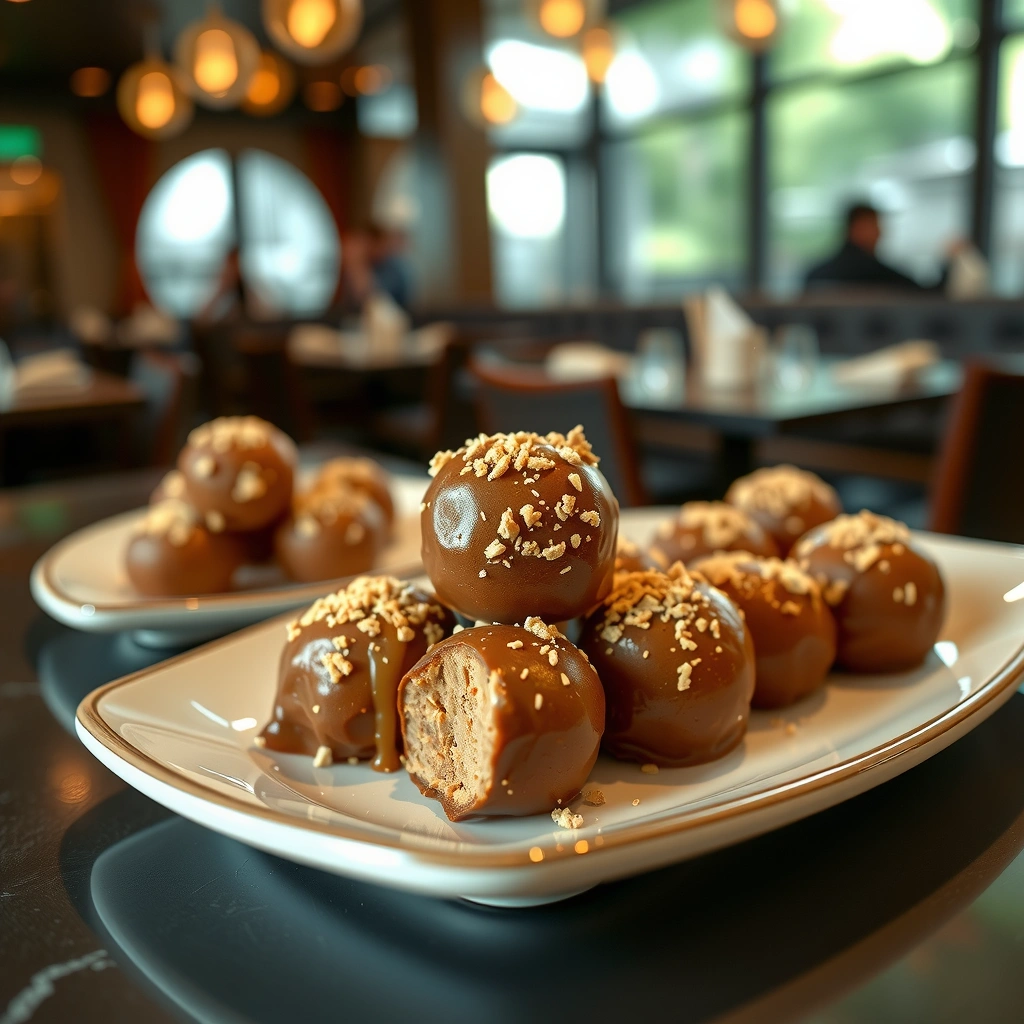
Texture is where most homemade versions succeed or fail. The mixture should be rollable, not crumbly, and it should hold shape after chilling and coating.
– If the mix is too sticky, add a little more powdered sugar
Sticky dough usually indicates excess peanut butter moisture/fat relative to binder sugar. Add 1–2 tablespoons powdered sugar at a time, mixing thoroughly before evaluating. This adjustment is faster than trying to fix sticking with flour or additional solids that can change flavor.
– If it’s too dry, add a small spoonful of peanut butter or honey
Over-sugaring can lead to a dry, crumbly mix that won’t form smooth balls. Add a small spoonful (start with 1 teaspoon) of peanut butter or honey, then mix until cohesive. Honey can also slightly improve the mouthfeel and help the mixture feel less chalky.
– Keep portions consistent for even chilling and serving
Even-sized balls chill and set uniformly. A consistent scoop (or measuring spoon) reduces variation and prevents some balls from being under-set while others are too firm.
Here’s a practical “quality control” checklist you can use during batch production:
– Dough should form a ball without cracking.
– Balls should feel firm after 30 minutes.
– Coated balls should not show smearing or sliding when moved.
Storage and Make-Ahead Instructions
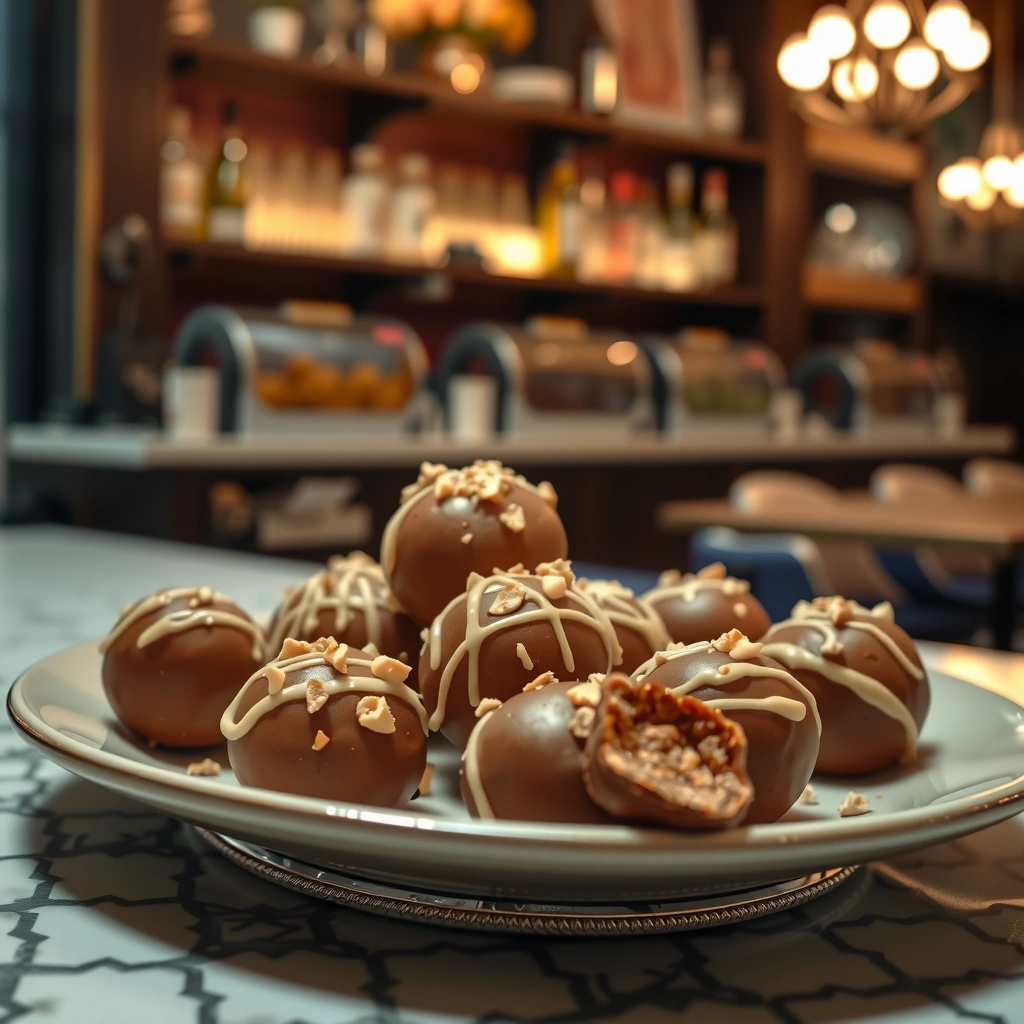
Peanut butter balls are ideal for make-ahead planning because they keep well and their flavor typically improves after a brief rest period. Proper storage also prevents the chocolate (if coated) from absorbing fridge odors.
– Store in an airtight container in the refrigerator
Place balls in an airtight container, separating layers with parchment so they don’t stick. Refrigeration helps maintain shape and prevents peanut butter oils from becoming overly soft.
– Keeps best for about 3–5 days (longer if properly covered)
For the best texture and flavor, aim to eat within 3–5 days. If your refrigerator runs cold and the container is sealed tightly, they can last a bit longer, but the texture may gradually soften.
– Freeze for future snacking, then thaw in the fridge
For longer storage, freeze uncoated or chocolate-coated balls. Use airtight freezer-safe containers or bags and limit air exposure to avoid freezer burn. Thaw in the refrigerator to preserve structure and prevent condensation on the coating.
Serving suggestion: For a more “fresh” bite, let refrigerated balls sit at room temperature for 5–10 minutes before serving—especially if you’re serving guests who prefer a softer center.
[CONCLUSION PARAGRAPH – NO HEADING]
This recipe for peanut butter balls is an easy, no-bake sweet treat: mix, roll, and chill—then dip in chocolate if you want a richer finish. Make a batch today, try the coating option, and share your favorite variation!
Frequently Asked Questions
What’s the easiest recipe for peanut butter balls with no-bake steps?
A simple no-bake peanut butter balls recipe usually mixes creamy peanut butter with powdered sugar and a small amount of vanilla until you can form a dough. Roll into bite-size balls, then chill for about 20–30 minutes so they hold their shape. For an easy coating, dip each ball in melted chocolate and let them set on parchment paper.
How do I keep my peanut butter balls from being too sticky or crumbly?
If your mixture is too sticky, gradually add more powdered sugar (a tablespoon at a time) until it firms up. If the mixture is crumbly, add a teaspoon of peanut butter or a splash of honey to improve binding. Chilling the peanut butter balls before rolling also makes them easier to handle and reduces stickiness.
Why do peanut butter balls taste better when they’re chilled?
Chilling improves texture by letting the powdered sugar fully hydrate and firm up the dough, which helps the balls slice or bite cleanly. It also allows the chocolate coating (if you use one) to set properly, creating a better snap. For best results, refrigerate or freeze briefly before serving so the peanut butter balls maintain their shape.
Which chocolate coating works best for peanut butter balls—milk, dark, or chocolate chips?
Chocolate chips are the most convenient because they melt easily and coat smoothly, but the consistency depends on the brand. Dark chocolate gives a deeper flavor that balances the sweetness of peanut butter, while milk chocolate is sweeter and more kid-friendly. If you want a glossy coating, melt chocolate with a small amount of coconut oil or vegetable shortening to help it stay fluid.
Best way to store peanut butter balls so they stay fresh?
Store peanut butter balls in an airtight container in the refrigerator for up to 1 week for the best texture and freshness. If they’re coated in chocolate, refrigeration is ideal, but let them sit at room temperature for 5–10 minutes before eating to soften slightly. For longer storage, freeze peanut butter balls in a freezer-safe container for up to 2–3 months and thaw in the fridge overnight.
References
- Google Scholar Google Scholar
https://scholar.google.com/scholar?q=peanut+butter+balls+recipe - Google Scholar Google Scholar
https://scholar.google.com/scholar?q=peanut+butter+truffles+no-bake+recipe+composition - Google Scholar Google Scholar
https://scholar.google.com/scholar?q=confectionery+peanut+butter+energy+balls+formulation - https://pubmed.ncbi.nlm.nih.gov/?term=peanut+butter+confectionery
https://pubmed.ncbi.nlm.nih.gov/?term=peanut+butter+confectionery - https://pubmed.ncbi.nlm.nih.gov/?term=peanut+butter+truffles
https://pubmed.ncbi.nlm.nih.gov/?term=peanut+butter+truffles - Peanut butter
https://en.wikipedia.org/wiki/Peanut_butter - https://en.wikipedia.org/wiki/Truffle_(chocolate
https://en.wikipedia.org/wiki/Truffle_(chocolate - https://en.wikipedia.org/wiki/Energy_ball
https://en.wikipedia.org/wiki/Energy_ball - Peanut butter | Description, History, Nutrition, & Facts | Britannica
https://www.britannica.com/topic/peanut-butter - https://www.britannica.com/topic/truffle
https://www.britannica.com/topic/truffle