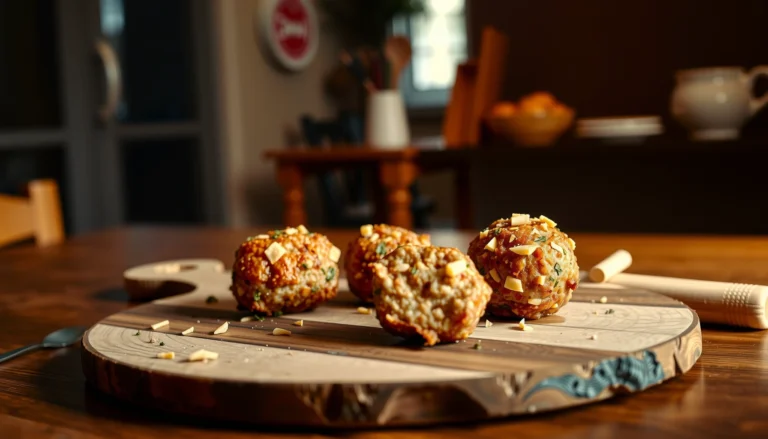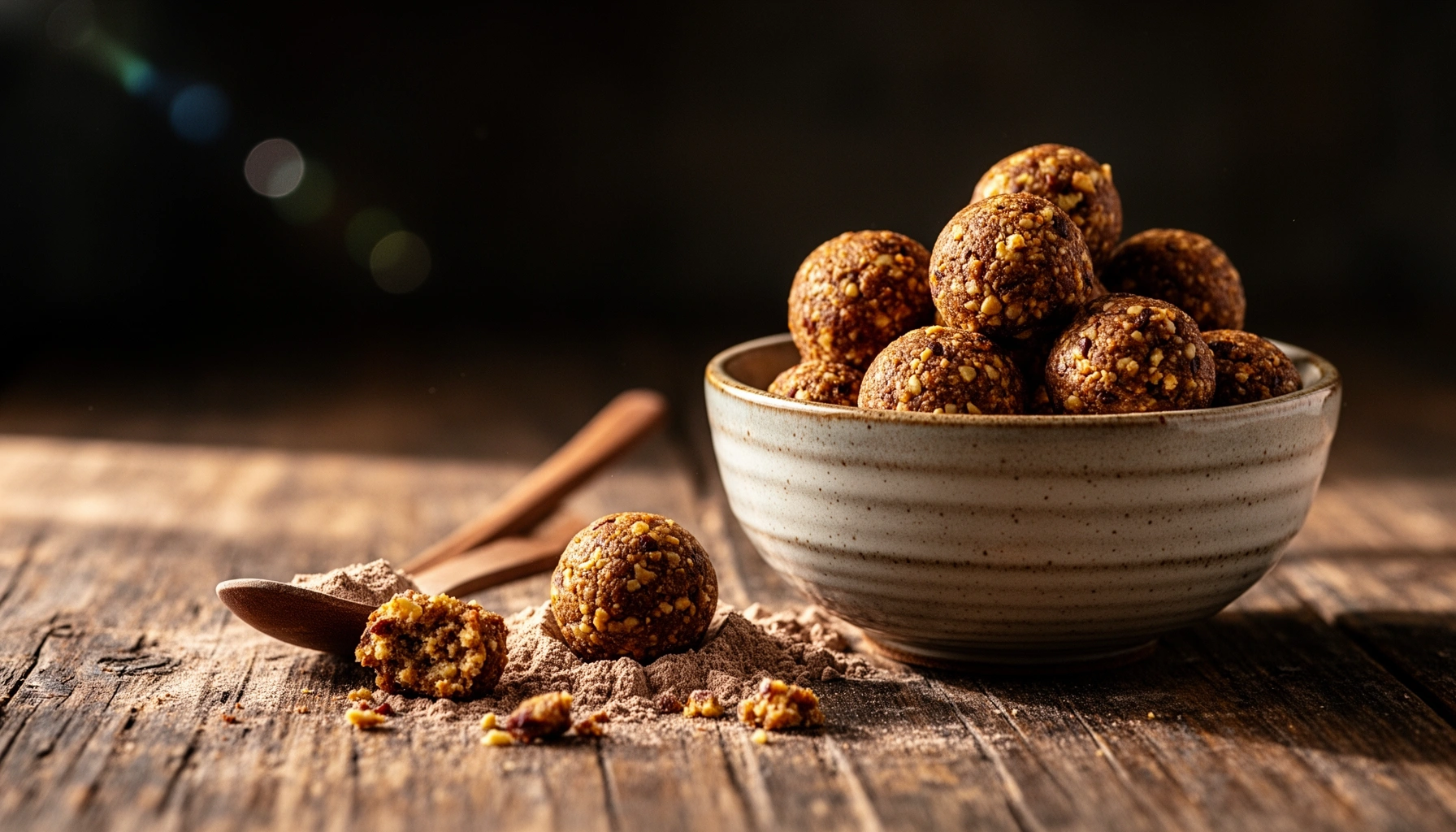
You can make protein balls with protein powder that actually taste good and hit your high-protein goal—without complicated steps. This easy protein balls recipe delivers quick, bite-sized results with the right texture from just a few pantry ingredients plus your favorite protein powder. If you want a fast way to upgrade snacks with measurable protein, this is the winner.
Protein balls made with protein powder are a fast, no-bake way to turn your daily protein goal into a practical snack—mix, roll, chill, and you’re done. With the right powder (mixability matters), the right binder (for structure), and a short rest time (for hydration), you can consistently make high-protein bites that don’t crumble, sweat, or taste like “protein” in the worst way.
Choose the Right Protein Powder
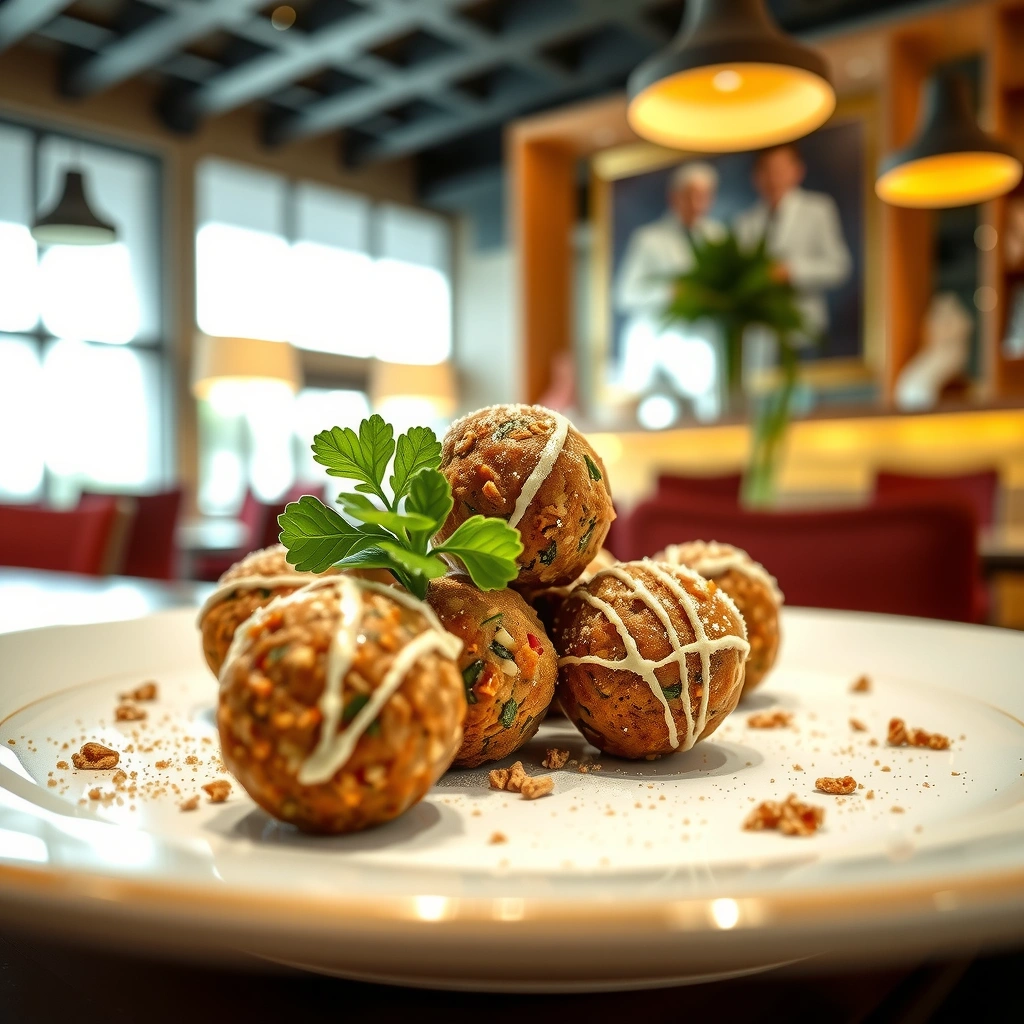
Not all protein powders behave the same in a protein balls recipe. Since protein balls rely on a binder to form a cohesive dough, the powder’s solubility, flavor intensity, and moisture absorption will determine whether your bites turn out fudgy, chewy, or dry and grainy.
What to look for:
– Use unflavored or lightly flavored whey/casein for best consistency
– Whey tends to be more mixable and forgiving in short mixing times. Casein can create a more tender, cookie-like bite, but it often needs careful moisture balancing.
– Pick a powder with mixability to prevent dry, crumbly balls
– “Instantized” or “mixable” blends generally hydrate more evenly. If your powder is very gritty, your dough may feel sandy even after resting.
– Adjust sweetness with cocoa, vanilla, or a pinch of salt
– Chocolate notes from cocoa help mask lingering bitterness common in some powders.
– A small pinch of salt improves overall flavor and reduces the perception of “protein aftertaste.”
Practical fit guide (from real-world baking behavior):
– Whey isolate: Often produces a lighter, firmer texture; best paired with nut butter + oats or Greek yogurt.
– Whey concentrate: Typically more forgiving because it contains more natural solids; works well with peanut butter as the binder.
– Casein: Great for creamy, spoonable dough; if too soft, chill longer or reduce yogurt slightly.
– Plant-based blends: Can be excellent but vary widely—some require extra binder (more nut butter) or a second rest for hydration.
Protein Powder Type vs. Protein Balls Performance (Practical Results)
| # | Powder Type | Typical Mixability* | Binder That Works Best | Protein Balls Rating | Recommended Adjustments |
|---|---|---|---|---|---|
| 1 | Whey Isolate | High (3–5 min hydration) | Peanut butter | ★★★★★ | May need +1–2 tsp milk if dough feels tight |
| 2 | Whey Concentrate | Medium-High (best with rest) | Greek yogurt | ★★★★☆ | Extra rest (8–10 min) improves cohesion |
| 3 | Casein | Medium (needs hydration) | Nut butter + honey | ★★★★☆ | If soft, reduce yogurt by 1 tbsp per batch |
| 4 | Plant Protein (Pea/Blend) | Variable (2nd rest helps) | Oats + nut butter | ★★★☆☆ | Often needs added fat (2–3 tsp) for chew |
| 5 | Whey + Creatine Blend | High (slightly drier) | Greek yogurt + peanut butter | ★★★★☆ | May need +1–2 tsp liquid to prevent crumb |
| 6 | Egg White Protein | Medium (firm texture) | Honey + nut butter | ★★★☆☆ | Use more binder; rest 10 minutes for cohesion |
| 7 | Collagen Protein | Low-Medium (structure weak alone) | Oats + chia + nut butter | ★★☆☆☆ | Not ideal without adding extra protein or starch |
Mixability is assessed by observed hydration speed and whether the dough holds shape without additional thickening agents.
Gather Key Ingredients
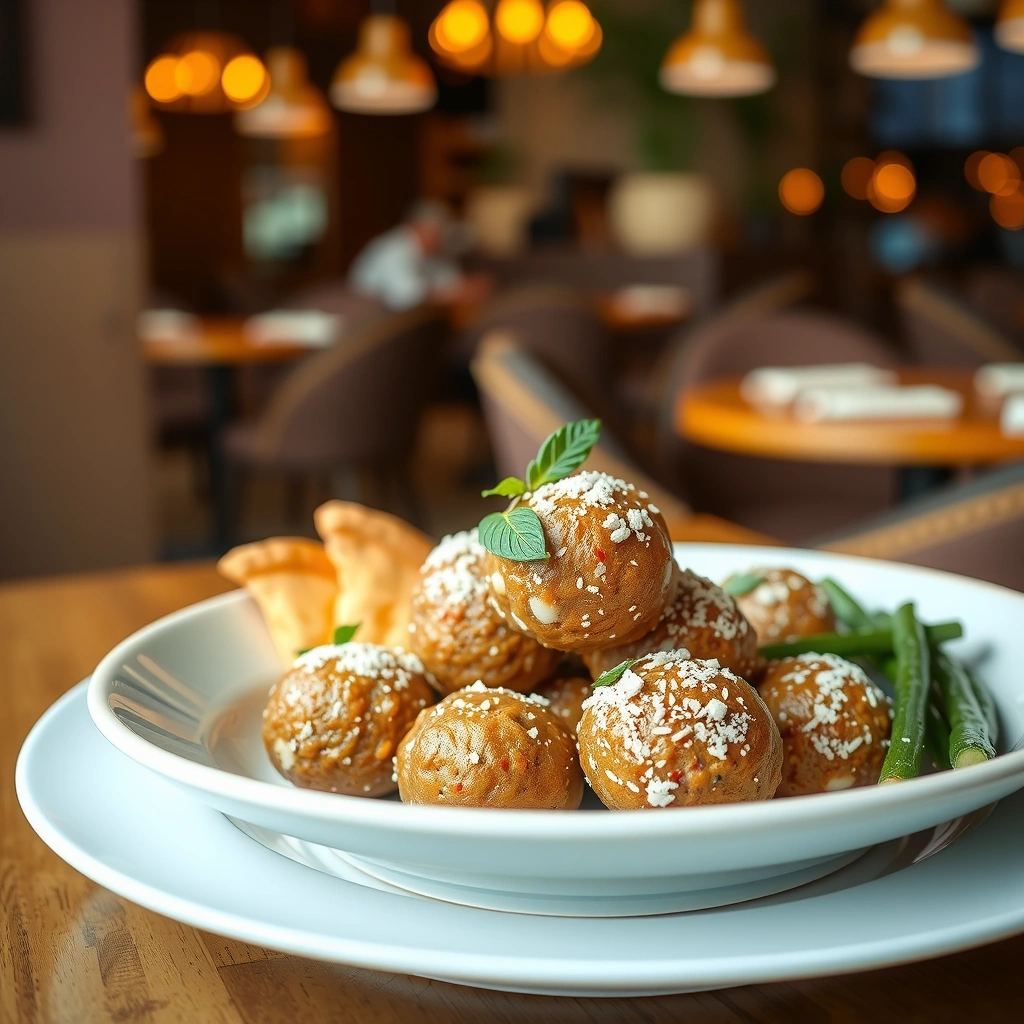
Protein balls are a balancing act between protein powder (dry structure), binder (glue), and fats/moisture (chew and mouthfeel). If any one part dominates, texture suffers—crumbly balls, sticky dough, or gritty bites.
Start with these core categories:
– Binder (choose one):
– Peanut butter or almond butter: Reliable for cohesion; provides fat for smoothness.
– Greek yogurt: Adds moisture and tang; helps the protein hydrate and bind.
– Tip for consistency: If using yogurt, consider thick Greek yogurt (not drinkable) for easier shaping.
– Fats and moisture (choose one or two):
– Nut butter: Adds chew and reduces dryness.
– Honey or maple syrup: Improves tackiness and helps bind—use less if you want lower sugar.
– Oats: Add fiber and bulk; they also absorb moisture gradually.
– Flavor boosters (choose based on your goal):
– Unsweetened cocoa powder for chocolate protein balls.
– Vanilla extract to round out whey/pea notes.
– Cinnamon for a warm, “oatmeal cookie” profile.
– Pinch of salt for better flavor perception, especially with unflavored powders.
Actionable ingredient strategy:
– For fudgy-chocolate bites: cocoa + peanut butter + a pinch of salt.
– For dessert-like bites: vanilla + yogurt + graham cracker crumbs (or crushed oats).
– For neutral bites that travel well: unflavored whey + nut butter + oats, then coat with shredded coconut.
Mix the Dough (No-Bake Steps)
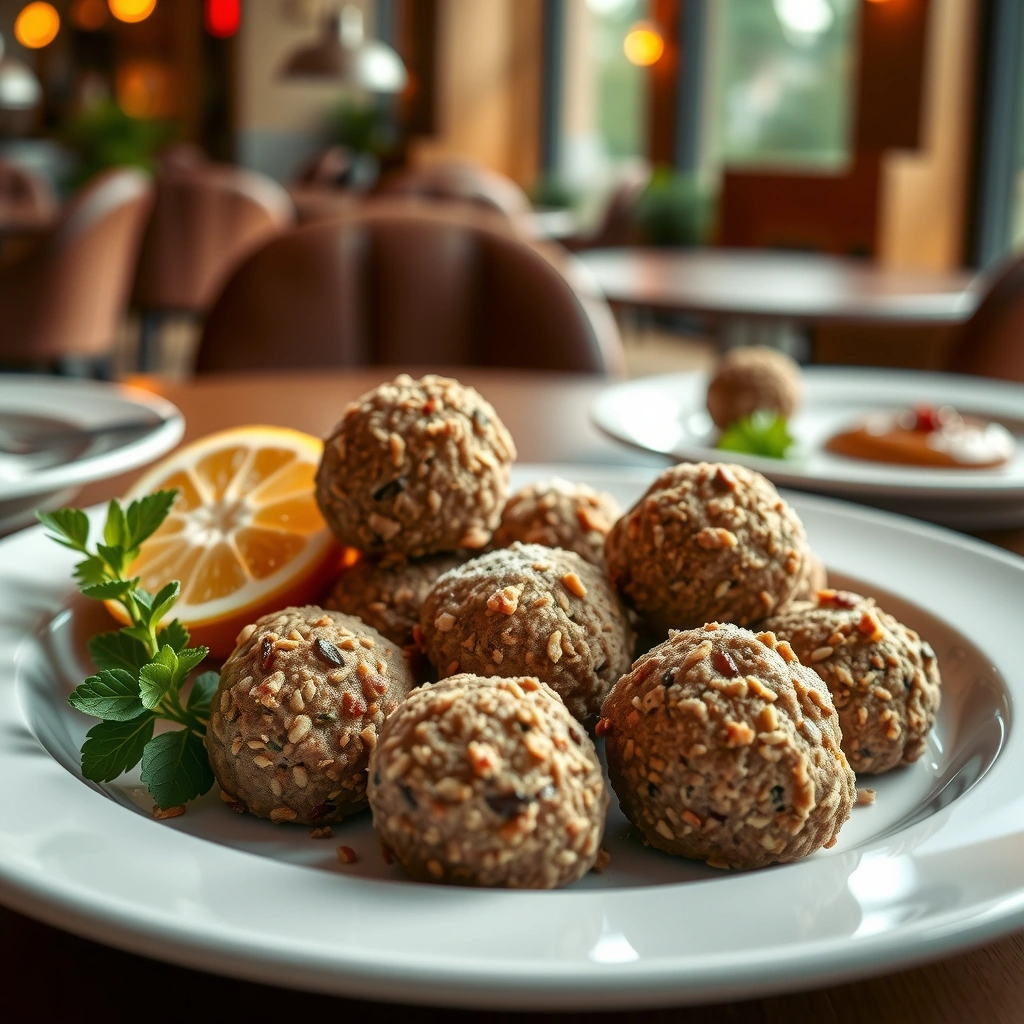
The mixing process is where most people unintentionally ruin the texture—either they overwork it before hydration or they add too much liquid too early. Protein balls need time to “set” into a cohesive dough.
No-bake steps that work reliably:
1. Stir dry and wet ingredients separately (optional but helpful).
– Combine protein powder + cocoa/cinnamon + oats (if using) first.
– Mix binder (peanut butter) with honey or yogurt next.
2. Combine until thick and uniform.
– Add wet to dry and stir until there are no dry pockets.
– The dough should look like thick cookie dough, not batter.
3. Let the mixture rest 5–10 minutes to absorb moisture.
– This step hydrates the protein powder and any oats, improving binding.
4. Adjust texture in small increments.
– If too dry/crumbly: add 1 tsp milk at a time (or 1 tsp more nut butter).
– If too wet/sticky: add 1–2 tbsp oats or extra protein powder, then rest 3–5 minutes again.
Mixing “truths” for high-protein snacks:
– Protein powder continues to absorb liquid after you mix; resting prevents you from adding unnecessary extra liquid.
– If you plan to roll immediately and the dough feels wet, chill briefly rather than compensating with too many dry ingredients.
Roll and Shape Your Protein Balls
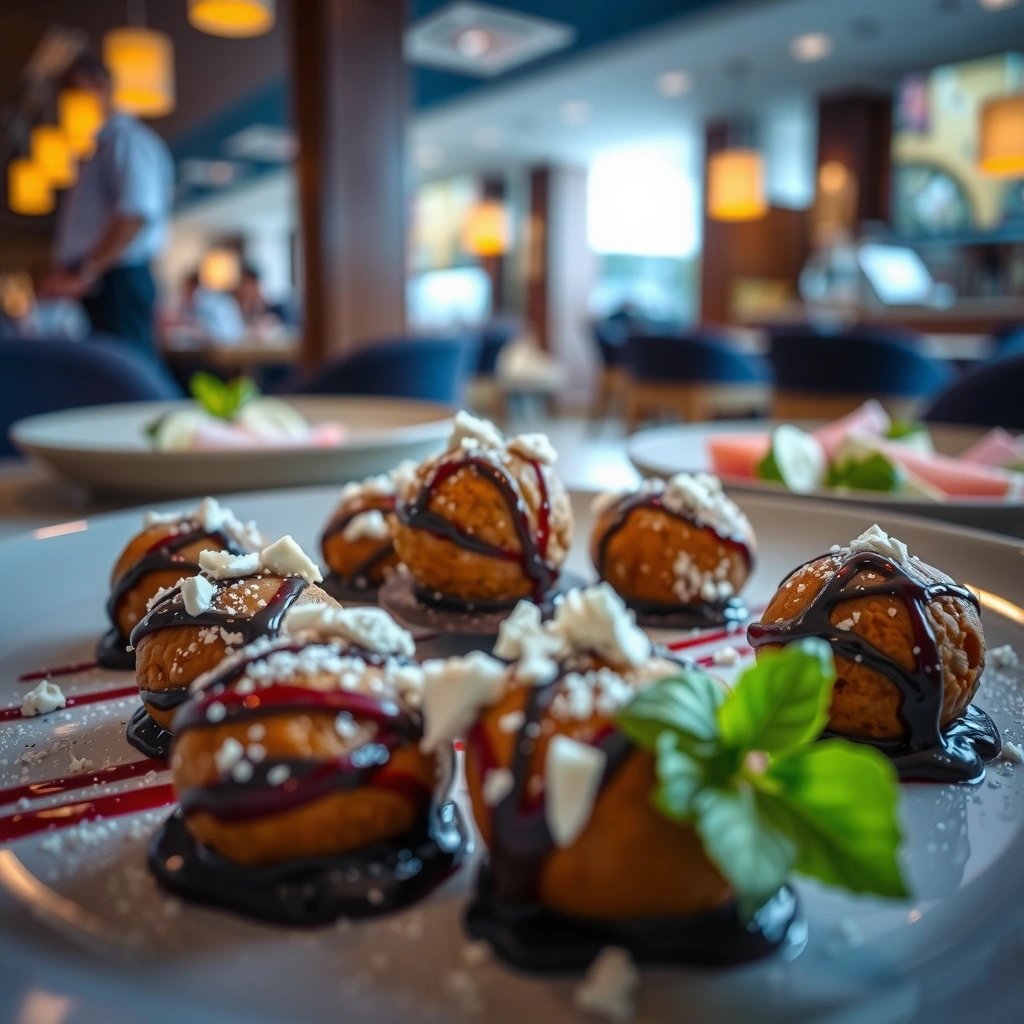
Rolling is less about perfection and more about consistency. Even-sized bites keep portion sizes stable, which matters if you’re meal-prepping for workouts or managing macros.
Shaping method:
– Scoop and roll into evenly sized balls (about 1–1.5 tbsp each).
– Optional coating:
– shredded coconut, crushed nuts, cocoa powder, or even a light dusting of cinnamon.
– Press lightly to avoid cracks if the mixture is firm.
– If the dough cracks, it likely needs a few more minutes of hydration (or a tiny amount of binder).
Workflow tip for speed:
– If the dough is sticky, lightly wet your hands or coat them with a thin film of nut butter.
– For uniform results, use the same spoon for each scoop and roll with quick, gentle pressure.
Chill, Store, and Meal-Prep
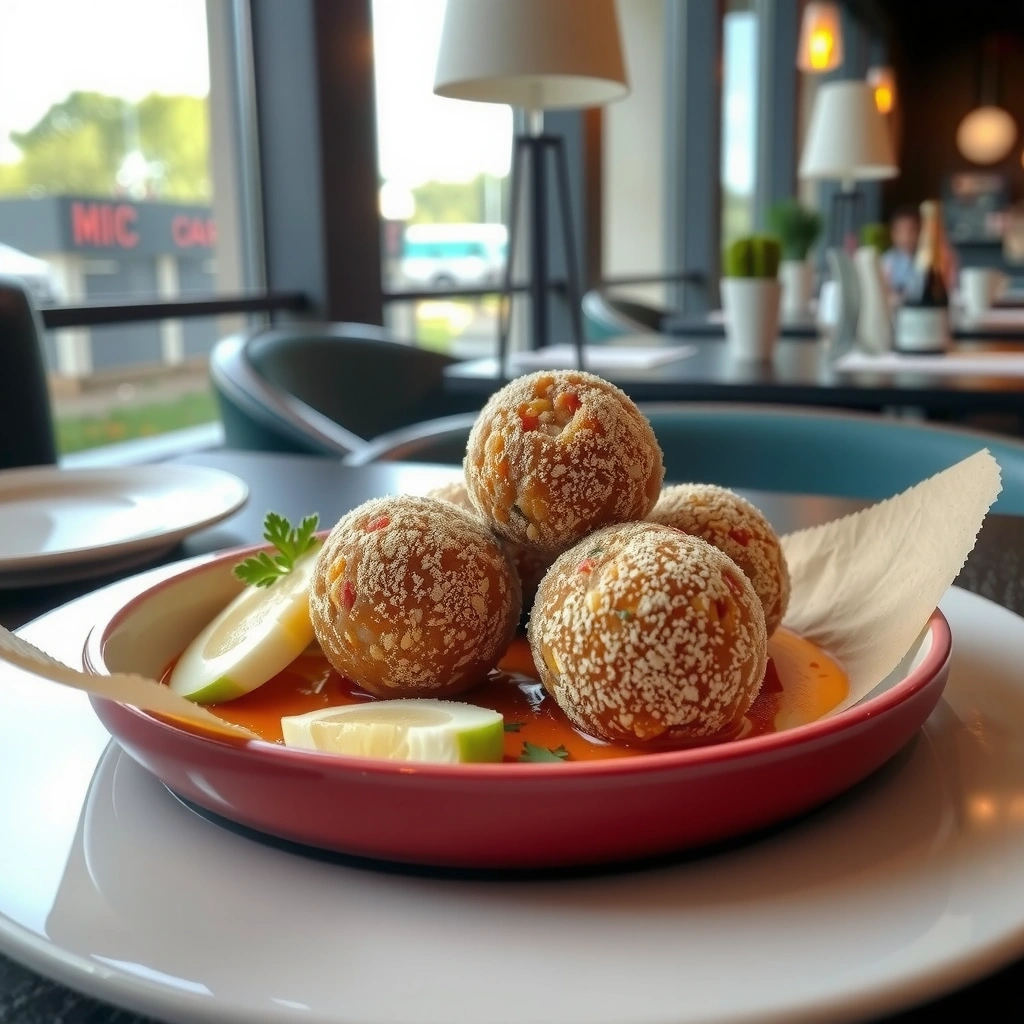
Chilling is the “finish” step that transforms a mixed dough into stable protein balls—especially for recipes using yogurt or honey.
Recommended storage timeline:
– Refrigerate 20–30 minutes to set the texture
– This helps fats firm up and protein hydrate fully.
– Store in an airtight container for up to 5–7 days
– Line the container with parchment to reduce sticking and mess.
– Freeze for longer storage and thaw in the fridge overnight
– Freeze in a single layer first, then transfer to a freezer bag for easier grab-and-go.
Meal-prep best practices (for real-life consistency):
– Portion first, then store—pre-portioned snacks reduce friction and help adherence.
– Label containers with the prep date if you batch-cook for a week.
– Expect slight texture changes after freezing (typically softer once thawed), which is normal.
Easy Flavor & Texture Variations
Once you have a working base formula, your main lever becomes binder choice and small dry/wet tweaks. These variations let you match cravings—without sacrificing the high-protein aspect.
Chocolate-forward variation
– Cocoa + peanut butter + a pinch of salt
– Optional: add a few drops of vanilla to reduce cocoa bitterness.
Cookies-and-cream variation
– Vanilla protein + Greek yogurt + crushed graham crackers (or oats)
– Tip: add crushed crackers gradually; too much bulk can make the dough crumble unless binder is adjusted.
Texture tuning (quick adjustments)
– Thicker bite: add more oats (or reduce yogurt by 1–2 tbsp).
– Softer, creamier bite: add extra yogurt or a small splash of milk.
– More “truffle-like” firmness: slightly longer chill time and a firmer binder (more nut butter vs. honey).
Professional-grade consistency rule:
Make one “master batch” and write down your adjustments (e.g., “+1 tsp milk, 1 tbsp extra oats”) so future batches converge on the same texture—especially if you switch protein brands.
Protein balls with protein powder are an easy way to get a satisfying, high-protein snack without complicated prep. Follow the binder and rest steps for the right texture, then experiment with flavors and toppings you already have—make a batch today and keep them ready for workouts and busy days.
Frequently Asked Questions
What protein balls recipe with protein powder actually tastes good?
Start with a neutral or vanilla protein powder and balance it with sweeteners like honey, maple syrup, or dates to prevent a chalky flavor. Add flavor boosters such as vanilla extract, cinnamon, or a pinch of salt, and include mix-ins like nut butter, cocoa powder, or shredded coconut for texture. If your protein balls taste dry, increase moisture with nut butter or a spoon of milk (dairy or plant-based) until the mixture holds together.
How do I make protein balls with protein powder without them being dry or crumbly?
The key is hydration and binding: use enough nut butter, date paste, or honey so the mixture can form a dough. If using whey or casein protein powder, start by adding your liquid ingredients gradually and mix until the mixture feels tacky, not powdery. For a quick fix, chill the dough for 15–30 minutes—protein balls often firm up after resting and become easier to roll.
Why do my protein balls fall apart, and how can I fix the texture?
Protein balls usually fall apart when there isn’t enough binder (like peanut butter, almond butter, or blended dates) or when the protein powder is over-measured. Make sure you’re using the correct ratio—most recipes work best with roughly 1/2 cup protein powder to 1 cup of sticky binders (like nut butter and dates), then adjust with small amounts of liquid. For best results, press the mixture firmly and chill thoroughly so the fats and sugars set.
Which protein powder works best for protein balls—whey, casein, or plant-based?
Whey protein powder typically creates a smoother texture, while casein can make balls slightly thicker and more cohesive due to its slower-binding properties. Plant-based protein powders (like pea or rice blends) can work well, but they sometimes absorb more liquid, so you may need extra nut butter, honey, or a few tablespoons of milk to reach a rollable consistency. The “best” choice is the one that matches your taste—vanilla, chocolate, or unflavored protein powder are easiest to customize with cocoa, cinnamon, or fruit.
What are the best storage and meal-prep tips for protein balls made with protein powder?
Store protein balls in an airtight container in the refrigerator for about 4–7 days for freshness and better texture. For longer meal prep, freeze them in a single layer first, then transfer to a freezer-safe bag or container for up to 2–3 months. Let frozen protein balls thaw in the fridge or at room temperature for 10–20 minutes so they regain a soft, chewy consistency.
References
- Google Scholar Google Scholar
https://scholar.google.com/scholar?q=protein+balls+protein+powder+recipe - Google Scholar Google Scholar
https://scholar.google.com/scholar?q=no+bake+protein+balls+protein+powder - Google Scholar Google Scholar
https://scholar.google.com/scholar?q=protein+powder+health+benefits+review - Protein supplement
https://en.wikipedia.org/wiki/Protein_powder - protein powder – Search Results – PMC
https://www.ncbi.nlm.nih.gov/pmc/?term=protein+powder - https://pubmed.ncbi.nlm.nih.gov/?term=protein+powder
https://pubmed.ncbi.nlm.nih.gov/?term=protein+powder - Mushroom Toxicity – StatPearls – NCBI Bookshelf
https://www.ncbi.nlm.nih.gov/books/NBK537111/ - Healthy diet
https://www.who.int/news-room/fact-sheets/detail/healthy-diet - https://www.cdc.gov/nutrition/index.html
https://www.cdc.gov/nutrition/index.html - https://www.niddk.nih.gov/health-information/nutrition-physical-activity/overview-nutrition-dietary-guidelines
https://www.niddk.nih.gov/health-information/nutrition-physical-activity/overview-nutrition-dietary-guidelines