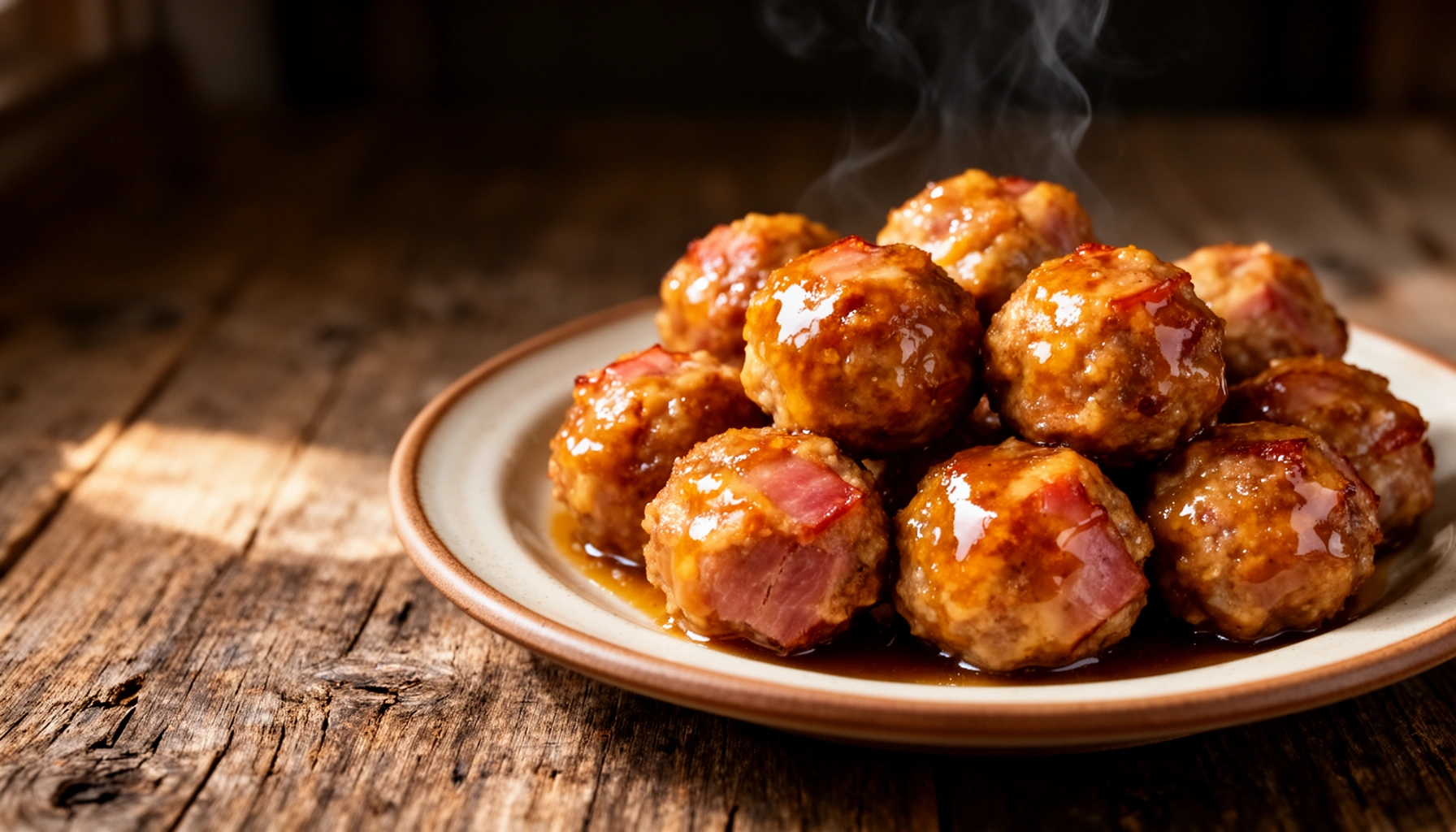
Want a ham balls recipe that turns simple ingredients into savory, bite-sized comfort you can serve any day? This easy ham balls recipe delivers the clear winner: tender, flavorful ham balls with a reliable bind and savory seasoning, so they hold together and brown beautifully. Follow it for a fast meal-ready result—no guesswork on texture, seasoning, or timing.
Make flavorful ham balls at home by binding diced or ground ham with breadcrumbs and egg, then baking them for a firmer bite or simmering them in sauce for deeper, more tender results. This recipe is designed to help you consistently achieve the right texture—tender inside, savory and well-seasoned throughout—with simple timing and flexible cooking options.
Ingredients for Ham Balls
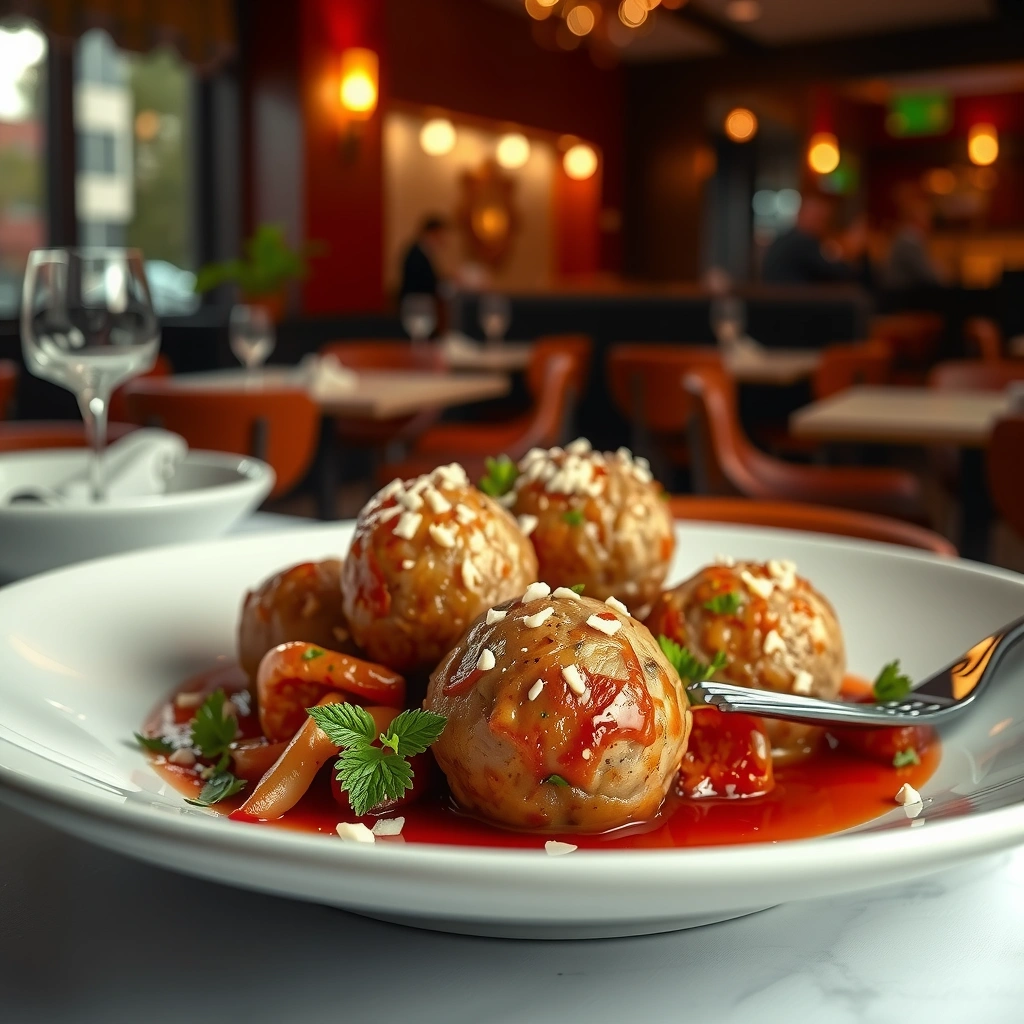
Ham balls are straightforward, but the quality of the bind (ham + egg + breadcrumbs) and the seasoning balance determine whether they taste “just okay” or genuinely crave-worthy. Use ingredients you can measure confidently, then adjust lightly based on how salty your ham is.
– Use diced or ground ham, breadcrumbs, and an egg for binding
Diced ham gives a more textured bite, while ground ham blends smoothly for a uniform meatball. Either way, breadcrumbs absorb moisture from the ham and help the balls hold their shape when baked or simmered. Egg acts as the primary binder and helps create that tender, cohesive interior.– Add seasonings like onion powder, garlic powder, and black pepper
Classic ham flavor pairs well with savory aromatics. Onion powder and garlic powder provide steady flavor without overpowering the dish. Black pepper adds mild heat and improves overall definition—especially important when ham is already salty.
– Choose a sauce option (tomato-based or gravy) to cook or serve
Tomato-based sauce (marinara, crushed tomatoes) brings acidity that balances ham’s richness. Gravy-based options (brown gravy or pan gravy style) enhance the “comfort food” character and keep the balls moist during simmering.
Practical “target” ingredient mix (works for most households):
– 1 pound (450 g) ham, diced or ground
– 1 cup (about 80–100 g) breadcrumbs (plain or Italian-style)
– 1 large egg
– 1–2 teaspoons onion powder
– 1–2 teaspoons garlic powder
– 1/2–1 teaspoon black pepper
– Optional: 1/2 teaspoon smoked paprika (for extra depth)
– Optional: 2–4 tablespoons milk or broth if needed for moisture balance
– Salt only if your ham is very low-sodium (most hams are already salty)
To support consistent decision-making, the table below summarizes how different ham qualities affect seasoning needs and binding performance—use it as a quick “quality control” reference before you mix.
Ham Quality vs. Ham Ball Behavior (Practical Ranges)
| # | Ham Type | Typical Saltiness | Binding Signal | Cook-by Choice | Outcome Rating |
|---|---|---|---|---|---|
| 1 | Cooked ham, low-sodium | Low | May need +2–3 tbsp breadcrumbs | Bake or quick simmer | ★★★★★ |
| 2 | Cooked ham (regular) | Medium | Breadcrumbs usually spot-on | Best baked for firm texture | ★★★★☆ |
| 3 | Honey-glazed ham | Medium–High | Add 1–2 tbsp breadcrumbs to firm | Simmer in tomato sauce | ★★★★☆ |
| 4 | Smoked ham | Medium | Works well with extra pepper | Bake or serve with gravy | ★★★★★ |
| 5 | Deli ham slices (finely chopped) | Medium–High | Add 2 tbsp breadcrumbs if soft | Simmer to prevent dryness | ★★★☆☆ |
| 6 | Lean ham (lower fat) | Medium | May require 1–2 tbsp milk | Simmer for juicier balls | ★★★★☆ |
| 7 | Very salty, cured ham | High | Skip extra salt; use less pepper | Simmer to mellow flavor | ★★☆☆☆ |
Step-by-Step Ham Balls Recipe
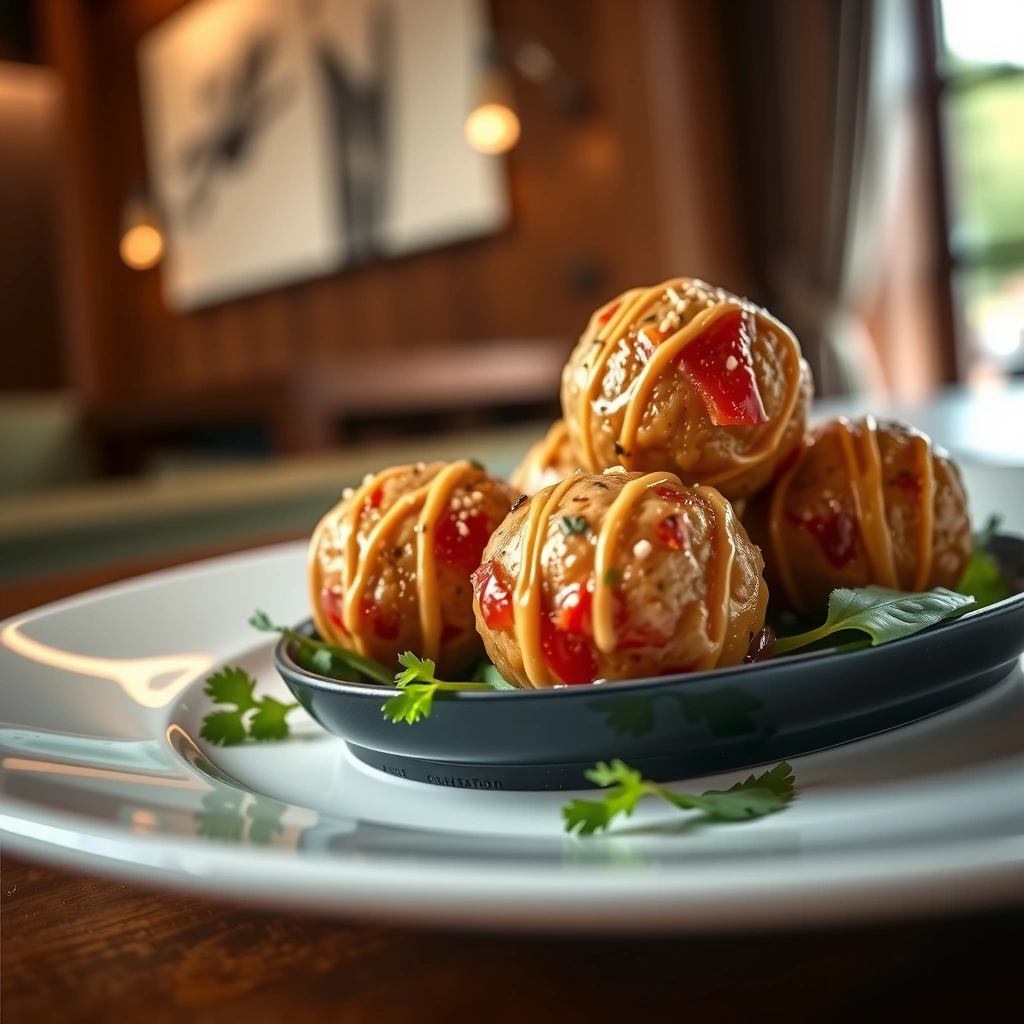
Once your ingredients are ready, execution is quick. The main process goal is even mixing and consistent ball size—both directly impact texture and doneness.
– Combine ham, breadcrumbs, egg, and seasonings until evenly mixed
In a large bowl, mix diced or ground ham with breadcrumbs, egg, onion powder, garlic powder, and black pepper. Mix until the mixture looks cohesive—no visible dry breadcrumb pockets and no streaks of egg. If the mixture feels too wet to shape, sprinkle in breadcrumbs a tablespoon at a time. If it feels crumbly, add milk or broth 1 tablespoon at a time.
– Shape mixture into consistent balls for even cooking
Portion into bite-size balls, roughly 1 to 1.5 inches (about 2.5–4 cm). Even size improves cooking reliability: smaller balls heat through faster and yield a firmer bite, while larger balls need slightly longer bake/simmer times to avoid a soft center.
– Bake until set and golden, or simmer in sauce until tender
Bake option:
Place shaped balls on a lined baking sheet. Bake at 400°F (205°C) for 15–20 minutes, until set and lightly golden. For a saucier result, simmer baked balls briefly (5–8 minutes) in warmed sauce right before serving.
Simmer option:
Add balls to gently simmering sauce (not a hard boil). Simmer for 18–25 minutes, depending on size, until heated through and tender. Stir carefully so balls don’t break.
A key analytical note: because ham is already cooked, the goal isn’t “cooking raw meat,” but rather setting the egg binder and hydrating breadcrumbs so the balls hold together and stay moist.
Best Cooking Methods (Baked vs. Simmered)
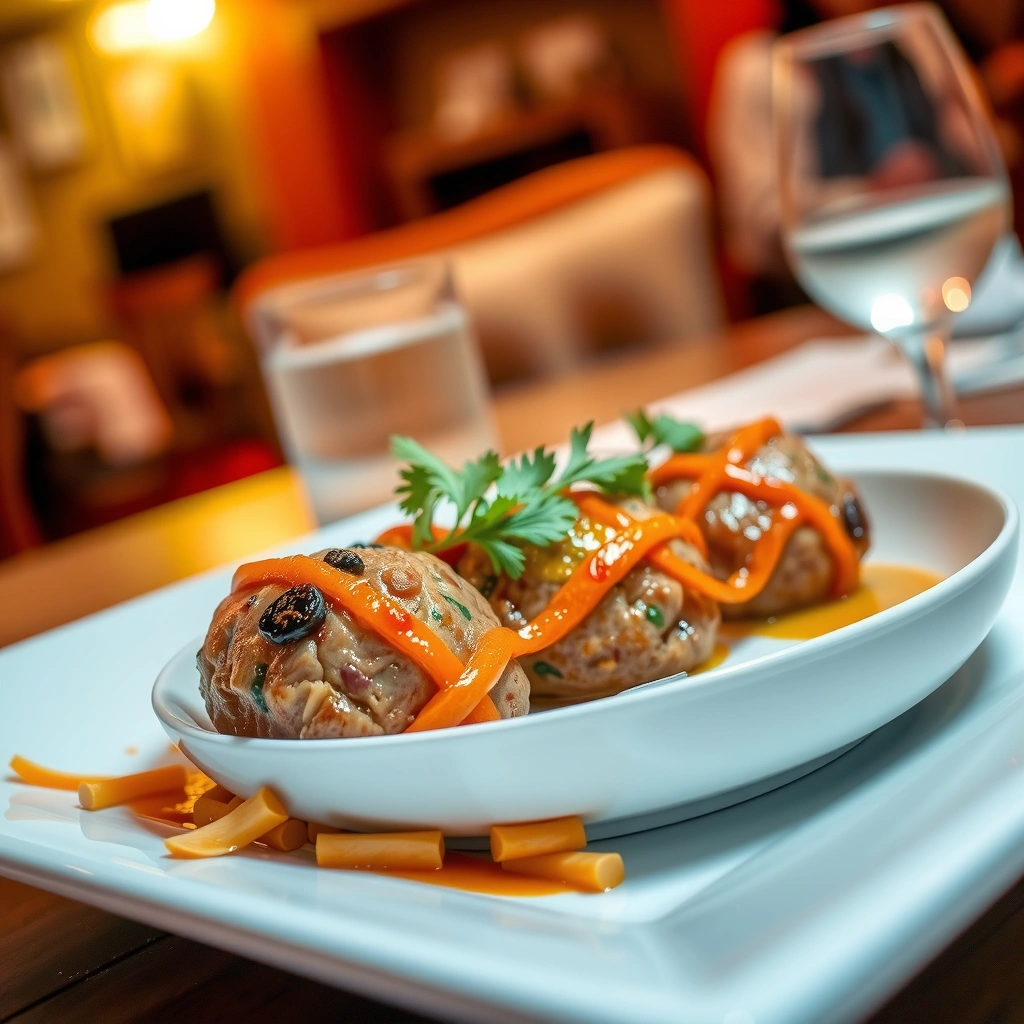
Both methods produce excellent ham balls, but they create distinct textures and different levels of convenience.
– Baking delivers firmer, browned ham balls with less mess
Baking creates surface browning from the oven’s dry heat. The exterior sets first, which helps maintain structure. If you’re meal-prepping or planning to reheat later, baked ham balls generally hold up better and don’t soften as dramatically.
– Simmering in sauce adds extra moisture and deeper flavor
Simmering allows sauce to penetrate the balls while gently cooking through the interior. This yields a softer texture and a more integrated flavor profile. If you’re serving ham balls as a main with a spoonable sauce, simmering is often the most satisfying option.
– Both methods work—pick based on whether you want crisp edges or softer texture
Use this practical rule:
– Want crisp edges / firmer bite → bake, then optionally warm in sauce for a few minutes
– Want tender, saucy “comfort” texture → simmer directly
Tips for Perfect Texture

Texture is where ham balls can either become a repeatable staple—or a one-off disappointment. These adjustments prevent the most common issues: dry balls, crumbly balls, or overly soft centers.
– Don’t overmix—mix just until ingredients are combined
Overmixing can lead to a tighter, denser texture. Aim for uniformity, then stop. The breadcrumbs and egg will naturally bind as the balls bake or simmer.
– Adjust breadcrumbs slightly if the mixture feels too wet or too dry
If the mixture won’t hold a shape, breadcrumbs are usually the fix. If the balls feel hard or dry, add a small splash of milk/broth. Consistency check: when you roll a ball, it should feel firm and cohesive without needing excessive pressure.
– Let the ham balls rest briefly before serving to help them hold together
Resting for 3–5 minutes helps the binder set further and redistributes moisture. This is especially useful if you plan to simmer and then serve immediately—balls are more likely to stay intact after resting.
Quality control checklist (quick and actionable)
– Balls hold together in your hand
– No dry breadcrumb pockets remain
– Sauce is gently simmering (for simmered method)
– Oven temperature is accurate (for baked method)
Serving Ideas for Ham Balls
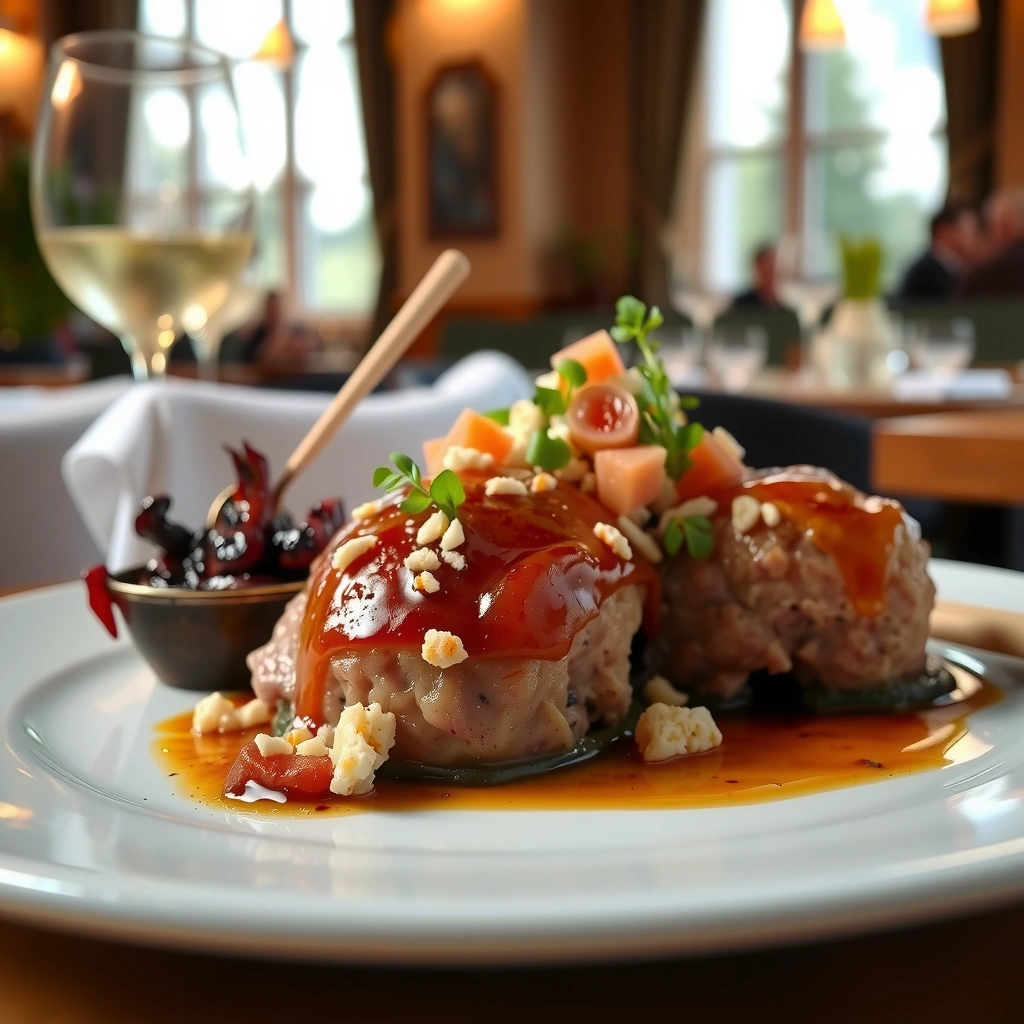
Ham balls are versatile enough for casual weeknight dinners, more formal family meals, or even buffet-style gatherings. The best approach is to pair them with sides that match your chosen texture.
– Serve with mashed potatoes, rice, or buttered noodles
Mashed potatoes are especially effective because they catch sauce and complement the savory ham flavor. Rice adds a neutral base that makes sauces shine. Buttered noodles keep the meal comforting and accessible.
– Pair with a simple salad or steamed vegetables for balance
A salad with a bright dressing (lemon vinaigrette or a simple tangy ranch-style) cuts through richness. Steamed green beans, broccoli, or peas add color and a clean, vegetable-forward contrast.
– Spoon sauce over the top for maximum flavor
Even baked ham balls benefit from a quick warm-up in sauce or a generous spooning at serving time. This is where the dish becomes “restaurant-level” rather than “just homemade.”
Storage and Reheating
Ham balls are ideal for batch cooking because the flavors develop as they rest. Proper storage also prevents the texture from drying out.
– Store leftovers in an airtight container in the fridge for up to 3–4 days
Cooling quickly and sealing tightly preserves moisture and reduces fridge odors. If you stored them without sauce, keep sauce separately to maintain the best texture.
– Reheat gently in the microwave or warmed sauce to prevent drying
Microwave reheating works best in short intervals with a splash of sauce or a damp paper towel over the dish. If reheating in a pan, use low heat and add a bit of sauce/broth.
– Freeze ham balls (before or after cooking) for easy future meals
You can freeze uncooked balls after shaping (on a tray until firm, then bag), or freeze cooked balls. When reheating from frozen, thaw in the refrigerator overnight for the best texture, then warm gently. Simmering frozen balls directly in sauce often yields the most forgiving results.
If you’re planning ahead for busy schedules, freeze in meal-size portions so each thaw matches your exact dinner needs.
Ham balls are simple to make and come out tender and flavorful with the right bind (ham + egg + breadcrumbs) and your preferred cooking method. Pick baking for firmer results or simmering for saucy, moist bites—then serve immediately with your favorite sides. Try the recipe today and adjust the seasonings to match your taste.
Frequently Asked Questions
What is a ham balls recipe and what makes it different from meatballs?
A ham balls recipe is a savory dish made with finely chopped or ground ham mixed with a binding ingredient like eggs, breadcrumbs, or crushed crackers, then baked or simmered until set. Unlike classic beef or pork meatballs, ham balls are typically more salty, smoky, and tender, so the seasoning has to be balanced carefully. Many recipes also include aromatics like onion, garlic, and parsley for extra flavor.
How do you make ham balls from leftover ham without them falling apart?
Start by mincing the ham very finely so it blends well with the binder. Use enough binder—usually eggs plus breadcrumbs or crushed crackers—then mix just until combined. If your mixture seems loose, add a bit more breadcrumbs; if it’s too dry, add a splash of milk or broth. Chilling the mixture for 15–30 minutes before shaping can also help the ham balls hold together.
Why do ham balls end up dry, and how can you keep them juicy?
Ham can dry out during cooking, especially if the balls are overbaked or baked too long. For juicier ham balls, avoid high heat and use moderate baking time, or simmer gently if your recipe uses a sauce. Adding moisture through ingredients like a little milk, grated onion, or a spoon of broth can improve texture without making the mixture soggy.
Which binder works best for ham balls—breadcrumbs, crackers, or flour?
Breadcrumbs and crushed crackers are the most common choices because they absorb moisture while still giving the ham balls a tender bite. Breadcrumbs work well for a lighter texture, while crackers can make the mixture slightly firmer and more cohesive. Flour can work in a pinch, but it usually needs careful amounts to prevent heaviness—so breadcrumbs or crackers are generally the safer bet for consistent results.
What is the best way to serve and store ham balls recipe leftovers?
Ham balls are commonly served as an appetizer, with mashed potatoes, rice, or noodles, and they pair especially well with gravy, a tangy sauce, or a sweet-and-savory glaze. For storage, cool the ham balls completely, then refrigerate in an airtight container for up to 3–4 days. To reheat, warm gently in the oven or microwave with a splash of sauce or broth to prevent drying out.
References
- Google Scholar Google Scholar
https://scholar.google.com/scholar?q=ham+balls+recipe - Google Scholar Google Scholar
https://scholar.google.com/scholar?q=ham+meatballs+recipe - Google Scholar Google Scholar
https://scholar.google.com/scholar?q=canned+ham+meatball+recipe - Meatball
https://en.wikipedia.org/wiki/Meatball - Ham
https://en.wikipedia.org/wiki/Ham - https://www.fsis.usda.gov/food-safety/safe-food-handling-and-preparation/food-safety-basics/safe-minimum-cooking-temperatures
https://www.fsis.usda.gov/food-safety/safe-food-handling-and-preparation/food-safety-basics/safe-minimum-cooking-temperatures - FoodSafety.gov
https://www.foodsafety.gov/ - Food Safety | Food Safety | CDC
https://www.cdc.gov/foodsafety/ - https://pubmed.ncbi.nlm.nih.gov/?term=processed+meat+nitrite
https://pubmed.ncbi.nlm.nih.gov/?term=processed+meat+nitrite - https://www.who.int/news-room/fact-sheets/detail/carcinogenicity-of-the-consumption-of-processed-meat-and-red-meat
https://www.who.int/news-room/fact-sheets/detail/carcinogenicity-of-the-consumption-of-processed-meat-and-red-meat