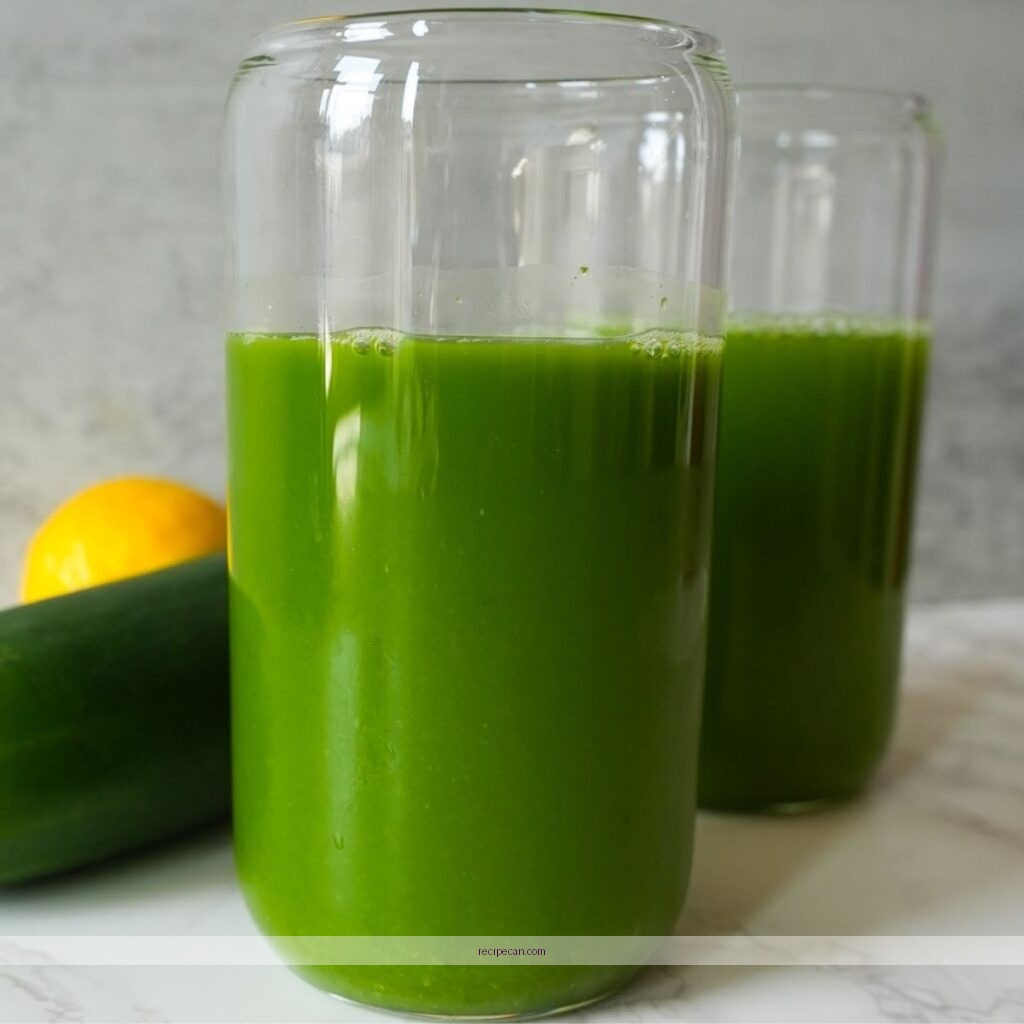
Healthy green juice recipes offer a delicious way to boost your nutrition and refresh your body. This guide reveals the top blends that maximize health benefits while tantalizing your taste buds. Discover which combinations deliver the most nutrients and energy to elevate your wellness routine. Dive into these revitalizing recipes that prove green juice can be both healthy and enjoyable.
Start boosting your health with refreshing green juice recipes that are both delicious and packed with nutrients! These juices are not only easy to prepare but also offer a vibrant way to increase your daily intake of greens. Whether you’re looking for a quick breakfast option or a revitalizing afternoon drink, these recipes provide a delightful way to incorporate essential vitamins and minerals into your diet.
Recipe Overview

Green juices are the perfect blend of taste and nutrition, offering a refreshing way to enhance your wellness journey. Made primarily from leafy greens and fruits, these juices are rich in vitamins A, C, and K, as well as antioxidants and fiber. They are incredibly versatile, allowing you to experiment with different ingredients based on your preferences. Each recipe serves 2-3 people, making it ideal for sharing or enjoying throughout the day.
Time Required
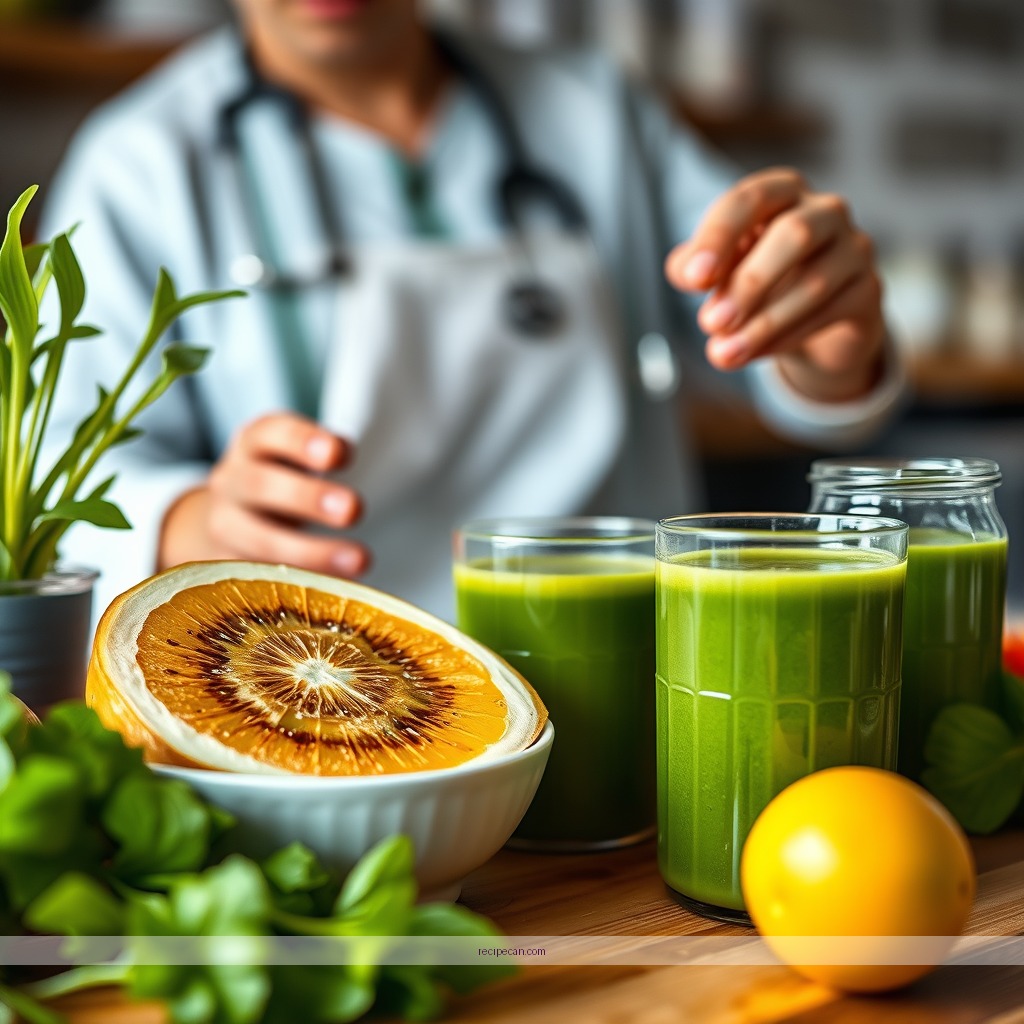
– 🕐 Prep Time: 10 minutes
– 🍳 Juicing Time: 5 minutes
– ⏱ Total Time: 15 minutes
Ingredients
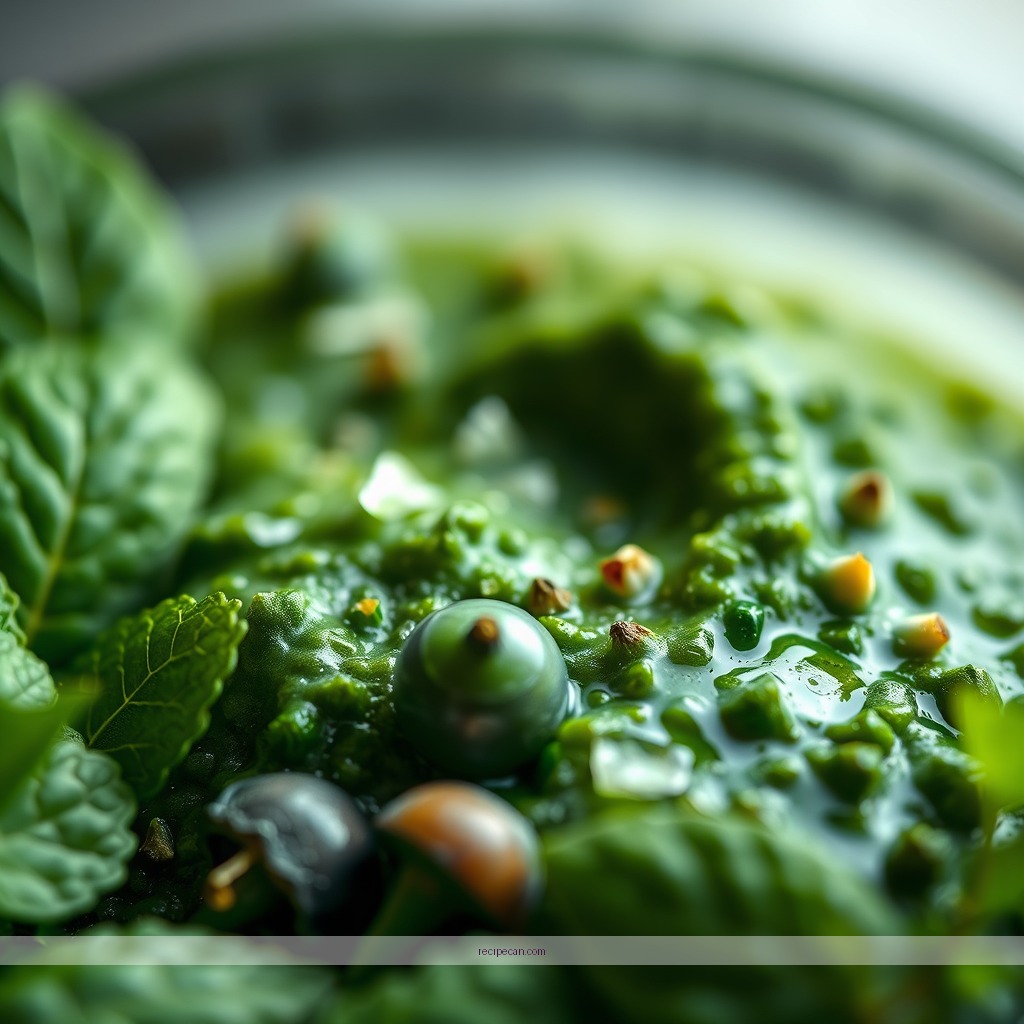
Using fresh, high-quality ingredients is crucial for crafting a flavorful and nutritious green juice. Opting for organic produce can enhance both taste and health benefits. Here’s what you will need:
Main Ingredients
– 2 cups of fresh spinach or kale, washed and ready to juice
– 1 medium cucumber, chopped into chunks
– 1 green apple, cored and sliced for sweetness
– 1/2 lemon, juiced for a zesty kick
– 1-inch piece of ginger, peeled for a hint of spice
– 1-2 cups of water, adjusted according to your desired consistency
Optional Garnish
– Fresh mint leaves for a refreshing aroma
– A sprinkle of chia seeds for added texture and nutrition
Step-by-Step Instructions

1. Gather Your Ingredients: Start by washing all your ingredients thoroughly. This ensures that your juice is clean and free from any pesticides or contaminants.
2. Prepare Your Juicer: If you’re using a traditional juicer, assemble it according to the manufacturer’s guidelines. Make sure all parts are secure to avoid any mishaps during juicing.
3. Juice the Greens: Begin by juicing the spinach or kale. Add half of the water to create a smooth base. This step is essential as it helps in extracting the maximum nutrients from the greens.
4. Add the Other Ingredients: Next, juice the cucumber, green apple, ginger, and lemon. If you prefer a thinner juice, gradually add the remaining water until you reach your desired consistency.
5. Mix and Taste: Once all the ingredients are juiced, stir the mixture well to ensure even distribution. Taste your juice and adjust flavors—add more lemon for extra tartness or a touch of honey if you prefer it sweeter.
6. Serve Immediately: Pour your juice into glasses, preferably over ice for a refreshing chill. Garnish with fresh mint leaves or a sprinkle of chia seeds to enhance the presentation.
Top 7 Nutrient-Rich Greens for Juicing (2024)
| # | Green | Vitamins | Minerals | Antioxidants |
|---|---|---|---|---|
| 1 | Spinach | A, C, K | Iron, Calcium | High |
| 2 | Kale | A, C, K | Calcium, Potassium | High |
| 3 | Cucumber | K | Magnesium | Moderate |
| 4 | Green Apple | C | Potassium | Moderate |
| 5 | Ginger | B6, C | Magnesium | Low |
| 6 | Parsley | A, C, K | Iron, Calcium | High |
| 7 | Celery | K | Sodium | Moderate |
What to Avoid & Precautions
Juicing can be a fun and rewarding process, but there are a few common pitfalls to be aware of. Understanding these will help you create the best green juice while avoiding potential mishaps.
Over-juicing
Using too many different ingredients can lead to an overwhelming flavor. Start with 3-5 primary ingredients until you get the hang of balancing tastes.
Improper Cleaning
Don’t neglect your juicer after use. Juicing can leave behind stubborn residues. Clean your juicer immediately to prevent buildup, ensuring it performs optimally for your next juice.
Skipping the Taste Test
This is the step many people rush. Always taste your juice before serving to ensure the flavors are balanced. Adjust with more lemon or sweetener as needed.
Common Mistakes & How to Fix Them
Even seasoned juicers can make mistakes, but don’t worry—most can be easily rectified!
Using Low-Quality Ingredients
Using non-organic or old produce can negatively affect the flavor and nutritional value of your juice. Always opt for fresh, high-quality ingredients when possible.
Not Adjusting Consistency
If your juice is too thick, don’t hesitate to add more water gradually. Finding the right consistency can make a huge difference in the enjoyment of your juice.
Forgetting to Prepare Ingredients
Jumping into juicing without prepping your ingredients can lead to a messy experience. Take the time to wash, chop, and organize your ingredients beforehand for a smooth process.
How to Serve
Plating & Presentation
Serve your green juice in clear glasses to highlight its vibrant color. Garnishing with a sprig of mint or a slice of lemon can elevate its visual appeal.
What Goes Well With It
Pair your green juice with light meals or snacks, such as avocado toast, yogurt, or a handful of nuts. This combination provides a balanced intake of nutrients to start your day.
Serving Temperature
Green juice is best enjoyed chilled, either straight from the fridge or over ice. This enhances its refreshing qualities and makes for a more enjoyable experience.
Storage & Reheating
While fresh juice is best consumed immediately, you can store any leftovers in an airtight container in the refrigerator for up to 24 hours. Always give it a good shake before drinking, as separation may occur.
Embrace the wonderful world of green juices with these easy-to-follow recipes! They are not only a delightful way to incorporate more greens into your diet but also an enjoyable ritual that promotes a healthy lifestyle. With these tips and insights, you’re well on your way to crafting your own nutritious blends at home. Enjoy the vibrant energy they bring to your day!
Frequently Asked Questions
What are the best ingredients for a healthy green juice recipe?
The best ingredients for a healthy green juice recipe include leafy greens like spinach, kale, and Swiss chard, which are rich in vitamins and minerals. Adding fruits such as apples or pears can provide natural sweetness, while cucumbers and celery offer hydration. For an extra boost, consider adding ginger or lemon for flavor and additional health benefits.
How can I make a green juice that doesn’t taste bitter?
To make a green juice that doesn’t taste bitter, balance the flavor of your greens with sweeter fruits like pineapple or mango. Incorporating a small amount of citrus, such as lemon or lime, can help brighten the juice and mask any bitterness. Additionally, using ripe produce and ensuring proper ratios between greens and fruits can enhance the overall taste.
Why should I include green juice in my diet?
Including green juice in your diet can provide a concentrated source of nutrients and antioxidants, which support overall health and wellness. Green juices can help boost your energy levels, improve digestion, and enhance skin health. They are also an easy way to incorporate more vegetables into your daily routine, particularly for those who struggle to meet their daily intake.
What is the best time of day to drink green juice for maximum benefits?
The best time of day to drink green juice for maximum benefits is on an empty stomach, such as first thing in the morning. This allows for better absorption of nutrients and energy to kickstart your day. Additionally, consuming green juice before meals can help with digestion and may prevent overeating by promoting a feeling of fullness.
Which equipment is best for making healthy green juice at home?
The best equipment for making healthy green juice at home includes a high-quality juicer, either a centrifugal or masticating model. Masticating juicers are often preferred for their ability to extract more juice and nutrients from leafy greens. If you’re looking for convenience, a blender can also work; just strain the juice through a nut milk bag or fine sieve for a smoother consistency.
References
- Saccular Aneurysm Models Featuring Growth and Rupture: A Systematic Review – PMC
https://www.ncbi.nlm.nih.gov/pmc/articles/PMC7071455/ - https://www.mayoclinic.org/healthy-lifestyle/nutrition-and-healthy-eating/in-depth/juicing/art-20045113
https://www.mayoclinic.org/healthy-lifestyle/nutrition-and-healthy-eating/in-depth/juicing/art-20045113 - https://www.health.harvard.edu/staying-healthy/the-truth-about-juice
https://www.health.harvard.edu/staying-healthy/the-truth-about-juice - Healthy diet
https://www.who.int/news-room/fact-sheets/detail/healthy-diet - https://www.cdc.gov/nutrition/resources-publications/index.html
https://www.cdc.gov/nutrition/resources-publications/index.html - Checking your browser – reCAPTCHA
https://www.ncbi.nlm.nih.gov/pmc/articles/PMC6465408/ - https://www.sciencedirect.com/science/article/pii/S2212670821000364
https://www.sciencedirect.com/science/article/pii/S2212670821000364 - Juicing
https://en.wikipedia.org/wiki/Juicing - Google Scholar Google Scholar
https://scholar.google.com/scholar?q=healthy+green+juice+recipes - Google Scholar Google Scholar
https://scholar.google.com/scholar?q=benefits+of+green+juice+recipes