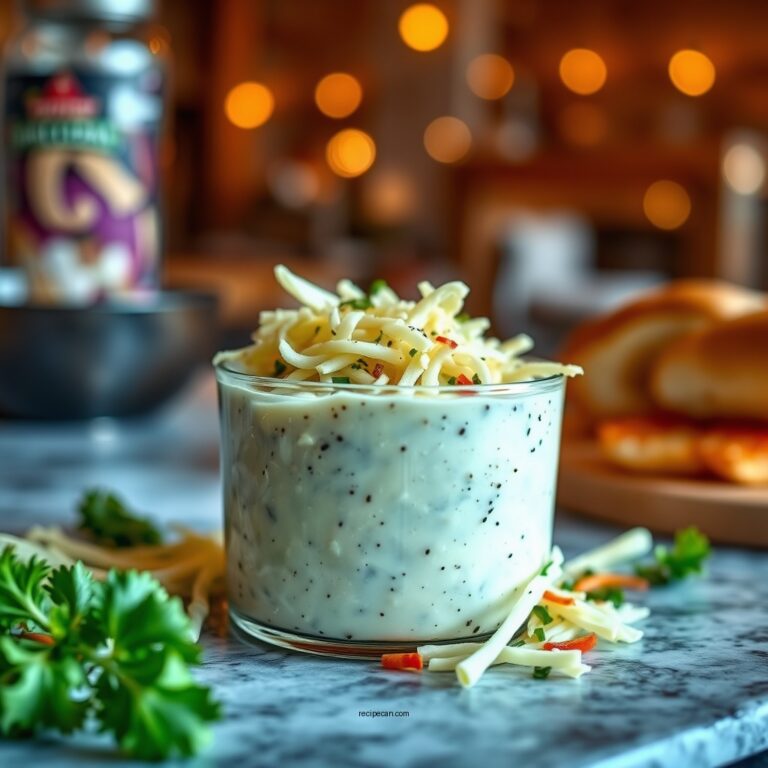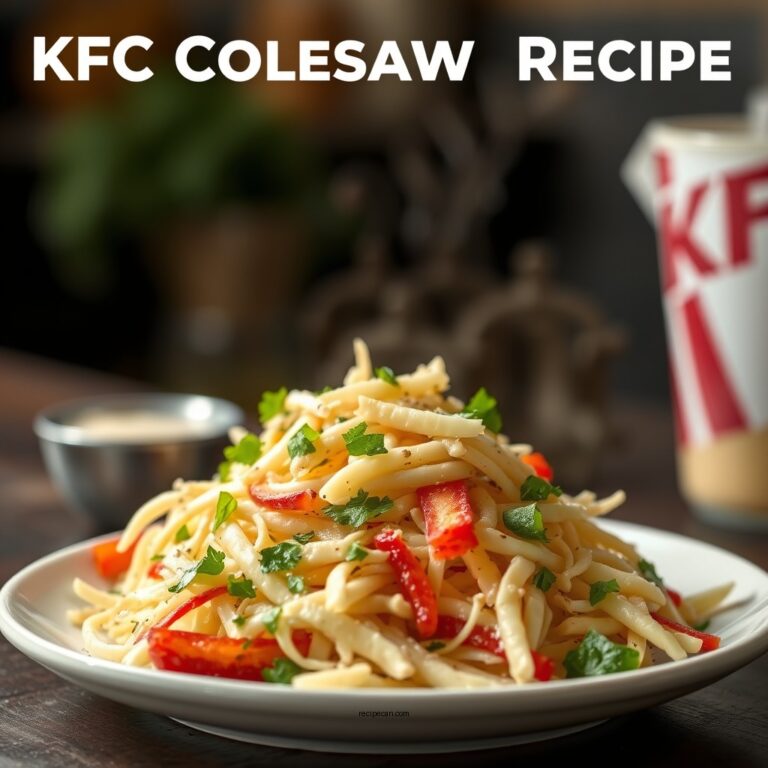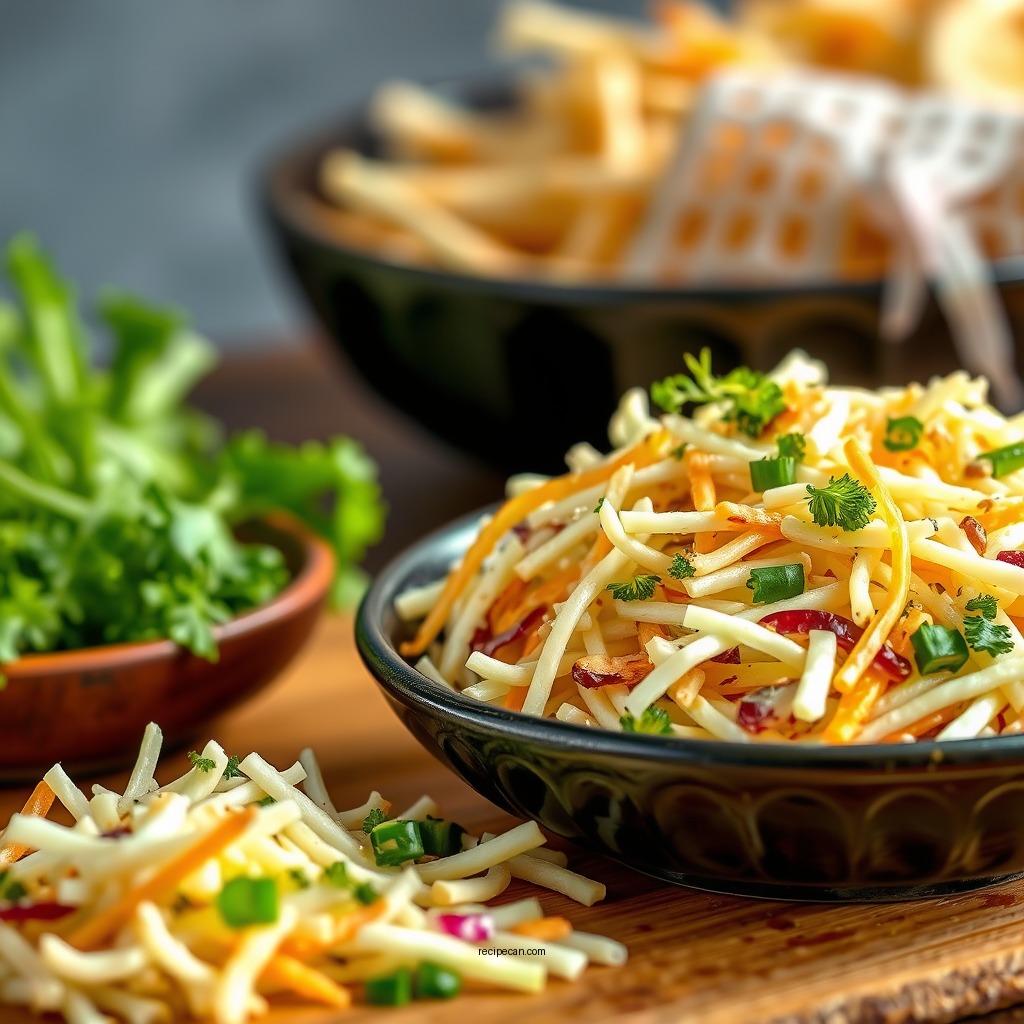
Coleslaw is a quintessential side dish that elevates any gathering, combining the crispness of shredded cabbage and carrots with a creamy dressing. This classic coleslaw recipe is not only easy to prepare but also offers a delightful balance of flavors that complements barbecues, picnics, and a multitude of main courses. In this guide, you will discover the ingredients, step-by-step preparation, and various tips to enhance the flavor and presentation of your coleslaw, ensuring it becomes a favorite at your table.
Ingredients You’ll Need
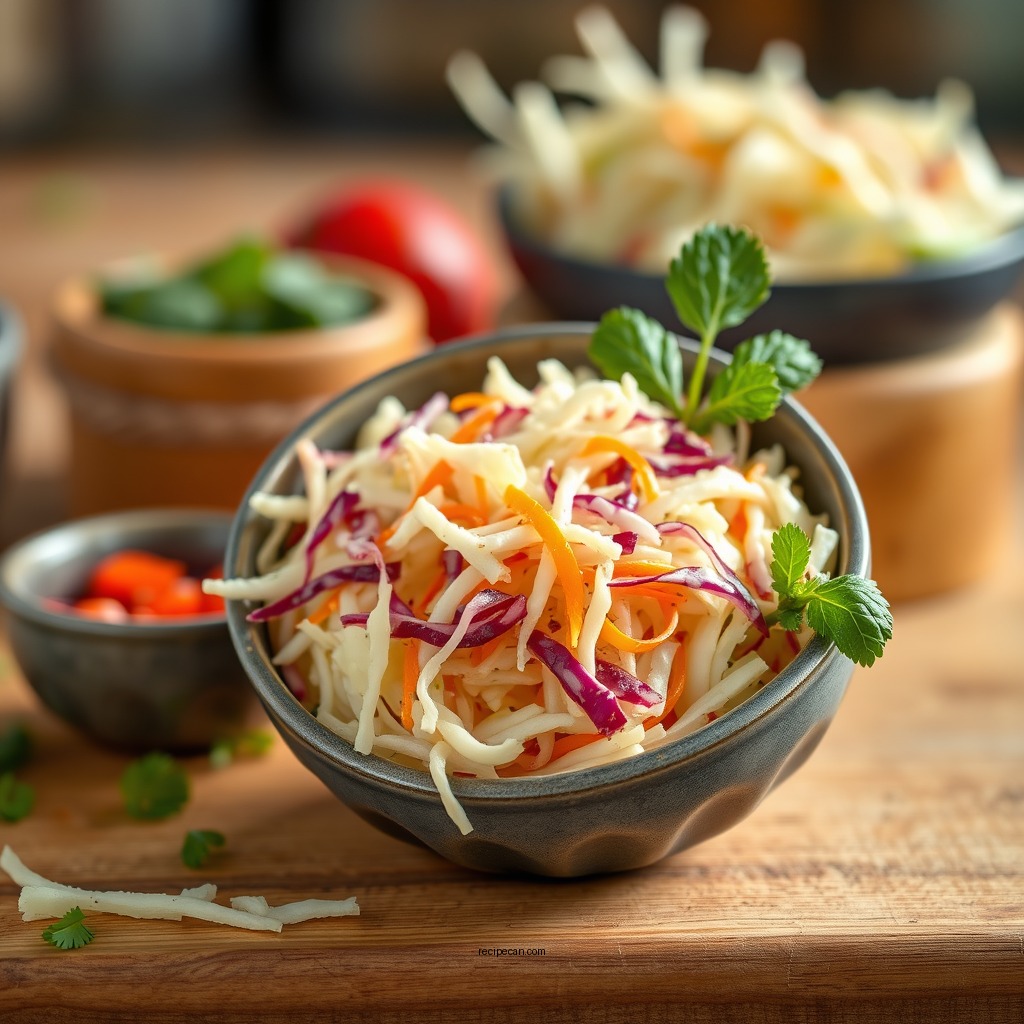
The foundation of any great coleslaw lies in its ingredients. For this classic recipe, you will need:
– Fresh Green Cabbage: The star of the dish, green cabbage provides a crunchy texture and a mildly sweet flavor that forms the base of the coleslaw. Look for firm, dense heads of cabbage that are free from blemishes.
– Carrots: Shredded carrots add vibrant color and an extra crunch. They also impart a subtle sweetness that balances the tanginess of the dressing.
– Mayonnaise: This creamy dressing binds the ingredients together, adding richness. For a lighter version, you can substitute with Greek yogurt.
– Vinegar: White vinegar or apple cider vinegar adds acidity, brightening the flavors and cutting through the richness of the mayonnaise.
– Sugar: A small amount of sugar helps to balance the acidity of the vinegar, enhancing the overall flavor of the coleslaw.
– Salt and Pepper: Essential seasonings that elevate the taste. Adjust them according to your preference.
Step-by-Step Preparation
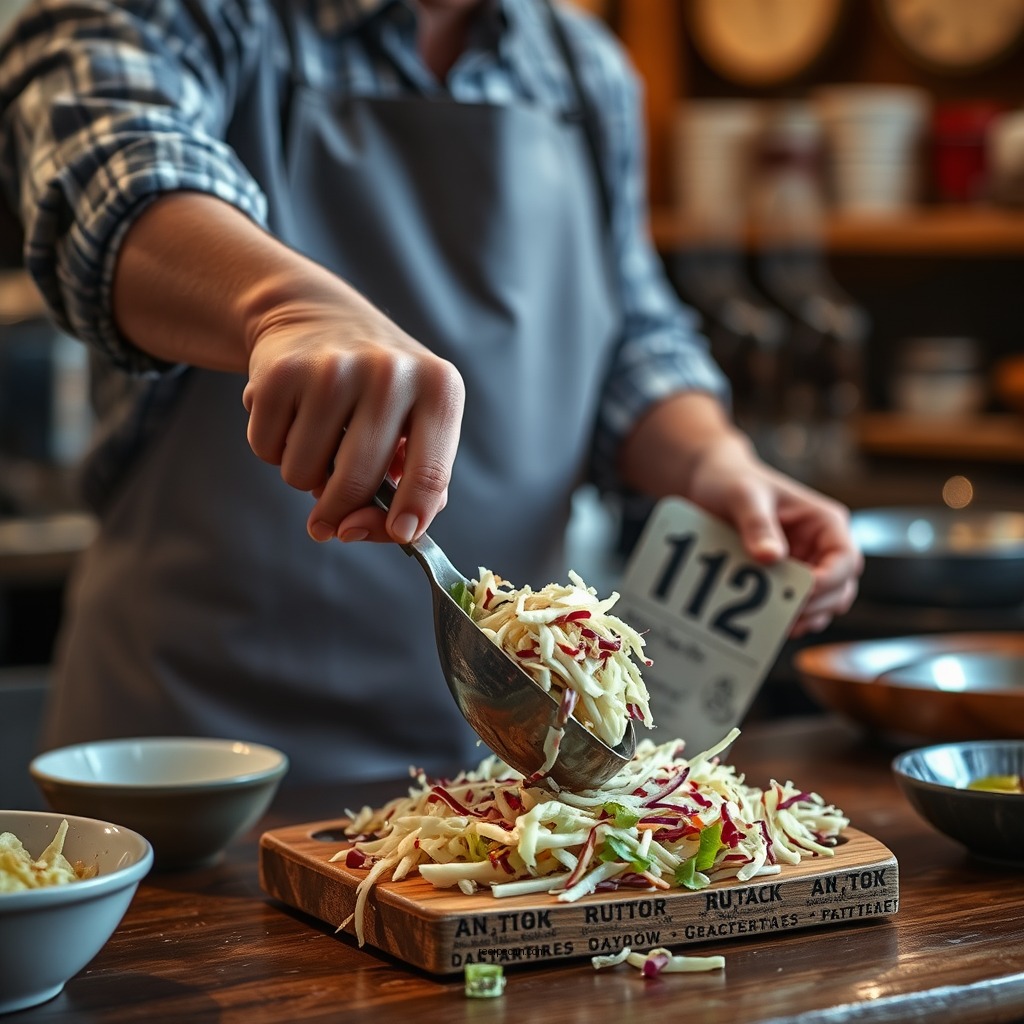
Making coleslaw is a straightforward process. Follow these steps for a perfect result:
1. Shred the Cabbage and Carrots: Using a sharp knife or a food processor, finely shred the cabbage and carrots. Aim for uniform sizes to ensure a consistent texture and flavor throughout the dish.
2. Prepare the Dressing: In a separate bowl, whisk together the mayonnaise, vinegar, and sugar until smooth. Taste the dressing and adjust the seasonings with salt and pepper as needed.
3. Combine Ingredients: Place the shredded cabbage and carrots into a large mixing bowl. Pour the dressing over the vegetables.
Mixing the Coleslaw
To achieve a well-blended coleslaw, follow these steps:
– Toss Thoroughly: Using two large utensils or your hands, toss the shredded vegetables with the dressing until all ingredients are evenly coated. This ensures that every bite is full of flavor.
– Rest the Coleslaw: Allow the mixture to sit for at least 30 minutes in the refrigerator before serving. This resting time allows the flavors to meld and enhances the overall taste of the coleslaw.
Here’s a quick overview of the nutritional breakdown for the ingredients used in a typical coleslaw recipe:
Caloric and Nutritional Breakdown of Coleslaw Ingredients
| # | Ingredient | Calories (per 100g) | Fat (g) | Carbohydrates (g) | Protein (g) |
|---|---|---|---|---|---|
| 1 | Green Cabbage | 25 | 0.1 | 5.8 | 1.3 |
| 2 | Carrots | 41 | 0.2 | 9.6 | 0.9 |
| 3 | Mayonnaise | 680 | 75.0 | 0.6 | 0.5 |
| 4 | White Vinegar | 14 | 0.0 | 0.0 | 0.0 |
| 5 | Sugar | 387 | 0.0 | 100.0 | 0.0 |
| 6 | Salt | 0 | 0.0 | 0.0 | 0.0 |
| 7 | Black Pepper | 251 | 3.3 | 64.0 | 10.9 |
Tips for Enhancing Flavor
To elevate your coleslaw from good to great, consider these simple tips:
– Add Diced Onions or Bell Peppers: Chopped onions or sweet bell peppers can provide a delightful crunch and additional flavor. Red onions are particularly good for adding color and a mild bite.
– Experiment with Seasonings: Try adding spices such as celery seed or freshly cracked black pepper to introduce unique flavor profiles. Herbs like dill or parsley can also brighten the dish.
– Incorporate Different Dressings: While mayonnaise is the classic choice, consider mixing in some mustard or using a vinaigrette for a tangy twist. Yogurt-based dressings offer a lower-calorie option without sacrificing creaminess.
– Add Fruits for Sweetness: Ingredients like diced apples, pineapple, or raisins can contribute a wonderful sweetness that balances the tang of the dressing, making the coleslaw more appealing to a wider audience.
Serving Suggestions
Coleslaw is incredibly versatile and pairs well with a variety of dishes:
– Serve Chilled: Coleslaw is best served cold. Refrigerate it for a few hours before serving to enhance the flavors.
– As a Side Dish: It makes an excellent accompaniment to grilled meats, fried chicken, or sandwiches. The crunchy texture and creamy dressing complement rich dishes beautifully.
– As a Topping: Use coleslaw as a fresh topping for pulled pork sandwiches or fish tacos to add a delicious crunch and creamy contrast.
– Potluck Favorite: Coleslaw is a fantastic dish for gatherings due to its easy preparation and the fact that it can be made in large batches.
Here’s a bar chart representation of the most popular variations of coleslaw, showcasing the key ingredients used in different recipes:
Popularity of Coleslaw Variations (Percentage)
Variations of Classic Coleslaw
While the classic coleslaw recipe is timeless, variations can cater to diverse tastes:
– Asian Coleslaw: Incorporate ingredients like sesame oil, soy sauce, and chopped peanuts for an Asian-inspired twist. This variation often includes napa cabbage and adds a delightful crunch.
– Southern Coleslaw: This variation often features a sweeter dressing, sometimes with the addition of pineapple. It’s perfect for pairing with Southern-style barbecue.
– Fruit-Infused Coleslaw: Adding fruits such as apples, raisins, or even grapes can introduce a refreshing sweetness and contrast to the savory elements of the dish.
– Spicy Coleslaw: For those who enjoy heat, consider adding diced jalapeños or a dash of hot sauce to the dressing.
In conclusion, making a classic coleslaw is not only simple but also deeply rewarding. With the right ingredients and a few tips to enhance flavor, you can create a delicious side dish that complements a wide range of meals. Whether you stick to the traditional recipe or explore various variations, your coleslaw is bound to be a hit. Gather your ingredients and start whipping up your own coleslaw today!
Frequently Asked Questions
What are the essential ingredients for a classic coleslaw recipe?
A classic coleslaw recipe typically includes finely shredded green cabbage, carrots, and a dressing made from mayonnaise, vinegar, sugar, salt, and pepper. Some variations may incorporate ingredients like celery seeds or onion for added flavor, but the core elements remain consistent to achieve that traditional taste.
How do you make coleslaw dressing from scratch?
To make coleslaw dressing from scratch, combine 1 cup of mayonnaise, 2 tablespoons of apple cider vinegar, 1 tablespoon of sugar, and a pinch of salt and pepper in a bowl. Whisk the ingredients together until smooth, adjusting the sweetness or acidity to your liking, and then mix it into your shredded cabbage and carrots for a delicious, homemade coleslaw.
Why does my coleslaw turn out watery, and how can I prevent it?
Coleslaw can turn watery if the cabbage releases too much moisture after being salted or if it’s left to sit for too long before serving. To prevent this, you can salt the shredded cabbage and let it sit for about 30 minutes, then rinse and dry it thoroughly before mixing with the dressing. This helps maintain a crisp texture and prevents excess liquid in your coleslaw.
What is the best type of cabbage to use for a classic coleslaw recipe?
The best type of cabbage for a classic coleslaw recipe is green cabbage, known for its crisp texture and mild flavor. However, you can also mix in red cabbage for color and crunch, or use Napa cabbage for a sweeter, more delicate taste, depending on your preference for texture and flavor.
Which dishes pair well with classic coleslaw?
Classic coleslaw pairs wonderfully with a variety of dishes, making it a popular side at barbecues and picnics. It complements grilled meats like BBQ chicken, pulled pork, and burgers, as well as fried foods and sandwiches, providing a refreshing contrast to richer flavors.
References
- Coleslaw
https://en.wikipedia.org/wiki/Coleslaw - https://www.ncbi.nlm.nih.gov/pmc/articles/PMC5721616/
https://www.ncbi.nlm.nih.gov/pmc/articles/PMC5721616/ - https://www.mayoclinic.org/healthy-lifestyle/nutrition-and-healthy-eating/expert-answers/coleslaw/faq-20058246
https://www.mayoclinic.org/healthy-lifestyle/nutrition-and-healthy-eating/expert-answers/coleslaw/faq-20058246 - https://www.sciencedirect.com/topics/agricultural-and-biological-sciences/coleslaw
https://www.sciencedirect.com/topics/agricultural-and-biological-sciences/coleslaw - Classic coleslaw recipe | Good Food
https://www.bbcgoodfood.com/recipes/classic-coleslaw - https://www.foodnetwork.com/recipes/food-network-kitchen/classic-coleslaw-recipe-2103052
https://www.foodnetwork.com/recipes/food-network-kitchen/classic-coleslaw-recipe-2103052 - https://www.healthline.com/nutrition/coleslaw
https://www.healthline.com/nutrition/coleslaw - https://www.theguardian.com/food/2020/jul/23/how-to-make-the-perfect-coleslaw-recipes
https://www.theguardian.com/food/2020/jul/23/how-to-make-the-perfect-coleslaw-recipes - Google Scholar Google Scholar
https://scholar.google.com/scholar?q=coleslaw+recipe+classic - Google Scholar Google Scholar
https://scholar.google.com/scholar?q=coleslaw+nutrition+benefits