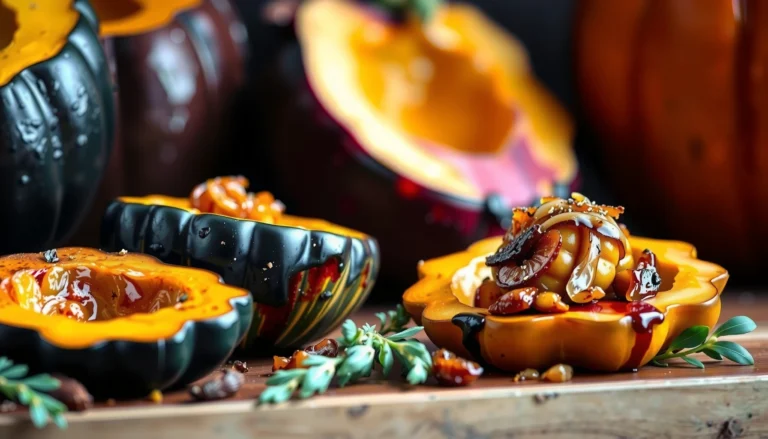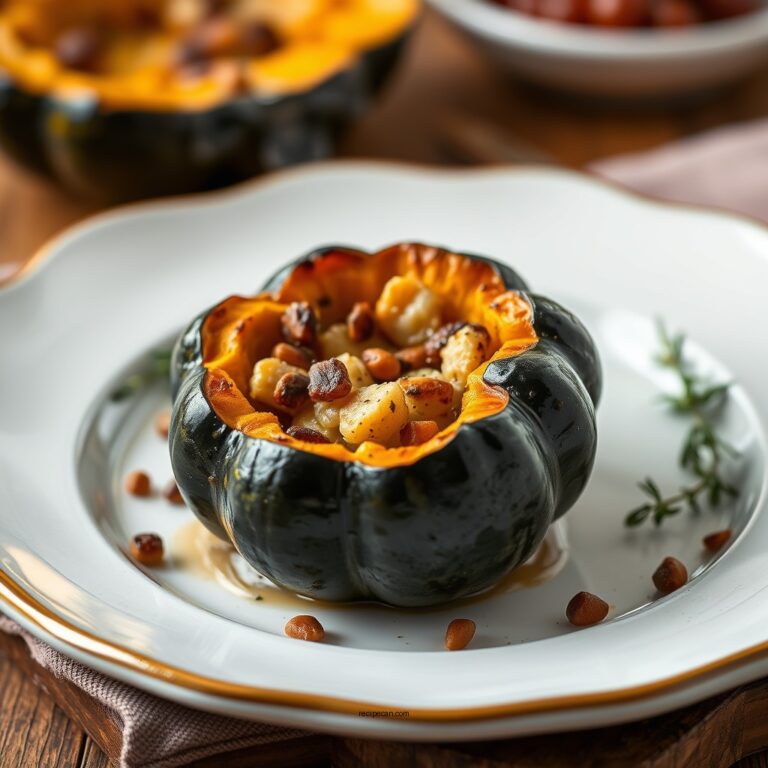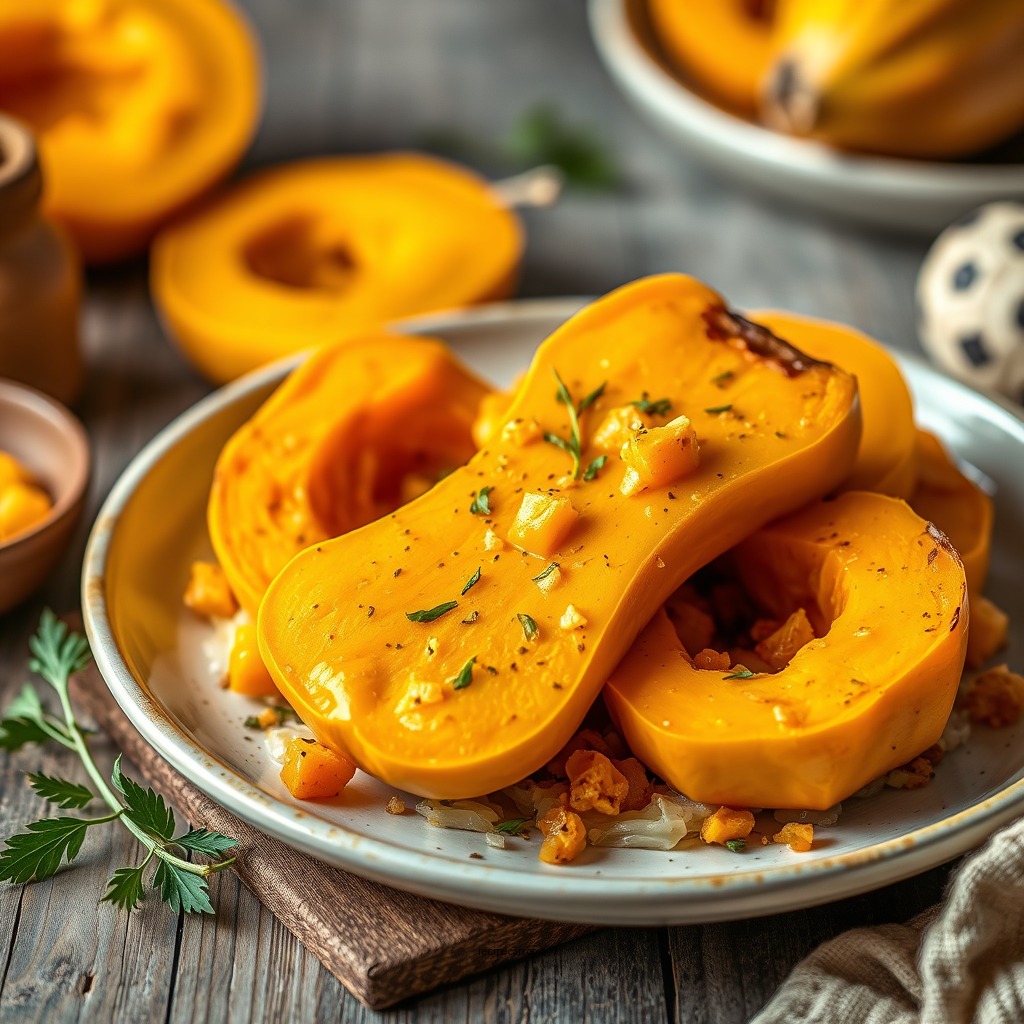
Roasting butternut squash is one of the simplest and most delectable methods to prepare this nutrient-rich vegetable. This cooking technique enhances its natural sweetness, resulting in a dish that complements a variety of meals. In this article, you’ll discover an easy recipe for roasting butternut squash, along with essential tips for preparation, flavor variations to personalize your dish, and serving suggestions that enhance your culinary experience.
Choosing the Right Butternut Squash

Selecting the perfect butternut squash is the first step toward a delicious dish. When shopping for butternut squash, look for specimens that have a firm skin and are free from soft spots. These characteristics indicate ripeness and freshness, which are crucial for achieving the best flavor.
Additionally, choose a squash that feels heavy for its size. This weightiness often correlates with a higher sugar content, contributing to a richer flavor profile once roasted. The ideal squash should have a smooth, tan exterior and a bulbous bottom. Avoid squashes with blemishes or cuts, as these can lead to spoilage.
Preparing the Squash
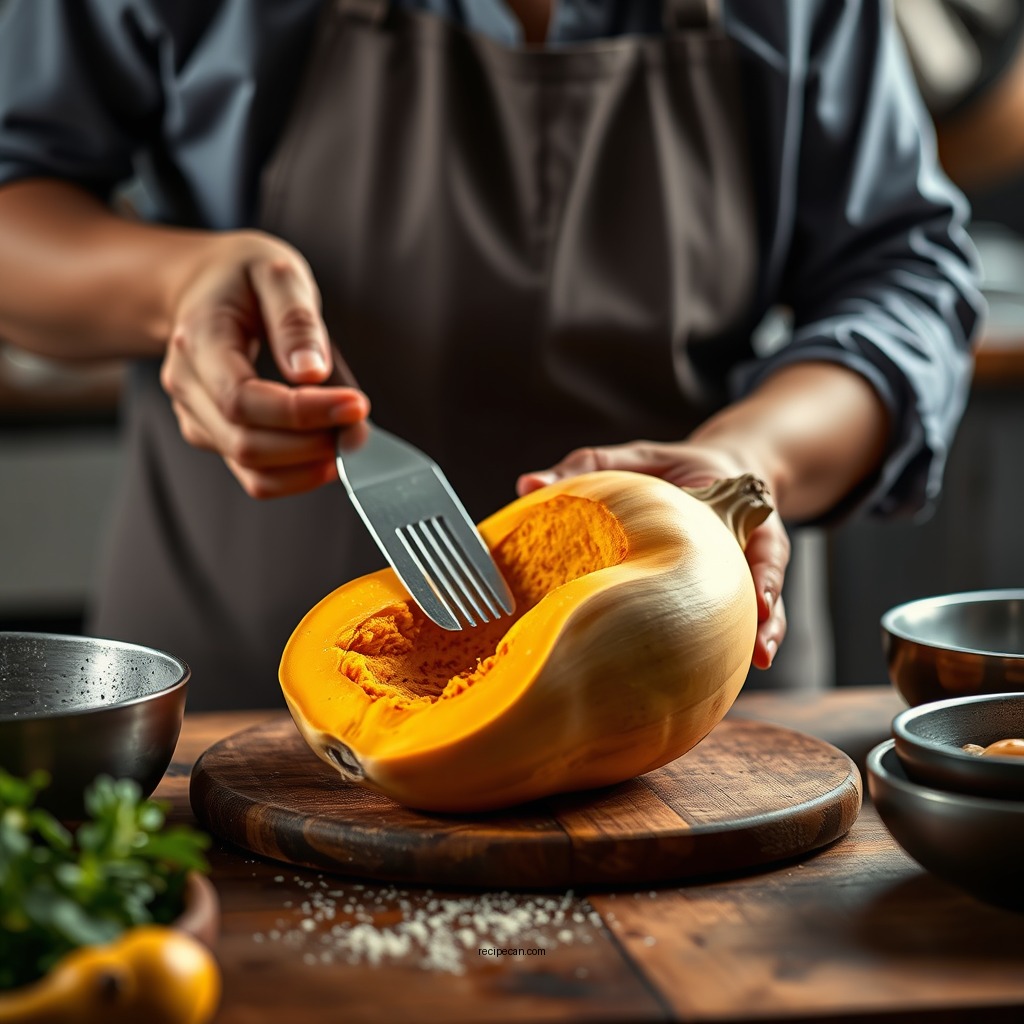
Preparing butternut squash may seem daunting due to its tough exterior, but with the right techniques, it becomes a straightforward task. Start by peeling the squash using a vegetable peeler or a sharp knife. It’s essential to remove the skin entirely, as it can be tough and bitter when cooked.
Next, cut the squash in half lengthwise. This will allow you to scoop out the seeds easily. Use a spoon to remove the seeds and stringy flesh from the center. Once you have halved and cleaned the squash, you can cut it into cubes or slices, depending on your presentation preference. Uniform pieces ensure even cooking, resulting in perfectly roasted squash.
Roasting Instructions
To achieve that caramelized, tender texture that defines roasted butternut squash, follow these simple roasting instructions:
1. Preheat your oven to 400°F (200°C). This temperature is ideal for roasting, providing a perfect balance between cooking the squash through and achieving a golden-brown exterior.
2. In a large mixing bowl, toss the cubed squash with olive oil, salt, and pepper. Aim for about 1 to 2 tablespoons of olive oil per pound of squash, ensuring that each piece is evenly coated for optimal flavor.
3. Spread the squash pieces on a baking sheet in a single layer. This step is crucial as overcrowding the pan can lead to steaming rather than roasting, which prevents that coveted caramelization.
4. Roast the squash for 25 to 30 minutes, flipping them halfway through to ensure even cooking. You’ll know they are done when they are fork-tender and have developed a beautiful golden-brown color.
Top 7 Butternut Squash Varieties by Flavor Profile
| # | Variety | Flavor Profile | Common Uses | Best For |
|---|---|---|---|---|
| 1 | Waltham | Sweet and nutty | Soups, purees | Baking |
| 2 | Honeynut | Very sweet | Salads, sides | Roasting |
| 3 | Buttercup | Rich and creamy | Casseroles, pies | Soups |
| 4 | Burgess | Sweet and dense | Baking, steaming | Casseroles |
| 5 | Table Queen | Nutty and sweet | Soups, salads | Baking |
| 6 | Spaghetti | Savory and mildly sweet | Pasta, sides | Sautéing |
| 7 | Burgess Buttercup | Sweet and creamy | Pies, soups | Baking |
Flavor Variations
One of the joys of cooking with butternut squash is its versatility. Here are a few flavor variations to consider:
– Sweet Twist: For a sweeter profile, consider adding spices like cinnamon or nutmeg. These warm spices pair beautifully with the squash’s natural sweetness and can be particularly delightful when served as a fall or winter side dish.
– Savory Flavor Profile: If you prefer a more savory approach, incorporate minced garlic or fresh rosemary into your olive oil mixture. These ingredients will impart a fragrant aroma and elevate the savory notes of the dish.
– Spicy Kick: For those who enjoy a bit of heat, sprinkle some cayenne pepper or chili powder before roasting. This addition will create a delightful contrast to the squash’s sweetness.
– Cheesy Delight: Another option is to sprinkle freshly grated Parmesan cheese over the squash during the last few minutes of roasting, allowing it to melt and create a deliciously cheesy crust.
Serving Suggestions
Roasted butternut squash can be enjoyed in various ways, making it a flexible addition to your meal repertoire. Here are some serving suggestions to inspire you:
– Side Dish: Serve the roasted squash as a side dish alongside grilled meats or fish. Its sweet and nutty flavor complements a variety of proteins beautifully.
– Salad Topping: Dice the roasted squash and toss it into salads for an added layer of flavor and texture. It pairs well with leafy greens, nuts, and a tangy vinaigrette.
– Grain Bowls: Combine roasted squash with grains like quinoa or farro for a hearty meal. Add in some roasted vegetables, a protein source like chickpeas or grilled chicken, and a drizzle of tahini or yogurt dressing for a complete dish.
– Soups and Purees: Blend roasted butternut squash with vegetable broth and spices to create a creamy soup or puree. This is a comforting option during colder months.
Storage Tips
If you find yourself with leftover roasted butternut squash, proper storage is key to maintaining its flavor and texture. Follow these tips to ensure your leftovers stay fresh:
– Refrigeration: Store any leftover roasted squash in an airtight container in the refrigerator for up to five days. Make sure it has cooled down to room temperature before sealing it in the container.
– Reheating: For the best results, reheat the squash in the oven or a toaster oven rather than the microwave. This method helps to retain its crispy edges. If using a microwave, place the squash in a microwave-safe dish and cover it with a damp paper towel to keep it moist during reheating.
Roasting butternut squash is a simple and satisfying way to enjoy this nutritious vegetable. With a few easy steps and flavor variations, you can create a dish that’s perfect for any occasion. Try this recipe today, and elevate your meals with the delicious taste of roasted butternut squash!
Frequently Asked Questions
What are the best ways to prepare butternut squash for cooking?
The best ways to prepare butternut squash include peeling, seeding, and cubing it. To peel, use a sharp vegetable peeler or a knife, then cut the squash in half lengthwise to scoop out the seeds. Cubing it into even pieces ensures uniform cooking, whether you’re roasting, steaming, or sautéing.
How do I roast butternut squash for the best flavor?
To roast butternut squash for the best flavor, preheat your oven to 400°F (200°C) and toss the cubed squash with olive oil, salt, and your choice of spices, such as cinnamon or paprika. Spread the cubes in a single layer on a baking sheet and roast for about 25-30 minutes until tender and caramelized, stirring halfway through for even cooking.
Why is butternut squash a healthy addition to my diet?
Butternut squash is a healthy addition to your diet due to its high vitamin A content, which supports vision and immune health, as well as its rich supply of fiber that aids digestion. Additionally, it’s low in calories and packed with antioxidants, making it an excellent choice for weight management and overall wellness.
What are some easy butternut squash recipes for beginners?
Easy butternut squash recipes for beginners include butternut squash soup, roasted butternut squash salad, and mashed butternut squash. These recipes typically require minimal ingredients and straightforward cooking techniques, making them perfect for those who are new to cooking or want to enjoy the natural sweetness of butternut squash with ease.
Which spices pair well with butternut squash in recipes?
Spices that pair well with butternut squash include cinnamon, nutmeg, cumin, and chili powder. These spices enhance the natural sweetness of the squash while adding depth and warmth to your dishes. Experimenting with these spices can elevate your butternut squash recipes, whether you are roasting, pureeing, or incorporating it into stews.
References
- Butternut squash
https://en.wikipedia.org/wiki/Butternut_squash - https://www.ncbi.nlm.nih.gov/pmc/articles/PMC7071268/
https://www.ncbi.nlm.nih.gov/pmc/articles/PMC7071268/ - https://www.mayoclinic.org/healthy-lifestyle/nutrition-and-healthy-eating/in-depth/nutrition/art-20044480
https://www.mayoclinic.org/healthy-lifestyle/nutrition-and-healthy-eating/in-depth/nutrition/art-20044480 - https://www.sciencedirect.com/topics/agricultural-and-biological-sciences/butternut-squash
https://www.sciencedirect.com/topics/agricultural-and-biological-sciences/butternut-squash - Butternut Squash Soup | Good Food
https://www.bbcgoodfood.com/recipes/butternut-squash-soup - 33 Best Butternut Squash Recipes & Ideas | Ways to Cook Butternut Squash | Food Network
https://www.foodnetwork.com/topics/butternut-squash - Butternut Squash: Nutrition, Benefits, and Uses
https://www.healthline.com/nutrition/butternut-squash#nutrition - Google Scholar Google Scholar
https://scholar.google.com/scholar?q=recipe+for+butternut+squash - Google Scholar Google Scholar
https://scholar.google.com/scholar?q=butternut+squash+nutrition - Google Scholar Google Scholar
https://scholar.google.com/scholar?q=butternut+squash+health+benefits