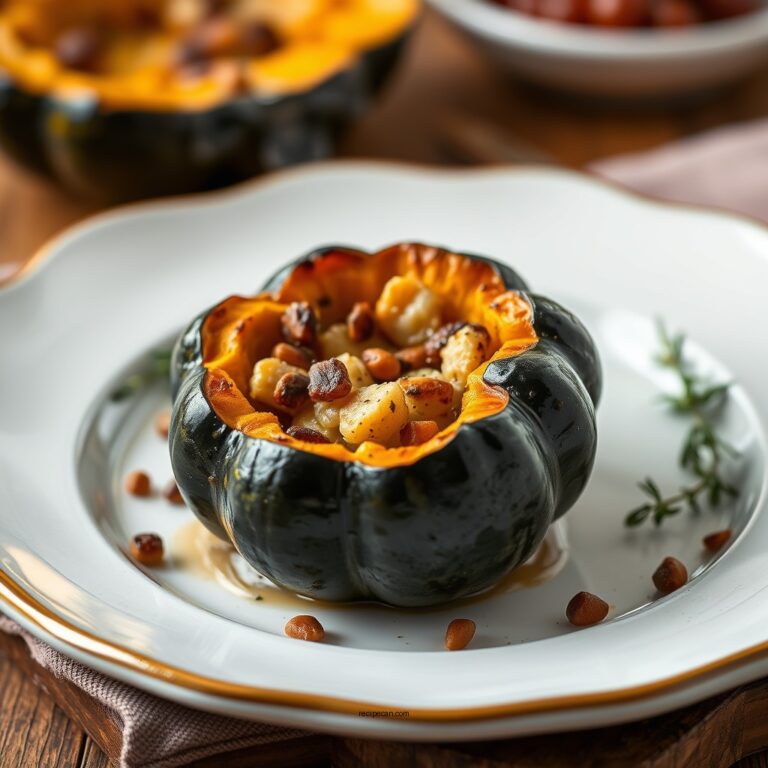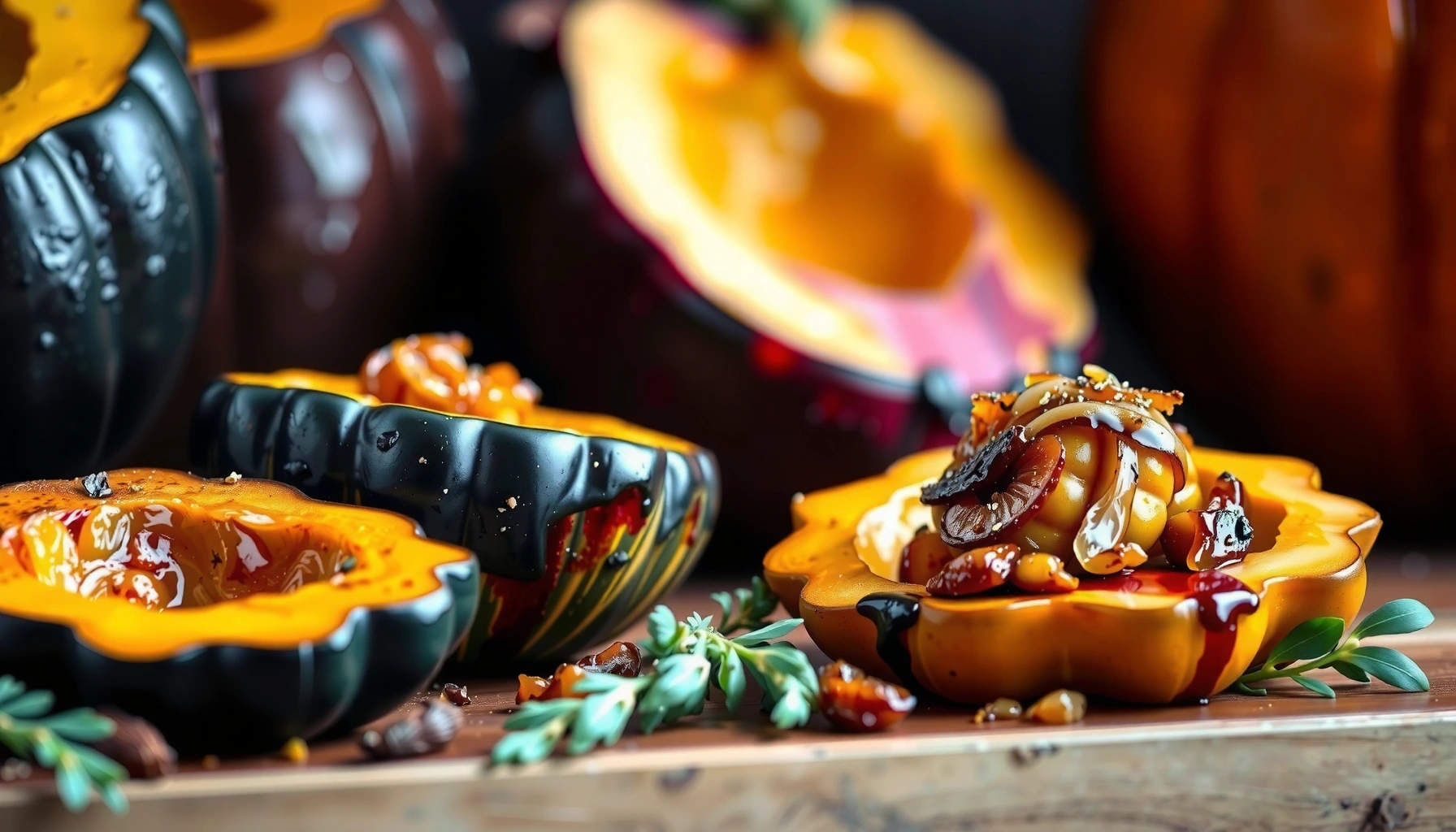
This 8 ball squash recipe shows you the easiest way to cook 8 ball squash with maximum flavor and minimal effort. You’ll get a simple step-by-step method that delivers tender squash with a caramelized, savory finish—without peeling or complicated prep. If you want a reliable winner for dinner-side squash, this is the one to make.
This 8 ball squash recipe bakes squash halves until they’re fork-tender with minimal effort—just safe cutting, straightforward seasoning, and roasting. You’ll get reliably flavorful results by seasoning the cut flesh well, using the right oven temperature, and roasting long enough to drive off excess moisture for that caramelized, savory finish.
Choose and Prep Your 8 Ball Squash
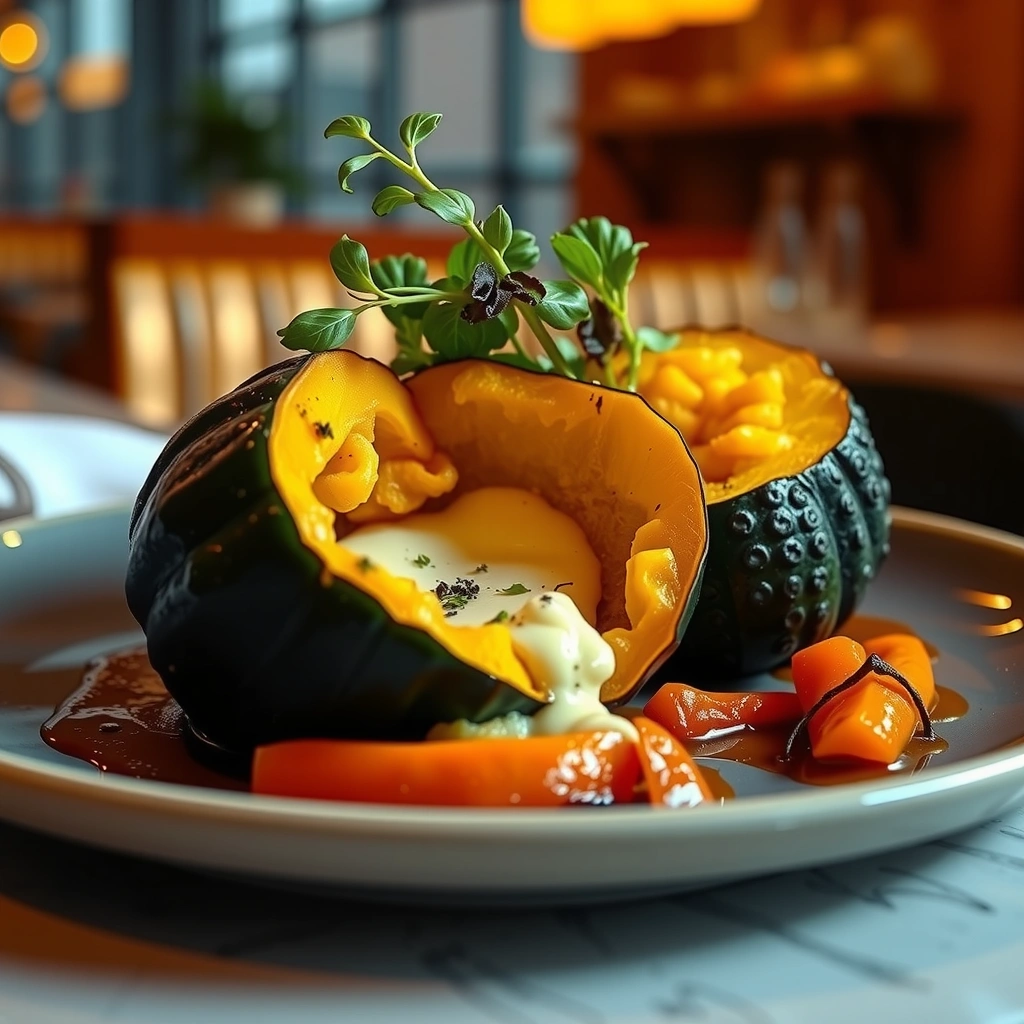
Selecting the right squash is the difference between watery, bland results and tender, concentrated flavor. Look for 8 ball squash that feel heavy for their size (denser flesh roasts more evenly), with smooth, unbruised skin and a matte, firm exterior. Avoid squash with soft spots, wrinkling, or deep surface damage—those signs often indicate uneven moisture content and slower, inconsistent cooking.
Once you’ve chosen your squash, prep safely and efficiently:
– Wash thoroughly under cool running water and gently scrub the skin to remove any grit.
– Stabilize the squash before cutting. Place it on a cutting board and, if needed, trim a very small flat edge so it doesn’t roll.
– Slice carefully in half lengthwise using a sharp chef’s knife. Apply steady pressure rather than forcing—8 ball squash is dense and can be slick.
– Scoop out seeds and fibers with a spoon. This creates a cleaner roasting cavity and helps the flesh cook uniformly (the seed area holds moisture and cooks differently than the rest of the squash).
Pro tip for even baking: If your squash halves are wildly uneven in thickness, simply remove a thin strip from the thicker side so both halves roast at a similar rate. That one step can prevent the “edges done, center not” problem.
Roasting Guide for 8 Ball Squash Halves (1 to 4 Servings)
| # | Squash Halves | Average Weight (each) | Oven (°F) | Roast Time | Fork-Tender Target |
|---|---|---|---|---|---|
| 1 | 2 halves (1 small squash) | 10–12 oz | 425°F | 22–28 min | Knife slides in easily |
| 2 | 4 halves (2 medium squashes) | 12–14 oz | 425°F | 28–36 min | Edges lightly browned |
| 3 | 6 halves (3 squashes) | 13–15 oz | 425°F | 34–44 min | Center yields with gentle pressure |
| 4 | 8 halves (4 squashes) | 14–16 oz | 425°F | 42–52 min | Fork goes in with minimal resistance |
| 5 | 2 halves (bigger squash) | 14–18 oz | 400°F | 30–40 min | Spoonable interior |
| 6 | 4 halves (higher moisture) | 12–14 oz | 450°F | 26–34 min | Surface looks drier, not steamy |
| 7 | 6 halves (extra caramelization) | 13–15 oz | 425°F + 2 min broil | 36–44 min | Light char on edges (not burnt) |
Best Seasoning for 8 Ball Squash
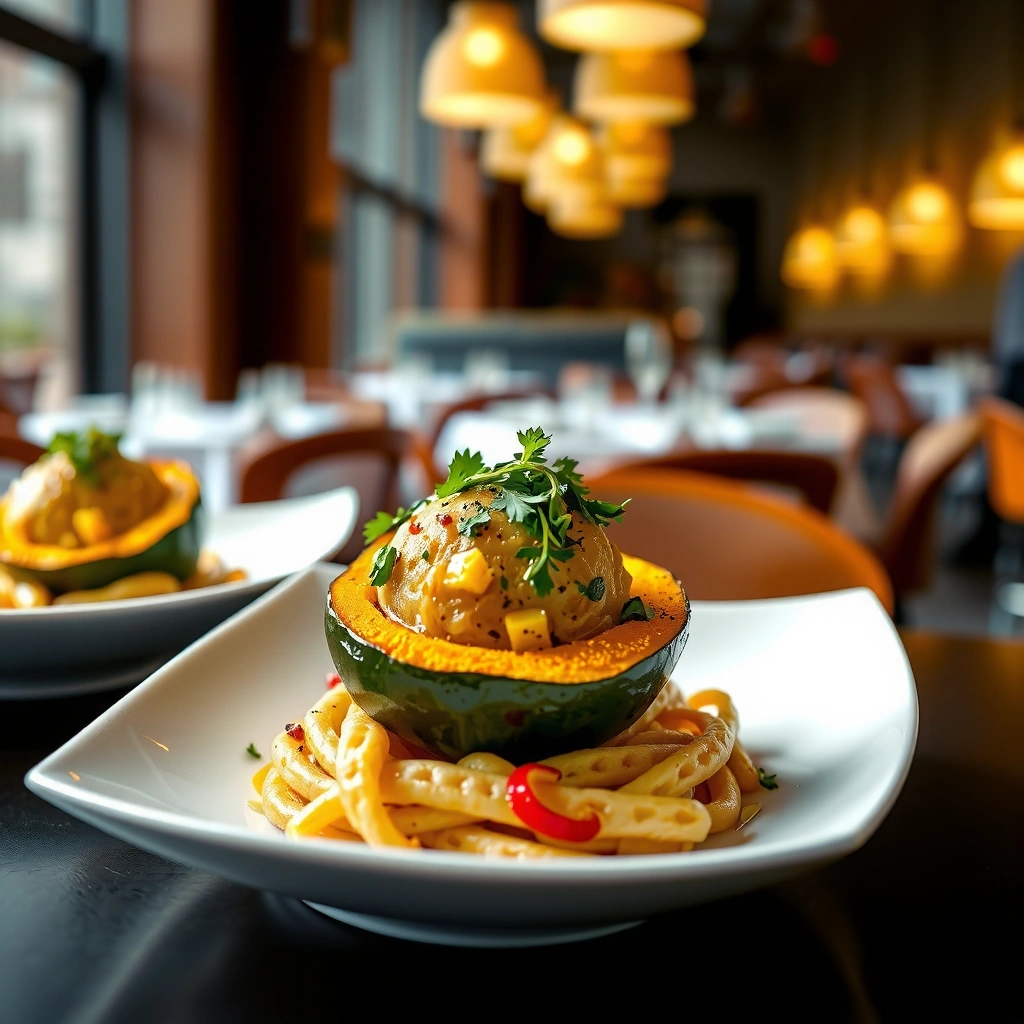
For a dependable flavor profile, start with an oil-and-salt foundation. Salt draws out moisture, improves browning, and makes the squash taste more “savory” instead of neutral. Then layer garlic and herbs for aromatics that cling to the roasted surface.
A simple, high-impact seasoning approach:
– Olive oil: Use enough to coat the cut faces (about 1–2 tablespoons total per 2 squash halves, depending on size).
– Salt and black pepper: Salt should be clearly present; under-seasoning is the most common reason roasted squash tastes bland.
– Garlic (fresh minced or garlic powder): Fresh garlic gives a stronger punch; garlic powder distributes more evenly.
Herb pairing options that complement squash naturally:
– Thyme (earthy, slightly minty)
– Rosemary (resinous, bold)
– Italian seasoning (a convenient blend for consistent results)
Optional finishing touches—choose one based on the outcome you want:
– Parmesan: adds umami and a lightly crisp texture
– Butter: rounds the flavor and makes it richer
– Lemon squeeze: brightens the roasted flavor and balances sweetness
If you’re meal-prepping or serving a group, keep the seasoning straightforward and add “choose-your-own” toppings at the end. That way you maintain consistent oven results while letting each person customize.
Baking Method for Tender Squash

Baking is the best method for this 8 ball squash recipe because the oven provides steady heat, caramelization, and hands-off convenience. The key is roasting long enough to soften the interior while developing browned edges for flavor.
Use this method:
1. Preheat oven to 425°F (220°C) for standard-sized halves.
2. Line a sheet pan for easier cleanup, ideally with parchment or foil.
3. Brush the cut sides with olive oil, then season generously with salt, pepper, garlic, and herbs.
4. Bake cut-side up so the seasoned flesh roasts directly against the hot air.
5. Roast until soft—typically in the 22–52 minute range depending on squash size and quantity (see the table above for guidance).
6. For deeper browning, flip halfway if desired. Flipping can help the underside brown, but keeping cut-side up is simpler and often perfectly sufficient.
7. If you want extra flavor, broil for the last 1–2 minutes—watch closely to avoid burning the garlic and herbs.
Texture target: When the squash is ready, a fork should slide into the flesh with minimal resistance, and the cavity should look less watery and more concentrated. If it still looks glossy and wet, it needs more time.
Stuffing Ideas (Optional But Delicious)

Stuffing turns baked 8 ball squash into a more filling entrée-style dish. The advantage of stuffing is that you control flavor intensity by mixing in ingredients that roast alongside the squash flesh. Keep in mind that the stuffing should be able to handle some moisture and still brown slightly.
Three reliable stuffing directions:
– Simple cheese + breadcrumbs + herbs
Combine shredded cheese (Parmesan, mozzarella, or a blend), breadcrumbs, and chopped herbs. Add a drizzle of olive oil to help it crisp.
– Heartier filling: cooked quinoa or sautéed veggies
Mix cooled cooked quinoa with roasted vegetables (mushrooms, peppers, or onions) and season with salt, pepper, and a little garlic. This gives structure and makes the dish more meal-worthy.
– Spice-forward option for bold flavor
Add chili flakes or smoked paprika to your oil-and-herb base, then mix into a breadcrumb or cheese topping. This creates a warm, savory crust that stands up well to the squash’s mild sweetness.
Practical stuffing technique:
– Roast the squash halves partially first (about 15–20 minutes), then add stuffing and finish baking until the topping is melted and browned. This reduces the risk of stuffing staying undercooked.
How to Serve and Store
How you serve 8 ball squash affects both taste and texture—especially if you plan to scoop or slice.
Serving ideas:– As a side dish: plate halves with a sprinkle of herbs and a drizzle of olive oil. Add a squeeze of lemon if you want brightness.
– Spoonable style: scoop out the roasted flesh and mix it with the pan juices for a “thick, savory” consistency.
– Slice and plate: if your squash is extra tender, slice the halves into segments after roasting for a more elegant presentation.
For business-style meal planning or hosting, consider these plating strategies:
– Keep the squash warm in the oven at 300°F for up to 15 minutes to serve in a controlled timeframe.
– Garnish at the last moment to maintain texture (parmesan crisping, herb freshness, lemon aroma).
Storing leftovers:
– Cool completely, then store in an airtight container in the fridge for up to 3–4 days.
– Reheat gently in a 325°F oven or skillet to avoid making the squash mushy. Add a small splash of olive oil or a spoonful of broth if it seems dry.
Troubleshooting Common Issues
Even with a great recipe, roasted squash can behave unpredictably due to size, moisture content, and oven variance. Use these fixes to protect your results:
– If it’s watery: Roast a bit longer, and keep cut-side up. You can also pat the cut surface lightly with a paper towel after seasoning (before baking) to reduce surface moisture.
– If it’s undercooked: Cover loosely with foil and extend roasting time in 5-minute increments. Foil helps the center soften without drying the top too much.
– If it browns too fast: Lower the oven temperature by 25°F and/or move the pan to a lower rack position. Browning is largely driven by surface heat—adjusting prevents over-char on garlic and herbs.
A reliable “done” test beats the timer: fork-tender in the thickest part, and reduced gloss on the surface.
This 8 ball squash recipe delivers tender, well-seasoned squash with minimal effort—start with clean prep, season well, and roast until fork-tender. Follow the baking method for consistent texture, try a stuffing if you want more depth, and finish with a bright or savory topping based on your preference. Cook one tonight, and once you nail your preferred tenderness, experiment with your favorite herb blend or topping variation for repeatable, flavorful results.
References
- Google Scholar Google Scholar
https://scholar.google.com/scholar?q=8+ball+squash+recipe - Google Scholar Google Scholar
https://scholar.google.com/scholar?q=8+ball+zucchini+recipe - Google Scholar Google Scholar
https://scholar.google.com/scholar?q=summer+squash+zucchini+cooking+methods - https://en.wikipedia.org/wiki/Zucchini
https://en.wikipedia.org/wiki/Zucchini - Summer squash
https://en.wikipedia.org/wiki/Summer_squash - Zucchini
https://en.wikipedia.org/wiki/Zucchini_bread - Stuffed squash
https://en.wikipedia.org/wiki/Stuffed_zucchini - Projects – National Center for Home Food Preservation
https://nchfp.uga.edu/how/freeze/summer_squash.html - USDA FoodData Central
https://fdc.nal.usda.gov/ - Zucchini | Summer Squash, Edible Fruit, C. pepo | Britannica
https://www.britannica.com/plant/zucchini