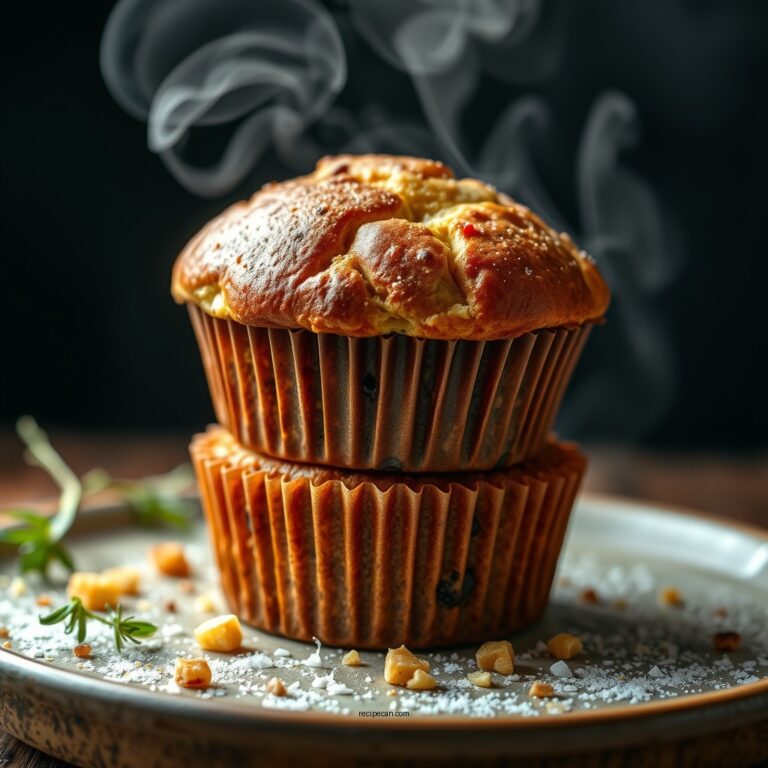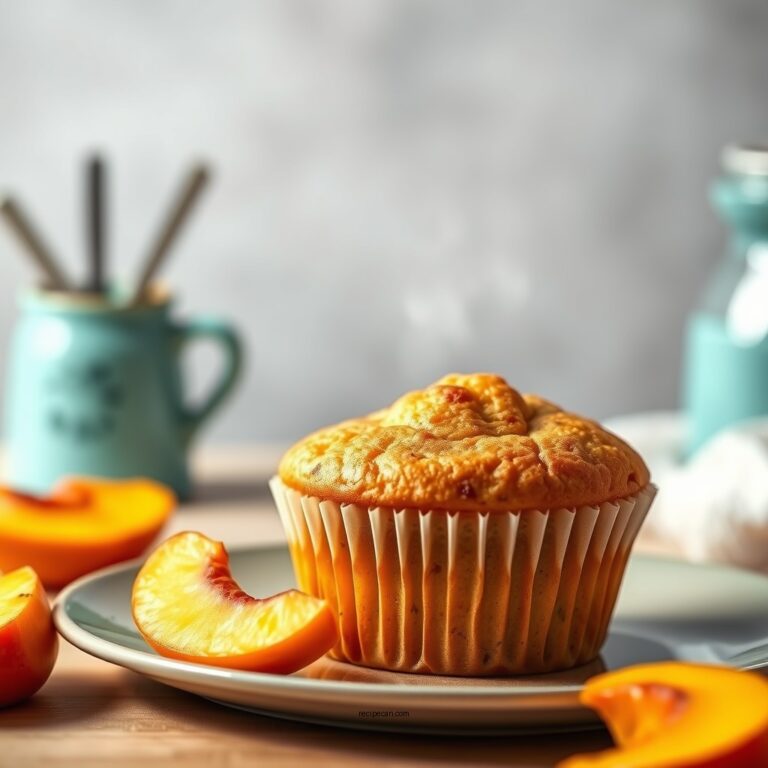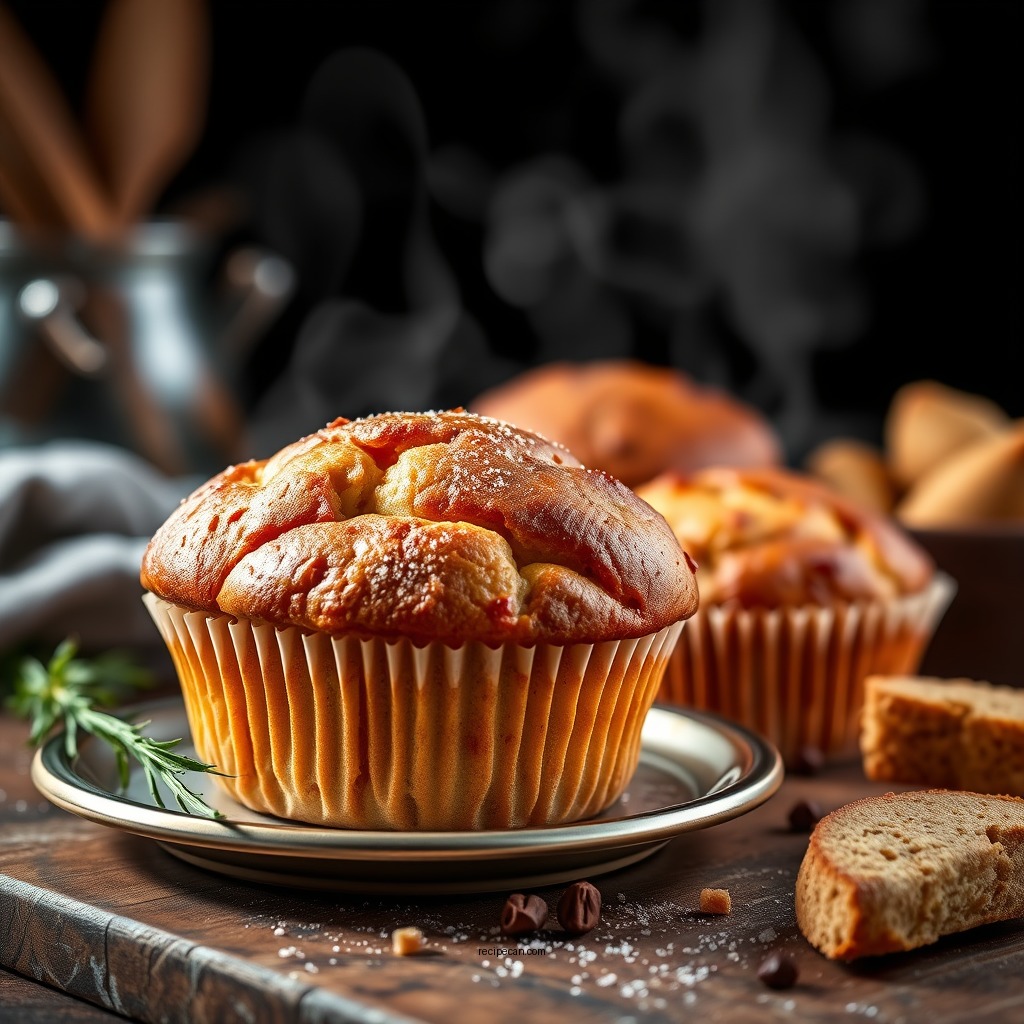
Making delicious traditional British muffins at home is simpler than you might think. This recipe will guide you through the process of creating soft, fluffy muffins that are perfect for breakfast or tea time. You’ll learn about the ingredients, techniques, and tips to achieve the best results, ensuring your muffins are a delightful treat for any occasion.
Traditional British muffins, often mistaken for their American counterparts, are characterized by their round shape and slightly chewy texture. Unlike American muffins, which are typically sweeter and denser, British muffins are lighter and are often toasted before serving. This guide will walk you through everything you need to know to make these delightful muffins from scratch.
Ingredients You’ll Need
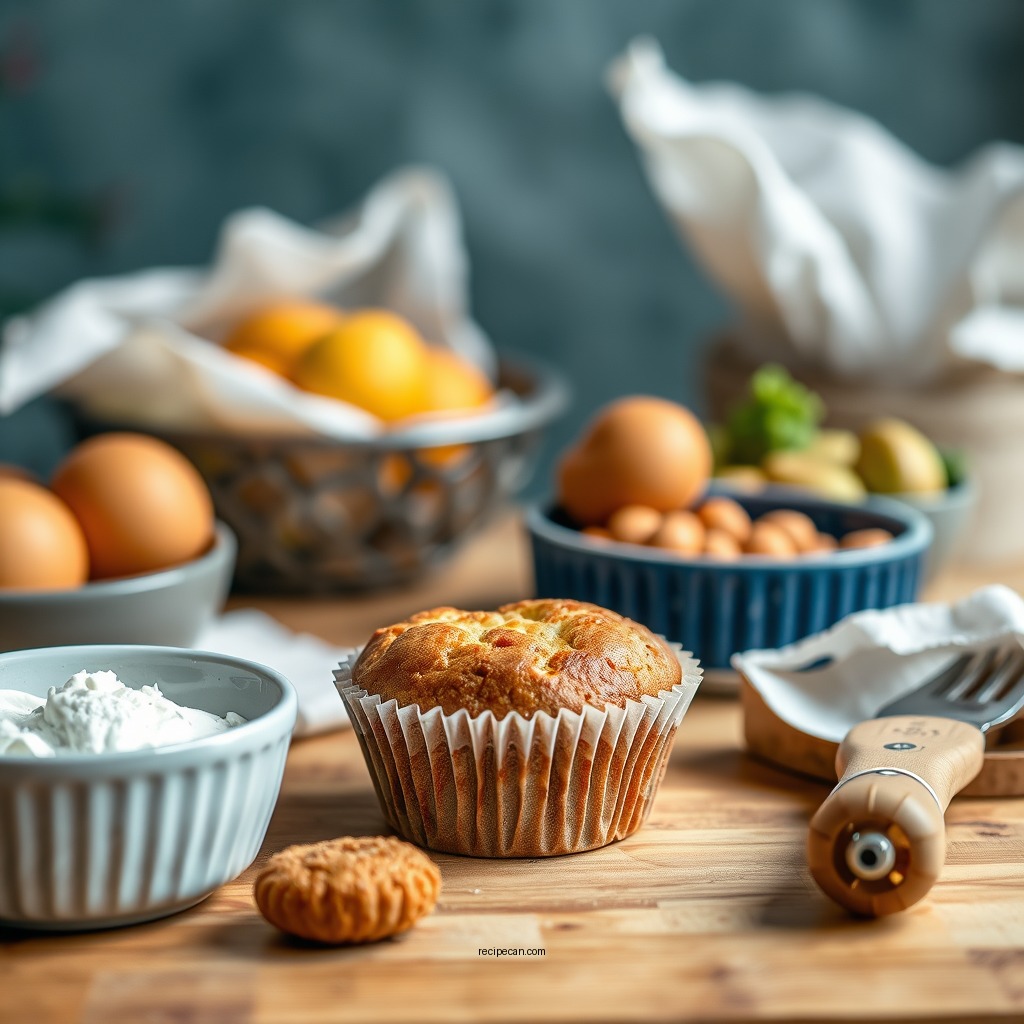
To create the perfect traditional British muffins, you will need the following ingredients:
– All-Purpose Flour: This is the main ingredient that forms the structure of the muffins. It provides the necessary gluten for a chewy texture.
– Baking Powder: This leavening agent is crucial for helping your muffins rise and achieve that fluffy texture.
– Salt: A small amount of salt enhances the flavors of the other ingredients, balancing the sweetness.
– Milk: Milk adds moisture and richness. Whole milk or semi-skimmed milk is recommended for the best flavor.
– Sugar: A touch of sugar will sweeten the muffins slightly without overpowering their natural taste.
– Butter: Melted butter adds flavor and moisture, contributing to the soft texture.
– Optional Add-Ins: You can personalize your muffins with various add-ins such as dried fruit (like raisins or currants), nuts, chocolate chips, or spices like cinnamon or nutmeg.
Preparation Steps
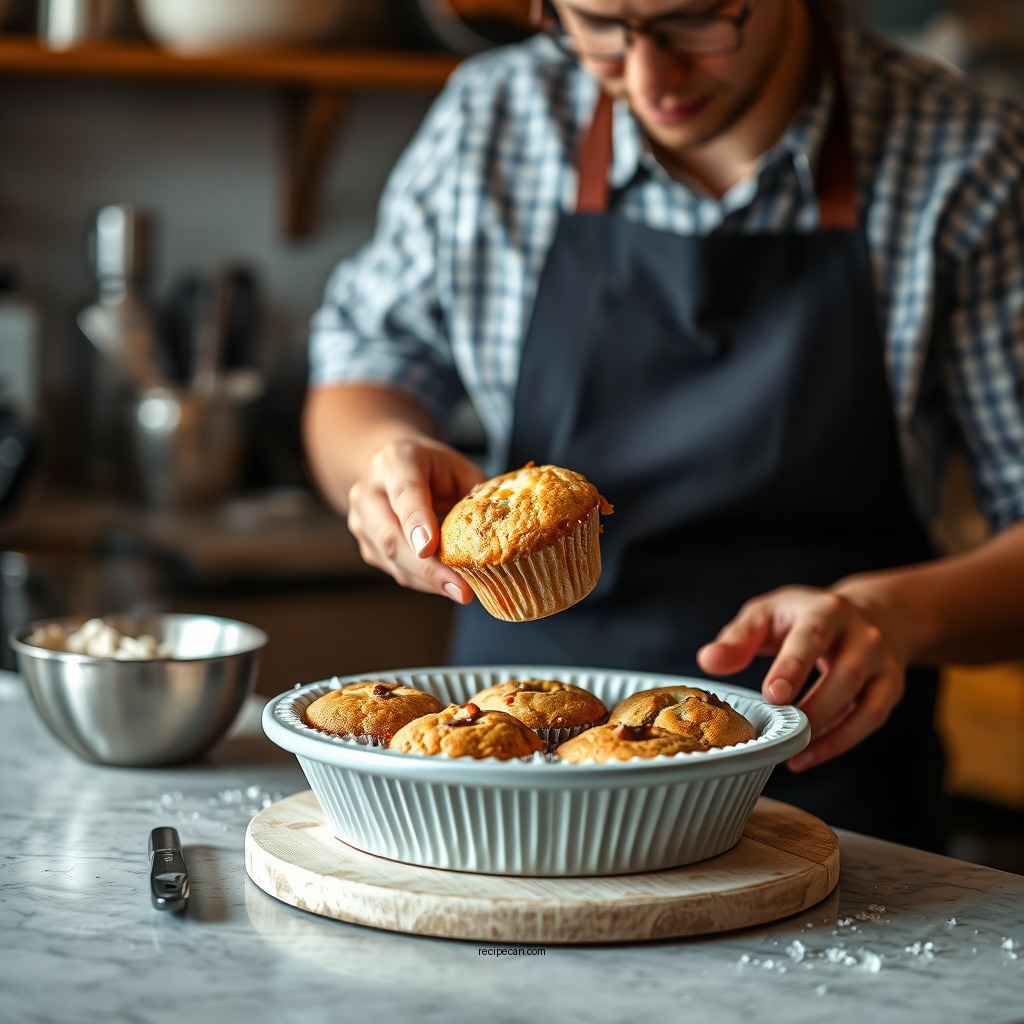
To begin your muffin-making journey, follow these preparation steps:
1. Preheat the Oven: Set your oven to 200°C (400°F) to ensure it reaches the right temperature for baking.
2. Prepare the Muffin Tin: Line your muffin tin with paper liners or grease it with butter or cooking spray to prevent sticking.
3. Mix Dry Ingredients: In a large bowl, combine the all-purpose flour, baking powder, and salt. This will ensure an even distribution of the leavening agent.
4. Mix Wet Ingredients: In another bowl, whisk together the milk, sugar, and melted butter. Make sure the butter has cooled slightly to avoid curdling the milk.
Mixing Techniques for Best Results
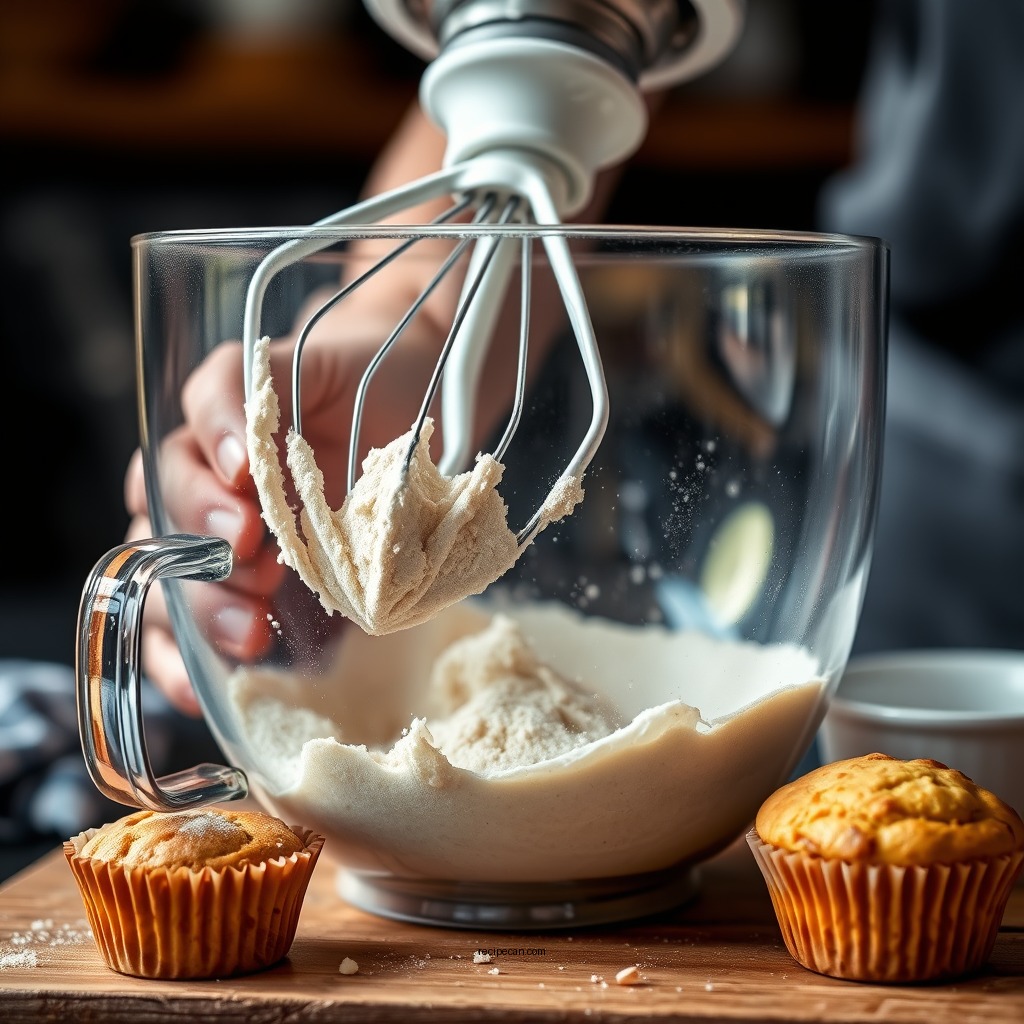
The mixing process is crucial for achieving the perfect muffin texture. Here are some techniques to follow:
– Gentle Combining: When you combine the wet and dry ingredients, do so gently. Overmixing can lead to tough muffins due to the development of gluten.
– Folding the Mixture: Use a spatula or wooden spoon to fold the wet ingredients into the dry ingredients. Mix until just combined; it’s okay if there are a few lumps left. This technique helps maintain a light and fluffy texture.
📋 Data
Nutritional Content of Traditional British Muffins (per muffin)
| # | Nutrient | Amount | % Daily Value |
|---|---|---|---|
| 1 | Calories | 150 | 8% |
| 2 | Total Fat | 6g | 9% |
| 3 | Sodium | 120mg | 5% |
| 4 | Total Carbohydrates | 22g | 8% |
| 5 | Dietary Fiber | 1g | 4% |
| 6 | Sugars | 4g | 4% |
| 7 | Protein | 3g | 6% |
📈 Chart
Flavor Add-Ins for British Muffins Preferences (%)
Baking Process
With the batter mixed, it’s time to bake your muffins:
1. Fill the Muffin Tin: Spoon the batter into the prepared muffin tin, filling each cup about two-thirds full. This allows space for the muffins to rise without overflowing.
2. Bake: Place the muffin tin in the preheated oven and bake for approximately 15-20 minutes, or until the tops are golden brown and a toothpick inserted into the center of a muffin comes out clean.
Cooling and Serving Suggestions
Once baked, allow the muffins to cool in the tin for about 5 minutes. This helps them set and makes it easier to remove them without breaking. After cooling slightly, transfer the muffins to a wire rack to cool completely.
For an authentic British experience, serve your muffins warm with a generous spread of butter, homemade jam, or clotted cream. Enjoy them alongside a cup of tea for a delightful afternoon treat.
Tips for Perfect Muffins
To ensure your muffins turn out perfectly every time, consider these helpful tips:
– Room Temperature Ingredients: Use ingredients that are at room temperature for better mixing and a more uniform batter.
– Experiment with Flavors: Don’t hesitate to add your twist! Integrate flavors such as lemon zest for a refreshing citrus note, or include chocolate chips for a decadent touch.
In addition, if you find yourself with leftover muffins, they freeze well. Simply wrap them individually in plastic wrap or foil and store them in an airtight container in the freezer. When you’re ready to enjoy them again, just pop them in the toaster or microwave for a quick treat.
By following this step-by-step guide, you will be well on your way to mastering the art of making traditional British muffins.
Embrace the rich culinary heritage of Britain by trying this recipe, and don’t forget to share your results with friends and family. Whether you enjoy them for breakfast, tea time, or as a snack, these muffins are sure to impress. Happy baking!
Frequently Asked Questions
What ingredients do I need for a classic British muffin recipe?
To make a classic British muffin, you will need all-purpose flour, baking powder, sugar, salt, milk, eggs, and butter. These simple ingredients come together to create a deliciously soft and fluffy muffin that is perfect for breakfast or a snack.
How do I ensure my British muffins rise properly?
To ensure your British muffins rise properly, it’s important to use fresh baking powder and not to overmix the batter. Gently fold the wet and dry ingredients together until just combined, leaving some lumps for the best texture. Additionally, preheating your oven to the correct temperature is crucial for achieving that perfect rise.
Why are British muffins different from American muffins?
British muffins, often referred to as “English muffins,” are flatter and have a doughy texture compared to the cake-like American muffins. They are typically split and toasted, making them ideal for toppings like butter, jam, or poached eggs, while American muffins are generally sweet and served as a standalone treat.
What is the best way to store homemade British muffins?
The best way to store homemade British muffins is to allow them to cool completely and then place them in an airtight container. You can keep them at room temperature for up to three days or freeze them for up to three months. If freezing, wrap each muffin individually to maintain freshness.
Which toppings pair best with British muffins?
British muffins are incredibly versatile and can be enjoyed with a variety of toppings. Some popular options include classic butter and jam, creamy avocado, or even a poached egg with hollandaise sauce for a delicious brunch. Experimenting with different spreads and toppings can elevate your muffin experience!
References
- Muffin
https://en.wikipedia.org/wiki/Muffin - https://www.bbc.co.uk/food/recipes/english_muffins_65757
https://www.bbc.co.uk/food/recipes/english_muffins_65757 - https://www.britannica.com/topic/muffin
https://www.britannica.com/topic/muffin - https://www.nytimes.com/2020/09/16/dining/baking-muffins.html
https://www.nytimes.com/2020/09/16/dining/baking-muffins.html - Google Scholar Google Scholar
https://scholar.google.com/scholar?q=british+muffin+recipe - Google Scholar Google Scholar
https://scholar.google.com/scholar?q=traditional+muffin+recipe - Google Scholar Google Scholar
https://scholar.google.com/scholar?q=history+of+muffins - https://www.theguardian.com/food/2020/mar/23/how-to-make-perfect-muffins
https://www.theguardian.com/food/2020/mar/23/how-to-make-perfect-muffins - https://pubmed.ncbi.nlm.nih.gov/24629435/
https://pubmed.ncbi.nlm.nih.gov/24629435/ - https://www.sciencedirect.com/topics/food-science/muffins
https://www.sciencedirect.com/topics/food-science/muffins