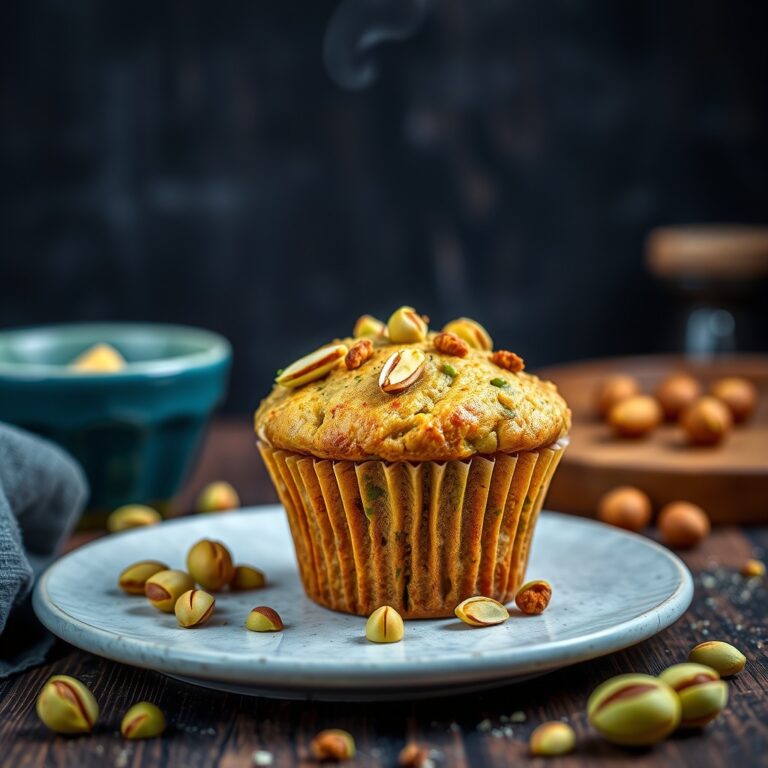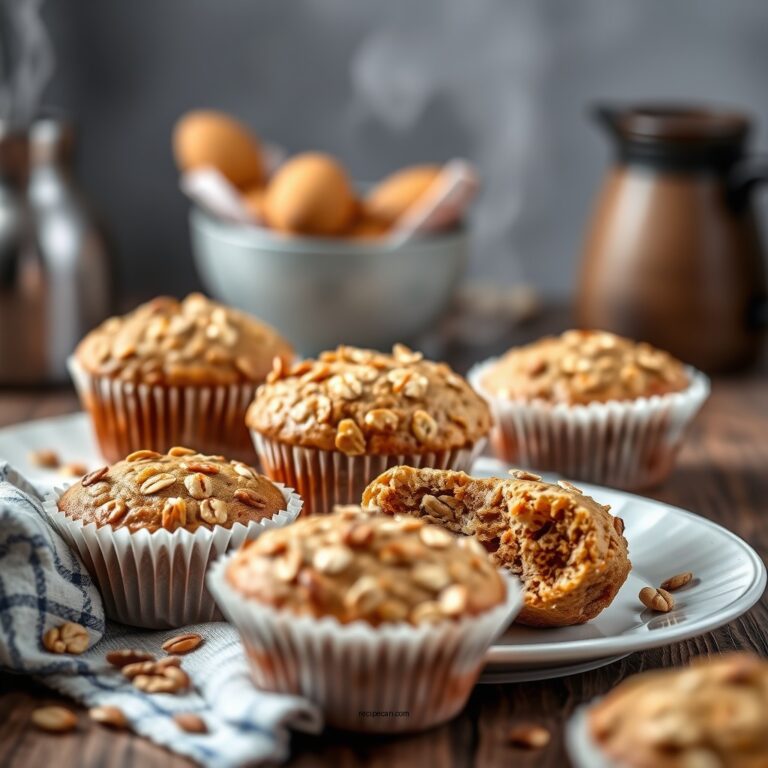
Sourdough muffins are a delightful way to enjoy the unique flavor and texture of sourdough in a portable format. In this article, you’ll discover a variety of sourdough muffin recipes that are easy to follow, perfect for breakfast, snacks, or even dessert. Whether you’re a baking novice or a seasoned pro, these recipes will inspire you to make your own delicious muffins at home.
Classic Sourdough Muffins
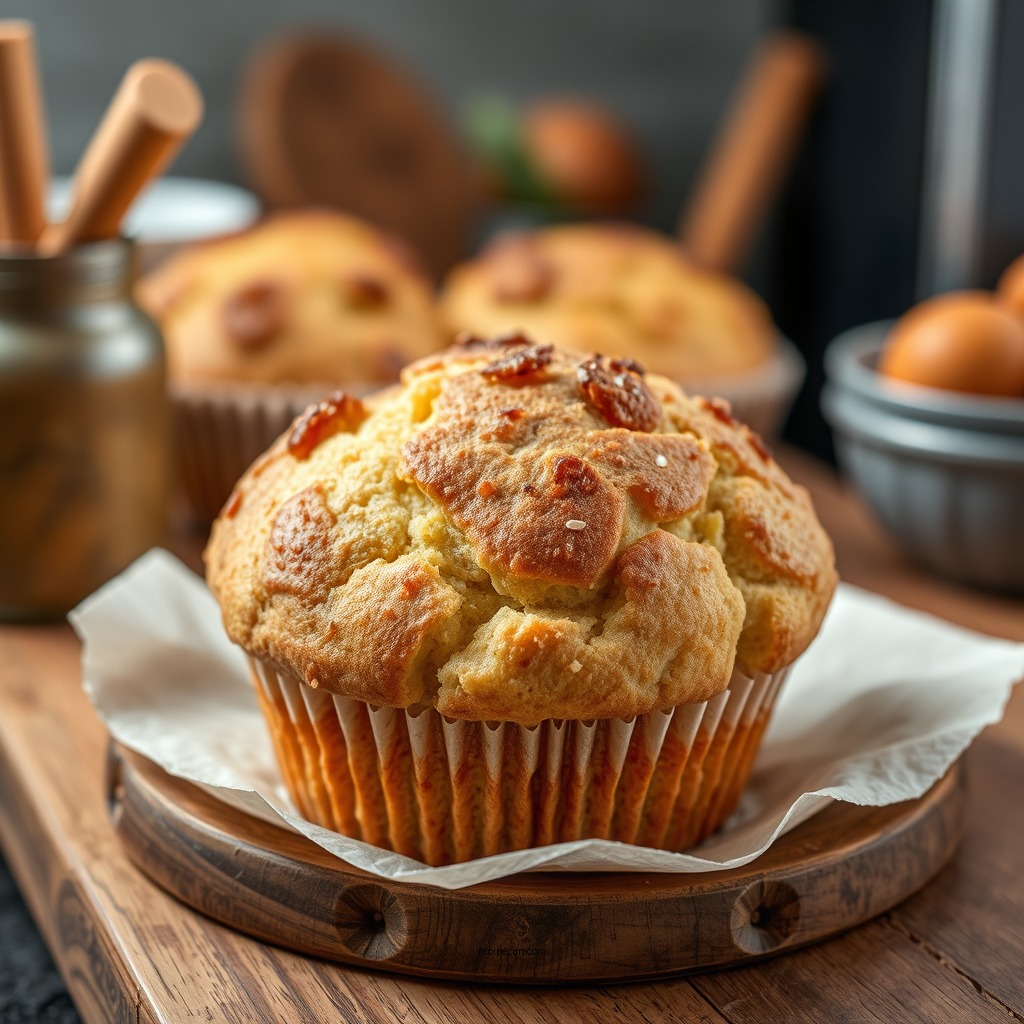
The foundation of any great sourdough muffin begins with a solid classic recipe. For a basic sourdough muffin, you will need ingredients such as all-purpose flour, sugar, baking powder, salt, eggs, milk, and, of course, a sourdough starter. The sourdough starter is essential as it provides the unique tangy flavor and helps achieve a fluffy texture.
To make these muffins, mix your dry ingredients in one bowl and your wet ingredients in another, then combine them gently to avoid overmixing. This method promotes a tender crumb structure. Bake at 375°F (190°C) for about 20-25 minutes or until they are golden brown and a toothpick inserted into the center comes out clean.
Tips for Achieving the Perfect Rise and Crumb Structure:
– Ensure your sourdough starter is active and bubbly before using it in the recipe.
– Do not overmix your batter; mix just until combined to foster a light texture.
– Allow your muffins to cool in the pan for a few minutes before transferring them to a wire rack.
Sweet Variations: Blueberry and Chocolate Chip

Sourdough muffins can be easily adapted to include sweet ingredients that enhance their flavor profile. Blueberry sourdough muffins are a popular variation that adds a refreshing twist. To make these, fold in fresh or frozen blueberries into the classic batter right before baking. The sweetness of the berries pairs beautifully with the tangy flavor of the sourdough.
Another favorite is chocolate chip sourdough muffins. Incorporating semi-sweet or dark chocolate chips can transform your muffins into a delightful treat. When adding chocolate chips, consider reducing the sugar slightly to balance the sweetness.
Balancing Sweetness:
– When using sweet ingredients like chocolate or fruit, reduce the sugar content in the base recipe.
– Experiment with different types of chocolate chips or add-ins like nuts for added texture.
Savory Sourdough Muffins: Cheese and Herbs

For those looking for a savory option, cheese and herb sourdough muffins are a fantastic choice. Adding ingredients like shredded cheese, fresh herbs, or even sun-dried tomatoes can create a unique appetizer or snack.
To make these muffins, mix in your choice of cheese, such as cheddar or feta, along with herbs like rosemary or thyme. The savory flavors complement the tanginess of the sourdough and create a delightful contrast.
Tips on Pairing Different Cheeses:
– Use aged cheeses for a stronger flavor profile.
– Combine multiple cheeses to create a more complex taste experience.
Gluten-Free Sourdough Muffins
Baking gluten-free sourdough muffins can be challenging, but it is entirely possible with the right modifications. Using gluten-free flours such as almond flour, coconut flour, or a gluten-free all-purpose blend can yield delicious results.
When adapting a classic recipe to gluten-free, it’s essential to add a binding agent like xanthan gum or psyllium husk to help the muffins hold together.
Maintaining the Sourdough Flavor:
– Incorporate a small amount of traditional sourdough starter along with gluten-free flour to maintain the signature taste.
– Let your batter rest after mixing to allow the gluten-free flours to absorb moisture fully.
Seasonal Sourdough Muffins: Pumpkin and Apple Cinnamon
Seasonal ingredients can elevate your sourdough muffins and make them perfect for specific occasions. In the fall, pumpkin muffins featuring pureed pumpkin and warm spices like cinnamon and nutmeg are a hit. These ingredients not only add flavor but also moisture to the muffins.Similarly, apple cinnamon sourdough muffins can be made by folding in diced apples and a sprinkle of cinnamon. Both variations provide a cozy and comforting flavor profile that’s ideal for autumn gatherings.
Suggestions for Complementary Spices:
– Cinnamon, nutmeg, and ginger work well with pumpkin.
– For apple muffins, consider adding a touch of vanilla extract for added depth.
Troubleshooting Common Sourdough Muffin Issues
Baking sourdough muffins can sometimes lead to common issues such as dense texture or lack of flavor. If your muffins are too dense, it may be a sign of overmixing or using too much flour. To solve this, measure your flour accurately and mix just until barely combined.
A lack of flavor can often result from using an inactive sourdough starter. Always ensure your starter is bubbly and active before incorporating it into your recipe to enhance the muffins’ taste.
Proper Fermentation and Baking Techniques:
– Allow the batter to rest for 15-30 minutes before baking for improved flavor development.
– Check your oven temperature with a thermometer to ensure accurate baking conditions.
Storing and Freezing Sourdough Muffins
To keep your sourdough muffins fresh and delicious, proper storage is essential. Store them in an airtight container at room temperature for up to three days. If you want to keep them for longer, freezing is a great option.
To freeze, allow the muffins to cool completely after baking, then individually wrap them in plastic wrap or foil and place them in a freezer-safe bag. When ready to enjoy, reheat the muffins in the oven or microwave without losing their quality.
Best Practices for Freezing:
– Label your freezer bags with the date and type of muffin for easy identification.
– Reheat frozen muffins in the oven at 350°F (175°C) for about 10-15 minutes for optimal texture.
Popular Sourdough Muffin Variations (2023)
| # | Muffin Type | Popularity (%) | Ease of Preparation |
|---|---|---|---|
| 1 | Classic Sourdough | 30% | Easy |
| 2 | Blueberry | 25% | Moderate |
| 3 | Chocolate Chip | 20% | Easy |
| 4 | Cheese & Herbs | 15% | Moderate |
| 5 | Pumpkin | 5% | Difficult |
| 6 | Apple Cinnamon | 5% | Difficult |
Sourdough Muffin Preferences by Flavor (2023)
Sourdough muffins are not only versatile but also a great way to use your sourdough starter creatively. With these recipes and tips, you can elevate your baking skills and impress friends and family with your homemade treats. Start experimenting today, and enjoy the delightful taste of sourdough muffins in your kitchen!
Frequently Asked Questions
What are the key ingredients for making sourdough muffins?
The key ingredients for sourdough muffins typically include active sourdough starter, all-purpose flour, sugar, baking soda, baking powder, salt, eggs, and milk or a dairy alternative. These ingredients work together to create a moist and flavorful muffin while allowing the natural leavening properties of the sourdough starter to shine through.
How do I make sourdough muffins rise properly?
To ensure your sourdough muffins rise properly, it’s crucial to use an active and bubbly sourdough starter. Additionally, incorporating baking powder and baking soda helps to provide extra leavening, particularly if your starter is not very strong. Allowing the batter to rest for about 15-30 minutes before baking can also enhance the texture and rise.
Why are my sourdough muffins dense and heavy?
Dense and heavy sourdough muffins can result from using a starter that isn’t active enough or not allowing the batter to rest. Additionally, overmixing the batter can develop gluten too much, leading to a chewy texture instead of a light and airy muffin. Always ensure you’re measuring ingredients accurately and mixing just until combined.
What are the best flavor combinations for sourdough muffins?
The best flavor combinations for sourdough muffins include classic options like blueberry and lemon, chocolate chip and banana, or apple cinnamon. You can also experiment with savory flavors, such as cheese and chive or sun-dried tomato and basil, to create unique muffins that highlight the tangy notes of sourdough.
Which baking methods work best for sourdough muffins: standard or convection?
While both standard and convection ovens can be used to bake sourdough muffins, convection ovens are often preferred because they promote even heat distribution, leading to a more uniform rise and browning. If using a standard oven, consider rotating the muffins halfway through baking to ensure they cook evenly.
References
- Sourdough
https://en.wikipedia.org/wiki/Sourdough - https://www.ncbi.nlm.nih.gov/pmc/articles/PMC6520917/
https://www.ncbi.nlm.nih.gov/pmc/articles/PMC6520917/ - https://www.sciencedirect.com/science/article/pii/S2212670817310494
https://www.sciencedirect.com/science/article/pii/S2212670817310494 - https://www.ncbi.nlm.nih.gov/pmc/articles/PMC5968912/
https://www.ncbi.nlm.nih.gov/pmc/articles/PMC5968912/ - https://www.bbc.com/food/recipes/sourdough_bread_24866
https://www.bbc.com/food/recipes/sourdough_bread_24866 - https://www.theguardian.com/food/2020/apr/04/how-to-make-sourdough-bread
https://www.theguardian.com/food/2020/apr/04/how-to-make-sourdough-bread - https://www.nytimes.com/2020/04/16/dining/sourdough-bread-recipe.html
https://www.nytimes.com/2020/04/16/dining/sourdough-bread-recipe.html - Google Scholar Google Scholar
https://scholar.google.com/scholar?q=sourdough+muffin+recipes - Google Scholar Google Scholar
https://scholar.google.com/scholar?q=sourdough+recipes - Google Scholar Google Scholar
https://scholar.google.com/scholar?q=sourdough+health+benefits