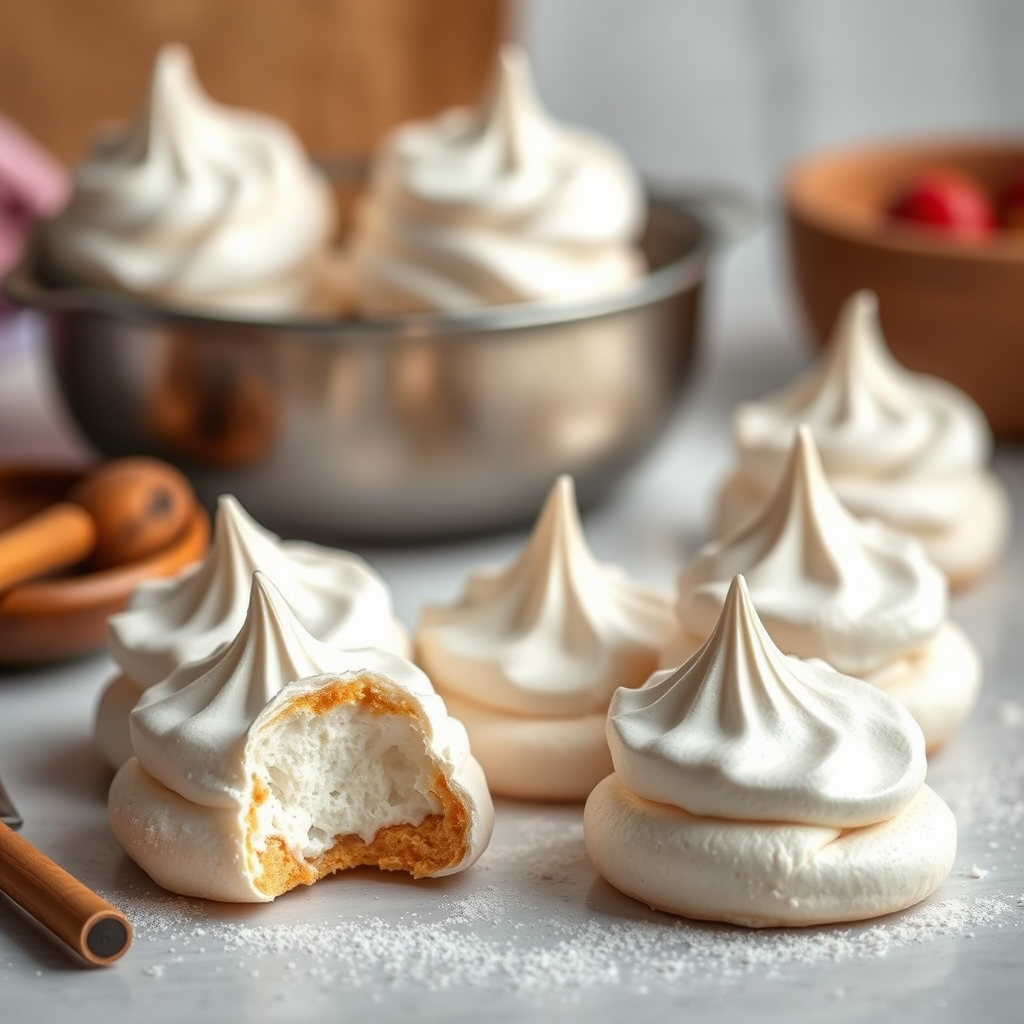
Meringue cookies are a delightful treat that can be easily made at home with just a few simple ingredients. These cookies are characterized by their light, airy texture and sweet flavor, making them an ideal dessert for any occasion. In this guide, you’ll learn how to whip up these delicious cookies, with tips for achieving the perfect texture and flavor that will impress your friends and family.
Ingredients Needed for Meringue Cookies
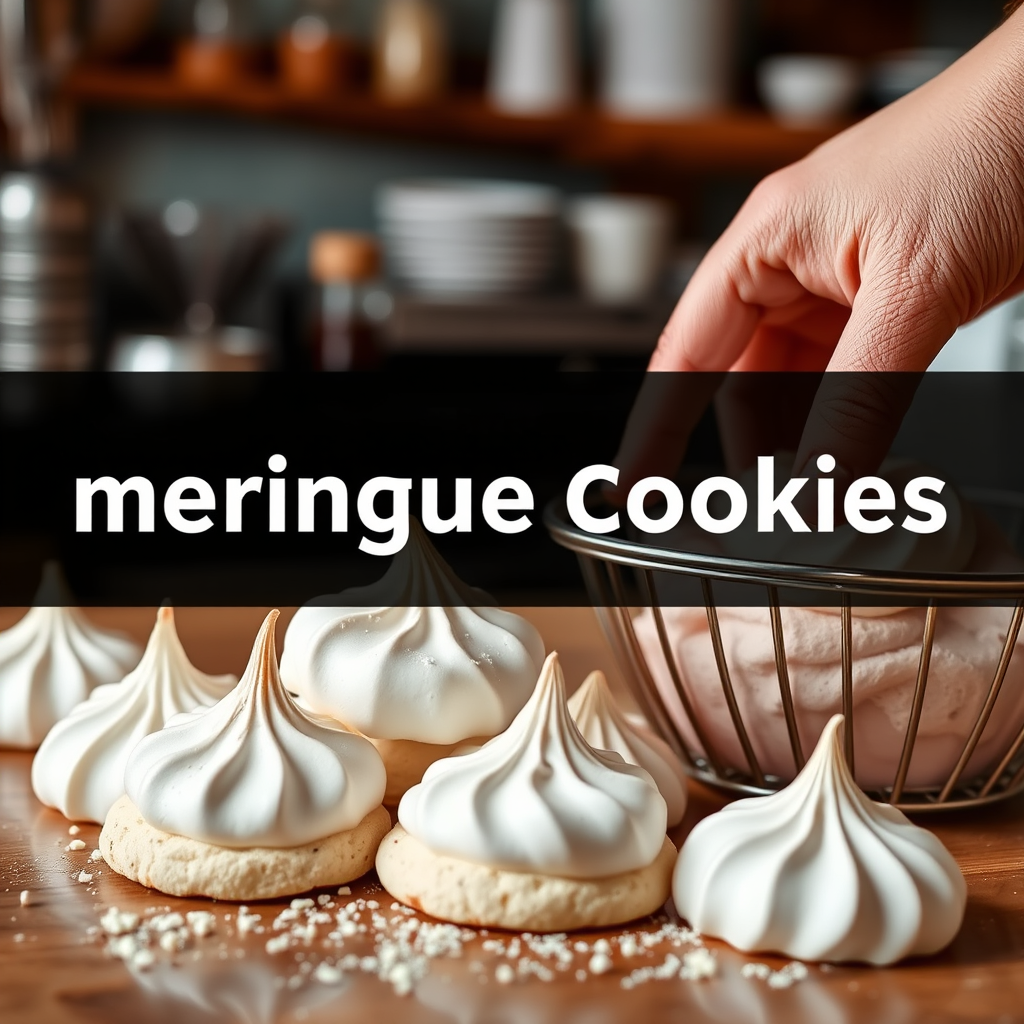
To create perfect meringue cookies, you will need the following essential ingredients:
– Egg whites: The backbone of meringue cookies, egg whites provide the structure and lightness that allows the cookies to rise and become airy. It’s essential to use fresh egg whites, as older ones may not whip properly.
– Granulated sugar: This ingredient not only sweetens the cookies but also stabilizes the meringue. Using superfine sugar can help it dissolve more quickly, leading to a smoother texture.
– Cream of tartar: A crucial stabilizer that helps the egg whites maintain their shape. It also prevents the egg whites from collapsing, ensuring that your meringue holds its structure throughout the baking process.
Step-by-Step Instructions
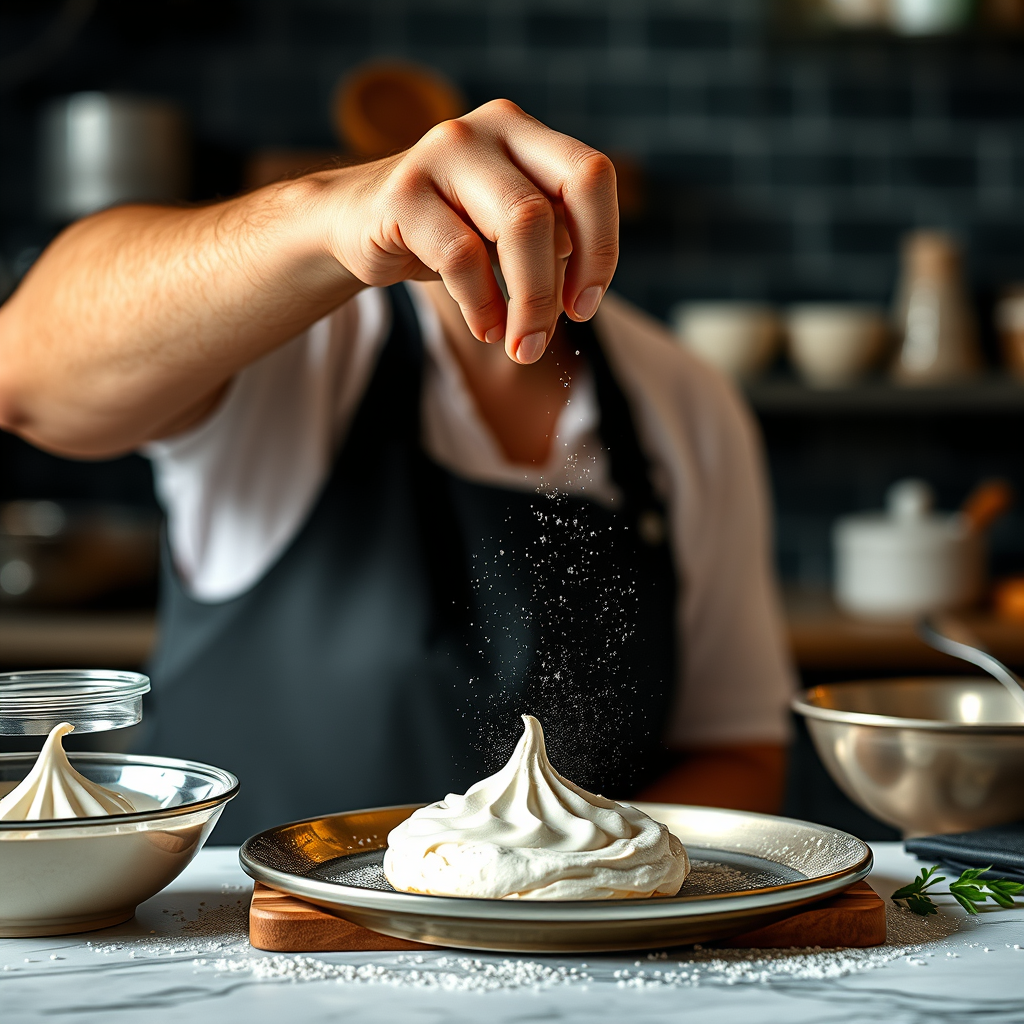
1. Preheat the oven: Set your oven to a low temperature, ideally around 200°F (93°C). A low baking temperature is key to drying out the meringues without browning them.
2. Whip the egg whites: In a clean mixing bowl, beat the egg whites with an electric mixer at medium speed. Once soft peaks form, gradually add the granulated sugar, one tablespoon at a time. Continue to beat until stiff peaks develop, indicating that the meringue is stable and glossy.
3. Pipe or spoon the meringue: Using a piping bag fitted with a star tip or simply a spoon, shape the meringue onto a parchment-lined baking sheet. For uniformity, you can use a stencil or template underneath the parchment paper to guide your shapes.
4. Bake the meringue cookies: Place the baking sheet in the preheated oven and bake for about 1.5 to 2 hours, depending on the size of your cookies. The meringues should be crisp and easily lift off the parchment paper when done.
5. Cool and store: Once baked, turn off the oven and leave the meringues inside to cool completely. This helps them dry out further, enhancing their crispness.
Meringue Cookie Ingredients Comparison (Per Batch)
| # | Ingredient | Amount | Purpose |
|---|---|---|---|
| 1 | Egg Whites | 3 | Structure |
| 2 | Granulated Sugar | 1 cup | Sweetness & Stability |
| 3 | Cream of Tartar | 1/4 tsp | Stabilizer |
| 4 | Vanilla Extract | 1 tsp | Flavor |
| 5 | Food Coloring | Optional | Aesthetic |
Baking Techniques for Perfect Meringue
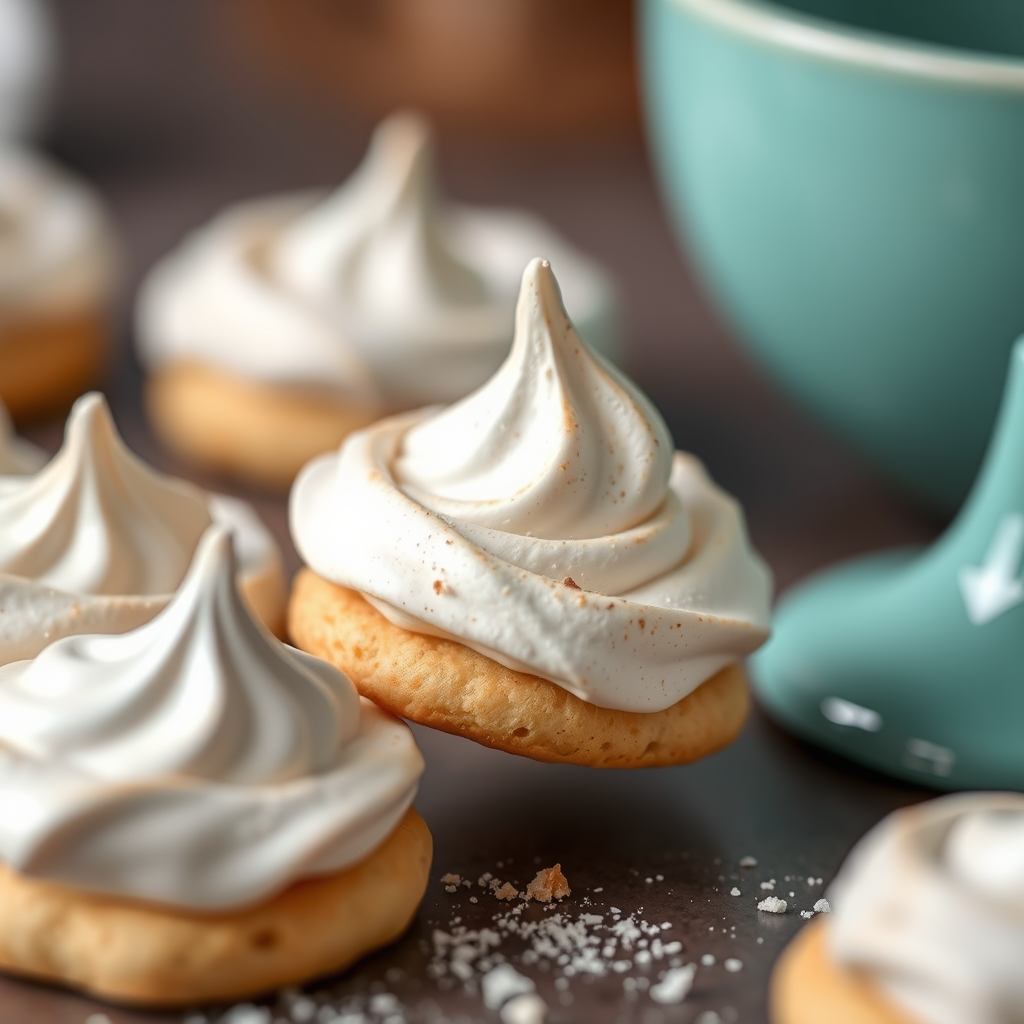
To ensure your meringue cookies come out perfectly every time, consider the following baking techniques:
– Low and slow baking: Baking meringues at a low temperature allows them to dry out properly without browning. The recommended baking time is usually between 1.5 to 2 hours, allowing for a gradual drying process.
– Avoid humidity: Meringue is highly sensitive to moisture, which can affect its ability to set correctly. It’s advisable to bake on a dry day, or at least ensure your kitchen environment is not too humid. If you live in a humid area, try using a dehumidifier or bake during a dry season.
Meringue Cookie Baking Techniques
Flavor Variations for Meringue Cookies
One of the exciting aspects of meringue cookies is their versatility. Here are some popular flavor variations to consider:
– Vanilla extract: A classic choice, adding a teaspoon of vanilla extract enhances the flavor profile without overwhelming the delicate meringue.
– Cocoa powder: For chocolate lovers, incorporating one to two tablespoons of unsweetened cocoa powder into the meringue can create a delightful chocolate twist.
– Zest of citrus fruits: Fresh lemon or orange zest can brighten up the meringue, adding a refreshing note that balances the sweetness.
– Nuts and spices: Consider folding in finely chopped nuts or spices such as cinnamon or cardamom for an added layer of flavor and texture.
Common Mistakes to Avoid
When making meringue cookies, it’s crucial to avoid these common pitfalls:
– Overbeating the egg whites: While it’s important to whip the egg whites to stiff peaks, overbeating can lead to a grainy texture, making the meringue less stable. Stop mixing as soon as stiff peaks form.
– Not using clean equipment: Ensure all mixing bowls and utensils are spotless and free from grease or moisture. Even a small amount of fat can prevent the egg whites from whipping properly.
– Baking at the wrong temperature: Baking at a high temperature can cause the meringues to brown instead of drying out, resulting in a chewy texture rather than the desired crispness.
Storage Tips for Meringue Cookies
Proper storage is vital for maintaining the quality of your meringue cookies:
– Keep them in an airtight container: Storing meringues in an airtight container helps preserve their crunchiness, preventing moisture from seeping in.
– Store in a cool, dry place: Avoid the refrigerator, as the humidity can make them soggy. Instead, opt for a cool, dry countertop or pantry.
In conclusion, meringue cookies are a simple yet impressive sweet treat that anyone can master with the right techniques and ingredients. By following the steps outlined in this guide, you’ll be able to create light, airy cookies that melt in your mouth. Don’t hesitate to experiment with different flavors and techniques, and remember to share your delightful creations with friends and family!
Frequently Asked Questions
What ingredients do I need for a basic meringue cookie recipe?
To make a basic meringue cookie recipe, you will need just three main ingredients: egg whites, granulated sugar, and cream of tartar. The egg whites should be at room temperature for better volume, while the sugar must be added gradually to ensure a smooth and glossy texture.
How do I achieve the perfect texture for meringue cookies?
Achieving the perfect texture for meringue cookies requires careful attention to the whipping process. Whip the egg whites until they form soft peaks, then gradually add sugar until you reach stiff peaks. Baking at a low temperature allows the cookies to dry out rather than brown, ensuring a light and crisp texture.
Why did my meringue cookies turn out chewy instead of crispy?
Chewy meringue cookies can result from underbaking or using humid egg whites, which prevent proper drying. Ensure your meringues are baked long enough at a low temperature and allow them to cool completely in the oven to achieve that desired crispy texture.
What are the best flavoring options for meringue cookies?
The best flavoring options for meringue cookies include vanilla extract, almond extract, or citrus zests like lemon or orange for a refreshing twist. Adding a pinch of cocoa powder or food coloring can also enhance the visual appeal and taste of your meringue cookies.
Which common mistakes should I avoid when making meringue cookies?
Common mistakes to avoid when making meringue cookies include using greasy mixing bowls or utensils, which can prevent egg whites from whipping properly. Additionally, avoid adding sugar too quickly and ensure that no yolk is mixed with the egg whites, as fat can hinder the meringue’s ability to rise.
References
- Meringue
https://en.wikipedia.org/wiki/Meringue - https://www.bbc.co.uk/food/recipes/meringues_10218
https://www.bbc.co.uk/food/recipes/meringues_10218 - https://www.nytimes.com/2020/12/02/dining/meringue-recipe.html
https://www.nytimes.com/2020/12/02/dining/meringue-recipe.html - https://www.sciencedirect.com/topics/food-science/meringue
https://www.sciencedirect.com/topics/food-science/meringue - Meringue | Definition & Ingredients | Britannica
https://www.britannica.com/topic/meringue - https://www.ncbi.nlm.nih.gov/pmc/articles/PMC5646851/
https://www.ncbi.nlm.nih.gov/pmc/articles/PMC5646851/ - Google Scholar Google Scholar
https://scholar.google.com/scholar?q=meringue+cookie+recipe - Google Scholar Google Scholar
https://scholar.google.com/scholar?q=meringue+recipes - Google Scholar Google Scholar
https://scholar.google.com/scholar?q=how+to+make+meringue+cookies - https://www.cdc.gov/foodsafety/communication/meringue.html
https://www.cdc.gov/foodsafety/communication/meringue.html