Creating royal icing with cream of tartar is a simple process that results in a smooth, stable icing perfect for decorating cookies and cakes. This versatile icing can be utilized for intricate designs, flooding larger areas, or simply adding a delightful sheen to your baked goods. In this article, you’ll learn the essential ingredients, step-by-step instructions, and tips to perfect your royal icing, ensuring your baked goods look professional and taste delicious.
Ingredients You’ll Need
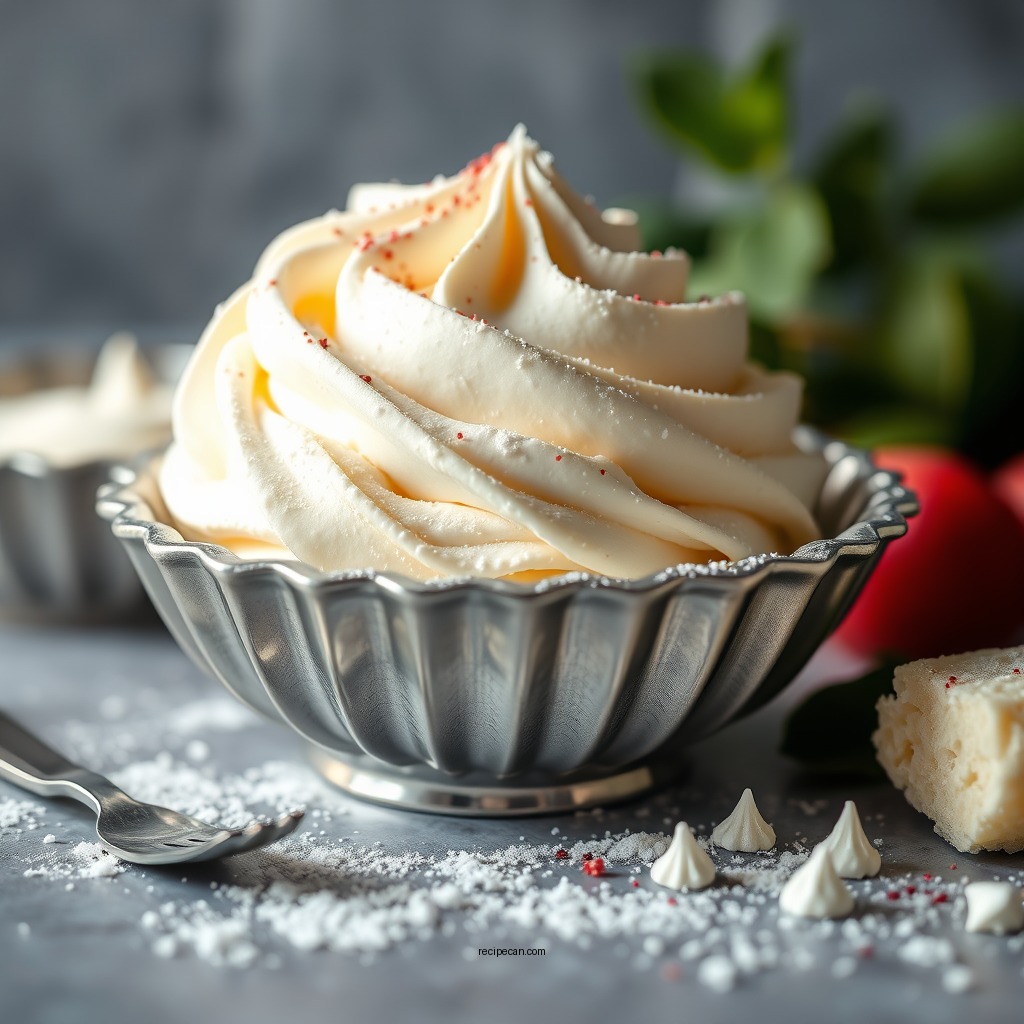
To create a perfect royal icing, there are three essential ingredients you must gather:
– Powdered sugar: This is the main ingredient in royal icing, providing sweetness and structure. It’s crucial to use finely sifted powdered sugar to achieve a smooth consistency that is easy to work with.
– Egg whites or meringue powder: These ingredients serve as the base for your icing. Egg whites provide natural stability, while meringue powder is a convenient alternative that is shelf-stable and also enhances the icing’s consistency.
– Cream of tartar: This ingredient plays a vital role in stabilizing the icing and preventing the sugar from crystallizing. It helps to maintain the icing’s texture and ensures that your designs hold their shape.
Step-by-Step Instructions
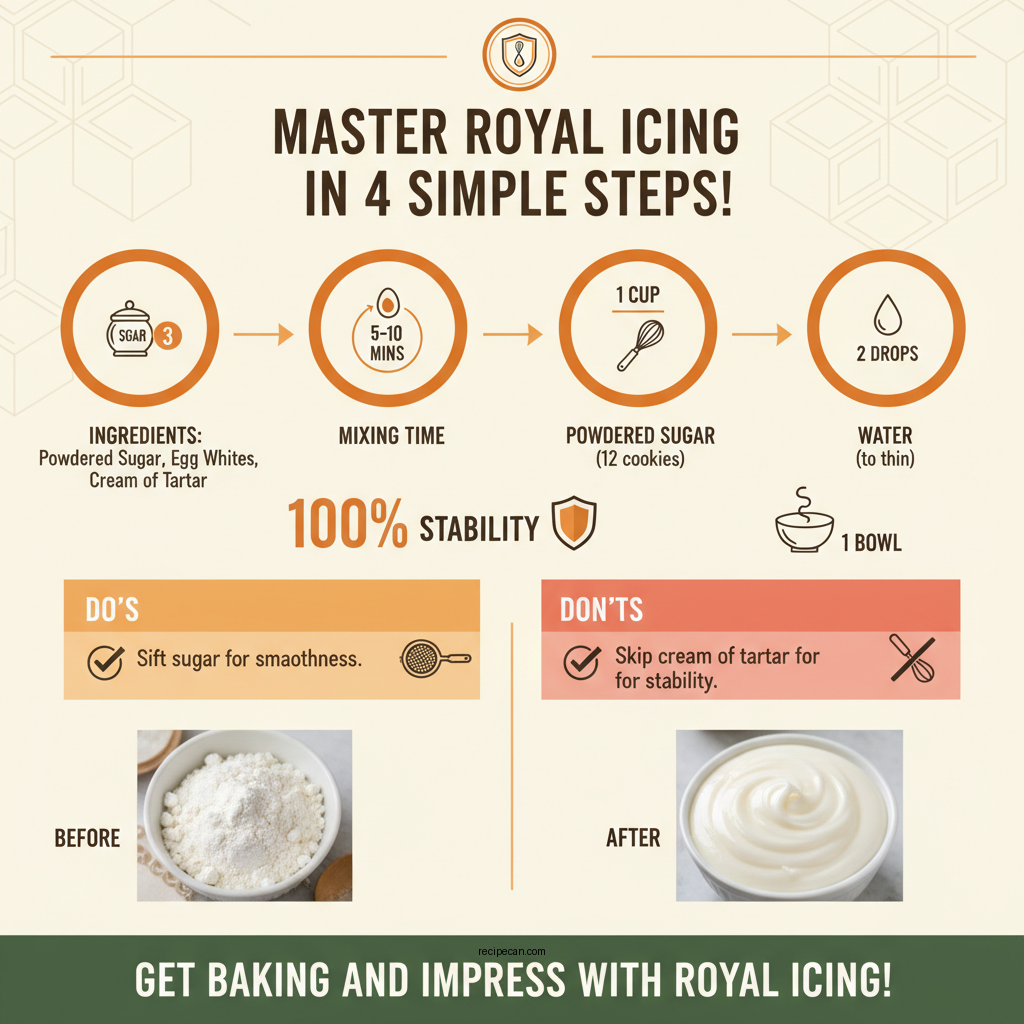

Creating royal icing is straightforward if you follow these steps:
1. Sift the powdered sugar: Begin by sifting the powdered sugar into a mixing bowl. This step is essential to eliminate lumps and ensure a smooth texture, which is crucial for effective piping and flooding.
2. Prepare the egg whites or meringue powder: If using egg whites, separate them from the yolks and place them in a clean, dry mixing bowl. If using meringue powder, rehydrate it by mixing the recommended amount with water according to the package instructions. Add a small amount of cream of tartar into the mixture at this stage.
3. Combine ingredients: Gradually add the sifted powdered sugar to the egg whites or rehydrated meringue powder. Use a hand mixer or stand mixer set on medium speed to blend the ingredients. Mix until the icing reaches the desired consistency, typically around 5-10 minutes.
4. Adjust consistency: The icing should be smooth and glossy. If it appears too thick, add a few drops of water; if too thin, add more powdered sugar until you reach the right consistency.
Achieving the Right Consistency
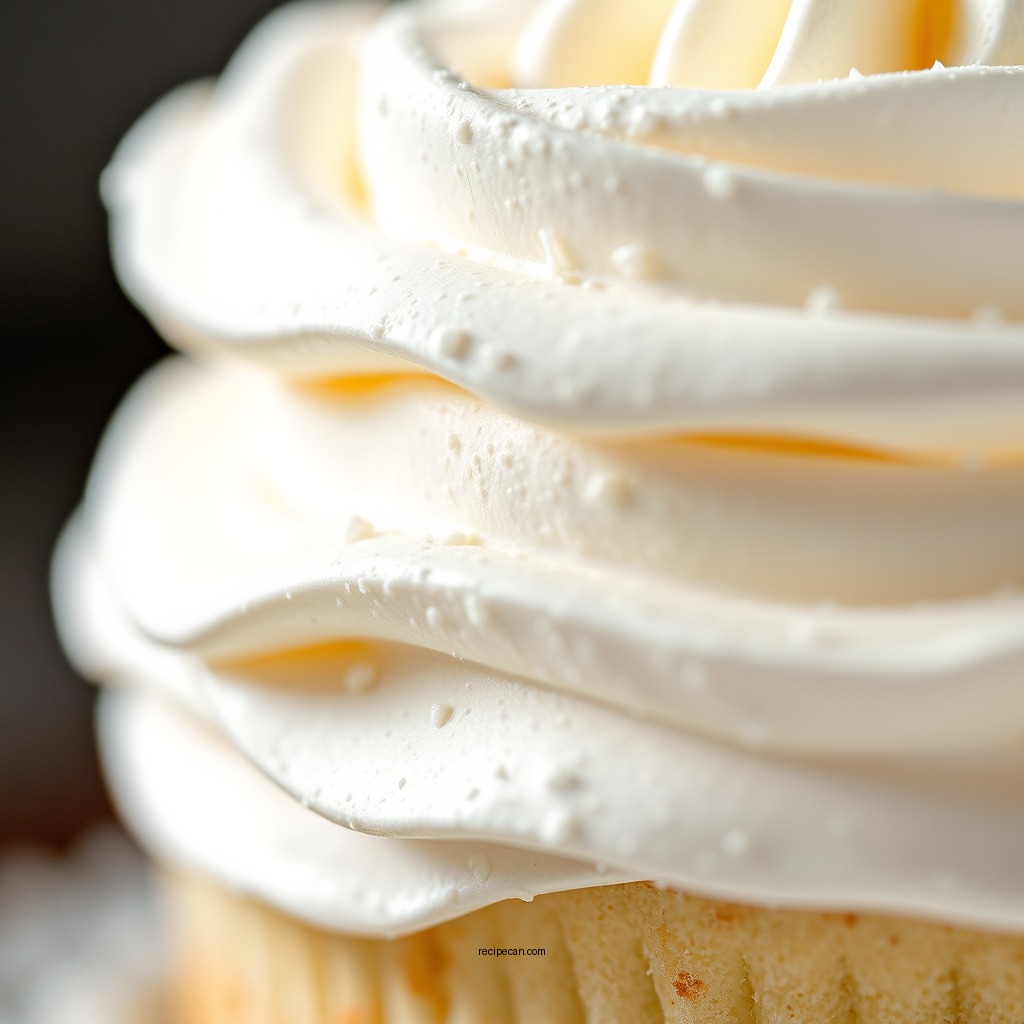
The consistency of royal icing is critical to ensure it performs well for different decorating techniques. Here’s a breakdown:
– For outlining: Aim for a stiff consistency that holds its shape. You can test this by lifting the mixer; the icing should form stiff peaks.
– For flooding: To achieve a consistency suitable for flooding, add a little water to thin the icing until it flows smoothly but still holds its form. A good test is the “10-second rule”—when you drizzle the icing, it should disappear into the surface of the icing within about 10 seconds.
Tips for Perfect Royal Icing
To achieve the best results with royal icing, consider the following tips:
– Use room temperature ingredients: This helps create a more stable mixture and enhances the overall texture of the icing.
– Avoid grease or oil: Ensure your mixing bowl and utensils are free of any grease or oil, as these can hinder the whipping process and affect the stability of your icing.
– Cover the icing: When not in use, cover the icing with a damp cloth or plastic wrap to prevent it from drying out. Royal icing dries quickly, so it’s best to work in small batches if possible.
Common Mistakes to Avoid
Even seasoned bakers can make errors when preparing royal icing. Here are some common mistakes to watch out for:
– Overmixing: Mixing the icing too long can incorporate air bubbles, resulting in a less smooth finish. Mix just until combined and avoid excessive whipping.
– Insufficient cream of tartar: Not using enough cream of tartar can lead to a less stable icing that may not hold its shape well during decorating.
– Skipping the sifting step: Failing to sift the powdered sugar can cause uneven textures, making it harder to achieve smooth outlines and flooding.
Decorating Techniques with Royal Icing
Once you have your royal icing ready, you can explore various decorating techniques:
– Piping: Use a piping bag fitted with a fine tip to create intricate designs and outlines on cookies or cakes. This method is perfect for adding fine details and embellishments.
– Flooding: After outlining your design, use a thinned version of the royal icing to fill in larger areas. This technique creates a smooth, glossy finish and allows for creative color blending.
– Marbling: To create beautiful patterns, drizzle different colors of royal icing over a base layer and use a toothpick or skewer to swirl the colors together. This technique adds a stunning visual effect to your decorations.
Top Brands of Royal Icing Ingredients (2024)
| # | Brand | Type | Stability | Popularity |
|---|---|---|---|---|
| 1 | Wilton | Powdered Sugar | High | ★★★★☆ |
| 2 | Duncan Hines | Meringue Powder | Medium | ★★★★☆ |
| 3 | Chefmaster | Liquid Food Color | High | ★★★★☆ |
| 4 | Royal Icing Co. | Royal Icing Mix | High | ★★★☆☆ |
| 5 | Pillsbury | Powdered Sugar | Medium | ★★★★☆ |
| 6 | Kraft | Meringue Powder | High | ★★★★☆ |
| 7 | Betty Crocker | Powdered Sugar | Medium | ★★★★☆ |
Storage and Shelf Life
Proper storage of royal icing is essential to maintain its quality for future use. Here are some guidelines:
– Store in an airtight container: If you have leftover royal icing, transfer it to an airtight container to keep it fresh. Make sure to press a piece of plastic wrap directly against the surface of the icing to prevent air exposure, which can cause it to dry out.
– Shelf life: Royal icing can last up to a week at room temperature. However, if you want to store it for a longer duration, you can refrigerate it. When refrigerated, it can last for up to a month, but be sure to bring it back to room temperature and re-whip it before using again.
To master royal icing using cream of tartar, follow these guidelines for the perfect texture and stability. With practice, you’ll be able to create stunning designs that elevate your baking projects. Don’t hesitate to experiment with colors and techniques to make your creations truly unique!
Royal Icing Popularity by Technique (2024)
By following these detailed instructions and tips, you can perfect your royal icing technique. Whether you’re creating custom cookies for a special occasion or simply experimenting with cake decoration, mastering this skill will elevate your baking to an impressive level.
Frequently Asked Questions
What is the role of cream of tartar in royal icing?
Cream of tartar is an acid that stabilizes egg whites when making royal icing, helping to achieve a smooth, glossy finish. It prevents the sugar from crystallizing and contributes to the overall texture, ensuring your royal icing dries firm and holds its shape well for decorating cookies and cakes.
How do I make royal icing with cream of tartar?
To make royal icing with cream of tartar, combine 2 egg whites, 1 teaspoon of cream of tartar, and 3-4 cups of powdered sugar in a mixing bowl. Beat the mixture on medium speed until stiff peaks form, ensuring the icing is thick enough to hold its shape for piping and decorating.
Why is my royal icing not drying properly when using cream of tartar?
If your royal icing isn’t drying properly, it may be due to too much moisture in the environment or an incorrect ratio of ingredients. Ensure that you’re using the right amount of powdered sugar and egg whites, and consider allowing the icing to dry in a cool, dry place to achieve the best results.
What is the best way to store royal icing made with cream of tartar?
The best way to store royal icing made with cream of tartar is in an airtight container at room temperature if you plan to use it within a few days. For longer storage, you can refrigerate it, but be sure to rewhip it before use, as the icing may separate or become too thick in the fridge.
Which types of cookies are best suited for decorating with royal icing containing cream of tartar?
Royal icing containing cream of tartar is ideal for decorating sugar cookies, gingerbread cookies, and any other types of cookies that require intricate designs and a firm finish. The stability provided by cream of tartar allows for detailed piping and flooding techniques, making it a favorite choice for festive cookie decorating.
References
- Royal icing
https://en.wikipedia.org/wiki/Royal_icing - https://www.britannica.com/topic/royal-icing
https://www.britannica.com/topic/royal-icing - https://www.ncbi.nlm.nih.gov/pmc/articles/PMC4997403/
https://www.ncbi.nlm.nih.gov/pmc/articles/PMC4997403/ - https://www.sciencedirect.com/topics/food-science/cream-of-tartar
https://www.sciencedirect.com/topics/food-science/cream-of-tartar - https://www.healthline.com/nutrition/what-is-cream-of-tartar
https://www.healthline.com/nutrition/what-is-cream-of-tartar - https://pubmed.ncbi.nlm.nih.gov/?term=royal+icing+cream+of+tartar
https://pubmed.ncbi.nlm.nih.gov/?term=royal+icing+cream+of+tartar - https://www.cdc.gov/nutrition/resources-publications/food-safety.html
https://www.cdc.gov/nutrition/resources-publications/food-safety.html - Google Scholar Google Scholar
https://scholar.google.com/scholar?q=royal+icing+recipe+cream+of+tartar - Google Scholar Google Scholar
https://scholar.google.com/scholar?q=cream+of+tartar+usage+in+baking - Google Scholar Google Scholar
https://scholar.google.com/scholar?q=royal+icing+composition+and+properties