
Crafting a healthy coffee creamer recipe safely is essential for anyone looking to enhance their daily brew without compromising their well-being. This complete guide offers step-by-step instructions, ingredient recommendations, and safety protocols to ensure your homemade creamer is both nutritious and delicious. Following these guidelines will help you avoid common pitfalls and create a satisfying addition to your coffee routine. Elevate your mornings with a creamer that aligns with your health goals.
What This Guide Covers (And What It Doesn’t)
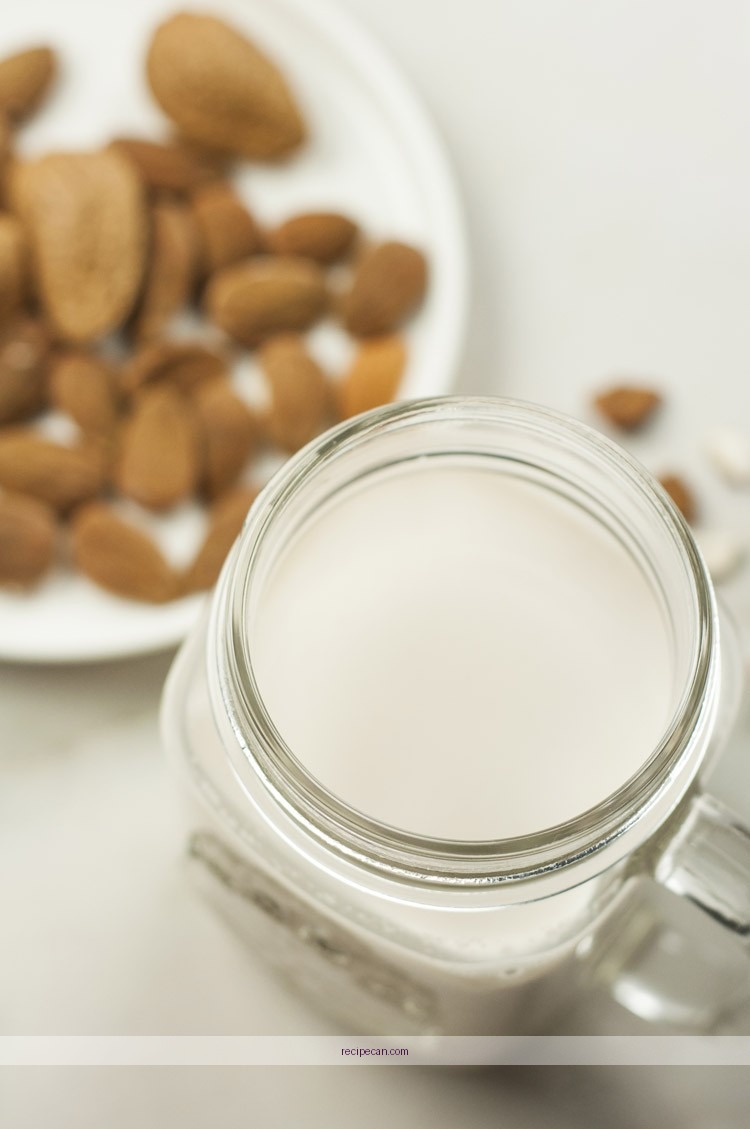
This guide offers a comprehensive, step-by-step approach to creating a healthy coffee creamer recipe that emphasizes natural ingredients. These ingredients not only enhance flavor but also promote overall health. Tailored to various dietary needs, including dairy-free, low-calorie, and sugar-free options, this guide empowers readers to customize their creamer to suit their lifestyles. While it presents multiple recipes and variations, it intentionally omits discussions of commercial coffee creamers, which often contain preservatives and artificial components that undermine their health benefits.
Who Should Read This
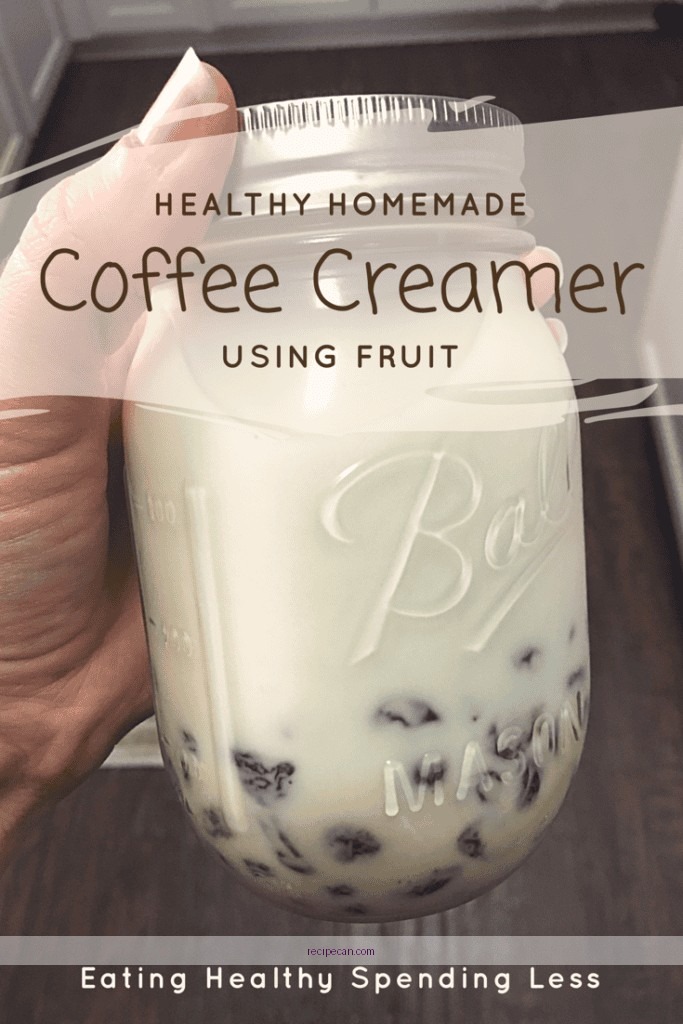
Designed for health-conscious coffee enthusiasts, this guide helps you elevate your daily brew without sacrificing your dietary goals or overall well-being. It is particularly beneficial for individuals with specific dietary restrictions, such as lactose intolerance or those adhering to ketogenic or paleo diets, who are searching for healthier alternatives to store-bought creamers. A basic understanding of cooking and ingredient substitution is recommended, as familiarity with kitchen tools and common culinary techniques will enhance your experience.
The Step-by-Step Protocol
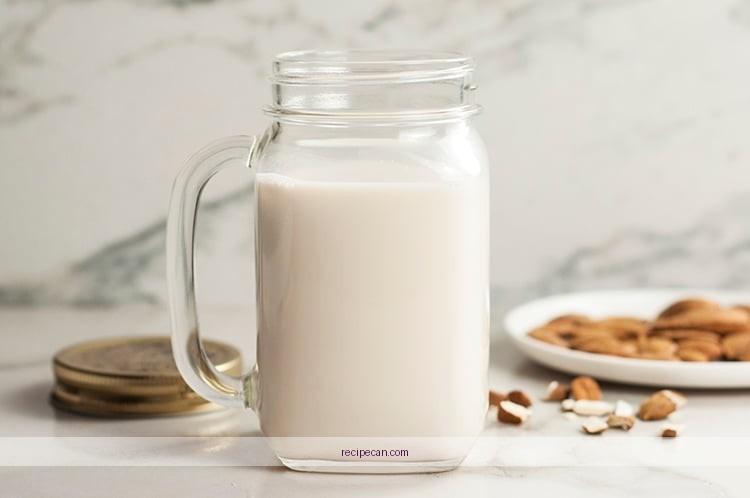
1. Gather Ingredients: Start with 1 cup of unsweetened almond milk, 1 tablespoon of coconut oil, and optional flavorings such as 1 teaspoon of vanilla extract or 1 tablespoon of cocoa powder. Ensure all ingredients are fresh to maximize flavor and health benefits.
2. Blend the Mixture: Pour the gathered ingredients into a high-speed blender. Blend on high for 30-60 seconds until the mixture is smooth and emulsified. This process enhances creaminess and ensures that flavors are well integrated.
3. Taste and Adjust: After blending, taste the creamer. If you prefer a sweeter flavor, adjust the sweetness with stevia or maple syrup, adding in 1 teaspoon increments until your desired taste is achieved. This step is crucial, as it personalizes the creamer to fit your preferences.
4. Store Properly: Pour the finished creamer into an airtight container and refrigerate. It is best used within 7 days. Shake well before each use to maintain texture and flavor, as separation may occur over time.
Nutritional Comparison of Common Coffee Creamer Ingredients (Per 1 Tablespoon)
| # | Ingredient | Calories | Fat (g) | Sugar (g) | Protein (g) |
|---|---|---|---|---|---|
| 1 | Unsweetened Almond Milk | 3 | 0.3 | 0 | 1 |
| 2 | Coconut Oil | 117 | 13.5 | 0 | 0 |
| 3 | Vanilla Extract | 12 | 0 | 0.5 | 0 |
| 4 | Cocoa Powder | 12 | 0.5 | 0.3 | 1 |
| 5 | Stevia (1 tsp) | 0 | 0 | 0 | 0 |
| 6 | Maple Syrup (1 tsp) | 17 | 0 | 4.5 | 0 |
| 7 | Oat Milk | 10 | 0.5 | 1 | 0.3 |
Warning Signs: When Not to Follow This

Certain precautions are necessary when crafting your coffee creamer. Individuals with nut allergies should avoid almond milk and consider alternative bases like oat or hemp milk to prevent allergic reactions. Additionally, those sensitive to fats should be cautious with coconut oil, as consuming high levels of saturated fat may lead to digestive discomfort or health issues. If you have a medical condition requiring strict dietary control, such as diabetes, be mindful of ingredient choices and portion sizes to avoid blood sugar spikes.
The Most Common Mistakes (And Their Consequences)
Many people overlook the importance of thoroughly blending the ingredients, which can result in an uneven texture that separates when added to coffee. This not only diminishes visual appeal but can also create an unpleasant drinking experience. Over-sweetening is another frequent misstep; using too much sweetener can transform a healthy creamer into a sugary indulgence, negating its health benefits and potentially causing energy crashes later in the day. Moreover, improper storage can lead to spoilage. Neglecting to use an airtight container or exceeding the 7-day storage limit may result in foodborne illnesses due to harmful bacteria growth.
Special Cases That Need a Different Approach
For those following a vegan diet, substitute honey with agave syrup or maple syrup to keep the creamer plant-based. If you’re preparing a creamer for children or those with different taste preferences, consider reducing the amount of flavorings and sweeteners to cater to milder palates, as kids may prefer a simpler flavor profile. Individuals seeking a low-calorie option can replace coconut oil with unsweetened coconut milk or cashew milk, which provides creaminess without the added calories, maintaining a satisfying texture while reducing caloric intake.
When You Need a Professional
If you have specific health concerns or conditions, such as heart disease or metabolic disorders, consult a registered dietitian for tailored dietary advice beyond general recommendations. Additionally, if you’re unsure about substituting ingredients due to allergies or intolerances, seeking guidance from a healthcare provider can help ensure safety and nutritional balance. Finally, when experiencing adverse reactions after consuming homemade creamers, such as gastrointestinal discomfort, it is essential to seek professional evaluation to identify any underlying issues.
Sources and Further Reading
– “The Health Benefits of Coconut Oil” by the American Journal of Clinical Nutrition for insights on the nutritional profile of coconut oil.
– “Dietary Approaches to Stop Hypertension (DASH)” by the National Heart, Lung, and Blood Institute for guidelines on healthy dietary fats.
– “Almond Milk: Nutrition and Health Benefits” by the Journal of Food Science for detailed information on the health effects of almond milk in diets.
Frequently Asked Questions
What are some healthy coffee creamer recipe options for weight loss?
Healthy coffee creamer recipes for weight loss often include ingredients like almond milk, coconut milk, or unsweetened oat milk. You can enhance the flavor with natural sweeteners like stevia or monk fruit, and add spices such as cinnamon or vanilla extract for an extra kick without added calories.
How can I make a dairy-free coffee creamer at home?
To create a dairy-free coffee creamer, blend together soaked cashews or almonds with water, vanilla extract, and a sweetener of your choice. This creamy mixture can be adjusted to your desired consistency and flavor, making it a versatile and healthy alternative to traditional creamers.
Why should I consider using a homemade healthy coffee creamer instead of store-bought?
Homemade healthy coffee creamers allow you to control the ingredients, reducing unnecessary sugars, preservatives, and unhealthy fats commonly found in store-bought options. By making your own, you can tailor the flavor and nutritional profile to fit your dietary needs, ensuring a healthier coffee experience.
What is the best natural sweetener to use in a healthy coffee creamer recipe?
The best natural sweetener for a healthy coffee creamer recipe is often considered to be monk fruit or stevia, as they provide sweetness without adding calories. These options are low-glycemic and can help maintain stable blood sugar levels, making them ideal for health-conscious individuals.
Which ingredients can I add to boost the nutritional value of my coffee creamer?
You can boost the nutritional value of your coffee creamer by adding ingredients like collagen peptides for protein, coconut oil for healthy fats, or nut butters for added creaminess and nutrients. Additionally, incorporating superfoods like cacao powder or cinnamon can enhance both flavor and health benefits.
References
- Checking your browser – reCAPTCHA
https://www.ncbi.nlm.nih.gov/pmc/articles/PMC7326771/ - Checking your browser – reCAPTCHA
https://www.ncbi.nlm.nih.gov/pmc/articles/PMC6465653/ - https://www.health.harvard.edu/staying-healthy/how-to-make-your-coffee-healthier
https://www.health.harvard.edu/staying-healthy/how-to-make-your-coffee-healthier - Page Not Found – Site Help – Mayo Clinic
https://www.mayoclinic.org/healthy-lifestyle/nutrition-and-healthy-eating/expert-answers/creamer-in-coffee/faq-20058068 - Checking your browser – reCAPTCHA
https://www.ncbi.nlm.nih.gov/pmc/articles/PMC6313446/ - Coffee | Origin, Types, Uses, History, & Facts | Britannica
https://www.britannica.com/topic/coffee - Healthy diet
https://www.who.int/news-room/fact-sheets/detail/healthy-diet - Google Scholar Google Scholar
https://scholar.google.com/scholar?q=healthy+coffee+creamer+recipe - Google Scholar Google Scholar
https://scholar.google.com/scholar?q=nutritional+benefits+of+coffee+creamer - Google Scholar Google Scholar
https://scholar.google.com/scholar?q=homemade+coffee+creamer+recipes