
Get a creamy, classic vegetarian tiramisu recipe that delivers the same bold coffee-and-cocoa flavor without meat. This version answers whether you can build tiramisu’s signature richness using vegetarian-friendly ingredients and still get clean, sliceable layers. Follow the steps and you’ll end up with a dessert that’s unmistakably tiramisu—tender, airy, and intensely satisfying.
A vegetarian tiramisu recipe delivers the same creamy, coffee-soaked layers as the classic version—without eggs or meat-based additions. With the right filling base (mascarpone-style or whipped egg-free alternatives) and a controlled coffee soak, you can achieve a stable, sliceable dessert that tastes unmistakably “tiramisu.”
Choose Your Vegetarian Style (Dairy-Free or Egg-Free)
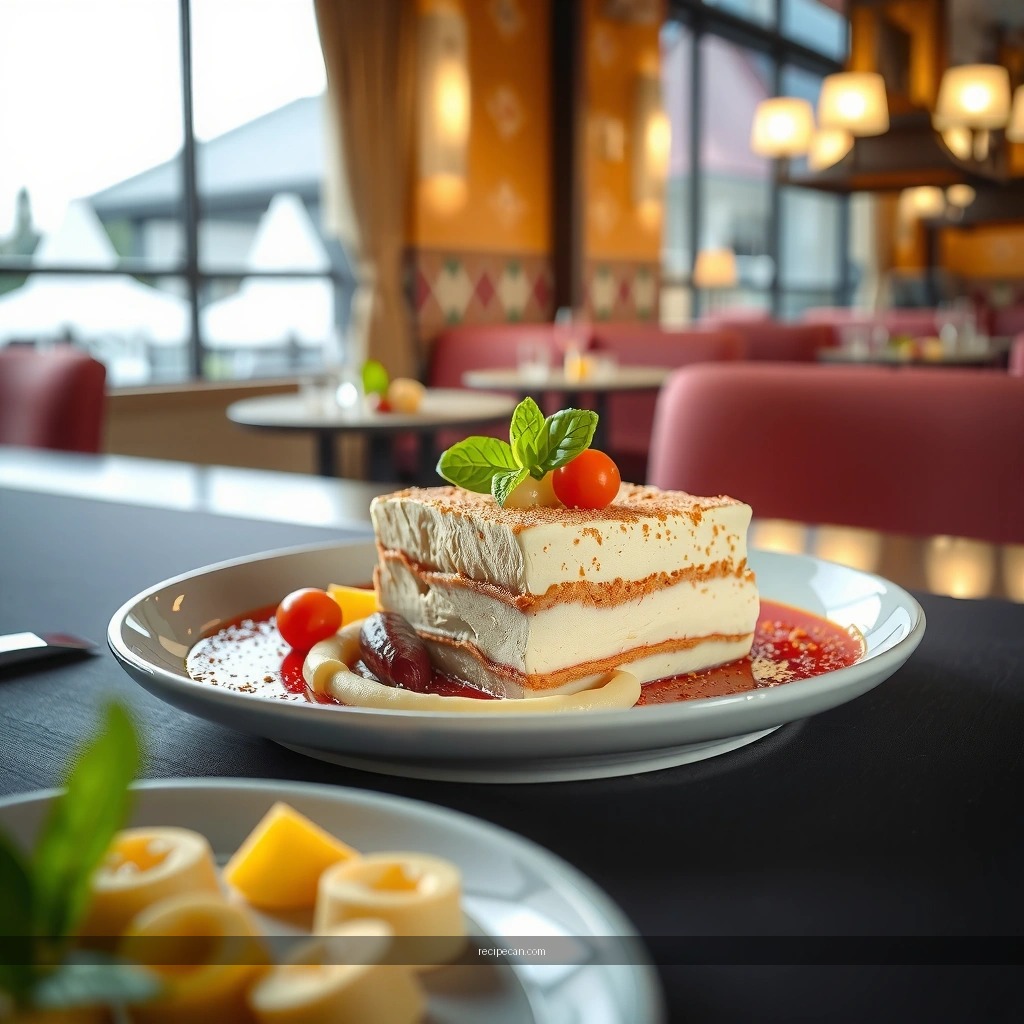
Before you start, decide which dietary constraint matters most in your household—dairy, eggs, or both—because that choice determines your filling and your texture.
– Decide if you’ll keep dairy (mascarpone-style) or go fully dairy-free
– Dairy-friendly (classic-style): Traditional tiramisu uses mascarpone for its tangy creaminess. A vegetarian mascarpone-style filling still keeps the “classic” mouthfeel that people expect.
– Dairy-free: Use a high-quality dairy-free cream cheese or thick coconut-based cream alternatives. Your goal is the same: a filling that whips/softens and holds shape in layers.
– Select an egg-free substitute for a safer, easier vegetarian filling
Classic tiramisu recipes sometimes include egg yolks (often made into a sabayon) for richness. For an egg-free vegetarian tiramisu, avoid curdling risks and simplify:
– Option A (most reliable): Whipped mascarpone-style base (dairy) or whipped dairy-free “cream” base with sweetener and vanilla.
– Option B (extra stable): A thickened whipped mixture using plant-based heavy cream or strained yogurt-style alternatives for tang plus structure.
– Pick coffee flavor strength (espresso vs. brewed coffee)
Coffee is the backbone of tiramisu. Too weak and it tastes like sweet cream; too strong and it becomes harsh.
– Espresso: More intense and aromatic; great for espresso-forward flavor.
– Strong brewed coffee: Easier and consistent; use a higher coffee-to-water ratio to mimic espresso intensity.
If you want a quick planning shortcut, this comparison shows how ingredient choices affect texture and flavor outcomes for vegetarian tiramisu.
Vegetarian Tiramisu Filling Options: Texture & Flavor Impact
| # | Filling Base | Best For | Creaminess (1–5) | Slice Stability (1–5) | Classic Tiramisu Taste |
|---|---|---|---|---|---|
| 1 | Mascarpone + whipped cream | Classic richness | ★★★★★ | ★★★★★ | High |
| 2 | Mascarpone only (no egg) | Minimal ingredient list | ★★★★☆ | ★★★★☆ | Very high |
| 3 | Cream cheese (vegetarian, dairy) | Tangy & firm layers | ★★★★☆ | ★★★★★ | Medium-high |
| 4 | Dairy-free cream cheese + coconut cream | Dairy-free classic vibe | ★★★★☆ | ★★★★☆ | Medium |
| 5 | Strained soy yogurt + vanilla | Lighter, tangy layers | ★★★☆☆ | ★★★☆☆ | Low-medium |
| 6 | Coconut whipped cream + sugar | Extra fluffy texture | ★★★★☆ | ★★★☆☆ | Low-medium |
| 7 | Dairy-free “thick cream” + mascarpone-style seasoning | Balance of stability & taste | ★★★★☆ | ★★★★☆ | Medium |
Ingredients You’ll Need for Vegetarian Tiramisu

A classic tiramisu flavor comes from a few core elements working together: coffee, sweet cream, cocoa, and a sponge that absorbs just enough liquid. For vegetarian tiramisu, you’ll simply ensure your filling contains no eggs and your add-ins are vegetarian-approved.
– Gather coffee, ladyfingers (or vegan sponge), and sweetener
– Coffee: freshly brewed strong coffee or espresso (cool it before assembling)
– Ladyfingers: traditional tiramisu uses them; choose vegetarian packaged ladyfingers if you’re avoiding gelatin or non-veg processing
– Vegan sponge option: if you need fully egg-free/vegan layers, look for sponge cookies that are designed for tiramisu-style layering
– Use a vegetarian filling base (mascarpone-style or whipped alternatives)
– Dairy version: mascarpone (optionally with whipped cream to lighten)
– Egg-free, dairy-free: whipped dairy-free cream cheese + coconut cream, or a thick plant-based cream blended until smooth
– Include cocoa powder and vanilla for classic tiramisu notes
– Cocoa powder: choose unsweetened cocoa for the signature bitter-sweet contrast
– Vanilla: adds warmth and smooths out the coffee’s edge
– Sweetener: powdered sugar works well for a smooth filling; granulated sugar can be used if fully dissolved
Pro tip for consistent results: buy one cocoa brand you like and use it throughout—flavor variance in cocoa can change the perceived sweetness of the whole dessert.
Make the Coffee Soak (Not Too Wet)
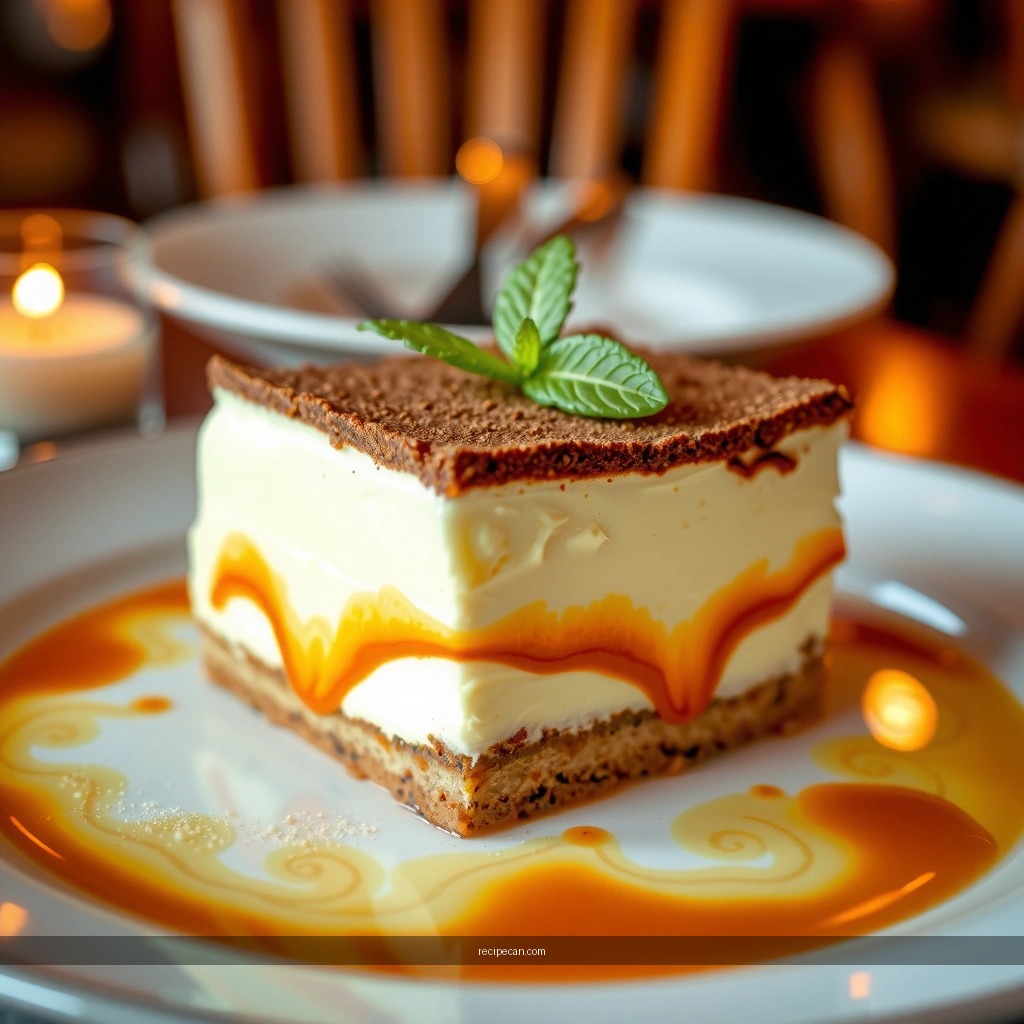
The coffee soak is where most tiramisu goes from “perfect” to “watery.” The correct approach is controlled absorption, not soaking the entire layer.
– Brew strong coffee or espresso and cool it slightly
Brew to a stronger-than-usual profile—either more coffee grounds or less water—so the flavor doesn’t dilute after chilling. Then cool to room temperature. Warm coffee can soften the sponge too quickly and can melt your filling slightly if your kitchen is warm.
– Balance sweetness so the dessert tastes rich, not bitter
If you’ve ever tasted tiramisu that was aggressively bitter, the issue is often under-sweetened coffee plus cocoa. Add sweetener to the coffee soak (start with a modest amount, taste after cooling). The coffee should taste like “sweetened cappuccino,” not black coffee.
– Dip ladyfingers quickly to prevent sogginess
Dip each side just long enough to wet—think seconds, not minutes. You want the ladyfingers to absorb and soften, but still hold their shape under the cream.
– If using thicker vegan sponge, dip slightly longer.
– If using very delicate ladyfingers, dip even shorter and assemble immediately.
Analytical guidance: since tiramisu chills for hours, any extra moisture will redistribute downward. Over-soaking tends to create a soggy bottom layer and thinner top layers.
Prepare the Creamy Vegetarian Filling
Your filling should be smooth, aerated, and thick enough to spread without running. Whether you’re using mascarpone-style dairy or a dairy-free alternative, the method is similar: whip/beat until cohesive, then fold in flavor.
– Whip your filling base until smooth and light
Start with softened ingredients so you don’t end up with lumps. Whip just until it turns creamy and light—over-whipping can separate some dairy-free creams and create graininess.
– Fold in flavor boosters (vanilla, sweetener, cocoa if desired)
– Vanilla: fold in gently for an even perfume
– Sweetener: use powdered sugar for a silky texture
– Cocoa in filling (optional): a light dust or small amount of cocoa can deepen flavor, but too much can dry out the mixture and make slicing less neat
– Adjust thickness for easy layering and clean slices
If the filling seems too loose:
– Chill it 15–20 minutes before assembly, then try again.
If it seems too thick:
– Fold in a teaspoon or two of cream/plant cream substitute, one at a time, until spreadable.
This is the key engineering point behind a “restaurant-style” vegetarian tiramisu: thickness determines how well layers hold during chilling, and chilling determines whether the sponge firms up instead of collapsing.
Assemble the Layers for the Classic Look
Assembly is simple, but consistent layering is what makes the dessert feel cohesive when served. Aim for even thickness and repeatable spacing.
– Layer soaked ladyfingers, then cream, then repeat
– Arrange dipped ladyfingers in a single layer across the dish.
– Spread filling evenly—use an offset spatula for smooth coverage.
– Repeat the sponge-and-cream cycle so each spoonful includes both coffee and cream.
– Spread evenly for consistent texture in every bite
Uneven cream thickness creates uneven absorption: thinner areas taste more bitter; thicker areas taste sweeter and heavier. Take a minute to “level” the cream.
– Chill between layers if you want firmer structure
For a firmer, cleaner dessert—especially with dairy-free fillings—consider chilling after the first cream layer for 20–30 minutes. This reduces mixing at the boundaries and helps your top layer stay intact.
If you’re serving a crowd, use a dish size that matches your plan: a shallow dish makes layers thinner (great for smaller bites), while a deeper dish creates classic “tower” tiramisu slices.
Chill, Dust, and Serve
Tiramisu is designed to rest. During chilling, the sponge hydrates evenly and the cream sets, turning the dessert into a sliceable, spoon-friendly product.
– Refrigerate for at least 4–6 hours (overnight is best)
Minimum chill: 4 hours for a workable set.
Best results: overnight—the coffee flavor integrates and the filling becomes firmer and more cohesive.
– Dust generously with cocoa right before serving
If you dust early, cocoa can absorb moisture and look dull. Dust at the last moment for a fresh, vivid cocoa aroma and appearance.
– Slice with a warm knife for neat edges
Dip the knife in warm water, wipe dry, and slice. This prevents tearing delicate sponge layers and keeps each portion clean.
Serving suggestion: allow tiramisu to sit at refrigerator temperature for 5–10 minutes before serving so flavors open up without becoming runny.
Tiramisu is all about balanced coffee, creamy layers, and proper chilling—and a vegetarian tiramisu recipe makes it simple to get that classic taste without traditional ingredients. Follow the steps above, choose your preferred vegetarian style, and try making a batch this week—then tweak sweetness or coffee strength until it’s perfect for you.
If you tell me whether you want dairy-free, egg-free, or both, and what baking dish size you plan to use, I can scale the ingredient amounts precisely.
Frequently Asked Questions
What makes a vegetarian tiramisu different from the classic version?
A vegetarian tiramisu keeps the traditional creamy mascarpone flavor while ensuring all ingredients are vegetarian-friendly. The biggest change is often the use of egg-free alternatives if you want to avoid raw eggs, and verifying that mascarpone and cream are vegetarian. Many vegetarian tiramisu recipes also use plant-based ladyfingers or omit alcohol in the coffee syrup for a fully vegetarian option.
How do you make vegetarian tiramisu without raw eggs?
To make vegetarian tiramisu without raw eggs, use an eggless method such as whisking mascarpone with sweetened condensed milk or using a cooked custard-style cream made from vegetarian-friendly dairy. Another common approach is to use stabilized whipped cream folded into mascarpone for a thick, mousse-like texture. If you’re using a coffee soak, cool it completely before assembling so the layers set properly without curdling.
Which vegetarian ingredients can replace eggs or store-bought mascarpone?
If you need an egg replacement, look for eggless tiramisu bases like mascarpone combined with whipped cream, Greek yogurt, or sweetened condensed milk for a classic richness. If mascarpone is unavailable, substitute with a high-fat cream cheese (softened) mixed with a splash of cream to mimic mascarpone’s texture. Always check labels for vegetarian suitability, especially for desserts labeled “made with rennet” or gelatin-containing mixes.
Best way to soak ladyfingers for vegetarian tiramisu so they don’t get soggy?
The key is to dip ladyfingers quickly—about 1–2 seconds per side—rather than soaking them like cake. Use a strong, cooled coffee mixture (often with cocoa or a splash of vanilla) so the flavor transfers fast while the cookies still hold structure. After layering, chill the vegetarian tiramisu for at least 4–6 hours to let the flavors meld and the texture firm up.
Why does vegetarian tiramisu taste better after chilling, and how long should you wait?
Vegetarian tiramisu benefits from chilling because the mascarpone-based cream thickens and the ladyfingers absorb the coffee without turning mushy. During refrigeration, the coffee flavor, vanilla notes, and cocoa powder deepen and become more integrated across layers. For the best taste and sliceable texture, chill for at least 6 hours (overnight is ideal) before serving.
References
- Tiramisu
https://en.wikipedia.org/wiki/Tiramisu - Tiramisu | Meaning, Ingredients, Origin, Desserts, & Taste | Britannica
https://www.britannica.com/topic/tiramisu - Google Scholar Google Scholar
https://scholar.google.com/scholar?q=vegetarian+tiramisu+recipe - Google Scholar Google Scholar
https://scholar.google.com/scholar?q=vegan+eggless+tiramisu - Google Scholar Google Scholar
https://scholar.google.com/scholar?q=mascarpone+substitute+for+tiramisu+vegetarian - https://pubmed.ncbi.nlm.nih.gov/?term=tiramis%C3%B9
https://pubmed.ncbi.nlm.nih.gov/?term=tiramis%C3%B9 - https://pubmed.ncbi.nlm.nih.gov/?term=eggless+dessert+recipes+egg+substitute
https://pubmed.ncbi.nlm.nih.gov/?term=eggless+dessert+recipes+egg+substitute - https://pubmed.ncbi.nlm.nih.gov/?term=plant-based+dairy+alternatives+culinary
https://pubmed.ncbi.nlm.nih.gov/?term=plant-based+dairy+alternatives+culinary - tiramisu – Search Results – PMC
https://www.ncbi.nlm.nih.gov/pmc/?term=tiramisu - https://pubmed.ncbi.nlm.nih.gov/?term=vegan+dessert+coffee+ladyfingers
https://pubmed.ncbi.nlm.nih.gov/?term=vegan+dessert+coffee+ladyfingers