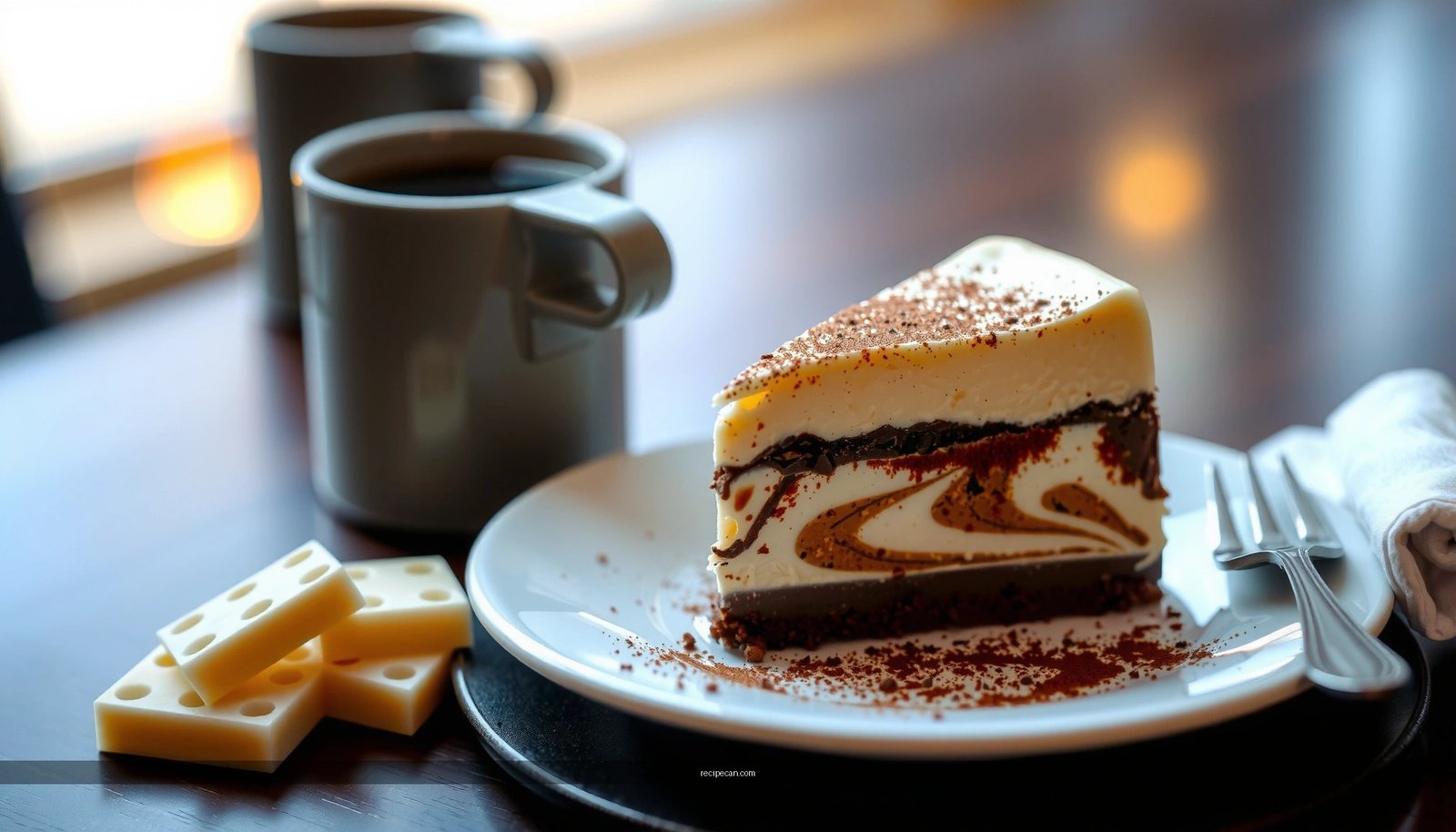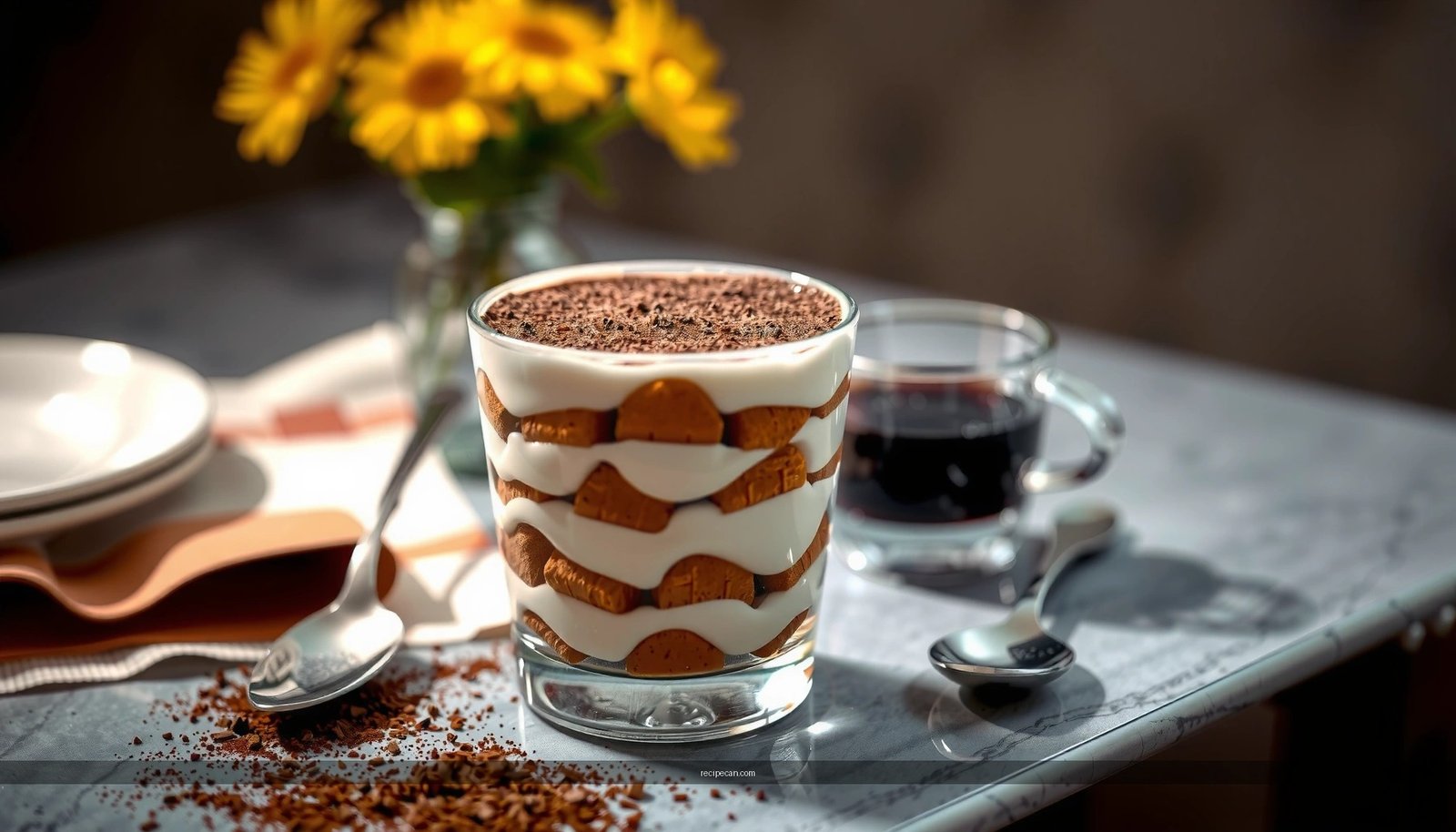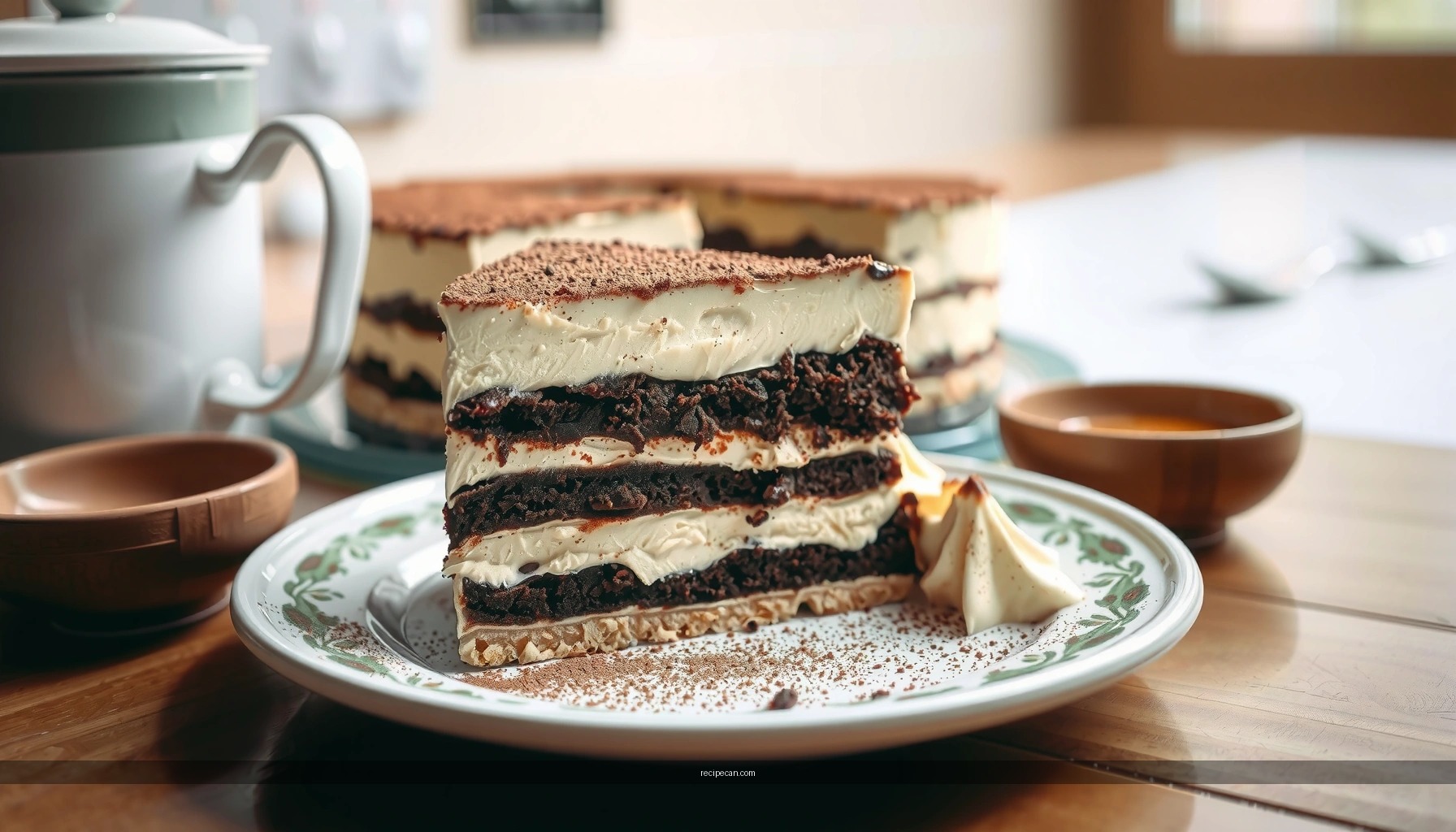
Get a traditional tiramisu cake recipe that delivers the classic, coffee-soaked layers and mascarpone richness without guesswork. This easy, authentic method shows exactly how to assemble the cake, soak the sponge at the right moment, and finish it with the correct cocoa dusting for a clean, sliceable result. If your goal is true tiramisu flavor in cake form—rather than a shortcut dessert—this is the version to follow.
Ingredients for a Traditional Tiramisu Cake
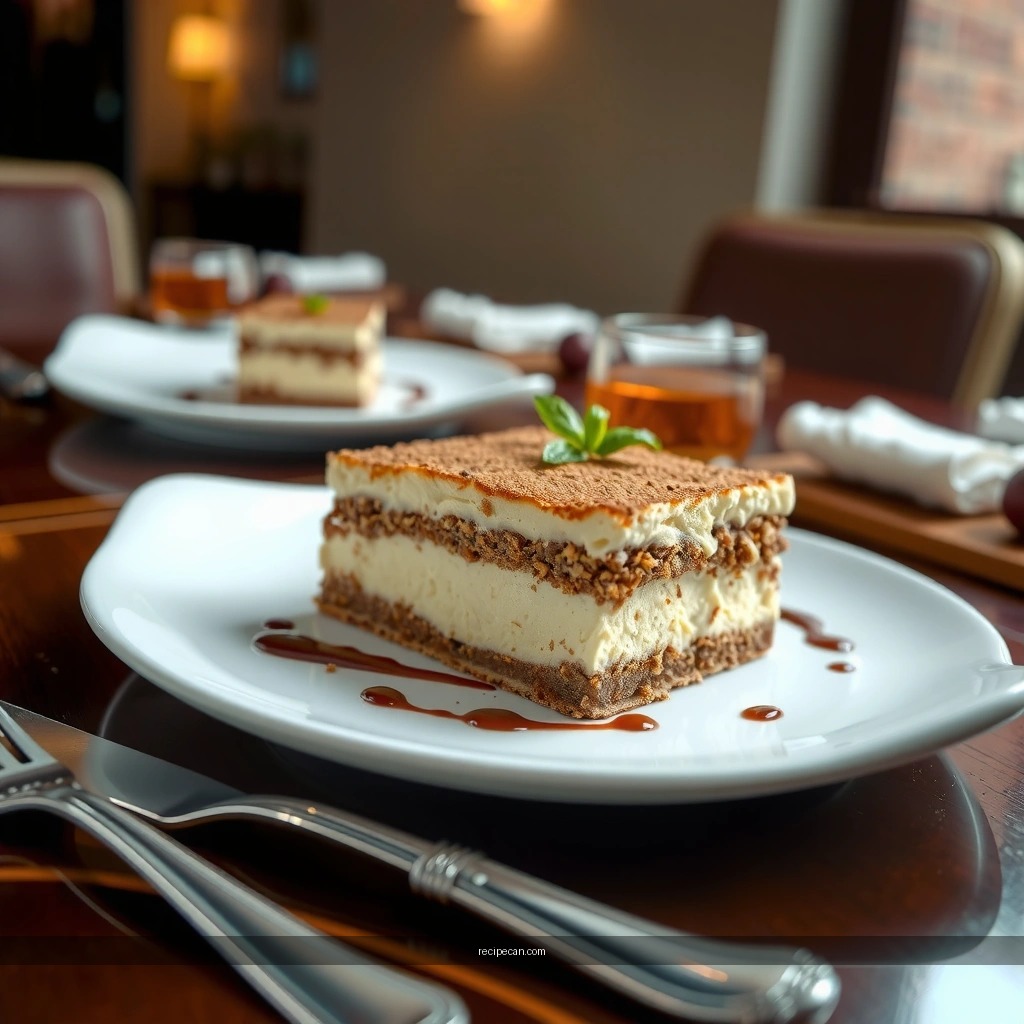
Traditional tiramisu is all about balance: creamy mascarpone, a deeply flavored coffee soak, and a cocoa finish that sets the aroma for every bite. While recipes vary slightly by region (Italy favors specific techniques and textures, while home bakers may adjust sweetness and egg handling), the “classic” ingredient architecture stays consistent.
Start with the foundation:
– Mascarpone cheese: the signature ingredient that provides the dense, creamy body.
– Eggs + sugar (classic approach): egg yolks are used for richness and structure; whipped whites (or clarified/alternate methods) can lighten the cream.
– Vanilla: rounds out coffee bitterness and cocoa intensity.
– Strong espresso or coffee: you want brewed coffee with a higher concentration, not just coffee-flavored sweetness.
– Cocoa powder: use unsweetened cocoa for authenticity and to keep the cream from tasting “dulced.”
For the layers:
– Ladyfingers (savoiardi) or sponge cake, cut to your pan’s dimensions.
– Optional traditional additions include a small splash of coffee liqueur (e.g., brandy or rum-based spirits) for depth—though it’s not required for an authentic-style result.
A key practical consideration: egg safety. If you prefer to avoid raw eggs, you can use pasteurized eggs (widely available in many regions) or use a cooked/tempered variation for the same silky mascarpone-cream profile.
Batch planning table (so your layers stay proportional and slice cleanly):
Traditional Tiramisu Layer Guide by Serving Size
| # | Servings | Mascarpone (g) | Ladyfingers | Brewed Espresso/coffee (ml) | Recommended Chill (hrs) | Texture Confidence |
|---|---|---|---|---|---|---|
| 1 | 6 | 500 | 18–22 | 250 | 4–6 | 4 ★ |
| 2 | 8 | 650 | 26–30 | 325 | 6–8 | 5 ★ |
| 3 | 10 | 800 | 34–40 | 400 | 8–10 | 5 ★ |
| 4 | 12 | 1000 | 42–48 | 500 | 10–12 | 5 ★ |
| 5 | 14 | 1150 | 50–56 | 575 | 12–14 | 5 ★ |
| 6 | 16 | 1300 | 58–66 | 650 | 12–16 | 5 ★ |
| 7 | 18 | 1500 | 70–78 | 750 | 14–18 | 5 ★ |
Make the Coffee Soak (Without Making It Soggy)
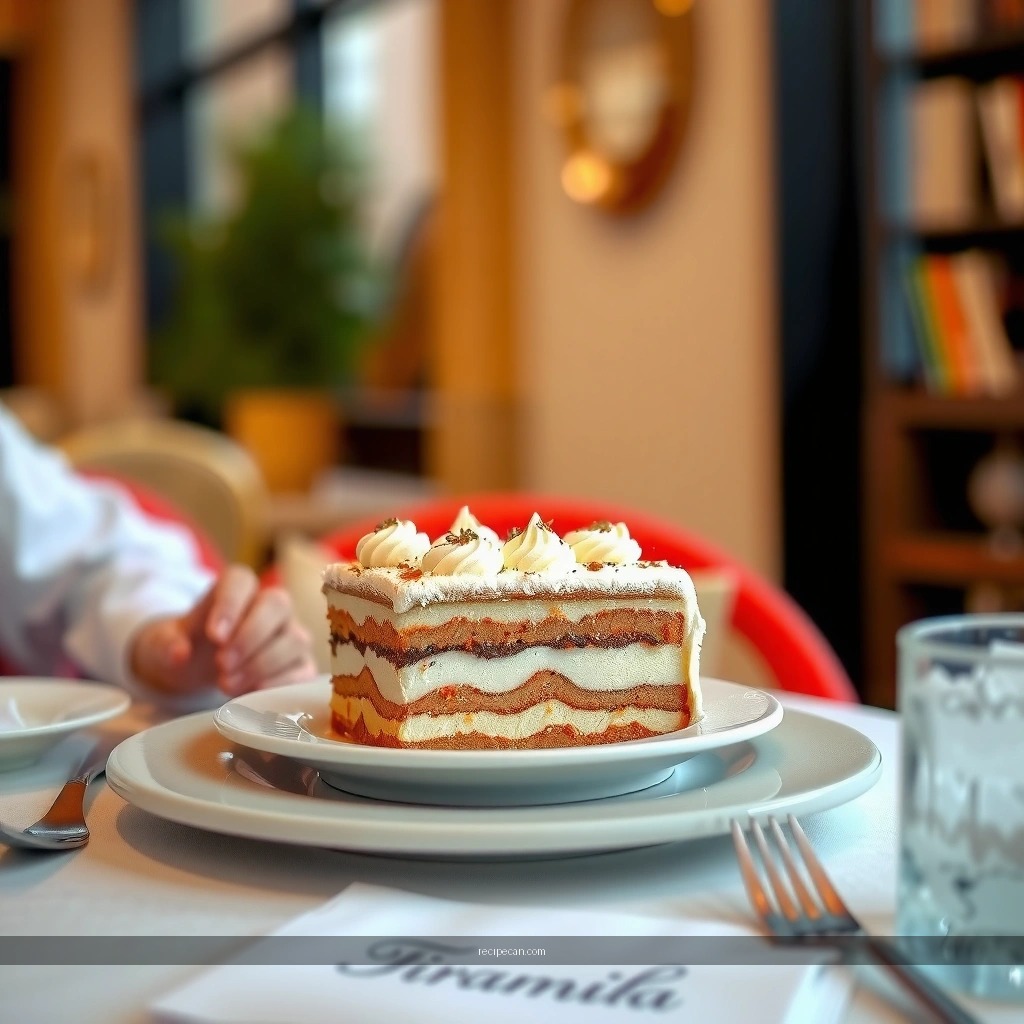
Sogginess is the number-one failure mode in tiramisu. The coffee soak should flavor the sponge, not turn it into cake paste. The classic solution is control: coffee strength, temperature, and dip timing.
Follow this workflow:
– Brew strong espresso/coffee (use more coffee grounds than usual, or make a concentrated espresso).
– Cool to warm, not hot. If your coffee is steaming, it will rapidly break down ladyfingers before you can layer.
– Dip quickly—often just 1 second per side for ladyfingers, or a brief pass for sponge cake. You’re aiming for “surface wet,” not saturation.
A professional layering technique:
– Work in batches so sponge pieces are dipped and placed immediately.
– Use a consistent placement pattern (same direction, same orientation). This makes the next cream layer apply evenly and prevents gaps that become weak slices later.
Flavor note: stronger coffee also means you can use slightly less liquid overall—helpful when scaling the recipe or using thicker sponge.
Whip the Mascarpone Cream the Classic Way

Traditional tiramisu cream is mascarpone-forward: dense, glossy, and lightly aerated—never grainy, never broken. The classic method uses eggs and sugar to stabilize the cream, giving it that signature sliceable “hold” after chilling.
A dependable process:
1. Whisk mascarpone with sugar until smooth. (This step prevents lumps from forming later.)
2. If using egg yolks: whisk yolks with sugar until they look slightly lighter and smoother, then combine gently.
3. If using egg whites: whip to soft peaks, then fold in carefully.
Key control points:
– Mix gently once combined. Overmixing can destabilize the emulsion and lead to a cream texture that’s looser than expected.
– Stop when smooth and airy, not when “fully beaten.” Mascarpone doesn’t benefit from aggressive mixing the way some whipped creams do.
– Chill the cream if your kitchen is warm. Cream consistency improves when you assemble while ingredients are cool.
Egg safety perspective:
– For the most “business reliability,” choose pasteurized eggs if you’re following the classic egg method.
– Alternatively, use a cooked/tempered egg approach for a similar stability and a reduced raw-egg concern.
Assemble the Traditional Layers
Assembly is where tiramisu becomes either elegant and clean or messy and loose. The goal is uniform structure: consistent layer thickness, predictable soaking, and evenly distributed cream.
Use a repeat-cycle layering system:
– Layer 1: coffee-soaked ladyfingers/sponge.
– Layer 2: mascarpone cream (spread to the edges, level the surface).
– Repeat: continue for a second cycle, then finish with cream.
Spacing and smoothing matter:
– Spread the cream with an offset spatula (or the back of a spoon) and smooth the top layer. That surface becomes your cocoa canvas—imbalanced thickness will show through after cocoa dusting.
– Press lightly to remove obvious air pockets, but don’t compress aggressively; overpressing can squeeze cream into the sponge and blur the layer contrast.
Pan choice also affects the “classic” feel:
– A shallow, wider dish yields thinner layers and more pronounced contrast.
– A deeper dish increases structural height and can require longer chilling for the same slice firmness.
If you’re cooking for a group, plan like a service kitchen: measure your sponge and cream so you can repeat the same number of soaked pieces per layer across batches.
Chill and Set for the Perfect Texture
Chilling is not optional—tiramisu is essentially a dessert built on time-based structure. The cream firms, coffee redistributes slightly, and flavors integrate into that classic deep profile.
Recommended refrigeration:
– At least several hours, with overnight as best.
– If the dessert is thick or your pan is deep, extend chilling so each layer can “set” fully.
Why this matters analytically:
– Mascarpone + sugar + egg stabilization creates a matrix that needs refrigeration to become slice-stable.
– Coffee soak continues to equilibrate; the sponge becomes tender without turning wet if you soaked correctly.
– Cocoa should remain dry until serving to preserve aroma and prevent it from melting into the cream.
For texture optimization:
– Cover the pan to avoid fridge odors and to keep the top layer from drying.
– Dust with cocoa right before serving so you get that fresh, aromatic cocoa surface and crisp visual contrast.
Serving Tips for Slices That Hold Together
The difference between “tiramisu that looks perfect” and “tiramisu that collapses” is usually the cutting method.
For clean slices:
– Use a sharp knife (serrated can work for thick cakes, but a smooth, sharp blade often gives the best visual line).
– Wipe/clean the knife between cuts. Residual mascarpone and cocoa act like glue and smear the cross-section.
– Lift slices carefully—tiramisu layers are delicate during the first moments at room temperature.
Serving temperature:
– Serve cold. Letting it sit warms the cream and softens the slice boundaries.
– If you must serve later, keep portions covered and returned to the fridge promptly after cutting.
Pairing (classic, business-friendly hospitality):
– Pair with espresso or a sweet coffee drink (the dessert’s bitterness and cocoa notes harmonize with concentrated coffee aromatics).
– Offer small dairy or vanilla-forward accompaniments (like a plain espresso crema) if guests prefer a softer finish.
Tuck everything into the fridge, and you’ll get the hallmark traditional tiramisu cake texture: creamy, layered, and deeply coffee-flavored. Follow these steps closely, chill it long enough, and finish with cocoa before serving—then share your results or try a variation next (extra espresso, different cocoa, or flavor tweaks).
For the best outcome, focus on three fundamentals: properly controlled coffee soaking, classic mascarpone cream technique, and sufficient chilling time. If you execute those reliably, you’ll consistently produce a traditional tiramisu cake that slices cleanly, tastes authentic, and delivers the bold coffee flavor that defines the dessert.
Frequently Asked Questions
What are the key ingredients in a traditional tiramisu cake recipe?
A traditional tiramisu cake recipe typically uses espresso (or strong coffee), mascarpone cheese, eggs, sugar, and ladyfingers (or a sponge layer) soaked or layered with coffee. Many versions also include cocoa powder and sometimes a touch of vanilla or Marsala wine for extra depth. If you want a classic flavor, use good-quality mascarpone and freshly brewed espresso rather than instant coffee.
How do you make a traditional tiramisu cake without it becoming runny?
To prevent runny tiramisu cake layers, whip the mascarpone mixture until thick and fold gently so you don’t deflate the air. Ensure your espresso is not overly hot and keep soaking quick—ladyfingers should be damp, not flooded. Also chill the cake for several hours (or overnight) so the tiramisu cream sets properly before serving.
Why do you separate eggs in traditional tiramisu, and how does it affect the texture?
In many traditional tiramisu cake recipes, eggs are separated so the yolks can be blended with mascarpone and sugar while the whites are whipped for lift. This creates a lighter, creamier tiramisu texture instead of a dense filling. When done correctly, the egg whites help the coffee-mascarpone layers hold their shape once chilled.
Which coffee is best for a traditional tiramisu cake—espresso or instant coffee?
Espresso is usually the best choice because it delivers a deep, concentrated coffee flavor that matches the traditional tiramisu taste. If you only have instant coffee, dissolve it fully in hot water and let it cool before using so the soaking liquid is smooth and evenly flavored. For the most authentic result, aim for strong, bold coffee—light roasts can taste too acidic in tiramisu.
What’s the best way to assemble and bake a tiramisu cake so the layers stay distinct?
If you’re making a tiramisu cake with cake layers (baked sponge or genoise), let the cake fully cool before soaking to avoid sogginess. Assemble in a lined pan with alternating layers of coffee-soaked cake or ladyfingers and mascarpone cream, then press lightly for even coverage. Finish with cocoa powder right before serving, and chill until the structure firms up for clean slices.
References
- Google Scholar Google Scholar
https://scholar.google.com/scholar?q=traditional+tiramisu+recipe+mascarpone+espresso+eggs - Google Scholar Google Scholar
https://scholar.google.com/scholar?q=tiramisu+history+traditional+recipe+Italian+cuisine - Google Scholar Google Scholar
https://scholar.google.com/scholar?q=tiramisu+ingredients+food+science+mascarpone+raw+eggs+food+safety - Tiramisu
https://en.wikipedia.org/wiki/Tiramisu - Tiramisu | Meaning, Ingredients, Origin, Desserts, & Taste | Britannica
https://www.britannica.com/topic/tiramisu - https://cooking.nytimes.com/recipes/1018303-tiramisu
https://cooking.nytimes.com/recipes/1018303-tiramisu - https://www.theguardian.com/food/2017/aug/02/tiramisu-recipe
https://www.theguardian.com/food/2017/aug/02/tiramisu-recipe - Google Scholar Google Scholar
https://scholar.google.com/scholar?q=traditional+tiramisu+cake+recipe - traditional tiramisu cake recipe – Search results
https://en.wikipedia.org/wiki/Special:Search?search=traditional+tiramisu+cake+recipe - https://www.ncbi.nlm.nih.gov/search/research-articles/?term=traditional+tiramisu+cake+recipe
https://www.ncbi.nlm.nih.gov/search/research-articles/?term=traditional+tiramisu+cake+recipe