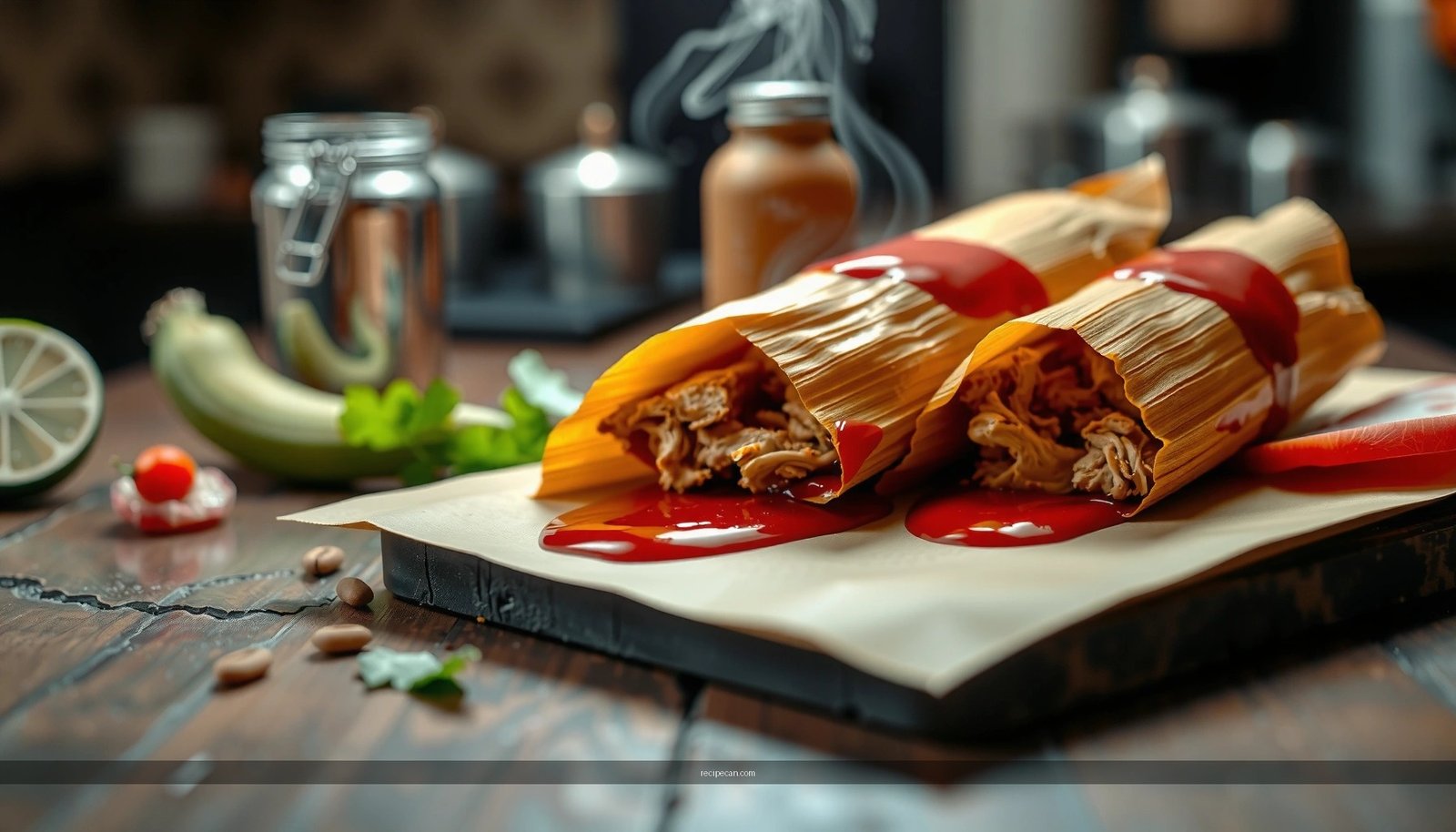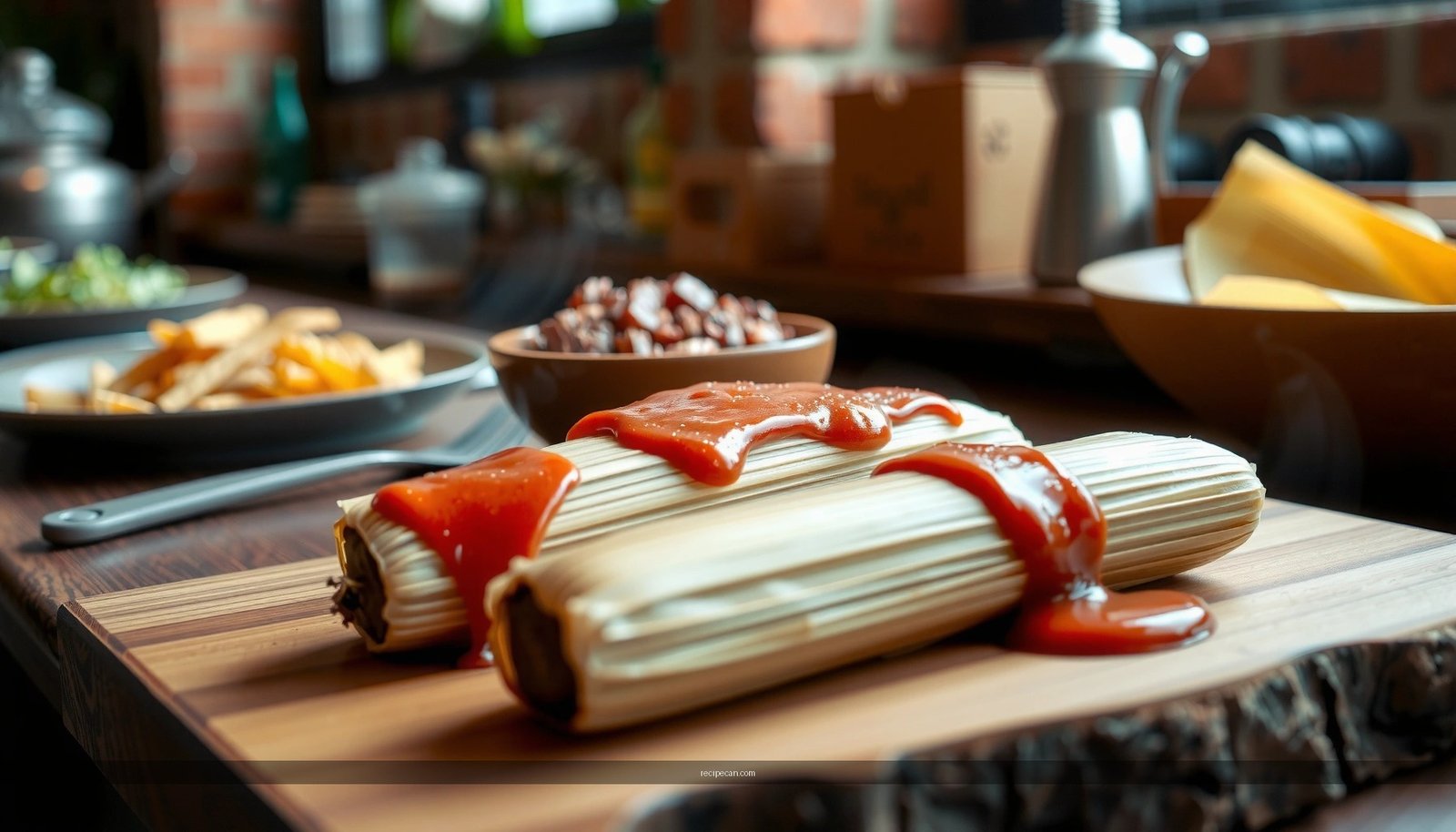
Get a traditional Mexican tamales recipe that delivers perfect tamales every time, with step-by-step instructions you can follow from masa to steaming. This recipe answers the real question—how to get tender masa, fully cooked filling, and neat, not soggy tamales—without guesswork. If you want classic results for your next batch, this is the winning method.
Making traditional Mexican tamales is simple: prepare masa, choose a flavorful filling, assemble in corn husks, then steam until tender. If you follow one principle—proper masa consistency and steady steaming—your tamales will come out soft, savory, and consistently “set” without turning dry or gummy.
Tamales are often treated as a holiday project, but they’re also a practical skill: once you understand how masa cooks and how corn husks protect the filling, you can repeat the process for any filling (pork, chicken, or beans) and adjust heat to match your audience. This guide walks you through the exact ingredient categories and technique that professional makers rely on, with the goal of producing tamales that peel easily from the husk and taste balanced instead of bland or overly dense.
—
Ingredients for Traditional Mexican Tamales
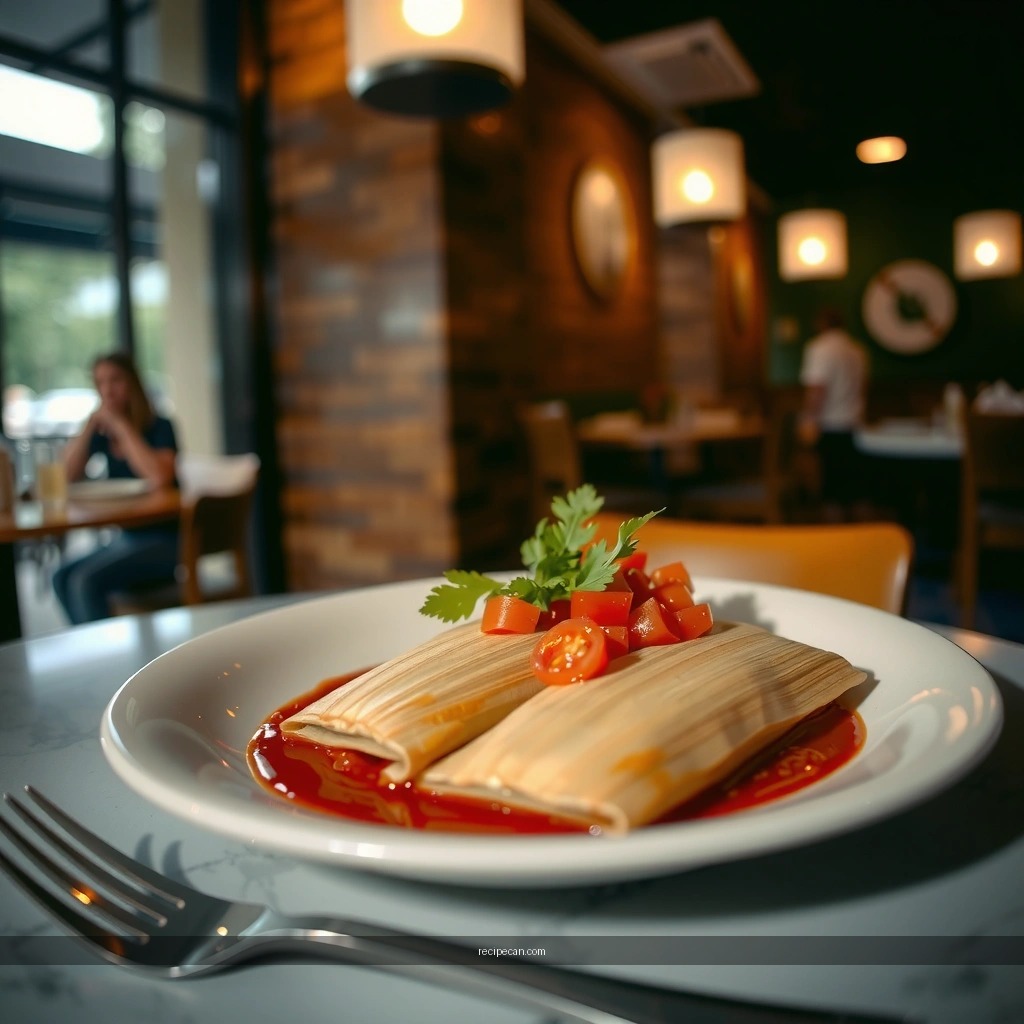
– Gather masa ingredients like masa harina, broth, baking powder, and fat (lard or vegetable shortening)
– Choose classic fillings (pork in red or green chile, chicken in salsa, or beans)
A traditional tamale is built on two flavors that must work together: the masa (the neutral, corn-based “bread”) and the filling (where the heat and depth live). For masa, the key ingredients are masa harina, a liquid (usually broth), a leavening agent, and fat. Fat isn’t just “richness”—it improves texture and steaming performance by aerating the dough and helping it release water evenly during cooking.
Core masa ingredients (what to buy and why):
– Masa harina (nixtamalized corn flour): This is non-negotiable. It’s different from regular cornmeal because it hydrates and cooks in a way that forms a cohesive, scoopable dough.
– Broth (chicken or pork broth): Uses gelatinous body and salt for flavor. It also supports a smoother masa than water alone.
– Baking powder (small amount): Helps masa rise slightly and set more tenderly.
– Fat (lard or vegetable shortening): Lard is traditional and yields classic flavor; shortening provides a slightly cleaner, neutral taste and still delivers tenderness.
Classic fillings (choose one to start):
– Pork in red or green chile: Red chile offers smoky depth; green chile is brighter and herbaceous.
– Chicken in salsa: A dependable crowd-pleaser—especially when the salsa is well-seasoned.
– Beans (refried-style or whole in sauce): Great for vegetarian tamales; pair with chile for dimension.
To streamline planning (especially for parties or catering), here’s a practical, real-world purchasing guide based on common tamale batch sizes.
Estimated Tamale Yield & Ingredient Ratios (Typical 1 Batch)
| # | Tamales per Batch | Masa Harina (lbs) | Broth (cups) | Fat (cups) | Baking Powder (tsp) | Recommended Filling % |
|---|---|---|---|---|---|---|
| 1 | 18–20 | 2.0 | 5.0–5.5 | 0.75 | 3 | 35–40% |
| 2 | 24–26 | 2.75 | 7.0–7.5 | 1.05 | 4 | 35–40% |
| 3 | 32–34 | 3.75 | 9.5–10.5 | 1.4 | 5.5 | 33–38% |
| 4 | 40–42 | 4.8 | 12.0–13.0 | 1.8 | 7 | 30–35% |
| 5 | 50–54 | 6.0 | 15.0–16.5 | 2.25 | 8.5 | 33–38% |
| 6 | 60–64 | 7.0 | 17.5–19.0 | 2.6 | 10 | 30–35% |
| 7 | 70–72 | 8.25 | 21.0–22.5 | 3.1 | 11.5 | 32–37% |
Use these ratios to estimate prep time and shopping lists. Still, always adjust broth amount based on your masa harina brand and humidity—masa should be soft but hold shape when spread.
—
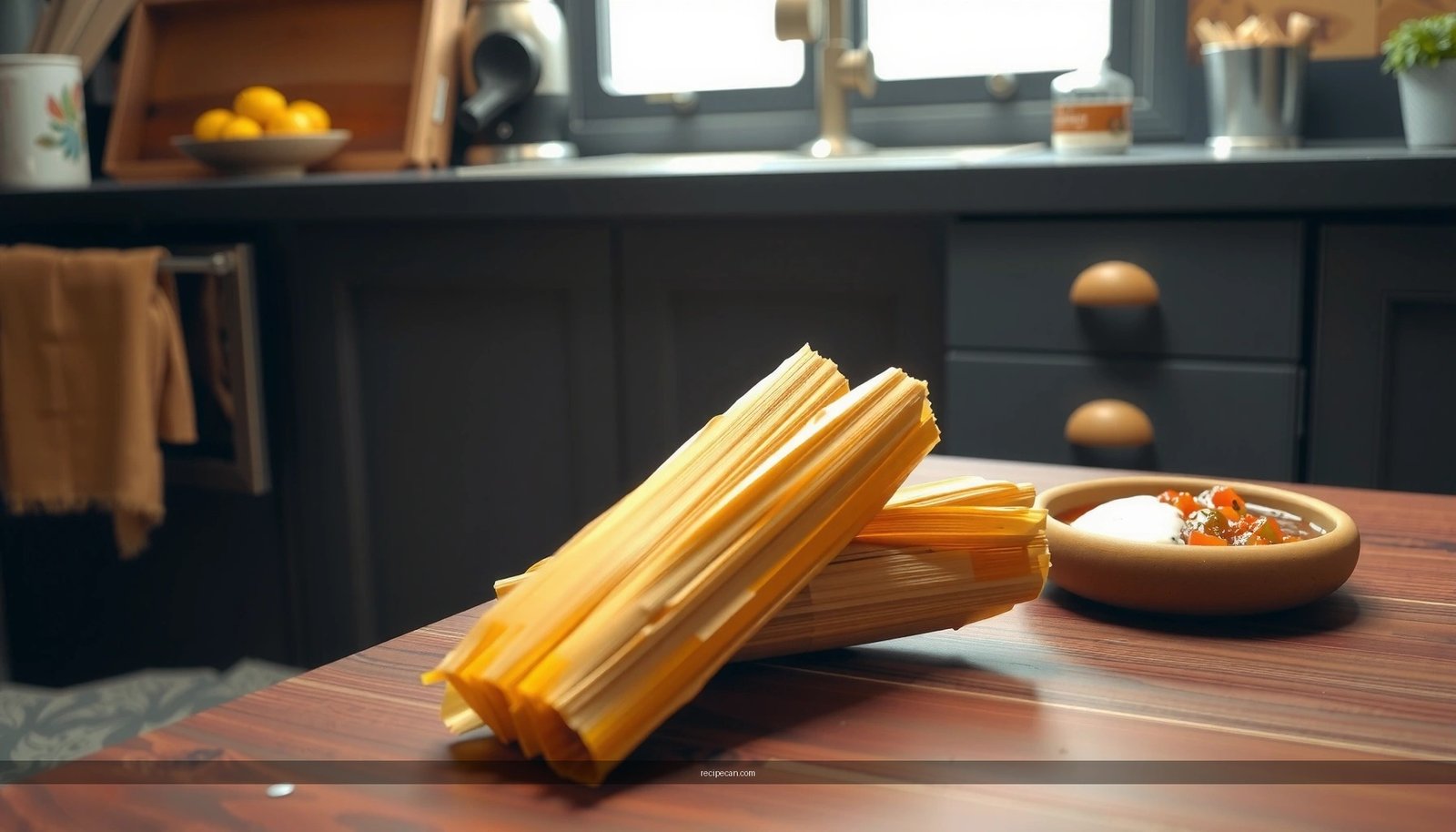
Preparing the Corn Husks
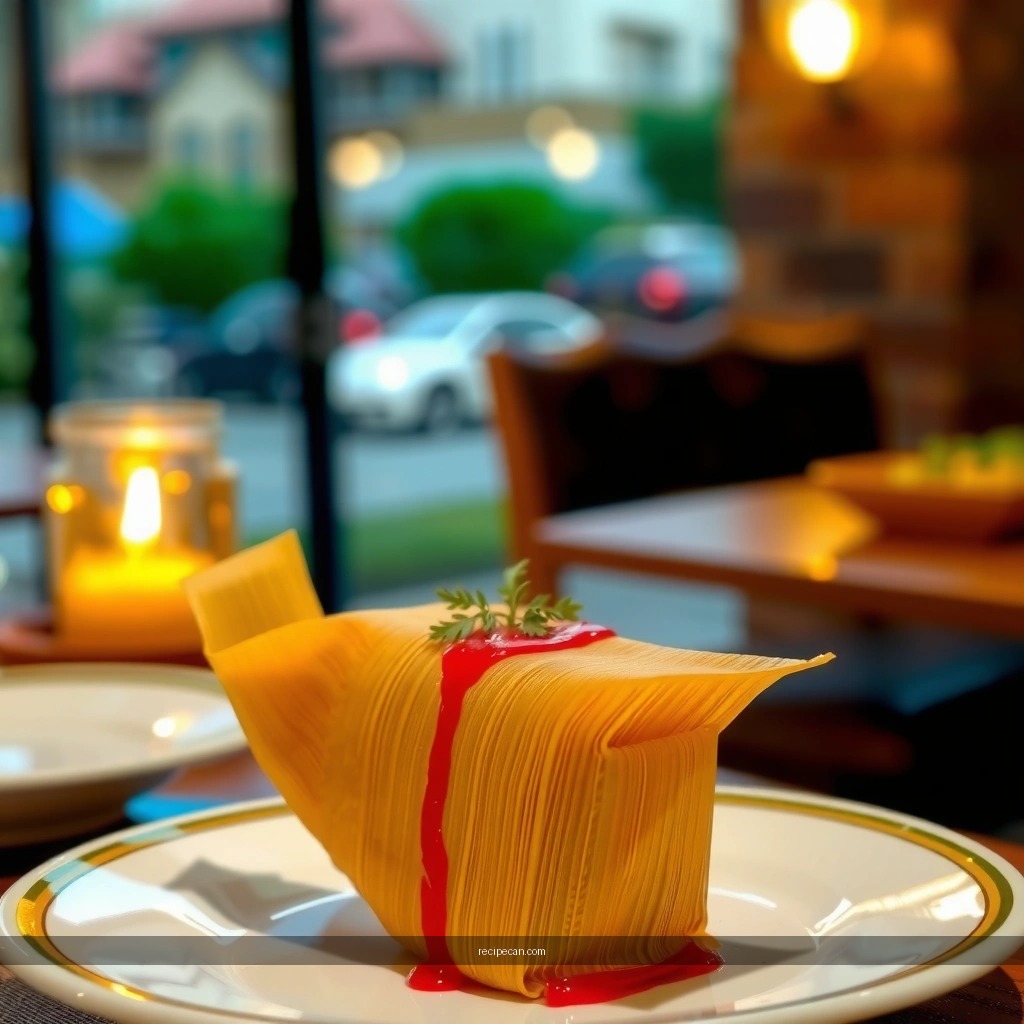
– Soak corn husks until pliable so they fold without tearing
– Wash and dry as needed to remove extra grit and keep husks flexible
Corn husk quality directly affects assembly speed and the final peelability. If husks are stiff, they tear, and if they’re slimy or gritty, your tamales can taste dusty. Start early: soaking is one of those “quiet” steps that determines whether everything else goes smoothly.
Best-practice husk prep:
1. Soak in warm water for 30–60 minutes (or until flexible). Warmer water speeds hydration without making husks overly fragile.
2. Rinse and rub gently if you see dust or chaff. Even a light rinse helps the husk lay flat.
3. Pat dry just enough to remove pooling water. You want flexibility, not dripping.
Assembly-ready checks:
– A husk should fold without cracking.
– The thick central vein should be manageable—if it’s too rigid, soften it during soaking rather than forcing it during folding.
For food safety and workflow (important for large batches), keep husks submerged only as long as needed, then store damp-but-not-dirty husks covered with a clean cloth.
—
Making the Tamale Masa
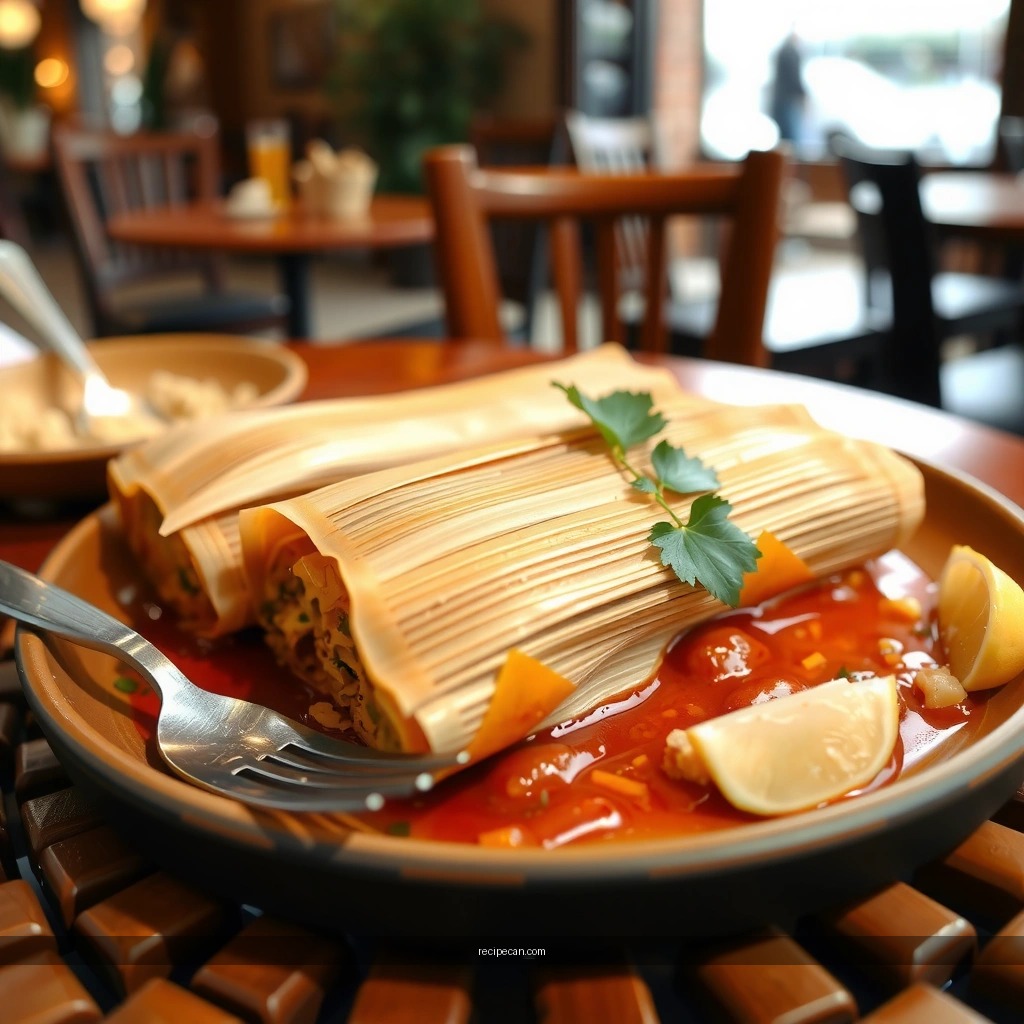
– Mix masa harina with broth and baking powder until smooth and spreadable
– Whip in fat for a lighter texture that helps tamales steam evenly
The masa is where most tamale failures happen—usually due to wrong hydration or under-whipped fat. The goal is a spreadable dough that holds its shape when lifted.
Step-by-step masa method:
1. Bloom/flavor the dry mix: Combine masa harina, baking powder, and a pinch of salt (if your broth is unsalted, you’ll likely need more seasoning).
2. Add warm broth gradually: Stir until no dry lumps remain. Masa should look like thick cake batter—soft, but not runny.
3. Rest briefly: Let the mixture hydrate for 10–15 minutes. This reduces grittiness and improves texture.
4. Whip in fat: Add lard or shortening and beat until lighter and smoother.
Texture target (non-negotiable):
– When you spread masa on the husk, it should form a thin, even layer.
– If it’s too stiff, it will turn dense after steaming; if too loose, it will soak through and make husks difficult to peel.
Common professional tip: If your masa feels tight, add broth in small splashes (1–2 tablespoons at a time). If it’s loose, add a tablespoon or two of masa harina. Treat consistency like a variable you fine-tune, not a fixed recipe.
—
Assembling the Tamales
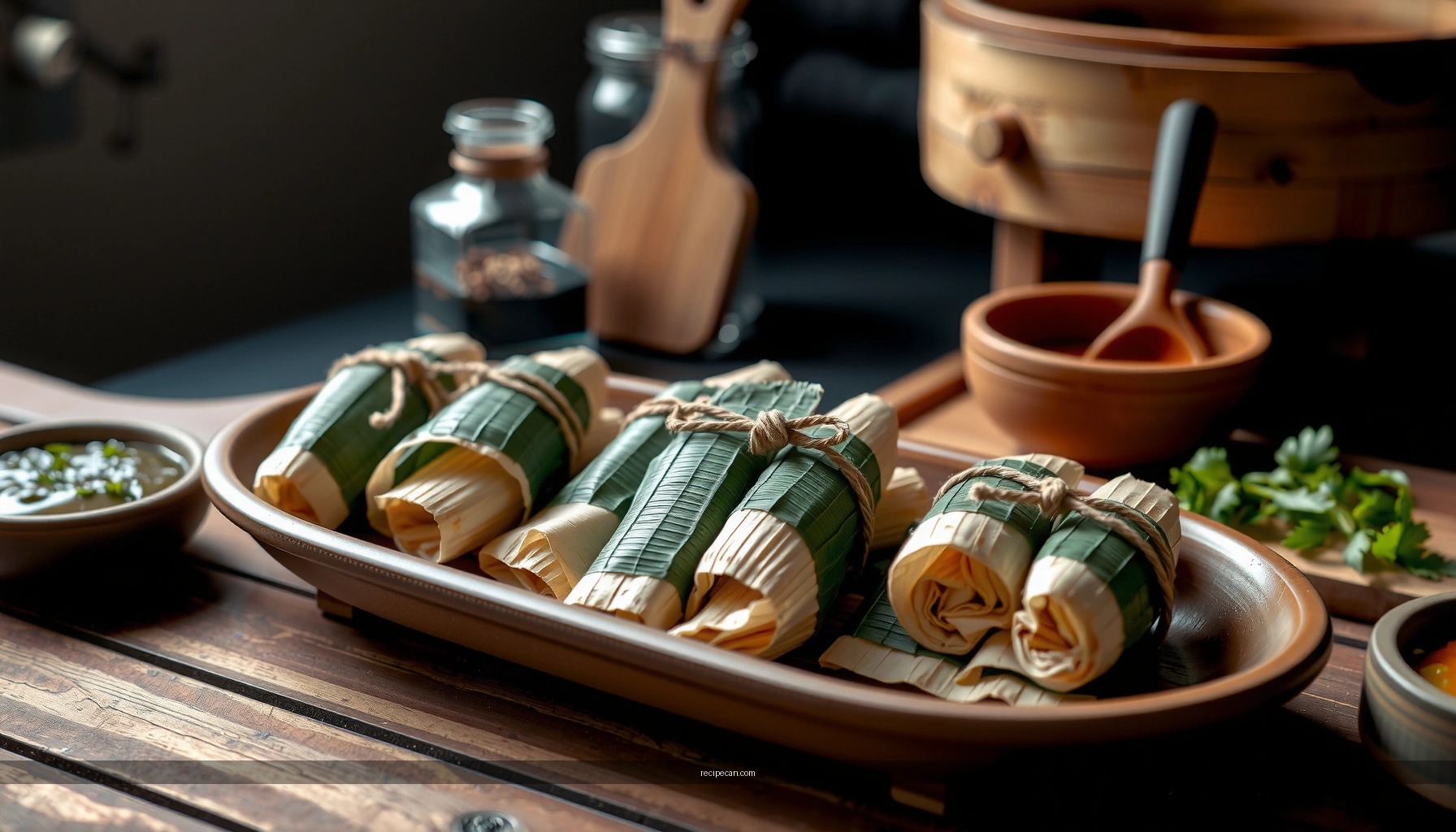
– Spread masa on husks, add filling, and fold securely
– Tie or tuck husks closed to prevent filling from leaking during steaming
Assembly is where craftsmanship matters: even distribution of masa ensures consistent cooking, and careful closure prevents filling loss. For best results, keep your filling thick enough to stay in place—runny fillings leak and create gummy spots.
How to assemble efficiently:
1. Lay out the husk flat with the wider end facing you (orientation can vary; choose what’s comfortable and consistent).
2. Spread masa evenly to a thickness that covers the husk but doesn’t overbuild. A uniform layer cooks more predictably.
3. Add filling in the center—avoid overfilling. A moderate portion helps maintain shape and prevents blowouts.
4. Fold and secure: Fold sides toward each other and close the packet. Tie with kitchen string or tuck the husk seam firmly.
Leak prevention checklist:
– Filling should be thick, not watery.
– Masa edge thickness should be slightly thicker than the center to act like a seal.
– Ensure the folded seam is tight before setting tamales into the steamer.
When scaling up, set up an assembly line: husks → masa station → filling station → folding/tying station. This reduces fatigue and improves uniformity, which is the difference between “good” and “great” tamales.
—
Steaming and Cooking Times
– Arrange tamales upright in a steamer with water below the rack level
– Steam until masa sets and husks peel easily (check timing based on tamale size)
Steaming is a controlled environment process: you’re relying on consistent steam penetration to set the masa and heat the filling to serving temperature. Avoid boiling hard—gentle, continuous steam is the goal.
Steaming setup:
– Use a steamer basket with water below the rack level.
– Arrange tamales upright when possible, especially for larger batches, so steam circulates evenly.
– Cover tightly to trap steam.
Cooking time guidance (adjust by size):
– Smaller tamales: often 60–75 minutes
– Medium tamales: commonly 75–90 minutes
– Large tamales: often 90–120 minutes
How to test doneness:
– Masa should look set and matte, not wet or sticky.
– Husks should peel more easily when cooled slightly.
– A toothpick inserted through masa (careful not to hit filling) should come out clean.
Workflow optimization: Start with a test tamale first. If it peels cleanly and masa is set, you have your timing window. Then cook the rest with confidence—this reduces waste and prevents under- or over-steaming.
—
Serving and Storage Tips
– Let tamales rest briefly for cleaner serving and better texture
– Store leftovers refrigerated or frozen, then reheat by steaming or microwaving with moisture
Tamales benefit from brief resting time. Cutting or serving immediately can cause masa to compress and filling to run. Resting also helps steam redistribute so the texture feels cohesive.
Serving best practices:
– Rest for 10–20 minutes after steaming.
– Peel and plate with care; use a soft towel or clean surface to avoid tearing husks.
– Serve with salsa (roja or verde), crema, crumbled queso fresco, or sliced onions—choose one sauce and one garnish so flavors stay balanced.
Storage (food safety + quality):
– Refrigerate in an airtight container for up to 3–4 days.
– Freeze tamales (wrapped individually) for up to 2–3 months.
Reheating methods:
– Best: Steam until hot, usually 15–25 minutes depending on size and whether frozen.
– Microwave option: Reheat with moisture—wrap in a damp paper towel and cover. Heat in short bursts and check frequently to prevent drying.
If you’re meal-prepping or doing light catering, reheating with steam maintains the most authentic “fresh steamed” texture.
—
Traditional Mexican tamales are truly achievable at home when you treat masa consistency, husk prep, and steaming as non-negotiable variables. Focus on soft, evenly whipped masa; seal tamales carefully to prevent leaks; and steam until the masa is set and husks peel easily. Follow these steps closely, then taste and adjust seasoning for your preferred heat level and filling—make a batch today and enjoy fresh tamales with your favorite salsa.
Frequently Asked Questions
What is the best way to make traditional Mexican tamales from scratch?
Start by making masa harina with warm water or broth, then season it with salt and usually lard for a tender, traditional texture. Prepare a savory filling (common options include shredded chicken in green chile sauce or pork in red chile sauce) and soften corn husks by soaking them in hot water. Assemble by spreading masa on each corn husk, adding filling, folding, and steaming until the masa is set and pulls away cleanly from the husk—typically 1 to 2 hours depending on size.
How do you prepare corn husks so your tamales don’t tear or stick?
Soak corn husks in warm water for 30 to 60 minutes, or until they are pliable and can be bent without cracking. If they’re still stiff, soak longer until fully softened, then drain and keep them slightly damp while you work. For easier removal, you can lightly wipe excess moisture off the husks before steaming, which helps the masa release and prevents gummy sticking on the husk.
Why is my tamale masa coming out dense or dry, and how can I fix it?
Dense or dry tamales often come from masa that isn’t hydrated enough or from skipping fat (lard or a traditional alternative) that keeps the masa light. Add warm broth gradually and mix until the masa feels smooth and spreads easily; many people also test texture by dropping a small amount into water to check for readiness. If the masa feels too thick, loosen with a bit more warm broth; if it’s too loose, knead in a little extra masa harina until it holds shape.
Which filling works best for a classic traditional Mexican tamales recipe?
Classic fillings depend on region, but chicken and pork are among the most searched traditional options. Green chile tamales (often with shredded chicken and salsa verde) and red chile tamales (often with pork and guajillo or ancho sauce) are both popular because the masa pairs well with smoky, chile-forward flavor. Use a filling that’s moist and well-seasoned, and let the sauce reduce so it doesn’t make the tamales soggy during steaming.
How do you know when tamales are fully cooked and ready to serve?
Tamales are done when the masa is firm, the husk pulls away easily, and the center is hot with no raw or paste-like texture. After steaming for the usual time (often 1 to 2 hours), carefully open one tamale and check the masa near the fold—if it looks set and comes away cleanly, they’re ready. Let them rest briefly before serving to help the masa stabilize and improve the traditional flavor and texture.
References
- Tamale
https://en.wikipedia.org/wiki/Tamale - https://www.britannica.com/topic/tamale
https://www.britannica.com/topic/tamale - The True Story Behind Mrs. Basil E. Frankweiler and Her Mixed-Up Files
https://www.smithsonianmag.com/arts-culture/how-to-make-tamales-180963325/ - NPR Search : NPR
https://www.npr.org/search?query=tamales%20recipe - https://pubmed.ncbi.nlm.nih.gov/?term=tamales
https://pubmed.ncbi.nlm.nih.gov/?term=tamales - https://www.sciencedirect.com/search?qs=tamales
https://www.sciencedirect.com/search?qs=tamales - Google Scholar Google Scholar
https://scholar.google.com/scholar?q=traditional+mexican+tamales+recipe - Google Scholar Google Scholar
https://scholar.google.com/scholar?q=masa+harina+nixtamalization+tamales+traditional+preparation - Google Scholar Google Scholar
https://scholar.google.com/scholar?q=Mexican+tamales+corn+dough+preparation+and+steaming+traditional+methods - traditional mexican tamales recipe – Search results
https://en.wikipedia.org/wiki/Special:Search?search=traditional+mexican+tamales+recipe