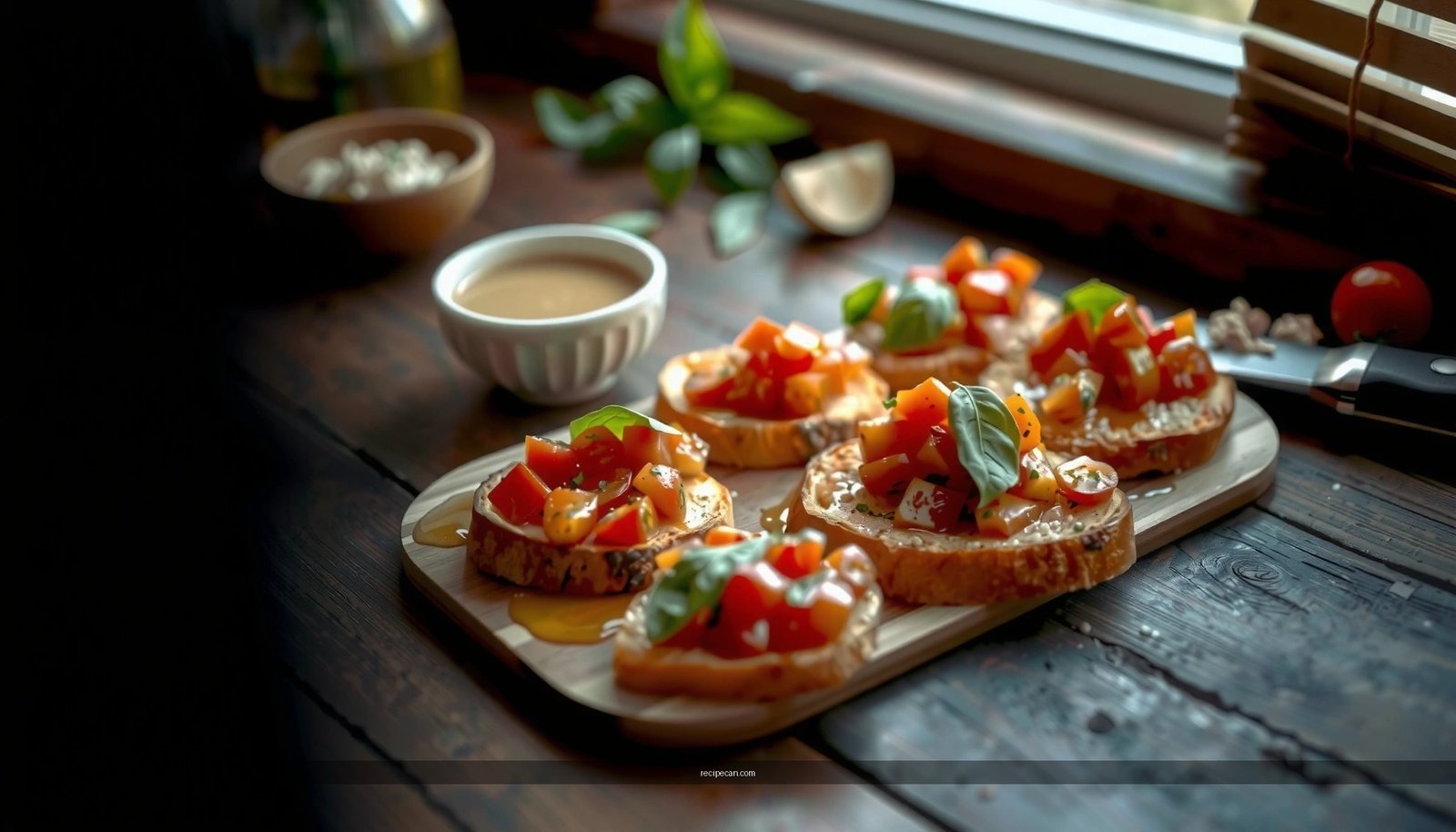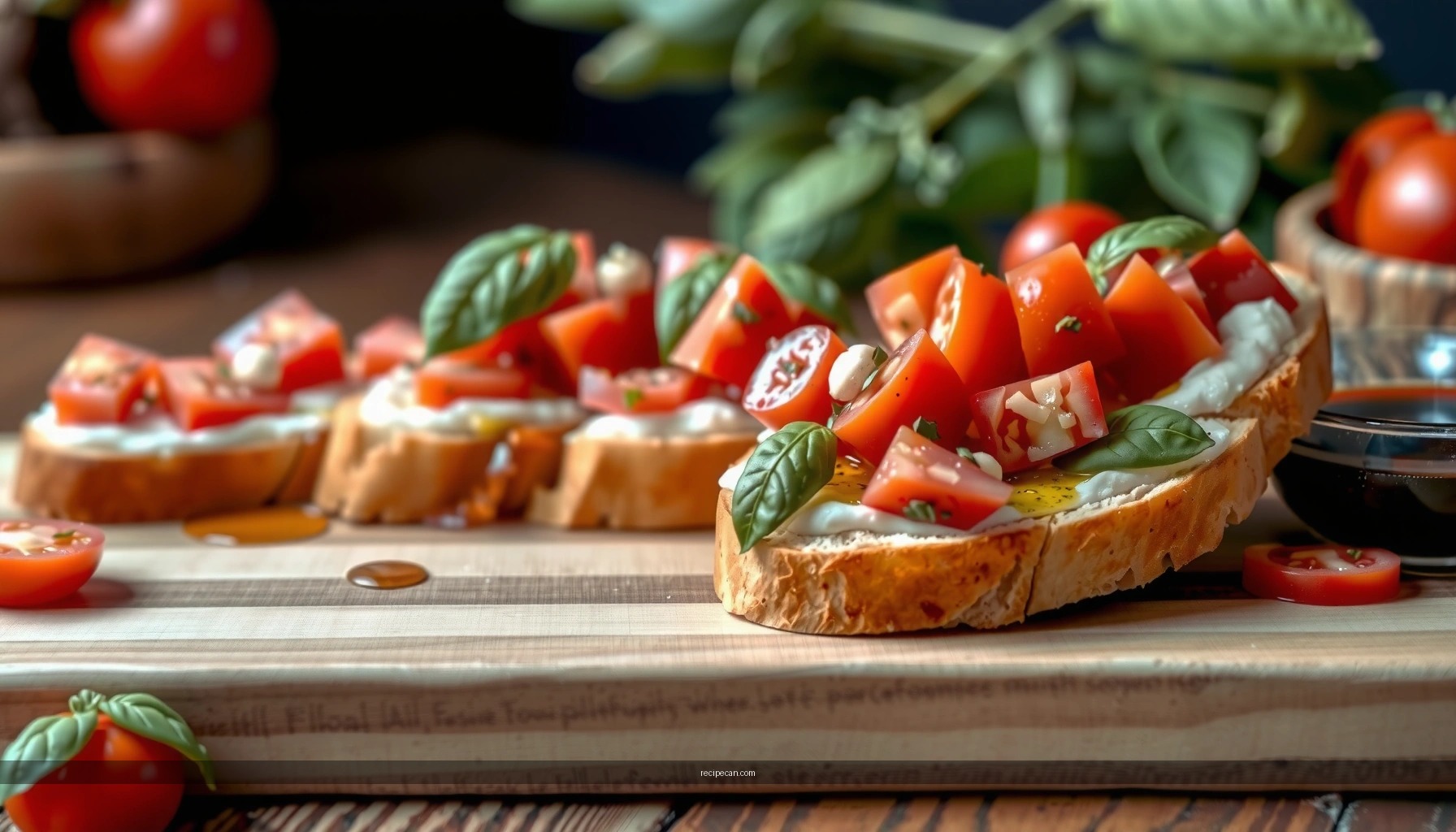
This traditional bruschetta recipe delivers the classic Italian tomato-and-basil topping that tastes best when your tomatoes are ripe and your bread is charred. If you want the most authentic results, you’ll learn the exact ratio and prep method for juicy tomatoes, fresh basil, garlic, and olive oil. Follow these steps and you’ll know precisely how to build bruschetta that’s crisp, fragrant, and ready to serve.
A traditional bruschetta recipe is the easiest way to deliver “Italian appetizer” flavor with minimal effort: toast crusty bread, garlic-rub it, then top with well-seasoned tomatoes, basil, and olive oil. If you follow a simple timing strategy—especially resting the tomato mixture briefly and assembling just before serving—you’ll get the signature contrast of crisp crunch and juicy topping instead of soggy bread.
Choose the Right Bread for Bruschetta

The bread choice is not cosmetic—it determines whether bruschetta works as a warm-crisp appetizer. Traditional bruschetta relies on a loaf with enough structure to survive toasting while still tasting airy and rustic.
– Use a sturdy, crusty loaf like ciabatta or rustic Italian bread
Ciabatta is popular for its open crumb and chewy exterior; rustic Italian bread (often country-style) provides a slightly tighter bite and excellent crust. For the classic Italian “street food” feel, aim for loaves that are crust-forward rather than soft and sandwich-like.
– Slice thick enough to toast well without becoming soggy
A practical thickness range is 3/4 to 1 inch (about 2–2.5 cm). Thin slices toast quickly but are prone to soaking up tomato juices. Thick slices take longer to toast, giving you a crisp outer layer plus a warm, tender center.
Actionable tip: If your tomatoes are very juicy (common with heirloom varieties), go slightly thicker or toast a touch longer. You can also choose a bread with a stronger crust and less absorbency.
| Bread type | Toasting resistance | Texture outcome | Best for |
|—|—|—|—|
| Ciabatta | High | Crisp edges, airy center | Classic tomato-basil bruschetta |
| Rustic Italian (country-style) | High | Snappy crust, chewy bite | Traditional “crostini-style” feel |
| Sourdough boule | Medium-high | Crunchy top, tangy flavor | Basil-forward versions |
| Baguette | Medium | Can go crisp but absorbs faster | When assembling immediately |
| White sandwich bread | Low | Likely to soften | Not recommended for traditional bruschetta |
Prepare the Garlic-Rub and Toasting Method
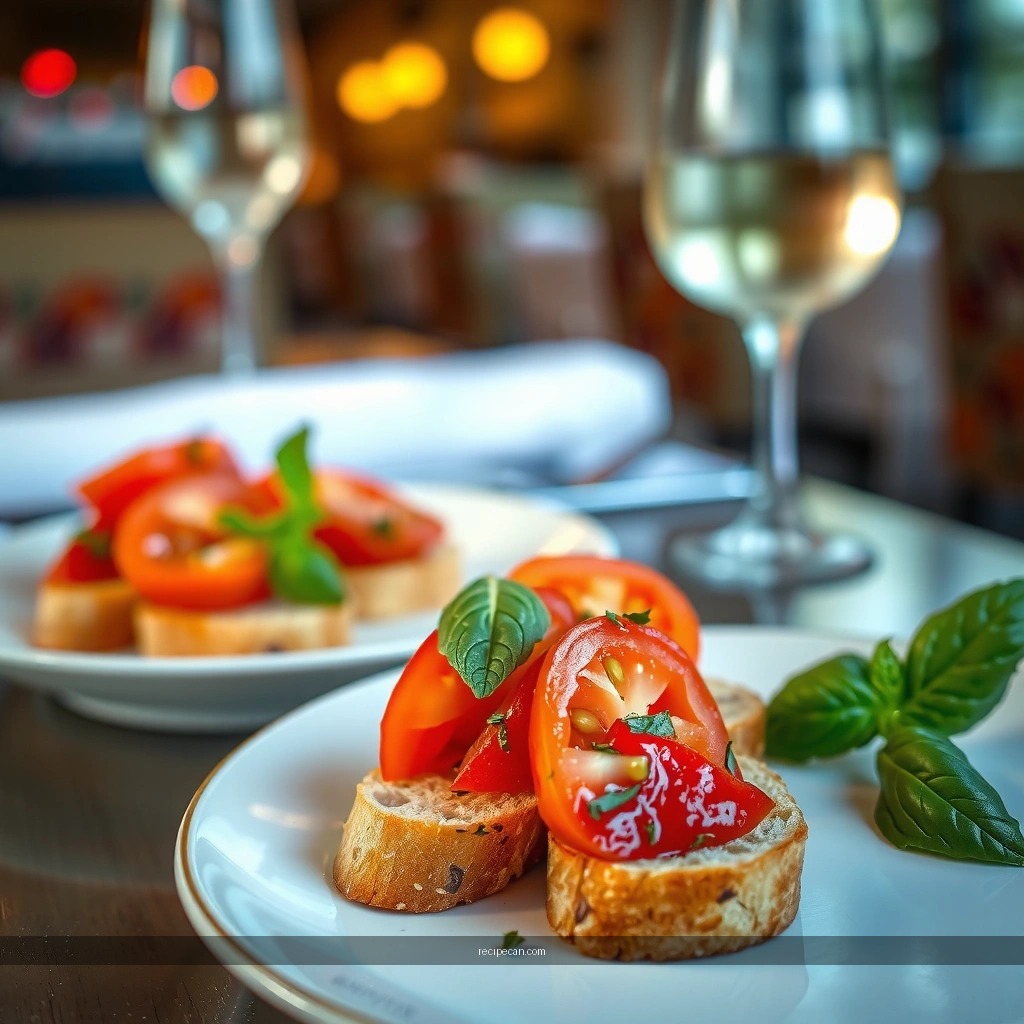
In classic Italian bruschetta, garlic isn’t mixed into the topping—it’s applied directly to warm bread. This technique gives you a fragrant aromatic base without letting garlic turn harsh or overly pungent in the tomato mixture.
– Toast until golden and crisp, not browned too dark
Target a deep golden color, not dark brown. Over-toasting can make bread taste bitter and dry, which fights the juicy tomato topping. If you’re using an oven, consider broiling briefly at the end to sharpen the crust; just watch closely to avoid scorching.
– Rub warm toast with garlic for a classic, aromatic base
Cut a garlic clove in half and rub it over the hot bread while it’s still warm. The heat gently infuses the crust, so the garlic aroma lifts the tomato and basil rather than dominating them. Let the bread sit for 30–60 seconds after rubbing so excess surface moisture dissipates.
Two reliable methods:
1. Oven/Sheet-pan toasting: Preheat to 425°F / 220°C, toast until golden, flip once if needed.
2. Stovetop skillet or grill pan: Cook cut-side down for a crisp crust, then finish quickly on the other side.
Professional timing note: Keep bread warm but not covered. Covering traps steam and reduces crunch—one of the most common bruschetta failure points in home hosting.
Classic Tomato Topping (Traditional Seasoning)
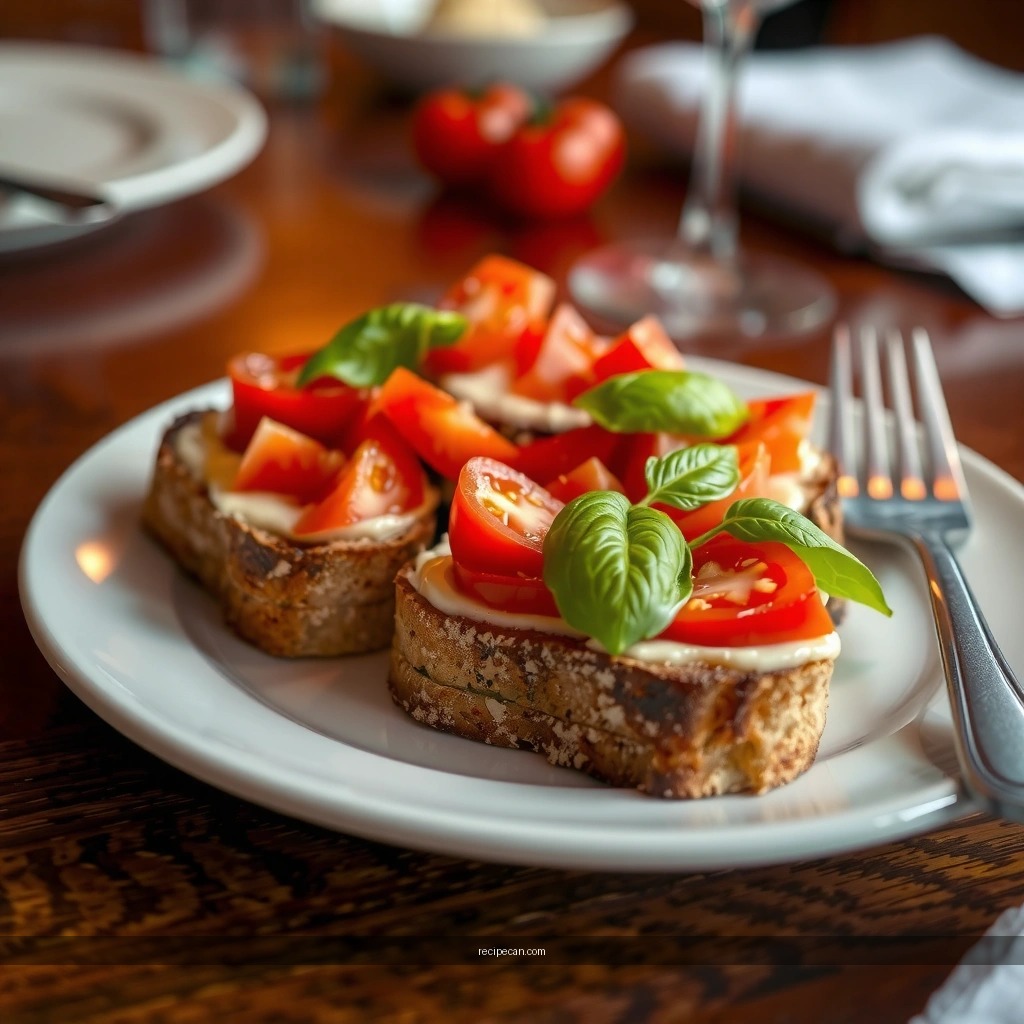
The tomato topping is where most recipes either succeed beautifully or become watery. Traditional bruschetta uses ripe tomatoes and a seasoning approach designed to concentrate flavor rather than dilute texture.
– Dice ripe tomatoes and season with salt and pepper
Use ripe tomatoes with good aroma. Dice them into small pieces for even distribution. Salt matters: it draws out some liquid, which can be a problem if the bread absorbs it. That’s why the resting step later is important.
– Add olive oil and a splash of vinegar or lemon for brightness
Extra-virgin olive oil provides richness and a smooth Italian finish. A small splash of vinegar (like red wine vinegar) or lemon juice tightens the flavor profile—especially if your tomatoes are only moderately sweet.
Best practice for texture:
If you’re concerned about excess moisture, you can do either of these:
– Dice tomatoes, salt lightly, then drain excess liquid for 5 minutes and use the remaining tomato pieces.
– Or keep everything and let the mixture rest; the topping will still be juicy, but the bread will be protected if you assemble at the right moment.
Tomato flavor “sweet spot” (how ripe should they be?)
Tomato ripeness is measurable in taste, aroma, and firmness. This quick comparison helps you choose tomatoes that won’t make your bruschetta bland or watery.
Tomato Ripeness vs. Bruschetta Outcome (Practical Guide)
| # | Tomato stage | Flavor sweetness | Juice level | Bruschetta success | Recommended action |
|---|---|---|---|---|---|
| 1 | Fully ripe, aromatic | High (8/10) | Medium (2/3) | 9.2/10 ★★★★★★★★★ | Season and assemble immediately |
| 2 | Ripe, slightly less fragrant | Medium-high (7/10) | Medium (2/3) | 8.4/10 ★★★★★★★★ | Add a touch more basil + olive oil |
| 3 | Just-ripe (firm with aroma) | Medium (6/10) | Medium-low (1.5/3) | 7.6/10 ★★★★★★★ | Salt lightly; rest 5–10 minutes |
| 4 | Ripening (less aroma) | Low-medium (5/10) | Medium-high (2.5/3) | 6.3/10 ★★★★★★ | Use lemon + extra olive oil; drain briefly |
| 5 | Overripe (mushy) | High (8/10) | High (3/3) | 5.8/10 ★★★★★★ | Drain; reduce topping volume; assemble at the last second |
| 6 | Under-ripe (watery) | Low (3.5/10) | High (3/3) | 4.9/10 ★★★★☆ | Avoid for traditional bruschetta; consider roasting tomatoes instead |
| 7 | Heirloom, very juicy | High (8/10) | High (3/3) | 7.9/10 ★★★★★★★★ | Use firm dice; rest 3–5 minutes; assemble immediately |
Add Basil and Balance the Flavors
Basil is the aromatic signature of the classic Italian tomato and basil combination. The goal is to keep basil fresh, fragrant, and intact, not dull or cooked.
– Stir in fresh basil at the end to keep it fragrant
Add basil after the tomato mixture is seasoned and dressed. Basil loses brightness with prolonged mixing or heat exposure, so fold it in right before assembly.
– Let the topping rest briefly so juices develop without soaking the bread
Resting for 10–20 minutes helps flavors meld—salt distributes more evenly, olive oil coats tomato surfaces, and brightness from lemon/vinegar becomes more integrated. For very juicy tomatoes, rest closer to 10 minutes and consider draining excess juice.
Flavor discipline:
A common mistake is over-acidifying. Use vinegar or lemon as a balancing tool, not a dominant sour note. Taste and adjust in small increments.
Assemble Bruschetta the Right Way
Assembly is where quality becomes repeatable. If you want that “restaurant-style” experience at home, treat the last steps like a service line: fast, consistent, and timed.
– Spoon topping onto toast just before serving
The bread is the performance element—keep it crisp. If you must serve later, keep toasted bread separate and assemble at the last minute, especially for events or catering.
– Drizzle a final touch of olive oil for that traditional finish
A small finishing drizzle elevates aroma and helps the topping feel glossy rather than flat. Use a light hand; the tomato mixture already contains olive oil.
Operational approach for hosting:
If making for guests, toast bread in batches, keep it uncovered and warm, prepare toppings ahead, then assemble in cycles so each batch lands at peak crunch.
Serve and Store Tips for Best Results
Bruschetta is best when it’s eaten soon after assembly—this is not just tradition, it’s food science. Tomato juices migrate into bread over time, reducing texture contrast.
– Serve immediately for maximum crunch and freshness
Aim to serve within 5–10 minutes of assembling. That window is where crispness and juiciness are both at their best.
– If needed, prep components separately and combine at the last minute
You can:
– Make the tomato mixture and refrigerate it (covered).
– Toast bread right before serving.
– Chop basil fresh.
Assemble everything at service time for the most consistent results.
Storage reality:
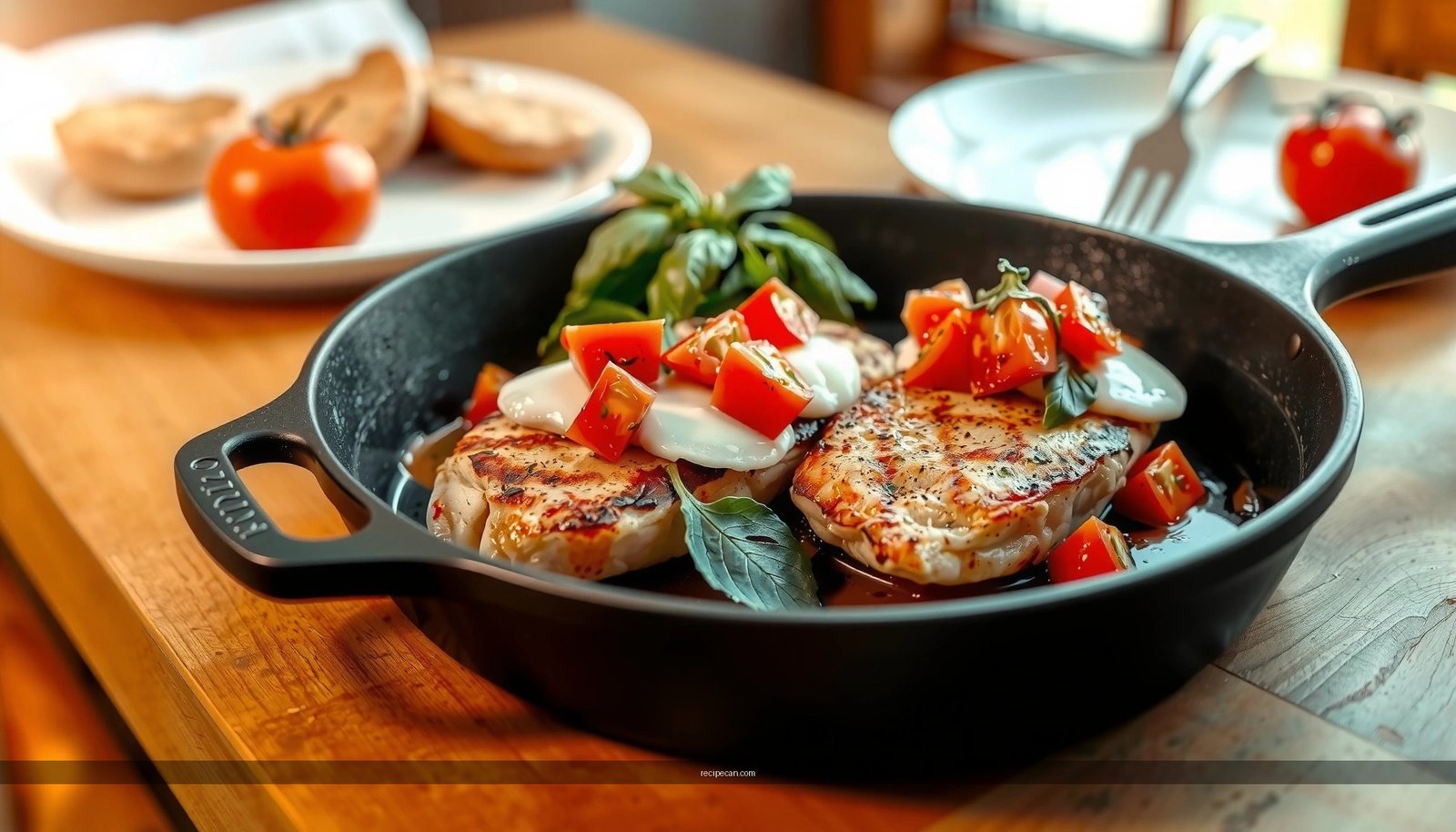
Once assembled, bruschetta is best eaten the same day. For leftovers, consider saving the tomato topping separately and using it on pasta, rice, or as a topping for grilled chicken—keeping the flavors useful even if texture changes.
A traditional bruschetta recipe comes down to crisp toasted bread and a fresh, well-seasoned tomato-basil topping. Build the foundation with a garlic-rub and properly toasted slices, season tomatoes with olive oil and a bright touch of vinegar or lemon, fold in basil at the end, and—most importantly—assemble just before serving. Do that, and you’ll consistently produce the classic Italian balance of crunch, fragrance, and juicy flavor that’s made for sharing.
Frequently Asked Questions
What are the key ingredients for a traditional bruschetta recipe?
A traditional bruschetta recipe typically starts with toasted bread rubbed with garlic and topped with a simple tomato mixture. The classic topping includes ripe tomatoes, extra-virgin olive oil, minced garlic, fresh basil, salt, and black pepper, often finished with a splash of balsamic vinegar. Using high-quality olive oil and fresh basil makes the flavor taste distinctly “traditional.”
How do you make traditional bruschetta without watery tomatoes?
To prevent soggy bruschetta, dice the tomatoes and salt them lightly, then let them drain in a colander for 10–15 minutes. Pat the tomato mixture dry (or reduce excess liquid) before combining with olive oil and basil. Also, assemble bruschetta right before serving so the toasted bread stays crisp.
Why is garlic rubbing important in a traditional bruschetta recipe?
Rubbing warm toast with garlic infuses the bread with aroma without overpowering the topping. This method lets you control garlic intensity while keeping the tomato-basil mixture as the star of the dish. For best results, toast the bread until crisp, then rub with a cut garlic clove while it’s still hot.
What’s the best bread for traditional bruschetta?
Use a sturdy, crusty bread that can hold toppings without becoming mushy, such as Italian ciabatta, rustic country bread, or baguette slices. Cut bread into thick slices so they toast evenly and maintain crunch after the tomato mixture is added. Lightly brush the bread with olive oil before toasting for a more authentic traditional bruschetta flavor.
Which topping variations still count as traditional bruschetta?
While the classic topping is tomatoes, basil, garlic, olive oil, and seasoning, small traditional variations include adding a touch of balsamic vinegar or using aged balsamic for a richer finish. Some recipes also include a modest amount of grated Parmesan or a drizzle of good extra-virgin olive oil, but keep it balanced so it doesn’t overshadow the tomato. If you want a “traditional-style” twist, focus on enhancing the tomato-basil base rather than changing it completely.
References
- Bruschetta
https://en.wikipedia.org/wiki/Bruschetta - https://www.britannica.com/food/bruschetta
https://www.britannica.com/food/bruschetta - https://www.bbc.co.uk/food/recipes/bruschetta_93721
https://www.bbc.co.uk/food/recipes/bruschetta_93721 - https://www.theguardian.com/food/2013/aug/14/bruschetta-recipe
https://www.theguardian.com/food/2013/aug/14/bruschetta-recipe - https://cooking.nytimes.com/recipes/1020645-bruschetta
https://cooking.nytimes.com/recipes/1020645-bruschetta - Google Scholar Google Scholar
https://scholar.google.com/scholar?q=traditional+bruschetta+recipe - Google Scholar Google Scholar
https://scholar.google.com/scholar?q=bruschetta+tomato+garlic+olive+oil+recipe+source - Google Scholar Google Scholar
https://scholar.google.com/scholar?q=italian+antipasto+bruschetta+history+recipe - Google Scholar Google Scholar
https://scholar.google.com/scholar?q=bruschetta+traditional+ingredients+study - traditional bruschetta recipe – Search results
https://en.wikipedia.org/wiki/Special:Search?search=traditional+bruschetta+recipe