Looking for a tiramisu recipe no egg that still tastes rich and classic? This easy, egg-free tiramisu method delivers the same creamy texture without raw egg risk, using a straightforward filling you can make fast. If you want a reliable no-egg tiramisu for weeknight baking or gatherings, this is the clear winner.
Yes—you can make classic, sliceable tiramisu without eggs by using a properly stabilized egg-free mascarpone base (such as chilled stabilized mascarpone with whipped cream) and controlling the coffee soak. In this guide, you’ll learn an easy step-by-step method, plus substitutions and fixes for the most common texture issues, so your egg-free tiramisu tastes traditional while staying safe and reliable.
Egg-Free Base Options for Tiramisu
The key to an egg-free tiramisu is not “replacing eggs” as a single ingredient—it’s building the same structural function eggs normally provide: stability, aeration, and a creamy set when chilled. In classic recipes, yolks help thicken and emulsify, but you can replicate that performance with fat + stabilizers + careful whipping.
Choose an egg-free mascarpone mixture:
– Stabilized cream mascarpone: Combine mascarpone with whipped heavy cream (and, if needed, a stabilizer like gelatin or a thickener such as cornstarch slurry cooked briefly). This produces a mousse-like texture that firms cleanly in the fridge.
– Whipped mascarpone (properly chilled): If you whip mascarpone with sugar and incorporate air carefully, it can hold a soft structure. However, it’s more sensitive to warm temperatures—so plan to keep everything chilled and assemble quickly.
– Aquafaba (for extra fluff): Aquafaba is the liquid from canned chickpeas. When whipped into stiff peaks, it behaves like a light, egg-like foam. Fold it gently into mascarpone and cream for a lighter, mousse texture. The tradeoff: it may feel slightly airier than classic tiramisu, so you’ll want to chill long enough for the mix to stabilize.
Practical guidance for choosing your base
– Want maximum sliceability? Use stabilized cream + mascarpone.
– Want lighter, cloudier texture? Add aquafaba (and still use whipped cream to prevent collapse).
– Avoid skipping stabilization entirely if you’re aiming for clean layers that hold their shape after refrigeration.
Ingredients You’ll Need (No Eggs)
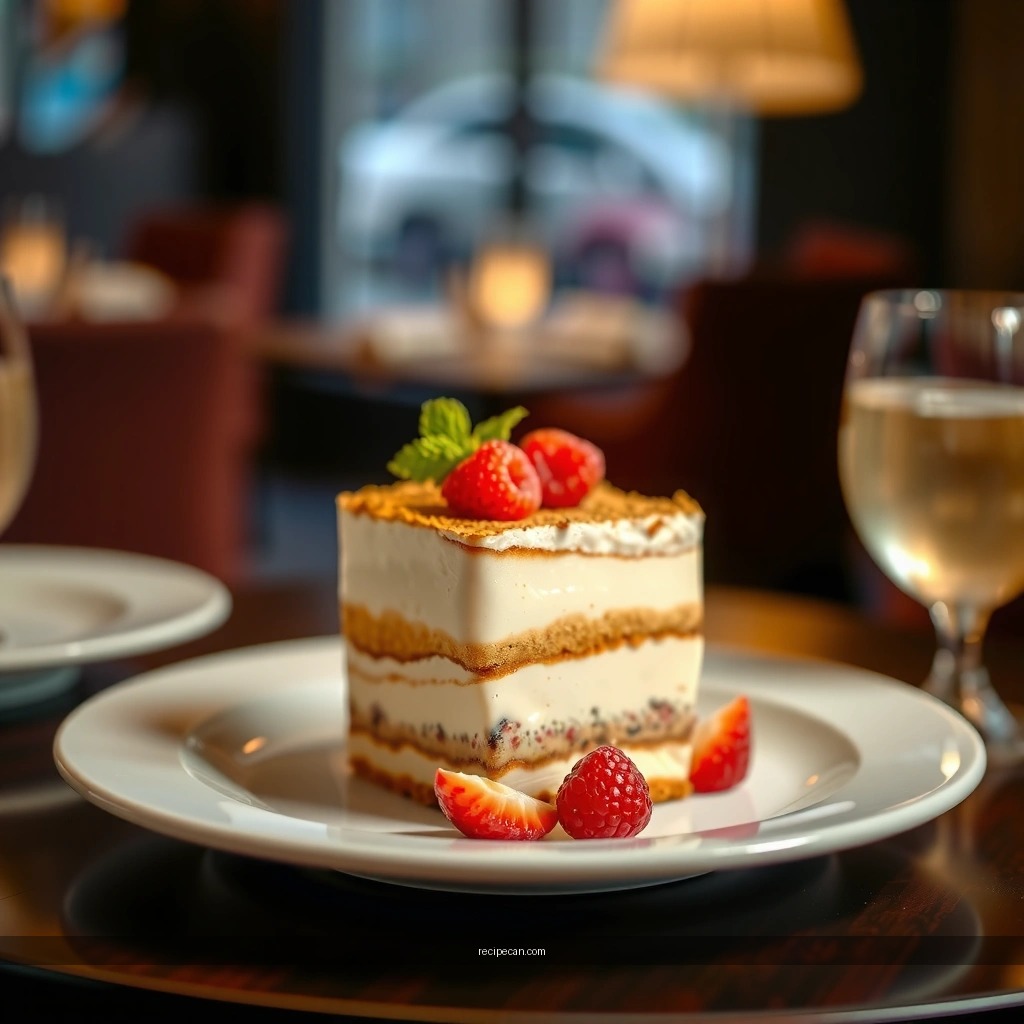
For egg-free tiramisu, your ingredient list is straightforward, but the proportions matter for texture. The core components are: mascarpone, espresso/coffee, ladyfingers, sugar, and cocoa powder.
Gather:
– Mascarpone: This provides the signature richness and tang.
– Coffee or espresso: Typically espresso is best for a concentrated flavor.
– Ladyfingers (savoiardi): They absorb coffee and provide the “cake” structure.
– Sugar: Helps balance bitterness and sweetens the mascarpone cream.
– Cocoa powder: For dusting (unsweetened cocoa is classic).
Optional flavor balancing choices (no eggs required):
– Vanilla extract: Adds roundness and reduces any sharpness from coffee.
– A touch of espresso powder: Intensifies coffee flavor without extra liquid.
– Sweetener adjustment: If you prefer less sweetness, reduce sugar slightly and compensate with stronger espresso.
Why the “no-egg” version still tastes classic
Classic tiramisu flavor comes from the ratio of coffee to dairy to cocoa, not eggs alone. If you keep the coffee strong and the mascarpone rich, eggs become optional.
Egg-Free Tiramisu Base Stability (Chill Time vs. Firmness)
| # | Base Approach | Best Chill Window | Typical Firmness Outcome | Slicing Confidence |
|---|---|---|---|---|
| 1 | Mascarpone + whipped heavy cream (stabilized with gelatin) | 6–12 hours | Cream sets with clean edges | ★★★★★ |
| 2 | Mascarpone + whipped heavy cream (no gelatin) | 8–14 hours | Firm but slightly softer in center | ★★★★☆ |
| 3 | Mascarpone + sugar + aquafaba (folded) + whipped cream | 10–16 hours | Airy texture, sliceable after long chill | ★★★★☆ |
| 4 | Whipped mascarpone alone (minimal cream) | 4–8 hours | Can feel mousse-like but may soften | ★★★☆☆ |
| 5 | Mascarpone + whipped cream + thickened mascarpone (light cornstarch slurry) | 6–12 hours | Stable set with mild thickening | ★★★★☆ |
| 6 | Mascarpone + whipped cream + aquafaba (no stabilization) | 12–18 hours | Can hold, but volume may settle | ★★★☆☆ |
| 7 | Store-bought whipped mascarpone (varies by brand) | 8–14 hours | Often sliceable; depends on formulation | ★★★☆☆–★★★★☆ |
How to Make Egg-Free Coffee Soak
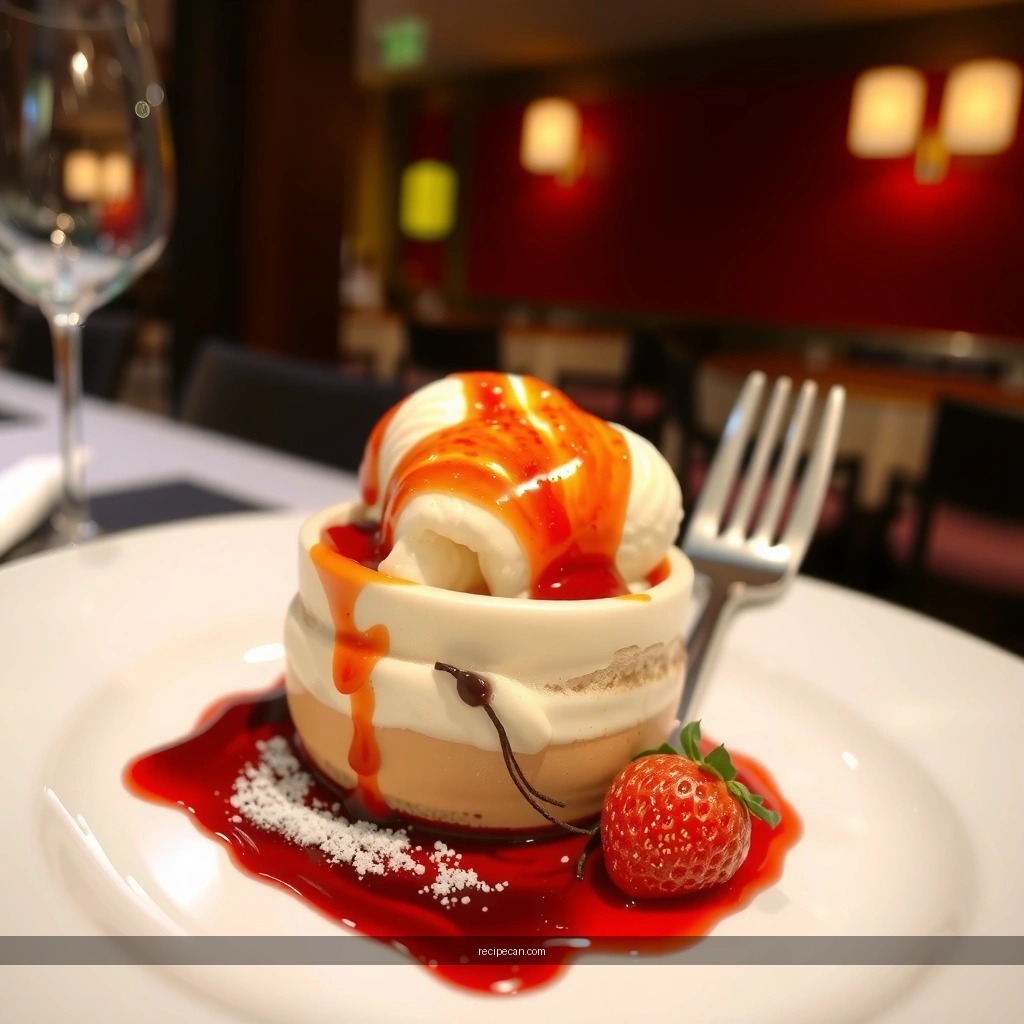
In tiramisu, the coffee soak is a time-and-liquid control problem. If ladyfingers soak too long, they turn soggy and release liquid—especially when layered with creamy bases. If they’re too dry, the dessert lacks that soaked-cake bite.
Step-by-step method
– Brew strong coffee or espresso.
– Cool it for a few minutes so it’s not hot when it meets the ladyfingers.
– Add any optional flavor (like a small splash of vanilla or a hint of espresso powder) to deepen aromatics without increasing volume.
Soak rule for consistency
– Dip ladyfingers quickly—think seconds, not minutes.
– Work in small batches so you can assemble efficiently.
– Aim for ladyfingers that look darkened and slightly softened, but still hold their shape.
What “brief soak time” accomplishes
– Keeps layers from sliding.
– Prevents the cream from being diluted.
– Helps tiramisu set into a sliceable structure after chilling.
Layering for Classic Tiramisu Texture
Layering is where your egg-free tiramisu becomes “restaurant-looking” rather than “dessert-in-a-bowl.” Classic texture comes from repeating thin cream layers and evenly soaked ladyfingers.
Recommended layering pattern
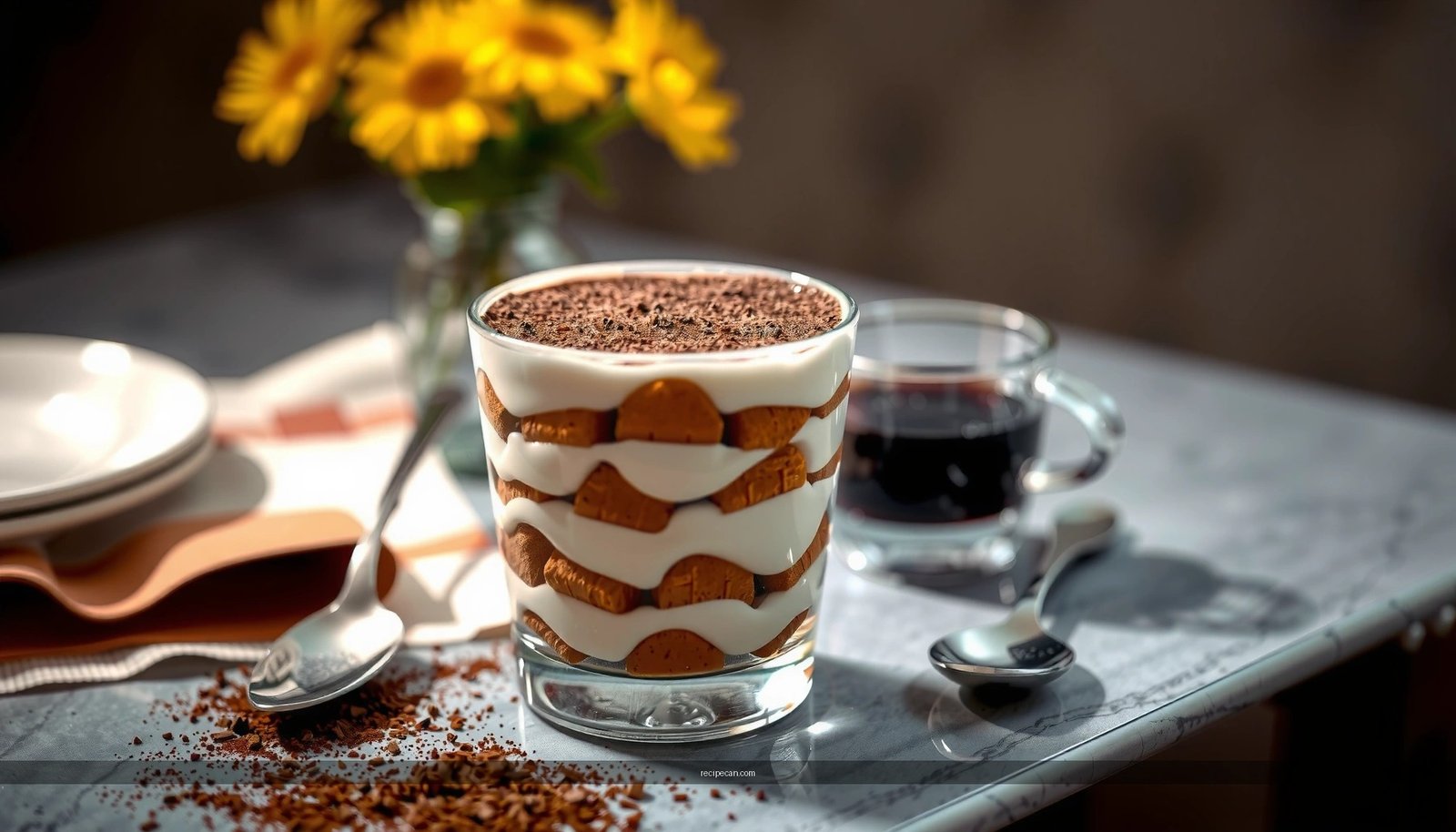
1. Thin mascarpone layer at the bottom (prevents ladyfingers from directly touching the dish unevenly).
2. Single layer of soaked ladyfingers.
3. Even cream layer (spread to the edges).
4. Repeat once (or twice if using a taller dish).
Why thin, even layers matter
– They hydrate uniformly (no watery pockets).
– They set more predictably in the fridge.
– They ensure every slice has the same coffee-to-cream ratio.
Professional assembly tips
– Use an offset spatula for controlled spreading.
– Press gently on the top layer to level the surface (don’t compress so hard that you force liquid out).
– Keep the cream cold while assembling to slow down melting and maintain clean lines.
Best Ways to Chill and Set
Chilling is not a passive step—it’s where your egg-free structure becomes sliceable. Refrigeration lets fat firm up and lets your cream/emulsion stabilize.
Chill guidance
– Refrigerate for at least 4–6 hours if your base is on the softer side.
– For reliable slicing, plan overnight (8–14 hours).
– The longer rest improves texture integration between ladyfingers and mascarpone.
When to add cocoa
– Dust cocoa powder right before serving.
– Cocoa absorbs moisture over time and can dissolve into a dark paste if added too early.
Serving logistics
– For clean cuts: wipe the knife between slices and return the tray to the fridge quickly.
– If your environment is warm, keep the dessert in the coldest part of the refrigerator.
Coffee Soak Timing for Ladyfingers (No Eggs)
| # | Ladyfinger Type | Soak Time | Visual Target |
|---|---|---|---|
| 1 | Classic dry savoiardi | 2–3 seconds per side | Darkened, flexible edges |
| 2 | Softer bakery ladyfingers | 1–2 seconds per side | Soft center, intact shape |
| 3 | Thicker cut ladyfingers | 3–4 seconds per side | Even coffee color, no collapse |
| 4 | Ladyfingers that feel very dry | 2–3 seconds total | Moistened surface, still firm |
Common Problems (And How to Fix Them)
Even experienced bakers hit issues—especially when switching to an egg-free tiramisu. Most problems trace back to either base stability or coffee soaking.
1) If it’s runny
Common causes:
– Ladyfingers soaked too long (liquid released into the cream).
– Base cream not thick enough or under-chilled.
Fixes:
– Chill longer (often an additional 2–4 hours makes a noticeable difference).
– Use a thicker mascarpone-to-cream ratio next time (more mascarpone, slightly less liquid cream).
– If you want a consistent “slice on day one,” add stabilization (like gelatin or a small, properly cooked thickener).
2) If it’s too firm
Common causes:
– Over-chilling a very gelatin-stabilized base.
– Over-whipping, which can lead to a denser texture.
Fixes:
– Reduce chilling time slightly (for example, go from overnight to 8–10 hours).
– Fold aquafaba or lighten the base by increasing whipped cream slightly (in small increments).
3) If the layers separate
Common causes:
– Cream was too warm during assembly.
– Ladyfingers were oversaturated.
Fixes:
– Keep mascarpone mixture chilled while layering.
– Shorten soak times and assemble immediately after dipping.
– Press gently, then chill right away.
4) If flavor feels flat (despite being “right”)
Common causes:
– Coffee is not strong enough.
– Sugar is not balanced with acidity from mascarpone.
Fixes:
– Use stronger espresso and adjust sugar by taste.
– Add a small amount of vanilla or espresso powder to deepen the aroma.
Tiramisu recipe no egg is totally doable—you just need the right egg-free base, controlled coffee soaking, and enough chilling time for the layers to set. Choose your stability approach based on whether you prioritize sliceability or a lighter mousse feel, assemble with even layers, dust cocoa right before serving, and chill overnight for the most reliable, classic result.
In short: build a stabilized mascarpone-cream structure, soak ladyfingers briefly in strong coffee, layer evenly, and let refrigeration do the rest—then enjoy a smooth, coffee-rich, egg-free tiramisu that slices cleanly and tastes unmistakably like tiramisu.
Frequently Asked Questions
What is a good tiramisu recipe with no egg?
A good no-egg tiramisu recipe typically uses mascarpone and whipped cream instead of egg-based custard. You combine mascarpone with sugar (and sometimes a little vanilla), then gently fold in whipped cream for a stable, creamy texture. For the classic flavor, layer mascarpone mixture with espresso-soaked ladyfingers and finish with cocoa powder.
How do you make egg-free tiramisu without curdling?
To avoid any egg-related issues, use a no-egg mascarpone base and heat-free mixing methods. Whip cold cream to soft or medium peaks, then fold it into mascarpone until smooth; this creates a light tiramisu filling that won’t curdle like cooked egg custards. Chill the assembled dessert to help it set while keeping the layers intact.
Why does no-egg tiramisu sometimes end up runny, and how can I fix it?
No-egg tiramisu can turn runny when the whipped cream is under-whipped or when mascarpone is too warm. Make sure the cream is properly whipped and the mascarpone is room temperature—not hot—then refrigerate long enough (often 4–6 hours) to firm up the layers. Also, avoid soaking ladyfingers too long; quick dip in espresso helps prevent excess liquid pooling.
Which coffee should I use for the best flavor in an eggless tiramisu?
For the best egg-free tiramisu flavor, use strong espresso or high-quality coffee that’s been brewed and cooled slightly. A concentrated coffee infusion gives the dessert its signature bold taste without making the layers overly wet. If you want a smoother profile, you can use espresso plus a small splash of coffee liqueur or vanilla, but keep the total liquid minimal.
Best way to serve and store tiramisu recipe no egg?
For best results, serve your no-egg tiramisu cold after it has chilled for at least several hours, which helps the mascarpone filling set and improves the flavor. Store leftovers covered in the refrigerator for up to 2–3 days to maintain texture and prevent the ladyfingers from getting soggy. If possible, dust cocoa right before serving so the top stays fresh and not overly absorbed.
References
- Google Scholar Google Scholar
https://scholar.google.com/scholar?q=tiramisu+eggless+recipe - Google Scholar Google Scholar
https://scholar.google.com/scholar?q=tiramisu+no+egg+mascarpone+ladyfingers - Google Scholar Google Scholar
https://scholar.google.com/scholar?q=eggless+dessert+tiramisu+substitution+egg - Tiramisu
https://en.wikipedia.org/wiki/Tiramisu - Tiramisu | Meaning, Ingredients, Origin, Desserts, & Taste | Britannica
https://www.britannica.com/topic/tiramisu - Mascarpone
https://en.wikipedia.org/wiki/Mascarpone - Lady finger
https://en.wikipedia.org/wiki/Ladyfinger - https://pubmed.ncbi.nlm.nih.gov/?term=tiramisu
https://pubmed.ncbi.nlm.nih.gov/?term=tiramisu - https://pubmed.ncbi.nlm.nih.gov/?term=eggless+tiramisu
https://pubmed.ncbi.nlm.nih.gov/?term=eggless+tiramisu - https://pubmed.ncbi.nlm.nih.gov/?term=raw+eggs+salmonella+food+safety
https://pubmed.ncbi.nlm.nih.gov/?term=raw+eggs+salmonella+food+safety