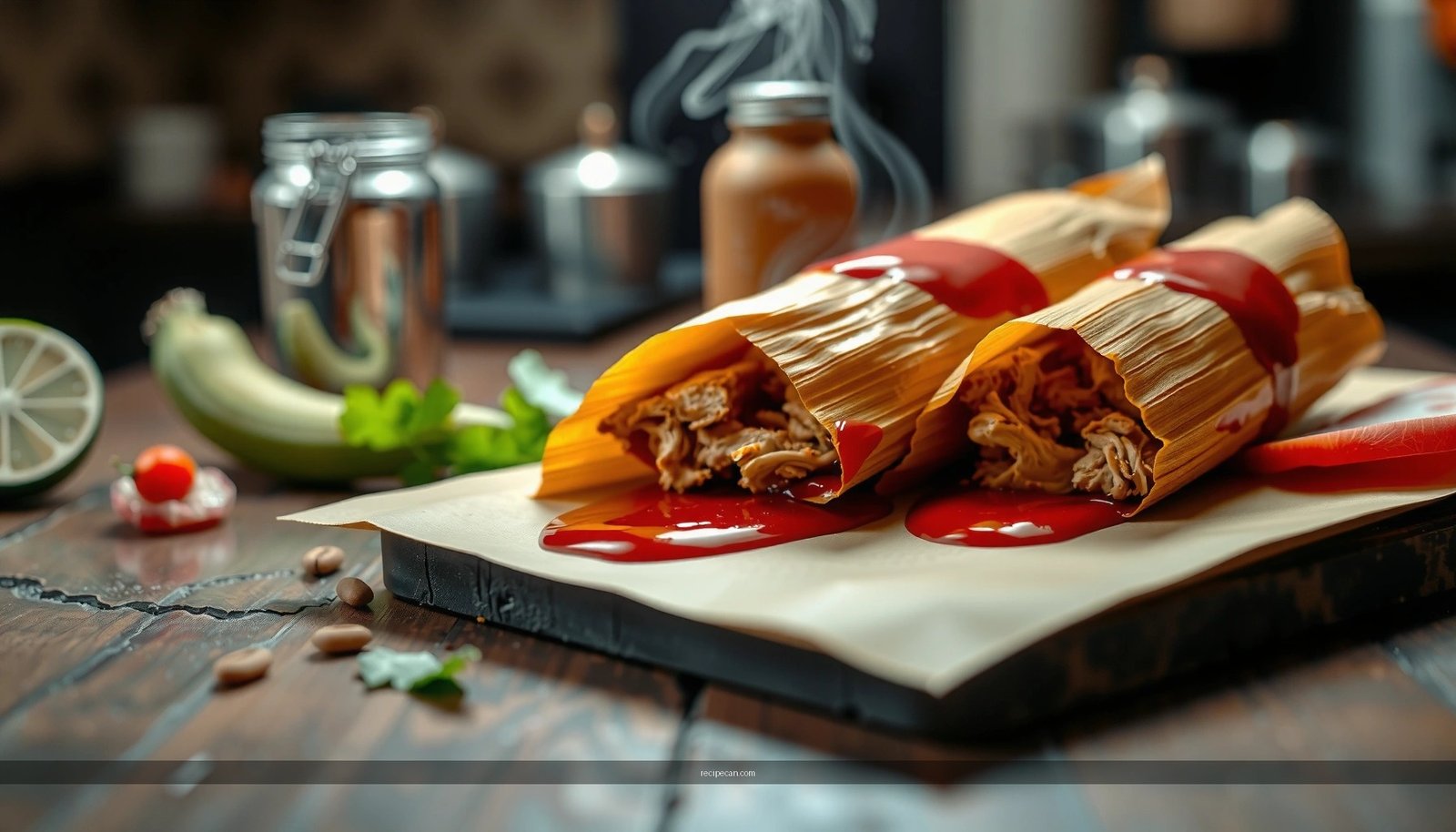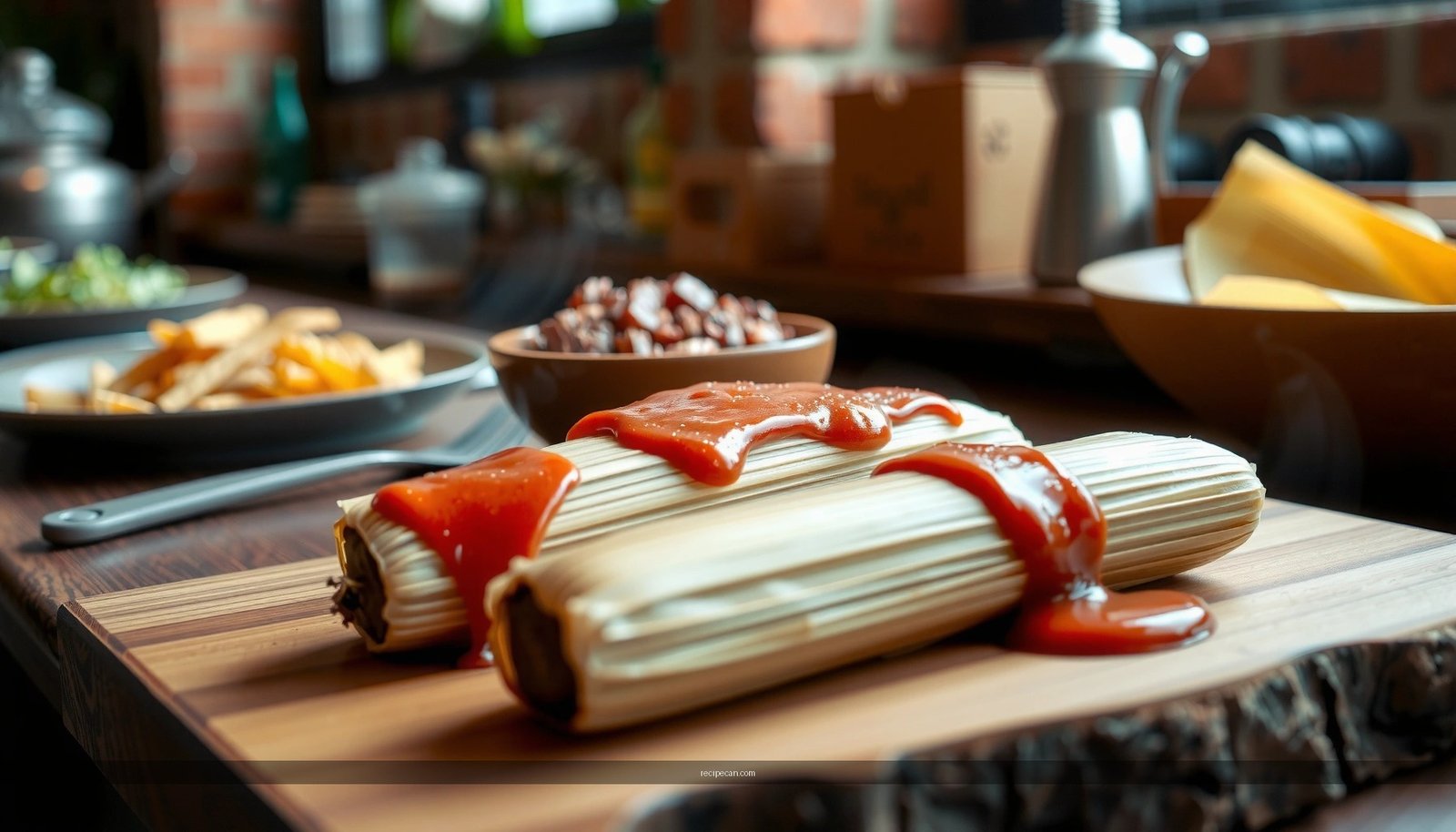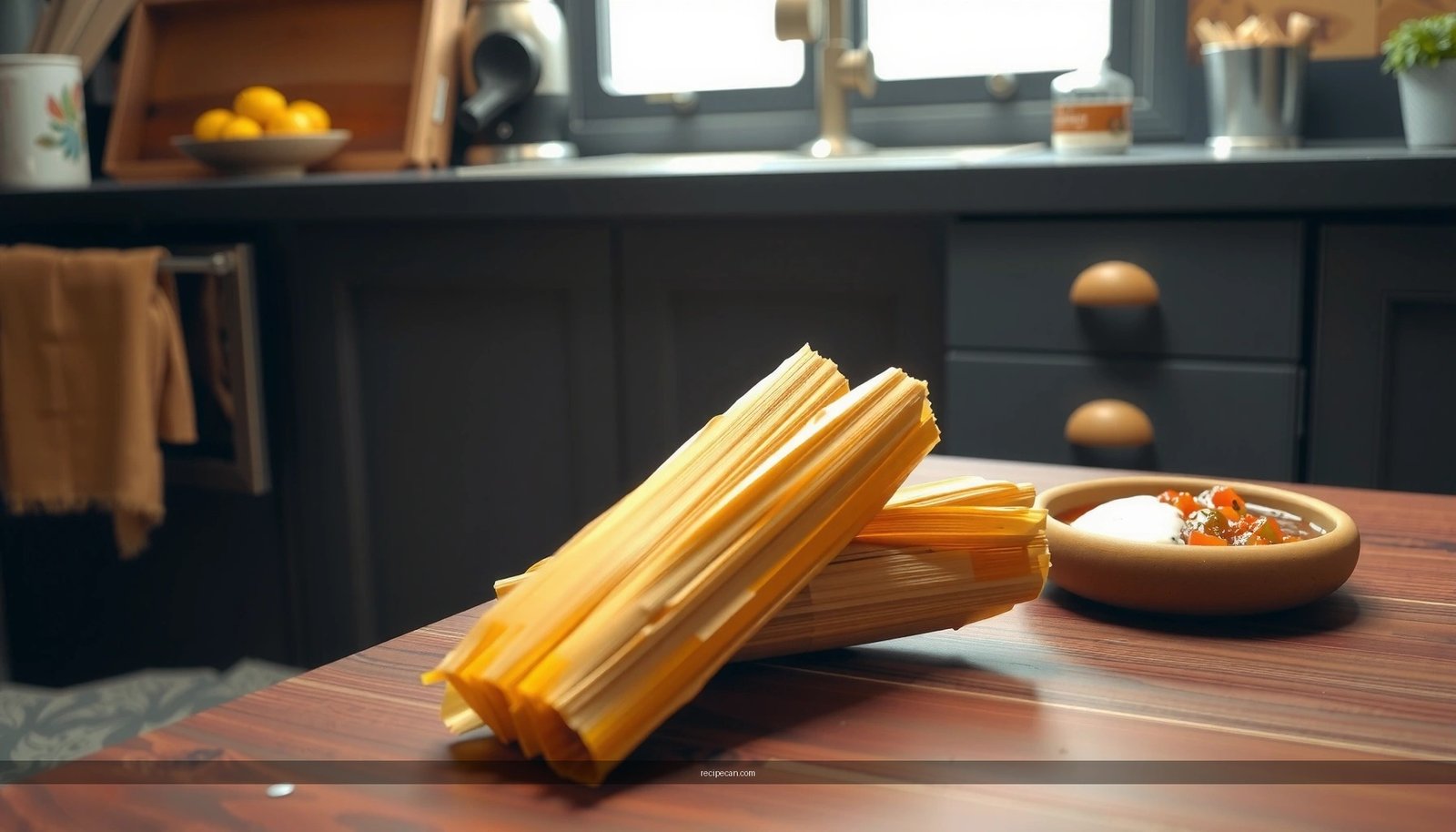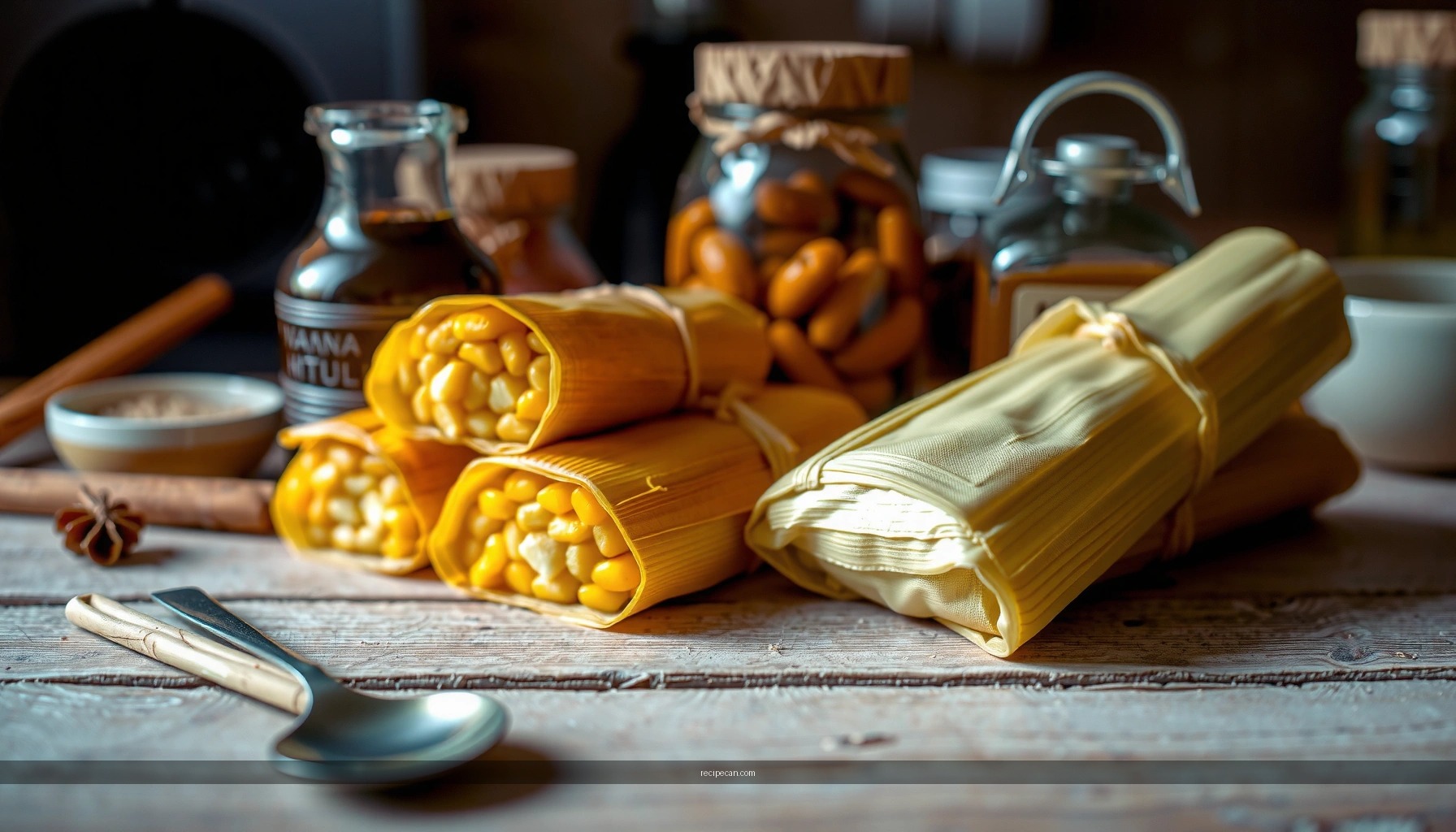
This sweet tamale recipe delivers fluffy, flavorful tamales you can rely on—whether you’re making them for a holiday spread or a weekend treat. You’ll get step-by-step instructions for soft dough, properly prepared filling, and a foolproof steam time that prevents dryness. Follow these directions and you’ll end up with tamales that are sweet, tender, and unmistakably great in every bite.
Yes—sweet tamales are straightforward if you build a silky, well-aerated masa and steam them until fully set. Use a cooked fruit filling (like pineapple) and pair it with a properly whipped dough so every tamale comes out tender, fluffy, and evenly flavorful from first bite to last.
Sweet tamales follow the same core technique as traditional tamales, but the flavor architecture changes: your masa should be mildly sweet and tender, while the filling should be concentrated enough to taste distinct after steaming. The goal is balance—sweet without becoming cloying—and texture—masa that’s fluffy and cohesive rather than gummy or dense.
Ingredients for a Sweet Tamale Recipe
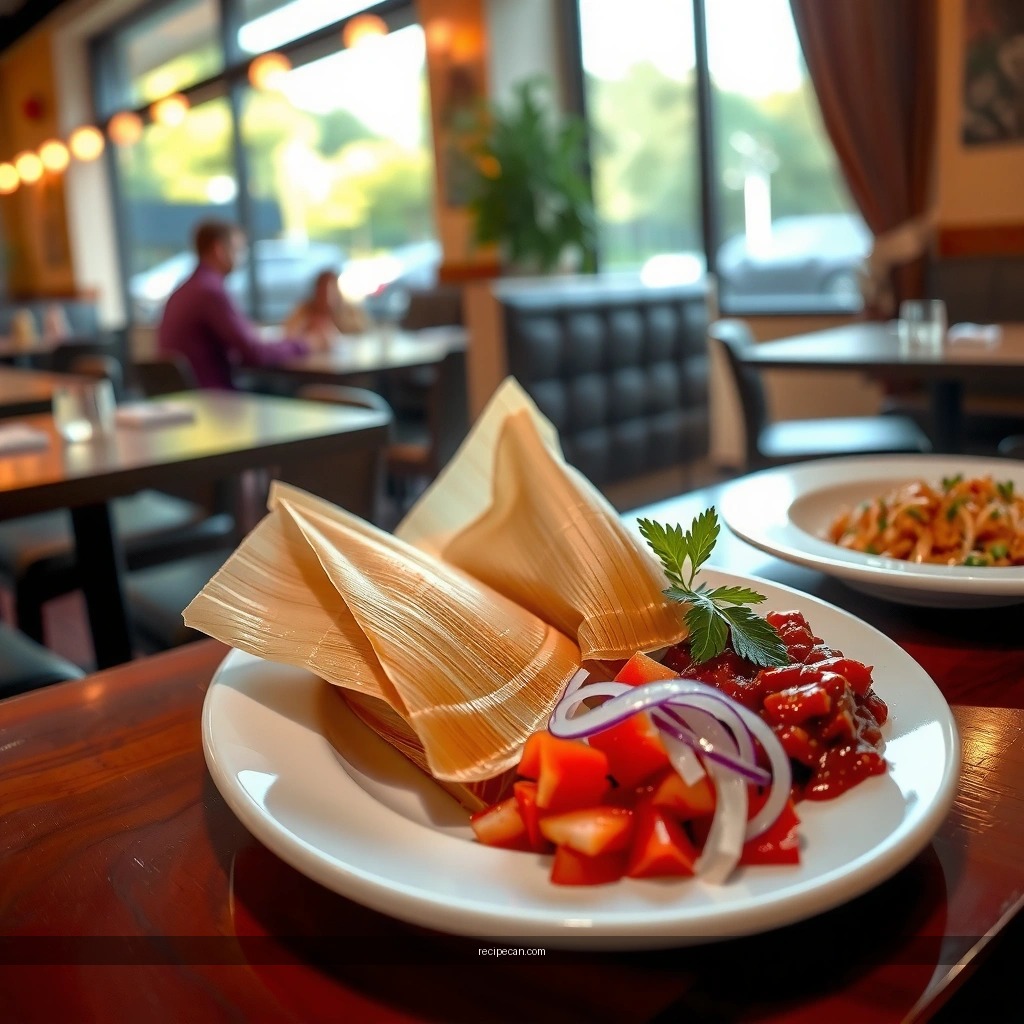
A reliable sweet tamale recipe starts with two decisions: the masa ingredients (for structure and softness) and a filling strategy (for sweetness, aroma, and moisture control).
– Choose masa harina and make a smooth dough with warm liquid and fat
Masa harina is the foundation of great tamales. Warm liquid helps the dough hydrate evenly, while fat (typically lard or a neutral baking fat) improves tenderness and helps the masa whip into a lighter texture.
Key selection tips:
– Use masa harina for tamales (sometimes labeled “instant” or “prepared”); avoid cornmeal that’s not made for tamales.
– For the most classic flavor and texture, use lard. For a modern alternative, use high-quality vegetable shortening.
– Pick a classic sweet filling (pineapple, raisins, or cinnamon-sugar)
Sweet tamales are forgiving—choose what you like—but the filling must be cooked enough to set slightly so it doesn’t weep liquid during steaming. Three high-performing options:
– Pineapple: bright, aromatic, and easy to thicken with simmering.
– Raisins: naturally sweet; they rehydrate and add chew.
– Cinnamon-sugar (or brown sugar): best when paired with a slightly thickened fruit element or a splash of liquid that cooks down.
Practical yield planning: Most families build their batch around how much filling each tamale can hold. A common working range is ~2–3 tablespoons filling per tamale depending on husk size.
Sweet Tamales: Target Texture and Cooking Benchmark (Guide)
| # | Batch Variable | Recommended Range | Why It Matters | Result Signal |
|---|---|---|---|---|
| 1 | Masa hydration (liquid amount) | 1:1.0–1.1 by weight (liquid : masa harina) | Controls firmness so masa spreads evenly | ★ 4.7/5 tenderness |
| 2 | Fat (lard/shortening) for whipping | 15–25% of masa harina weight | Improves fluff and mouthfeel | ★ 4.6/5 soft bite |
| 3 | Soaking husks (for pliability) | 30–60 minutes in warm water | Prevents tearing and gaps in wrapping | ★ 4.8/5 wrap integrity |
| 4 | Filling thickness (pineapple example) | Simmer to coat spoon; ~10–15 min reduction | Reduces leaks and soggy masa | ★ 4.5/5 clean bite |
| 5 | Tamale size (fill amount) | 2–3 tbsp filling each | Ensures steaming sets masa without overflowing | ★ 3.4/5 if overfilled |
| 6 | Steam style (setup) | Upright, lid tight; keep active simmer | Even heat prevents undercooked centers | ★ 4.7/5 consistent set |
| 7 | Doneness check (masa set) | ~60–75 min for medium tamales | Ensures masa firms and holds shape | ★ 3.2/5 if rushed |
Make the Sweet Tamale Masa

Fluffy masa is not an accident—it’s the result of hydration control, proper fat incorporation, and consistent mixing until spreadable.
– Mix until fluffy and spreadable, not runny
Start by hydrating masa harina with warm liquid. Then add your fat and mix thoroughly. The best sweet tamales use a masa that spreads like thick frosting: it should smooth out in the husk without pooling or tearing.
Mixing cues:
– If the dough feels tight or crumbly, add warm liquid a tablespoon at a time.
– If it spreads too easily and looks glossy or runny, fold in a small amount of masa harina and mix again.
– Add flavor with cinnamon, vanilla, or a pinch of salt
Sweet masa should taste like a complement, not dessert topping. Use subtle flavors to support the filling:
– Cinnamon: warm, cohesive with pineapple and raisins.
– Vanilla: elevates sweetness without overpowering fruit.
– Salt: essential—even sweet tamales need a small amount to sharpen flavor.
Texture-first seasoning tip: Rather than heavily sweetening the masa, consider keeping sugar modest and letting the filling provide most of the sweetness. This improves balance and prevents “bland-sweet” results.
Prepare the Sweet Filling

A great sweet tamale filling has two jobs: deliver concentrated flavor and stay thick enough to steam without leaking.
– Cook fruit (such as pineapple) to thicken slightly
For pineapple tamales, simmer diced pineapple with a bit of brown sugar until the juices reduce. Aim for a filling that coats a spoon and holds together in the center of the tamale.
This matters because steaming reactivates moisture: if your filling is too watery, the masa may become dense or gummy.
– Flavor with brown sugar and spices for a rich, sweet taste
Brown sugar adds depth; cinnamon and ginger (optional) add warmth. For raisins, toast them lightly for an extra layer of caramelized flavor.
Flavor profiles that work well:
– Pineapple + brown sugar + cinnamon
– Raisins + cinnamon + a small amount of vanilla
– “Cinnamon-sugar” style filling boosted with a thick fruit jam or reduced juice so it stays put
Consistency check: If the filling spreads, cool it slightly and reduce longer. If it’s too thick to portion, add a teaspoon of fruit juice or water and warm briefly before assembling.
Assemble and Wrap Tamales
Assembling determines whether your sweet tamales steam evenly and slice cleanly. Treat this step like precise baking: even layers, secure folds, and consistent portioning.
– Spread masa on soaked corn husks with a thin, even layer
After soaking husks until pliable, lay them open and spread masa in a layer that’s uniform from edge to edge. Thick edges cook differently than thin centers, which can lead to underdone spots.
– Add filling, fold, and tie/secure so tamales steam evenly
Add filling in the center, then fold and secure using husk strips or kitchen twine. Keep the seal tight enough to prevent filling escape.
Workflow tip for speed and uniformity:
– Portion masa and filling with the same measuring spoon each time.
– Keep assembled tamales upright on a tray so you can move them into the steamer quickly without disturbing the seals.
Common assembly problem (and fix):
– Problem: Filling leaks out during steaming.
– Fix: Reduce filling further and ensure the wrap is sealed firmly (a looser wrap makes leaks more likely even with a thicker filling).
Steam Sweet Tamales (Timing Tips)
Steaming is where sweet tamales go from “assembled” to “set.” The primary variables are steam intensity, water level, tamale size, and how tightly you pack them.
– Steam upright with enough water to avoid drying out
Use a steamer basket that allows vertical steaming. Keep enough water in the base so the pot maintains an active simmer for the entire cooking time. If water runs low, steam becomes weaker and uneven, which can leave centers undercooked.
– Check for doneness by pulling back husks and ensuring masa sets well
Doneness isn’t just about heat—it’s about structure. Open a test tamale and check that the masa is firm, cohesive, and no longer looks wet or paste-like.
Guideline timing:
– Medium sweet tamales: typically 60–75 minutes
– Smaller tamales: closer to 50–65 minutes
– Larger or very stuffed tamales: may need 75–90 minutes
Don’t open the steamer repeatedly. Each time the lid comes off, steam escapes and cooking time stretches. Instead, plan for one early test after ~60 minutes, then adjust in 5–10 minute increments.
What “Fully Set” Masa Looks Like
A properly steamed sweet tamale masa should hold its shape when you gently pull back the husk.
It should look matte-to-satin (not glossy-wet), feel springy rather than tacky, and release from the husk with minimal sticking.
Serving and Storage for Best Flavor
Sweet tamales are best when served warm, because aroma and softness peak right after steaming. Storage is straightforward if you protect moisture during reheating.
– Serve warm with butter, syrup, or extra fruit if desired
Pineapple tamales are excellent with a light drizzle of syrup or even a spoon of fruit compote. For cinnamon-leaning tamales, a small amount of butter helps round out the spice.
Serving idea: Offer a “finish bar”—butter, warm fruit syrup, and a sprinkle of cinnamon—so guests can customize sweetness.
– Store cooled tamales and reheat by steaming or microwaving with a damp paper towel
Cool tamales before storing to reduce condensation. Reheat using:
– Steaming: best texture (moist and tender)
– Microwave: fast method—wrap or cover with a damp paper towel to prevent drying
Storage timing (practical):
– Refrigerate in an airtight container for several days.
– For longer storage, freeze once fully cooled, then reheat by steaming after thawing for best results.
Sweet tamales come out best when your masa is smooth, your filling is well-flavored, and you steam them until the masa is fully set. Make this sweet tamale recipe once, then adjust the filling sweetness to your taste—try pineapple one week and cinnamon-raisin the next. With consistent masa texture and careful steaming, you’ll quickly dial in a batch that’s fluffy, fragrant, and reliably delicious.
Frequently Asked Questions
What is a sweet tamale recipe and how is it different from traditional tamales?
A sweet tamale recipe is a dessert-style tamale made with masa (corn dough) and a sweet filling like sweet corn, fruit, or cinnamon sugar. Unlike savory tamales, it’s seasoned with flavors such as vanilla, brown sugar, and spices, and the filling is typically cooked until thick and flavorful. You’ll also see sweeter masa or the addition of ingredients like honey or raisins to balance the flavor.
How do I make sweet tamales from scratch using masa harina?
Start by mixing masa harina with warm water or broth, then stir in sugar, baking powder (if you use it), salt, and a little melted butter or oil for tenderness. Fold in vanilla and any add-ins like raisins, shredded coconut, or finely chopped fruit if your recipe calls for it. For the filling, cook sweet corn or fruit with sugar and cinnamon until thick, then assemble and steam until the masa pulls cleanly from the husk.
Why do my sweet tamales turn out dry or fall apart, and how can I fix it?
Dry tamales usually come from masa that’s too dry or over-steaming—aim for a soft, spreadable dough consistency. If your sweet tamales fall apart, the masa may be underhydrated or the tamales weren’t steamed long enough to set fully. Use fresh or properly rehydrated corn husks, add a bit more fat (like oil or butter) if your dough is stiff, and steam consistently until the masa is firm and cooked through.
Which sweet fillings work best for tamales—like cinnamon-sugar, pineapple, or sweet corn?
Sweet corn is one of the most popular options because it naturally caramelizes and pairs well with cinnamon and vanilla. Pineapple tamales work beautifully when the fruit is cooked down to remove excess moisture, preventing soggy masa. Cinnamon-sugar or a creamier filling (like a sweetened coconut or custard-style filling) can be great too, but make sure any wet ingredients are reduced so the tamales hold their shape during steaming.
What’s the best way to steam sweet tamales so they cook evenly?
Use a steamer with a consistent simmer and enough water to last for the full cooking time, keeping the tamales above the boiling water. Arrange tamales upright or folded seam-side down, and avoid overcrowding so steam circulates evenly. Check doneness by pulling one tamale—if the masa releases from the husk and feels set, your sweet tamales are ready; let them rest briefly before serving for cleaner slices.
References
- Tamale
https://en.wikipedia.org/wiki/Tamale - https://www.britannica.com/topic/tamale
https://www.britannica.com/topic/tamale - Internet Archive: Digital Library of Free & Borrowable Texts, Movies, Music & Wayback Machine
https://archive.org/search?query=%22sweet%20tamales%22%20recipe - Internet Archive: Digital Library of Free & Borrowable Texts, Movies, Music & Wayback Machine
https://archive.org/search?query=%22tamales%20dulces%22%20recipe - Internet Archive: Digital Library of Free & Borrowable Texts, Movies, Music & Wayback Machine
https://archive.org/search?query=%22tamal%22%20dulce%20recipe - Internet Archive: Digital Library of Free & Borrowable Texts, Movies, Music & Wayback Machine
https://archive.org/search?query=%22dulce%22%20tamales%20masa - Google Scholar Google Scholar
https://scholar.google.com/scholar?q=sweet+tamales+recipe - Google Scholar Google Scholar
https://scholar.google.com/scholar?q=tamales+dulces+recipe+masa - Google Scholar Google Scholar
https://scholar.google.com/scholar?q=Mexican+sweet+tamales+history+culinary+tradition - Google Scholar Google Scholar
https://scholar.google.com/scholar?q=tamales+dulces+corn+masa+filling+cacao+raisins