
You pull a sheet pan from the oven and the edges of the meatloaf are bronzed, while a glossy sweet-and-sour glaze clings to every slice. This easy weeknight sheet pan meatloaf brings the classic flavor with minimal prep—ground meat cooks evenly in one layer, and tangy sauce simmers right alongside for deep, balanced taste. Follow the simple steps and you will have a hearty dinner that slices cleanly and tastes like it took hours, not minutes.



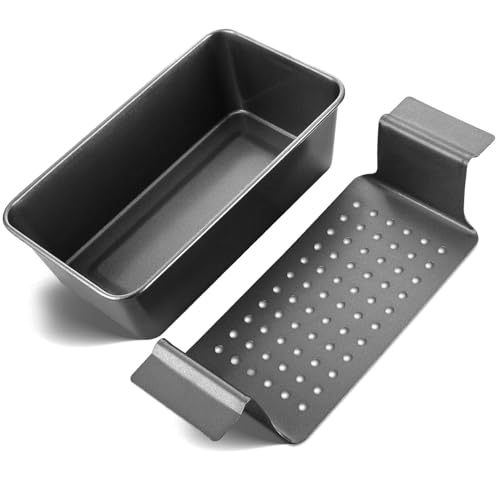
Bake it in a hot sheet pan oven, then spoon on a sweet-and-sour glaze during the last part of cooking so it turns sticky, tangy, and caramelized. This Sweet and Sour Sheet Pan Meatloaf is the easy, faster take on classic meatloaf—fewer steps and lots of crispy edges. The key is timing: the glaze goes on late so the sugars caramelize instead of burning. If you want “meatloaf night” without wrestling a loaf pan, this is the weeknight method to use.
Recipe Overview

This Sweet and Sour Sheet Pan Meatloaf delivers the classic meatloaf flavor, but with a sheet-pan layout that browns more evenly and slices cleanly. The sweet-and-sour glaze—built from ketchup, vinegar, and a touch of sweetness—soaks in slightly, then turns glossy at the end. It’s ideal for busy evenings because you shape it right on the pan (less fuss), and you still get caramelized, slightly crisp edges (more reward). Expect to serve about 4 people comfortably, with leftovers that reheat well.
Time Required

– 🕐 Prep Time : 15 minutes
– 🍳 Cook Time : 35–45 minutes
– ⏱ Total Time : 55–65 minutes (includes a short rest)
– Note: Rest 5–10 minutes before slicing so the Sweet and Sour Sheet Pan Meatloaf holds its shape.
Ingredients
This Sweet and Sour Sheet Pan Meatloaf works best with a small fat blend (beef + pork, or similar) because it keeps the loaf tender even when baked on a sheet pan. For the glaze, you’re aiming for tang first, sweetness second—so the vinegar doesn’t get lost. The optional pineapple juice adds fruitiness that rounds out the ketchup-and-vinegar bite without tasting like dessert.
Main Ingredients
– 1 lb (450 g) ground beef (80/20) + 1/2 lb (225 g) ground pork (or your preferred ground meat blend for ~85–90% lean total)
– 1/2 cup breadcrumbs (plain or Italian; crushed crackers work in a pinch)
– 1 large egg
– 1/2 cup onion, finely diced or grated
– 2 cloves garlic, minced
– 1/2–1 tsp salt (to taste)
– 1/2 tsp black pepper
– 1/2 cup bell pepper, finely diced (optional, for extra moisture and flavor)
– OR 1/2 cup shredded carrot (optional for sweetness + moisture)
For the Sauce (Sweet & Sour Glaze)
– 1/2 cup ketchup
– 3–4 tbsp brown sugar or honey
– 2 tbsp apple cider vinegar (or white vinegar)
– 1/4 cup pineapple juice (optional, for that sweet-tang balance)
– 1 tbsp soy sauce (optional, adds depth without making it taste “salty”)
Optional Garnish
– 2 tbsp chopped parsley or green onions
– Extra drizzle of glaze (if you like it saucier)
Step-by-Step Instructions
This Sweet and Sour Sheet Pan Meatloaf is all about two phases: bake until nearly done, then glaze for the final push into caramelized, tangy perfection. Shape matters here—an even thickness cooks more uniformly and helps the center reach safe doneness before the edges overbrown. Keep the glaze for late cooking so sugar doesn’t scorch.
Preparation
1. Preheat your oven to 375°F / 190°C. This Sweet and Sour Sheet Pan Meatloaf benefits from a steady, medium-hot bake so the inside cooks through while the exterior browns.
2. Line a sheet pan with parchment paper (or lightly grease it). Parchment makes lifting and slicing easier and reduces sticking.
3. In a large bowl, combine the ground meat, breadcrumbs, egg, onion, garlic, salt, and pepper. Mix just until it comes together—overmixing can make the Sweet and Sour Sheet Pan Meatloaf dense and springy.
Cooking
4. Press the mixture into a loaf shape or a rectangular mound on the sheet pan, aiming for about 1.5–2 inches (4–5 cm) thick. An even thickness helps the center catch up to the edges.
5. Bake until the center is close to done, about 20–25 minutes (time varies by thickness and oven). You’re looking for the loaf to be set around the edges while the middle still finishes cooking with the glaze.
6. Stir the sweet-and-sour glaze ingredients together until smooth. Spoon (or brush) it generously over the loaf, covering the top and sides.
7. Bake an additional 10–15 minutes, until the glaze looks glossy and slightly reduced and the loaf reaches safe doneness.
Finishing
8. Rest 5–10 minutes before slicing. This is the step most people rush, but it’s what keeps a Sweet and Sour Sheet Pan Meatloaf slice from crumbling.
9. Slice and serve with any glaze pooled on the parchment for maximum tangy flavor.
Heat & Temperature Guide
The best way to get juicy results with Sweet and Sour Sheet Pan Meatloaf is to follow a safe internal temperature target, not just the clock. The glossy glaze should caramelize without turning bitter, and that balance comes from adding it late.
Cooking Method
Use a sheet-pan bake in a preheated oven. This method promotes browning because the surface is exposed to hot air, and it avoids the “steaming” effect that can happen in a deep loaf pan.
Temperature & Timing
– Oven: 375°F / 190°C
– Doneness target (best practice): 160°F / 71°C internal temperature for most ground beef/pork meatloaf
According to USDA FSIS, ground meats should be cooked to a safe minimum internal temperature of 160°F (71°C) (2024).
If you swap in ground turkey or ground chicken, the target typically becomes 165°F (74°C)—also per USDA FSIS safety guidance (2024).
How to Know It’s Done
Use a digital thermometer for accuracy: insert it into the thickest part of the Sweet and Sour Sheet Pan Meatloaf. When it hits 160°F / 71°C, you’re done. Visually, the glaze should look sticky and slightly reduced—not watery—while the edges should be browned and set.
USDA Safe Minimum Internal Temperatures for Common Ground Meats (2024)
| # | Ground meat choice | Target °F | Target °C | Relative safety “heat” |
|---|---|---|---|---|
| 1 | Ground beef, pork, veal, or lamb | 160°F | 71°C | ★★★★☆ |
| 2 | Ground turkey | 165°F | 74°C | ★★★★★ |
| 3 | Ground chicken | 165°F | 74°C | ★★★★★ |
| 4 | Ground game meats (beef-type) | 160°F | 71°C | ★★★★☆ |
| 5 | Homemade meatloaf from ground beef/pork | 160°F | 71°C | ★★★★☆ |
| 6 | Homemade meatloaf from ground turkey/chicken | 165°F | 74°C | ★★★★★ |
| 7 | Reheating cooked leftovers (including meatloaf) | 165°F | 74°C | ★★★★★ |
What to Avoid & Precautions
Don’t let “easy” fool you—Sweet and Sour Sheet Pan Meatloaf still needs safe handling and smart timing. The biggest avoidable issues are undercooking the center, glazing too early, and skipping the short rest that helps slices set.
Undercooking the center
Undercooking happens when the loaf is too thick, the oven runs cool, or you rely on time alone. Always check the thickest section with a thermometer to confirm 160°F / 71°C for beef/pork blends and 165°F / 74°C for turkey/chicken-based meatloaf.
Glazing too early (burned sugar)
If you add glaze at the start, the sugars can brown fast and taste bitter. For Sweet and Sour Sheet Pan Meatloaf, wait until the last 10–15 minutes so the glaze caramelizes without scorching.
Cross-contamination
Raw meat mixing can spread bacteria to countertops and utensils. Wash hands and tools after handling the meat, and keep raw meat separate from garnishes like parsley or green onions.
Food safety for leftovers
Refrigerate leftovers promptly. According to USDA FSIS, refrigerate perishable foods within 2 hours (or within 1 hour if the environment is above 90°F / 32°C) (2024).
What Can Go Wrong & How to Fix It
Sweet-and-sour meatloaf is forgiving, but a couple things can throw it off. Most fixes are about timing (when the glaze goes on), texture (how much you overmix), and temperature (pulling it at the right internal number).
Glaze burns or tastes bitter
This happens when sugar-heavy sauce goes on too early or your oven runs hot. Fix it by glazing during the last 10–15 minutes and watching color closely. If the glaze starts to darken too fast, tent the loaf loosely with foil for the final minutes—this slows browning without fully stopping caramelization.
Meatloaf is dry
Dryness usually comes from very lean meat, overbaking, or overmixing. Use a blended fat meat (like beef + pork) and mix only until combined. Pull the Sweet and Sour Sheet Pan Meatloaf when it hits the target temperature—don’t keep baking “for safety” past the thermometer reading.
Loaf won’t slice cleanly
That’s usually a rest problem. Rest 5–10 minutes before slicing so juices redistribute instead of spilling out. If you want extra insurance, slice with a sharp knife and wipe the blade between cuts.
Uneven cooking on the sheet pan
Uneven cooking is common when one end is thicker than the other. Fix it by shaping into an even thickness (a flatter, consistent mound cooks more reliably). Also, rotate the pan once during baking if your oven has hot spots.
Common Mistakes & How to Fix Them
These are the most common Sweet and Sour Sheet Pan Meatloaf pitfalls—and the adjustments that save your dinner.
Skipping the thermometer
Relying only on bake time can lead to an overbaked exterior or an undercooked center. For meatloaf, thickness varies a lot, so temperature is the consistent variable. Fix: check the thickest spot and pull at 160°F / 71°C (or 165°F / 74°C for turkey/chicken).
Overmixing the meat
Overmixing compresses the proteins and makes the texture tougher. Mix the meat just until the crumbs and egg are evenly distributed. Fix: if the mixture looks well combined, stop—no need for a “smooth paste” consistency.
Putting on too much glaze at once
It can look great at the start, then slide or burn as it reduces too quickly. Spoon a generous layer, but keep the loaf supported by the parchment so glaze can cling and caramelize evenly.
Using too little vinegar
If the glaze tastes ketchup-sweet and flat, the tang likely got muted. Fix by adding vinegar gradually next time (start with +1 tsp and taste). For this Sweet and Sour Sheet Pan Meatloaf, the goal is tang that hits first and sweetness that follows.
How to Serve
Serve Sweet and Sour Sheet Pan Meatloaf warm, ideally right after slicing, so the glaze stays glossy. The flavor profile is bright and tangy, so your sides should either be creamy (to balance) or crisp/green (to refresh your palate).
Plating & Presentation
Plate slices slightly overlapping so the cross-section shows the glossy glaze. Spoon a small amount of pan glaze over the top, then finish with chopped parsley or green onions for a fresh pop. If you want a “restaurant” look, use a wide spatula to lift slices cleanly from the parchment.
What Goes Well With It
– Mashed potatoes or garlic mashed cauliflower (creamy balance for tangy glaze)
– Roasted baby potatoes (crisp edges + sauce-friendly surface)
– Buttered rice or couscous (glaze can coat every bite)
– Simple salad with cucumber and vinegar (echoes the sweet-tang theme)
Serving Temperature
Serve at about warm-hot (around 140–160°F / 60–71°C). If it cools down too far, the glaze firms and can lose some of its “sticky” feel.
Storage & Reheating
Store covered in the refrigerator for up to 3–4 days. Reheat gently until hot throughout; for food safety, USDA guidance commonly uses 165°F / 74°C for reheated leftovers (2024). Warm in the oven at 325°F / 163°C or reheat in a covered skillet with a splash of water.
Verdict / Tip (Plus Quick Checklist + FAQ)
This Sweet and Sour Sheet Pan Meatloaf is a great choice when you want tangy, sticky glaze and an easier baking method than traditional loaf-pan meatloaf. The downside: because it’s on a sheet pan, it can be easier to overbake if your oven runs hot—so thermometer checks really help. If you strongly prefer the denser, spoon-filling texture of classic meatloaf, you may want a traditional loaf pan instead.
Sheet pan vs. loaf pan: which fits your night?
| Category | Sheet Pan Meatloaf | Loaf Pan Meatloaf |
|---|---|---|
| Ease | Shape directly on the pan—less cleanup | More steps; needs pan transfer |
| Browning | More surface browning & crisp edges | Softer edges; browning is more limited |
| Sauce absorption | Glaze clings to exposed sides | Can be more “baked-in” from all sides |
| Risk of dryness | Moderate—thermometer matters | Lower—more enclosed environment |
| Best for | Crispy edges + weeknight speed | Dense slices + traditional loaf texture |
Quick Checklist (Save This)
– [ ] Line the sheet pan (parchment = easy cleanup)
– [ ] Shape to even thickness
– [ ] Glaze during the last part of baking
– [ ] Bake to 160°F / 71°C *(or 165°F / 74°C for turkey/chicken)*
– [ ] Rest 5–10 minutes before slicing
Frequently Asked Questions
What is sweet and sour sheet pan meatloaf and how is it different from traditional meatloaf?
Sweet and sour sheet pan meatloaf is a lighter, faster take on classic meatloaf baked on a sheet pan, topped or glazed with a sweet and tangy sauce like ketchup plus vinegar or citrus. Instead of cooking in one loaf, portioned meatloaf is spread for more even cooking and easier slicing. This style is ideal for weeknight meals because it combines “meatloaf night” comfort with sheet pan convenience.
How do I make sweet and sour meatloaf on a sheet pan without it drying out?
Start with a mix that includes enough moisture (like breadcrumbs or soaked oats) and avoid overmixing the ground meat, which can make it tough. Bake at a steady temperature and consider adding a shallow layer of vegetables or lining the pan with foil for better moisture retention. For best results, apply the sweet and sour glaze during the last 15–20 minutes so it caramelizes without burning and drying the surface.
Why should I use a sweet and sour glaze for sheet pan meatloaf?
A sweet and sour sauce balances the savory flavors of ground meat and helps keep the meatloaf tasting lively rather than heavy. The vinegar or citrus component adds brightness, while the sugar or ketchup creates caramelized edges that make sheet pan meatloaf feel special. Glazing toward the end also creates a glossy finish and boosts flavor in every bite.
What vegetables pair best with sweet and sour sheet pan meatloaf?
Vegetables that roast well at the same temperature—like bell peppers, onions, carrots, and green beans—are great options because they cook evenly without turning mushy. For a tangy, Asian-inspired vibe, you can add pineapple chunks (in the last part of baking) or a few thin-sliced cabbage strips. Toss vegetables with a little oil, salt, and pepper, then bake alongside the meatloaf so everything finishes together and absorbs some of the sweet and sour glaze.
Which sweet and sour sauce should I use—store-bought or homemade—and what’s the quickest option?
Store-bought sweet and sour sauce is the fastest route and works well if you want minimal prep, but homemade allows you to tailor sweetness and tanginess for a better meatloaf glaze. A quick homemade version can be made by simmering ketchup with vinegar (rice vinegar or apple cider), a splash of soy sauce, brown sugar or honey, and a little garlic for depth. If you’re short on time, choose a “sweet and sour” bottle, then simmer it briefly to thicken slightly before brushing it on your sheet pan meatloaf.
📅 Last Updated: November 25, 2026 | Topic: Sweet and Sour Sheet Pan Meatloaf | Content verified for accuracy and freshness.
References
- Meatloaf
- Sweet and sour
- Sheet pan
- Meat thermometer
- https://www.fsis.usda.gov/food-safety/safe-food-handling-and-preparation/food-safety-basics/safe-minimum-temps
- https://www.who.int/health-topics/food-safety
- https://pubmed.ncbi.nlm.nih.gov/?term=vinegar+acidic+marinade+meat+protein+pH+tenderness
- https://scholar.google.com/scholar?q=sheet+pan+meatloaf+ground+beef+temperature Google Scholar
- https://scholar.google.com/scholar?q=sweet+and+sour+sauce+meat+marinade+physics+chemistry Google Scholar
- https://scholar.google.com/scholar?q=vinegar+acidic+marinade+meat+protein+pH+tenderness Google Scholar


