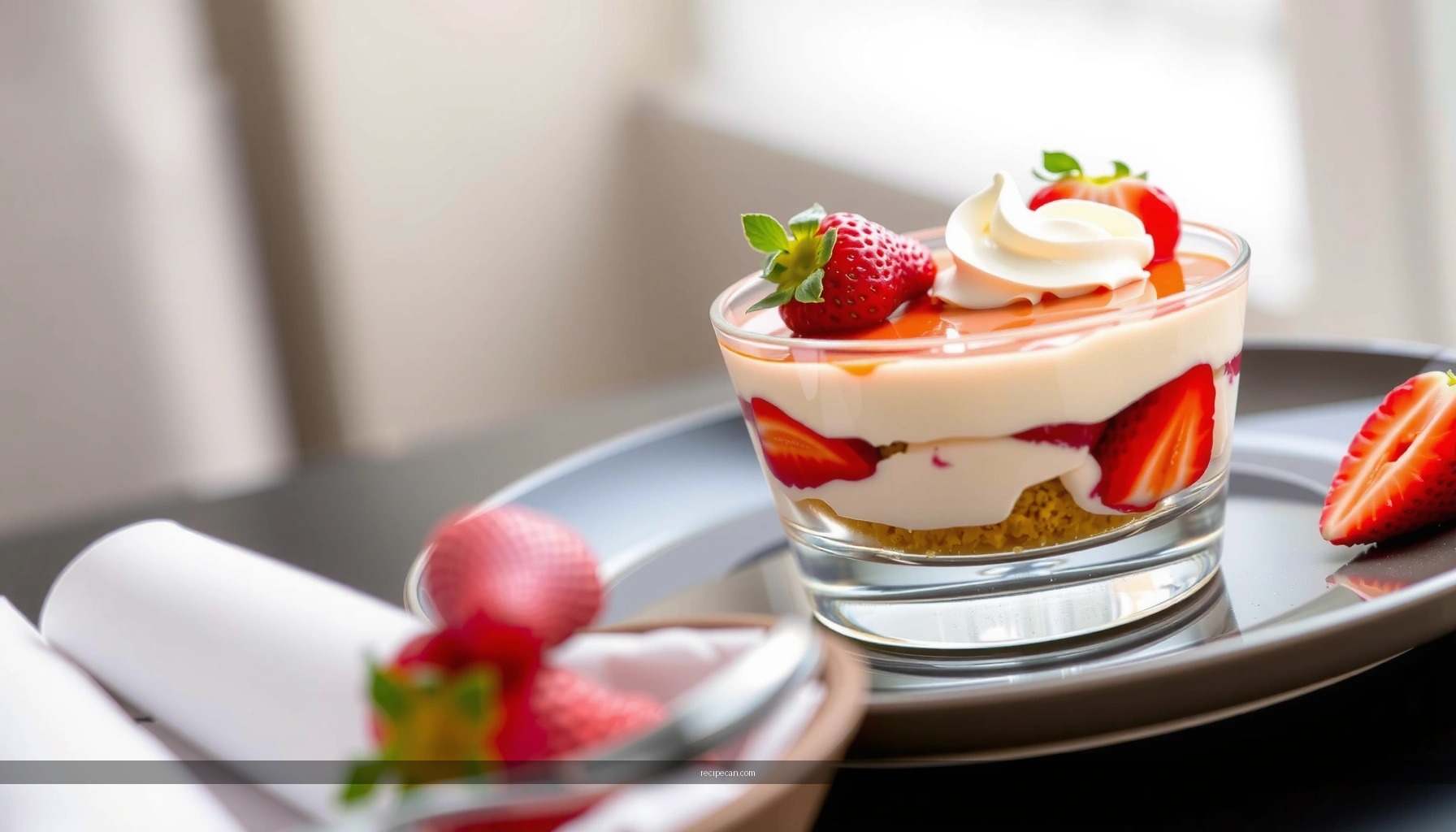
This strawberry tiramisu recipe delivers the best payoff for anyone who wants a creamy, fresh, easy dessert with real strawberry flavor. You’ll get a foolproof method for layering silky mascarpone cream, espresso-soaked ladyfingers, and vibrant strawberries so it slices clean and tastes impressive. If you’ve struggled with watery fruit or runny layers before, this is the version that fixes it.
This strawberry tiramisu recipe delivers a creamy mascarpone filling layered with fresh strawberries and ladyfingers for a dessert that’s impressive but straightforward. By prepping a juicy strawberry layer, whipping a stable cream mixture, and chilling long enough for the layers to set, you’ll get clean slices, balanced sweetness, and the classic tiramisu “set-and-melt” texture.
Make this strawberry tiramisu by layering strawberries, creamy mascarpone filling, and ladyfingers (or sponge cake) for a no-fuss, crowd-pleasing dessert. In this post, you’ll get a clear step-by-step method, ingredient tips, and the best way to chill it so the flavors set perfectly.
Ingredients for Strawberry Tiramisu
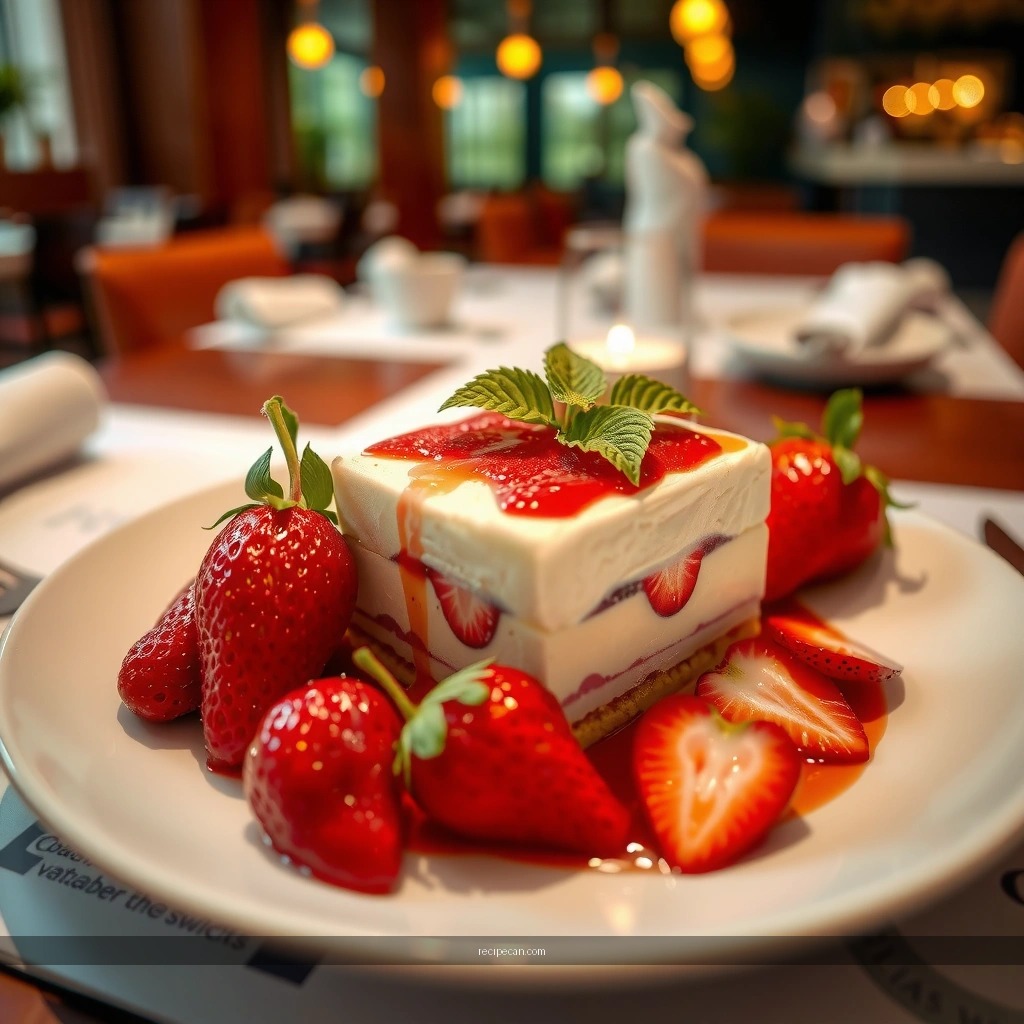
– Gather mascarpone, cream, sugar, vanilla, strawberries, and ladyfingers (or sponge cake)
– Choose sweetened or fresh strawberries based on your preferred flavor balance
A well-built strawberry tiramisu is less about complicated technique and more about getting the ingredient roles right: mascarpone provides structure and tang, cream lightens the mouthfeel, and strawberries deliver brightness. If any one component is out of proportion—overly watery fruit, under-whipped cream, or too-soft ladyfingers—the texture can drift from “silky and sliceable” to “soupy and crumbly.”
Core ingredient guidance (practical and analytical):
– Mascarpone (8 oz / 225 g per ~6–8 servings): Choose reputable brands for consistent thickness. If yours feels unusually loose, keep it chilled and handle gently—don’t overmix once smooth.
– Heavy cream (1 cup / 240 ml): Provides lightness and helps the cream layer set when chilled. For best results, use cream that’s cold straight from the fridge.
– Sugar: Sweeten the mascarpone to balance strawberry tartness. If your strawberries are already very sweet, reduce sugar slightly.
– Vanilla: A small amount rounds the flavor and makes the dessert taste “baked” rather than merely assembled.
– Strawberries (1.5–2 cups / 225–300 g sliced): Fresh berries are ideal for peak aroma. If berries are firm and sweet, slice thinly; if they’re tart or watery, mash slightly to stabilize the layer with their natural juices.
– Ladyfingers or sponge cake: Ladyfingers absorb strawberry juices and create the signature tiramisu texture. Sponge cake works similarly but yields a slightly softer bite.
What to use when strawberries vary:
– If berries are very juicy, slice and macerate briefly (10–15 minutes) with a small amount of sugar, then let excess liquid settle before layering.
– If berries are firm/tart, lightly mash to release flavor and consider adding a tiny squeeze of lemon juice to highlight fruit notes.
To support ingredient decisions, here’s a data-focused view of how common strawberry choices influence dessert sweetness and thickness.
Strawberry Selection Impact on Tiramisu Layer Behavior (US, Typical Retail Fresh Types)
| # | Strawberry Choice | Typical Sweetness (Perceived) | Juiciness | Best Layering Approach | Recommended Cream Setup |
|---|---|---|---|---|---|
| 1 | Peak-season fresh (fully red) | High | Medium | Slice + quick macerate (10–15 min) | Whip to soft peaks |
| 2 | Partially ripe (tart, firm) | Medium-Low | Low-Medium | Lightly mash for flavor release | Stable whip (hold shape) |
| 3 | Organic fresh (often more aroma) | Medium | Medium | Slice thin for even absorption | Soft-peaks cream |
| 4 | Very ripe / bruising-prone | High | High | Mash + rest, then skim excess liquid | Whip slightly firmer to prevent slump |
| 5 | Frozen strawberries (thawed) | Medium | High (after thaw) | Drain thoroughly; mash well | Consider extra chilling (overnight) for set |
| 6 | Sweetened strawberry preserves | High | Medium | Use as a thicker “syrup layer” | Whip to soft peaks; reduce added sugar |
| 7 | Balsamic-glazed strawberries (prepared) | Medium-High | Low-Medium | Slice + drizzle sparingly | Soft-peaks; keep vanilla balanced |
Make the Strawberry Layer
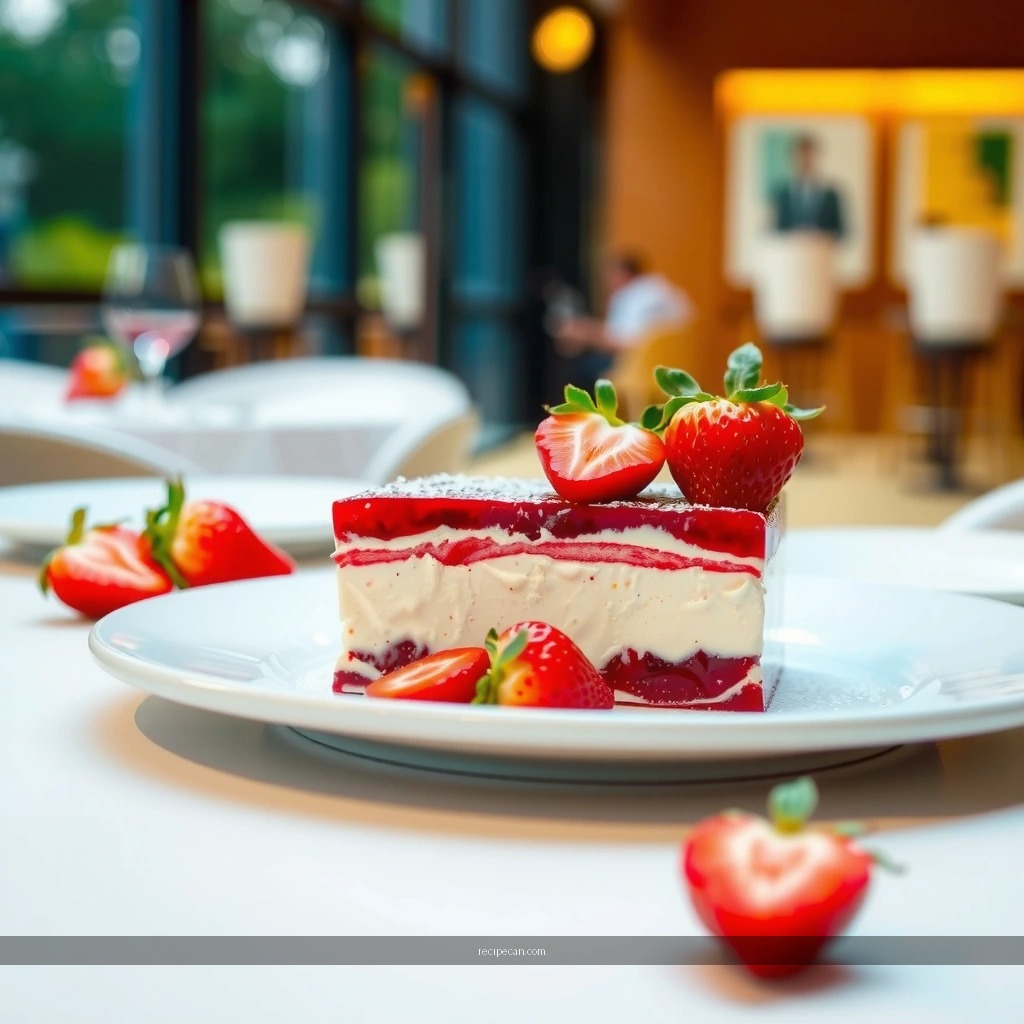
– Slice or lightly mash strawberries to create a juicy, spoonable layer
– Optional: add a touch of sugar or lemon juice to enhance brightness
The strawberry layer is where flavor sets the tone. For classic strawberry tiramisu, you’re aiming for jammy-but-not-watery fruit that mingles with ladyfingers during chilling.
Step-by-step approach (with texture control):
1. Slice or mash: Slice for visible berry texture and freshness. Lightly mash for more juice release and better absorption into ladyfingers.
2. Macerate briefly (optional but recommended): Toss strawberries with a small amount of sugar and let sit 10–15 minutes at room temperature. This jump-starts juice formation.
3. Control liquid: If your strawberries release a lot of liquid, spoon off some excess before layering. You still want moisture—just not runoff that will separate the cream.
4. Brighten the flavor: Add a few drops of lemon juice if berries taste flat. If berries are very tart, sugar can be increased slightly—but keep it measured so the mascarpone remains balanced.
Actionable tip: When layering, use a spoon rather than pouring. Spoonable fruit distributes more evenly and reduces pooling, which is a common reason tiramisu looks “messy” in the final cut.
Whip the Tiramisu Cream
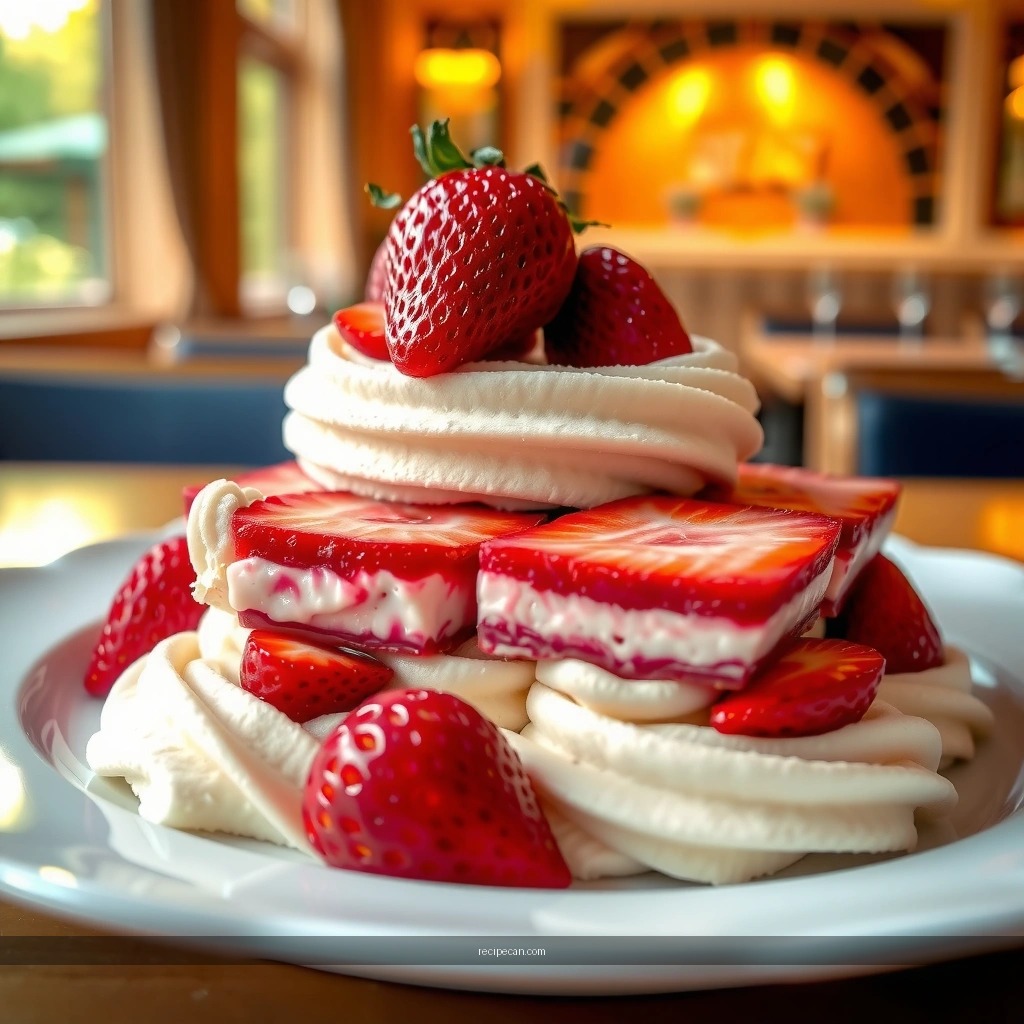
– Whisk mascarpone with sugar and vanilla until smooth
– Fold in whipped cream for a lighter, airy texture
This cream component determines whether your strawberry tiramisu is airy and sliceable—or dense and prone to collapsing. The key is to create a smooth mascarpone base and then fold in whipped cream without deflating it.
How to do it correctly:
1. Soften and smooth mascarpone: Keep mascarpone cold for stability, but if it’s very firm, let it sit at room temperature for 5–10 minutes. Whisk mascarpone with sugar and vanilla until glossy and lump-free.
2. Whip heavy cream: Whip until you reach soft peaks—the cream should hold shape but still look creamy. Over-whipping can lead to a grainy or separated texture.
3. Combine with folding, not stirring: Fold whipped cream into mascarpone in 2–3 additions. Folding preserves air bubbles and yields the signature tiramisu lightness.
Common failure modes (and prevention):
– Runny cream: Usually indicates undermixed mascarpone or over-watery strawberries. Solution: whip cream to soft peaks and keep fruit liquid controlled.
– Grainy texture: Often from over-whipping or aggressively mixing after folding. Solution: whisk mascarpone first; fold cream gently afterward.
– Cream splitting later: Can happen if the mascarpone is too warm or the cream was over-whipped. Solution: chill between steps and assemble efficiently.
Consistency check: When you lift the spatula, the cream should fall slowly and mound slightly on the spoon. That is your signal it’s properly aerated and stable for layering.
Assemble Your Strawberry Tiramisu
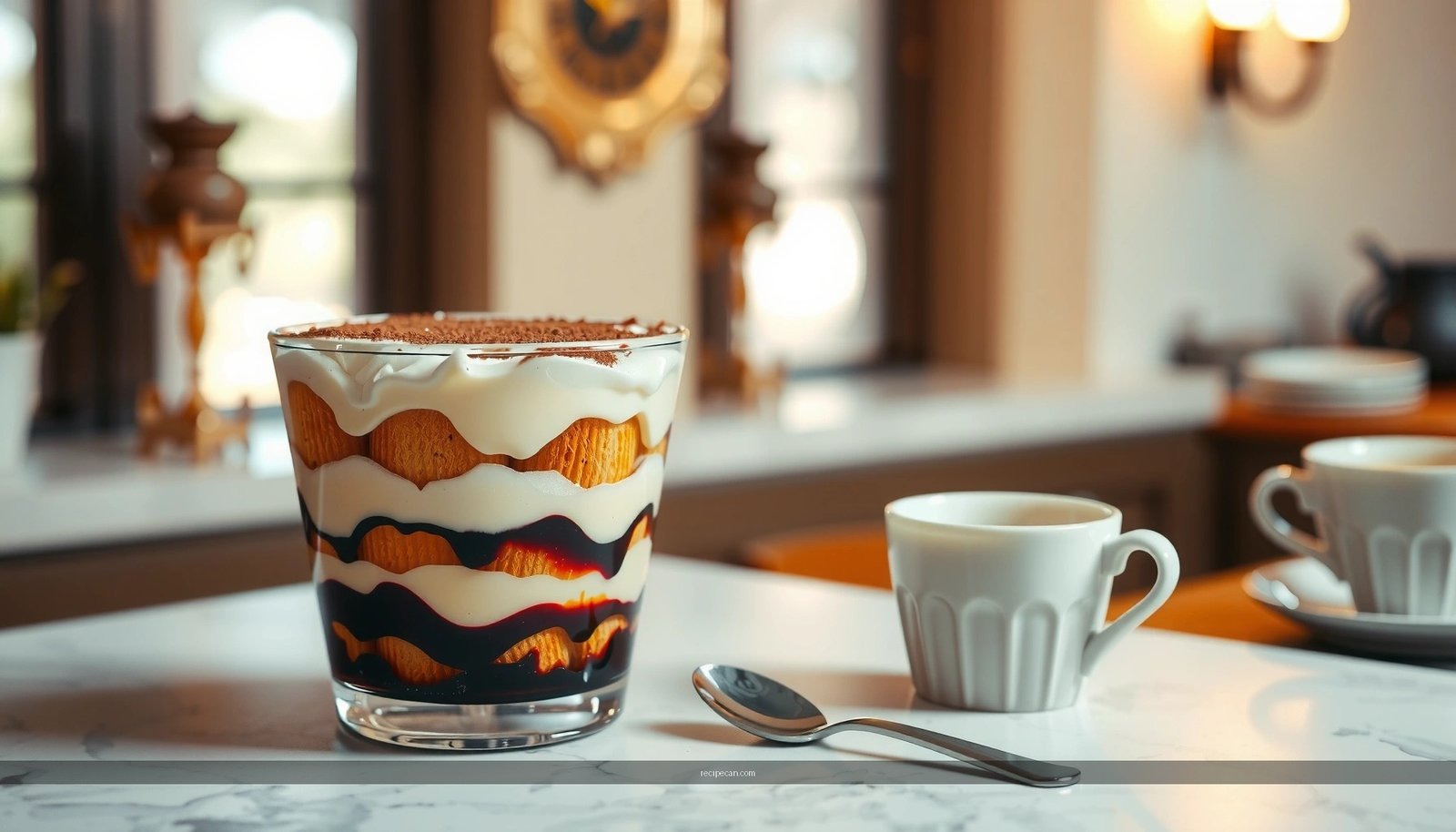
– Layer strawberries, cream, and ladyfingers in a glass or baking dish
– Repeat layers and finish with a thick cream top for a clean look
Assembly is where you convert components into a coherent dessert. A tidy structure creates even flavor distribution and clean slices.
Recommended assembly sequence:
1. Choose your dish: A clear glass baking dish (or individual cups) lets layers show. For best portioning, aim for a dish where each layer is about 1–1.5 inches thick.
2. Start with cream: Spread a thin layer of mascarpone cream at the bottom. This anchors ladyfingers so they don’t float.
3. Add ladyfingers: Arrange ladyfingers in a single layer. If using sponge cake, cut to size.
4. Layer strawberries: Spoon the strawberry mixture evenly over ladyfingers. Avoid oversaturation; you want moisture to transfer, not flood.
5. Add cream: Cover strawberries with a thick cream layer, smoothing the surface.
6. Repeat once more (or twice): Two layers often look best visually. Three can work for bigger servings, but keep thickness consistent for slicing.
Visual and practical payoff: Finish with a thick cream top. Not only does it look polished, it also helps protect the lower layers during chilling and improves the final slice integrity.
Chill and Serve Tips
– Refrigerate for at least 4–6 hours (overnight is best) to set the layers
– Serve cold and garnish with extra sliced strawberries or a dusting of cocoa
Chilling is not optional—it’s the chemistry step. During refrigeration, ladyfingers absorb strawberry juices and soften, while the mascarpone-cream mixture firms up so the dessert holds its shape.
How long to chill (and why):
– 4–6 hours: Minimum for flavors to meld and texture to set. Works well for same-day events.
– Overnight (best): Ensures full hydration of ladyfingers, smoother flavor integration, and better structural stability for slicing.
Serving best practices:
– Serve cold: Strawberry tiramisu is meant to be chilled. Take it out 10 minutes before serving if you want easier spooning.
– Garnish strategically: Add fresh sliced strawberries right before serving to maximize aroma and visual freshness. A light dusting of cocoa on top (even though strawberry-forward) creates a classic tiramisu aesthetic contrast.
– Slice cleanly: Use a sharp knife and wipe between cuts. The cream layers settle well when properly chilled, but fresh slicing helps maintain the lines.
If you’re transporting it: Keep it in a rigid container, and avoid tilting. The cream top acts like a “lid,” but sloshing during travel can cause layer blur.
Flavor Variations to Try
– Add a splash of strawberry syrup, balsamic glaze, or a hint of espresso (optional)
– Swap ladyfingers with sponge cake or gluten-free alternatives if needed
Once the base method works, strawberry tiramisu is highly customizable. Variations can shift the dessert toward brighter, more adult, or more celebratory flavor profiles while keeping the same creamy structure.
Taste-forward add-ins (use sparingly for balance):
– Strawberry syrup: Replace part of the fruit liquid with a small amount of syrup for deeper fruit flavor and more consistent moisture.
– Balsamic glaze: Adds complexity and a subtle tang. Use 1–2 teaspoons per serving’s worth of topping (drizzle lightly), so it doesn’t overpower strawberries.
– Hint of espresso (optional): Add a teaspoon to the strawberry layer or lightly brush ladyfingers. It enhances chocolate-like notes and makes mascarpone taste richer—without turning it into coffee tiramisu.
Switching the cake layer:
– Sponge cake: Generally softer and more forgiving. It can hold moisture but may require slightly less strawberry liquid.
– Gluten-free alternatives: Use certified gluten-free ladyfingers or sponge cake. This keeps the dessert’s texture familiar while supporting dietary needs.
Professional balancing rule: When you introduce a strong flavor (balsamic or espresso), reduce added sugar by a small margin. Strawberry tiramisu should taste like strawberries first—then discoverable notes second.
After assembling, chill your strawberry tiramisu recipe until it’s firm and richly flavored—this is the key step for the best texture. Follow the ingredient guidance, layer carefully, and give it enough time to set, then serve it chilled with fresh strawberry garnish. Make it today and share your layered masterpiece!
Strawberry tiramisu is a best-of-both-worlds dessert: bright fruit, creamy mascarpone comfort, and the satisfying softness of ladyfingers (or sponge cake). If you focus on three fundamentals—balanced strawberries, properly whipped cream, and sufficient chilling—you’ll consistently produce a clean, crowd-pleasing result with the classic tiramisu feel.
Frequently Asked Questions
What’s the best strawberry tiramisu recipe for a crowd?
A great strawberry tiramisu recipe for groups uses store-bought ladyfingers or homemade sponge layered with a strawberry compote and a mascarpone cream. Choose a larger, shallow dish so the layers spread evenly and everyone gets balanced cheesecake-like filling and strawberry topping. If you’re serving many people, prepare the strawberry mixture ahead and keep it chilled, then assemble close to serving for the best texture.
How do you prevent strawberry tiramisu from getting watery?
Wateriness usually comes from excess liquid in strawberries or syrupy compote soaking into the ladyfingers too fast. Cook the strawberry mixture until it thickens, let it cool fully, and drain any extra juice before layering. For best results, lightly dip the ladyfingers (or skip soaking) so the cream stays stable and the dessert holds its shape.
Why does my strawberry tiramisu taste too tart or too sweet?
Strawberry tiramisu flavor depends heavily on the sweetness and acidity of your berries and how much sugar you add to the cream. Taste the strawberry compote first—if it’s very tart, simmer it with a bit more sugar or add a touch of vanilla to round out the flavor. If it’s already sweet, reduce added sugar in the mascarpone mixture and consider adding a squeeze of lemon only to the strawberry layer for balance.
Which mascarpone substitute works best in strawberry tiramisu?
If you can’t find mascarpone, use cream cheese for a similar creamy base, but whip it well to reduce any tang and make it smoother. Another option is using a thick, plain Greek yogurt-based filling, though it may be slightly looser—stabilize by chilling longer or using strained yogurt. For the closest classic taste and texture, mascarpone remains the best choice, especially when paired with strawberries and a coffee or vanilla soak.
How long should strawberry tiramisu chill before serving?
Chill strawberry tiramisu for at least 4–6 hours, and ideally overnight, so the flavors meld and the ladyfingers soften properly. Keep it covered in the refrigerator to prevent the top layer from drying out. For the best presentation, add fresh strawberry slices or a quick strawberry topping just before serving, so they look vibrant and don’t release extra juice into the dessert.
References
- Tiramisu
https://en.wikipedia.org/wiki/Tiramisu - Mascarpone
https://en.wikipedia.org/wiki/Mascarpone - Lady finger
https://en.wikipedia.org/wiki/Ladyfinger - Strawberry
https://en.wikipedia.org/wiki/Strawberry - Tiramisu | Meaning, Ingredients, Origin, Desserts, & Taste | Britannica
https://www.britannica.com/topic/tiramisu - Good Food
https://www.bbcgoodfood.com/search?q=strawberry%20tiramisu - https://www.theguardian.com/food/search?q=strawberry%20tiramisu
https://www.theguardian.com/food/search?q=strawberry%20tiramisu - Google Scholar Google Scholar
https://scholar.google.com/scholar?q=strawberry+tiramisu+recipe - Google Scholar Google Scholar
https://scholar.google.com/scholar?q=strawberry+tiramisu+mascarpone+ladyfingers - Google Scholar Google Scholar
https://scholar.google.com/scholar?q=tiramis%C3%B9+strawberry+dessert+recipe