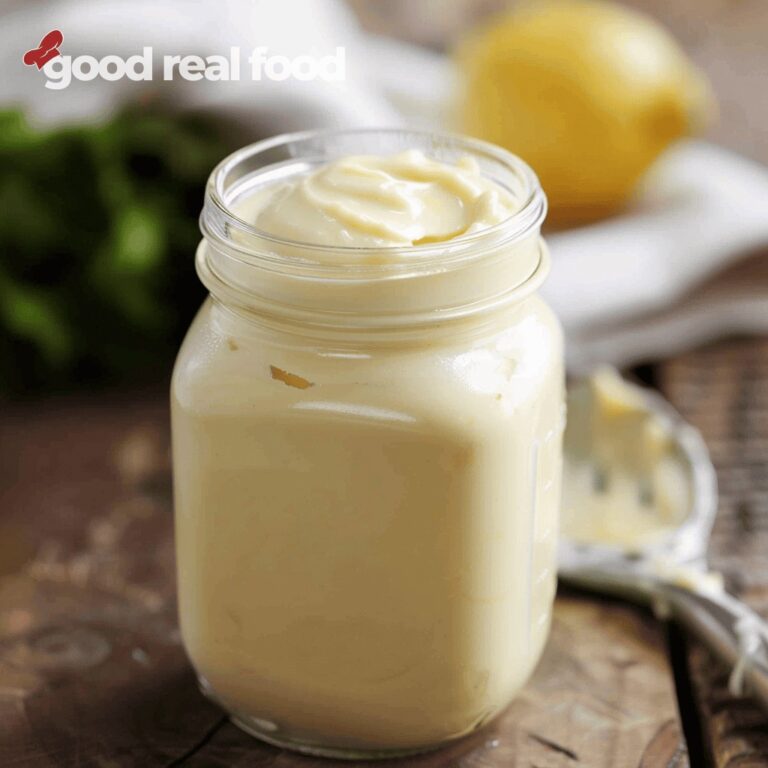
A simple mayonnaise recipe can transform your meals with just a few basic ingredients. This quick and easy guide reveals the best method for making creamy, flavorful mayonnaise at home in minutes, ensuring you never reach for store-bought again. Whether you want a classic version or a twist, this recipe delivers on taste and convenience. Say goodbye to preservatives and hello to fresh, homemade goodness.
Making homemade mayonnaise is incredibly simple and requires just a few basic ingredients. In this article, you’ll learn how to whip up a creamy and delicious mayonnaise in no time, perfect for sandwiches, salads, and dips. Let’s dive into the straightforward steps to creating your own mayo at home.
Essential Ingredients for Mayonnaise

To create a classic mayonnaise, you will need three primary ingredients that work harmoniously to deliver a smooth, creamy texture and rich flavor.
– Fresh egg yolks: The foundation of mayonnaise, egg yolks provide the necessary emulsifying properties that bind oil and water together, resulting in that creamy consistency we all love. Freshness is key here; use eggs that are as fresh as possible to ensure the best flavor and safety.
– Oil: A neutral oil, such as canola or vegetable oil, is ideal for mayonnaise. These oils have a mild flavor that allows the other ingredients to shine and helps in creating a stable emulsion. You can also experiment with oils like olive or avocado for a richer taste, but be mindful that they can change the flavor profile.
– Acid: Acid plays a crucial role in mayonnaise, as it not only enhances the taste but also helps stabilize the emulsion. Common choices are freshly squeezed lemon juice or white vinegar. The acidity provides brightness and balances the richness of the egg yolks and oil.
Step-by-Step Instructions

Creating homemade mayonnaise is a straightforward process that can be accomplished in just a few minutes. Here’s how to do it:
– Combine egg yolks and acid: Begin by placing two fresh egg yolks in a mixing bowl. Add about one tablespoon of lemon juice or vinegar. Using a whisk or an electric mixer, blend the yolks and acid together until they are smooth and creamy. This step is essential for ensuring that the acid is well incorporated into the yolks.
– Slowly add oil: The key to a successful emulsion is to add the oil gradually. Start by drizzling in about a cup of your chosen neutral oil while whisking vigorously. It’s critical to do this slowly, as adding the oil too quickly can cause the mixture to separate. Continue whisking until the mayonnaise thickens and reaches your desired consistency.
– Adjust seasoning: Once the mayonnaise has thickened, season it to taste with salt and freshly cracked pepper. You can also add additional flavorings at this stage, such as mustard, garlic powder, or herbs, to tailor the mayonnaise to your liking.
Tips for Perfect Consistency
Achieving the perfect consistency in mayonnaise is all about technique and ingredient temperature. Here are some expert tips to guide you:
– Use room temperature ingredients: Ingredients that are at room temperature emulsify more easily than cold ones. Take your eggs and oil out of the refrigerator at least 30 minutes before you begin making mayonnaise.
– Whisk or blend: While a whisk is traditional and can give you a great workout, using an immersion blender or food processor can make the process quicker and easier. An immersion blender, in particular, can create a stable emulsion in seconds.
– Adjust thickness: If your mayonnaise turns out too thick, you can incorporate a few drops of water or additional acid to loosen it. Conversely, if it’s too thin, adding more oil slowly while whisking can help.
Popular Mayonnaise Brands and Their Key Features (2023)
| # | Brand | Main Ingredients | Flavor Profile | Shelf Life |
|---|---|---|---|---|
| 1 | Hellmann’s | Egg yolks, soybean oil | Creamy, tangy | 6 months |
| 2 | Duke’s | Egg yolks, canola oil | Rich, bold | 4 months |
| 3 | Best Foods | Egg yolks, soybean oil | Smooth, savory | 6 months |
| 4 | Kraft | Egg yolks, canola oil | Light, zesty | 5 months |
| 5 | Sir Kensington’s | Egg yolks, sunflower oil | Herbaceous, gourmet | 6 months |
| 6 | Primal Kitchen | Egg yolks, avocado oil | Rich, healthy | 6 months |
| 7 | Hellmann’s Organic | Organic egg yolks, organic soybean oil | Smooth, organic | 6 months |
Flavor Variations to Try
Homemade mayonnaise is a versatile base that can be easily modified to suit various culinary needs. Here are some delicious flavor variations to consider:
– Garlic mayo: To create a delicious garlic aioli, simply incorporate minced garlic into your mayonnaise. Start with one clove and adjust according to your taste. This variation adds a robust flavor that pairs beautifully with fries or as a sandwich spread.
– Herb-infused mayo: Blend in fresh herbs such as dill, basil, or parsley. This herbaceous mayo works wonderfully in potato salads or as a dip for fresh vegetables, enhancing the freshness of your dishes.
– Spicy mayo: For those who enjoy a kick, adding a dash of hot sauce or sriracha can elevate your mayonnaise to a new level of flavor. This spicy condiment is perfect for sushi rolls, sandwiches, or as a zesty dipping sauce.
Storage and Shelf Life

Proper storage of homemade mayonnaise is essential to maintain its quality and safety:
– Refrigeration: Always store your homemade mayonnaise in an airtight container to prevent it from absorbing odors from your refrigerator. Glass jars with tight-fitting lids are excellent choices.
– Use within one week: For optimal freshness and food safety, consume your homemade mayonnaise within seven days. Always check for any changes in color or odor before use, and when in doubt, discard it.
Troubleshooting Common Issues
Even the most experienced cooks can encounter issues when making mayonnaise. Here are solutions to common problems:
– If it doesn’t emulsify: If your mayonnaise fails to come together, don’t despair. Start over with a new egg yolk in a clean bowl, then gradually whisk in the failed mixture. This technique allows the emulsification to take place more effectively.
– For a broken mayo: Should your mayonnaise separate or appear grainy, you can salvage it by blending in a teaspoon of warm water. This additional moisture can help re-emulsify the mixture and restore its creamy texture.
Making mayonnaise at home is not only easier than you might think, but it also allows for customization to suit your taste. Try this simple recipe today, and elevate your dishes with fresh, homemade mayo! Don’t forget to share your creations and variations with friends and family.
Frequently Asked Questions
What ingredients do I need for a simple mayonnaise recipe?
To make a simple mayonnaise recipe, you will need just a few basic ingredients: one large egg, one tablespoon of Dijon mustard, one tablespoon of white wine vinegar or lemon juice, and one cup of neutral oil such as canola or vegetable oil. Additionally, a pinch of salt can enhance the flavor, making your homemade mayonnaise both delicious and easy to prepare.
How do I make simple mayonnaise from scratch?
To make simple mayonnaise, start by placing the egg, mustard, vinegar or lemon juice, and salt in a blender or food processor. Blend the mixture for about 20 seconds, then slowly pour in the oil while the blender is running until the mixture thickens and emulsifies. This process takes just a few minutes and results in creamy homemade mayonnaise.
Why is my homemade mayonnaise not thickening?
If your homemade mayonnaise is not thickening, it may be due to the temperature of your ingredients or the speed at which you added the oil. Ensure that your egg and oil are at room temperature before starting, and pour the oil in very slowly at first to allow the emulsion to form properly. If it still doesn’t thicken, you can try adding a teaspoon of water and blending again to help stabilize the mixture.
What is the best oil to use for making mayonnaise?
The best oil for making mayonnaise is a neutral oil such as canola, sunflower, or grapeseed oil, as they won’t overpower the flavor of the mayonnaise. You can also use olive oil for a richer taste, but be aware that it may lead to a more pronounced flavor profile. Experimenting with different oils can yield unique and delicious variations of your simple mayonnaise recipe.
Which tools are best for making mayonnaise at home?
The best tools for making mayonnaise at home include a blender, food processor, or even a whisk for a more traditional approach. A blender or food processor is the easiest and fastest method, as they can quickly emulsify the ingredients. If you prefer a hands-on approach, a whisk and a bowl will work, but it may require more effort and time to achieve the desired consistency.
References
- Mayonnaise
https://en.wikipedia.org/wiki/Mayonnaise - https://www.seriouseats.com/how-to-make-mayonnaise-5119770
https://www.seriouseats.com/how-to-make-mayonnaise-5119770 - https://www.foodnetwork.com/recipes/articles/how-to-make-mayonnaise
https://www.foodnetwork.com/recipes/articles/how-to-make-mayonnaise - https://www.healthline.com/nutrition/mayonnaise
https://www.healthline.com/nutrition/mayonnaise - Google Scholar Google Scholar
https://scholar.google.com/scholar?q=simple+mayonnaise+recipe - Google Scholar Google Scholar
https://scholar.google.com/scholar?q=mayonnaise+homemade+health+benefits - https://www.ncbi.nlm.nih.gov/pmc/articles/PMC6471175/
https://www.ncbi.nlm.nih.gov/pmc/articles/PMC6471175/ - https://www.mayoclinic.org/healthy-lifestyle/nutrition-and-healthy-eating/in-depth/mayonnaise/art-20045706
https://www.mayoclinic.org/healthy-lifestyle/nutrition-and-healthy-eating/in-depth/mayonnaise/art-20045706 - https://www.sciencedirect.com/topics/food-science/mayonnaise
https://www.sciencedirect.com/topics/food-science/mayonnaise - https://en.wikipedia.org/wiki/Special:Search?search=simple+mayonnaise+recipe
https://en.wikipedia.org/wiki/Special:Search?search=simple+mayonnaise+recipe