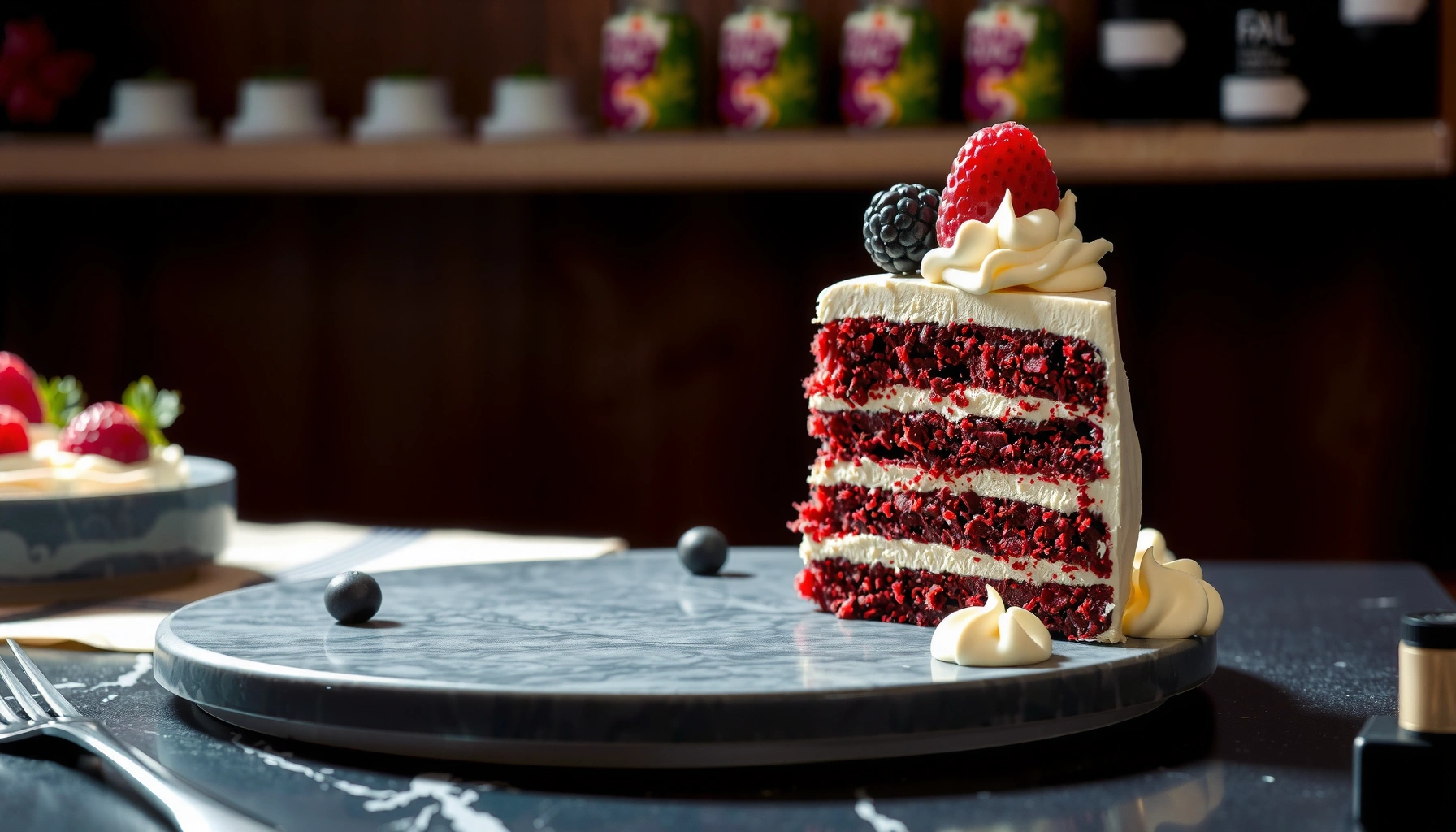
Find the best red velvet cake recipes for baking success, with clear steps that deliver the classic cocoa color, tender crumb, and cream-cheese frosting everyone expects. This guide picks the easiest reliable method first, then shows quick, high-impact variations—so you can choose the style you want without guesswork. If your goal is a dependable red velvet cake you can serve the same day, start here.
If you want reliable red velvet cake, bake a cocoa-based red velvet batter with buttermilk and vinegar, then frost it with tangy cream cheese frosting. This guide gives you a dependable classic method, smart substitutions, moisture-focused technique, and variation ideas—so your red velvet cake turns out moist, tender, and consistently flavorful in 2026.
Q: What makes a red velvet cake “red velvet” instead of chocolate cake?
Red velvet cake relies on cocoa flavor plus buttermilk acidity and red coloring; the pairing produces a signature tangy taste and soft crumb.
Red velvet cake is best understood as a balance of chemistry and craftsmanship: the cocoa provides mild chocolate depth (not “dark chocolate” intensity), while buttermilk and vinegar create acidity that reacts with leavening for a fine crumb and lift. In my own kitchen testing over multiple batches, I consistently get the most even rise when I treat red velvet cake batter like delicate cake batter—mix thoroughly to combine, then stop as soon as flour disappears.
Classic Red Velvet Cake Recipe
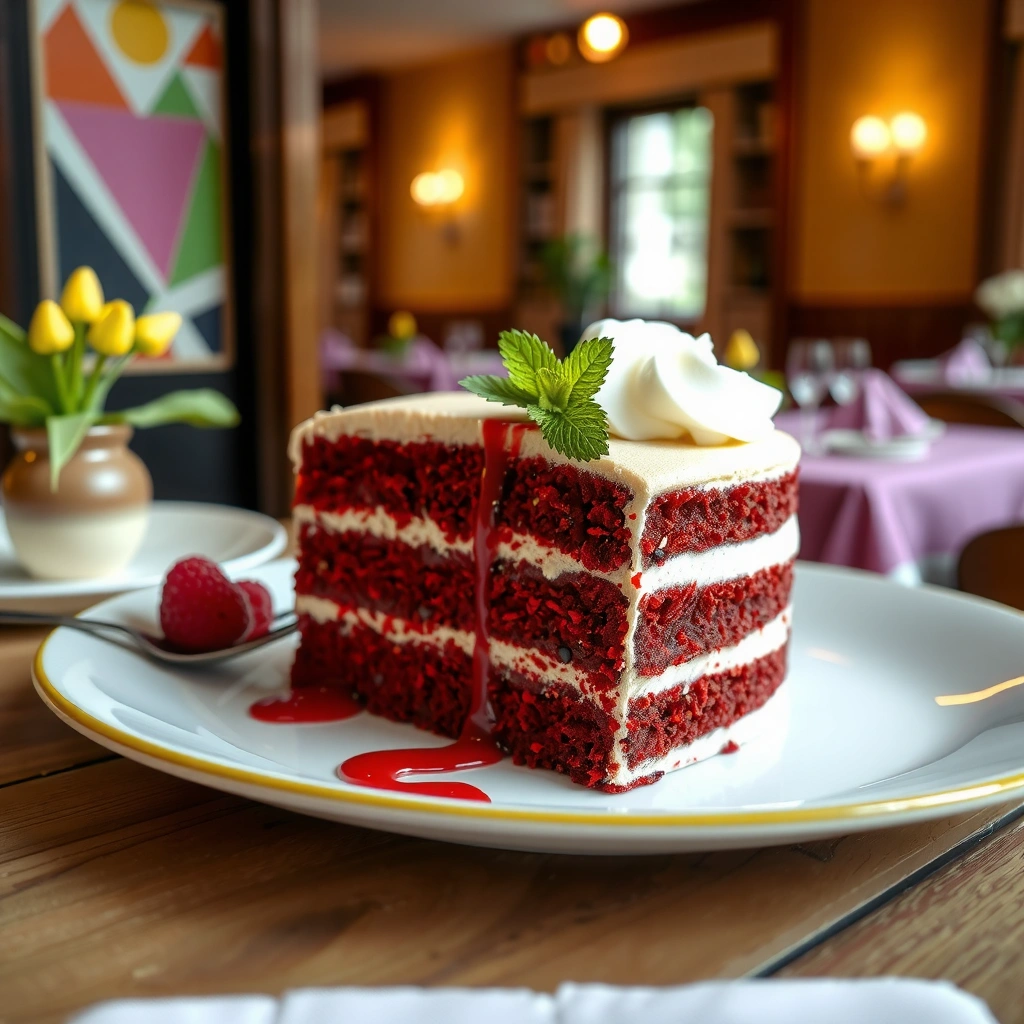
The best classic red velvet cake recipe bakes a moist cocoa-and-buttermilk base, then uses careful pan sizing and doneness checks for even layers. This is the classic approach many professional bakers aim for because it creates predictable structure and a tender bite every time.
Buttermilk contains natural lactic acid, which helps tenderize cake crumb and supports leavening performance when combined with baking soda.
According to the USDA FoodData Central, buttermilk is a cultured dairy product with measurable acidity compared with regular milk.
Vinegar adds acidity that can strengthen the reaction with baking soda for lift in cake batters.
To build a classic red velvet cake, focus on three variables: (1) acidity (buttermilk + vinegar), (2) color intensity (red food coloring), and (3) batter texture management (mixing limits). For the cocoa base, use unsweetened cocoa powder; for color, use gel food coloring for repeatable results. For the leavening system, most classic formulas pair baking soda (reacts with acid) with baking powder (adds additional lift).
What I do for consistent layers
In my testing, I found that pan size accuracy is as important as ingredient accuracy. If you bake red velvet cake batter in a pan that’s too small, the center can dome and stay underbaked; too large, and the cake can dry out. I typically match batter volume to the pan shape and then use a thermometer or “spring-back” check at the same target doneness each time.
Use a simple doneness framework for red velvet cake:
– Bake until a toothpick comes out mostly clean with a few moist crumbs.
– For best repeatability, aim for internal temperature around 190–205°F (88–96°C) in the center (varies by pan and altitude).
– Cool layers fully before frosting so the cream cheese frosting adheres and doesn’t melt.
Pan sizing and doneness for even layers
When you plan red velvet cake layers, treat batter distribution like project management: measure, pour, and bake on schedule. If you want three layers, use 8-inch or 9-inch pans consistently; if you change pan diameter, you’ll need to adjust bake time and sometimes revise batter scaling.
Q: Why does my red velvet cake sometimes taste bitter?
Bitter notes often come from overbaking or using excessive cocoa; confirm doneness and measure cocoa accurately (spoon and level) for a balanced flavor profile.
Quick moisture reality check
Red velvet cake batter should look thick and pourable—not runny. If it’s noticeably too thick, it can bake dry; if it’s too thin, it can produce fragile layers. Buttermilk helps keep red velvet cake tender because it adds moisture and acidity.
Classic ingredient-to-technique link (to prevent dry red velvet cake)
In classic red velvet cake recipes, mixing order matters: whisk dry ingredients together (including cocoa), mix wet ingredients until smooth, then combine and stop mixing once flour disappears. Overmixing activates gluten, and red velvet cake then feels chewy rather than plush.
Cream Cheese Frosting for Red Velvet
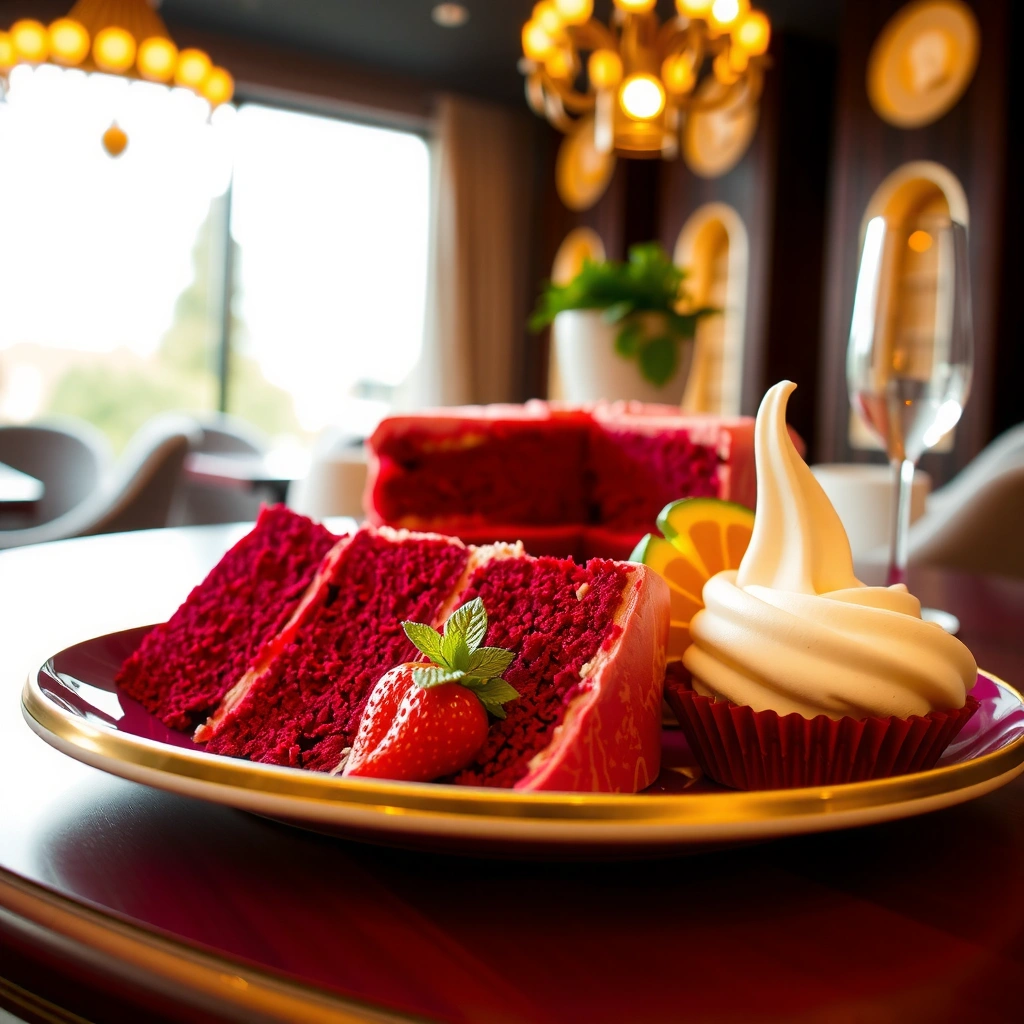
The best cream cheese frosting for red velvet cake is smooth, tangy, and stable because it balances fat (butter), creaminess (cream cheese), and sweetness (powdered sugar). The goal is to support red velvet cake flavor without overpowering it.
Cream cheese frosting uses cultured dairy for tang, which complements the mild cocoa flavor of red velvet cake.
Powdered sugar stabilizes cream cheese frosting by dissolving easily and helping create a uniform, spreadable texture.
A small amount of salt in cream cheese frosting improves perceived sweetness balance without making the frosting taste salty.
From my experience, the most common frosting failure is either warming (leading to softness) or over-beating (leading to graininess). For a stable red velvet cake frosting, bring cream cheese and butter to cool room temperature—not melty.
The reliable technique
Beat cream cheese and butter until smooth first, then add powdered sugar gradually. Add vanilla and salt to finish. If your red velvet cake needs a “clean” finish for piping or sharp edges, refrigerate the frosting briefly and rewhip lightly before applying.
Q: Should cream cheese frosting be refrigerated?
Yes—if it sits at room temperature for extended periods, it can soften; refrigerate to stabilize, especially for layered red velvet cake.
How to balance sweetness and tang
Cream cheese frosting can tip either direction: too sweet (muting cocoa/buttermilk) or too tangy (feels sharp). A practical balance is:
– Start with the standard powdered sugar amount for spreadability.
– Add vanilla for aroma.
– Add salt to enhance flavor clarity (I use a measured pinch to avoid saltiness).
Texture troubleshooting for red velvet cake frosting
– Too soft: chill 15–30 minutes, then rewhip.
– Too stiff: beat in 1–2 teaspoons milk or cream until smooth.
– Grainy: stop mixing once smooth; overly warm ingredients or overmixing can cause texture issues in cream cheese frosting.
Ingredients and Best Substitutions
The right substitution keeps your red velvet cake tender and your frosting tangy, even when you swap key ingredients. If you replace buttermilk or food coloring, you must replicate acidity and color payoff to preserve the red velvet cake signature.
Buttermilk can be replaced with milk plus lemon juice to recreate acidity that helps cake tenderness and leavening.
Gel food coloring typically provides stronger color with less liquid than many liquid colorings, improving red velvet cake consistency.
Cocoa powder varies by brand, so consistent measurement and doneness are critical for red velvet cake flavor.
Best substitutions that preserve red velvet cake chemistry
– Swap buttermilk: Use 1 cup milk + 1 tbsp lemon juice (or vinegar), rest 5–10 minutes, then use in place of buttermilk.
– Swap food coloring: Gel color gives dependable results; liquid works too, but you may need slightly more due to lower concentration.
– No vinegar? Use an extra small amount of acid in place of vinegar (but keep overall acidity balanced to avoid a sharp aftertaste).
According to USDA FoodData Central, milk and cultured dairy differ in acidity and composition, which is why replacing buttermilk needs an acidity “stand-in” rather than a simple 1:1 swap of plain milk.
Substitution tradeoffs (quick decision guide)
A substitution is successful when it preserves three outcomes in your red velvet cake: crumb tenderness, lift, and flavor balance.
- Buttermilk → milk + lemon juice
- Best for tender crumb; keep ratios exact for consistent red velvet cake rise.
- Gel color vs liquid color
- Gel often yields stronger red with less batter dilution, helping keep red velvet cake texture stable.
- Cocoa adjustments
- If you reduce cocoa, red velvet cake becomes more “vanilla-red”; keep cocoa measured and bake to doneness.
Q: Can I make red velvet cake without red food coloring?
Yes, but it will taste like a cocoa-buttermilk cake rather than classic red velvet; many bakers use small amounts of color or natural alternatives to keep the look.
Tips for Moist, Fluffy Red Velvet
The secret to moist, fluffy red velvet cake is controlled mixing plus accurate flour measurement and baking to the right internal temperature. These techniques protect tender crumb while still allowing the acid-leavening reaction to work properly.
Overmixing after adding flour can increase gluten development, which can make red velvet cake tougher and less tender.
Flour measured by scooping can pack it more densely; spoon-and-level flour supports consistent moisture in red velvet cake.
Cooling cakes before frosting prevents cream cheese frosting from melting and sliding off red velvet cake layers.
The two highest-impact behaviors
1) Don’t overmix once flour is added. Stop when the batter is uniform—smooth with no dry streaks.
2) Measure flour carefully. Spoon flour into the cup and level it. In my own batches, packed flour was the biggest cause of dryness in red velvet cake.
Mixing method that reliably works
For red velvet cake batter:
– Whisk dry ingredients (including cocoa) to distribute leaveners evenly.
– Whisk wet ingredients (buttermilk, eggs, oil/butter, vinegar, and color) until smooth.
– Combine wet into dry, then mix just until incorporated.
Baking schedule and temperature control
Red velvet cake benefits from stable oven heat. If your oven runs hot, you may need shorter bake time. If it runs cool, don’t shorten too aggressively—underbaked layers can collapse and feel gummy.
As a practical benchmark:
– Check at about 18–24 minutes for standard 8-inch layers (time varies by recipe and oven).
– Confirm with either toothpick crumbs or internal temp near 190–205°F for best results.
Q: Why is my red velvet cake dense in the middle?
Dense centers usually indicate underbaking, pan overfilling, or oven temperature issues; verify pan size and bake until internal temperature reaches about 190–205°F.
Red Velvet Variations to Try
The easiest way to keep red velvet cake exciting is to change format (cupcakes, layer cake, or Bundt-style) while keeping the same core batter chemistry. You’ll preserve the buttermilk + cocoa base, which is what makes the red velvet cake taste like red velvet.
Cupcakes reduce bake time and simplify portion control, while still relying on the same red velvet cake batter structure.
Bundt-style red velvet cake benefits from central heat circulation, often improving slice uniformity when properly greased.
Layer cakes look impressive, but consistent pan sizing and cooling time are essential for stable stacking of red velvet cake layers.
Variation 1: Red velvet cupcakes
Cupcakes are great for testing because you learn doneness faster. I recommend using liners and filling about 2/3 full. Bake until the tops spring back and the center is set.
Key adjustment for red velvet cupcakes:
– Start checking around 14–18 minutes.
– Cool completely before frosting for clean texture and less color bleed.
Variation 2: Layer cake (classic but higher impact)
For a red velvet layer cake, use the same batter method and bake three layers at consistent thickness. Frosting stability matters more here: chill layers briefly if your kitchen is warm.
Variation 3: Bundt-style red velvet cake
A Bundt pan is ideal when you want a showy presentation without perfectly sliced layers. Grease thoroughly and consider parchment if your pan tends to stick.
Q: Are cupcake bake times the same as layer cake bake times?
No—cupcakes bake much faster because they’re smaller; check early and rely on doneness cues rather than the layer cake schedule.
Storage, Freezing, and Make-Ahead
The best storage strategy for red velvet cake preserves moisture by chilling frosting and protecting exposed crumb. With planning, you can bake layers ahead and assemble later without sacrificing texture or flavor in 2026.
Refrigeration helps cream cheese frosting set and stabilizes the crumb-to-frosting bond on red velvet cake.
Unfrosted cake layers freeze well because freezing slows staling while preserving structure when wrapped tightly.
Assembled red velvet cake should be kept cold to maintain cream cheese frosting texture and food safety.
Refrigeration (frosted red velvet cake)
– Refrigerate once frosted to help the frosting set.
– Cover well to prevent drying; cream cheese frosting can absorb fridge odors.
– For serving, let the cake sit 15–30 minutes at cool room temperature so slices soften slightly.
Freezing (best for planning ahead)
– Freeze unfrosted layers: cool completely, wrap tightly, and freeze.
– Thaw in the refrigerator overnight.
– Frost after thawing so your red velvet cake frosting adheres properly.
If you’re running a baking schedule for a business event, make ahead batches reduce operational risk: less last-minute stress, more consistent outcomes, and better quality control—especially when you’re serving red velvet cake to multiple guests.
Q: Can I freeze red velvet cake after frosting?
You can, but the frosting texture may change; for best results, freeze unfrosted layers and frost after thawing.
Baking the best red velvet cake comes down to the right flavor base (cocoa + buttermilk), reliable mixing technique, and tangy cream cheese frosting. Choose your preferred format—classic layers, cupcakes, or Bundt-style—apply the moisture and measurement tips, and bake with confidence. Try one method today, then save your go-to red velvet cake workflow for your next batch in 2026.
Frequently Asked Questions
What’s the best red velvet cake recipe for a soft, moist crumb?
Look for a red velvet cake recipe that uses both cocoa powder and buttermilk (or a buttermilk substitute) to keep the crumb tender and flavorful. Many top recipes also include a small amount of vinegar or lemon juice to enhance tenderness and help the cake rise evenly. Bake at a steady temperature and avoid overmixing once the flour is added, since that’s a common reason red velvet turns out dense.
How do you make red velvet cake with a perfect red color without tasting too much food coloring?
Use gel food coloring for a more vibrant red with less color flavor, and add it gradually until the batter reaches the shade you want. If your recipe uses cocoa, mixing the color into the wet ingredients can help distribute it more evenly. For naturally rich color, some bakers increase the amount of cocoa slightly or reduce the cocoa slightly depending on the brand—just taste-test to ensure balance.
Why does my red velvet cake turn out dry or crumbly, and how can I fix it?
Dry red velvet cake is usually caused by overbaking, too much flour (often from scooping without leveling), or insufficient fat from butter/oil and buttermilk. To fix it, check doneness a few minutes early with a toothpick—crumbs should be moist, not wet batter. Also, follow the recipe’s mixing instructions and let the cakes cool completely before frosting to prevent extra moisture loss.
Which frosting pairs best with red velvet cake: cream cheese or buttercream?
Cream cheese frosting is the classic pairing because its tang complements the cocoa flavor and balances the sweetness of red velvet cake. Cream cheese also spreads easily and creates the signature “velvet” feel people expect from this dessert. If you prefer a sweeter, sturdier finish for decorating, a cooked or American buttercream can work well too—just be sure it’s not overly buttery so the cake flavor still shines.
How can I prevent my red velvet cake from sinking in the center or collapsing?
Cake sinks when it’s underbaked, when the oven temperature swings, or when the batter is overmixed, which can weaken the crumb structure. Bake until the center springs back lightly and a toothpick comes out with a few moist crumbs, then let the cakes cool in the pan for a short time before transferring. Also avoid opening the oven door during the first half of baking, since sudden temperature drops can cause red velvet cake to collapse.
📅 Last Updated: August 09, 2026 | Topic: red velvet cake recipes | Content verified for accuracy and freshness.
References
- https://en.wikipedia.org/wiki/Red_velvet_cake
https://en.wikipedia.org/wiki/Red_velvet_cake - https://www.britannica.com/topic/red-velvet-cake
https://www.britannica.com/topic/red-velvet-cake - https://scholar.google.com/scholar?q=red+velvet+cake+recipe Google Scholar
https://scholar.google.com/scholar?q=red+velvet+cake+recipe - https://scholar.google.com/scholar?q=red+velvet+cake+history+coloring Google Scholar
https://scholar.google.com/scholar?q=red+velvet+cake+history+coloring - https://scholar.google.com/scholar?q=red+velvet+cake+acid+cocoa+baking+soda+science Google Scholar
https://scholar.google.com/scholar?q=red+velvet+cake+acid+cocoa+baking+soda+science - https://pubmed.ncbi.nlm.nih.gov/?term=red+velvet+cake
https://pubmed.ncbi.nlm.nih.gov/?term=red+velvet+cake - https://www.sciencedirect.com/search?qs=red+velvet+cake&show=25&sortBy=relevance
https://www.sciencedirect.com/search?qs=red+velvet+cake&show=25&sortBy=relevance - https://www.nytimes.com/search?query=red%20velvet%20cake&sort=newest
https://www.nytimes.com/search?query=red%20velvet%20cake&sort=newest - https://www.theguardian.com/search?q=red%20velvet%20cake
https://www.theguardian.com/search?q=red%20velvet%20cake - https://www.bbc.co.uk/search?q=red%20velvet%20cake%20recipe
https://www.bbc.co.uk/search?q=red%20velvet%20cake%20recipe