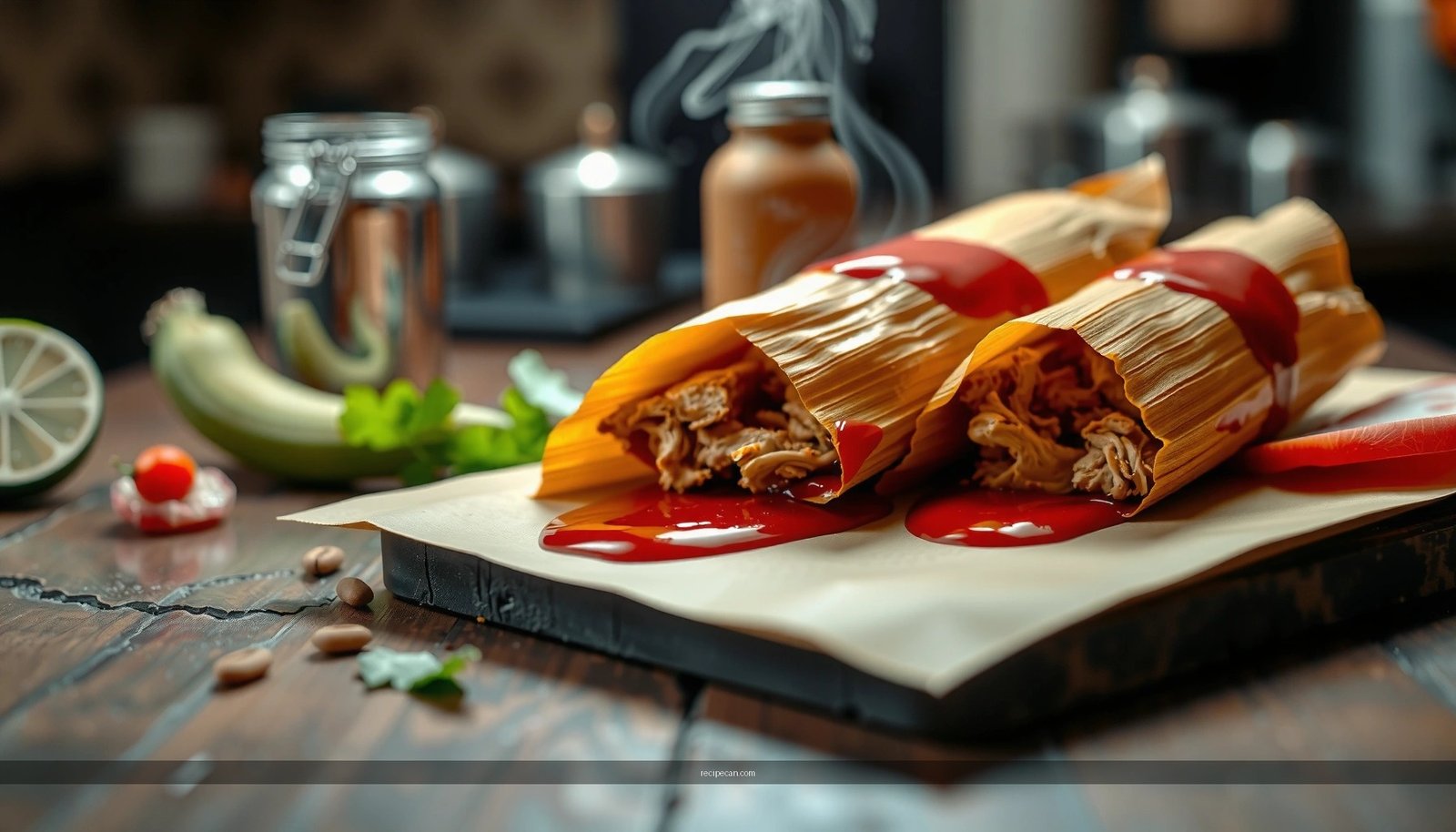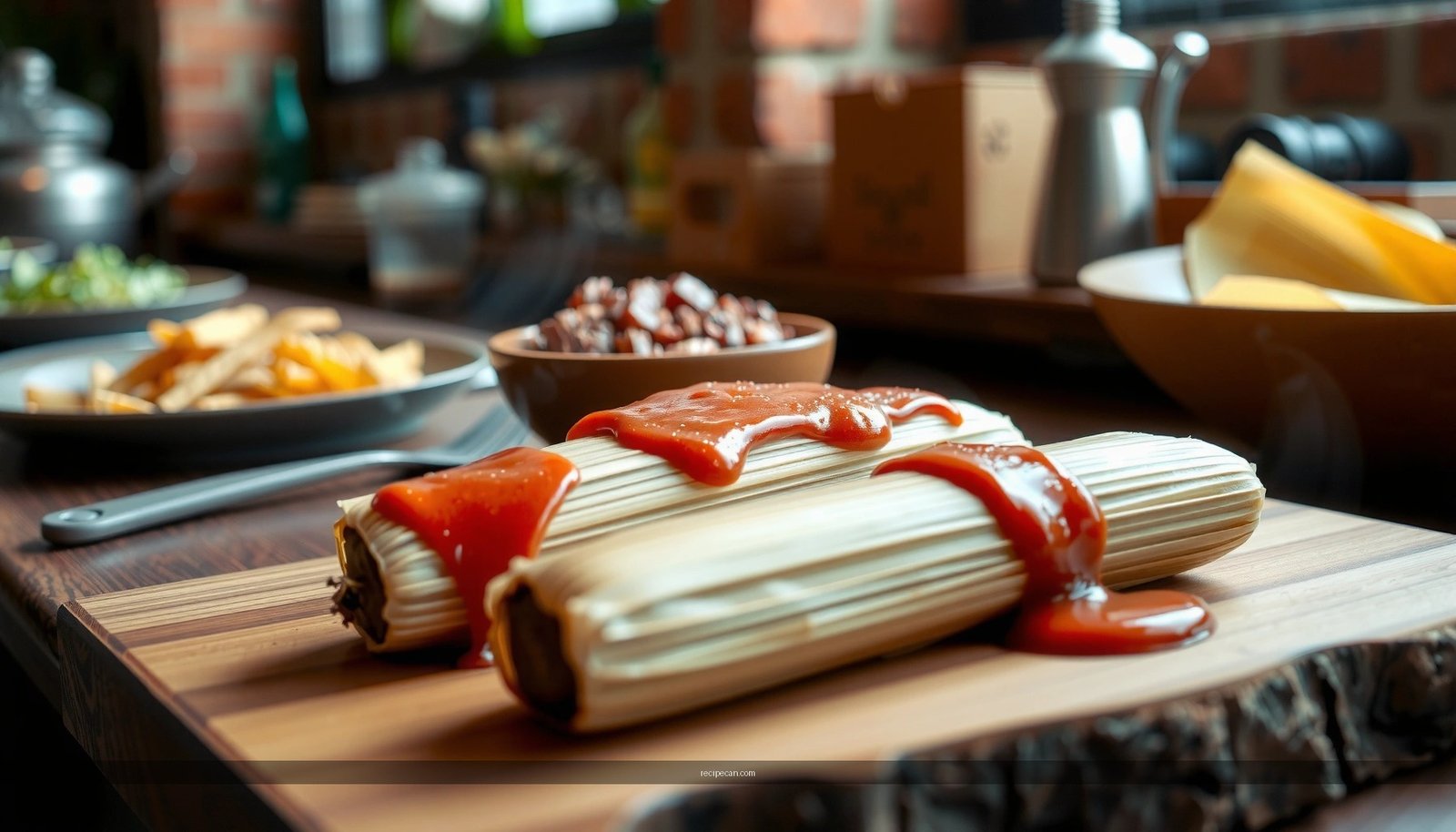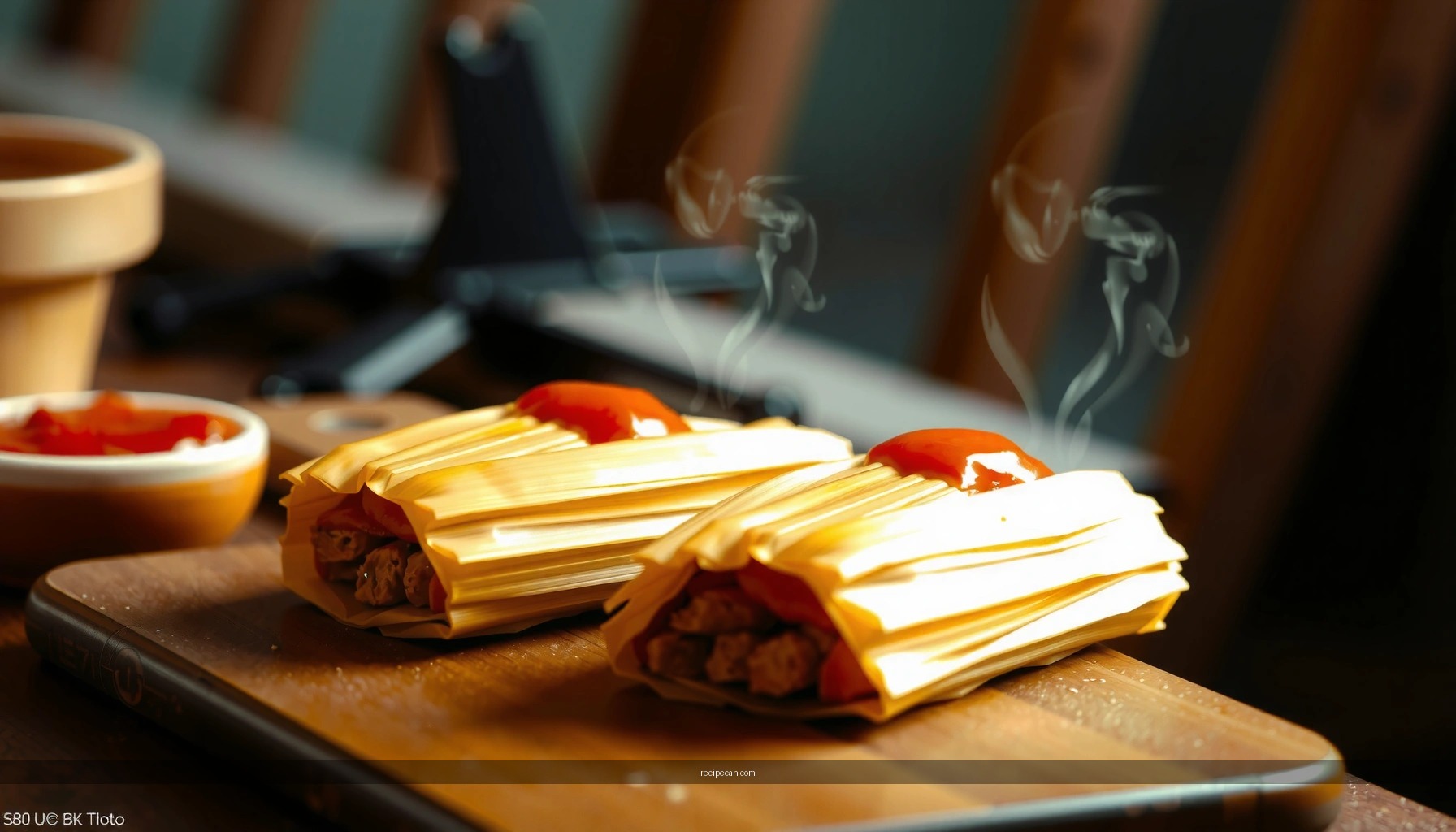
Get the classic red pork tamale recipe that delivers rich red chile flavor and tender, properly cooked pork every time. This guide answers how to make red pork tamales from scratch—slow-simmered pork in a smoky red chile sauce, masa prepped the right way, and steamed to hold their shape. If you want restaurant-quality results at home, follow this step-by-step method for tamales that actually taste like the real thing.
Make classic red pork tamales at home by slow-cooking tender pork in a bold red chile sauce, then spreading masa on corn husks, filling, and steaming until the masa sets. If you follow a few technical checkpoints—proper masa hydration, a well-seasoned chile base, and steady steam—you can produce tamales with authentic texture and flavor on your first batch.
Tamales are more than a recipe; they’re a process. The filling needs time to become shreddable and flavorful, the masa must be mixed to the right spreadable consistency, and steaming must be consistent so the masa cooks through without turning dry or gummy. Below is a comprehensive, step-by-step red pork tamale recipe that covers each stage with practical guidance—so you can reliably make restaurant-quality results at home.
Make the Red Pork Filling
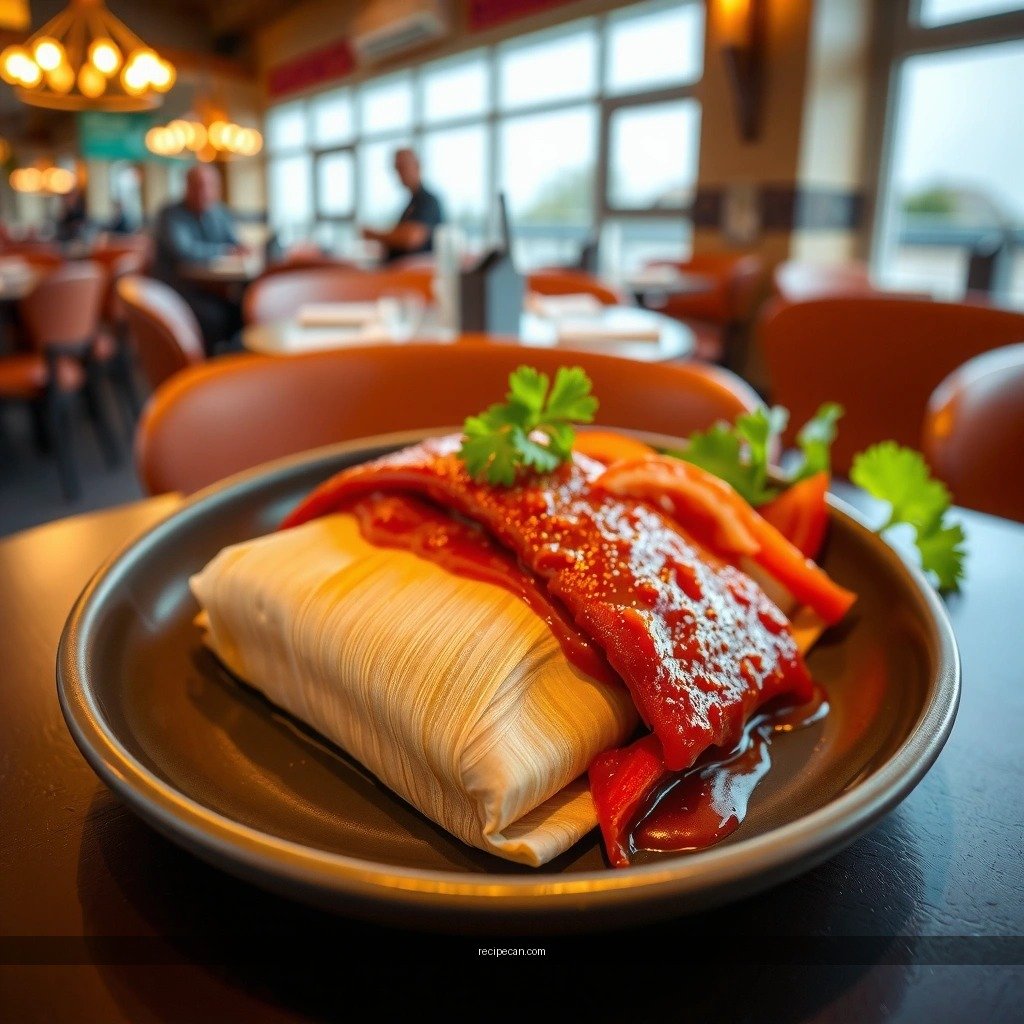
– Cook the pork until tender, then shred for easy filling
– Simmer with red chile sauce and seasonings for deep flavor
Start with pork that becomes tender rather than merely “cooked.” For classic red pork tamales, pork shoulder (also called Boston butt) is the most forgiving choice because it breaks down beautifully under low heat. Aim for chunks that are roughly 2–3 inches so heat penetrates evenly.
A practical method
1. Season the pork before simmering: Salt it well and consider browning in a hot pot for depth (optional, but helpful).
2. Cook low and slow: Simmer in water or stock with aromatics (onion, garlic, bay leaf) until the pork shreds easily, typically 2½ to 3½ hours for shoulder depending on size and your stove.
3. Shred while hot: Shred into bite-sized strands; smaller strands distribute more evenly and make filling lines neat.
4. Simmer with chile sauce: Don’t just mix pork into sauce—let them meet on the stove for 10–20 minutes so the pork absorbs chile flavor and the sauce clings to it.
Key flavor controls
– Salt + acidity: The chile sauce should taste slightly more assertive than the final filling because masa will soften the flavor impact.
– Consistency: The filling should be moist but not watery. If it looks loose, simmer a bit longer or reduce uncovered.
Common pitfall: Overcooking the pork until it dries out. If your pork is shreddable but seems stringy or crumbly, it may have gone too far. The fix is to add a splash of broth and simmer briefly to reintroduce moisture before combining with chile sauce.
Prepare the Red Chile Sauce
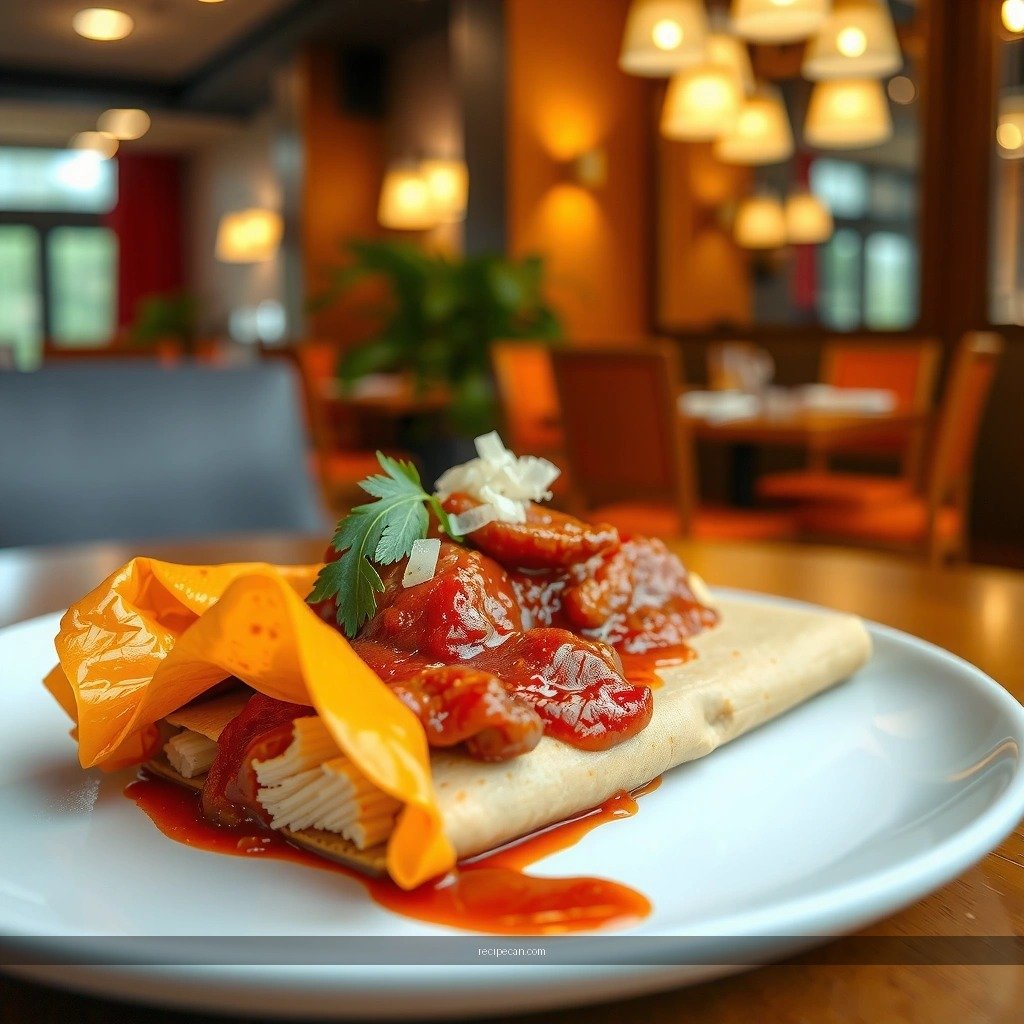
– Blend or rehydrate dried chiles, then strain for a smooth sauce
– Balance heat and tang with garlic, spices, and a little acidity
The red chile sauce is where “authentic” happens. Dried chiles deliver the characteristic earthy, smoky depth, while garlic, spices, and a touch of acidity create balance.
Choose dried chiles strategically
A reliable classic profile often uses a blend—commonly guajillo for mild fruity red pepper notes and ancho for deeper, raisin-like warmth. You can add arbol for heat if you want a spicier tamale.
Build the sauce (step-by-step)
1. Rehydrate dried chiles: Toast lightly (10–20 seconds) if they’re very aromatic, then soak in hot water 15–30 minutes until pliable.
2. Blend: Blend chiles with soaking liquid, garlic, and (optionally) onion until smooth.
3. Strain: Strain through a fine mesh sieve to remove skins and seeds. This step dramatically improves mouthfeel and prevents a grainy sauce.
4. Simmer and season: Simmer the strained sauce with spices (like cumin and oregano) and salt until it tastes cohesive.
Balance heat and tang
– If your chile tastes flat, add a small amount of acidity—commonly lime juice or a teaspoon or two of vinegar—then simmer briefly.
– If it’s too bitter, that’s often from under-rehydrated chiles or excessive toasting. A longer soak and gentler toast usually fix it.
How to know it’s right
Taste the sauce before adding pork. It should taste like a confident red chile—savory, mildly tangy, and slightly stronger than you want the final tamale to be.
Tamale Quality Checkpoints (How to Get Classic Texture)
| Step | Target Outcome | Typical Range | If Off, Adjust |
|---|---|---|---|
| 1 | Pork tenderness | 2.5–3.5 hrs simmer | Simmer longer / add broth |
| 2 | Chile sauce smoothness | Strained, silky | Blend finer + re-strain |
| 3 | Masa hydration | Spreadable, not runny | Add warm broth + re-whip |
| 4 | Masa lift/airiness | Light, whipped consistency | Whip longer with fat |
| 5 | Filling moisture | Moist, coats pork | Reduce uncovered 5–15 min |
| 6 | Steam doneness | Masa releases easily | Steam 15–30 min more |
| 7 | Resting after steam | Set 10–15 minutes | Steam/serve too hot can smear |
Mix the Masa (Tamale Dough)
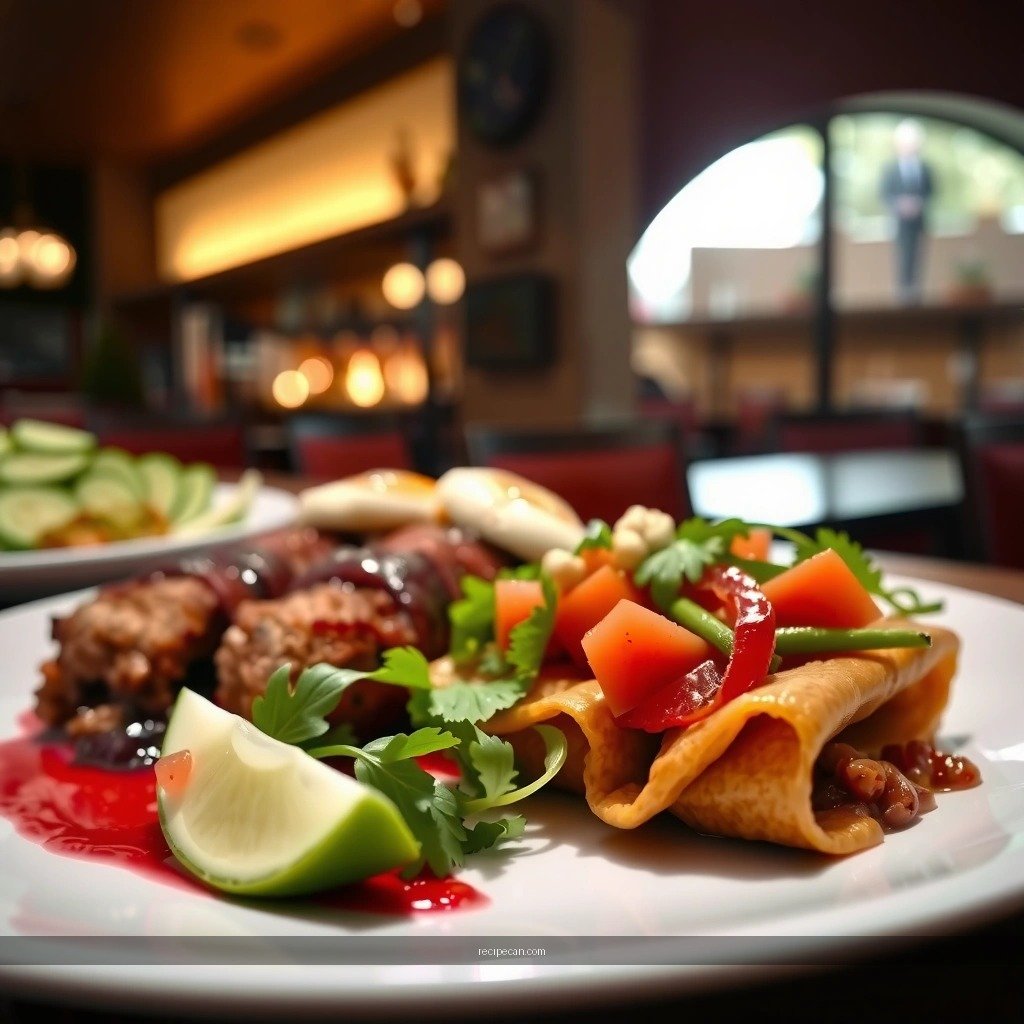
– Use masa harina and enrich with fat for a soft, pliable texture
– Season the masa so it tastes great on its own
Masa harina is the foundation—specifically masa harina made for tamales, not quick breads or substitutes. When hydrated correctly and aerated, it becomes creamy, spreadable, and able to steam into the hallmark tamale bite.
The right masa feel
1. Hydrate masa harina gradually: Add warm broth (often chicken or pork stock) slowly while mixing.
2. Add fat for tenderness: Traditional recipes use lard, but high-quality vegetable shortening works. Fat improves spreadability and flavor.
3. Whip until smooth: Incorporating air helps the masa hold structure during steaming.
Seasoning is non-negotiable
Even if your red pork filling is perfect, bland masa will fall flat. Season with:
– Salt (start conservatively, then adjust)
– Optional spices: mild cumin or Mexican oregano can complement red chile
– Stock flavor: using a rich broth boosts flavor without extra effort
Consistency test
A reliable indicator is that the masa should spread in an even layer without tearing husks—and it should not look glossy or watery. If it’s stiff, add broth a tablespoon at a time; if it’s too loose, mix in a bit more masa harina.
Assemble the Tamales
– Spread masa on the husk, add a line of red pork filling, then fold
– Keep portions consistent so everything cooks evenly
Assembly is where precision matters. Uniform portions drive even steaming, and careful folding prevents leaks that can turn tamales messy or undercooked.
Step-by-step assembly
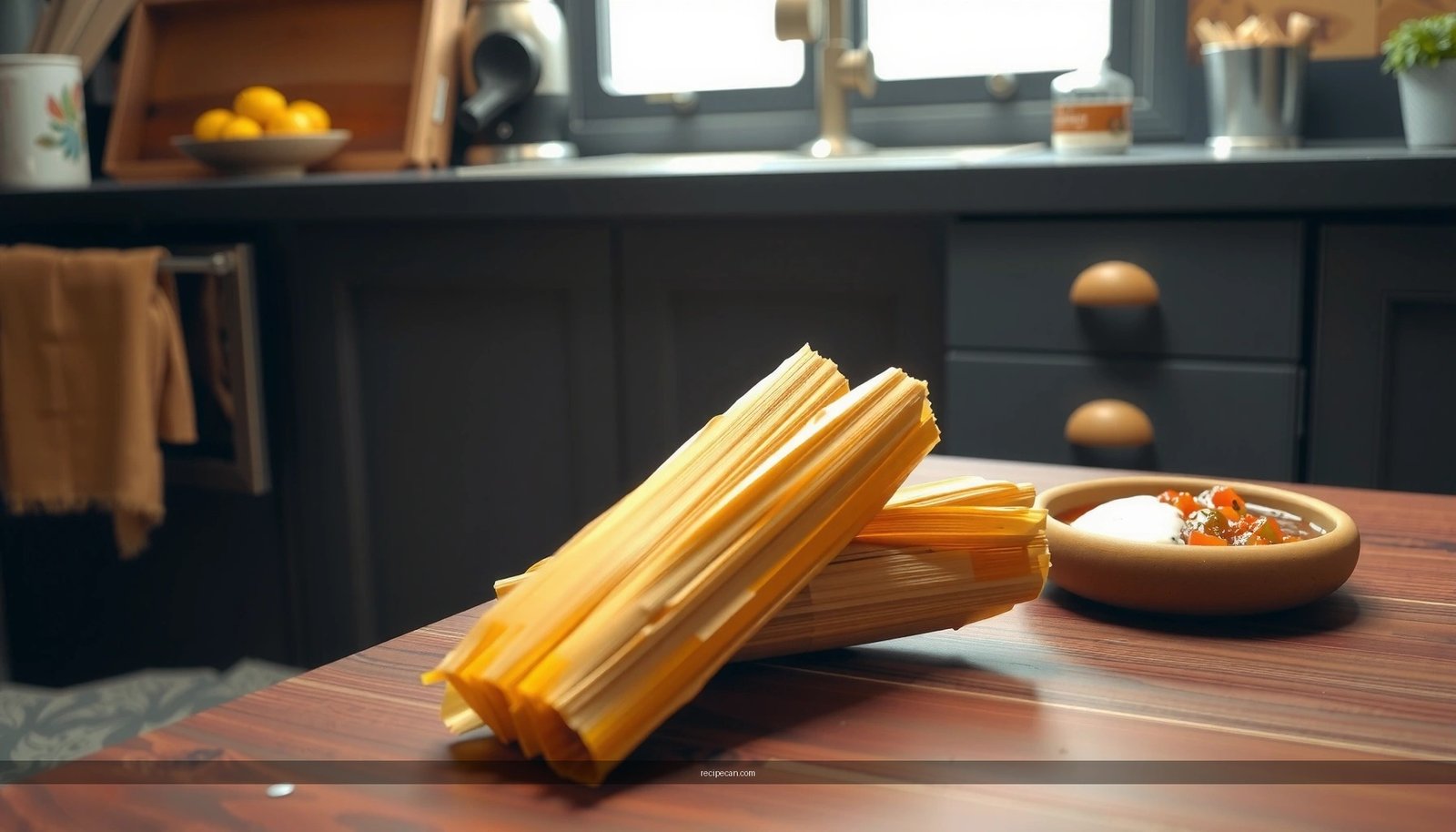
1. Prep corn husks: Soak husks in warm water until flexible. Pat off excess water so masa spreads without slipping.
2. Spread masa: Use a spoon or small spatula to spread masa in a thin, even layer—usually thick enough to form structure but not so thick that it takes longer to cook.
3. Add filling: Place a line of red pork filling in the center. Avoid overfilling; it can cause gaps and burst seams.
4. Fold and secure: Fold according to your preferred style, leaving enough closure so tamales steam as intact packages.
– Make a “filling routine”: use the same amount of shredded pork each time (e.g., one heaping spoon per tamale).
– Keep masa layers consistent thickness—this is often the biggest driver of uneven doneness.
Time strategy
If you’re making a large batch, assemble in stages: fill 20–30 tamales, then steam those while you finish the next group. This keeps masa from drying out and improves consistency.
Steam and Cook Until Set
– Steam tamales until the masa pulls away easily from the husk
– Rotate or check water levels to maintain steady steam
Steaming is the final transformation. The goal is to cook masa fully while keeping it moist and tender. The risk is under-steaming (raw centers) or over-steaming (dry, fragile texture).
Set up your steamer correctly
– Use a large pot with a steamer insert so water doesn’t boil directly against tamales.
– Keep water at a gentle simmer. A rolling boil can disrupt steam flow; too little water can stop steam altogether.
– If needed, top off with hot water periodically to maintain steady cooking.
How long to steam
Timing varies by tamale size, but many home cooks steam in ranges such as 60–90 minutes. The more useful benchmark is doneness:
– Masa pulls away from the husk when tamale is ready.
– When you unwrap (carefully), the masa should look set and not sticky in the center.
Quality assurance
– If the pot is large and your stove has hot spots, rotate the tamales halfway through (front-to-back or top-to-bottom) for even steaming.
Cooling matters
After steaming, let tamales rest 10–15 minutes. This short rest helps masa set fully so they hold shape and slice/unwrap cleanly.
Serving, Storage, and Reheating
– Serve hot with extra red chile sauce, toppings, or salsa
– Store in the fridge or freeze, then reheat by steaming or microwaving
Serve red pork tamales hot, straight from steaming or after a brief reheat. Traditional presentation is simple but effective: a plate of tamales with extra red chile sauce on the side.
Best serving ideas
– Drizzle with additional red chile sauce
– Top with Mexican crema or a light sour cream swirl
– Add chopped onion, cilantro, or a fresh salsa roja
– For extra richness, add a spoon of leftover pork chile filling on top
Storage
– Refrigerate cooked tamales in an airtight container for up to about 3–4 days.
– Freeze for longer storage (many cooks freeze up to 2–3 months). Wrap well to prevent freezer burn.
Reheating (keep them tender)
– Steaming: Best method. Steam until hot throughout, usually 15–25 minutes depending on size and whether frozen.
– Microwave: Works in a pinch—microwave with a damp paper towel cover and use shorter bursts to prevent drying.
Pro tip: If reheating from the fridge, avoid overheating. Tamales can go from moist to dry quickly once their water content evaporates.
Red pork tamales take a little time, but the payoff is worth it—tender shredded pork in a bold red chile sauce, wrapped in fluffy masa and steamed to perfection. Follow the steps above, taste as you go (especially the chile sauce and masa seasoning), and make a batch for your next family meal or gathering.
When you nail the process—tender pork, smooth and balanced red chile, properly whipped and seasoned masa, and steady steaming—you’re not just making a meal. You’re producing a classic red pork tamale recipe that tastes like tradition, with consistency you can repeat batch after batch.
Frequently Asked Questions
How do you make red pork tamales from scratch?
Start by cooking pork until tender, then shred it and simmer it with sautéed onion, garlic, and a rich red chile sauce made from dried chiles, tomatoes, or broth. For the masa, use fresh masa harina mixed with warm water or pork broth until spreadable, then season with salt and a little fat for the best red pork tamale texture. Assemble by spreading masa on soaked corn husks, adding pork filling, folding, and steaming until the masa pulls clean from the husk. This method creates classic red pork tamales with a deeply flavorful filling and tender masa.
Which dried chiles work best for red pork tamale sauce?
Common options include guajillo for mild, fruity depth, ancho for a darker, smoky flavor, and pasilla for extra complexity without too much heat. Many cooks mix 2–3 types to balance sweetness, smokiness, and chile body, then blend them into a smooth red chile paste with garlic, onion, and a little broth. To control heat, remove seeds and veins or use fewer hotter chiles. A well-balanced red pork tamale sauce is typically thick, savory, and not overly bitter.
What’s the best way to soak corn husks for tamales so they don’t tear?
Soak corn husks in warm water for at least 30–60 minutes, or until pliable and flexible enough to fold without cracking. If your husks are very dry, soaking longer helps, but keep them from becoming overly soft or mushy. Drain briefly before assembling so excess water doesn’t thin the masa. Properly soaked husks make it much easier to wrap red pork tamales securely for even steaming.
How long should you steam red pork tamales and how do you know they’re done?
Steam red pork tamales for about 1.5 to 2 hours, keeping steady water level and avoiding boiling dry. Tamales are done when the masa looks set and you can pull a thin layer from the husk without it sticking heavily. If you’re unsure, open one and check that the center is hot and fully cooked through, not doughy. Once cooked, let them rest 10–20 minutes so the masa firms up before serving.
Why does my masa stick to the corn husk, and how can I fix it?
Masa sticking usually means the masa isn’t cooked long enough, the dough was too wet, or the masa harina wasn’t properly mixed and seasoned with enough salt and fat. To fix it, ensure your masa is spreadable like thick peanut butter and steam until the masa easily releases from the husk. If your batch feels too loose, add a small amount of masa harina and re-mix before assembling. Perfect masa that releases cleanly is key for flavorful red pork tamales with a tender, professional texture.
References
- Google Scholar Google Scholar
https://scholar.google.com/scholar?q=red+pork+tamale+recipe - Google Scholar Google Scholar
https://scholar.google.com/scholar?q=chile+colorado+pork+tamales - Google Scholar Google Scholar
https://scholar.google.com/scholar?q=masa+harina+tamales+technique - Tamale
https://en.wikipedia.org/wiki/Tamale - https://en.wikipedia.org/wiki/Chile_colorado
https://en.wikipedia.org/wiki/Chile_colorado - Masa
https://en.wikipedia.org/wiki/Masa_harina - Pork
https://en.wikipedia.org/wiki/Pork - https://www.britannica.com/topic/tamale
https://www.britannica.com/topic/tamale - https://www.fsis.usda.gov/food-safety/safe-food-handling-and-preparation/food-safety-basics/cooking-meat-poultry-and-egg-products
https://www.fsis.usda.gov/food-safety/safe-food-handling-and-preparation/food-safety-basics/cooking-meat-poultry-and-egg-products - Husk
https://en.wikipedia.org/wiki/Corn_husk