Looking for the best recipes for bruschetta toppings? This guide names the clear winners—fresh tomato-basil, smoky roasted red pepper, and creamy white bean—based on flavor intensity and how fast you want to serve. You’ll get topping formulas you can assemble in minutes, plus smart pairing tips so every bite tastes bright, not bland.
Top bruschetta toppings balance fresh produce, punchy aromatics, and a high-quality finishing drizzle so the flavors read clearly on a quick toast. Below are six classic-to-creative bruschetta topping recipes (plus one spicy option) that you can prepare in parallel, then mix and match for a restaurant-quality spread at home—fast.
Classic Tomato Bruschetta Topping
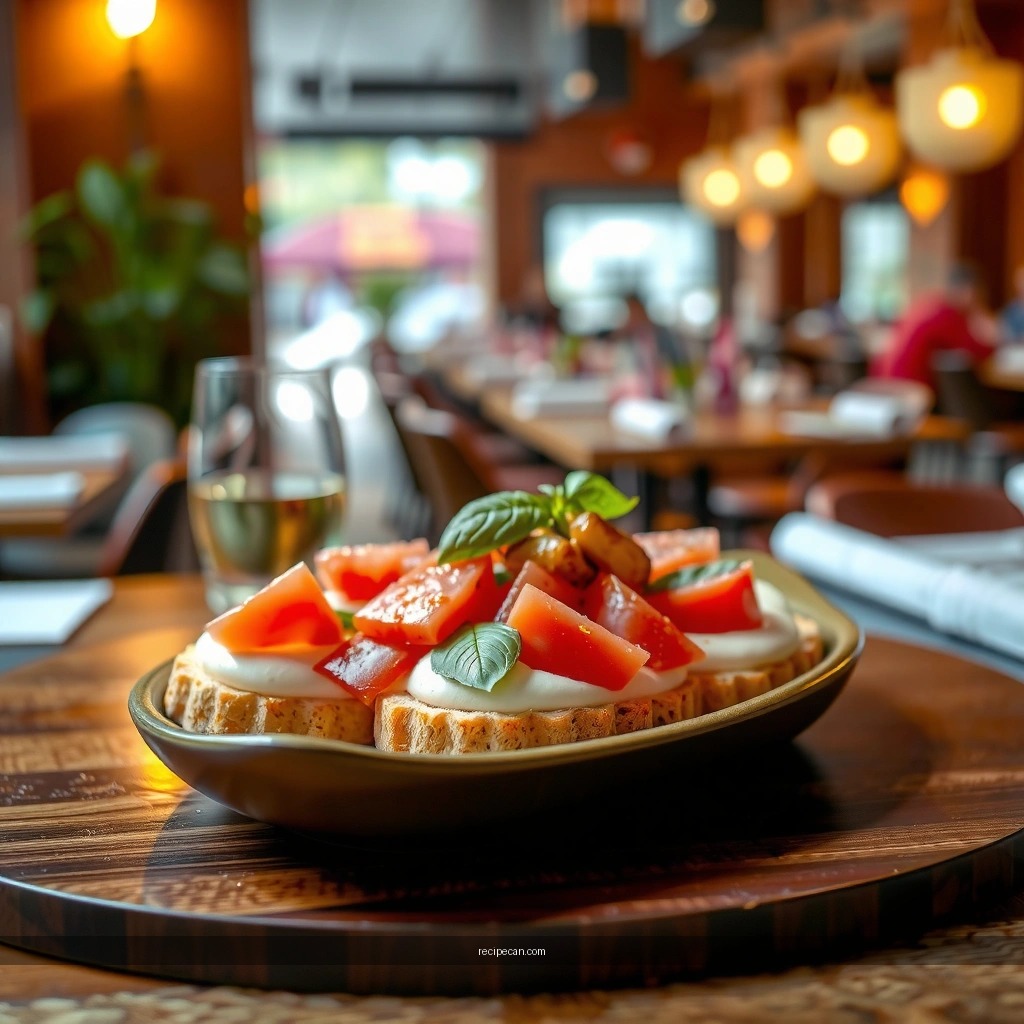
– Dice ripe tomatoes and mix with minced garlic, basil, and salt
– Add olive oil and a squeeze of lemon for bright, balanced flavor
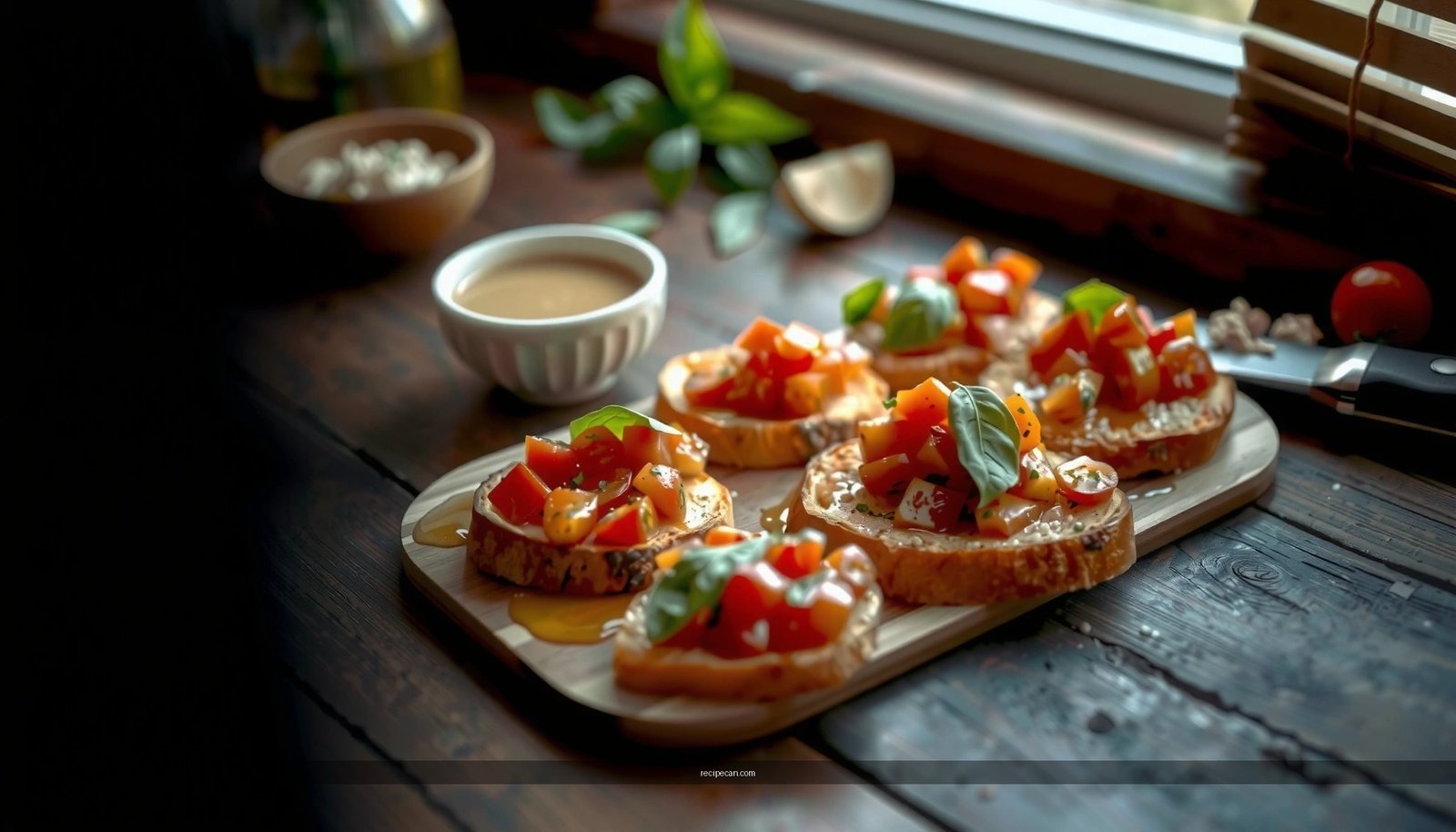
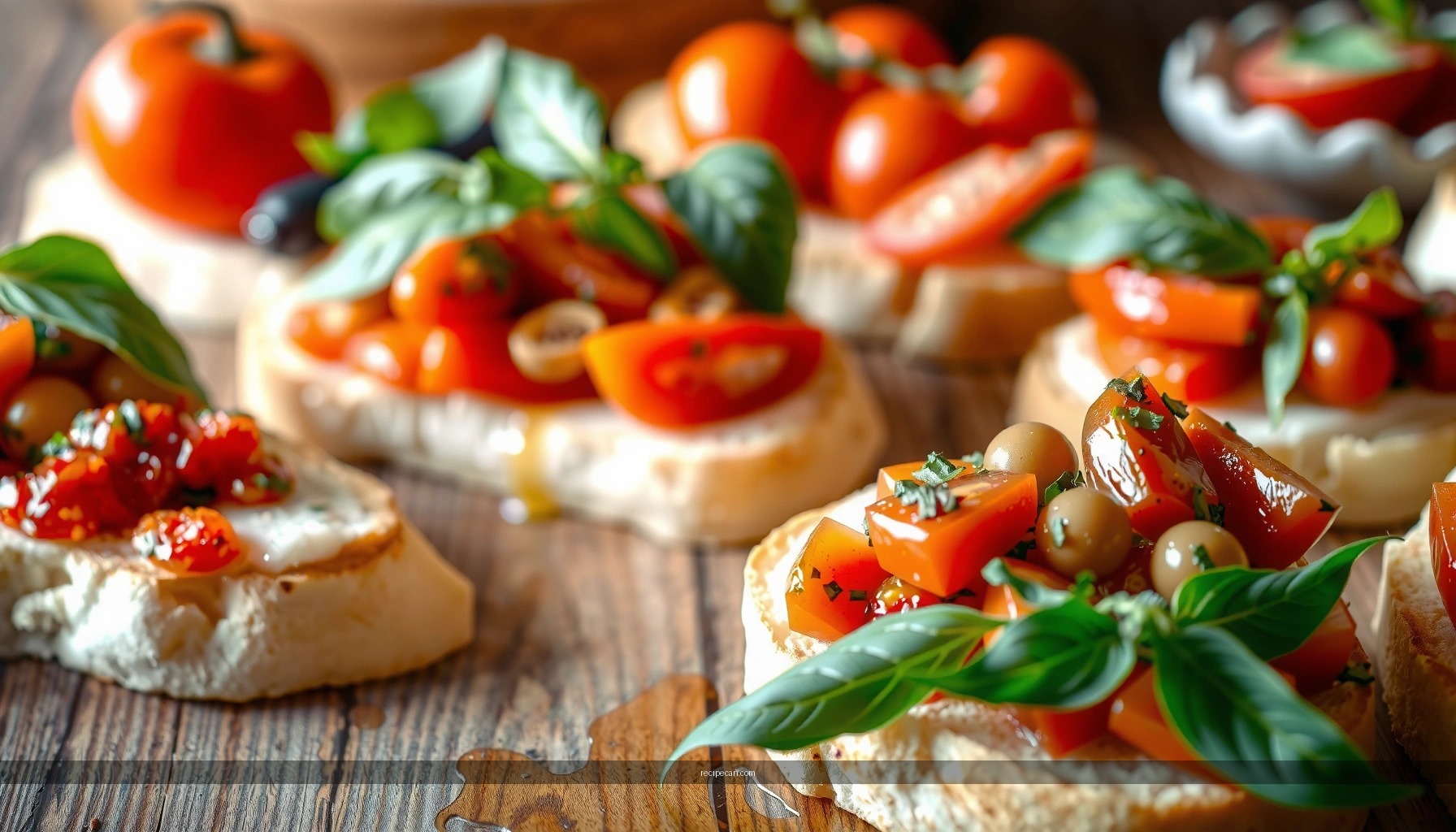
Classic tomato bruschetta is the benchmark because it teaches the method: concentrate flavor in a short marinade, then spoon it onto hot crostini just before serving. Start with tomatoes that smell like tomatoes—ripe, fragrant, and heavy for their size. Dice them into small, even pieces so every bite has tomato, garlic, and basil.
How to make it taste “fresh” instead of watery
1. Salt smartly: Toss the diced tomatoes with a measured pinch of salt, then let the mixture sit 5–10 minutes. Salt draws out excess liquid; you can keep it for juicy texture or skim a spoonful if you prefer a tighter topping.
2. Garlic strategy: Use minced garlic (not grated) so it stays aromatic without becoming harsh. If garlic is strong, add it after the tomatoes have rested.
3. Lemon for lift: Add lemon juice at the end so it doesn’t get muted by the tomatoes’ acidity over time. A teaspoon to a tablespoon is usually enough depending on tomato sweetness.
4. Olive oil last: Finish with extra-virgin olive oil right before serving. This helps aroma rise and keeps the topping from dulling.
Serving tip: For best texture, toast bread until crisp (not just warm), then assemble right away. Tomatoes soften quickly, especially when they’re juicy—bruschetta is at its peak within minutes.
Creamy Ricotta & Herb Bruschetta
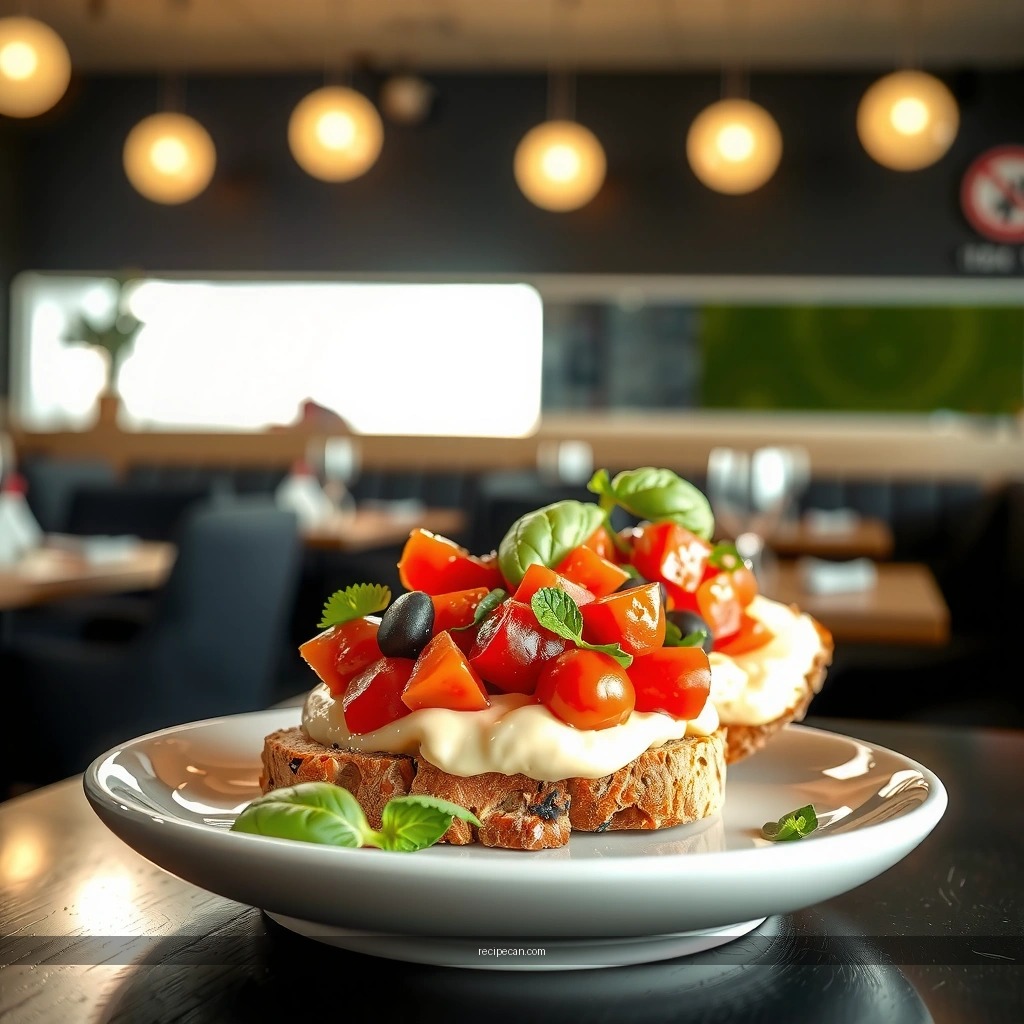
– Spread whipped ricotta over toasted bread
– Top with fresh herbs, black pepper, and a drizzle of olive oil
Creamy ricotta bruschetta is ideal when you want a topping that feels rich and plated, but still tastes light. The key is to whip or loosen ricotta so it spreads smoothly and doesn’t sit as a dense mound. From there, freshness comes from herbs and pepper—not extra sugar or heavy sauces.
Build a creamy base
– Whip the ricotta: Stir ricotta with olive oil (and optionally a spoon of cream or yogurt) until it becomes spreadable. If you want a smoother mouthfeel, whip vigorously with a fork.
– Season aggressively but simply: Ricotta needs salt. Add a small pinch, taste, then adjust. Black pepper should be generous enough to create contrast.
– Herb pairing: Use one dominant herb (basil, parsley, or chives) plus a supporting herb if you like. Parsley adds freshness; basil adds a classic Italian sweetness.
Make it “bistro-level”
– Finish with olive oil + acid: A drizzle of olive oil brings aroma; a tiny splash of lemon juice (optional) brightens the dairy.
– Texture add-ons: Consider lemon zest, toasted pine nuts, or thinly sliced radish for crunch. If you want this to feel more like a summer appetizer, add cherry tomatoes or a few drops of balsamic glaze.
Time-saving workflow: Toast multiple bread slices, whip ricotta once, then assemble in batches. Ricotta and herb toppings are forgiving—perfect for hosting.
Caprese Bruschetta Topping
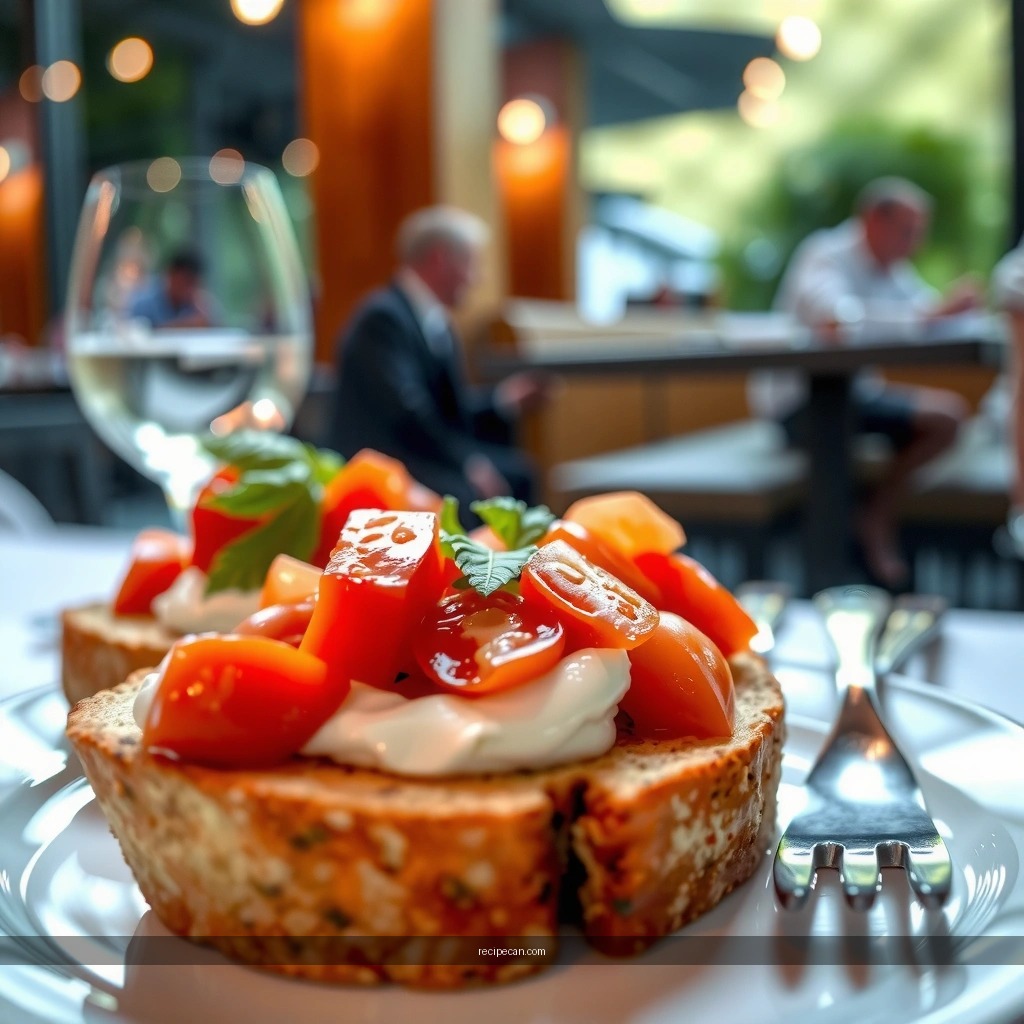
– Layer tomato slices with fresh mozzarella and basil
– Finish with balsamic glaze and a pinch of salt
Caprese bruschetta is essentially caprese salad—converted into a bite-sized toast. Instead of mixing ingredients into a salsa, you create visible layers so the diner instantly recognizes tomato, mozzarella, and basil. The visual cue matters: it signals freshness and encourages even distribution across bites.
How to layer for best texture
– Tomato slices: Use medium-thick slices so they hold shape. If tomatoes are very juicy, lightly blot them before layering.
– Mozzarella choice: Fresh mozzarella works best when it’s drained. If it’s brined, pat dry. Small bite-size pieces melt slightly from toast heat while staying creamy.
– Basil timing: Add basil at assembly for maximum aroma. Basil bruises quickly and loses fragrance when sitting too long.
Balsamic glaze—use less than you think
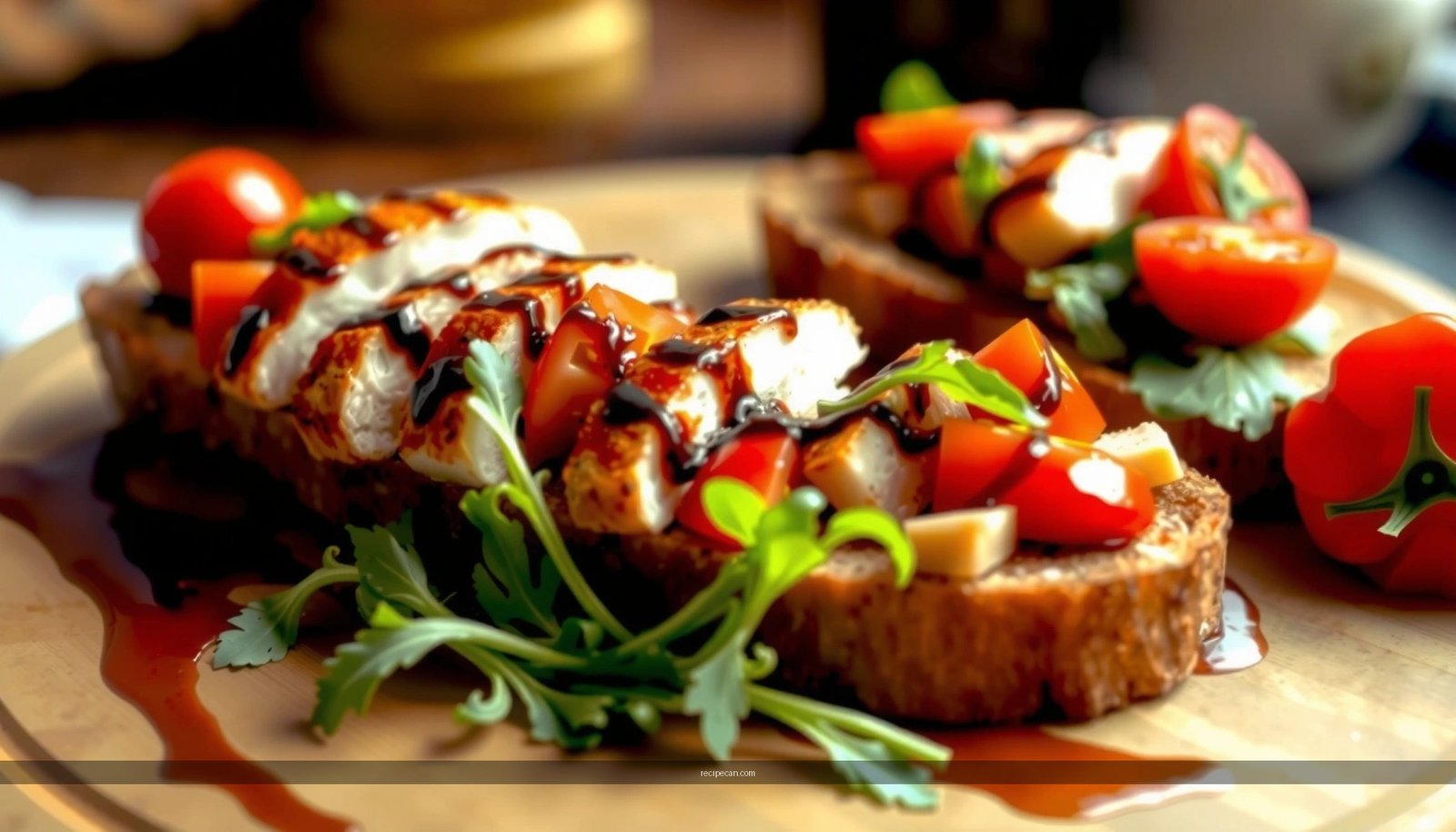
Balsamic glaze is sweet and tangy; too much can overpower mozzarella. Drizzle lightly and aim for a few stripes across the top rather than pooling on the bread.
Pro hosting technique: If serving a crowd, prep tomatoes and mozzarella in advance, but assemble the toast right before serving. Caprese toppings are most vivid when the mozzarella is still cool and begins to warm from the bread.
Roasted Red Pepper Bruschetta
– Roast or use jarred red peppers, then blend with garlic and olive oil
– Spread on crostini and add optional chopped basil or feta
Roasted red pepper bruschetta is a reliable “crowd-pleaser” topping because it delivers sweetness, smoke, and a silky spread—without requiring complicated cooking during service. You can roast peppers yourself for peak authenticity or use good-quality jarred peppers to save time.
If roasting at home
1. Roast whole red peppers at high heat until blistered and charred.
2. Steam in a covered bowl to loosen the skin.
3. Peel, remove seeds, and pat the flesh dry.
If using jarred peppers
Choose peppers packed in oil (not vinegar) when possible—this improves texture and reduces the need for extra oil. Drain well, then blend.
Blend for balance
– Garlic: Use 1–2 cloves per batch; the pepper is already sweet, so garlic should be present but not dominant.
– Olive oil: Blend until smooth or spoonably chunky, depending on your preference.
– Salt + acid: Taste before seasoning; jarred peppers vary. A few drops of lemon or vinegar can sharpen the flavor.
Optional add-ons that elevate the topping
– Feta crumbles for salty, tangy contrast
– Chopped basil for freshness
– Smoked paprika for deeper roast notes (a pinch is enough)
If you’re building a mixed bruschetta menu, this topping is a natural counterbalance to acidic tomato salsas and spicy olive spreads.
Quick reference: topping style vs. flavor profile
Below is a practical comparison you can use to choose toppings based on what your guests will likely enjoy (from bright and fresh to rich and savory).
Bruschetta Topping Selection Guide (Taste Intent & Effort)
| # | Topping | Primary Flavor | Prep Time | Best With | Guest Appeal (★) |
|---|---|---|---|---|---|
| 1 | Classic Tomato | Fresh & Bright | 15 min | Summer herbs | ★★★★★ |
| 2 | Ricotta & Herb | Creamy & Aromatic | 10 min | Pepper + lemon | ★★★★☆ |
| 3 | Caprese | Tomato-Mozzarella Harmony | 20 min | Balsamic glaze | ★★★★☆ |
| 4 | Roasted Red Pepper | Smoky & Sweet | 25 min | Feta or basil | ★★★★★ |
| 5 | Mushroom & Garlic | Savory & Umami | 25–30 min | Parmesan + parsley | ★★★★☆ |
| 6 | Spicy Olive & Chili | Briny & Fiery | 12 min | Lemon zest | ★★★★☆ |
| 7 | Mixed Spread Strategy | Balanced Variety | — | 2–3 toppings | ★★★★★ |
Mushroom & Garlic Bruschetta
– Sauté mushrooms with garlic until browned and savory
– Spoon over toasted bread and finish with parsley and grated Parmesan
Mushroom and garlic bruschetta is where you lean into depth and warmth—great for cooler seasons or when you want a “savory anchor” topping in a lineup. The goal is browning, not steaming. Mushrooms hold water, so cook them hot enough to evaporate moisture and then caramelize.
Key technique: brown first, season second
– Sauté in stages: If you overcrowd the pan, mushrooms steam and turn gray. Cook in batches if needed.
– Garlic timing: Add garlic once mushrooms have started to brown. This prevents bitterness and keeps garlic sweet.
– Seasoning: Salt after moisture has reduced so you don’t draw out even more water and dilute browning.
Finish for complexity
– Parsley: Chop and add at the end for brightness.
– Parmesan: Grated Parmesan adds salty umami and helps the topping cling to the toast.
– Optional upgrade: A small splash of balsamic at the end can echo the acidity found in tomato toppings, creating cohesion across a mixed menu.
Serving tip: Because this topping is hot and hearty, it can hold slightly longer on the toast than a watery tomato salsa—just aim for a crisp base.
Spicy Olive & Calabrian Chili Bruschetta
– Mix chopped olives with Calabrian chili, garlic, and olive oil
– Add lemon zest for a tangy kick and serve immediately
Spicy olive bruschetta is bold and intentionally assertive—salty olives, spicy chili, and aromatic garlic are the center of gravity. It works particularly well when other toppings are mild or creamy (like ricotta) because it creates a memorable contrast.
Build a balanced spicy spread
– Choose olives deliberately: Kalamata olives bring tangy fruitiness; Castelvetrano olives are buttery and mild. Chop them to create texture without turning the topping into paste.
– Calabrian chili: Calabrian chili paste or chili flakes provide heat with a distinct, slightly smoky profile. Start conservatively, then adjust.
– Garlic + olive oil: Use olive oil to smooth the mixture and help flavors meld.
– Lemon zest at the end: Zest is bright and fragrant—much more aromatic than juice. Add right before serving.
Serve immediately
This is a topping that should go on bread quickly. While it’s flavorful, it can become less “snappy” if it sits too long—especially if the olives release additional brine.
Conclusion
Great bruschetta toppings come down to three operational principles: use high-quality, fresh ingredients; apply the right cooking or blending technique to control texture (marinate for tomatoes, whip for ricotta, brown for mushrooms, blend for peppers, mix for olives); and always finish with olive oil and a targeted acid or herb lift. Pick one topping above, tailor it with your preferred herbs or cheese, toast the bread quickly, and serve promptly—then add a second topping to create a balanced, crowd-ready spread that feels both creative and reliably delicious.
Frequently Asked Questions
What are easy bruschetta toppings for beginners?
Start with simple, reliable options like classic tomato-basil bruschetta, which uses chopped tomatoes, garlic, olive oil, salt, pepper, and fresh basil. You can also make a quick white bean and garlic topping by mashing cannellini beans with olive oil, lemon juice, and herbs. For a non-cook option, try a cucumber-dill topping with yogurt, lemon, garlic, and chopped herbs—great when you want fast bruschetta recipes.
How do you keep bruschetta toppings from getting soggy?
Use the right tomato prep: dice tomatoes, salt them lightly, and let them drain for 10–15 minutes before adding oil and basil. Toast the bread until crisp and serve immediately, rather than assembling far ahead of time. If you’re using watery ingredients like tomatoes or peaches, add toppings just before serving and keep the olive oil portion moderate so the topping doesn’t soak into the toast.
Why do some bruschetta taste bland, and how can you fix it?
Bland flavor usually comes from under-seasoning or adding acidic ingredients without enough salt and fat. Taste your topping mixture before spreading it on bruschetta bread, then adjust with salt, freshly ground black pepper, and extra olive oil. Adding garlic (raw or gently infused), fresh herbs, and a splash of lemon juice or balsamic vinegar can brighten bruschetta toppings and make them taste restaurant-quality.
Which bruschetta toppings pair best with toasted bread?
For crunchy, sturdy toasted bread, choose toppings with bold textures like roasted red peppers with garlic and parmesan, or mushrooms sautéed with thyme and olive oil. Creamy spreads pair well too—try ricotta with lemon zest and herbs, or whipped feta with olive oil and herbs. If you want a crowd-pleaser, choose classic tomato basil bruschetta or mozzarella-tomato variations that balance juicy and savory flavors.
What’s the best way to make a flavorful tomato-basil bruschetta topping?
Dice ripe tomatoes, mince or grate garlic, and mix with extra virgin olive oil, salt, pepper, and plenty of fresh basil. Let the mixture sit for 15–30 minutes so the flavors meld, then taste and adjust seasoning—add a small splash of balsamic vinegar or lemon juice if needed. Spoon the tomato-basil topping onto toasted bruschetta bread right before serving for the best texture and maximum aroma.
References
- Bruschetta
https://en.wikipedia.org/wiki/Bruschetta - https://www.britannica.com/topic/bruschetta
https://www.britannica.com/topic/bruschetta - Treccani, il portale del sapere – Treccani
https://www.treccani.it/enciclopedia/bruschetta/ - Search recipes – BBC Food
https://www.bbc.co.uk/food/search?q=bruschetta - https://www.theguardian.com/food/search?q=bruschetta
https://www.theguardian.com/food/search?q=bruschetta - https://www.nytimes.com/search?query=bruschetta
https://www.nytimes.com/search?query=bruschetta - Google Scholar Google Scholar
https://scholar.google.com/scholar?q=bruschetta+topping+recipe+tomato+garlic+basil - Google Scholar Google Scholar
https://scholar.google.com/scholar?q=bruschetta+toppings+olive+oil+cheese+recipe - Google Scholar Google Scholar
https://scholar.google.com/scholar?q=italian+antipasto+bruschetta+recipes+fresh+ingredients - Google Scholar Google Scholar
https://scholar.google.com/scholar?q=bruschetta+recipe+variation+tomato+roasted+peppers+olives