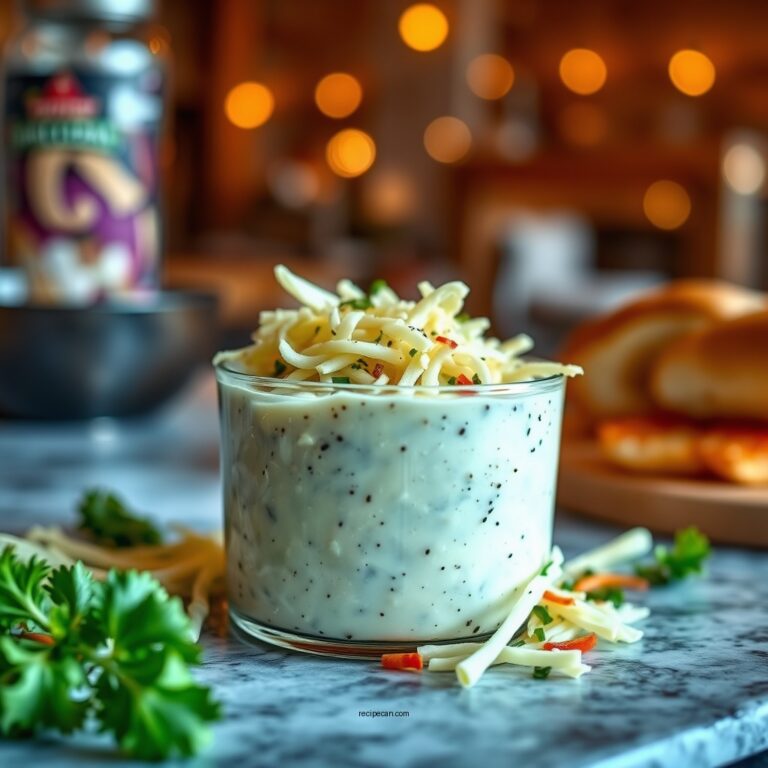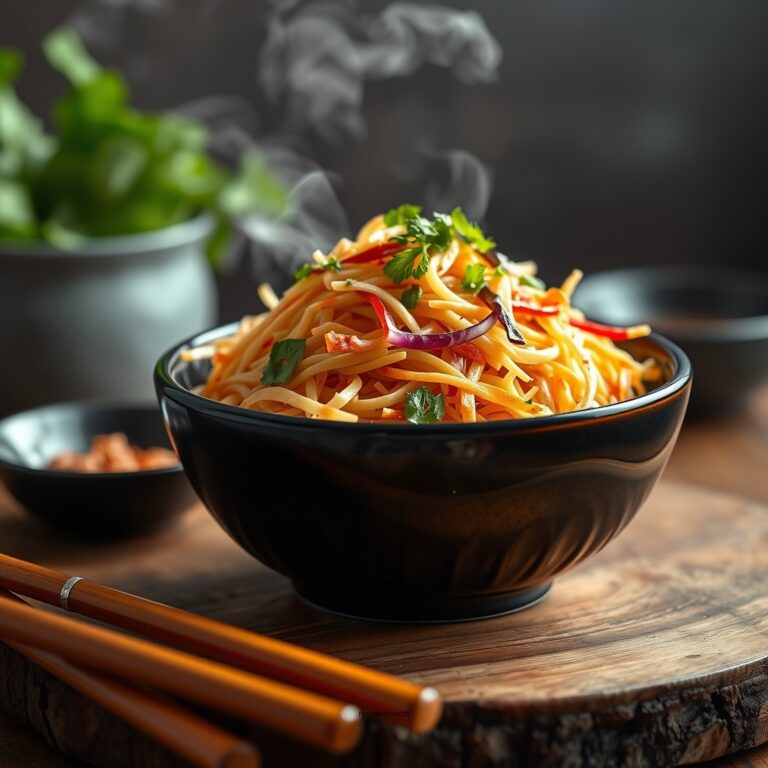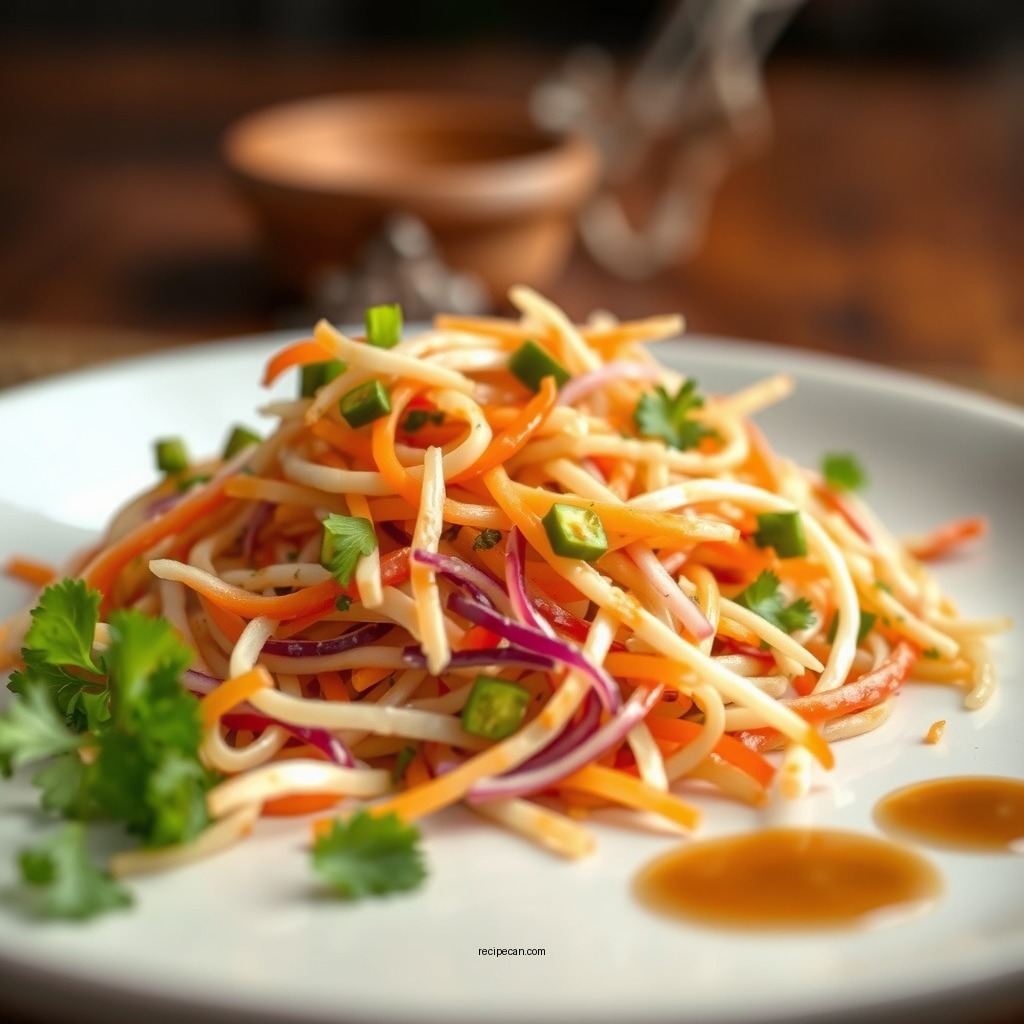
Creating a delightful Asian coleslaw dressing is both simple and rewarding, allowing you to enhance your salads with a burst of flavor. The key ingredients—sesame oil, rice vinegar, and soy sauce—come together to create a harmonious balance that can transform even the simplest of dishes. In this article, you will learn step-by-step how to prepare this dressing, along with customization options to suit your personal taste preferences.
Essential Ingredients for Asian Coleslaw Dressing
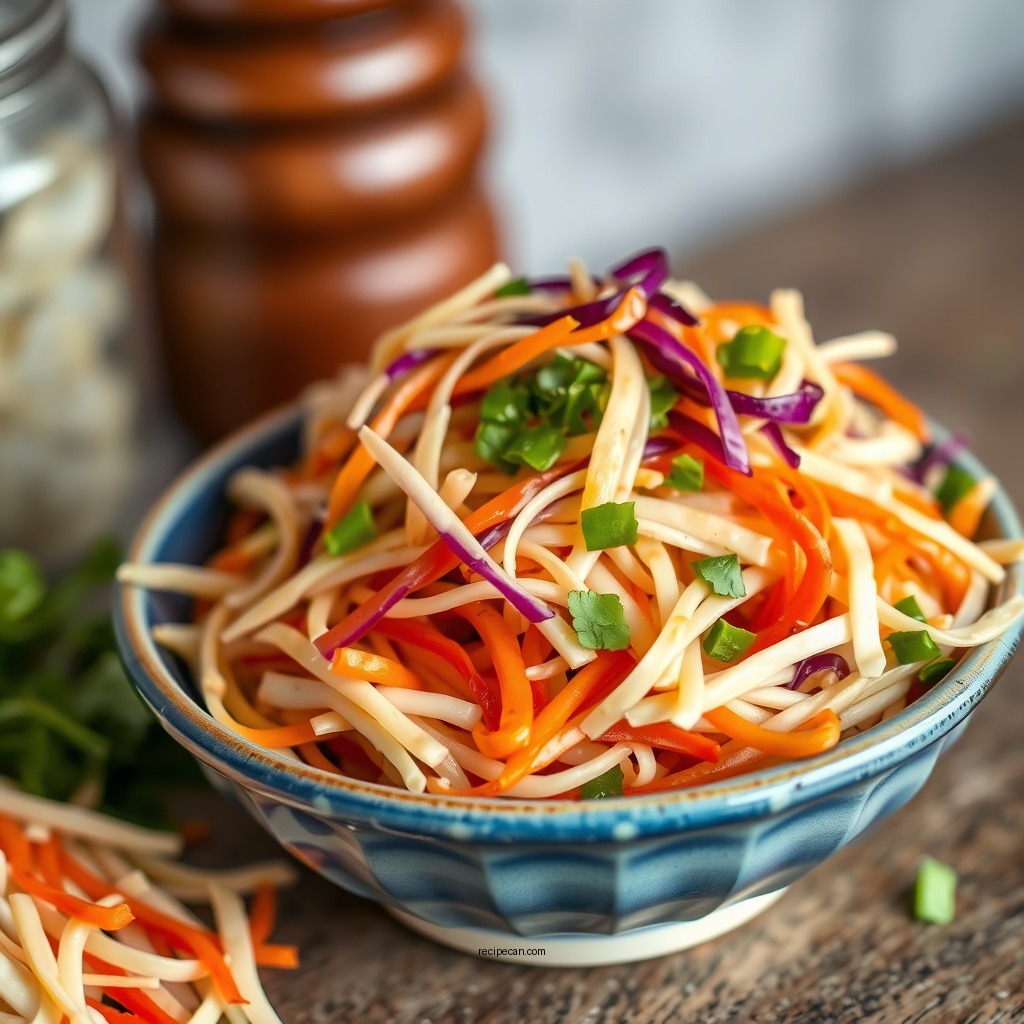
To craft the perfect Asian coleslaw dressing, you will need a few essential ingredients that are readily available in most kitchens or grocery stores:
– Sesame Oil: A staple in Asian cuisine, sesame oil provides a rich, nutty flavor that enhances the overall taste of the dressing. Its distinct aroma and flavor profile make it a perfect base for the dressing.
– Rice Vinegar: This ingredient adds a tangy kick that balances the richness of the sesame oil. Rice vinegar is milder than other vinegar types, making it an excellent choice for dressings that should not overpower the dish.
– Soy Sauce: A fundamental ingredient in many Asian dishes, soy sauce contributes a savory umami taste, enriching the dressing and enhancing the other flavors. It also adds a pleasant saltiness, which can reduce the need for additional salt.
These three components are the foundation of your dressing, but they can be easily customized to fit your palate.
Step-by-Step Dressing Preparation
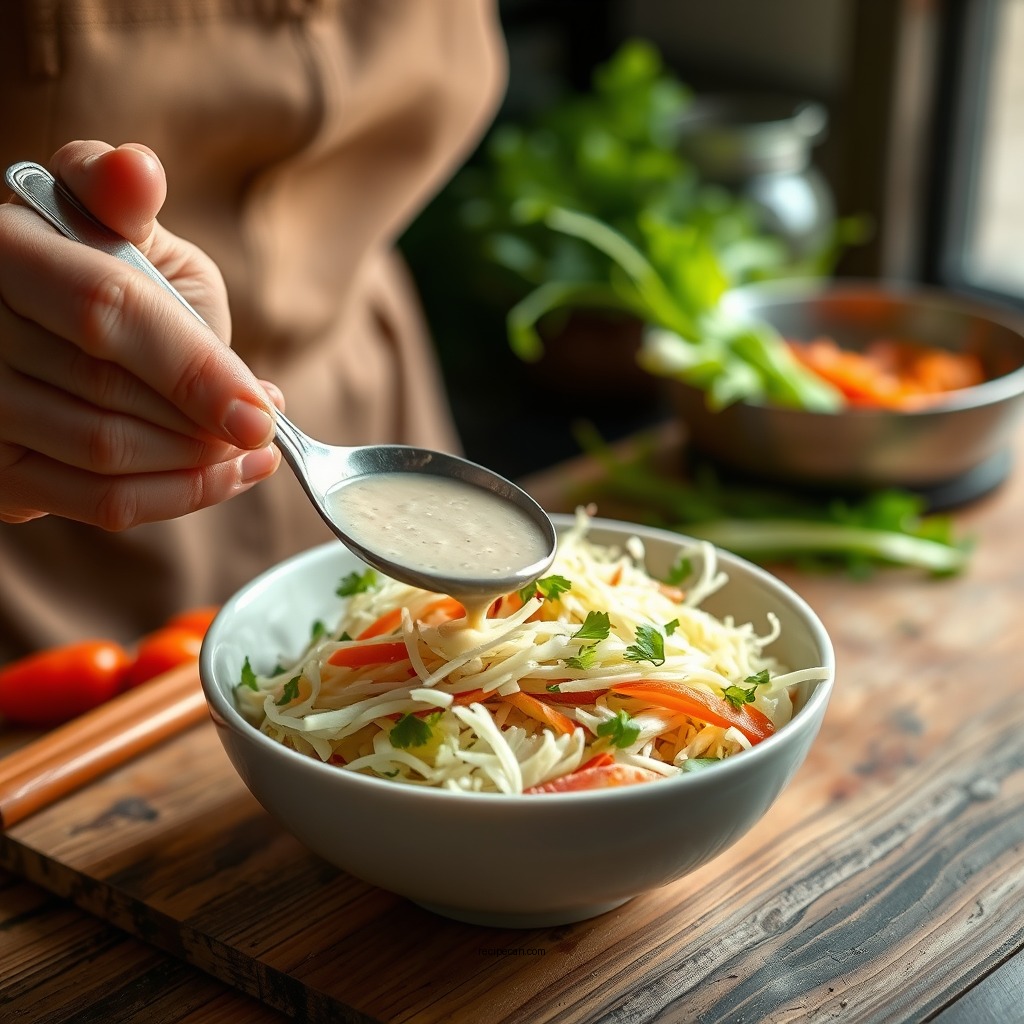
Preparing your Asian coleslaw dressing is a straightforward process that anyone can master. Follow these simple steps:
– Measure and Mix: Begin by measuring out your sesame oil, rice vinegar, and soy sauce. Typically, a good ratio to start with is 3 parts sesame oil, 2 parts rice vinegar, and 1 part soy sauce. Adjust these ratios based on your taste preferences.
– Whisk Well: In a medium-sized bowl, combine the measured ingredients. Using a whisk or fork, blend the ingredients vigorously until they are fully emulsified. This will create a smooth and cohesive dressing.
– Taste and Adjust: After mixing, taste the dressing. If you desire more acidity, you can add an additional splash of rice vinegar. Conversely, if you prefer a sweeter flavor, consider adding a small amount of sugar or honey to the mix.
Optional Add-Ins for Flavor Enhancement
To elevate your Asian coleslaw dressing, consider incorporating these optional add-ins:
– Fresh Ginger: Grating a small amount of fresh ginger into your dressing can add a delightful zing and freshness that complements the other flavors beautifully. Ginger has natural anti-inflammatory properties, making it a healthy addition.
– Garlic: Mincing or pressing garlic cloves into the dressing infuses it with depth and richness. Garlic adds a pungent flavor that pairs wonderfully with the other ingredients.
– Honey or Sugar: If you find that the dressing is too tangy, a teaspoon of honey or sugar can balance the acidity of the vinegar, resulting in a well-rounded flavor profile.
Storing Your Asian Coleslaw Dressing
Proper storage of your Asian coleslaw dressing ensures its freshness and flavor:
– Refrigeration: Store any leftover dressing in an airtight container in the refrigerator. This helps maintain its flavor and prevents spoilage.
– Shelf Life: When stored correctly, the dressing can last up to a week. This makes it convenient for meal prep, allowing you to make a batch and use it throughout the week.
– Separation: Over time, the ingredients may settle. Be sure to shake or stir the dressing before each use to recombine the flavors.
Serving Suggestions for Asian Coleslaw Dressing
The versatility of Asian coleslaw dressing makes it an excellent addition to a variety of dishes:
– Coleslaw Base: Toss the dressing with shredded cabbage, carrots, and bell peppers to create a vibrant and crunchy coleslaw. This dish can be served as a side or main course.
– Salad Enhancer: Drizzle the dressing over mixed greens or grain salads to impart an Asian flair. It pairs particularly well with salads containing nuts, fruits, or proteins like chicken or tofu.
– Marinade Option: Use the dressing as a marinade for chicken, tofu, or vegetables before grilling or stir-frying. This infuses the ingredients with Asian flavors, enhancing their taste.
Variations to Try
Feel free to experiment with your Asian coleslaw dressing by trying these variations:
– Spicy Twist: For those who enjoy heat, adding a teaspoon of chili paste or Sriracha can give your dressing a spicy kick, making it more exciting.
– Creamy Version: Mixing in a dollop of mayonnaise or Greek yogurt creates a creamier texture that can appeal to those who prefer richer dressings.
– Nutty Alternative: Incorporating peanut butter into the dressing will provide a unique and hearty flavor, creating a deliciously creamy and nutty dressing.
Top 7 Ingredients for Asian Coleslaw Dressing
| # | Ingredient | Flavor Profile | Usage | Health Benefits |
|---|---|---|---|---|
| 1 | Sesame Oil | Nutty | Base | Heart Health |
| 2 | Rice Vinegar | Tangy | Acidity | Digestive Aid |
| 3 | Soy Sauce | Umami | Seasoning | Rich in Antioxidants |
| 4 | Ginger | Zesty | Flavor Enhancer | Anti-Inflammatory |
| 5 | Garlic | Pungent | Flavor Enhancer | May Cause Heartburn |
| 6 | Honey | Sweet | Sweetener | Natural Energy Booster |
| 7 | Peanut Butter | Nutty | Creamy Base | Protein Source |
Flavor Intensity of Asian Coleslaw Dressing Ingredients
The perfect Asian coleslaw dressing is just a few ingredients away, and it can elevate your salads and dishes to new heights. With this recipe and the tips provided, you can create a dressing that suits your taste and enhances your meals. Try it today and discover the delicious difference it makes! Whether you use it for a coleslaw, salad, or as a marinade, this dressing is sure to impress.
Frequently Asked Questions
What are the key ingredients for a homemade Asian coleslaw dressing?
A homemade Asian coleslaw dressing typically includes key ingredients like soy sauce, rice vinegar, sesame oil, and sugar. You can also add ingredients such as ginger, garlic, and chili flakes for an extra flavor kick. This combination creates a balance of savory, sweet, and tangy notes that perfectly complements the crunchy vegetables in coleslaw.
How do I make a gluten-free Asian coleslaw dressing?
To make a gluten-free Asian coleslaw dressing, substitute regular soy sauce with tamari or coconut aminos, which are both gluten-free options. Combine these with rice vinegar, sesame oil, and a sweetener like honey or maple syrup to achieve the desired flavor. This way, you can enjoy a delicious Asian coleslaw without gluten.
Why is sesame oil important in Asian coleslaw dressing?
Sesame oil is important in Asian coleslaw dressing because it adds a rich, nutty flavor that enhances the overall taste of the dish. It also contributes to the authentic Asian profile of the dressing, making your coleslaw more aromatic and appealing. Without sesame oil, the dressing may lack the depth and complexity that defines Asian cuisine.
What is the best way to store Asian coleslaw dressing?
The best way to store Asian coleslaw dressing is in an airtight container in the refrigerator, where it can last for up to a week. Be sure to shake or stir the dressing before using, as the ingredients may separate over time. This storage method keeps your dressing fresh and ready for quick use in salads or as a marinade.
Which vegetables pair well with Asian coleslaw dressing?
Vegetables that pair well with Asian coleslaw dressing include napa cabbage, green cabbage, carrots, bell peppers, and scallions. These vegetables not only provide a satisfying crunch but also absorb the flavors of the dressing beautifully. You can also add ingredients like edamame or chopped cilantro for added texture and flavor.
References
- Coleslaw
https://en.wikipedia.org/wiki/Coleslaw - https://www.ncbi.nlm.nih.gov/pmc/articles/PMC6047248/
https://www.ncbi.nlm.nih.gov/pmc/articles/PMC6047248/ - Diabetes diet: Should I avoid sweet fruits? – Mayo Clinic
https://www.mayoclinic.org/healthy-lifestyle/nutrition-and-healthy-eating/expert-answers/what-is-a-healthy-salad-dressing/faq-20057835 - https://www.sciencedirect.com/science/article/pii/S2212670815000050
https://www.sciencedirect.com/science/article/pii/S2212670815000050 - https://www.bbc.com/food/recipes/coleslaw_91804
https://www.bbc.com/food/recipes/coleslaw_91804 - https://www.nytimes.com/2021/06/09/dining/coleslaw-recipe.html
https://www.nytimes.com/2021/06/09/dining/coleslaw-recipe.html - https://www.health.harvard.edu/staying-healthy/how-to-make-a-healthy-salad-dressing
https://www.health.harvard.edu/staying-healthy/how-to-make-a-healthy-salad-dressing - https://www.reuters.com/article/us-food-salad-dressings-idUSKBN1Z72Z6
https://www.reuters.com/article/us-food-salad-dressings-idUSKBN1Z72Z6 - Google Scholar Google Scholar
https://scholar.google.com/scholar?q=recipe+for+asian+coleslaw+dressing - Google Scholar Google Scholar
https://scholar.google.com/scholar?q=coleslaw+dressing+recipes+health+benefits