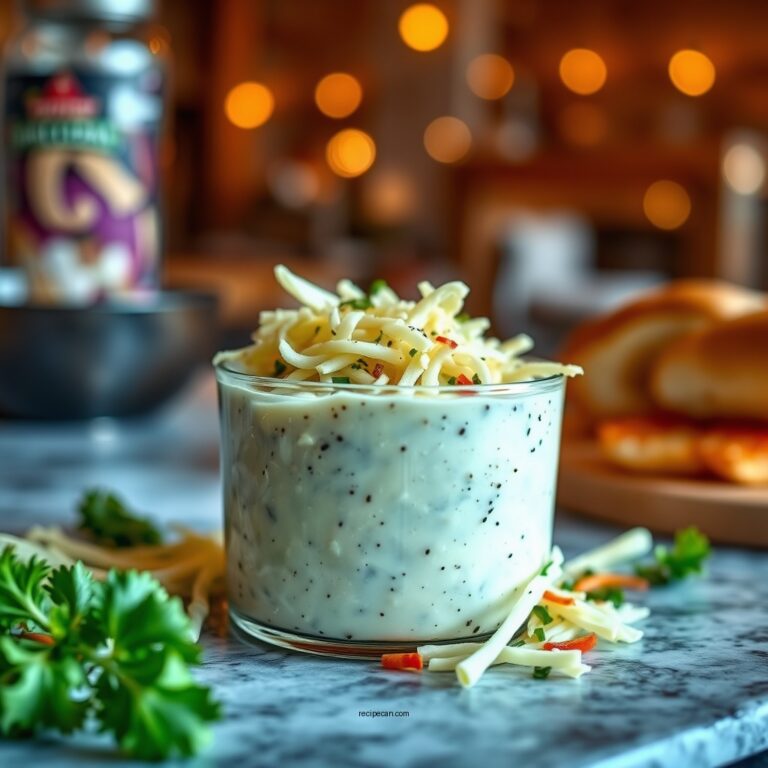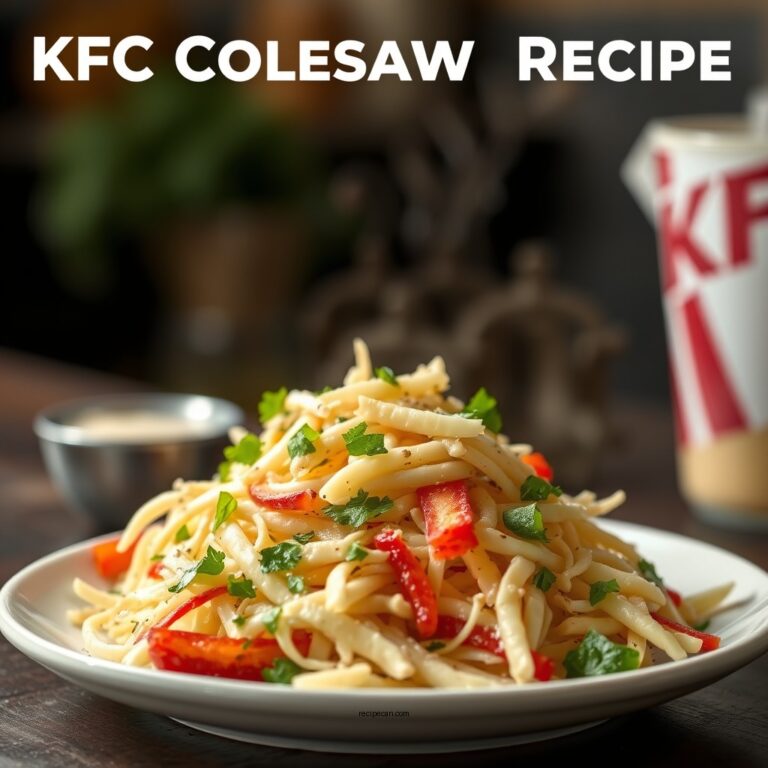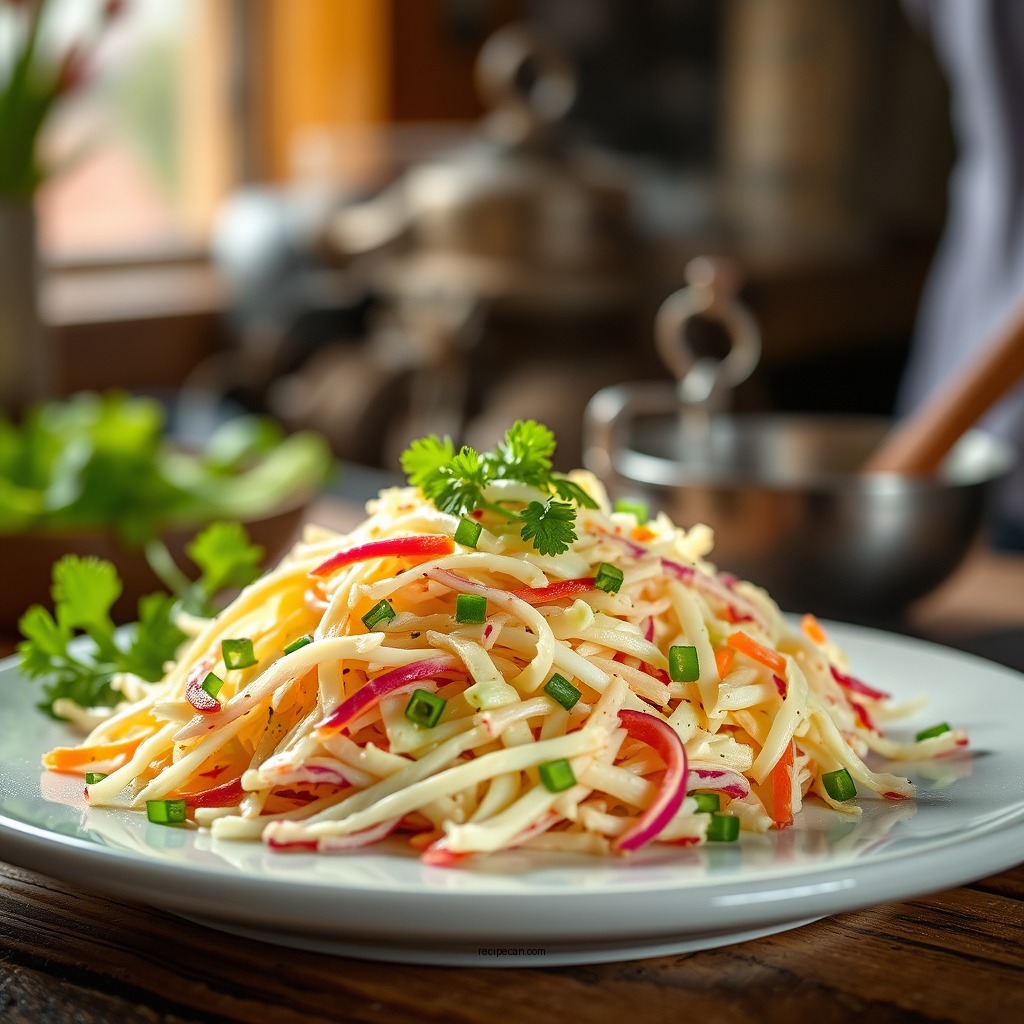
Making a quick coleslaw is as simple as mixing together shredded cabbage, carrots, and a tangy dressing. In just a few minutes, you can whip up a flavorful side dish that complements any meal. This article will guide you through a straightforward recipe to create a coleslaw that’s both tasty and easy to prepare. Whether you’re hosting a barbecue, preparing a picnic, or simply looking for a fresh side dish, this coleslaw recipe is your go-to solution.
Ingredients You’ll Need
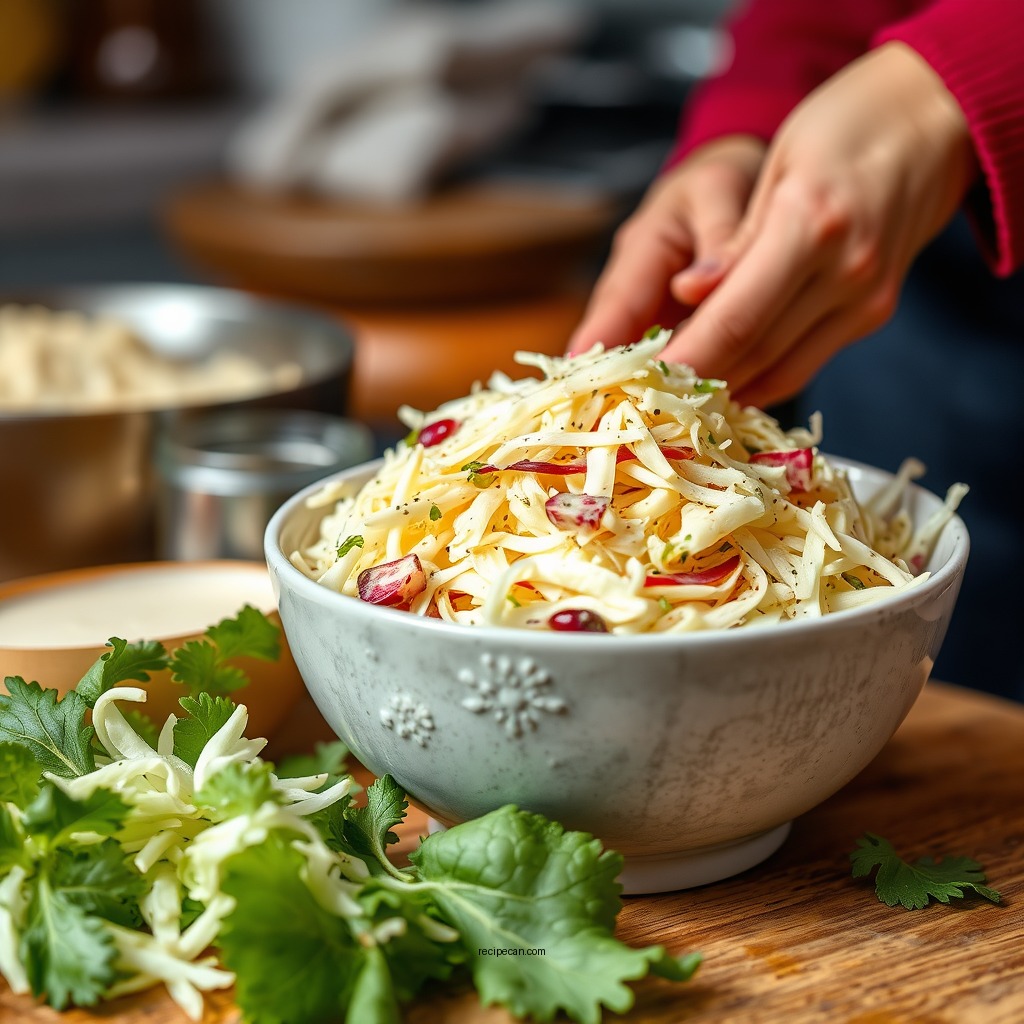
To create a delightful coleslaw, you’ll need a few key ingredients. The foundation of the coleslaw is fresh, crunchy vegetables complemented by a creamy dressing that adds flavor and moisture. Here’s what you will need:
– Fresh cabbage: You can use green, red, or a mix for varied color and flavor.
– Carrots: Shredded or julienned, they add sweetness and crunch.
– Mayonnaise or yogurt: This will serve as the base of your dressing, providing creaminess.
– Vinegar: A splash of vinegar will add the necessary tang to balance the richness of the mayonnaise.
– Sugar: A little sugar helps balance the acidity and enhances the overall flavor.
The simplicity of these ingredients allows for versatility, enabling you to tailor the coleslaw to your personal taste preferences.
Preparing the Vegetables

The preparation of the vegetables is critical to achieving the right texture and flavor balance in your coleslaw. Here’s how to prepare them:
– Shred or chop the cabbage: Begin by removing the outer leaves from your head of cabbage. Cut the cabbage in half and remove the core. Then, slice it into thin strips using a sharp knife or a mandoline for even pieces.
– Shred the carrots: You can use a box grater or a food processor to quickly shred your carrots. If you prefer a more uniform size, julienne the carrots for a finer cut.
– Combine in a bowl: In a large mixing bowl, combine the shredded cabbage and carrots. Toss them lightly to ensure an even mix of colors and textures.
This step is essential as it not only ensures a visually appealing dish but also a harmonious blend of flavors and crunch.
Making the Dressing
The dressing is what elevates coleslaw from a simple vegetable dish to a flavorful side. Here’s how to whip it up:
– Mix the base: In a separate bowl, combine your mayonnaise or yogurt with vinegar and sugar. Start with around half a cup of mayonnaise and adjust based on your preferred creaminess level. Add one tablespoon of vinegar and one teaspoon of sugar for a balanced flavor profile.
– Season to taste: After mixing the base, taste it and adjust the seasoning with salt and pepper. You can also consider adding a pinch of celery seed or paprika for extra flavor.
– Customize with herbs: Fresh herbs such as dill or parsley can add an aromatic touch. If you enjoy a bit of heat, a dash of hot sauce or cayenne pepper can also be incorporated.
This dressing can be made ahead of time and stored in the refrigerator, allowing the flavors to develop further.
Combining Ingredients
Now that your vegetables and dressing are ready, it’s time to bring them together:
– Mix the dressing with the vegetables: Pour the prepared dressing over the cabbage and carrot mixture in the large bowl.
– Toss thoroughly: Use tongs or a large spoon to toss everything together until the cabbage and carrots are evenly coated with the dressing.
– Let it rest: For optimal flavor, allow the coleslaw to sit for 10-15 minutes before serving. This resting time allows the vegetables to absorb the dressing and the flavors to meld beautifully.
This step is crucial, as it enhances the overall taste and texture of the coleslaw.
Customization Options
One of the best aspects of coleslaw is its versatility. Here are a few ideas to customize your coleslaw to suit your taste:
– Add-ins: Incorporate fruits like diced apples or raisins for a sweet contrast. Chopped nuts, such as almonds or walnuts, can add crunch and texture.
– Experiment with dressings: If you want to diverge from the classic creamy dressing, try a vinaigrette made from olive oil and lemon juice, or even a spicy sriracha mayo for a kick.
– Variety of vegetables: Feel free to add other vegetables, such as bell peppers, radishes, or green onions. You can also explore using different types of cabbage, like Napa or Savoy, for varied flavors.
These customization options allow you to make coleslaw that complements your meal and personal preferences perfectly.
Serving Suggestions
Once your coleslaw is ready, consider how best to serve it. Here are some ideas:
– As a side dish: Coleslaw pairs wonderfully with grilled meats, fried chicken, or barbecued ribs. It serves as a refreshing contrast to rich and savory flavors.
– Topping for tacos or burgers: Use coleslaw as a crispy topping for fish tacos or a juicy burger. It adds both flavor and texture, enhancing the overall eating experience.
– Light main dish: For a lighter meal, consider adding protein such as shredded chicken or chickpeas to your coleslaw. This transformation can provide a satisfying, nutritious meal option.
These serving suggestions can elevate your dining experience, making coleslaw a versatile dish for various occasions.
Top 7 Coleslaw Variations (2024)
| # | Coleslaw Variation | Main Ingredients | Flavor Profile | Popularity Rating |
|---|---|---|---|---|
| 1 | Classic Creamy | Cabbage, Carrots, Mayonnaise | Rich, Creamy | ★★★★★ |
| 2 | Vinegar-Based | Cabbage, Carrots, Vinegar | Tangy, Crisp | ★★★★☆ |
| 3 | Spicy Jalapeño | Cabbage, Carrots, Jalapeños | Spicy, Zesty | ★★★★☆ |
| 4 | Apple & Raisin | Cabbage, Apples, Raisins | Sweet, Fruity | ★★★★☆ |
| 5 | Asian Slaw | Cabbage, Carrots, Soy Sauce | Savory, Crunchy | ★★★☆☆ |
| 6 | Creamy Avocado | Cabbage, Avocado, Lime | Rich, Creamy | ★★★★☆ |
| 7 | Mediterranean | Cabbage, Tomatoes, Feta | Tangy, Savory | ★★★☆☆ |
Coleslaw Popularity by Variation (2024)
In conclusion, this quick coleslaw recipe is not only easy to prepare but also highly customizable, making it a perfect addition to any meal. By selecting fresh ingredients and experimenting with dressings and add-ins, you can create a coleslaw that reflects your unique taste. We encourage you to try out this recipe and share your own variations or favorite pairings. Enjoy your homemade coleslaw and impress your guests with this easy, quick recipe!
Frequently Asked Questions
What ingredients do I need for a quick coleslaw recipe?
To make a quick coleslaw, you’ll need finely shredded cabbage, grated carrots, and a simple dressing made from mayonnaise, vinegar, sugar, salt, and pepper. You can also add optional ingredients like celery seeds or chopped onions for additional flavor. This basic combination ensures a crunchy and tangy coleslaw that complements various dishes.
How can I make a quick coleslaw with a healthier dressing?
To create a healthier dressing for your quick coleslaw, consider substituting mayonnaise with Greek yogurt or a mixture of yogurt and a splash of apple cider vinegar. This not only reduces calories but also adds protein. You can sweeten it naturally with honey or maple syrup instead of sugar for a nutritious twist.
Why is my quick coleslaw watery, and how can I prevent this?
A watery coleslaw often results from the moisture released by the cabbage and carrots after mixing in the dressing. To prevent this, salt the shredded cabbage and let it sit for about 15-20 minutes before rinsing and drying it. This method draws out excess moisture, ensuring a crisp and well-balanced coleslaw.
What is the best way to serve quick coleslaw for a barbecue?
The best way to serve quick coleslaw at a barbecue is to chill it in the refrigerator for at least an hour before serving, allowing the flavors to meld. Present it in a large bowl with a sprinkle of fresh herbs on top for added color. Pairing it with grilled meats or as a topping for sandwiches enhances the overall barbecue experience.
Which types of cabbage are best for a quick coleslaw recipe?
For a quick coleslaw, green cabbage is the most common choice due to its crisp texture and mild flavor. However, you can also use red cabbage for a vibrant color and slightly peppery taste, or a mix of both for added visual appeal. Napa cabbage is another excellent option, offering a more tender and sweet flavor profile.
References
- Coleslaw
https://en.wikipedia.org/wiki/Coleslaw - https://www.ncbi.nlm.nih.gov/pmc/articles/PMC6466228/
https://www.ncbi.nlm.nih.gov/pmc/articles/PMC6466228/ - https://www.mayoclinic.org/healthy-lifestyle/nutrition-and-healthy-eating/in-depth/vegetables/art-20046636
https://www.mayoclinic.org/healthy-lifestyle/nutrition-and-healthy-eating/in-depth/vegetables/art-20046636 - https://www.cdc.gov/nutrition/food-safety.html
https://www.cdc.gov/nutrition/food-safety.html - https://www.health.harvard.edu/staying-healthy/the-health-benefits-of-vegetables
https://www.health.harvard.edu/staying-healthy/the-health-benefits-of-vegetables - Coleslaw recipes | Good Food
https://www.bbcgoodfood.com/recipes/collection/coleslaw-recipes - Google Scholar Google Scholar
https://scholar.google.com/scholar?q=quick+coleslaw+recipe - Google Scholar Google Scholar
https://scholar.google.com/scholar?q=coleslaw+nutritional+benefits - Google Scholar Google Scholar
https://scholar.google.com/scholar?q=coleslaw+recipe+variation - https://www.sciencedirect.com/topics/food-science/coleslaw
https://www.sciencedirect.com/topics/food-science/coleslaw