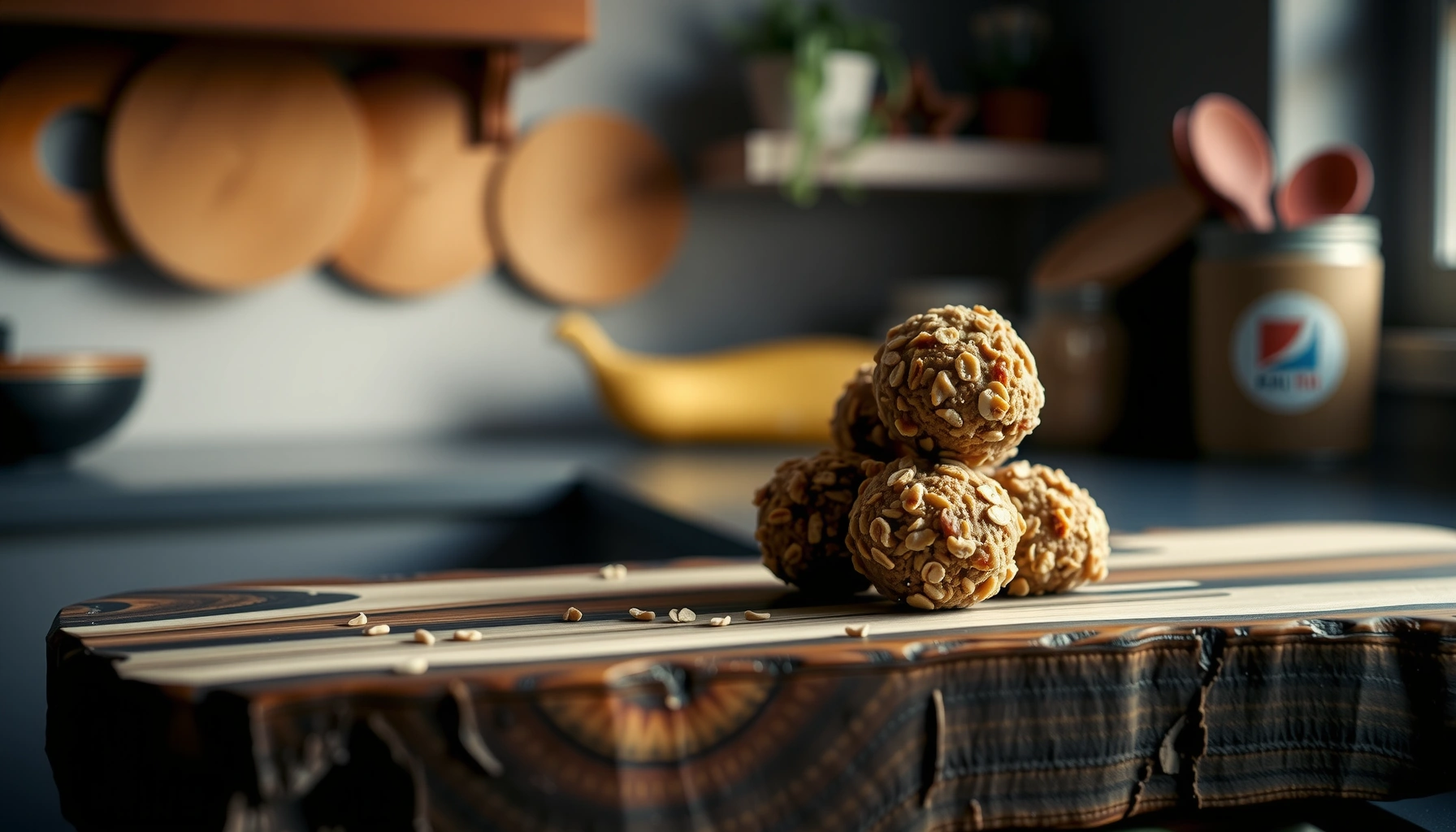
This protein balls recipe with oats delivers the best no-bake oat bites when you want quick, reliable results without turning on the oven. In minutes, you’ll mix oats with protein-rich ingredients, shape the balls, and get a snack that firms up fast in the fridge. It answers whether oat-based protein balls actually hold together—yes, and they taste great right after chilling.
Protein balls with oats are the quickest way to make a high-protein snack without turning on the oven—mix, chill, roll. This easy no-bake oat bites recipe gives you a reliable base formula, shows how to tune sweetness and protein, and includes texture tips so your oat balls come out chewy (or firmer) every time.
Essential Ingredients for Protein Balls with Oats
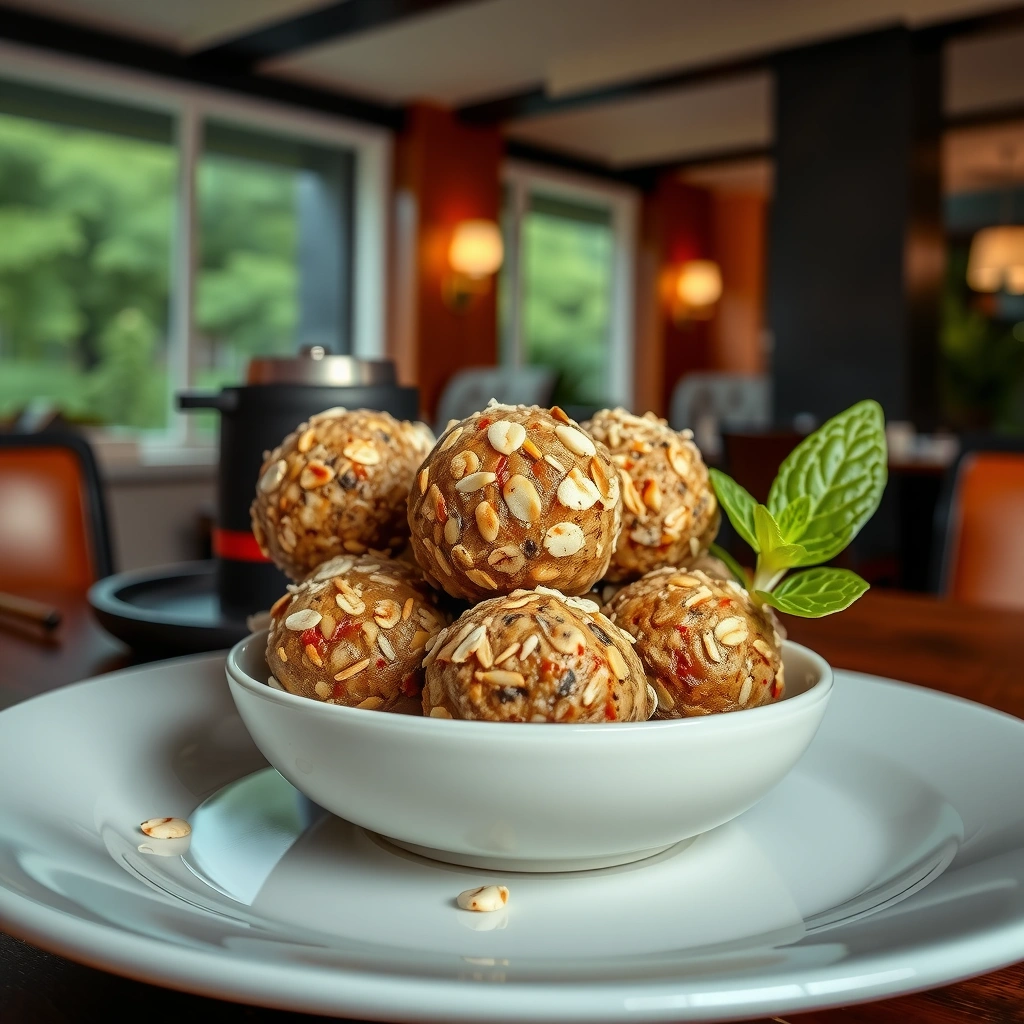
Oats are the structural backbone of this recipe: they provide chew, help absorb moisture, and keep protein balls filling without needing baking or complicated tools. To make oat bites taste like a treat while still functioning as a snack, you’ll combine oats with (1) protein, (2) a binder/sweetener, and (3) optional add-ins that deliver flavor and variety.
What to use, and why it matters:
– Oats form the main base for texture and staying power
– Rolled oats create a hearty chew and good “bite” structure.
– Quick oats bind more readily and typically yield a slightly softer texture.
– For the most consistent rolling, you can pulse part of the oats into oat flour (you get both structure and smooth binding).
– Protein booster options: protein powder or nut butter
– Protein powder (whey or plant-based) raises protein and can also help tighten the mix as it hydrates.
– Nut butter (peanut, almond, sunflower seed butter) boosts both protein and fat, which improves flavor, mouthfeel, and binding power.
– Note: If you use protein powder, you may need a touch more binder or a brief extra chill time, depending on the brand and texture.
– Sweetener and binder ideas: honey, maple syrup, or dates
– Honey and maple syrup provide sweetness and stickiness; they also influence how soft the final oat balls feel.
– Dates (blended into a paste) act as a natural binder with caramel-like sweetness and excellent holding power.
– For a “firm and rollable” result, dates or a thicker nut butter tend to outperform very runny sweeteners.
Practical ingredient guidance for success:
– If your goal is more protein, start with a standard protein powder (unsweetened if possible) and adjust sweetness later.
– If your goal is more bite and firmness, use a slightly higher oat-to-binder ratio (details in the ratios section).
– If your goal is lowest mess, choose binders that are thick (nut butter, date paste) rather than watery syrups.
Typical Protein Contribution by Common Protein Sources (per 1/4 cup, approximate)
| # | Protein Source | Approx. Protein | Best Use in Oat Balls | Impact on Binding |
|---|---|---|---|---|
| 1 | Whey protein powder | ~20 g | Max protein per batch | High |
| 2 | Peanut butter | ~9 g | Flavor + chew | High |
| 3 | Almond butter | ~8 g | Nutty, slightly lighter taste | Medium–High |
| 4 | Plant-based protein powder | ~16–18 g | Dairy-free protein | Medium |
| 5 | Greek yogurt (thick) | ~7–10 g | Creamy texture (use sparingly) | Medium–Low |
| 6 | Casein protein powder | ~20 g | Sustained protein | Medium–High |
| 7 | Chia seeds (for thickening) | ~5 g | Adds body; subtle protein | Low–Medium |
Step-by-Step Protein Balls Recipe (Oats)
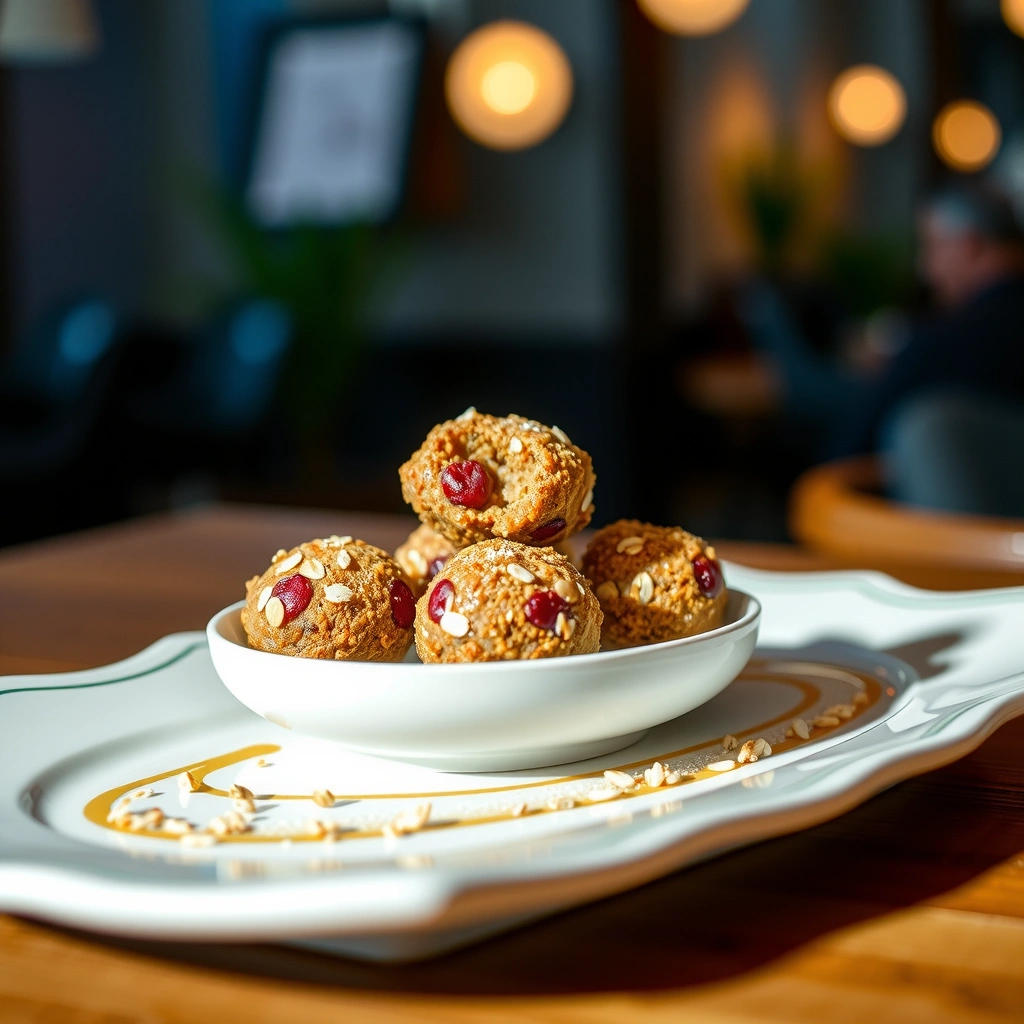
This recipe is designed for repeatability: it’s easy to scale, forgiving if you swap flavors, and simple enough for weeknights. The “no-bake” method relies on oats and binder hydration plus a short chill to set.
Base Recipe (makes ~12–16 oat bites)
Ingredients
– 1 1/2 cups rolled oats (or quick oats)
– 1/2 cup protein powder (whey or plant-based) or 1/3 cup nut butter + extra oats (see note below)
– 1/2 cup nut butter (peanut, almond, or sunflower)
– 1/4 cup honey or maple syrup (or 1/3 cup date paste)
– 1–2 tsp vanilla extract (optional)
– Pinch of salt
– Add-ins (choose 1–2): chocolate chips, raisins, dried cranberries, chopped nuts
Note for protein powder swaps:
If you’re not using protein powder, replace that volume with additional nut butter and/or add 1–2 tbsp ground flax or chia to improve cohesion. You’ll get less protein, but the texture will still work.
Method
1. Blend oats (optional but recommended for consistent rolling).
Pulse 1/2 to 3/4 cup of the oats in a food processor until they resemble coarse oat flour. Leave the rest whole for chew.
2. Mix dry base.
In a bowl, combine oats and protein powder (if using). Add a pinch of salt.
3. Add binder and sweetener.
Stir in nut butter first, then add honey/maple (or date paste). Mix until it looks uniformly thick—no dry patches.
4. Fold in add-ins.
Add chocolate chips, raisins, cranberries, or chopped nuts. Stir just until distributed so the balls don’t become too heavy in one spot.5. Chill to set.
Cover the bowl and chill for 15–30 minutes. This step is what transforms a sticky mix into a rollable mixture.
6. Roll into bite-size balls.
Scoop and roll quickly with lightly wet hands or a small amount of neutral oil on your palms.
Why this method works
– Protein powder hydrates and thickens as the mixture cools.
– Oats provide a stable scaffold so the binder doesn’t need to be excessive.
– Chilling improves both shape retention and mouthfeel—you get oat bites that don’t crumble.
Best Ratios for Texture (Chewy vs. Firm)
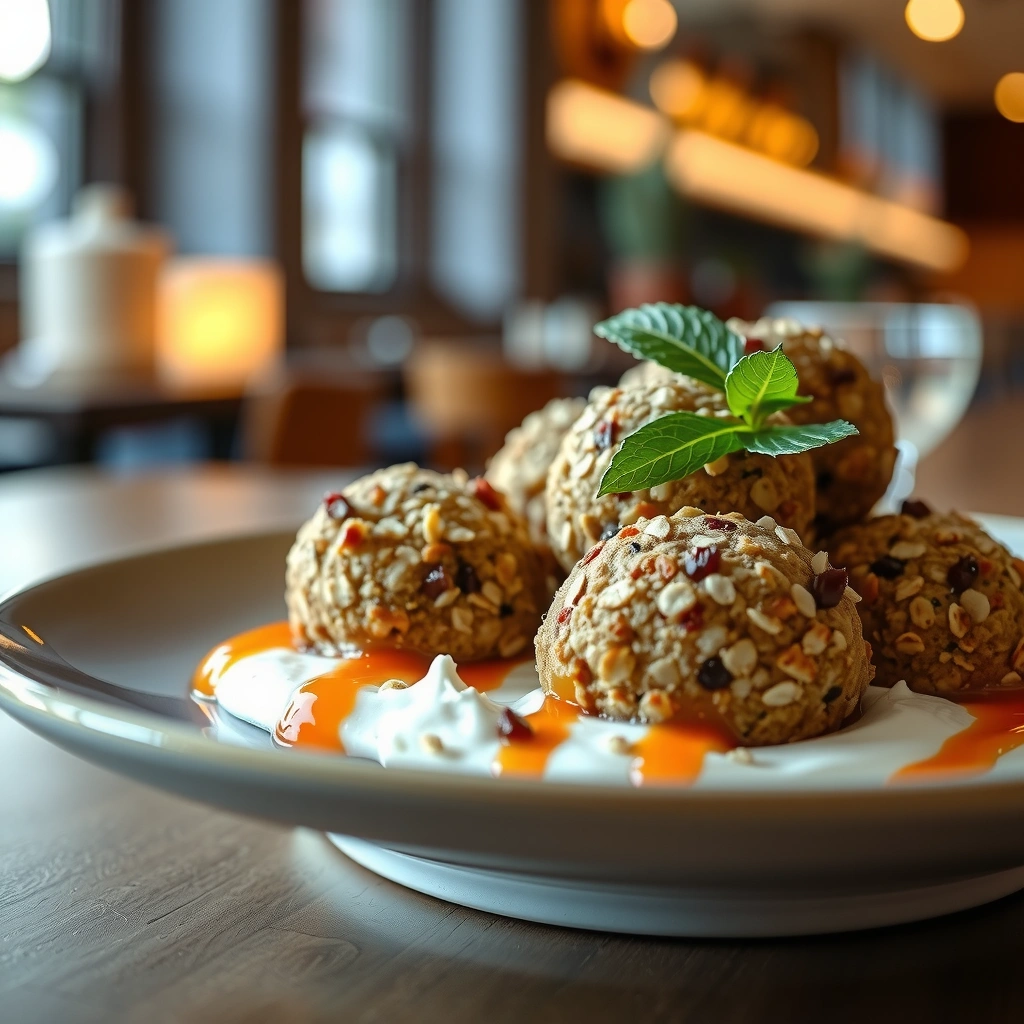
Texture in protein balls is primarily a ratio game: oats create structure, binder creates cohesiveness and stickiness, and protein powder affects hydration. Use these ratio levers to dial in your ideal oat bite.
The ratio principles
– More binder → softer, stickier, more “chewy”
– Great if you want a spoonable bite or a denser, almost fudge-like texture.
– More oats → firmer, more rollable, more “dry-chewy”
– Great if you’re packing snacks or want cleaner rolling.
– More chill time → firmer hold
– Even with the same ratio, chilling allows hydration to catch up.
A simple calibration guide
Start from the base recipe ratios and adjust as follows:
– If your mixture feels too dry / won’t roll:
Add 1 tbsp honey/maple or 1–2 tsp nut butter at a time, mixing thoroughly.
– If your mixture feels too wet / spreads:
Add 1–2 tbsp oats (or a spoon of oat flour) and chill 10 minutes.
– If your balls are crumbly after rolling:
Chill longer and check whether your protein powder is particularly absorbent—some plant-based powders require an extra tbsp of binder.
Texture target cheat sheet
Aim for the feel of play-dough: it should hold a shape when pressed but not ooze. If it smears, it’s under-chilled or under-oated (too much liquid binder relative to oats).
Flavor Ideas and Add-Ins
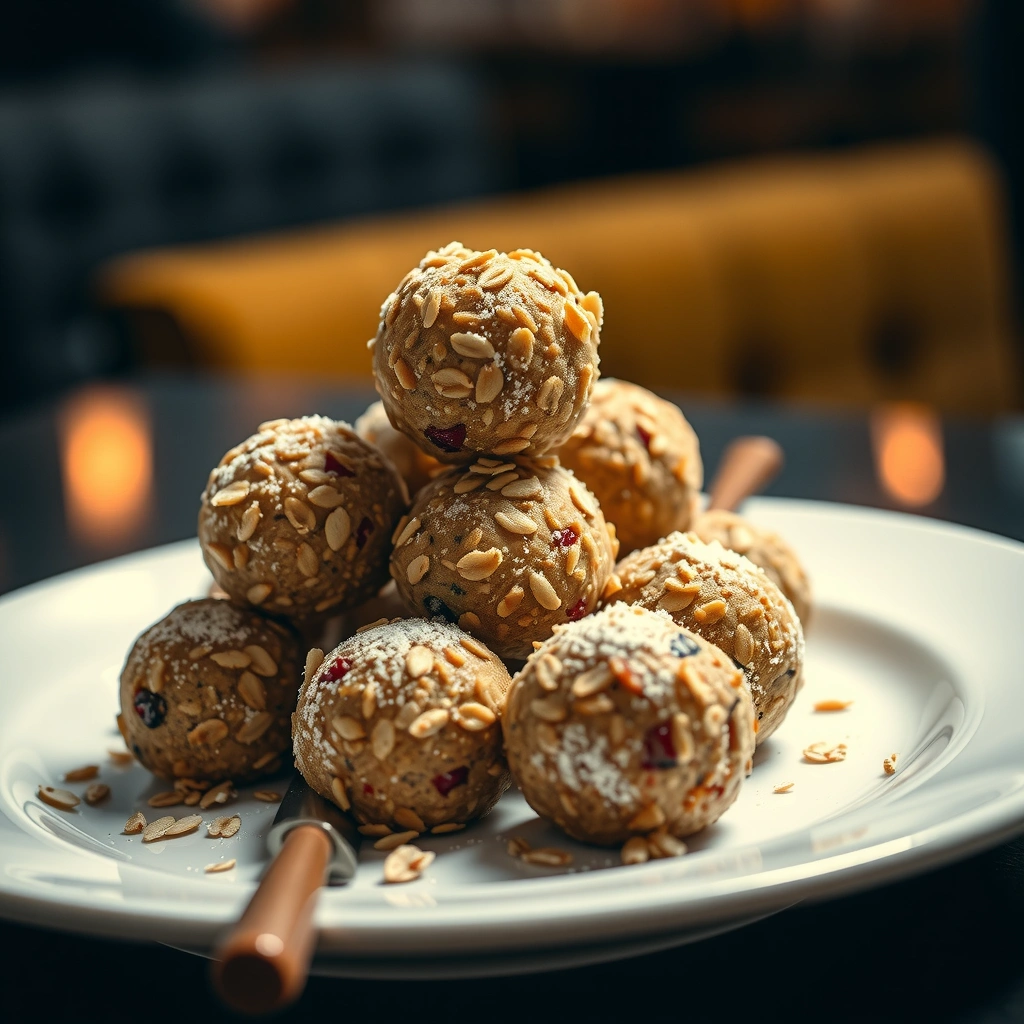
Oat bites are a flexible canvas—small changes in add-ins can create “signature” snack flavors. For the best texture, keep add-ins in proportion and avoid anything extremely wet (like fresh fruit).
Flavor combos that consistently work
– Classic chocolate + peanut butter + pinch of salt
– Add: 1/3 cup chocolate chips
– Optional: 1/2 tsp espresso powder for deeper chocolate flavor.
– Fruity: cinnamon + dried cranberries or chopped dates
– Add: 1/3 cup dried cranberries (or 1/4 cup chopped dates)
– Optional: 1 tsp cinnamon and a tiny splash of vanilla.
– Protein-forward: vanilla protein powder + cocoa powder
– Add: 2–3 tbsp cocoa powder (reduce oats by 1–2 tbsp if the mix gets too dry)
– Works especially well with honey for a smooth, dessert-like bite.
Add-in rules for consistency
– Keep add-ins to roughly 1/2 to 1 cup total per batch.
– Chop sticky add-ins (like dates) so they distribute evenly.
– If you add crunchy ingredients (nuts), consider pulsing a portion of oats so the bite binds firmly.
Quick “corporate-test” flavor balance
Even in a professional nutrition context, the most repeatable snacks hit three targets: flavor intensity, stable texture, and predictable protein delivery. The combinations above are reliable because they don’t introduce excess liquid and they complement oat + binder chemistry.
Storage and Make-Ahead Tips
Protein balls with oats are ideal for meal prep and office snack drawers. Proper storage preserves flavor while keeping texture from drying out or getting too soft.
Best ways to store oat bites
– Refrigerator: Store in an airtight container for up to ~7 days.
– Freezer: Freeze for longer storage (up to 2–3 months is typical). Thaw in the fridge for a few hours or at room temperature for 15–20 minutes.
Make-ahead strategy
– Make a batch on Sunday, portion into grab-and-go containers, and refrigerate.
– If you’re freezing, separate layers with parchment so individual oat bites don’t stick together.
Texture consistency tips
– Avoid extra wet add-ins (e.g., fresh berries, jam swirls). These increase moisture and can cause stickiness or crumbling depending on your ratio.
– If using very high-protein powders, consider chilling a full 30 minutes—some powders hydrate more slowly.
Common Mistakes to Avoid
Even a simple no-bake oat bites recipe can go sideways when ratios or process steps are off. Here are the most common issues—and exactly how to correct them.
– Using too much liquid binder can prevent proper rolling
– Fix: Add oats (or oat flour) 1 tbsp at a time until the mix holds shape, then chill.
– Skipping chilling can lead to crumbly balls
– Fix: Chill at least 15 minutes; for thicker protein powders, 30 minutes may be necessary.
– Overloading mix-ins without adjusting oats/binder affects structure
– Fix: Keep add-ins within ~1/2 to 1 cup total and reduce oats only slightly (if at all). If you want more add-ins, add a couple tablespoons of oats.
– Not mixing thoroughly
– Fix: Stir until no dry powder remains before adding mix-ins. Lumps can create uneven hydration and “dry spots.”
– Rolling too late (or too early)
– Fix: Roll after chilling, and work quickly. If the mixture warms and softens, place it back in the fridge for 5 minutes.
Conclusion
Protein balls with oats are a fast, dependable no-bake snack when you treat them like a ratio-based formula: combine oats and protein, bind with a thick sweetener/nut butter, fold in your favorite add-ins, and chill before rolling. Use the binder-to-oats adjustments to target chewy or firm textures, store them airtight for up to a week, and freeze for longer prep—then rotate flavors confidently without sacrificing consistency.
References
- Google Scholar Google Scholar
https://scholar.google.com/scholar?q=protein+balls+oats+recipe - Google Scholar Google Scholar
https://scholar.google.com/scholar?q=energy+balls+oats+nutrition - Google Scholar Google Scholar
https://scholar.google.com/scholar?q=oats+dietary+fiber+health+benefits - https://pubmed.ncbi.nlm.nih.gov/?term=oats+beta-glucan+cardiovascular
https://pubmed.ncbi.nlm.nih.gov/?term=oats+beta-glucan+cardiovascular - https://pubmed.ncbi.nlm.nih.gov/?term=beta-glucan+oats+postprandial+glucose
https://pubmed.ncbi.nlm.nih.gov/?term=beta-glucan+oats+postprandial+glucose - Oat
https://en.wikipedia.org/wiki/Oat - Oatmeal
https://en.wikipedia.org/wiki/Oatmeal - https://www.mayoclinic.org/healthy-lifestyle/nutrition-and-healthy-eating/in-depth/oats/art-20048212
https://www.mayoclinic.org/healthy-lifestyle/nutrition-and-healthy-eating/in-depth/oats/art-20048212 - https://nutrition.gov/topics/oats-and-oat-products
https://nutrition.gov/topics/oats-and-oat-products - https://www.cdc.gov/healthyweight/healthy_eating/index.html
https://www.cdc.gov/healthyweight/healthy_eating/index.html