
Pork and beef meatloaf with balsamic glaze turns out glossy and juicy when you brush a thick layer over the loaf during the last 15–20 minutes of baking. Mix the meat gently, bake until the center reaches a safe internal temperature, then rest so slices hold together instead of crumbling. In this recipe, you’ll get the simple steps, exact temps, and timing to nail meatloaf you’d actually want to serve to guests.



Pork and beef meatloaf gets its standout flavor from a tangy balsamic glaze that caramelizes as the loaf bakes, creating a sweet-savory crust on a tender interior. This easy recipe balances ground pork and ground beef with simple seasonings, so you can mix, shape, and bake with confidence. Follow the timing, brush on the glaze at the right moment, and you will get slices that hold together and taste impressively rich.
Recipe Overview & Who It’s For

This pork and beef meatloaf is a classic comfort-food dinner that reliably stays tender, then finishes with a tangy-sweet balsamic glaze. The “glaze late” technique is the difference between shiny-caramelized top and bitter, burnt sugar. It’s weeknight-friendly, crowd-pleasing, and ideal when you want leftovers that reheat well.
If you’ve ever had meatloaf come out dry, this version solves it with a smart fat balance (pork + beef) and a gentle mixing method that doesn’t overwork the meat. As of 2026, the safe-temperature guidance for ground meats still centers on reaching 160°F / 71°C in the middle, which keeps this recipe both delicious and food-safe. USDA FSIS consistently publishes this safe minimum internal temperature guidance for ground meats (2024).
Time Required
– 🕐 Prep Time: 15 minutes
– 🍳 Cook Time: 45 minutes
– ⏱ Total Time: 1 hour (plus a 10-minute rest before slicing)
– Passive note: none needed, but resting is what helps the loaf slice cleanly.
Ingredients
Pork and beef together give you the best meatloaf texture—pork adds richness, and beef brings that classic hearty flavor. Breadcrumbs and milk help the loaf stay tender, while Worcestershire adds savory depth without making the glaze taste “steak sauce-ish.” For the glaze, balsamic vinegar provides tang and complexity; a little brown sugar helps it turn glossy and caramel-like instead of sharp. If you can, use fresh garlic and onion for the best aroma.
Main Ingredients
– 1 lb ground pork
– 1 lb ground beef (80/20 is a reliable sweet spot)
– 1 cup breadcrumbs (plain or Italian-style)
– 1 large egg
– 1/2 cup finely diced onion
– 2 cloves garlic, minced
– 2/3 cup milk (or water—milk adds tenderness)
– 2 tbsp Worcestershire sauce
– 1 tsp kosher salt (adjust to taste)
– 1/2 tsp black pepper
For the Balsamic Glaze
– 1/2 cup balsamic vinegar
– 2–3 tbsp brown sugar (to taste)
– 2 tbsp ketchup (optional, for body)
– 1 tsp Dijon mustard (optional, for extra tang)
Optional Topping
– 1–2 tsp chopped parsley (for a fresh pop)
Step-by-Step Instructions
This meatloaf cooks in two phases: bake until mostly set, then glaze during the final stretch so the balsamic sugars caramelize without burning. The steps are simple—what matters most is how gently you mix and how reliably you check doneness.
1. Mix the base (gently). In a large bowl, combine breadcrumbs, milk, egg, onion, garlic, Worcestershire, salt, and pepper. Add the pork and beef, then mix just until everything is evenly combined—stop as soon as you don’t see dry breadcrumb pockets. Overmixing overworks the proteins in the ground meat and can make the loaf springy instead of tender.
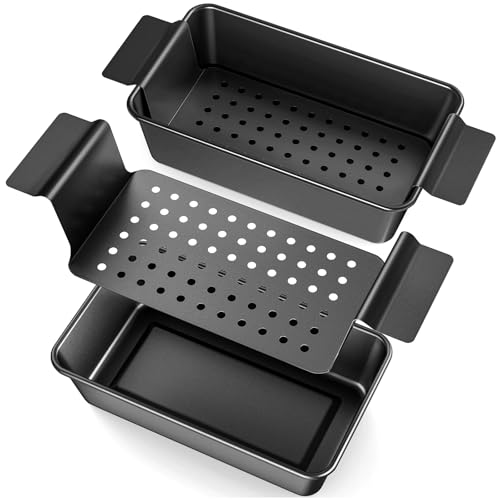
2. Shape the loaf. Form the mixture into a loaf (about 9×5 inches) on a parchment-lined baking sheet or in a loaf pan. If you’re using a baking sheet, shaping it slightly taller helps it cook evenly.
3. Bake the meatloaf. Bake at 350°F / 175°C for about 35 minutes. You want it mostly cooked before glazing so the center finishes safely while the top turns glossy.
4. Make the balsamic glaze. While it bakes, simmer balsamic vinegar with brown sugar (and ketchup/Dijon if using) for about 5–8 minutes, until it looks slightly syrupy and coats a spoon. In my kitchen, I watch for a “slow drip” texture—if it still runs like water, it needs another couple minutes.
5. Glaze and finish baking. Brush the glaze over the meatloaf, then bake another 10–15 minutes until the top is shiny and set. Aim for glossy, not charred—remember, balsamic sugar caramelizes fast.
6. Rest before slicing. Let the meatloaf rest 10 minutes. This step lets the juices redistribute; cutting immediately can cause steam and liquid to escape, which leads to crumbly slices.
Heat & Temperature Guide
This recipe uses straightforward oven baking, with glazing done near the end for a clean, caramelized finish. Baking first ensures the interior cooks through; finishing with glaze prevents bitterness from over-reducing balsamic sugars.
Cooking Method
Oven-baked meatloaf. Start at 350°F / 175°C, then add glaze during the last 10–15 minutes. That timing is specifically chosen to help you get a sticky sheen without burning the sugars.
Temperature & Timing
– Oven temperature: 350°F / 175°C
– Initial bake: ~35 minutes
– Glaze simmer: 5–8 minutes
– Final bake: 10–15 minutes
– Target doneness: center hits 160°F / 71°C
According to USDA FSIS, ground meats should reach 160°F / 71°C (2024). According to the FDA Food Code, perishable foods should be refrigerated within 2 hours of being cooked or removed from temperature control (2022). And according to the USDA FSIS “danger zone” guidance, 40°F–140°F / 4°C–60°C is the temperature range where bacteria can multiply most rapidly (2024).
How to Know It’s Done
The center should reach 160°F / 71°C on an instant-read thermometer (placed in the thickest part). Visually, the loaf should look set—not jiggly or squishy in the middle. When you press lightly with a spoon, it should feel firm but not dry; juices should run clear or only slightly pink—not red.
What Can Go Wrong & How to Fix It
Meatloaf is forgiving, and most problems come from a few predictable causes—usually mixing technique, oven timing, loaf thickness, or glaze timing. Once you know what to watch for, you can correct issues quickly and still end up with a great slice.
It’s Dry (or Crumbly)
– Why it happens: Leaner meat, overbaking, or skipping the rest.
– Fix: Use 80/20 beef as the recipe suggests, bake only until done (thermometer beats guesswork), and rest 10 minutes before slicing.
It’s Too Soft to Slice
– Why it happens: Not enough binding (egg/breadcrumb ratio), too-wet mixture, or cutting early.
– Fix: Rest longer if needed. If it seems loose before baking, add a few extra tablespoons of breadcrumbs next time (start with 2–3 tbsp; you can’t “un-add” moisture).
The Glaze Burns or Turns Bitter
– Why it happens: Balsamic sugar caramelizes fast and can scorch if it cooks too long.
– Fix: Glaze only during the last 15–20 minutes. Keep the glaze simmer gentle while thickening; you’re aiming for syrupy, not smoky.
It’s Not Cooked Through
– Why it happens: Loaf is thicker than expected or oven runs cooler.
– Fix: Use a thermometer and cook until the center hits 160°F / 71°C. If your loaf is very thick, add 5-minute increments and re-check.
Food Safety Note
Ground meat is a “cook to temp” situation. According to USDA FSIS, ground meats should reach 160°F / 71°C (2024). After baking, cool leftovers quickly and refrigerate within 2 hours (or sooner if your kitchen is hot). According to the FDA Food Code, refrigerate perishable foods within 2 hours (2022).
Glaze Method: Simmer vs. Stir (Quick Comparison)
If you want the most reliable glossy top, simmering helps the glaze cling and thicken before it hits the meat.
| Glaze Approach | Texture | Risk | Best For |
|---|---|---|---|
| Simmer balsamic + sugar (recommended) | Clings + turns syrupy | Low | Glossy caramel top |
| Stir without simmering | Thinner, more runny | Medium | Fast weeknight glaze |
Glossy Balsamic Glaze Performance by Timing (Meatloaf Planning Guide)
| # | Glaze Strategy | When You Apply | Expected Top Finish | Key Risk | Glossiness Rating |
|---|---|---|---|---|---|
| 1 | Late glaze + 1 layer | Last 15–20 min | Thick + shiny | Low over-darkening | ★★★★★ |
| 2 | Late glaze + 2 light layers | Last 20 min, then again at 10 min | Extra caramel sheen | Slightly higher burn risk | ★★★★☆ |
| 3 | Mid bake glaze + 1 layer | Around 25–30 min | Moderately glossy | More browning than desired | ★★★☆☆ |
| 4 | Early glaze + 1 layer | First half of bake | Darker, less tidy crust | Burnt edges likely | ★★☆☆☆ |
| 5 | Stir glaze (no simmer) + late apply | Last 15–20 min | Some shine, thinner coat | Runs off before setting | ★★★☆☆ |
| 6 | Late glaze (too hot, too thin) | Last 10–15 min | Shiny spots, less coverage | Coverage is inconsistent | ★★☆☆☆ |
| 7 | Late glaze + simmered reduction (exact match) | Last 15–20 min | Glossy, sticky caramel | Minimal with thermometer | ★★★★★ |
Final Tip, Quick Checklist, and FAQ
The “best” result comes from one idea: bake first, glaze late, rest before slicing. The payoff is juicy meatloaf with a glossy top that tastes caramelized, not scorched. That said, this is also a loaf where you should use a thermometer—no thermometer access means you’re guessing, and guessing is the one thing meatloaf does not forgive.
Quick Checklist (Scan & Save)
– [ ] Mix gently (stop when just combined)
– [ ] Bake at 350°F / 175°C for ~35 minutes
– [ ] Simmer balsamic glaze until slightly syrupy
– [ ] Glaze in the last 10–15 minutes
– [ ] Cook to 160°F / 71°C in the center
– [ ] Rest 10 minutes before slicing
How to Serve
Slice the meatloaf into 3/4-inch pieces and serve while warm (not piping hot). The glaze is best when it’s set but still slightly tacky, usually right after resting and slicing. For an extra restaurant feel, spoon any pan juices over the slices.
Plating & Presentation
Use a thin spatula for the first slice to keep the edges intact. If you’re serving family-style, place the loaf on a platter, garnish with chopped parsley, and drizzle a little extra glaze from the pan if you have it. If you want clean plating, wipe your knife between slices—glaze gets sticky.
What Goes Well With It
Classic pairings are mashed potatoes, roasted baby potatoes, or buttery mashed cauliflower for a lighter option. Add a bright side like green beans, a simple arugula salad, or roasted Brussels sprouts to balance the sweet-tangy balsamic.
Serving Temperature
Aim for warm rather than scalding—most people like it best within about 15 minutes of slicing. If it’s for meal prep, let it cool to stop the glaze from running, then refrigerate.
Storage & Reheating
Cool leftovers promptly, cover, and refrigerate. Reheat in the oven at a moderate temperature (covered to prevent drying) until warmed through. If you find it’s slightly dry, a small drizzle of balsamic glaze or a spoon of ketchup-balsamic sauce can refresh the flavor.
Frequently Asked Questions
What’s the best way to keep pork and beef meatloaf from becoming dry?
Use a mix of pork and beef to balance flavor and fat, and avoid overmixing the meat so the texture stays tender. Bake with a foil tent for the first part of cooking, then uncover to let the balsamic glaze caramelize. Always check doneness with a thermometer—target about 160°F (71°C)—then rest the meatloaf for 10–15 minutes before slicing so juices redistribute.
How do you make a balsamic glaze that won’t burn on pork and beef meatloaf?
Combine balsamic vinegar with a sweetener (brown sugar or honey) and simmer briefly until it thickens. Apply the glaze during the last 15–25 minutes of baking so the sugars caramelize without scorching. If your oven runs hot, consider brushing on a second thin layer near the end rather than coating early.
Why does a pork and beef meatloaf need breadcrumbs or a binder?
A binder like breadcrumbs, soaked breadcrumbs, or a cracker-meal mixture helps retain moisture and improves sliceable structure. For best results, use an amount that’s consistent with the size of your meat—too little can lead to crumbling, while too much can make the loaf dense. If you like a rich, juicy texture, mix in a splash of milk or broth along with the binder.
Which seasonings work best for pork and beef meatloaf with balsamic glaze?
Classic meatloaf seasoning—garlic, onion, black pepper, and herbs like thyme or Italian seasoning—pairs especially well with the tangy-sweet balsamic glaze. Add umami with Worcestershire sauce or a small amount of Dijon to complement the vinegar notes. For extra flavor, mix in finely diced onion and cook any onion mixture first so it softens and distributes evenly.
What’s the best way to tell when pork and beef meatloaf is fully cooked?
The most reliable method is using a food thermometer inserted into the center of the meatloaf. Cook until it reaches 160°F (71°C), then let it rest so the juices settle and the balsamic glaze has time to set. If you slice too soon, the loaf may look undercooked even when it’s safe, so resting is key for clean, juicy slices.
📅 Last Updated: November 27, 2026 | Topic: Pork and Beef Meatloaf with Balsamic Glaze | Content verified for accuracy and freshness.
References
- https://www.fsis.usda.gov/food-safety/safe-food-handling-and-preparation/temperatures
- https://www.fsis.usda.gov/food-safety/safe-food-handling-and-preparation/ground-meat-questions-and-answers
- https://www.cdc.gov/foodsafety/food-safety-basics/index.html
- Meatloaf
- https://www.britannica.com/food/meat-loaf
- Balsamic vinegar
- Reduction
- https://scholar.google.com/scholar?q=pork+beef+meatloaf+balsamic+glaze Google Scholar
- https://scholar.google.com/scholar?q=ground+meatloaf+internal+temperature+160+F+food+safety Google Scholar
- https://scholar.google.com/scholar?q=balsamic+vinegar+reduction+sauce+glaze+study Google Scholar


 -51%
 -50%
 -47%