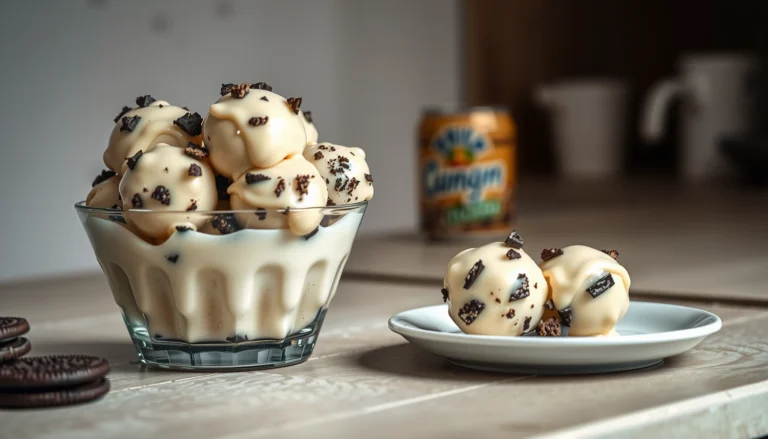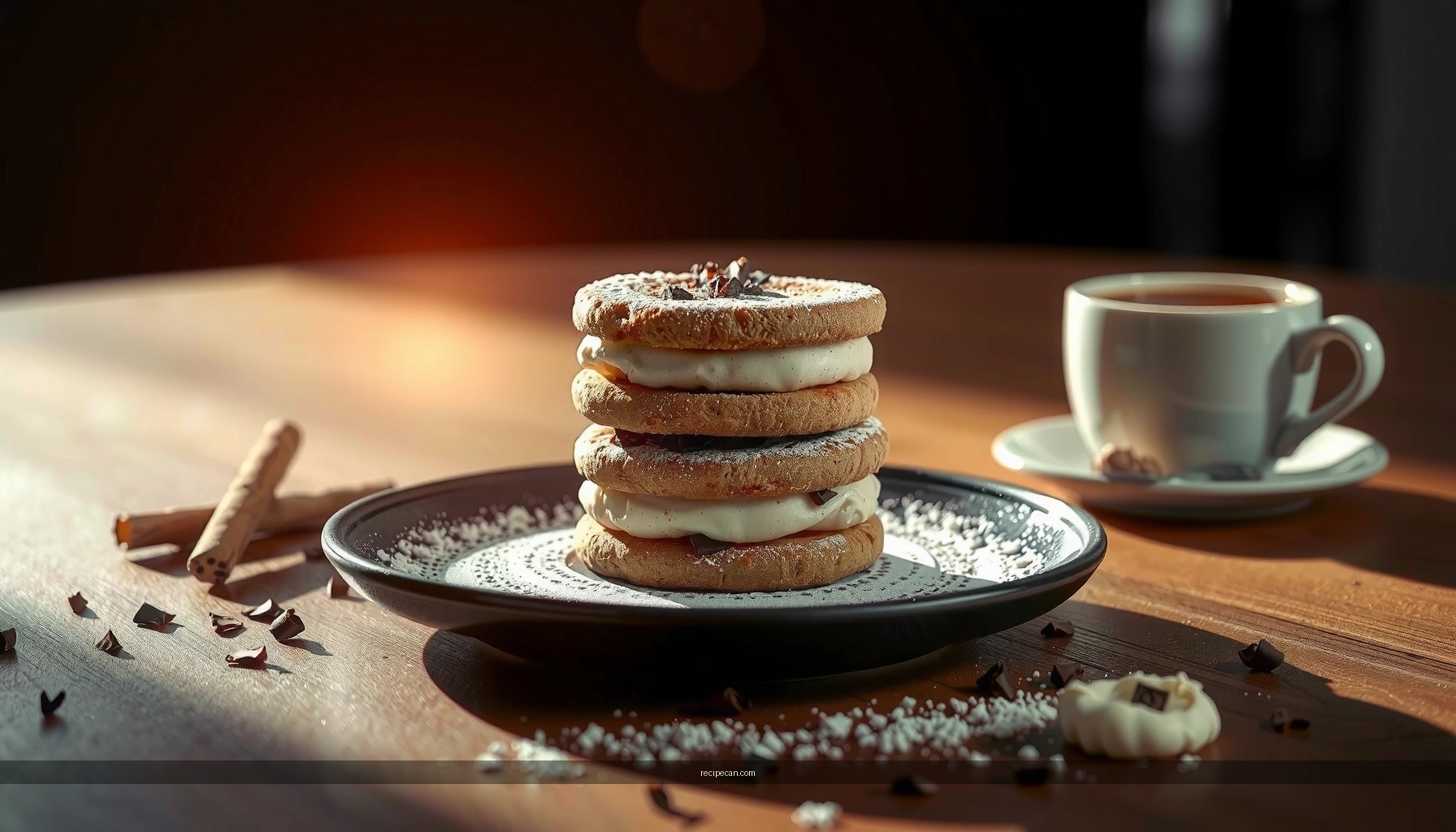
Get a tiramisu cookie recipe that delivers coffee-soaked, creamy flavor with zero fuss—baked fast and built for repeat success. This easy recipe turns classic tiramisu notes into chewy cookies by soaking them and topping them with a mascarpone-style finish. If you want tiramisu cookie perfection without complicated steps, this is the clear winner.
Tiramisu cookie recipe delivers classic tiramisu flavor in a faster, simpler format—coffee-kissed cookies with a creamy mascarpone-style filling. In the steps below, you’ll make the cookie dough, prepare a stable espresso cream, and assemble coffee-dipped “tiramisu” sandwich cookies that slice cleanly and taste restaurant-level without fuss.
Ingredients You’ll Need for Tiramisu Cookies
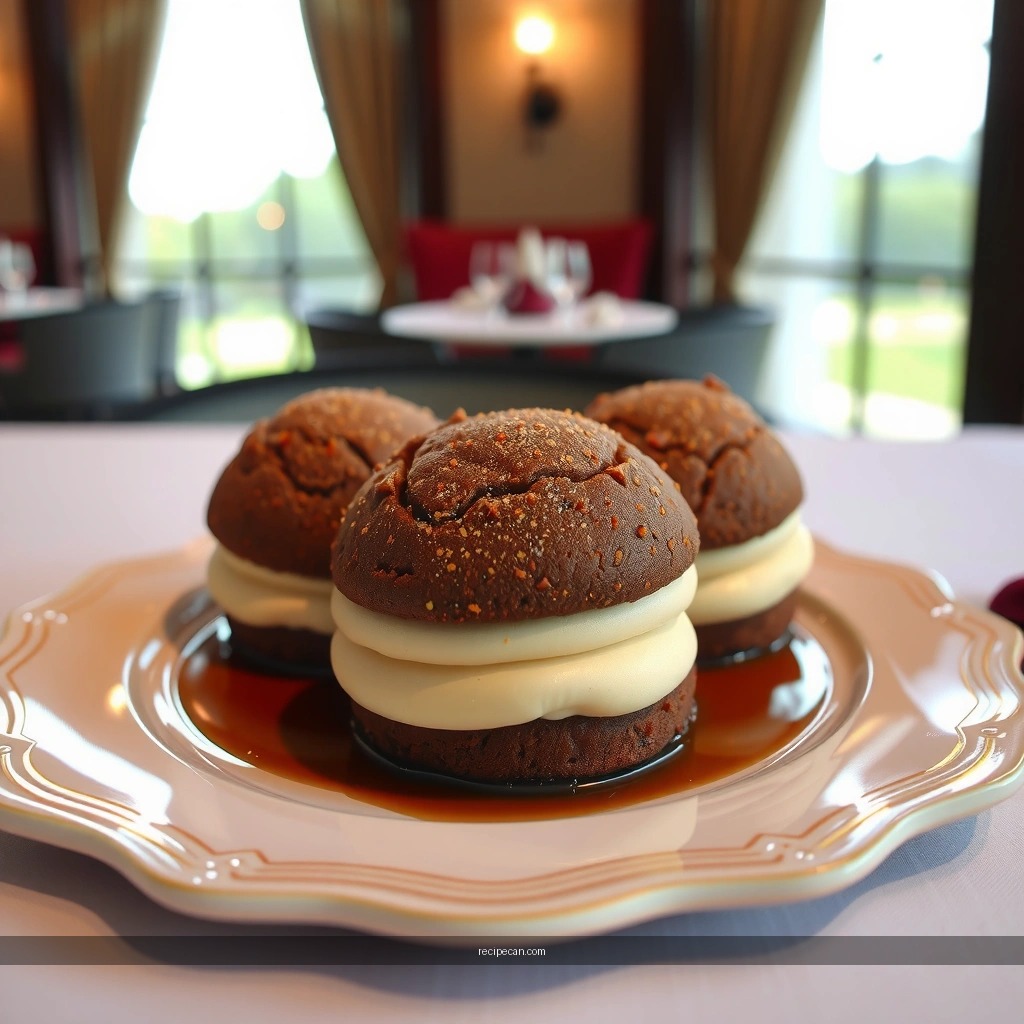
To nail tiramisu flavor in cookie form, focus on three elements: coffee (for aroma and slight bitterness), mascarpone-style cream (for richness), and cocoa (for the signature finish). You can keep the ingredient list straightforward—most items are common pantry staples.
Core flavor ingredients
– Coffee + espresso powder: Use brewed strong coffee (or cold espresso) for dipping/infusing. Add espresso powder for a deeper, more “tiramisu-like” flavor even if your coffee is mild.
– Mascarpone (or cream cheese): Mascarpone is the gold standard, but full-fat cream cheese works well for an easy, creamy filling.
– Ladyfinger-style elements: You have two practical routes:
– Make cookie dough into sandwich shapes (best for a true cookie bite with filling).
– Or use store-bought ladyfingers as a shortcut—then assemble into tiramisu-style cookie “layers.”
This recipe is written for the cookie-baked approach while keeping the flavor profile aligned with ladyfingers.
Cookie base staples
– Butter
– Sugar
– Eggs
– Vanilla extract (optional but recommended for warmth)
Optional add-ins (choose based on texture preference)
– Cocoa powder (for dusting; also useful in the dough for a lighter chocolate note)
– Chocolate chips (optional for pockets of sweetness)
– Fine salt (always improves perceived coffee/chocolate flavor)
A quick ingredient “success check”
– If your filling tends to loosen, it’s usually due to low-fat dairy or insufficient chilling. Use full-fat mascarpone or full-fat cream cheese and plan a short rest in the fridge before assembling.
How Long Coffee-Dipping Affects Cookie Texture (Practical Home Range)
| # | Dipping Time | Expected Texture | Tiramisu Flavor Intensity | Sliceability |
|---|---|---|---|---|
| 1 | 2–3 seconds | Dry-soft balance | ★★★★☆ | High |
| 2 | 4–5 seconds | Moist but structured | ★★★★★ | Very good |
| 3 | 6–8 seconds | Tender, slightly flexible | ★★★★☆ to ★★★★ | Moderate |
| 4 | 10+ seconds | Over-soaked, crumbly edges | ★★★★★ | Low |
| 5 | Brush (light coats) | Even coating, controlled moisture | ★★★★☆ | High |
| 6 | Short dip + rest 1 min | Balanced soak that sets | ★★★★☆ to ★★★★★ | Very good |
| 7 | No dip (coffee in dough) | Cookie-first, dessert-lite | ★★★☆☆ | High |
Make the Tiramisu Cookie Dough
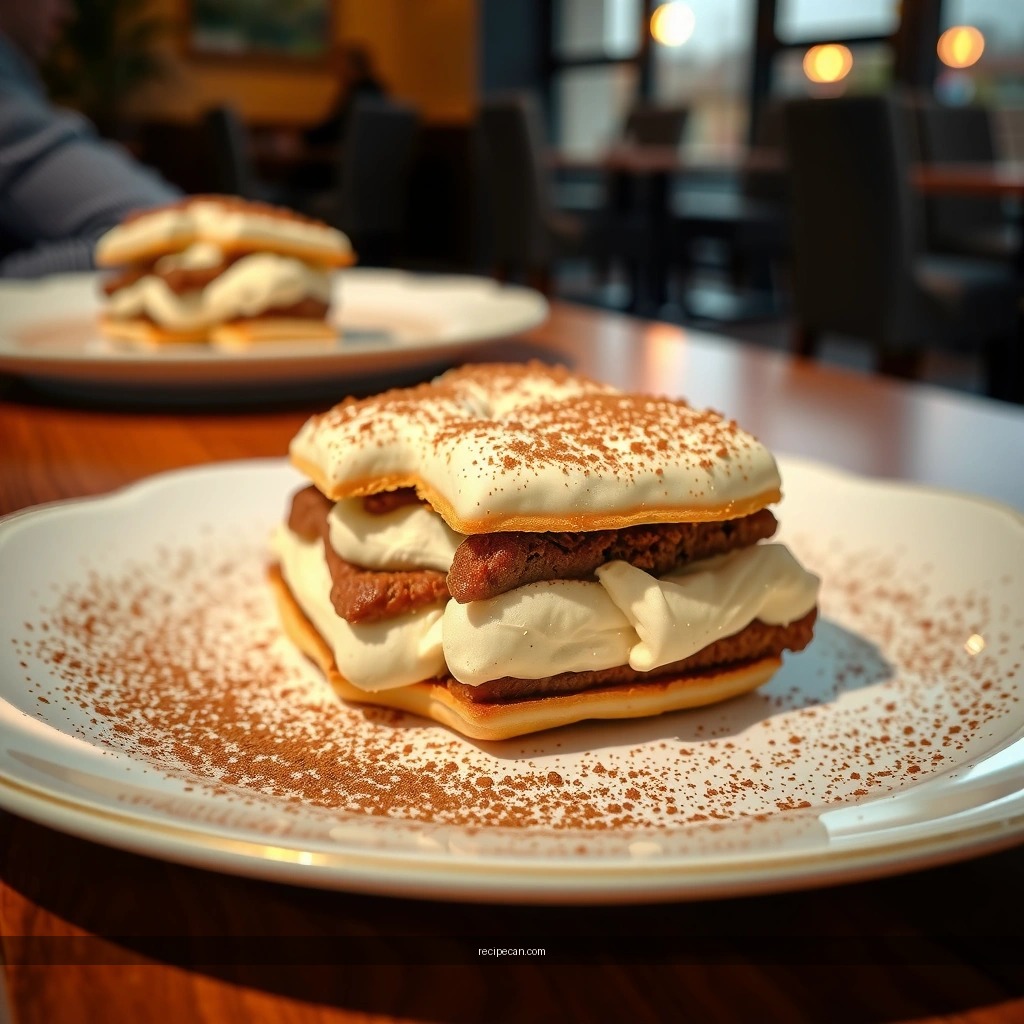
The dough is where “no-fuss” becomes real: you’re aiming for a cookie that’s tender enough to hold a coffee dip but structured enough to support cream.
1. Cream butter and sugar until light
– Beat until the mixture looks paler and slightly fluffy. This aeration helps cookies stay soft without becoming cakey.
– Use room-temperature butter for consistent creaming.
2. Mix in eggs and vanilla
– Add eggs one at a time to emulsify properly.
– Vanilla enhances sweetness and rounds off the bitterness from espresso.
3. Fold in dry ingredients gently
– Stir flour and any optional cocoa powder in just until combined.
– Overmixing can lead to tougher cookies, which makes the coffee-dipped texture less pleasant.
4. Chill briefly (often 15–30 minutes)
– Chill is mainly about shape retention and cleaner assembly.
– If your kitchen is warm or the dough looks loose, chilling becomes non-negotiable.
Pro tip for consistent results: Weigh your flour if possible. For cookie dough, a small flour variation can noticeably change chew vs. snap.
Prepare the Tiramisu Cream Filling

A great tiramisu cookie filling should taste like mascarpone cream while staying stable under refrigeration and during assembly. That means you want smooth, pipeable/spreadable thickness, not runny “tiramisu soup.”
1. Beat mascarpone (or cream cheese) with sugar
– Mix until completely smooth.
– Scrape the bowl to remove any lumps—lumps show up as grainy pockets.
2. Flavor with espresso powder and a splash of coffee
– Espresso powder provides concentrated coffee flavor without adding extra liquid.
– Add coffee gradually. You’re building flavor, not watering down the cream.
3. Adjust texture
– Too thick: add 1–2 teaspoons coffee.
– Too thin: chill 10–15 minutes or fold in a bit more powdered sugar for body.
4. Use immediately or keep chilled
– If the filling warms, it can soften and make assembly messy. Keep it at a workable temperature.
Quality benchmark: When you lift a spatula through the cream, it should slowly settle back—not stream off like a glaze.
Assemble: Coffee Dip + Cream Layer
Assembly is where tiramisu becomes “cookie.” The goal is coffee-kissed softness without losing the cookie’s identity.
1. Quick dip or brush with coffee
– Dip briefly—think seconds, not soaking.
– Alternatively, brush coffee over the surface for more control.
– Let dipped cookies rest briefly so the moisture redistributes evenly.
2. Layer the tiramisu cream
– For sandwich cookies: spread cream on the flat side of one cookie, then top with a second cookie.
– For single cookies: dollop a generous mound and smooth it into a thick layer.
3. Chill to set
– Refrigerate until the filling firms enough to slice or stack neatly.
– This step is what makes the final texture feel “intentional,” not improvised.
Commercial-style consistency tip: If you’re serving these at an event, chill longer before transporting. Cream stability prevents sliding and keeps edges crisp.
Bake and Finish with Cocoa
Baking is about getting the right moisture retention so the coffee dip has something to work with.
1. Bake until edges are lightly golden
– Don’t chase deep browning. Centers should stay soft to support a tender final bite.
– Use a reliable oven temperature—tiramisus are sensitive to overbaking because the coffee flavor becomes more pronounced as cookies dry out.
2. Cool fully before topping
– Cream won’t tolerate heat. Cool on the tray briefly, then transfer to a rack.
– If you rush cooling, you’ll end up with melt-and-slump cream.
3. Dust generously with cocoa right before serving
– Cocoa absorbs moisture over time and can look dull if applied too early.
– For the best “tiramsu dust” finish, apply at the last moment.
Flavor balancing: If you want a stronger chocolate note, mix a small amount of cocoa powder into your coffee for dipping (use lightly to avoid bitterness overload).
Storage and Make-Ahead Tips
These cookies are fridge-friendly, which is ideal because the filling needs chilling anyway.
– Refrigerate in an airtight container
– They typically taste best after a few hours of chilling, when flavors meld.
– Make ahead
– Bake cookies ahead and store them airtight at room temperature for 1–2 days.
– Make cream ahead and keep it refrigerated.
– Assemble on the day you plan to serve for the freshest cocoa-dusted presentation.
– Freeze if needed
– Freeze assembled cookies in a single layer first (to prevent sticking), then transfer to a freezer-safe container.
– Thaw in the refrigerator overnight.
– Refresh cocoa before serving
– Lightly dust again to restore that classic bakery look.
Food-service insight: For events, consider holding the cocoa topping at the last step to maintain texture and appearance.
Tiramisu cookie recipe is an easy way to deliver coffee-kissed, creamy tiramisu flavor with minimal extra effort. Start with a tender, chill-ready dough; create a stable mascarpone-style cream flavored with espresso; assemble using a quick coffee dip (not an extended soak); then bake, cool, and finish with cocoa. Chill for clean slicing, store well in the fridge, and refresh with cocoa right before serving for the most authentic tiramisu cookie experience.
Frequently Asked Questions
What is the easiest tiramisu cookie recipe for beginners?
An easy tiramisu cookie recipe uses a soft sugar cookie base, then layers flavor with espresso and mascarpone in a quick frosting or filling. Start by baking cookies until just set, then cool completely before assembling so the mascarpone doesn’t melt. For an extra-simple method, you can mix mascarpone with powdered sugar and espresso, spread it between cookies or dollop on top, and finish with cocoa powder dusting.
How do you keep tiramisu cookie filling from becoming runny?
Runny tiramisu cookie filling usually happens when the mascarpone is too warm or the mixture has too much liquid from espresso. Use chilled mascarpone, keep coffee additions minimal, and whisk thoroughly until smooth, adding powdered sugar to help stabilize. If needed, refrigerate the cookie filling for 15–30 minutes before spreading so it holds its shape.
Why do my tiramisu cookies taste like “coffee” but not like traditional tiramisu?
Traditional tiramisu flavor comes from balanced espresso bitterness plus creamy mascarpone sweetness and a cocoa finish. If your tiramisu cookie recipe tastes harsh, use concentrated espresso (or cooled strong coffee) but reduce the amount, and sweeten with powdered sugar to round out the flavor. Dusting with cocoa powder right before serving also helps replicate that classic tiramisu taste.
Which cookie dough method works best for tiramisu cookies—slice-and-bake or drop cookies?
Slice-and-bake dough is often best for neat, consistent tiramisu cookie shapes because it bakes evenly and holds texture when topped with mascarpone frosting. Drop cookies can work too, but they may spread more and make layering messy, especially if you plan to sandwich cookies. Choose a recipe that specifies chill time for the dough—this keeps the cookie structure sturdy for tiramisu-style assembly.
Best way to store tiramisu cookie recipes so they stay soft?
For the best texture, store assembled tiramisu cookies in an airtight container in the refrigerator, ideally with parchment between layers to prevent cocoa and filling from smearing. They’re typically best within 2–3 days because the mascarpone softens over time, but they can still taste great for up to about 4 days. If you’re making them ahead, consider storing baked cookies separately from the mascarpone filling and assembling closer to serving for maximum freshness.
References
- Tiramisu
https://en.wikipedia.org/wiki/Tiramisu - Mascarpone
https://en.wikipedia.org/wiki/Mascarpone - Lady finger
https://en.wikipedia.org/wiki/Ladyfinger - Ladyfingers (biscuits)
https://en.wikipedia.org/wiki/Savoiardi - Coffee
https://en.wikipedia.org/wiki/Coffee - Cocoa
https://en.wikipedia.org/wiki/Cocoa - Cookie
https://en.wikipedia.org/wiki/Cookie - Tiramisu | Meaning, Ingredients, Origin, Desserts, & Taste | Britannica
https://www.britannica.com/topic/tiramisu - Google Scholar Google Scholar
https://scholar.google.com/scholar?q=Tiramisu+cookie+recipe - Google Scholar Google Scholar
https://scholar.google.com/scholar?q=Tiramisu+cookies+mascarpone+ladyfingers+coffee+cocoa