This recipe for lemon balm tea gives you a fast, reliable way to brew a bright, naturally lemony cup in minutes. You’ll get the simple steeping steps, plus clear flavor add-ins (like honey, citrus zest, or ginger) to make it taste exactly the way you want. If you want the best-tasting lemon balm tea without guesswork, follow these directions.
Sip lemon balm tea by steeping fresh or dried lemon balm leaves in hot water for 5–10 minutes with optional honey or lemon—this recipe delivers an easy, aromatic cup you can tailor for strength and sweetness. With a simple steep-and-strain method, you’ll get a fragrant, lightly citrus herbal brew that’s easy to scale for mornings, afternoons, or even a chilled glass later in the day.
Ingredients for Lemon Balm Tea
– Fresh lemon balm leaves or dried lemon balm (choose one or combine)
– Water and optional sweetener (honey, sugar) to balance flavor
To keep your lemon balm tea flavorful and consistent, treat the leaves as the “main ingredient” in the same way you would tea leaves in a black or green tea: quality, freshness, and correct steep time matter. For best results, use:
– Fresh leaves: bright green, not wilted; lightly bruised leaves often release aroma more readily.
– Dried leaves: store them sealed away from heat/light; dried lemon balm loses intensity over time, so older herb batches may require a longer steep or slightly more leaves.
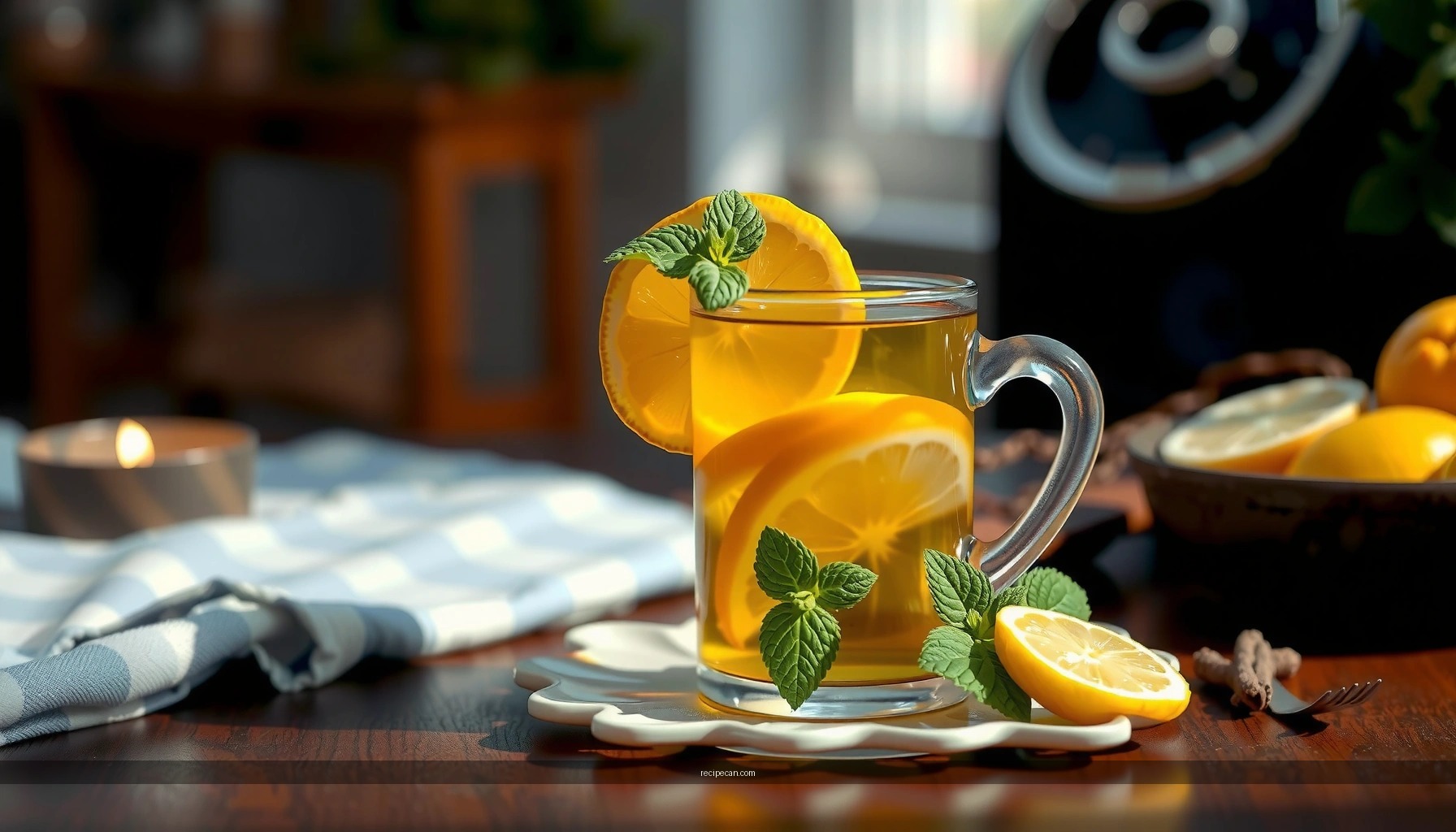
Optional add-ins (use sparingly): a thin lemon slice, a small pinch of ginger, a couple of mint leaves, or a cinnamon stick for a warmer profile. These are powerful flavor drivers—especially in short steeps—so start small and adjust.
Quick reference: what tea strength you’ll get (typical use)
Lemon Balm Tea Strength Guide by Leaf Amount (8 oz / 240 ml)
| # | Leaf Type | Recommended Amount | Best Steep Range | Expected Aroma Rating |
|---|---|---|---|---|
| 1 | Dried | 1 tsp | 5–6 min | ★★★☆☆ |
| 2 | Dried | 1.5 tsp | 6–7 min | ★★★★☆ |
| 3 | Dried | 2 tsp | 7–9 min | ★★★★☆ |
| 4 | Fresh | 2–3 Tbsp | 6–8 min | ★★★★☆ |
| 5 | Fresh | 1/4 cup packed | 7–10 min | ★★★★★ |
| 6 | Fresh + Dried (blend) | 1.5 Tbsp fresh + 1 tsp dried | 6–8 min | ★★★★☆ |
| 7 | Dried (over-steep risk) | 2 tsp + 10+ min | 10–12 min | ★★★☆☆ |
How to Make Lemon Balm Tea (Step-by-Step)
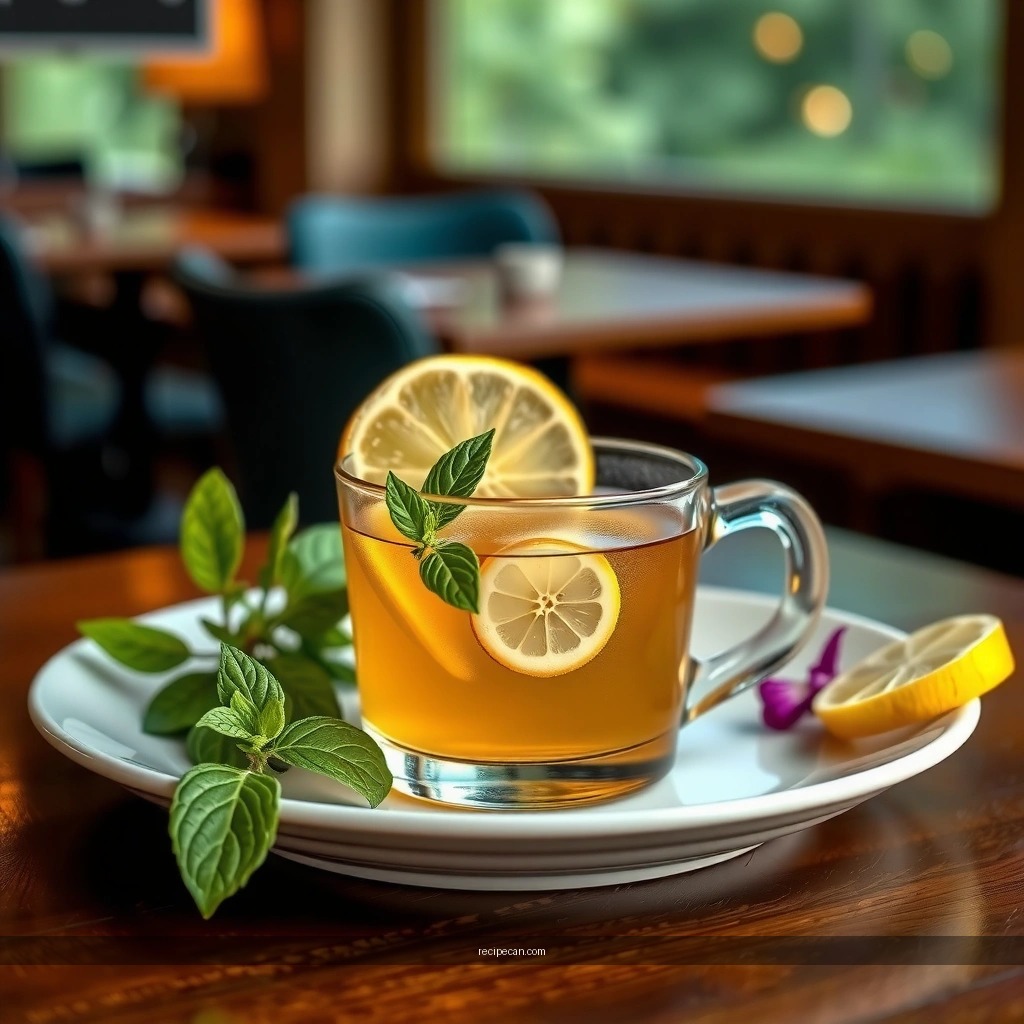
– Heat water and steep leaves for 5–10 minutes, covered
– Strain, then taste and adjust by steeping longer or adding sweetener
Step 1: Prepare your mug and leaves
Start with one 8 oz (240 ml) serving. Add your lemon balm leaves to a tea infuser, or place leaves in a heat-safe teapot and cover as you steep. If using fresh leaves, gently crush a few leaves between your fingers to release oils—this can noticeably boost the aroma without increasing bitterness.
Step 2: Heat water to a suitable temperature
Bring water to a boil, then let it cool for 30–60 seconds before steeping. This “near-boiling” approach helps preserve lemony top notes. (If you steep with aggressively boiling water the entire time, herbal teas can taste slightly flatter or more astringent.)
Step 3: Steep covered for the right window
Pour hot water over the leaves and steep 5–10 minutes with a cover. Covering matters: it keeps volatile aromatic compounds in the cup rather than escaping into the kitchen air.
Step 4: Strain and calibrate strength
After steeping, strain or remove the infuser. Taste your tea:
– If you want a lighter herbal profile, stop at the lower end (around 5 minutes).
– If you want a more tea-like body, steep longer (up to 10 minutes).
Step 5: Sweeten and finish
Add honey or sugar while the tea is warm so it dissolves cleanly. For lemon balm tea, honey pairs especially well with its gentle, mint-citrus character. If you’re adding lemon, do it after steeping so the citrus stays bright.
Best Steeping Times and Ratios

– Use about 1–2 teaspoons dried or 1/4 cup fresh per 8 oz water
– Short steep for light flavor; longer steep for stronger, tea-like taste
Because lemon balm is aromatic and relatively delicate compared with robust teas, steeping discipline is the difference between “fragrant and smooth” and “too intense.”
Practical ratio guidance (for reliable results)
– Dried lemon balm: start with 1 teaspoon per 8 oz for a gentle cup, and move to 1.5–2 teaspoons if you prefer stronger herbal flavor.
– Fresh lemon balm: start with about 1/4 cup packed leaves per 8 oz. If your fresh leaves are large or very fragrant, you may need slightly less.
How to choose a steep time (based on your goal)
– 5 minutes: light, refreshing, and ideal for weekday mornings or when you want the tea to taste “clean.”
– 7 minutes: balanced “sweet spot” for most cups—aroma stays forward while flavor deepens.
– 9–10 minutes: richer herbal body; suitable when you want something closer to a warm infusion rather than a delicate tea.
Adjustment method (fast and repeatable): brew your first cup at 7 minutes, taste, then either add +2 minutes on the next batch for more intensity or reduce to 5 minutes if it tastes too strong.
Flavor Variations to Try
– Add lemon slices or a squeeze of citrus for extra brightness
– Mix in ginger slices or mint leaves for a refreshing twist
Once you’ve nailed the basic lemon balm tea recipe, variations are where you can create a consistent “signature” cup at home.
Citrus-bright lemon balm tea
Add one thin lemon slice to the mug after steeping (or steep with the slice for only 1–3 minutes). This keeps the lemon flavor vivid rather than muted. A small squeeze of fresh lemon can also raise perceived brightness without needing extra sweetener.
Best for: mornings when you want the cup to feel crisp and energizing.
Ginger-lemon balm comfort infusion
Add 2–3 thin ginger slices to the steeping water. Ginger will introduce warmth and a subtle spice finish, making the tea feel more “comforting” than purely floral.
Best for: post-meal sipping or cooler evenings.
Mint-enhanced refresh
If you already love mint tea, add 2–3 mint leaves either during steeping (briefly) or after straining. Mint can overpower lemon balm if you use too much, so treat it like a secondary note.
Best for: a refreshing afternoon drink that still tastes herbal, not sugary.
Sweetness strategy (so flavors don’t flatten)
– Try honey first, then adjust. Honey integrates with herbal notes more naturally than straight sugar in many cups.
– If you use lemon, sweeten after adding lemon; citrus can make sweetness feel different, so you can better calibrate the final balance.
Serving and Storage Tips
– Serve hot or chilled over ice (great for summer)
– Store any leftover tea in the fridge and use within 1–2 days
Lemon balm tea adapts well to both hot and cold formats. The key is to preserve flavor while controlling strength.
Hot serving
Serve immediately in a warm mug. If you’re sweetening, add honey (or sugar) while the tea is still hot so it dissolves smoothly. Hot lemon balm tea often tastes more aromatic in the first few minutes after brewing.
Iced lemon balm tea
For a simple chilled drink:
1. Brew your tea as usual (often slightly stronger than you’d drink hot).
2. Let it cool to room temperature.
3. Pour over ice and refrigerate any leftovers.
Tip: If you find iced tea tastes muted, increase steep strength slightly (e.g., move from 7 to 8–9 minutes) rather than heavily sweetening.
Storage
Store leftover tea in a sealed container in the refrigerator and use within 1–2 days for best aroma and freshness. Herbal teas can lose top notes quickly, so don’t treat it like a multi-day concentrate.
Safety and Herbal Notes
– Lemon balm is generally well-tolerated, but keep it moderate if you’re new
– If you’re pregnant, nursing, or on medication, check with a healthcare professional first
Lemon balm is widely used as an herbal tea, and many people find it gentle in everyday routines. Still, responsible consumption matters—especially for those new to herbal preparations.
General tolerance (start low)
If you’re trying lemon balm tea for the first time, begin with one cup, using the lower end of the steep range (around 5–7 minutes). This helps you judge how your body responds to the herb’s flavor and effects.
Medication and health considerations
Herbal ingredients can interact with certain medications or health conditions. If you are:
– pregnant or nursing
– taking medication (especially those related to sedation, thyroid function, or hormonal health)
it’s prudent to speak with a healthcare professional first.
Practical business-style takeaway: consistency over excess
For a workplace or home routine, treat lemon balm tea like any functional beverage: consistent dosing and measured steeping are more reliable than “maximum strength” experiments.
Enjoy a comforting cup by following the simple steep-and-strain method, then customize with honey, lemon, or mint. Make your next batch with the suggested ratio, taste after 5 minutes, and steep longer only if you want it stronger—then save a little extra to try a chilled variation tomorrow.
Lemon balm tea is one of the easiest herbal infusions to get right: steep leaves (fresh or dried) in hot water for 5–10 minutes, strain, and adjust intensity by either increasing steep time or fine-tuning the amount of leaves. With a few targeted add-ins—like lemon for brightness, ginger for warmth, and mint for refresh—you can build a repeatable cup that fits your schedule, from hot mornings to iced afternoons.
Frequently Asked Questions
What’s a simple recipe for lemon balm tea?
Start by steeping 1–2 teaspoons of dried lemon balm (or 1 tablespoon fresh leaves) in 8–10 ounces of hot water for 5–10 minutes. Strain and, if you like, add honey or a squeeze of lemon for extra brightness. For a stronger lemon balm infusion, extend the steep time instead of adding more leaves.
How do I make lemon balm tea with fresh leaves instead of dried?
Gently bruise a handful of fresh lemon balm leaves to release the oils, then steep 1 tablespoon in hot (not boiling) water for about 7–12 minutes. Use a fine mesh strainer to catch leaf bits, and taste before sweetening since fresh leaves can be more aromatic. If the flavor is too mild, increase the steep time by 2–3 minutes rather than doubling the amount.
Why does lemon balm tea taste bitter, and how can I fix it?
Bitterness often comes from over-steeping or using very hot water for too long, which can pull harsher compounds from the leaves. Try lowering the temperature slightly and steep for 5–7 minutes, then adjust gradually to your preference. Adding honey, lemon zest, or even a small pinch of cinnamon can balance the flavor without overpowering the herb.
Which sweeteners pair best with lemon balm tea?
Honey is a popular choice because it complements lemon balm’s gentle, herbal profile and smooths any lingering bitterness. For a lighter option, use a little maple syrup or stevia, and add lemon slices or a dash of ginger for depth. If you’re flavoring tea, add sweetener after steeping so you can control strength and taste more accurately.
Best way to brew lemon balm tea for sleep or relaxation—how long should you steep it?
For relaxation, steep lemon balm tea for about 8–12 minutes to draw out calming flavor without becoming too strong. Use dried lemon balm at 1–2 teaspoons per cup, and consider drinking it 30–60 minutes before bedtime as part of your evening routine. If you find it too intense at night, shorten steeping to 5–7 minutes and adjust based on taste.
References
- Google Scholar Google Scholar
https://scholar.google.com/scholar?q=lemon+balm+tea+preparation - Google Scholar Google Scholar
https://scholar.google.com/scholar?q=Melissa+officinalis+infusion+traditional+use - Google Scholar Google Scholar
https://scholar.google.com/scholar?q=Melissa+officinalis+tea+phytochemistry - Lemon balm
https://en.wikipedia.org/wiki/Melissa_officinalis - Lemon balm | Taxonomy, Description, Uses, & Facts | Britannica
https://www.britannica.com/plant/lemon-balm - https://www.nccih.nih.gov/health/lemon-balm
https://www.nccih.nih.gov/health/lemon-balm - https://pubmed.ncbi.nlm.nih.gov/?term=Melissa+officinalis+tea+infusion
https://pubmed.ncbi.nlm.nih.gov/?term=Melissa+officinalis+tea+infusion - Melissa officinalis – Search Results – PMC
https://www.ncbi.nlm.nih.gov/pmc/?term=Melissa+officinalis - USDA Plants Database
https://plants.usda.gov/home/plantProfile?symbol=MEAL2 - Google Scholar Google Scholar
https://scholar.google.com/scholar?q=recipe+for+lemon+balm+tea