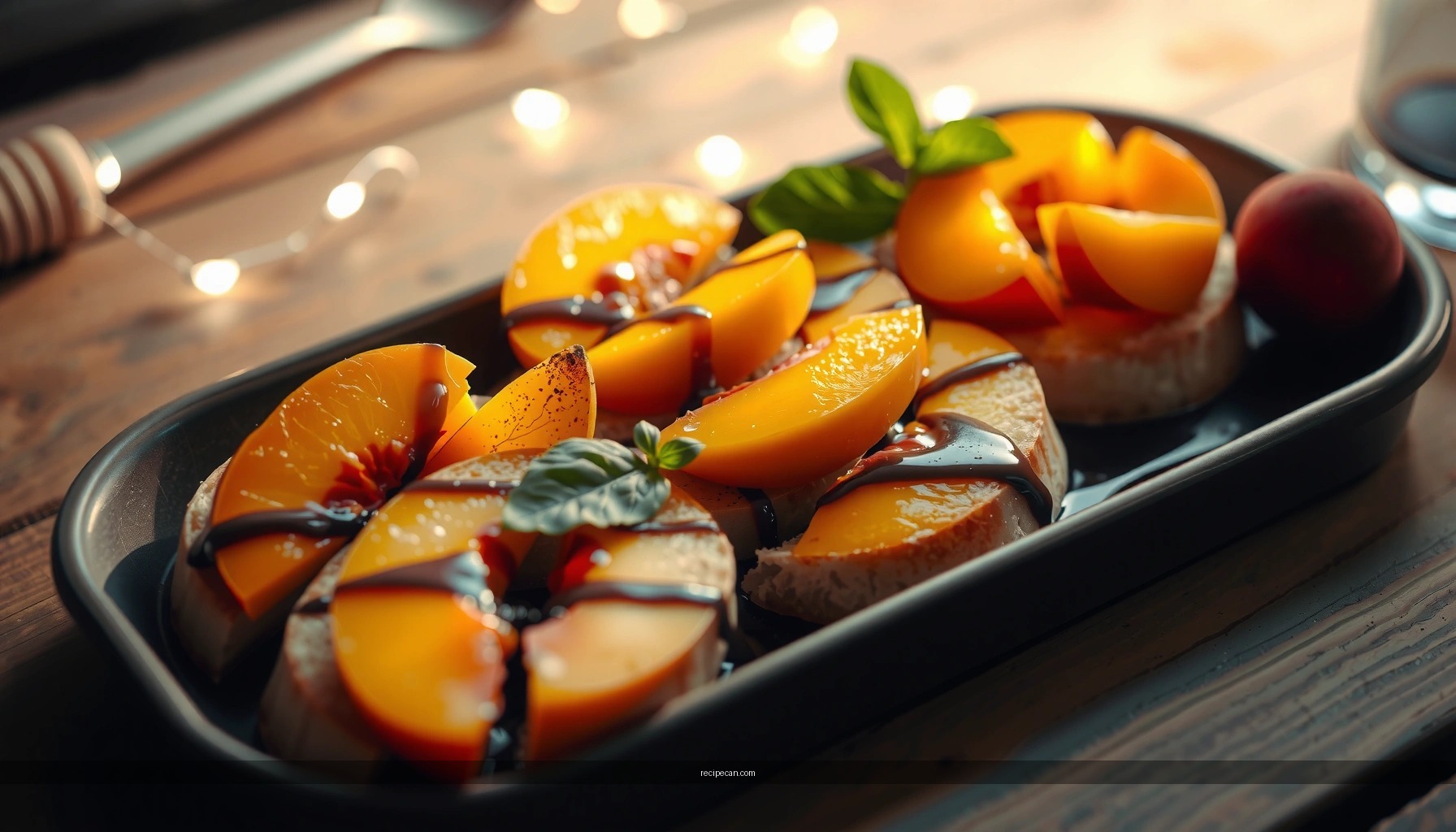
You want a peach bruschetta recipe that delivers sweet, juicy flavor fast—and this one wins when peaches are ripe and you use crusty bread plus a quick garlic-rub base. In minutes, you’ll get the classic contrast of glossy peach topping, savory balsamic, and a crisp bite that doesn’t feel soggy. Follow these steps for a ready-in-a-snap appetizer that tastes like summer.
This peach bruschetta recipe delivers a sweet-and-savory topping you can assemble in minutes—ripe peaches, bright acidity, and creamy cheese on crisp, garlicky toast. You’ll get a dependable method for balancing sweetness and salt so the flavor lands exactly where you want it, every time.
This peach bruschetta works because it treats peaches as both a fruit and a flavor ingredient: you dice them, season them lightly, and let them “wake up” just enough to release juice without turning the topping watery. Paired with toasted bread and a creamy element (like fresh mozzarella or ricotta), the result is a bright, restaurant-style bite that’s practical for weeknights and impressive for entertaining.
Peach Ripeness Signals & How They Affect Bruschetta (Practical Kitchen Benchmarks)
| # | Ripeness Signal | What You’ll Taste | Best Use | Topping Juiciness |
|---|---|---|---|---|
| 1 | Fragrant aroma at the stem | Clear peach sweetness | Best overall bruschetta | ★ High |
| 2 | Slight give when pressed | Juicy, tender bite | Ideal diced topping | ★ High |
| 3 | Gold/cream background color | Balanced sweetness & aroma | Serve within 24 hours | ★ Medium-High |
| 4 | Dull smell, firm texture | Less sweetness, more firmness | Dice smaller; macerate briefly | ★ Low |
| 5 | Wrinkles + very soft stem area | Deep flavor but can weep | Use immediately; spoon on last | ★ Very High |
| 6 | Uneven color with green tint | Tastes more tart than sweet | Add honey if needed | ★ Medium-Low |
| 7 | No bruises, even firmness | Clean sweetness, stable texture | Great for group serving | ★ Medium |
Choose the Right Peaches
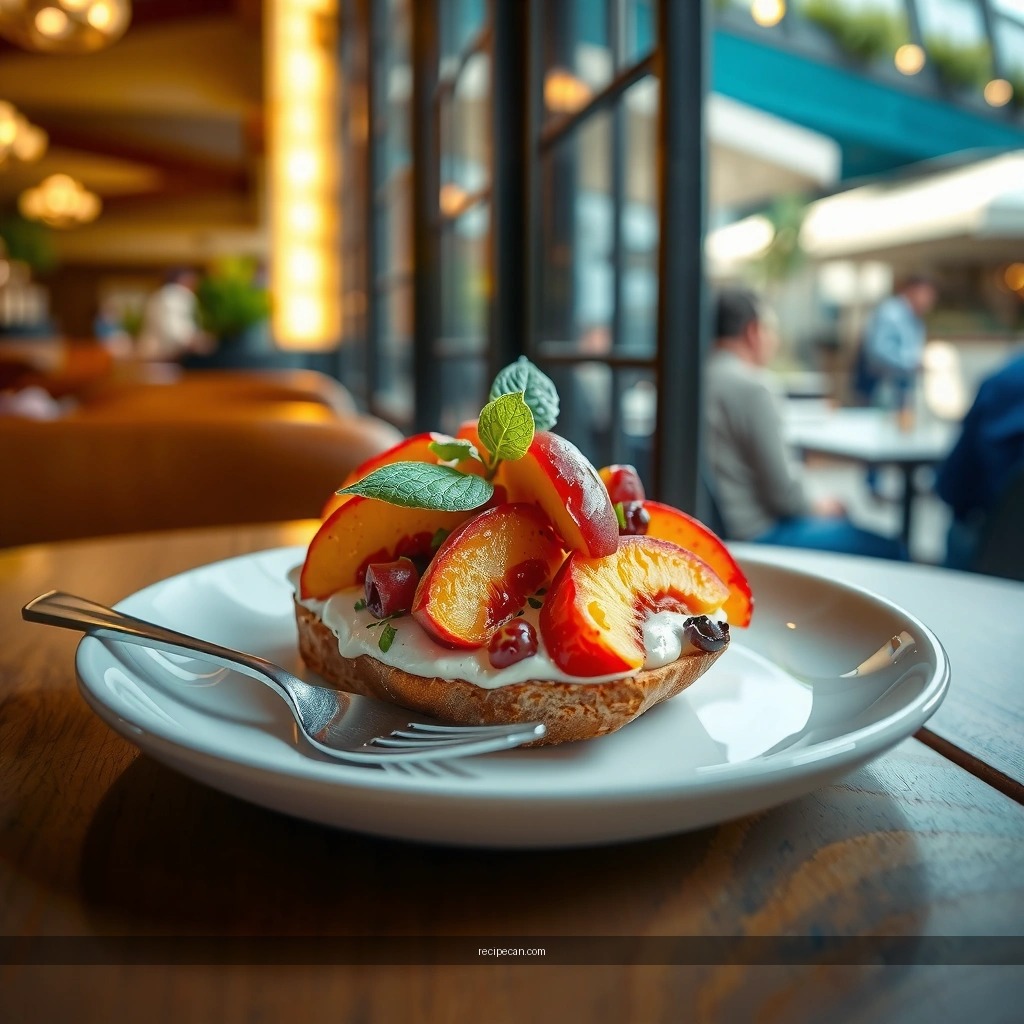
For peach bruschetta, “ripe” isn’t a vague label—it’s a measurable outcome. Choose peaches that smell fragrant near the stem and give slightly when pressed. That combination signals the fruit is sweet enough to stand up to salty cheese and toasted bread, yet firm enough to stay intact when diced.
When you slice, aim for even pieces (roughly 1 cm / 1/2 inch). Uneven cuts create uneven seasoning: smaller pieces get more surface area and release juice faster, while larger chunks can taste under-seasoned. Consistency helps you control the final texture—juicy, not mushy.
If your peaches are slightly under-ripe (firm and low-fragrance), you can still succeed: dice smaller, let them macerate with salt and acidity for a shorter time (5–10 minutes), and consider adding a teaspoon of honey at the tasting stage. This prevents the topping from tasting flat or too tart.
Toast the Bread for Maximum Crunch
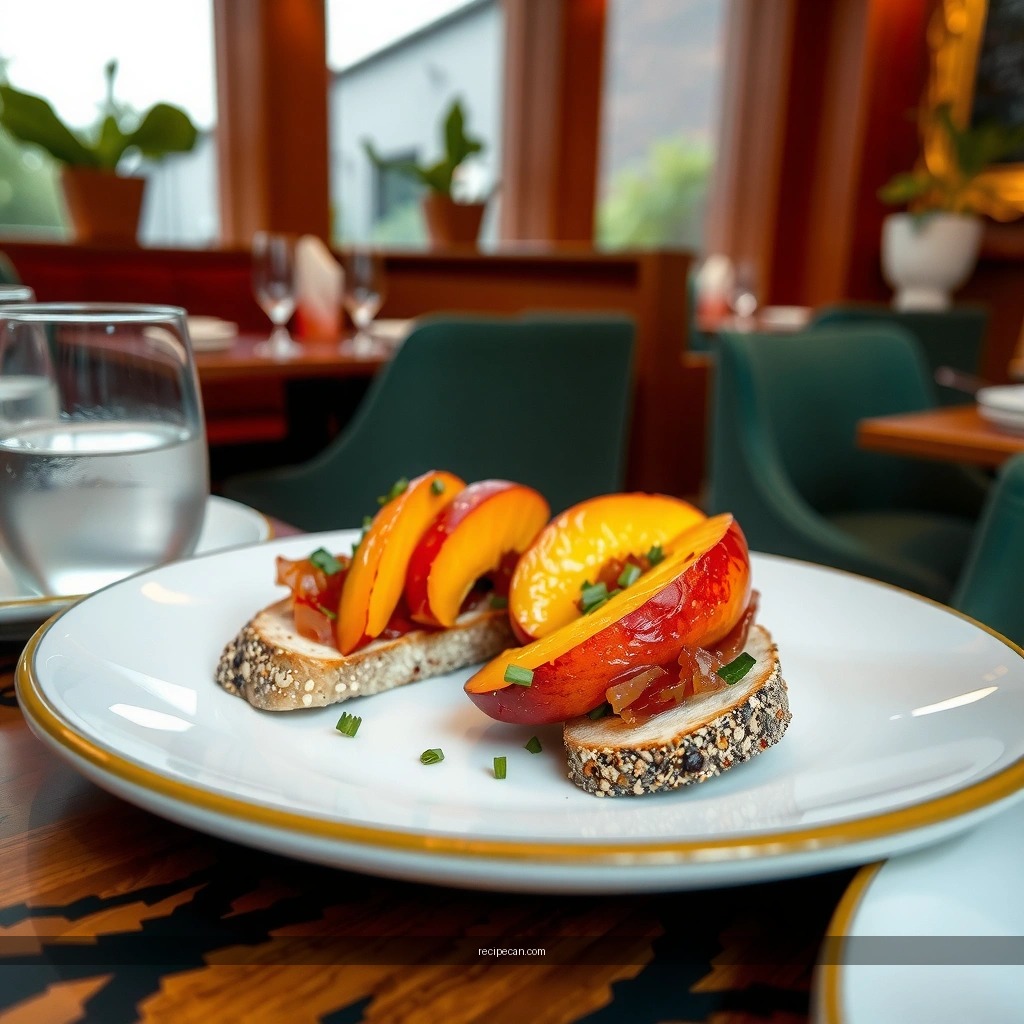
Crisp bread is the structural element of bruschetta. Use a sturdy baguette or rustic loaf so it can handle moisture from peaches and cheese without collapsing. Soft sandwich bread will absorb the peach juices too quickly, turning your topping into a soggy layer.
Toast until golden all over—think “dry and audibly crisp” rather than lightly warmed. For best results, toast on a sheet pan in a hot oven or on a grill pan, and avoid stacking slices; airflow drives even crispness.
After toasting, rub the hot bread with a cut garlic clove. This step adds aroma without raw garlic bite because the heat volatilizes the sharp compounds. If you prefer a more subtle garlic note, rub gently once or twice instead of fully coating the surface. Timing matters: garlic aroma is at its peak immediately after toasting.
Practical pro move for events: toast bread ahead and keep it at room temperature in an open container (or on a rack). Add toppings last to protect texture.
Make the Peach Bruschetta Topping
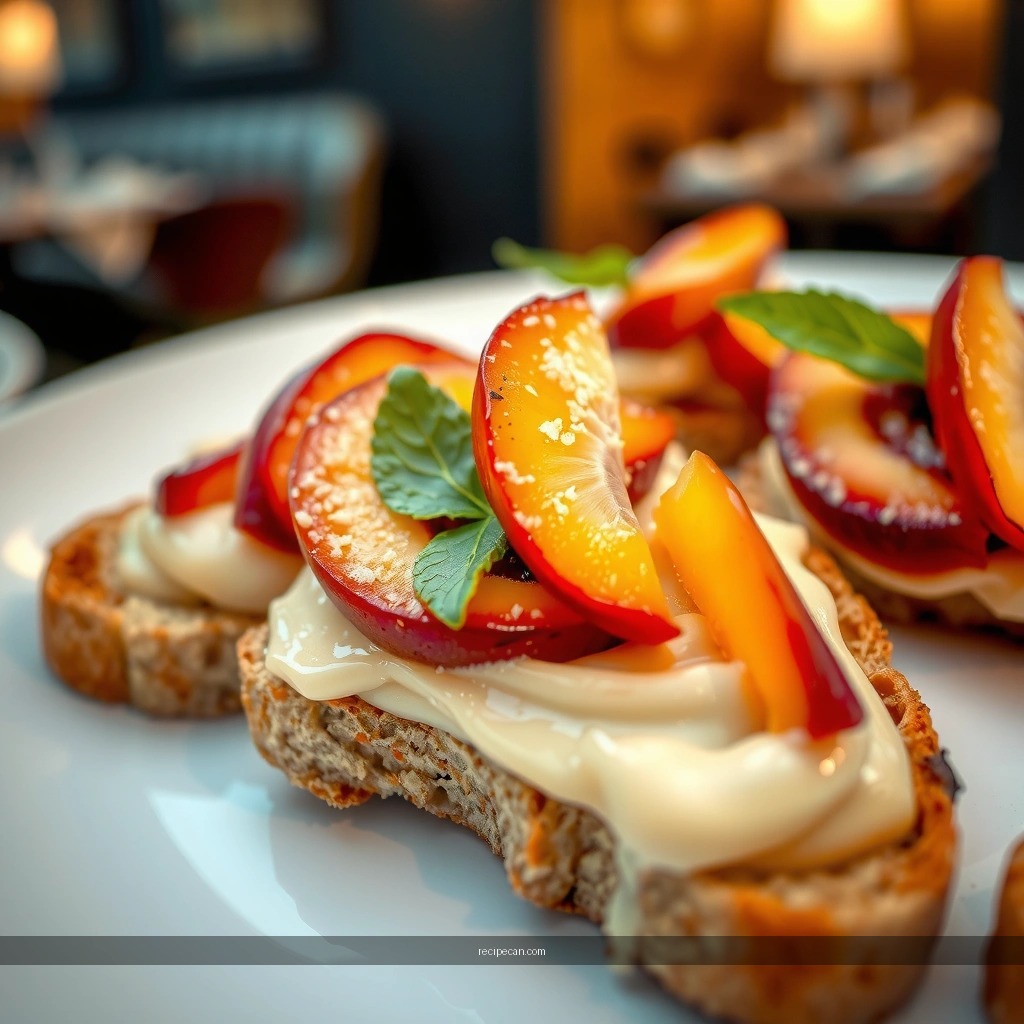
The topping is where sweet and savory become intentional, not accidental. Dice peaches and combine them with olive oil and salt. Salt is essential—it enhances natural fruit sugars, making peaches taste sweeter without adding extra sugar.
Next, add a splash of acidity—fresh lemon juice is the easiest choice, while a small splash of vinegar works if peaches are very ripe and intensely sweet. Start modestly (about 1 tablespoon lemon juice per 2–3 peaches, depending on size), taste, then adjust. The goal is a balanced brightness: enough acidity to make the fruit pop, not enough to taste like a lemonade topping.
Let the mixture sit for 5–15 minutes. This short maceration draws out some juice so you get a glossy, spoonable topping. However, prolonged soaking can flood the bread. If your peaches are very soft, shorten the maceration or keep the juice separate (scoop solid pieces for the toast, spoon a little extra juice on top at serving).
Finish with herbs like basil or mint. Use basil for a classic Mediterranean profile; use mint for a slightly cooler, summer-forward note. Chop herbs finely and fold them in at the end so they stay vibrant rather than bruised.
Add Creamy and Savory Elements
Peach’s sweetness needs a creamy contrast and a savory anchor. Fresh mozzarella is a natural pairing: its mild, milky flavor doesn’t compete, and its texture complements juicy fruit. You can use torn pieces or small cubes for better distribution.
Ricotta is another excellent option, especially if you want a tangier, more spoonable profile. For a business-kitchen level finish, stir ricotta with a pinch of salt and a tiny squeeze of lemon before topping. This ensures the cheese tastes seasoned even after it cools slightly.
For additional savory depth, prosciutto adds a salty, cured complexity that makes peaches taste even sweeter. Use it sparingly—fold thin slices, or tear into small pieces—so the topping stays balanced. Alternatively, toasted nuts (like sliced almonds or pistachios) provide crunch and an earthy note. Toast nuts lightly until fragrant, then cool before mixing so they keep their bite.
Choose your “savory strategy” based on your audience:
– If you want universally crowd-pleasing: mozzarella + basil.
– If you want a more refined bite: prosciutto + mint + ricotta.
– If you want contrast and texture: mozzarella + toasted nuts + lemon zest.
Season and Assemble Like a Pro
Seasoning is iterative. Taste the peach mixture before it goes on the toast. You’re looking for three signals:
1) Sweetness that feels vivid, not syrupy
2) Salt that sharpens rather than overwhelms
3) Acid that lifts the flavor without turning the topping sour
If peaches taste flat, add a little more lemon juice. If they taste too tart, add a small drizzle of honey or a pinch more salt—often salt actually helps tart fruit read as sweeter. If your topping seems underwhelming, add herbs or a touch more olive oil; aromatics can “round out” the flavor even without changing the core ingredients.
Assemble right before serving. Spoon topping onto each toast individually so the bread remains crisp. If you’re making for guests, set up a station: toasted bread on a tray, cheese in small bowls, peach topping in a separate bowl. This reduces time the bread spends exposed to moisture and keeps everything tasting freshly built.
For an efficient workflow:
– Prepare peaches and topping (macerate briefly)
– Toast bread and garlic-rub
– Prep cheese
– Spoon toppings in the final minute
This workflow matters for quality and consistency—especially when serving multiple people at once.
Serving Ideas and Storage Tips
Serve peach bruschetta immediately as an appetizer, or build it into a light summer meal by pairing it with a simple salad (arugula, shaved fennel, or mixed greens with a lemon vinaigrette). The acidity from the dressing complements the fruit and prevents the plate from feeling too sweet.
For entertaining, plan for assembly-time control:
– Toasted bread: best within 30–60 minutes
– Peach topping: best within about 1 hour after maceration
– Cheese: can be prepped ahead, then portioned fresh
Storage: keep the topping separate from toast. Store peach mixture in an airtight container in the refrigerator for up to 2 days. However, expect texture changes—peaches will soften further over time. Stir before using, and if the mixture has released a lot of liquid, spoon solids onto toast and use the liquid sparingly.
Cheese can also be refrigerated; bring it to cool room temperature before assembling for the best spreadability and flavor. Finally, re-crisp bread if needed (quick oven toast for 3–5 minutes), but remember that fresh assembly typically delivers the best eating experience.
This peach bruschetta recipe is all about ripe fruit, well-toasted bread, and quick assembly for a sweet-savory crowd-pleaser. Follow the steps above, taste as you go, and serve it fresh—then try it with your favorite cheese or add-ins for a personal twist.
In summary, the keys to outstanding peach bruschetta are selecting fragrant, slightly yielding peaches; toasting bread until it’s genuinely crisp and garlic-rubbed; seasoning the peach topping with salt and a measured splash of acidity; and finishing with a creamy element (mozzarella or ricotta) plus optional savory add-ins like prosciutto or toasted nuts. Assemble at the last minute to protect crunch, and you’ll consistently deliver a fast, balanced appetizer with professional-level flavor and texture.
Frequently Asked Questions
What’s the best peach bruschetta recipe for summer?
Start with ripe peaches, a good crusty baguette, and a simple mix of olive oil, garlic, and salt for the bruschetta base. Grill or toast the bread until crisp, then top with diced peaches mixed with basil, a little balsamic vinegar, and optional honey for balance. Finish with fresh mozzarella or goat cheese, plus cracked black pepper for extra flavor.
How do you keep peach bruschetta from getting soggy?
Use toasted bread right before serving so the peaches don’t soften the crust. Dice the peaches and toss them lightly with balsamic and salt, then let them sit briefly and drain any excess juice before piling them on the toast. You can also add cheese (like mozzarella) after draining to create a barrier and help maintain crunch.
Why do people add balsamic vinegar to peach bruschetta?
Balsamic vinegar enhances the natural sweetness of peaches by adding tangy depth and acidity. It also helps the flavors—peaches, basil, garlic, and cheese—taste more cohesive instead of one-note. A small drizzle is usually enough; too much can overpower the fruit.
Which cheese works best with peach bruschetta?
Fresh mozzarella adds a creamy, mild base that complements the juicy peach flavor without competing. Goat cheese offers a tangier, slightly more pungent option, while ricotta can make the topping taste softer and richer. Choose a cheese that matches your desired intensity, and use it sparingly so the peach bruschetta still highlights the fruit.
How can I make peach bruschetta ahead of time?
Prep components separately: slice or dice peaches, chop basil, and mix any peach topping ingredients in advance, then store them covered in the fridge. Toast or grill the bread right before serving, and assemble the peach bruschetta last to keep the crust crisp. If needed, you can also prep the garlic-olive oil drizzle ahead and brush it on just before toasting.
References
- Google Scholar Google Scholar
https://scholar.google.com/scholar?q=peach+bruschetta+recipe - Google Scholar Google Scholar
https://scholar.google.com/scholar?q=peaches+bruschetta+incoming+ingredients+basil+olive+oil - Google Scholar Google Scholar
https://scholar.google.com/scholar?q=crostini+peach+balsamic+vinegar+recipe - Bruschetta
https://en.wikipedia.org/wiki/Bruschetta - Peach
https://en.wikipedia.org/wiki/Peach - https://en.wikipedia.org/wiki/Crostini
https://en.wikipedia.org/wiki/Crostini - https://www.britannica.com/plant/peach
https://www.britannica.com/plant/peach - Basil
https://en.wikipedia.org/wiki/Basil - USDA FoodData Central
https://fdc.nal.usda.gov/ - https://en.wikipedia.org/wiki/Olive_oil
https://en.wikipedia.org/wiki/Olive_oil