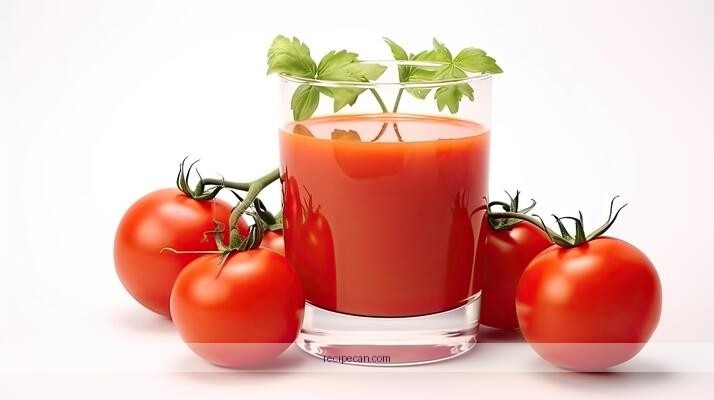
The old fashioned tomato juice recipe stands out as the ultimate choice for those craving a rich, robust flavor that modern versions simply can’t match. This classic delight captures the essence of fresh tomatoes, making it the perfect base for cocktails or a refreshing drink on its own. Discover the steps to create this timeless beverage and elevate your culinary repertoire.
Enjoying a glass of fresh, homemade tomato juice is incredibly simple and rewarding! This old-fashioned tomato juice recipe delivers a rich, flavorful drink that’s perfect for breakfast or as a refreshing snack. You’ll learn how to make it from scratch with just a few ingredients, and the best part is, it’s easy enough for anyone to try at home.
Recipe Overview

This old-fashioned tomato juice is a nostalgic drink that brings the taste of summer right into your glass. It’s perfect for warm days, brunch gatherings, or as a base for your favorite cocktails. With a prep time of just 15 minutes and a cook time of 30 minutes, you’ll have a delicious, homemade beverage ready to enjoy in no time! The simplicity of this recipe allows even novice cooks to produce a flavorful drink that can rival store-bought varieties. Each sip encapsulates the essence of fresh tomatoes, and with the option to customize it with herbs or spices, you can tailor it to your palate.
Time Required
– 🕐 Prep Time: 15 minutes
– 🍳 Cook Time: 30 minutes
– ⏱ Total Time: 45 minutes
Ingredients
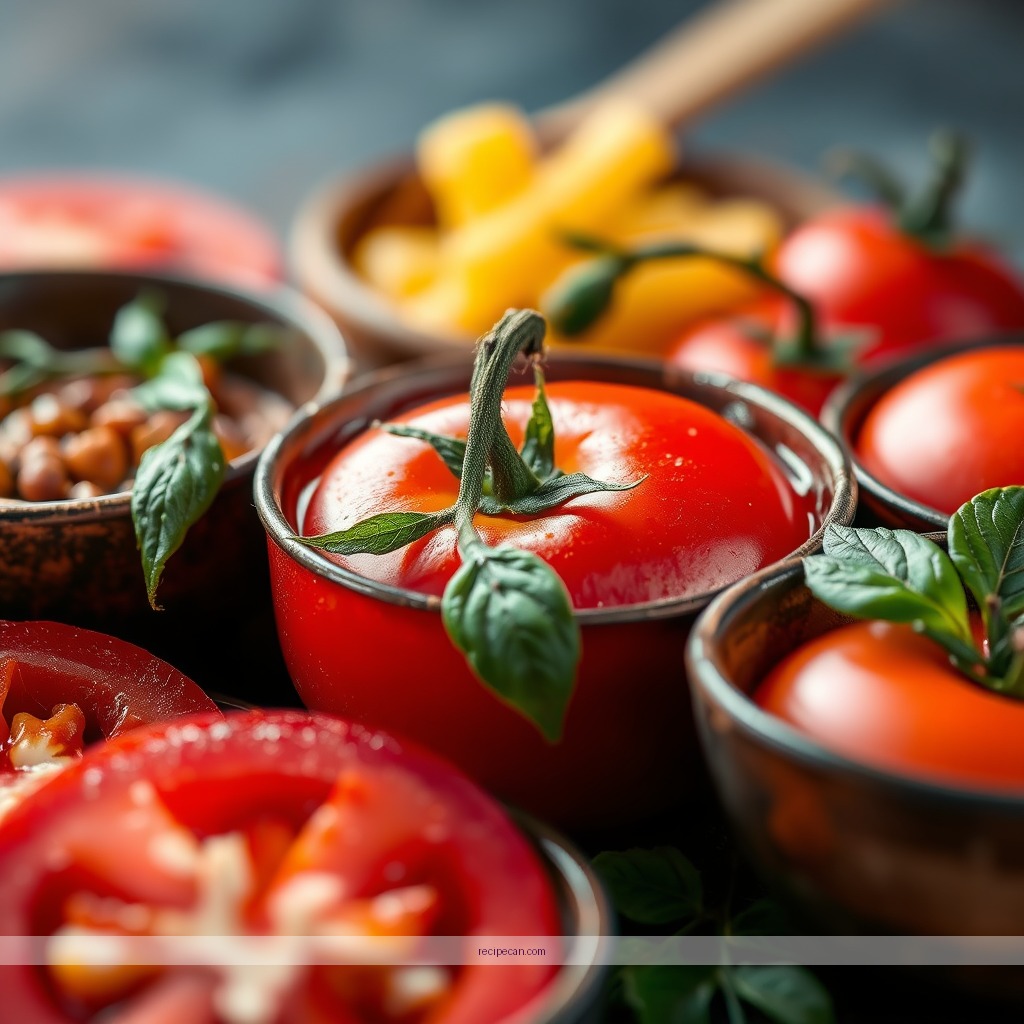
The key to a great tomato juice lies in using ripe, fresh tomatoes. Look for ones that are deep red and fragrant for the best flavor. You can also mix in some herbs or spices for a personal touch. Here’s what you’ll need:
Main Ingredients
– 4 pounds ripe tomatoes, cored and chopped
– 1 onion, quartered
– 2 cloves garlic, peeled
– 1 teaspoon salt (adjust to taste)
– 1 tablespoon lemon juice (freshly squeezed)
Optional Seasonings
– Fresh basil or parsley for garnish
– Black pepper to taste
Step-by-Step Instructions

1. Begin by preparing the tomatoes. Wash and core them, then chop them into quarters. This will help release their juices easily.
2. In a large pot, combine the chopped tomatoes, quartered onion, and whole garlic cloves. This combination will add depth to the flavor of your juice.
3. Place the pot over medium heat and bring the mixture to a gentle simmer. Cook for about 30 minutes, stirring occasionally, until the tomatoes are soft and juicy.
4. Once cooked, remove the pot from the heat and let it cool slightly.
5. Using a fine-mesh strainer or a food mill, strain the mixture into a bowl or another pot to separate the juice from the solids. Press down with a spoon to extract as much liquid as possible.
6. Add salt and lemon juice to the strained juice, adjusting to taste. For an extra kick, add black pepper or your favorite herbs.
7. Chill in the refrigerator, then serve over ice or enjoy fresh!
Heat & Temperature Guide
Cooking Method
Simmering the tomatoes gently allows their natural flavors to concentrate without burning. This method enhances the sweetness and richness of the tomatoes, creating a more complex flavor profile.
Temperature & Timing
Cook on medium heat until you see a gentle simmer, about 30 minutes. This temperature is ideal for breaking down the tomatoes while preserving their vibrant color and taste.
How to Know It’s Done
The tomatoes should be soft and start to break down, releasing their juices. The mixture will smell fragrant and rich, signaling that it’s ready to be strained.
Tomato Juice Nutritional Comparison (per 1 cup)
| # | Nutrient | Homemade | Store-Bought | Difference |
|---|---|---|---|---|
| 1 | Calories | 50 | 80 | -30 |
| 2 | Sodium (mg) | 300 | 700 | -400 |
| 3 | Vitamin C (%) | 25 | 15 | +10 |
| 4 | Potassium (mg) | 400 | 300 | +100 |
| 5 | Sugar (g) | 10 | 12 | -2 |
| 6 | Fiber (g) | 2 | 1 | +1 |
| 7 | Vitamin A (%) | 20 | 10 | +10 |
What to Avoid & Precautions
A few common pitfalls can turn this delightful drink into a less enjoyable experience. Knowing what to watch out for will help you create the best version of this classic recipe.
Overcooking the Tomatoes
Overcooking can lead to a mushy texture. Keep an eye on the simmering process and taste periodically. You want the tomatoes to be soft, not disintegrated into a paste.
Not Straining Enough
If you don’t strain the juice well, it can end up too chunky. Use a fine-mesh strainer and press down to extract all the liquid. This step is crucial for achieving that smooth, drinkable consistency.
Common Mistakes & How to Fix Them
Even the best chefs can make mistakes! Here’s how to avoid common errors:
Using Unripe Tomatoes
Using tomatoes that aren’t fully ripe will result in a bland juice. Choose tomatoes that are deep red and smell fragrant. If unripe ones are all you have, consider roasting them first to enhance their flavor.
Skipping the Straining Step
Many people rush through this process, but skipping it can leave you with a gritty texture. If you find your juice is too chunky, simply run it through the strainer again.
How to Serve
Plating & Presentation
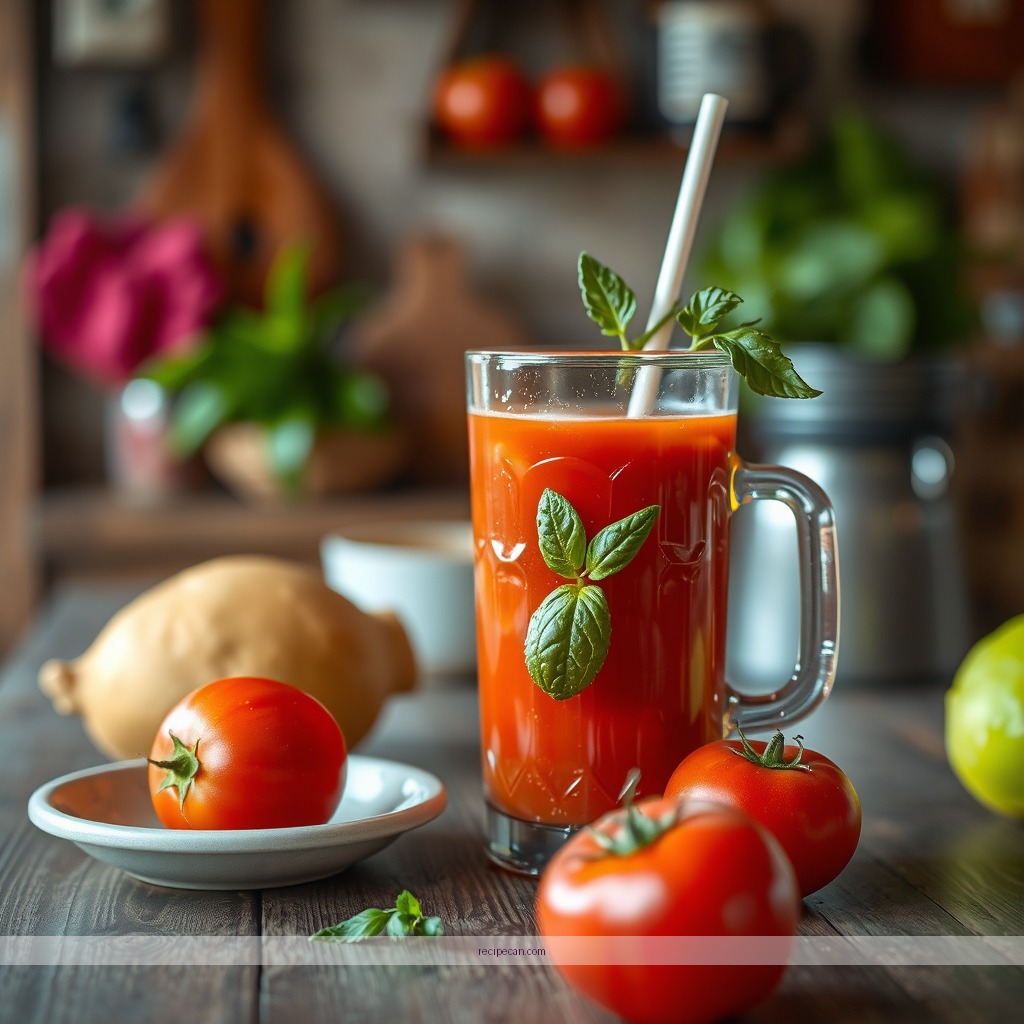
Serve your tomato juice in tall glasses over ice for a refreshing touch. Garnish with a sprig of basil or parsley for a lovely finish. A colorful straw can also add a fun touch to your presentation.
What Goes Well With It
Tomato juice pairs wonderfully with breakfast items like eggs, toast, or even as a base for cocktails like Bloody Marys. It’s versatile enough to complement a variety of dishes.
Serving Temperature
This juice is best served chilled. You can keep it in the refrigerator for a few hours before serving, or simply pour it over ice.
Storage & Reheating
Store any leftovers in an airtight container in the refrigerator for up to a week. It’s best served cold, so enjoy it straight from the fridge! If you want to enjoy it warm, gently heat it on the stove without boiling.
Creating your own old-fashioned tomato juice not only allows you to savor the rich and tangy flavor of fresh tomatoes, but it also empowers you to customize it to your liking. Whether enjoyed on its own, mixed into cocktails, or paired with meals, this refreshing drink is sure to be a hit. So grab those fresh tomatoes, and relish the satisfaction of making this delightful beverage from scratch!
Frequently Asked Questions
What ingredients do I need for an old fashioned tomato juice recipe?
To make a classic old fashioned tomato juice, you’ll need ripe tomatoes, celery, lemon juice, Worcestershire sauce, hot sauce, salt, and pepper. For added flavor, consider including garlic, onion, or herbs like basil and parsley. Using fresh, high-quality ingredients will enhance the taste of your tomato juice.
How do I make old fashioned tomato juice from fresh tomatoes?
To make old fashioned tomato juice from fresh tomatoes, start by washing and chopping the tomatoes. Simmer them in a pot for about 30 minutes until soft, then blend the mixture until smooth. Strain the juice to remove seeds and skin, then season with lemon juice, Worcestershire sauce, salt, and pepper to taste.
Why should I make old fashioned tomato juice instead of buying it pre-made?
Making old fashioned tomato juice at home allows you to control the ingredients, ensuring a fresher and healthier beverage without preservatives or artificial flavors. Additionally, homemade tomato juice can be customized to your taste preferences, offering a richer flavor profile that store-bought options often lack.
What spices work best in an old fashioned tomato juice recipe?
The best spices for an old fashioned tomato juice recipe include salt, black pepper, and a dash of cayenne or hot sauce for heat. You can also enhance the flavor with garlic powder, onion powder, or even smoked paprika for a unique twist. Experimenting with herbs like basil or dill can also elevate your tomato juice further.
Which tomatoes are ideal for making old fashioned tomato juice?
The best tomatoes for making old fashioned tomato juice are those that are juicy and flavorful, such as Roma, San Marzano, or beefsteak tomatoes. These varieties have a high water content and rich taste, making them perfect for extracting juice. For the freshest flavor, use ripe, in-season tomatoes whenever possible.
References
- Tomato juice
https://en.wikipedia.org/wiki/Tomato_juice - Novel Neuromuscular Electrical Stimulation System for Treatment of Dysphagia after Brain Injury -…
https://www.ncbi.nlm.nih.gov/pmc/articles/PMC4533457/ - Glycolaldehyde is an endogenous source of lysine N-pyrrolation – PMC
https://www.ncbi.nlm.nih.gov/pmc/articles/PMC7261792/ - https://www.sciencedirect.com/science/article/pii/S2212670817300184
https://www.sciencedirect.com/science/article/pii/S2212670817300184 - https://www.britannica.com/topic/tomato-juice
https://www.britannica.com/topic/tomato-juice - https://www.verywellfit.com/tomato-juice-nutrition-facts-5180682
https://www.verywellfit.com/tomato-juice-nutrition-facts-5180682 - Google Scholar Google Scholar
https://scholar.google.com/scholar?q=old+fashioned+tomato+juice+recipe - https://scholar.google.com/scholar?q=tomato+juice+health+benefits Google Scholar
https://scholar.google.com/scholar?q=tomato+juice+health+benefits - Google Scholar Google Scholar
https://scholar.google.com/scholar?q=homemade+tomato+juice+recipe - Page Not Found – Site Help – Mayo Clinic
https://www.mayoclinic.org/healthy-lifestyle/nutrition-and-healthy-eating/expert-answers/tomato-juice/faq-20057978