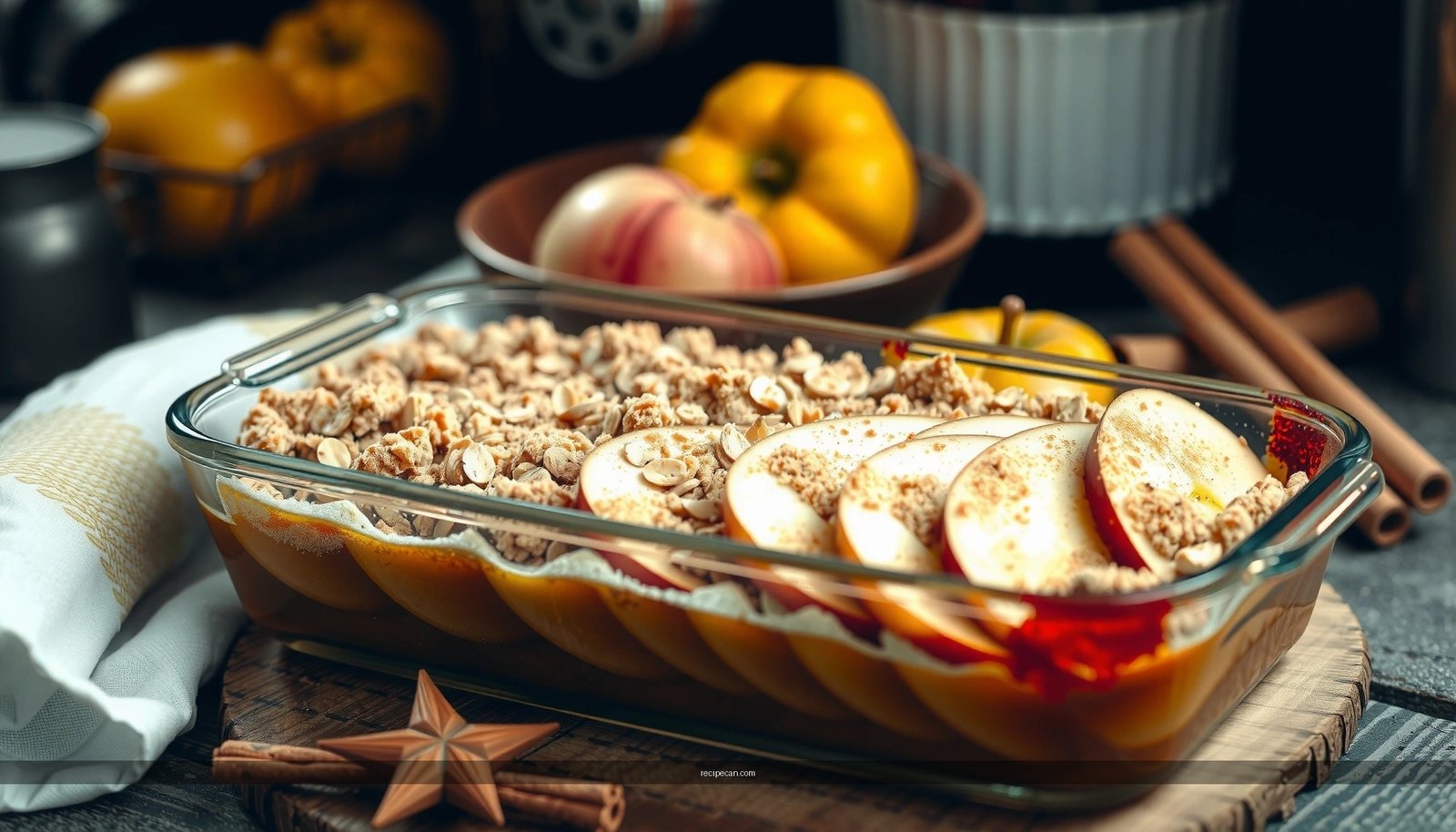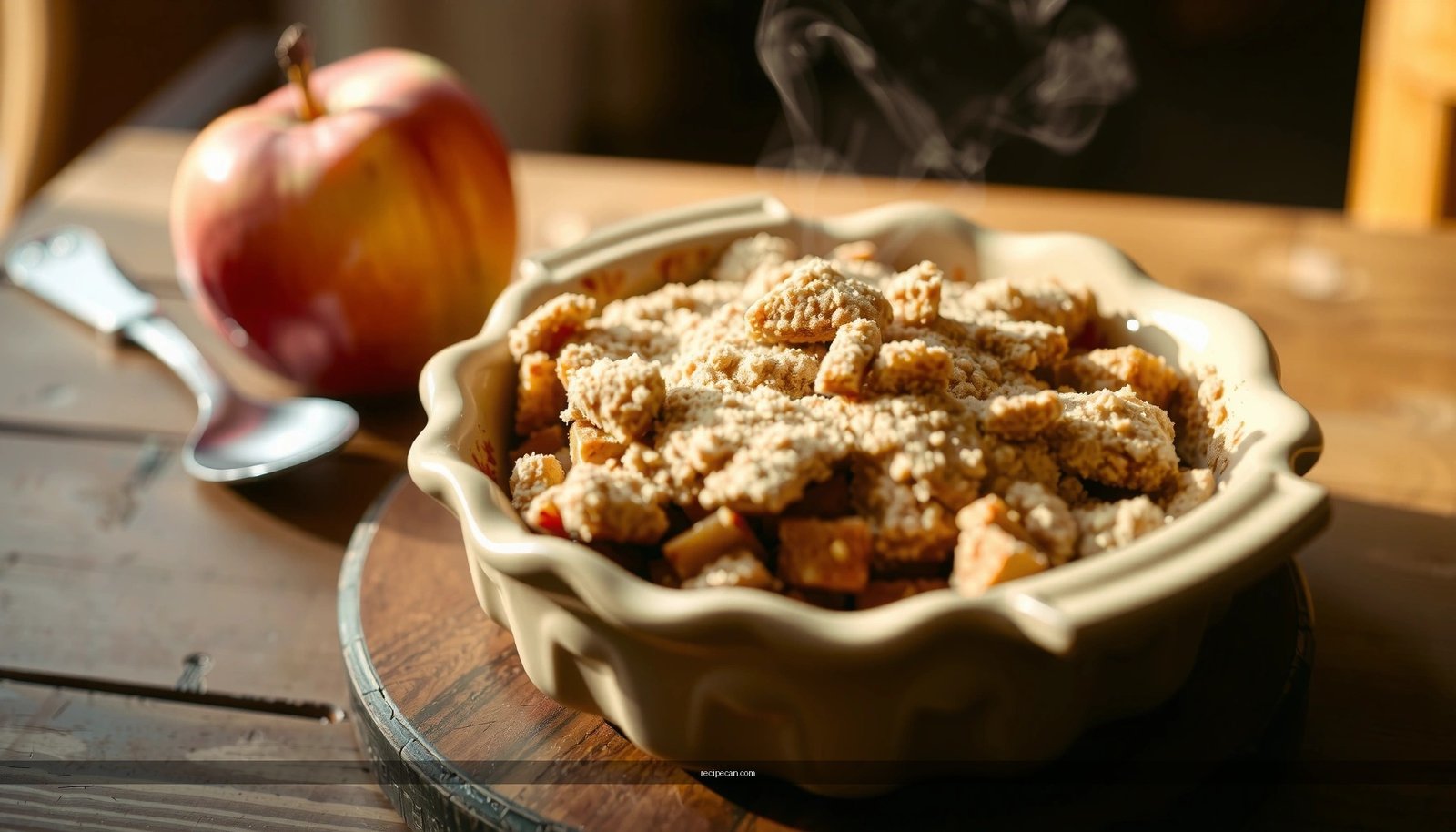
Looking for an old fashioned apple crumble recipe that delivers classic comfort every time? This recipe gives you the clear winner: a buttery cinnamon topping with crisp edges and tender, spiced apples under it. If you want the kind of apple crumble that tastes like it came straight from a trusted family kitchen, follow these steps for dependable results.
This old fashioned apple crumble recipe gives you a classic, crisp-tender baked filling with a buttery cinnamon crumble topping—without complicated techniques. Bake sliced apples until they turn glossy and bubbly, then finish with a golden, crunchy topping that sets as it cools for that true comfort-diet effect.
A well-made apple crumble balances three variables: apple variety (sweetness + acidity), topping texture (crumbly, uneven chunks), and baking time (enough heat to thicken juices and brown the topping). Below, you’ll find an in-depth, step-by-step approach you can rely on for consistent results every time—whether you’re cooking for a weeknight treat or serving guests.
—
Choose the Best Apples for Apple Crumble
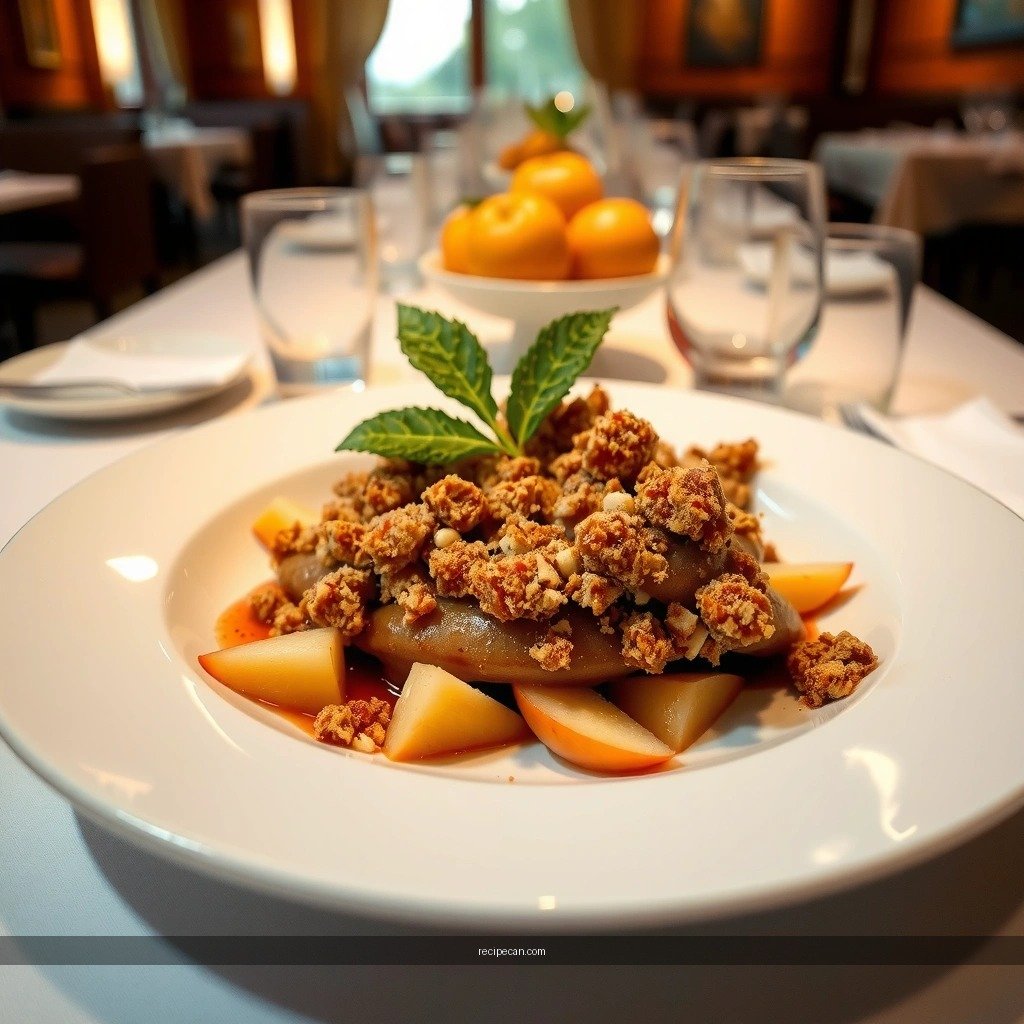
Selecting apples is less about “the perfect single variety” and more about building flavor depth and structure. Crumble is forgiving—especially compared to apple pie—but it still depends on apples that hold up to heat while delivering a satisfying bite.
– Use a mix of sweet and tart apples for balanced flavor
– Sweet apples (like Honeycrisp or Gala) bring caramel-like fruitiness and a natural sweetness that pairs well with cinnamon.
– Tart apples (like Granny Smith or Braeburn) keep the filling lively and prevent it from tasting flat or overly sugary.
– A good practical guideline is to use roughly 2 parts sweet to 1 part tart, adjusting based on your preference and how ripe your fruit tastes.
– Slice evenly so everything cooks at the same rate
– Aim for slices around 1/4 inch (6 mm) thick. Too thin and the fruit can turn mushy; too thick and the center may remain undercooked.
– Even slices also help ensure the crumble topping doesn’t outpace the filling—one of the most common reasons for “dry topping + soupy apples.”
Quick quality check before you start: choose apples that feel firm with no soft spots. Soft apples release too much liquid too quickly, and your topping won’t get that crisp, set texture.
Apple Pairing Guidance for Baked Crumble (Fresh Flavor Mix)
| # | Apple Variety | Best Role | Texture in Baking | Flavor Balance | Crumb Suitability |
|---|---|---|---|---|---|
| 1 | Honeycrisp | Sweet base | ★ ★ ★ ★ ☆ | High sweetness | ★ ★ ★ ★ ☆ |
| 2 | Gala | Sweet support | ★ ★ ★ ★ ☆ | Mild sweetness | ★ ★ ★ ★ ☆ |
| 3 | Braeburn | Tart balance | ★ ★ ★ ★ ☆ | Crisp + tangy | ★ ★ ★ ★ ★ |
| 4 | Granny Smith | Tart anchor | ★ ★ ★ ★ ★ | High tang | ★ ★ ★ ★ ★ |
| 5 | Jonagold | Sweet-tart blend | ★ ★ ★ ★ ☆ | Balanced fruitiness | ★ ★ ★ ★ ☆ |
| 6 | Pink Lady (Cripps Pink) | Sweet-tart support | ★ ★ ★ ★ ☆ | Crisp + aromatic | ★ ★ ★ ★ ★ |
| 7 | McIntosh | Use with care | ★ ★ ★ ☆ ☆ | Soft when hot | ★ ★ ★ ☆ ☆ |
—
Make the Old Fashioned Crumble Topping
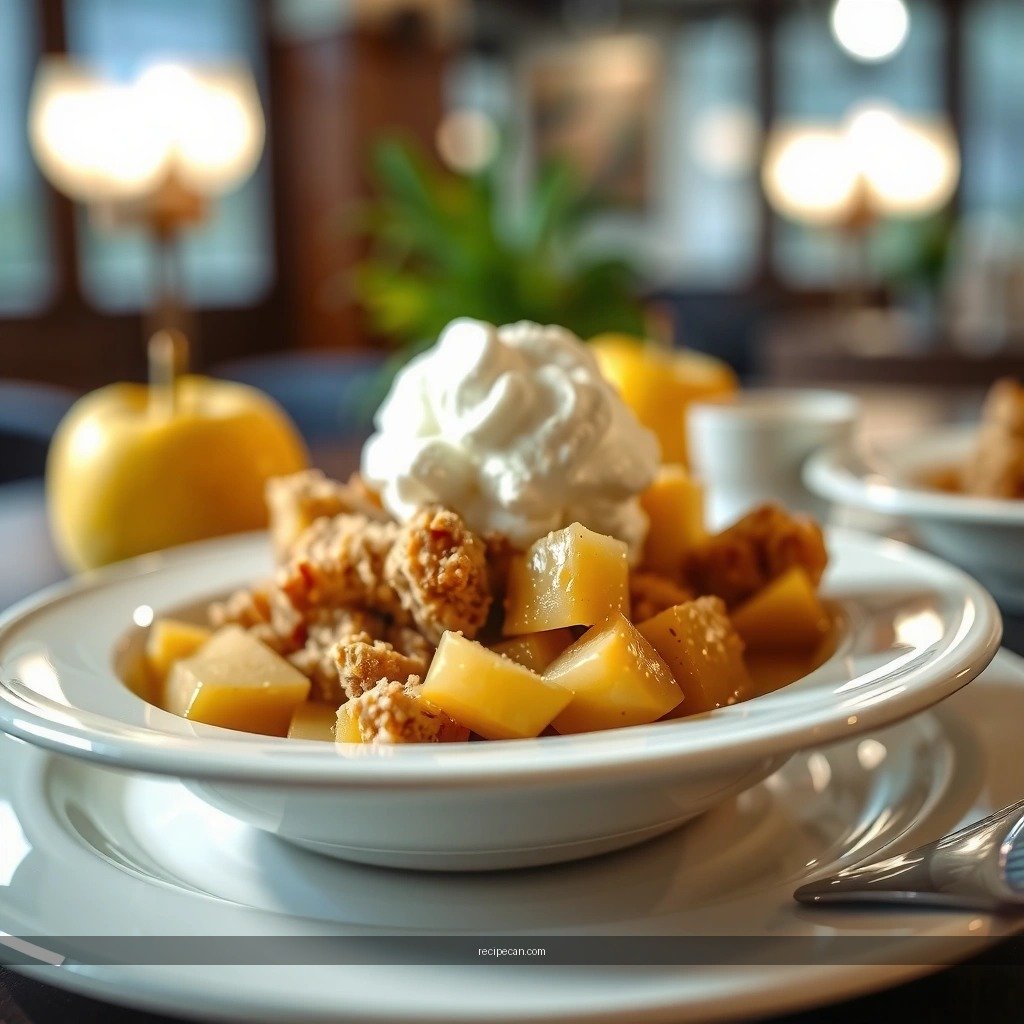
The topping is where “old fashioned” really shows up: buttery, cinnamon-kissed crumbs with uneven chunks. That inconsistency is intentional—it creates crisp edges and tender centers.
– Combine flour, oats (optional), sugar, and cinnamon with cold butter
– Use cold butter so it forms a crumbly texture rather than melting into a paste.
– Oats are optional, but they add texture and help the crumble hold shape for that satisfying crunch-to-snap moment.
– Crumble until you get small uneven chunks for better crunch
– Mix just until the mixture resembles coarse sand with some pea-sized chunks.
– Overworking the dough can make it too uniform; you want a range of sizes so some topping pieces toast quickly while others bake slightly slower.
Texture target: When you pinch the mixture, it should clump lightly and then loosen again when you break it—like moist sand.
Practical tip: If your kitchen is warm and the butter softens too fast, chill the topping for 10–15 minutes before sprinkling. Cold topping browns more evenly.
—
Prepare the Apples Filling
A classic crumble filling should be thick enough to stay cohesive, not runny like an apple sauce blanket. The key is seasoning and thickening—done in a way that doesn’t dull the apple flavor.
– Toss apples with sugar, cinnamon, and a touch of lemon juice
– Lemon juice improves flavor clarity and slows browning.
– Cinnamon should taste warm and fragrant, not harsh. Start with a moderate amount, then adjust next time for your palate.
– Add a thickener (like flour or cornstarch) to prevent runny filling
– Thickener matters because apples release juices as they bake. Without it, you may end up with a watery base that soaks the topping.
– Flour produces a thicker, more “baked” set.
– Cornstarch tends to create a glossy, clear gel.
– Either works—choose based on the texture you prefer. If you’re unsure, flour is a reliable classic choice for old fashioned apple crumble.
Actionable balancing point: If your apples are very juicy (common with some sweet varieties), slightly increase thickener by about 1–2 teaspoons per standard batch.
—
Assemble and Bake to Golden Perfection
This is where your old fashioned apple crumble transforms from raw components into a comforting dessert with a crisp top and bubbling fruit.
– Spread apples evenly in a baking dish
– Even distribution helps you avoid “dry corners” and “soupy middles.”
– Use a dish that holds volume comfortably—typically an 8×8-inch (20×20 cm) or similar size—so the topping bakes thoroughly and the filling bubbles up.
– Sprinkle crumble topping generously and bake until bubbling and browned
– Bake until the apples are clearly tender when pierced with a fork.
– You’ll know you’re there when you see active bubbling around the edges and a deep golden-brown topping.
– If the topping browns before the filling thickens, loosely tent with foil for the final stretch.
Crisp-tender benchmark: Let the crumble rest for 10–20 minutes after baking. The juices will thicken as the starch gels and steam escapes, giving you a scoopable, set crumble rather than a sloppy slice.
Serving note: Warm crumble with vanilla ice cream is classic for a reason—its cold fat base counterbalances the warm spices and crisp topping.
—
Target Texture & Doneness Cues
| Stage | What You Should See | Why It Matters |
|---|---|---|
| Bubbles | Bubbling around edges and near the center where juices rise. | Indicates apples are soft and thickener is activating. |
| Color | Crumble is golden-brown, with darker toasted spots. | Signals proper browning without burning butter. |
| Tender Fork | Fork slides in through apple slices with slight resistance. | Ensures a crisp-tender texture rather than raw centers. |
| Rest Set | After 10–20 minutes, the filling looks glossy and holds shape when scooped. | Steam release + thickener gel creates clean servings. |
—
Serve and Store for Later
Apple crumble is best when served warm, but it also stores extremely well—meaning it’s a strong make-ahead dessert for hosting or meal planning.
– Let cool slightly so the juices set and the crumble firms up
– This rest period improves both texture and presentation.
– Serve warm, not piping hot, so the crumble isn’t overly soft.
– Store leftovers covered and reheat for a fresh-tasting topping
– Refrigerate covered for up to 3–4 days.
– Reheat in the oven (around 350°F / 175°C) for 10–15 minutes to bring back crispness.
– Microwave reheating is faster, but it can soften the topping—oven reheating preserves the “old fashioned” crunch.
Quality strategy: If you anticipate leftovers, avoid fully drowning the topping in extra fruit juices at serving time—use a spoonful that includes both apples and crumble.
—
Variations on This Classic Apple Crumble
Old fashioned doesn’t mean “unchangeable.” You can adapt the recipe while preserving the core technique: apples + thickened juices + buttery crumb that browns.
– Add raisins or chopped nuts for extra texture and sweetness
– Raisins add bursts of sweetness and a chewy contrast to soft apples.
– Chopped walnuts or pecans add richness and a toasted aroma.
– Fold nuts into the topping for an even distribution, and consider adding raisins to the apples for even soaking.
– Use brown sugar or swap spices (nutmeg/allspice) for a deeper flavor
– Brown sugar adds molasses notes that pair naturally with apples and cinnamon.
– A pinch of nutmeg or allspice rounds out the spice profile, creating a more layered “bakery-style” warmth.
– Start small—too much nutmeg can dominate.
Business-friendly hosting idea: Offer a “toppings bar” (extra cinnamon sugar, toasted nuts, vanilla ice cream). It turns a single crumble into a customizable dessert experience without changing the underlying bake.
—
Baking this old fashioned apple crumble comes down to three things: flavorful apples, a buttery crisp topping, and baking until the filling bubbles. Choose a sweet-tart apple mix, keep the topping cold so it crumbles instead of smearing, and use a thickener to ensure a set, scoopable filling. Make it tonight—follow the crumble steps closely, bake to golden-bubbly doneness, and serve warm with vanilla ice cream or whipped cream for maximum comfort.
If you’d like, tell me what apples you have on hand and whether you prefer a more glossy filling (cornstarch) or a more classic baked thickness (flour), and I’ll tailor the amounts to match your exact pantry.
Frequently Asked Questions
What is an old fashioned apple crumble recipe and what makes it different from apple crisp?
An old fashioned apple crumble recipe typically uses a simple topping made from flour, butter, sugar, and oats (or sometimes only flour and butter) to create a rustic, crumbly texture. It’s often less spiced or less “bready” than some apple crisp versions, focusing on a classic crumble crunch over a thick oat layer. Many traditional recipes also include a touch of cinnamon and a juicy apple filling to keep the dessert bright and comforting.
How do you make old fashioned apple crumble with the perfect crumble topping?
Start by cutting cold butter into the dry ingredients (flour, sugar, and oats if using) until you get uneven crumbs—some small, some larger—which helps the topping bake up crisp. Chill the topping for 10–20 minutes if your kitchen is warm, so the butter doesn’t melt too quickly. Bake in a preheated oven until the topping turns golden brown and the apple filling is bubbling, which indicates the crumble has fully crisped.
Why do my apples turn watery or my crumble turn soggy, and how can I prevent it?
Watery apple crumble usually happens when apples release too much juice without enough thickening or when the bake time is too short. To prevent this, use apples that hold their shape (like Granny Smith or Honeycrisp), and consider adding a small amount of cornstarch or flour to the filling for classic apple crumble thickening. Also bake until you see active bubbling around the edges and the topping is fully golden, not just set.
Which apples are best for an old fashioned apple crumble recipe?
The best apples for an old fashioned apple crumble are those with a balance of tartness and crisp texture, such as Granny Smith, Honeycrisp, Jonagold, or Braeburn. Tart apples keep the filling from tasting flat and help balance the buttery crumble sweetness. If you prefer a softer filling, you can mix one tart apple with one sweeter, softer variety, but avoid using only very soft apples that break down quickly.
What’s the best way to serve old fashioned apple crumble and store it for later?
Old fashioned apple crumble is best served warm with vanilla ice cream, whipped cream, or lightly sweetened yogurt to contrast the crisp topping. Let it cool for about 10 minutes after baking so the filling sets and doesn’t run. For storage, refrigerate leftovers in an airtight container for up to 3–4 days and reheat in the oven or toaster oven to re-crisp the topping, since microwaving can soften it.