Looking for a Mojito cocktail recipe that tastes like the classic—mint, lime, and rum? This guide delivers the best version: how to muddle fresh mint, balance lime juice with simple syrup, and build the right rum-and-soda ratio for a crisp, clean finish. If you want the winner when it comes to true Mojito flavor and proper strength, follow these exact steps.
Yes—you can make a classic mojito at home by balancing fresh lime juice, mint, rum, and a small amount of sugar (or simple syrup), then finishing with sparkling water for lift. In the sections below, you’ll get a dependable step-by-step method, practical ingredient ratios, and technique tips to keep your mojito tasting bright, minty, and perfectly balanced every time.
Ingredients for a Classic Mojito

– Use fresh mint leaves, fresh lime juice, white rum, and simple syrup
– Add sparkling water (club soda) for the signature light fizz
A classic mojito depends on freshness and restraint. The flavor profile is clean and aromatic—mint should read as herbal and fragrant, lime should taste crisp and tangy, and rum should provide warmth rather than overpower the drink. To achieve that, each ingredient has a specific role:
1) Fresh mint leaves (not dried)
Fresh mint delivers volatile oils that create that unmistakable mojito aroma. Use leaves that smell strong when lightly rubbed between your fingers—if the aroma is faint, the drink will be too.
2) Fresh lime juice
Fresh lime brings sharper acidity and better integration with sugar. Bottled lime juice often tastes flatter and can make a mojito taste “punchy” without being bright.
3) White rum
White rum keeps the cocktail classic: neutral enough for lime and mint to lead, with a clean, slightly sweet finish. If you want a more complex profile later, you can experiment—but the base recipe should stay classic first.
4) Sugar (or simple syrup)
Sugar helps mellow lime’s acidity and rounds the edges. Simple syrup dissolves quickly and helps you avoid gritty texture.
5) Sparkling water (club soda)
The bubbles brighten the drink and lift the aromatics. They also dilute slightly as you fill the glass, which helps prevent the mojito from becoming too intense.
Practical starting point (one serving)
– Mint: ~10–12 leaves
– Lime juice: ~3/4 oz (about 2 tablespoons)
– Simple syrup: ~1/2 oz (or to taste)
– White rum: ~2 oz
– Sparkling water: to top (typically ~2–3 oz, depending on glass size)
To help you dial in consistency, use this “flavor target” lens: the mojito should taste refreshing first, sweet second, and boozy last.
Mojito Ingredient Ratios for Balance (1 Standard Serving)
| # | Ingredient | Recommended Amount | What It Contributes | Balance Signal |
|---|---|---|---|---|
| 1 | White Rum | 2.0 oz (60 ml) | Core spirit base; warmth without bitterness | ★★☆ |
| 2 | Fresh Lime Juice | 0.75 oz (22 ml) | Bright acidity; drives “fresh” character | ★★★ |
| 3 | Simple Syrup | 0.50 oz (15 ml) | Mellows lime; softens rum edges | ★★☆ |
| 4 | Fresh Mint Leaves | 10–12 leaves | Aroma + herbal backbone | ★★★ |
| 5 | Sparkling Water (Club Soda) | 2.0–3.0 oz (60–90 ml) | Lift; light dilution; crisp finish | ★★☆ |
| 6 | Ice (for dilution + temp) | Fill to near top | Chills; controls dilution rate | ★★★ |
| 7 | Garnish (mint + lime) | 2 mint sprigs + 1 lime wheel | Aromatics + visual cue | ★☆ ☆ |
How to Make Mojito (Step-by-Step)

– Muddle mint and lime gently, then add rum and syrup
– Stir with ice and top with sparkling water; garnish and serve
A mojito is easy—but technique is where quality is won. The goal is to extract mint oils and lime juice without pulverizing mint (which can create bitterness).
Step 1: Build in a highball glass
Choose a sturdy highball or collins glass. Add fresh mint leaves and lime juice first, then add sugar or simple syrup.
Step 2: Muddle gently
Press with a muddler just enough to bruise the mint and release fragrance. You’re looking for aroma, not paste. Over-muddling causes a harsh, green, sometimes bitter flavor that masks rum and lime.
Step 3: Add rum and syrup
Add your white rum, then stir to integrate. If you’re using granulated sugar instead of simple syrup, stir thoroughly until the sugar dissolves or use a pre-made syrup for consistency.
Step 4: Add ice and stir
Fill the glass with ice and stir again. This chills the drink and ensures the flavor is evenly distributed before you add the bubbles.
Step 5: Top with sparkling water
Add club soda last to preserve carbonation. Stir once lightly, if needed, then stop—over-stirring can flatten the fizz.
Step 6: Garnish and serve immediately
Add a mint sprig and a lime wheel. Serve right away so the aroma hits at the moment you pour.
Quality checks (quick sensory audit)
– Too sharp/acidic? Add a small additional splash of simple syrup (start with 1 teaspoon increments).
– Too sweet? Add a splash more lime juice or sparkling water to rebalance.
– Bitter or “medicinal” mint? You likely muddled too aggressively—try gentler pressure next time.
– Watery? Use slightly less sparkling water or reduce time spent stirring with ice before topping.
Best Mint and Lime for Mojito

– Choose fragrant mint (spearmint works best) for bold flavor
– Use fresh limes for brighter acidity instead of bottled juice
Ingredient quality is the biggest driver of mojito performance. Two drinks can follow the same recipe and taste radically different based on mint and lime selection.
Mint: spearmint is the classic choice
Spearmint tends to be more aromatic and structured than other varieties, making it ideal for the mojito’s “bright herbal” profile. Avoid mint that smells dull or overly grassy. Also, use leaves—not stems—for best results. If your mint is very mature, remove the tougher parts.
Lime: freshness equals brightness
Fresh limes produce more vibrant acidity and better integration with sugar and rum. When zesting, don’t overdo it—lime zest can add a pleasant aromatic lift, but too much can introduce bitterness. If you’re squeezing by hand, roll the lime firmly on the counter before cutting to increase juice yield.
Storage and handling tips
– Store mint wrapped in a paper towel and sealed in a container to reduce wilting.
– Squeeze limes shortly before mixing for peak flavor.
– If you’re making multiple mojitos, pre-juice limes and portion them to keep sweetness and tartness consistent.
Operational insight for events
If you’re serving a group, standardize your lime juice amount per drink (e.g., measure 3/4 oz). Variability in lime size and juiciness is one of the most common reasons batch mojitos taste inconsistent.
Sweetness & Balance Tips
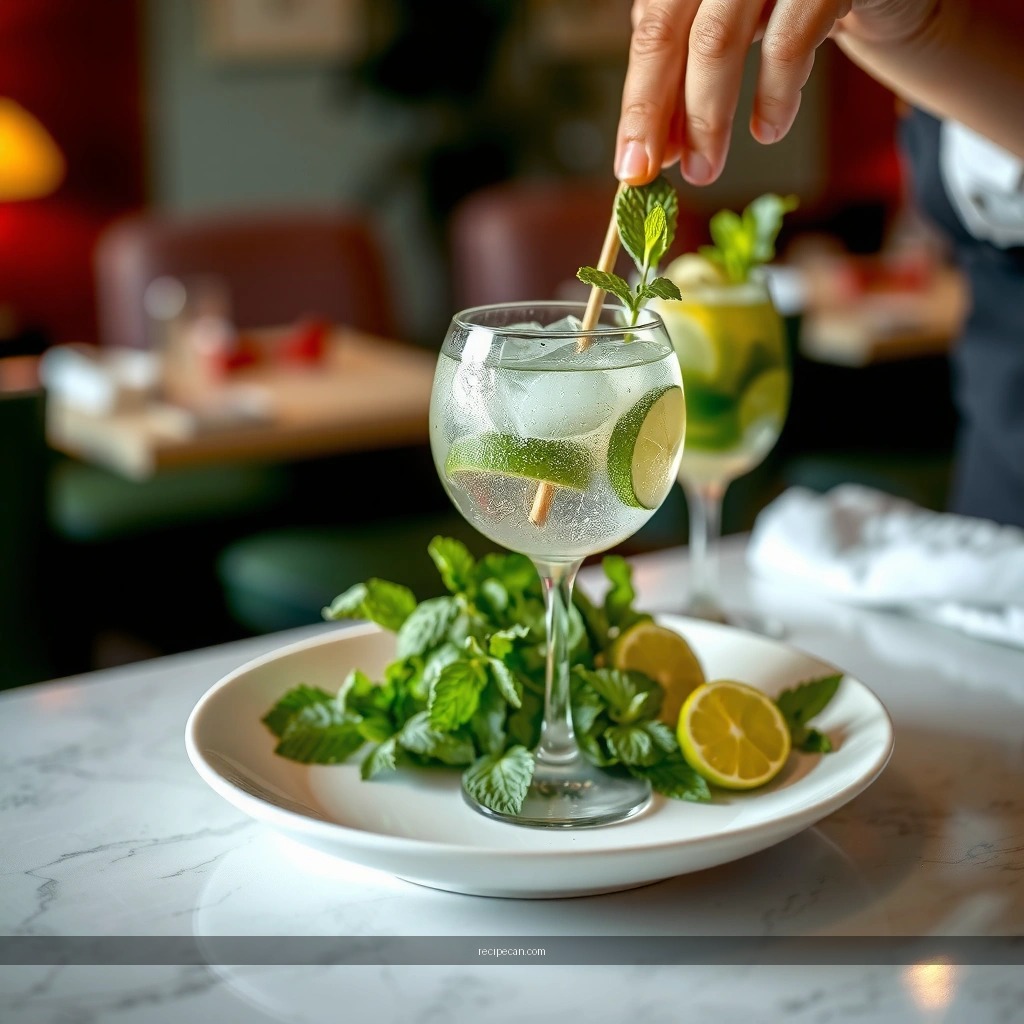
– Start with less syrup and adjust to taste
– Keep the mix cold with plenty of ice to maintain balance
Balancing a mojito is less about strict “right answers” and more about controlling three variables: acidity, sweetness, and dilution. Lime acidity can dominate quickly, while sugar can flatten the aromatics if too high.
Start low, then calibrate
Begin with the recommended simple syrup amount (about 1/2 oz per drink). Taste, then adjust:
– Add syrup in small increments (about 1 teaspoon at a time) if lime tastes too sharp.
– If it tastes too sweet, correct with lime (a splash) rather than just removing syrup—keeping acidity balanced preserves “freshness.”
Use ice to stabilize the flavor
A mojito served at the right temperature tastes more integrated and refreshing. If your ice melts too quickly, dilution can shift the cocktail toward “light and thin” rather than crisp. Use plenty of ice and keep the glass chilled.
Dial in carbonation timing
Top with sparkling water at the end so you retain bubbles. If you top too early, carbonation will dissipate while you stir and muddle.
Sweetness perception depends on mint strength
More fragrant mint can make the cocktail feel “brighter,” even if sweetness is unchanged. That’s why high-quality spearmint can reduce the need for extra syrup.
Mojito Variations to Try
– Swap in different spirits (like spiced rum) for a new twist
– Add fruit flavors (berries or mango) while keeping mint and lime as the base
Once you’ve nailed the classic mojito, variations are straightforward—just don’t lose the core structure: mint + lime + rum + bubbles.
Variation 1: Spiced rum mojito
Spiced rum adds warmth, vanilla notes, and subtle spice complexity. Use it to create an “autumn mojito” without changing your lime-and-mint base.
– Keep simple syrup modest to avoid compounding sweetness.
– If the spice is strong, slightly reduce syrup and let lime do the balancing.
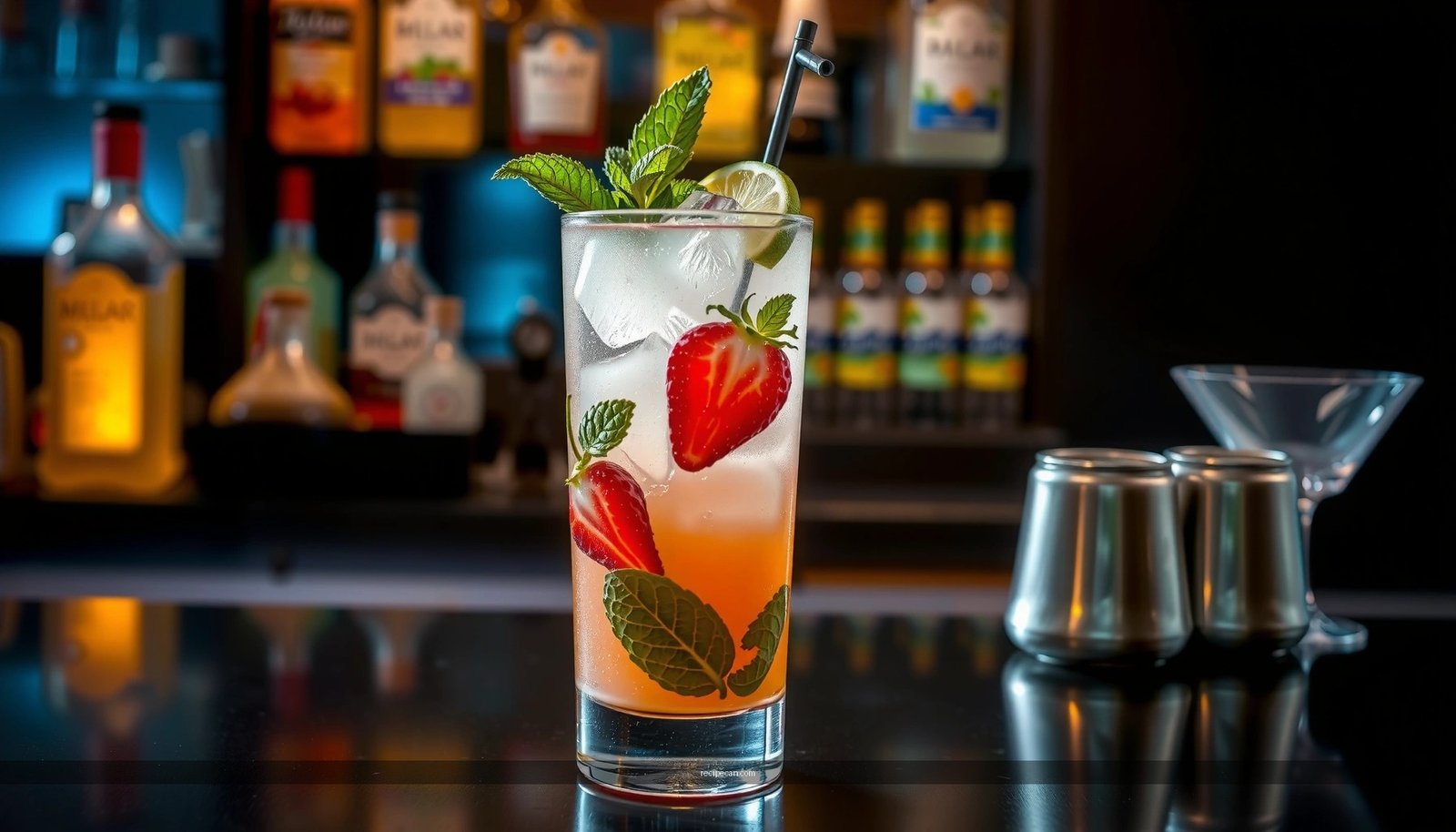
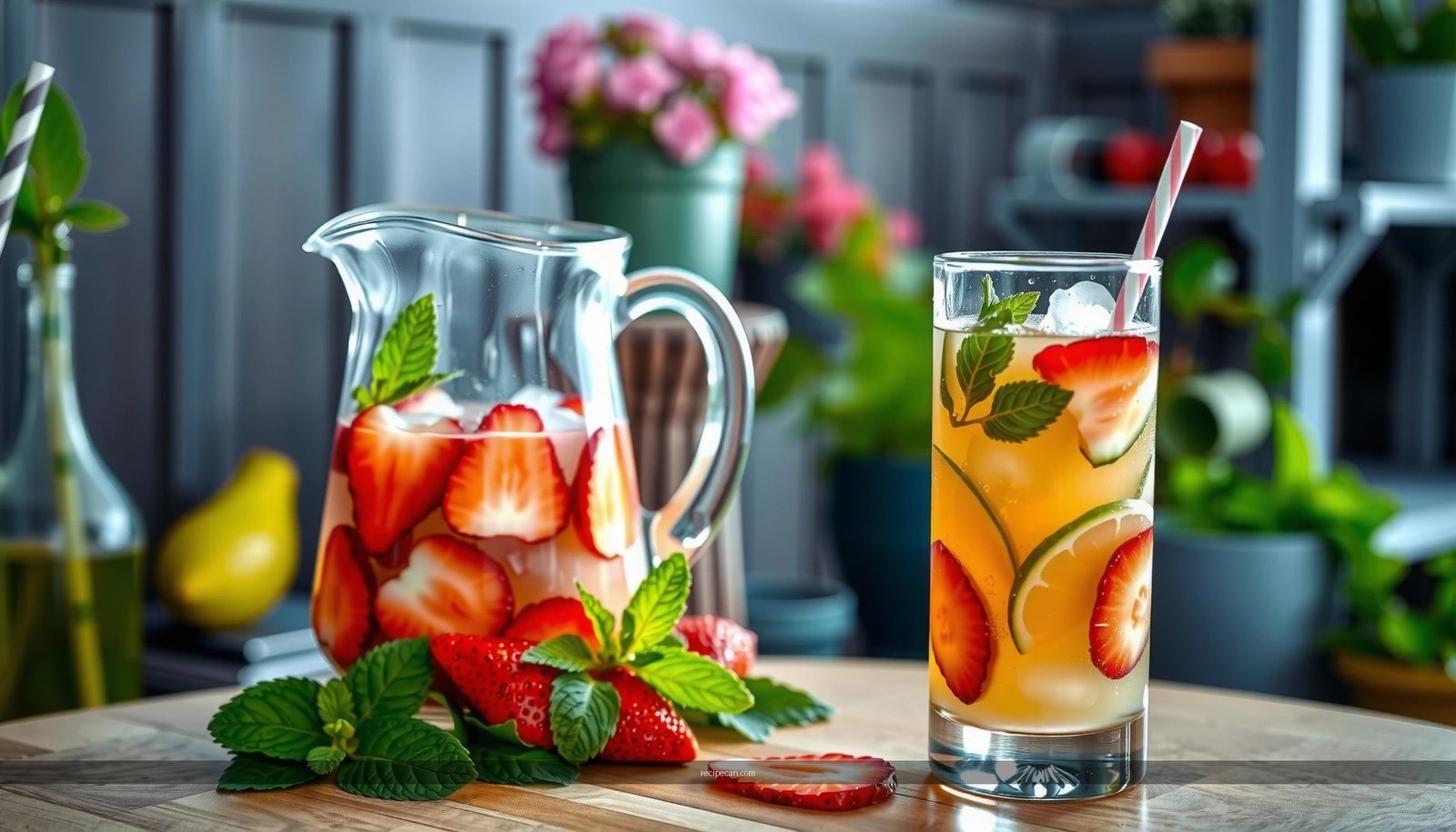
Variation 2: Berry mojito (strawberry, raspberry, or blackberry)
Berries add fruity sweetness and color. The key is muddling lightly and using ripe fruit.
– Prefer fresh or quickly-thawed berries.
– Don’t muddle aggressively—press just enough to release juice without extracting bitterness from seeds.
Variation 3: Mango mint mojito
Mango brings tropical sweetness and thickness.
– Use a small amount of mango puree or diced ripe mango.
– Balance with extra lime rather than adding a lot more syrup; lime keeps the cocktail lively.
Consistency strategy for variations
Keep the mint and lime quantities close to the classic recipe, then adjust sweetness in response to the fruit. This prevents fruit versions from turning into sugary lime spritzes.
Serving & Presentation Ideas
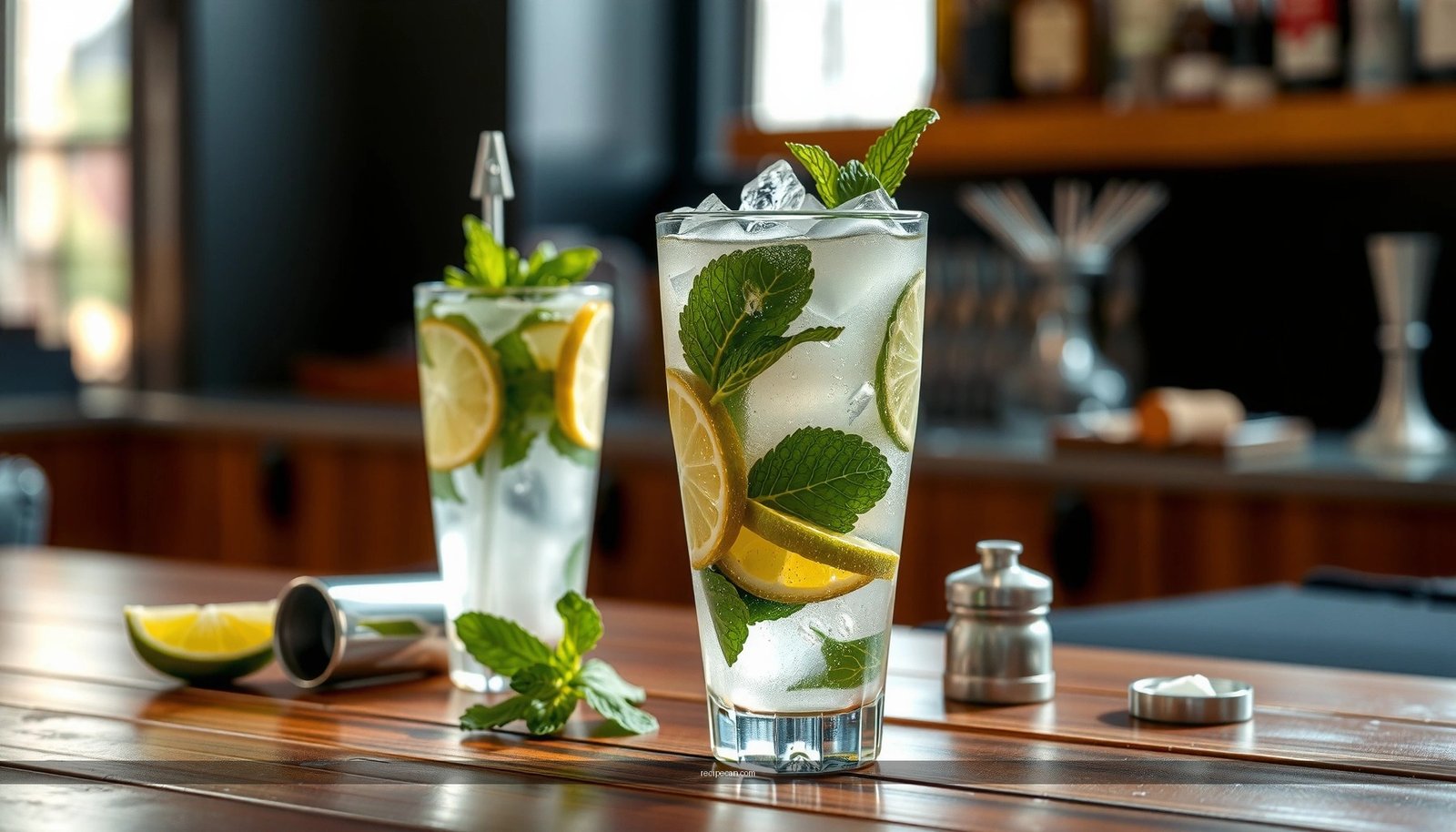
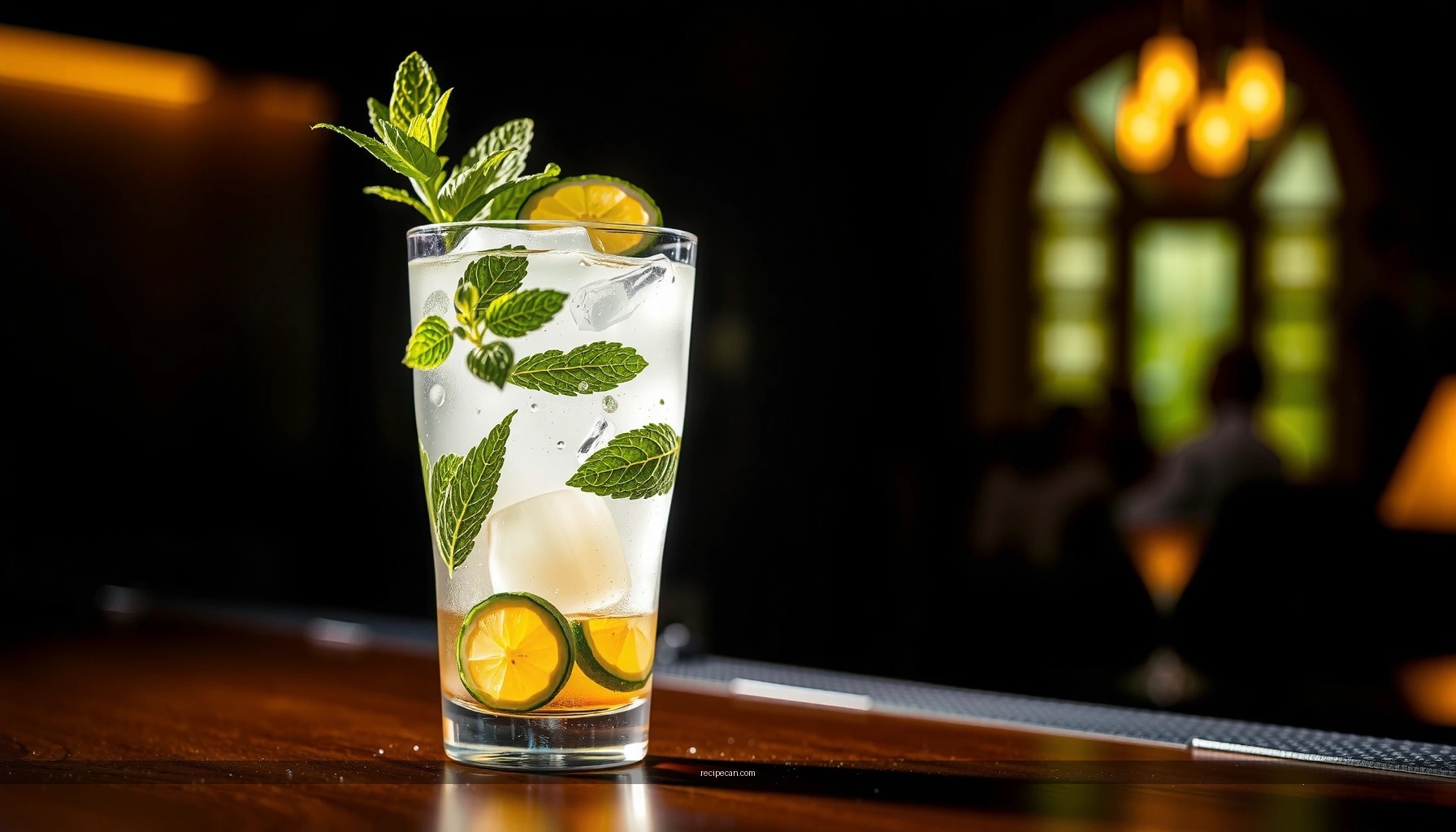
– Use a highball glass and a big mint garnish for that classic look
– Serve immediately for the freshest mint aroma and carbonation
Presentation isn’t just aesthetics—it affects perceived freshness. Mint aroma and carbonation quality are strongest at the moment of serving.
Glassware and garnish
– Use a highball glass for tradition and capacity.
– Add a generous mint garnish: two sprigs or one large leaf folded over the rim.
– Garnish with a lime wheel to reinforce the lime-forward identity.
Timing
Serve immediately after topping with sparkling water. This preserves carbonation and ensures the mint aroma rises right when the drink is offered.
For a premium “bar program” feel
– Use consistent measurements and pre-chill glasses if serving multiple drinks.
– Provide a small pitcher of extra lime wedges or a second syrup option (e.g., “classic sweetness” vs. “less sweet”) so guests can fine-tune.
A great mojito is all about fresh mint, bright lime, and a well-balanced blend of rum and sweetness topped with bubbles. Follow the steps above—especially gentle muddling, measured lime juice, and sparkling water last—then taste and adjust your syrup level for your palate. Once the classic method is dialed in, try a spiced rum or fruit variation and share your perfect batch with friends.
Frequently Asked Questions
What is the classic mojito cocktail recipe?
A classic mojito is made with white rum, fresh mint leaves, lime juice, sugar (or simple syrup), and soda water. Build it by muddling mint with lime and sugar, then add rum, ice, and top with soda water. Stir gently to combine, and garnish with extra mint and a lime wedge for the traditional mojito cocktail presentation.
How do you make a mojito without it tasting too bitter?
To avoid bitterness, muddle the mint gently—press just enough to release aroma without tearing the leaves or grinding them too much. Use fresh lime juice and only a measured amount of sugar or simple syrup to balance acidity. Also, add the soda water last and stir lightly so the mojito stays bright rather than harsh.
Which rum is best for a mojito—white or aged?
Most mojito recipes call for white rum because it keeps the flavor clean and lets mint and lime stand out. Aged rum can work in a pinch, but it may add oaky notes that clash with the mojito’s fresh, crisp taste. If you want the most classic mojito cocktail recipe result, choose an unaged or light-bodied white rum.
Why does my mojito go flat, and how can I keep it fizzy?
Mojitos can go flat when soda water sits too long after pouring or when you over-stir. Pour the soda water right before serving and build the drink close to when you’ll drink it. Use plenty of ice and stir only once or twice for a mojito that stays fizzy and refreshing.
What are the best mojito variations if I want to switch up the flavor?
Popular mojito variations include a strawberry mojito (muddled strawberries or strawberry puree), a mango mojito (mango puree with lime), and a mojito with ginger (fresh ginger syrup or ginger beer for spice). Keep the core structure—rum, lime, mint, sugar, and carbonation—so it still reads as a mojito cocktail recipe. For best results, adjust sweetness carefully because fruit additions can make the drink overpowering if you don’t reduce sugar.
References
- Mojito
https://en.wikipedia.org/wiki/Mojito - https://www.britannica.com/topic/mojito
https://www.britannica.com/topic/mojito - Mojito – IBA
https://iba-world.com/iba-cocktails/mojito/ - Mojito recipe | Good Food
https://www.bbcgoodfood.com/recipes/mojito - https://www.theguardian.com/food/2015/jul/23/mojito-recipe
https://www.theguardian.com/food/2015/jul/23/mojito-recipe - Google Scholar Google Scholar
https://scholar.google.com/scholar?q=mojito+cocktail+recipe - Google Scholar Google Scholar
https://scholar.google.com/scholar?q=mojito+ingredients+mint+lime+rum - https://scholar.google.com/scholar?q=standard+mojito+specification+iba Google Scholar
https://scholar.google.com/scholar?q=standard+mojito+specification+iba - mojito cocktail recipe – Search results
https://en.wikipedia.org/wiki/Special:Search?search=mojito+cocktail+recipe - https://www.ncbi.nlm.nih.gov/search/research-articles/?term=mojito+cocktail+recipe
https://www.ncbi.nlm.nih.gov/search/research-articles/?term=mojito+cocktail+recipe