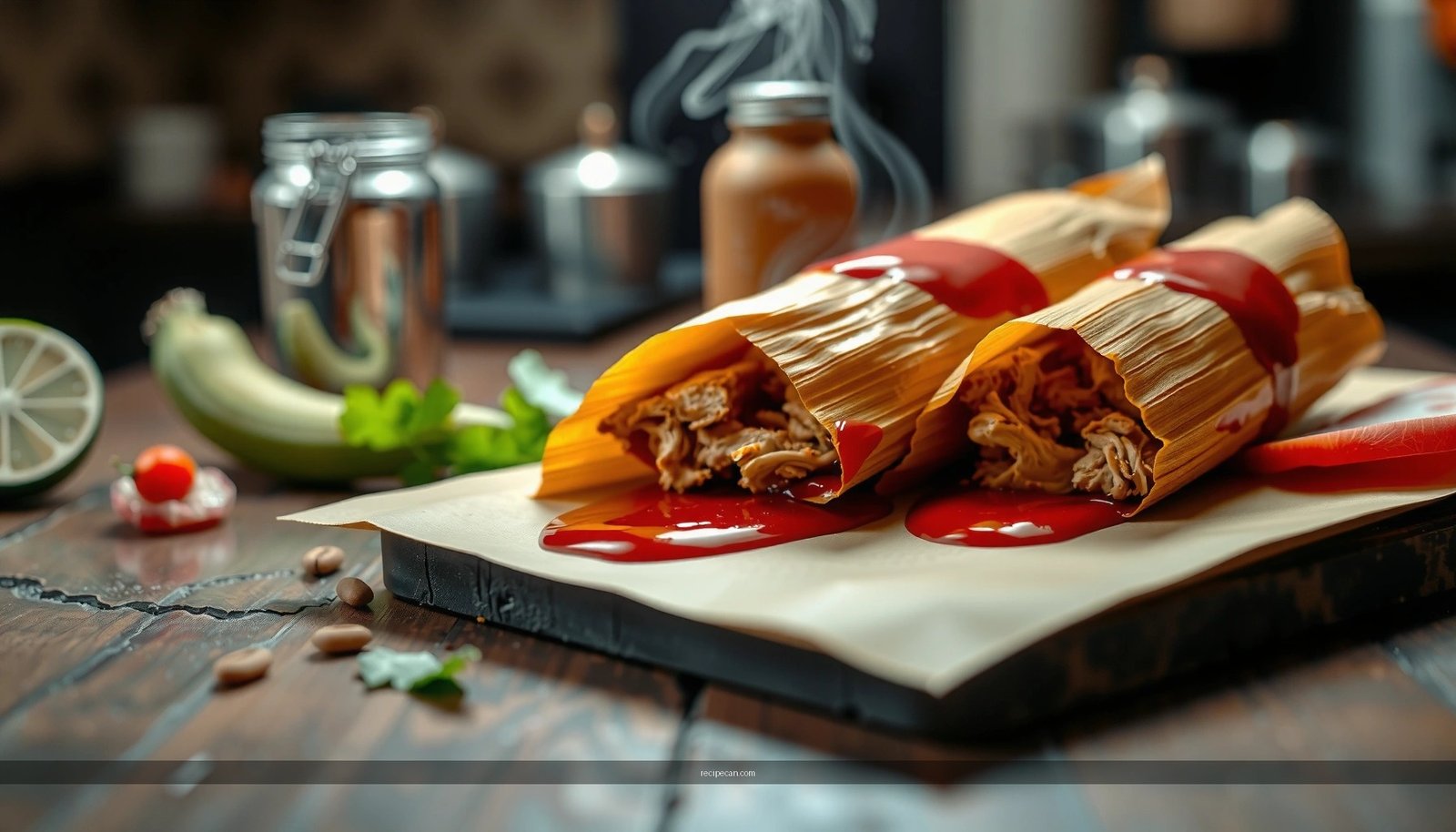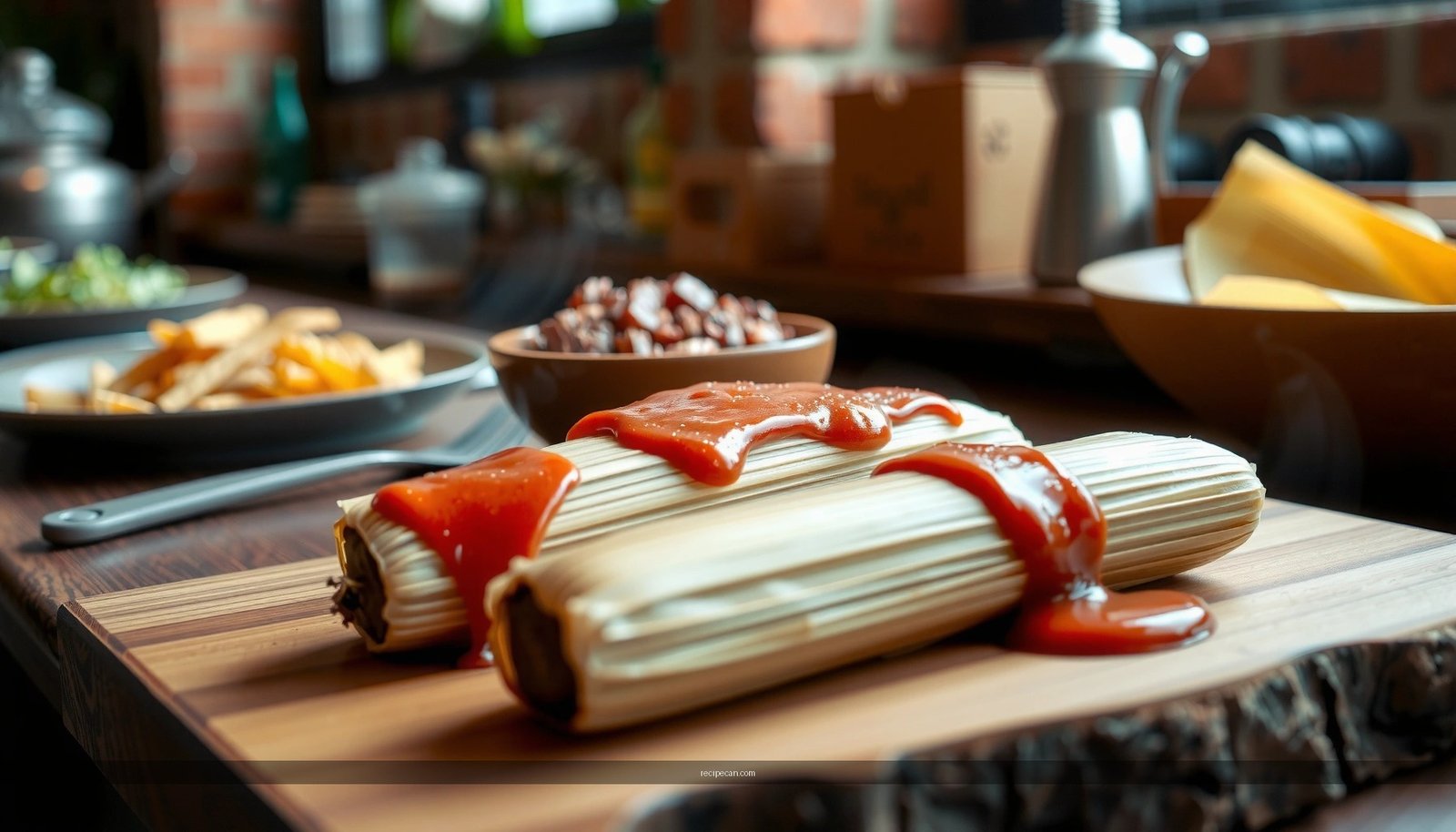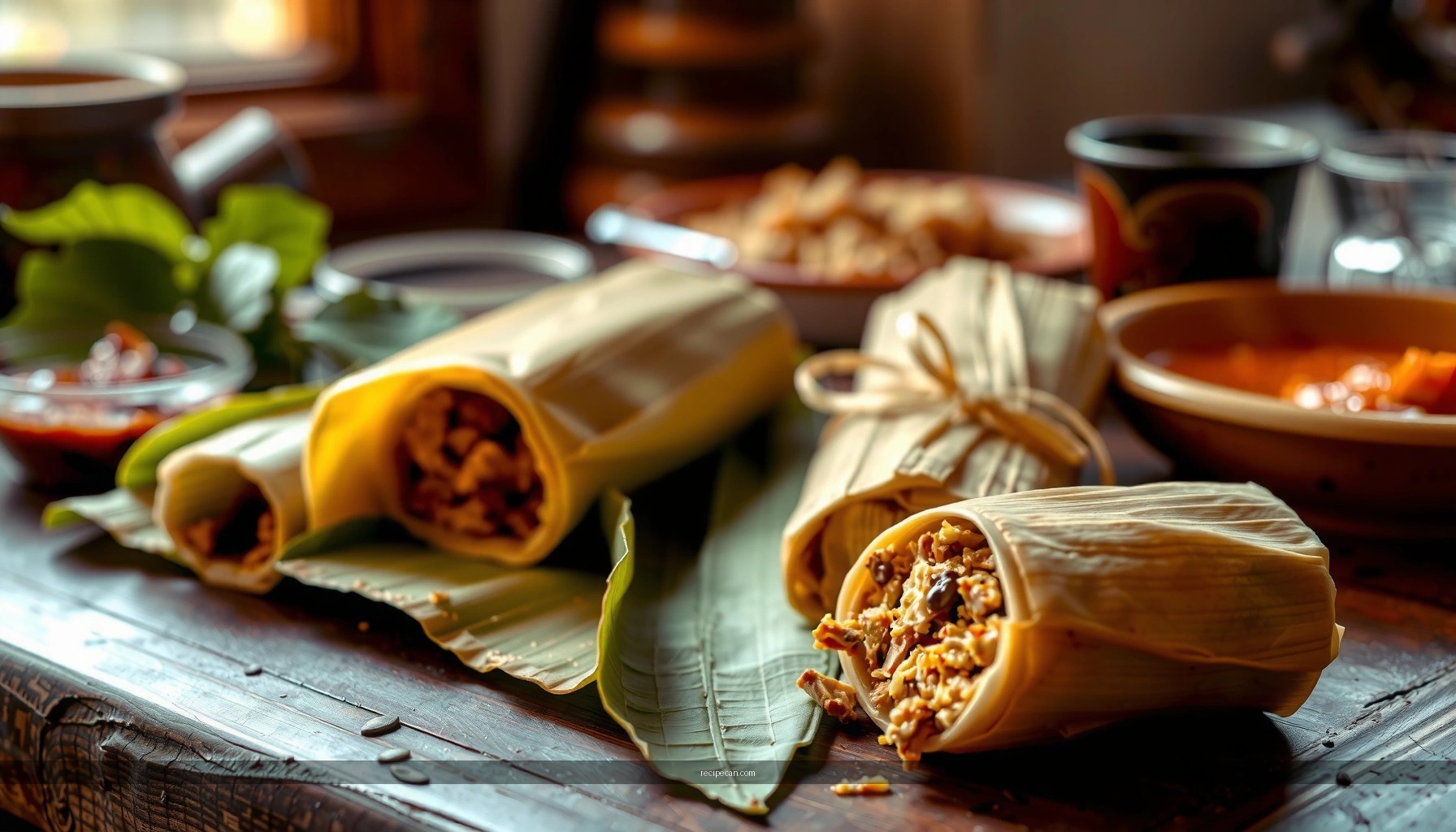
Get the best Mexican tamales recipe with pork that actually turns out tender masa and flavorful, spoonable filling the first time. This recipe gives you the exact steps for cooking the pork, mixing the chile sauce, and assembling and steaming tamales so they set cleanly without drying out. If you want pork tamales with real Mexican-style flavor and the right texture, this is the one to follow.
Make Mexican tamales with pork by building a tender, well-seasoned shredded-pork filling and a smooth masa dough, then steaming the wrapped tamales until the masa is fully cooked and easily releases from the husk. This recipe walks you through preparing the pork, seasoning the masa correctly, assembling for even steam coverage, and timing the steaming so you get the classic texture—soft, savory, and cohesive rather than gummy or dry.
Choose the Right Pork and Seasoning
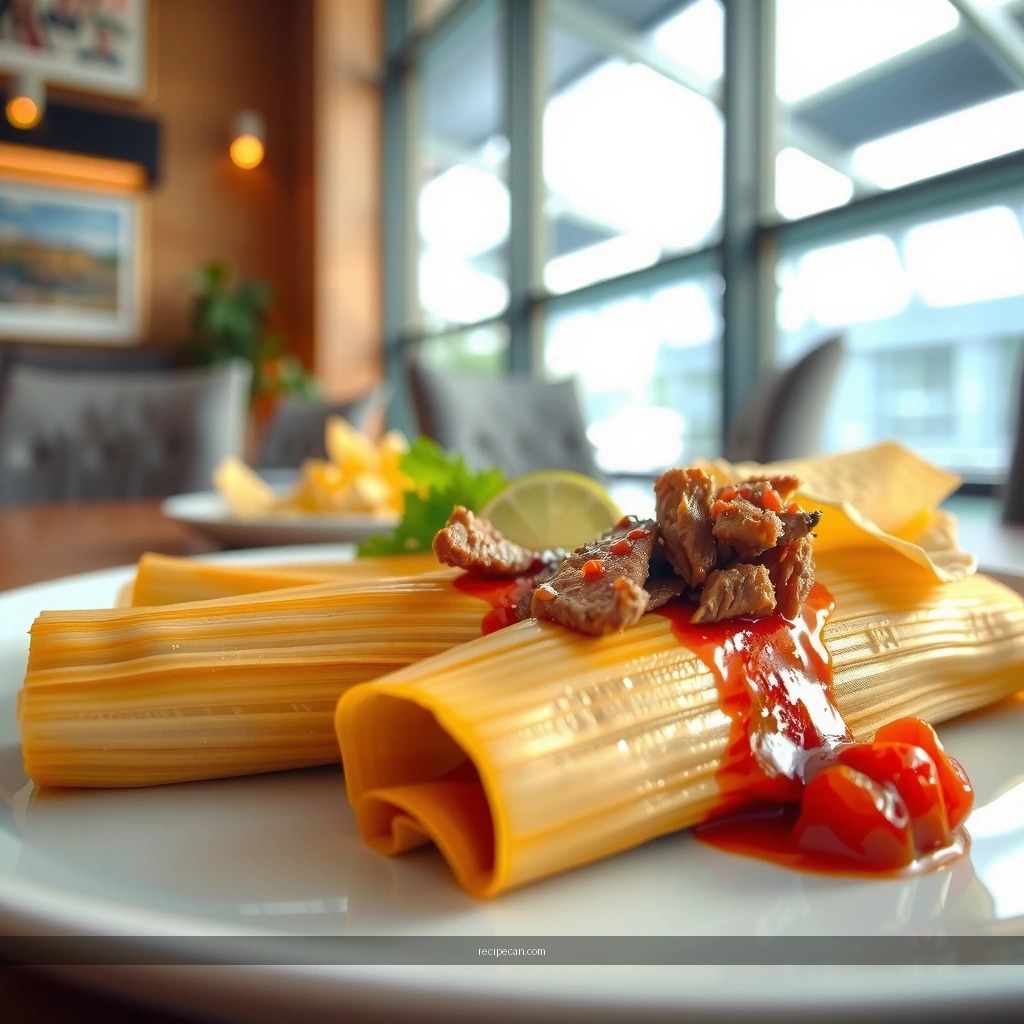
The foundation of great Mexican tamales with pork is choosing the right cut and then seasoning it in layers, not all at once. For the most tender results, aim for a cut with enough fat and connective tissue to break down during long cooking.
– Use pork shoulder or pork butt for the most tender, flavorful filling
– These cuts contain intramuscular fat and collagen that melt into the sauce, keeping the filling juicy even after shredding.
– If you substitute leaner pork (like tenderloin), you’ll often get a drier filling that can taste “stringy” rather than silky.
– Season with ingredients like chili, garlic, onion, and broth for depth
– Start with aromatics (garlic and onion) to build a savory base.
– Use dried chilies (commonly guajillo and/or ancho) or chili powder/ground chile for color and mild-to-medium heat.
– Add broth (chicken or pork) to create a braising environment so the pork remains moist and the sauce clings to the meat.
Practical seasoning insight: If you want restaurant-style tamales, prioritize balanced acidity and spice. Too much chili without depth can taste sharp; too much salt without body can taste flat. The goal is a filling that tastes good on its own—because it’s the main flavor in every bite.
Pork Cuts for Tamales: Yield, Fat, and Recommended Use
| # | Pork Cut | Typical Fat % | Best Tamale Use | Chef Rating |
|---|---|---|---|---|
| 1 | Pork Butt (Boston Butt) | ~18–22% | Classic shredded filling | ★★★★★ |
| 2 | Pork Shoulder (Bone-In/Out) | ~16–20% | Braising + tender shredding | ★★★★★ |
| 3 | Pork Picnic (Shoulder Section) | ~15–19% | Great value braise | ★★★★☆ |
| 4 | Pork Loin (Lean) | ~6–10% | Not ideal; may dry out | ★★☆☆☆ |
| 5 | Pork Tenderloin | ~4–8% | Quick-cook; needs extra fat | ★☆☆☆☆ |
| 6 | Pork Belly | ~25–33% | Rich but can be oily | ★★★☆☆ |
| 7 | Whole Shoulder Roast (with fat cap) | ~17–23% | Best balance of richness | ★★★★☆ |
Make the Pork Filling

A successful pork filling for tamales should be tender, shreddable, and saucy—not watery, not dry. The filling is what passengers in every tamale bite; it also determines whether the masa tastes balanced.
– Cook the pork until tender, then shred or chop for an even filling
– Braise pork shoulder in a chile-onion-garlic sauce until it becomes fork-tender.
– Shred with two forks (or chop) so the pork pieces distribute evenly—large chunks can cause uneven texture and inconsistent cooking inside the steamed tamale.
– Simmer the filling with sauce so it’s moist, not dry
– After the pork is tender, return shredded meat to the sauce and simmer briefly (10–20 minutes) to thicken.
– The goal is a filling that holds together when spooned, with glossy sauce coating the pork rather than pooling on the plate.
Actionable workflow:
1) Cook the pork until tender.
2) Shred it.
3) Simmer shredded pork in the sauce to adjust thickness and seasoning (salt and heat).
4) Let it cool so it spreads and wraps cleanly.
Flavor tuning tips:
– If it tastes flat, add a small amount of salt and simmer 3–5 minutes.
– If it tastes overly chili-forward, add a little broth or tomato-based element used in your sauce and balance with salt.
– If it’s greasy, skim excess fat before simmering the final 10–15 minutes.
Prepare the Masa Dough

Masa is the structural ingredient. Even if your pork filling is excellent, the tamales can fail if the masa is too stiff or too loose. You’re aiming for a dough that spreads easily and holds a clean shape when assembled.
– Mix masa harina with warm broth, fat (like lard), and salt for a smooth dough
– Masa harina hydrates and develops flavor as you mix; warm broth helps it come together faster and more evenly.
– Add fat (traditional lard is most common; high-quality vegetable shortening also works) to improve tenderness and steam texture.
– Salt is essential—undercooked masa is bland by nature, so correct seasoning matters.
– Check consistency: the masa should spread and hold shape when assembled
– Proper tamale masa often spreads with a spoon but doesn’t run like thin batter.
– A useful test: when you spread a thin layer on a husk, it should form a uniform sheet and not crack; when you stop spreading, the masa should settle into place without dripping.
Analytical consistency guide:
– Too thick → tamales can turn dense and may cook unevenly; masa may tear away from husks after steaming.
– Too thin → masa can leak during assembly or end up pasty; tamales may split or cook unevenly.
– Correct → masa feels pliable, smooth, and cohesive; it steams into a tender cake-like texture that releases from the husk.
Assemble the Tamales
Assembly is where consistency turns into quality. The wrap technique affects steam flow, which affects cook time, texture, and the “sliceable” integrity tamales are known for.
– Soak corn husks, then spread masa, add pork filling, and wrap tightly
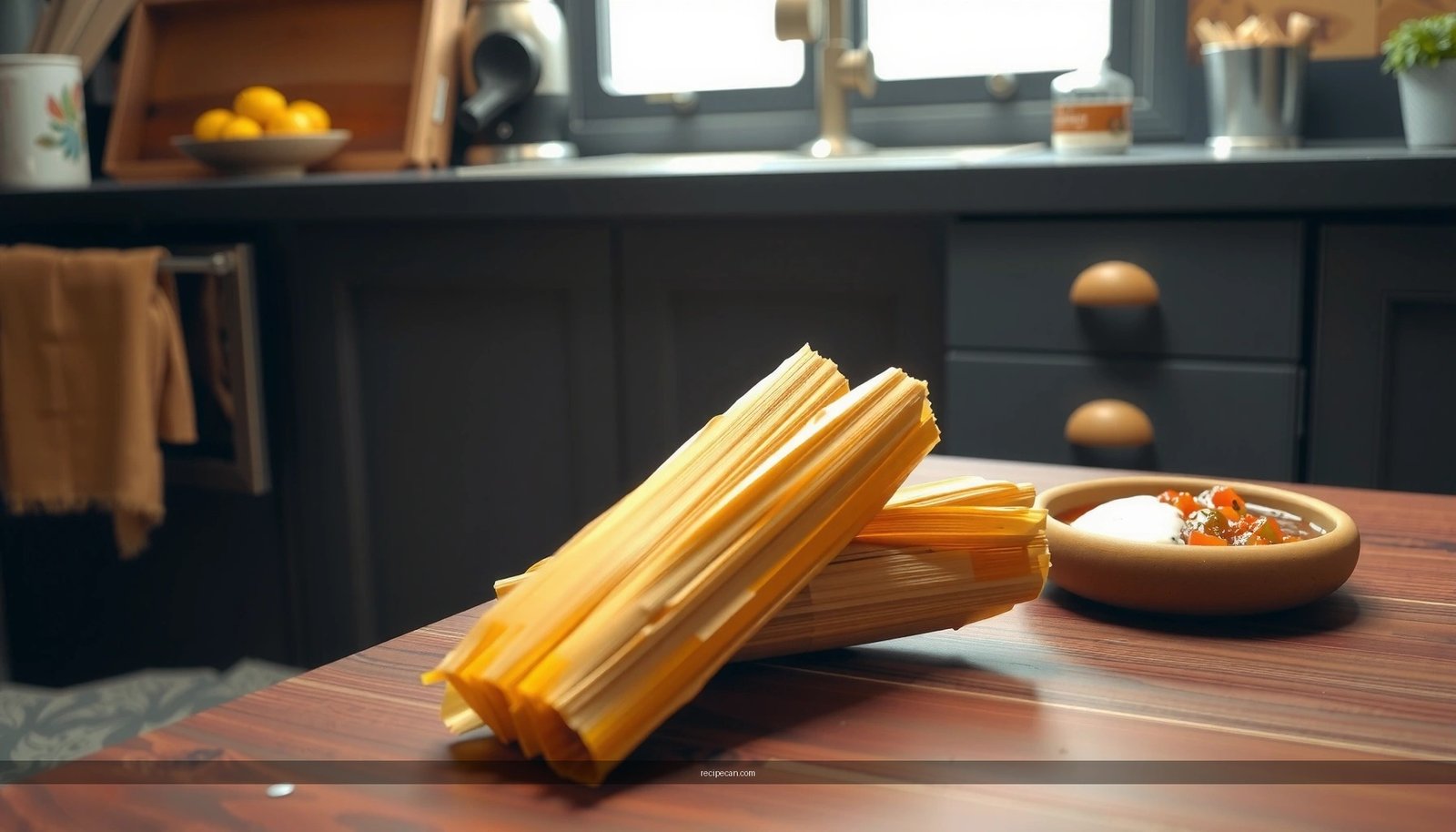
– Soak husks in hot water until pliable—usually 30–60 minutes depending on dryness.
– Keep husks drained and flexible. Wet enough to fold, not so wet that they become soggy.
– Spread masa in an even layer, leaving a margin at edges so the tamale seals cleanly.
– Fold and secure so the tamales steam evenly
– Place filling in the center; overfilling causes leakage and uneven cooking.
– Fold snugly to reduce air gaps; secure with strips if needed.
– If your tamales have specific shapes (upright or folded), maintain consistent orientation so steam reaches each one similarly.
Operational best practice: Assemble in a repeatable rhythm:
– Lay husk → spread masa → portion filling → fold → set upright in the steamer.
Doing it consistently improves both cook times and final texture.
Steam Until Perfectly Cooked
Steaming is the final transformation—turning masa harina into tender masa and setting the pork filling. Timing and arrangement are crucial; rushing is the most common reason masa ends up undercooked or sticky.
– Arrange tamales upright (or layered properly) to allow steam circulation
– Place tamales upright when your style allows, so steam rises evenly.
– Don’t overcrowd; enough spacing helps maintain a steady steam environment.
– Steam until the masa separates easily from the husk, then rest before serving
– Cook until the husk peels away cleanly from the masa. This “release” test is more reliable than guessing by time alone.
– After steaming, rest tamales 10–20 minutes. This lets steam dissipate slightly and the masa firm up for clean slices and better texture.
Time guidance (practical): Larger batches can require longer steaming due to temperature recovery inside the pot. Expect additional time when loading a cold steamer with many tamales at once. Plan for gradual heat-up: bring the steamer to a strong simmer first, then start steaming your full batch.
Serve and Store Your Tamales
Tamales are ideal for entertaining because they reheat beautifully. Serving and storage are part of the “quality system”: the right toppings and proper reheating preserve the steamed texture.
– Serve with salsa, crema, or your favorite toppings
– Classic pairings include red or green salsa, Mexican crema, crumbled queso fresco, and a squeeze of lime.
– If your filling is chile-forward, a cooling topping (crema or a mild salsa) helps balance the heat and enhances the pork’s savory notes.
– Refrigerate and reheat, or freeze for longer make-ahead meals
– Cool tamales completely before storing to avoid moisture condensation.
– Refrigerate in an airtight container; reheat gently to restore softness.
– Freeze for longer-term planning. Wrap individually if possible so you can thaw and reheat in portions.
Reheating strategy (best texture):
– For the closest result to fresh: re-steam until warmed through.
– If microwaving: use a damp paper towel and short bursts to prevent drying.
– If reheating from frozen: thaw partially first for more even warming.
After steaming, let your Mexican pork tamales rest briefly so the masa sets and slices cleanly. If you want the best results, follow the masa consistency tips and don’t rush the steaming time—then try reheating or freezing a batch for easy future meals. Make a full batch today and enjoy authentic, homemade tamales.
In summary, the most reliable Mexican tamales recipe with pork starts with a tender braised pork shoulder, builds a moist chile-based filling, and uses masa harina mixed to the correct spreadable consistency. Assemble tightly for even steam, steam until the masa releases from the husk, and rest before serving—then store or freeze so your homemade tamales stay flavorful and satisfying whenever you’re ready to enjoy them.
Frequently Asked Questions
What’s the best Mexican tamales recipe for pork tamales that turns out tender?
A great Mexican tamales recipe for pork focuses on well-cooked, seasoned pork and a masa that’s properly hydrated. For tender pork tamales, simmer the pork until it shreds easily, then mix it with sauce like red chile or green chile. Spread masa evenly and steam until the masa lifts cleanly from the husk, which usually indicates the pork tamales are fully cooked and tender.
How do I make pork tamales masa that doesn’t crack or turn out dry?
Use fresh or properly stored masa harina and add warm broth/stock gradually while mixing until the dough is soft and spreadable. If you’re using lard, beat it into the masa for a lighter texture that helps prevent cracking in Mexican tamales with pork. A quick test is the “float test”—if a small pinch of masa floats in water, it’s usually the right consistency for pork tamales.
Which chile sauce is best for pork tamales—red or green?
Both red and green chile work well for Mexican tamales recipe pork, and the “best” choice comes down to your flavor preference. Red chile (often dried guajillo/chile de árbol blended with broth) is deeper and smokier, while green chile (like tomatillo-based or chile verde) is tangier and brighter. Choose the sauce that matches your desired heat level and pair it with the pork cooking liquid so the filling stays moist.
Why do my pork tamales take too long to cook or end up underdone?
Pork tamales may be undercooked if the masa is too thick or the steamer doesn’t have enough consistent steam. Make sure you pack the masa and filling evenly, use a large enough pot, and keep water from boiling dry by adding more hot water as needed. After steaming, check doneness by pulling back a husk—if the masa clings or looks wet, it likely needs more time.
How do I steam Mexican tamales with pork so they reheat well and don’t get mushy?
Steam pork tamales in a single layer with enough water to generate steady steam, and don’t open the steamer repeatedly during cooking. Let them cool slightly before storing so the masa firms up, then reheat by steaming again briefly rather than microwaving for long periods. If you’re reheating Mexican tamales recipe pork, aim for just-warm-through—this preserves the masa texture and keeps the chile pork filling from turning dry or watery.
References
- https://scholar.google.com/scholar?q=Mexican+tamales+pork+recipe Google Scholar
https://scholar.google.com/scholar?q=Mexican+tamales+pork+recipe - Google Scholar Google Scholar
https://scholar.google.com/scholar?q=tamales+rojos+pork+traditional+preparation - Google Scholar Google Scholar
https://scholar.google.com/scholar?q=nixtamalization+masa+for+tamales+research - Tamale
https://en.wikipedia.org/wiki/Tamale - Mexican cuisine
https://en.wikipedia.org/wiki/Mexican_cuisine - Nixtamalization
https://en.wikipedia.org/wiki/Nixtamalization - Masa
https://en.wikipedia.org/wiki/Masa_harina - Manteca
https://en.wikipedia.org/wiki/Manteca - https://www.britannica.com/topic/tamale
https://www.britannica.com/topic/tamale - https://pubmed.ncbi.nlm.nih.gov/?term=tamales
https://pubmed.ncbi.nlm.nih.gov/?term=tamales