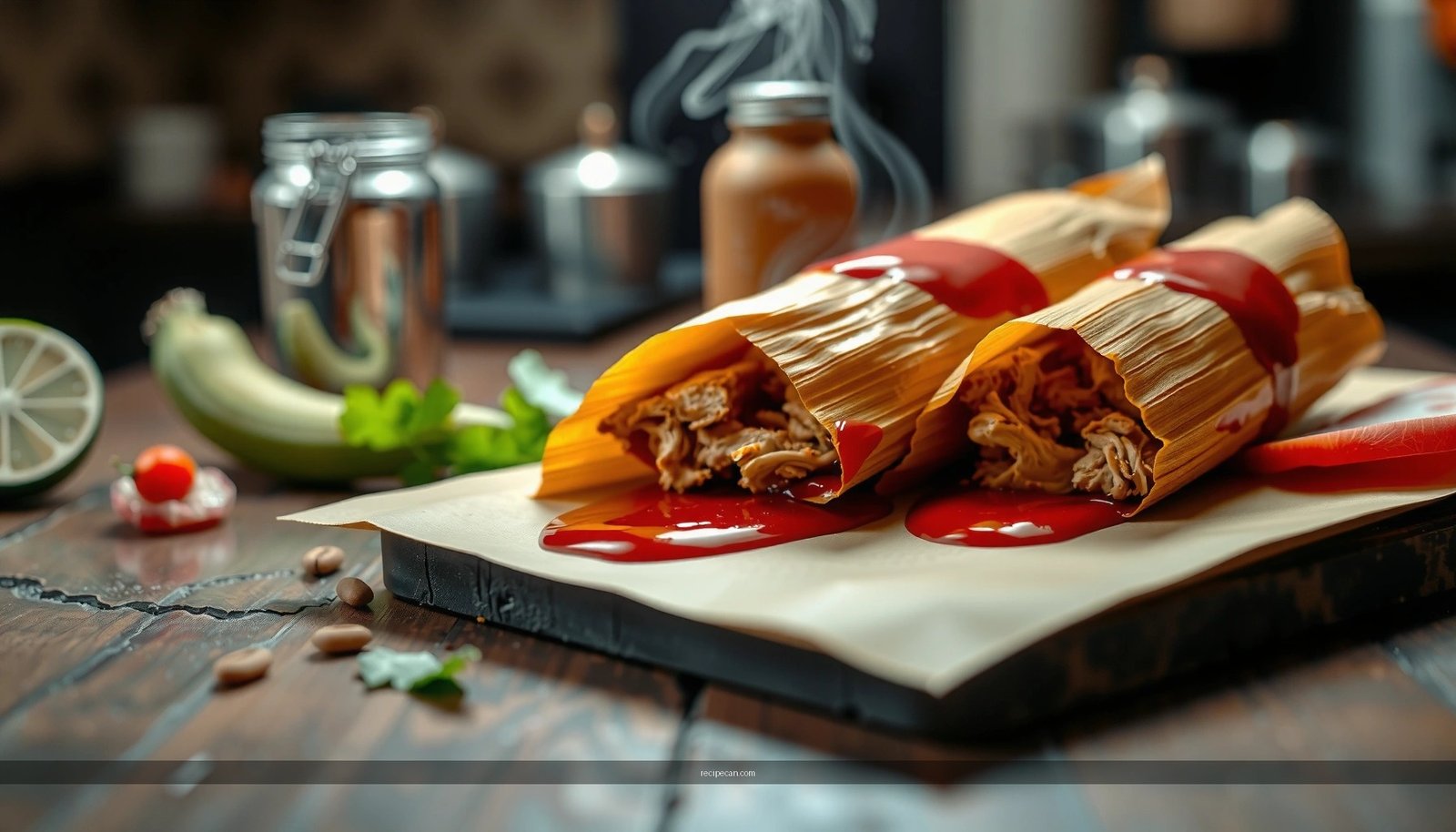
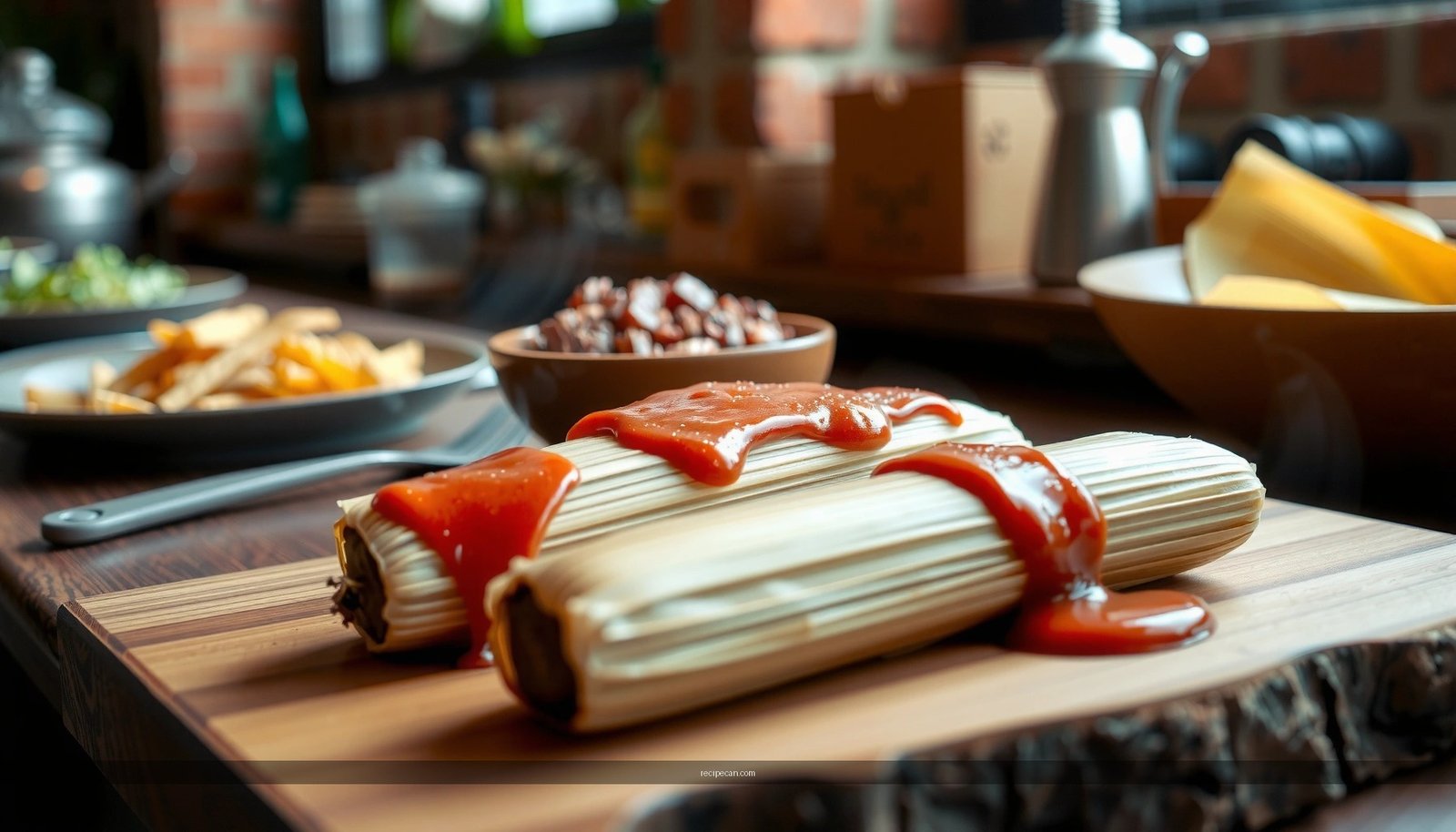
This Mexican tamales recipe shows you how to make classic tamales at home with reliable results—so you can skip guesswork and get tender masa and properly steamed filling every time. It answers the key question of what to do step by step, from soaking and preparing the corn husks to cooking the masa and assembling the tamales that actually hold their shape. Follow these directions and you’ll know exactly how to serve tamales that taste like they came from a traditional kitchen.
Mexican tamales are made by steaming tender, seasoned masa dough wrapped in corn husks and filled with savory ingredients—so the secret to success is getting the dough texture right and steaming consistently. In this classic tamales recipe, you’ll learn how to prepare flavorful masa, assemble evenly portioned tamales, and steam them until they hold their shape and taste authentic every time.
What You’ll Need for Mexican Tamales
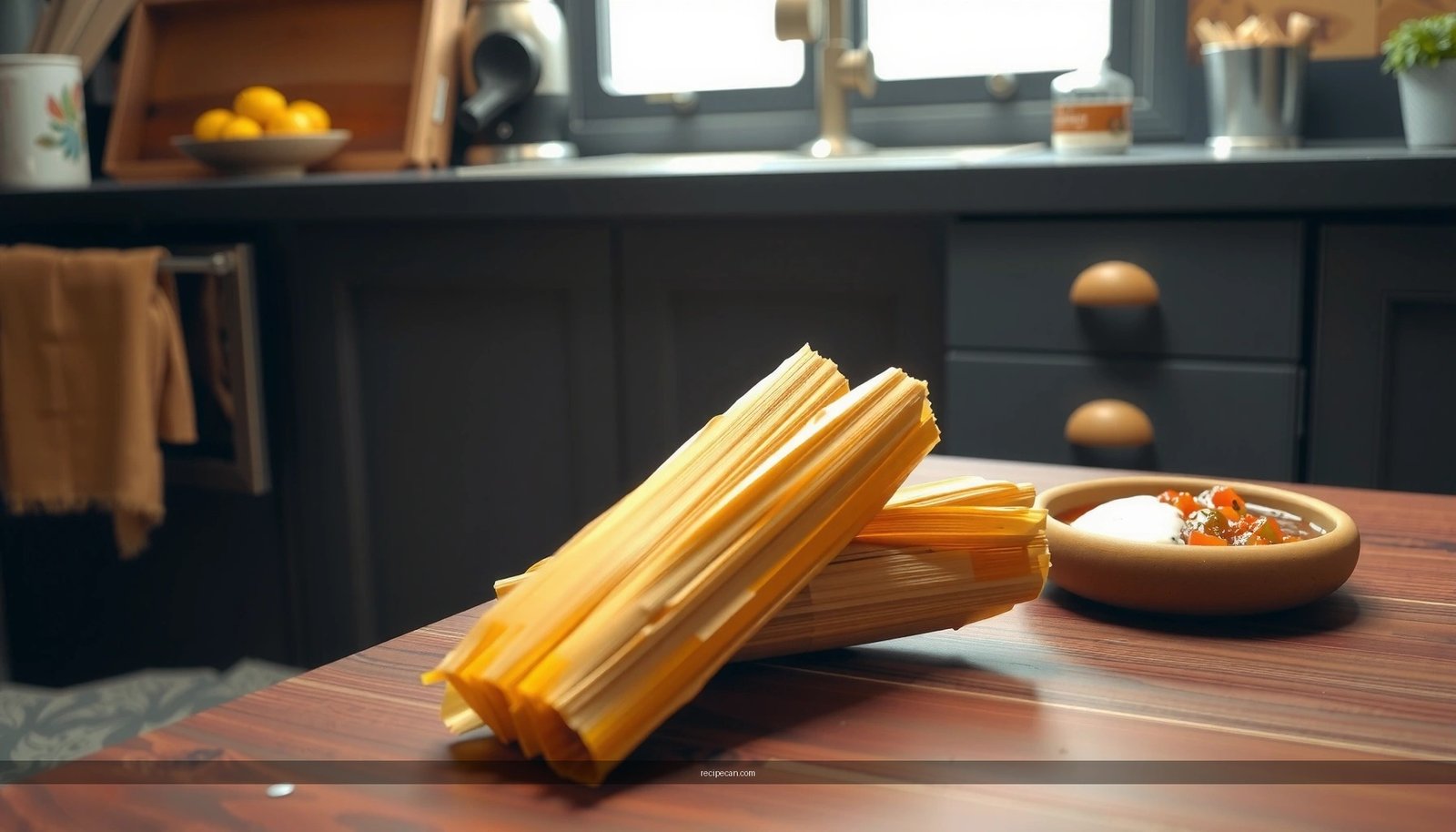
Mexican tamales are intentionally simple in concept—masa + filling + corn husk—but the details matter. Before you start, set up your station so assembling goes quickly and uniformly, which is critical for consistent steaming.
– Corn husks (fresh or dried): so tender, pliable wrappers steam well and release cleanly
– Masa harina (nixtamalized corn flour): the base of classic Mexican tamales
– Essential seasonings for the masa: typically salt, broth, and fat (lard or a high-quality vegetable shortening)
– Broth: chicken or pork broth boosts flavor without changing the traditional method
– Classic filling options (choose one):
– Pork in red chile sauce (most traditional and deeply flavorful)
– Shredded chicken in green chile (or salsa verde)
– Rajas poblanas (roasted poblano strips with cheese for a vegetarian-leaning classic)
Tamales efficiency check (so you don’t run out mid-assembly)
Steaming requires planning: if you’re making many batches, you’ll want a clear timeline for husk soaking, dough mixing, filling prep, and final steaming.
Classic Tamales: Steam-Time Targets by Tamale Size
| # | Tamale Size (approx.) | Typical Masa Thickness | Steam Time (min) | Doneness Cue | Quality Score |
|---|---|---|---|---|---|
| 1 | Small (6–7 in / 15–18 cm) | ~1/2 in | 60–75 | Masa feels firm; husk pulls cleanly | ★★★★☆ |
| 2 | Medium (7–8 in / 18–20 cm) | ~5/8 in | 75–90 | Edges set; center not wet or soft | ★★★★★ |
| 3 | Large (8–10 in / 20–25 cm) | ~3/4 in | 90–105 | Steady firmness; not doughy inside | ★★★★☆ |
| 4 | Extra Large (10–12 in / 25–30 cm) | ~7/8 in | 105–120 | Center fully set; husk releases | ★★★★☆ |
| 5 | Two-meat Mix (heavier filling) | ~5/8 in | 85–105 | No raw masa; juices don’t “wet” masa | ★★★★☆ |
| 6 | Rajas with Cheese (slightly softer) | ~5/8 in | 75–95 | Cheese melted; masa set without stickiness | ★★★★☆ |
| 7 | Very Wet Filling (thin salsa) | ~5/8 in | 90–110 | Extra time needed to dry masa surface | ★★★☆☆ |
Make the Masa (Tamale Dough)
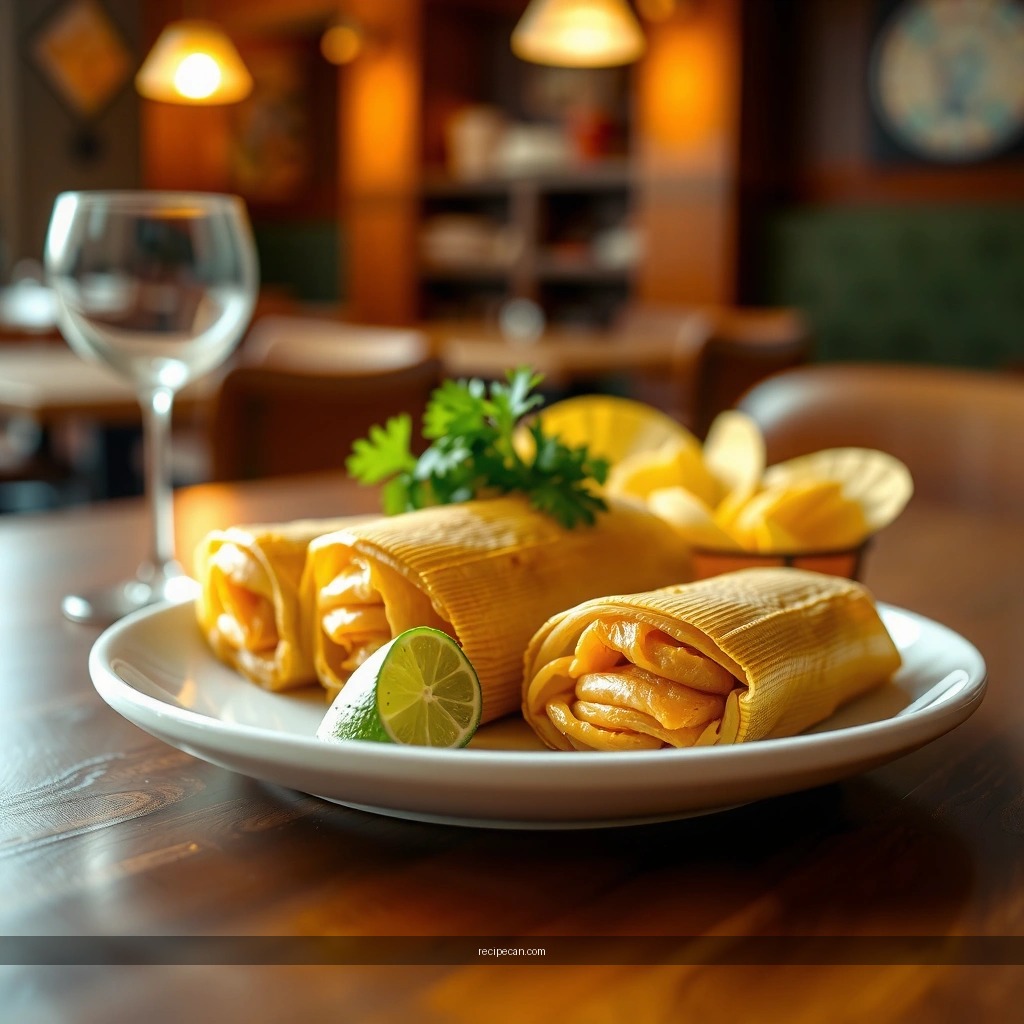
Classic tamales masa should be smooth, spreadable, and seasoned—not stiff, not watery. The goal is to create a dough that steams into a tender structure while keeping a clean bite.
1. Soak and soften corn husks first (if using dried):
– Soak in warm water 30–60 minutes until pliable.
– Drain well so excess water doesn’t interfere with assembly.
2. Mix masa harina with broth and fat:
– Use warm chicken or pork broth to help the dough hydrate evenly.
– Add lard or vegetable shortening for richness and a smoother texture.
3. Season aggressively (for tamales that taste finished):
– Salt is essential; under-seasoned masa tastes flat even if the filling is delicious.
– If you’re making red chile tamales, many cooks also incorporate a bit of chile flavor into the dough or rely on intensely seasoned filling—either approach can work, but keep taste balanced.
4. Check texture before assembling:
– Proper masa spreads easily and holds its shape on the husk.
– If it’s too dry and cracks, add more broth a tablespoon at a time.
– If it’s too loose, add a small amount of masa harina and re-mix.
The “float test” (practical guidance)
Some tamale cooks use a float test to assess hydration, but the more reliable business-like approach is texture: the masa should spread without running. That said, if you do float-testing, it’s best performed after thorough mixing and rest, since unevenly hydrated dough can mislead you.
Prepare the Filling
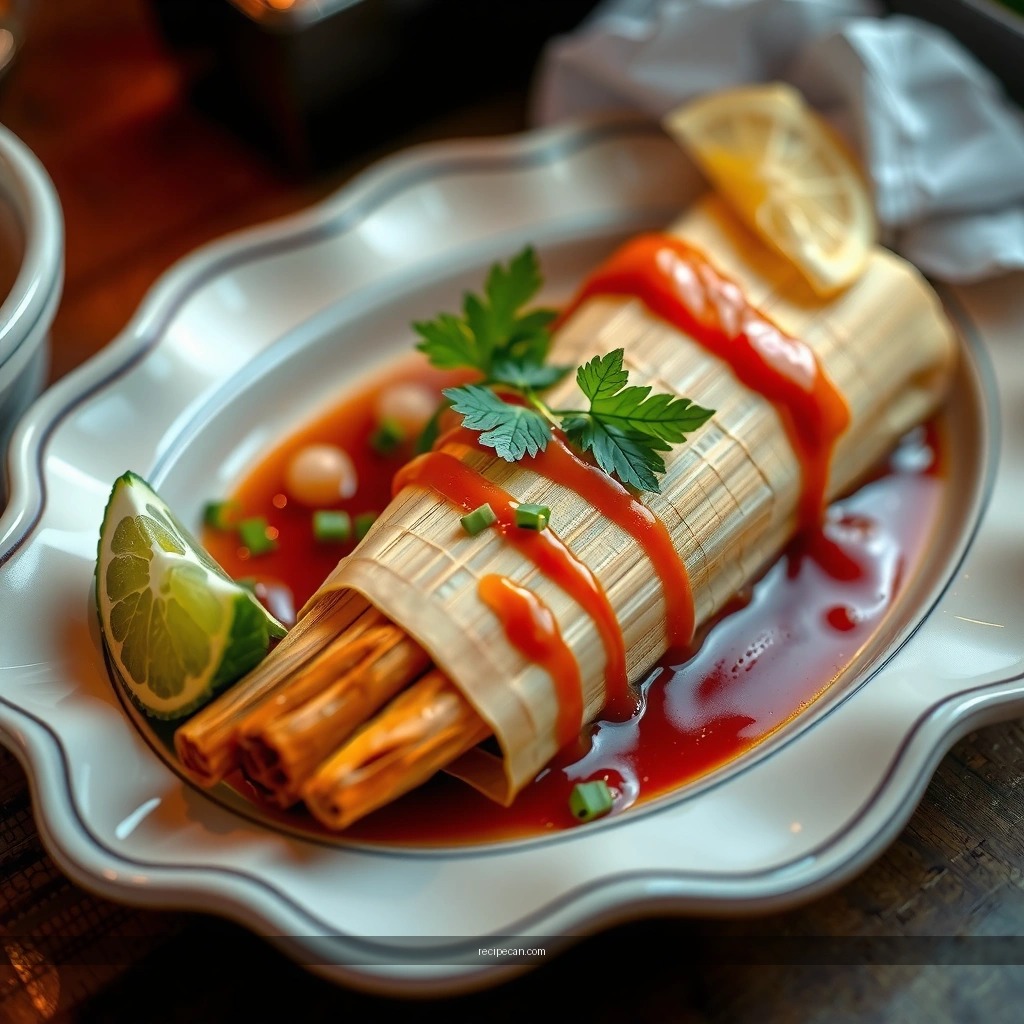
A great filling should be fully cooked and moist but not watery. For classic Mexican tamales, this typically means braised pork or shredded chicken with sauce.
Pork in red chile (classic and widely loved)
– Cook pork until tender, then shred finely.
– Blend or simmer red chile sauce with aromatics (garlic, onion, broth) until it thickens.
– Combine shredded pork with sauce, then cool so the mixture doesn’t steam the masa unevenly.
Shredded chicken in green chile
– Cook chicken until tender; shred well to avoid large chunks.
– Warm salsa verde (or blended green chile sauce) and simmer until balanced—neither thin nor overly oily.
– Mix chicken with sauce and adjust salt to taste.
Rajas poblano (vegetarian-style classic)
– Roast and slice poblanos; sauté with onion.
– Add a touch of seasoning and fold in cheese only when ready (so it melts without turning greasy).
Why filling thickness matters
If your filling is too watery, it can seep into masa during assembly and steaming. For consistently authentic tamales, aim for a filling that clings slightly to a spoon and has controlled moisture.
Assemble the Tamales
Assembly is where you create consistent cooking. Even if your masa and filling are excellent, uneven spreading leads to uneven steam, which can cause some tamales to dry out while others remain doughy.
1. Spread masa evenly:
– Use the back of a spoon to spread masa in a thin, consistent layer.
– Leave margins so the wrapper can fold without gaps.
2. Add filling strategically:
– Place a line of filling down the center.
– Don’t overfill; too much filling increases cook time and can break the structure.
3. Roll tightly and seal:
– Roll from one side to form a compact cylinder.
– Tie with kitchen string if your husks or style require it—particularly for thicker tamales.
4. Orientation for steaming:
– Set tamales upright in the steamer so steam circulates around them evenly.
Assembly speed tip
As a workflow practice, prepare all husks and keep filling at a workable temperature (room temperature is ideal). If the filling is too hot or too cold, it can change spreadability and lead to inconsistent sealing.
Steam the Tamales
Steaming is the final test of technique: steady heat, proper arrangement, and water management. Use a steamer with enough height so tamales aren’t sitting directly in water.
1. Set up the steamer safely:
– Add water below the rack level.
– Bring to a steady simmer before placing tamales inside (when possible).
2. Arrange tamales upright:
– Pack tightly but not so tightly they can’t hold shape.
– Cover with a lid that traps steam effectively.
3. Maintain water level throughout:
– Check periodically and add hot water as needed.
– Letting the pot go dry is a common reason for undercooked masa and patchy texture.
4. Steam until firm and cooked through:
– Doneness should show as a firm masa and clean release from the husk (for properly hydrated dough).
– If you’re unsure, steam longer in 10–15 minute increments rather than removing early.
Refer to the steam-time targets in the data table above to adjust based on tamale size and filling moisture.
Common steaming failure modes (and fixes)
– Masa still soft inside: likely under-steamed or too-thick masa layer → steam longer.
– Masa dry or cracking: likely over-steamed or too little fat → adjust next batch and steam in shorter intervals.
– Husks hard to unwrap: needs rest time and sometimes slightly more steam to set structure fully.
Serving and Storage Tips
Tamales are best served after a short rest. During resting, masa firms up slightly and moisture redistributes, making unwrapping cleaner.
Serving best practices
– Rest 15–25 minutes before opening.
– Serve with traditional accompaniments such as:
– Mexican crema and crumbled queso fresco
– Salsa roja or salsa verde
– Pickled onions for brightness and contrast
– Reheating works best when you keep tamales covered so they warm without drying.
Storage (refrigeration and freezing)
– Refrigerate tamales in an airtight container for up to 3–4 days.
– Freeze cooked tamales (wrapped individually) for up to 2–3 months for best quality.
Reheating without drying
– Steam or microwave with coverage:
– Steaming is most authentic—steam until warm throughout (often 10–20 minutes depending on size).
– Microwave works if you wrap in a damp paper towel and heat in shorter bursts, then let sit briefly.
Mexican Tamales Recipe success summary
Mexican tamales recipe success comes down to well-seasoned masa, a filling with controlled moisture, tight and even assembly, and steady steaming. If you follow these steps—hydrate and season the masa properly, cook and flavor your filling thoroughly, roll and seal consistently, and steam long enough for your size—you’ll get tender, authentic tamales you can confidently share or store for later.
If you want, tell me which filling you prefer (pork in red, chicken in green, or rajas), and I can tailor the seasoning and assembly amounts to match your exact batch size.
Frequently Asked Questions
How do I make Mexican tamales from scratch step by step?
Start by soaking corn husks in warm water until pliable, then prepare masa (corn dough) with lard or oil, baking powder, and salt. Cook or season your filling (such as shredded chicken in red chile sauce) before assembling. Spread masa thinly on the husk, add filling, fold, and steam until the masa pulls away from the husk and is fully set. Let them rest briefly before serving for the best Mexican tamales texture.
What is the best masa consistency for tamales?
The best masa for Mexican tamales should be smooth, spreadable, and hold its shape when you spread it on the husk. If it’s too dry, the masa cracks and tears; add a little warm broth (or water) gradually until it becomes easier to spread. If it’s too wet, the tamales may collapse while steaming, so add masa or a small amount of masa harina to correct the texture. For best results, aim for a creamy consistency that spreads evenly and cooks through without becoming gummy.
Which fillings work best for traditional Mexican tamales?
Traditional Mexican tamales are commonly filled with seasoned shredded chicken in red chile, pork in green chile, or sweet options like pineapple and cinnamon. You can also make tamales with beans, cheese, rajas (roasted peppers), or seafood depending on your region’s style. The key is to use a filling that isn’t overly watery, because excess liquid can make the masa steam unevenly. Choose fillings that are well-seasoned and thick enough to spoon neatly onto the masa.
Why are my tamales dry or tough after steaming?
Dry or tough Mexican tamales usually happen when the masa is overworked, the dough lacks enough fat, or the tamales steam too long or at too low a temperature. Another common issue is under-hydrated husks, which can cause uneven steaming and a dry texture. Make sure your steamer maintains consistent steam, and check doneness by testing if the masa pulls away from the husk. If your masa seems stiff, adjust with warm broth in small amounts rather than adding too much liquid at once.
How do I know when tamales are fully cooked and ready to eat?
Mexican tamales are done when the masa is firm, not wet or sticky in the center, and easily separates from the corn husk. You can also pull one tamale out and slice it slightly to confirm the masa looks set and the filling is heated through. Typically, tamales steam for about 1 to 2 hours depending on size and your steamer setup, so start checking around the 1-hour mark. Let them rest for 10–15 minutes before serving so the masa settles for cleaner slices.
References
- Tamale
https://en.wikipedia.org/wiki/Tamale - https://www.britannica.com/topic/tamale
https://www.britannica.com/topic/tamale - Masa
https://en.wikipedia.org/wiki/Masa_harina - Nixtamalization
https://en.wikipedia.org/wiki/Nixtamalization - ICH – UNESCO Intangible Cultural Heritage
https://ich.unesco.org/en/RL/mexican-cuisine-traditional-recipes-of-the-community-of-michoacan-00588 - Google Scholar Google Scholar
https://scholar.google.com/scholar?q=mexican+tamales+recipe - Google Scholar Google Scholar
https://scholar.google.com/scholar?q=traditional+tamales+masa+preparation+nixtamalization - https://pubmed.ncbi.nlm.nih.gov/?term=tamales+masa
https://pubmed.ncbi.nlm.nih.gov/?term=tamales+masa - tamales – Search Results – PMC
https://www.ncbi.nlm.nih.gov/pmc/?term=tamales - nixtamalization masa corn dough – Search Results – PMC
https://www.ncbi.nlm.nih.gov/pmc/?term=nixtamalization+masa+corn+dough