Want the best tiramisu alcohol recipe for actually tasting the booze without ruining the dessert? If you want a clear, reliable winner, use marsala wine for a traditional, rich flavor—or amaretto if you’re aiming for a sweeter, more punchy kick. This guide shows exactly how much to add and when, so every spoonful stays creamy, coffee-forward, and properly balanced.
You can make a classic tiramisu alcohol recipe by pairing the right spirit with your coffee base and using a light, controlled soak so the ladyfingers stay creamy instead of soggy. The key is matching the alcohol’s flavor intensity to mascarpone sweetness—then chilling long enough for the flavors to meld.
Choose the Best Alcohol for Tiramisu
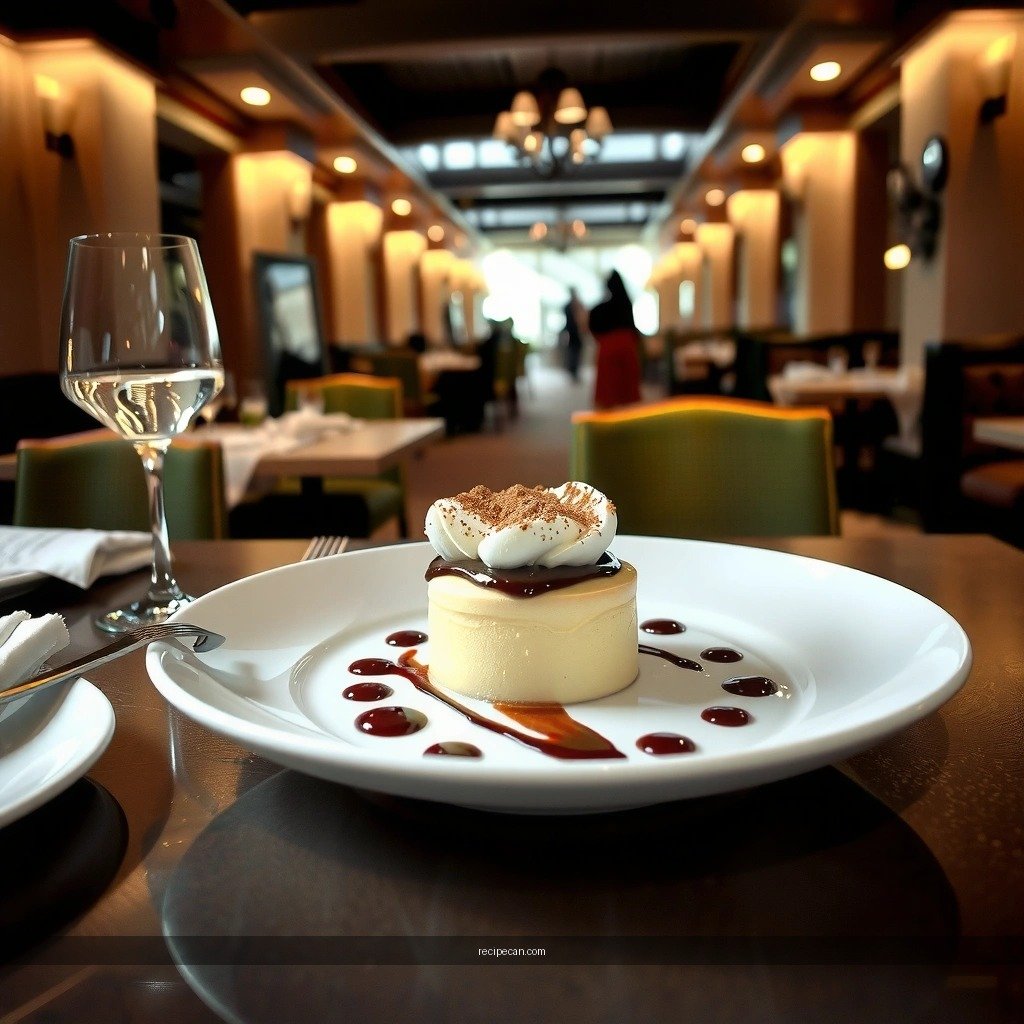
A successful tiramisu with alcohol isn’t about “adding as much booze as possible.” It’s about using alcohol as a flavor carrier that complements coffee, cocoa, and creamy mascarpone. Different spirits change the dessert’s aromatic profile—some amplify espresso bitterness, while others broaden sweetness and warmth.
Here are the most reliable options, including what they contribute to the final taste:
– Use espresso liqueur or Marsala for the most traditional flavor.
– Espresso liqueur (often blends coffee notes with vanilla and caramel-like sweetness) strengthens tiramisu’s signature coffee aroma without making it taste harsh.
– Marsala (especially dry Marsala) leans into classic Italian baking heritage. It adds a raisin-walnut depth and a subtle fortified-wine tang that balances creamy mascarpone.
– Rum or Amaretto works well if you want deeper sweetness and warmth.
– Dark rum brings molasses-like richness and a toasted warmth that pairs well with cocoa. Use it carefully: it can dominate if you over-soak.
– Amaretto introduces almond-like sweetness and perfume. This is a great route if your coffee is mild or if you prefer a sweeter, rounder tiramisu profile.
– Aim for a spirit you enjoy sipping—tiramisu amplifies its character.
Even though the alcohol is diluted by espresso/coffee and spread across layers, its “signature” still comes through. If the spirit tastes flat or overly sweet straight from the bottle, that will show up in your tiramisu.
To make the choice more analytical, use this quick reference to compare common tiramisu alcohol options by flavor direction and risk level (how easily they can overpower mascarpone).
Booze Pairings for Coffee & Cocoa (Flavor Match vs. Overpower Risk)
| # | Alcohol (Tiramisu Use) | Best Flavor Role | Typical Crowd Appeal | Overpower Risk | Recommended Strength |
|---|---|---|---|---|---|
| 1 | Espresso Liqueur | Coffee + vanilla sweetness | ★ 4.8 / 5 | Low | Medium |
| 2 | Marsala (dry) | Fortified wine depth | ★ 4.6 / 5 | Low–Medium | Medium |
| 3 | Amaretto | Almond perfume + sweetness | ★ 4.3 / 5 | Medium | Low–Medium |
| 4 | Dark Rum | Molasses warmth + cocoa lift | ★ 4.4 / 5 | Medium–High | Low |
| 5 | Kahlúa-style coffee liqueur | Coffee depth + caramel notes | ★ 4.5 / 5 | Low–Medium | Medium |
| 6 | Bourbon (small amount) | Vanilla-oak structure | ★ 4.1 / 5 | High | Very low |
| 7 | Amaro (e.g., espresso bitters) | Bitter-sweet herbal complexity | ★ 4.2 / 5 | Medium | Low–Medium |
Use this logic: the more intense and high-proof the spirit, the more you should treat it as an accent rather than a soak-dominant ingredient.
How Much Alcohol to Use (Perfect Soak Ratio)
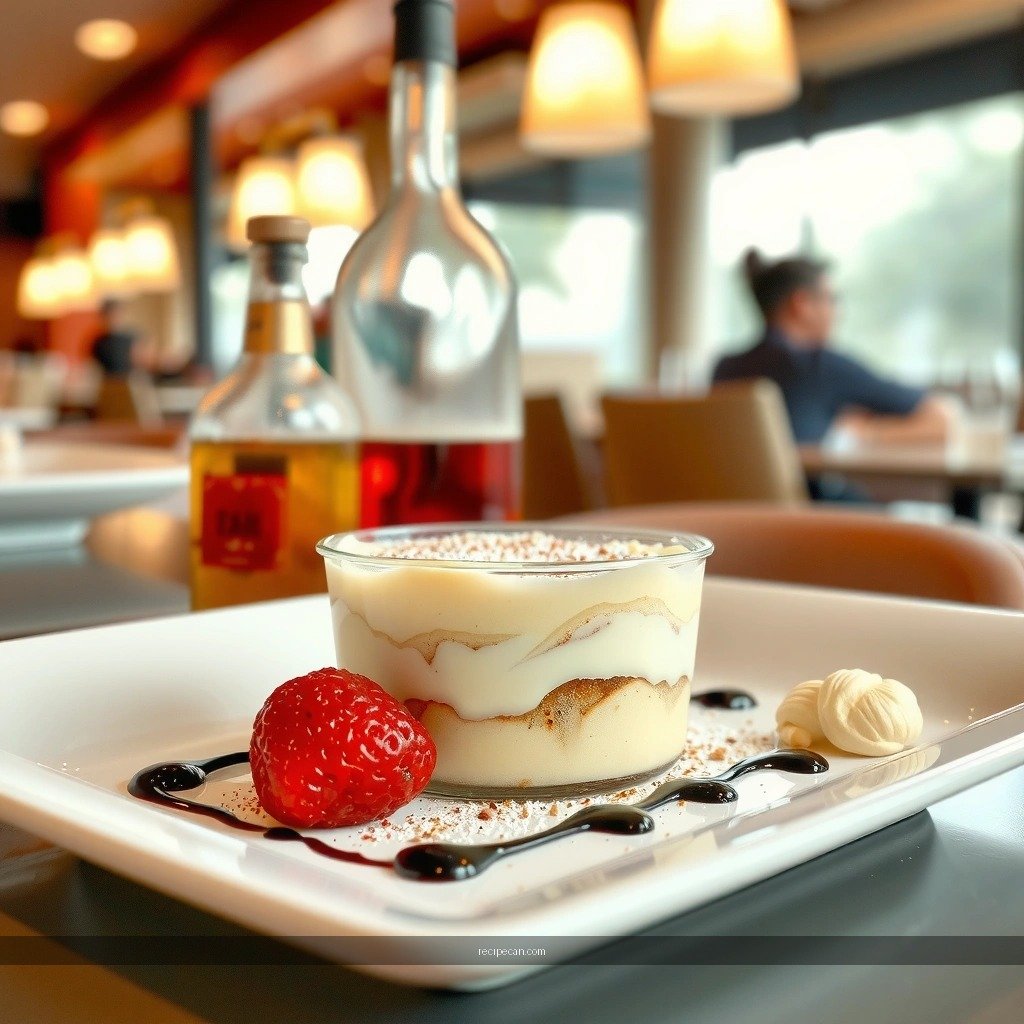
The correct tiramisu alcohol recipe depends on two variables: how absorbent your ladyfingers are and how sweet/strong your chosen spirit is. A practical starting point is to measure by volume relative to your coffee/espresso base.
– Start with 2–3 tablespoons per batch to avoid overpowering the mascarpone.
For most standard homemade tiramisu batches (commonly an 8×8-inch / ~20×20 cm dish or comparable volume), 2 tablespoons is the conservative “safe” start. 3 tablespoons is flavorful but still manageable if you keep the dip brief.
– Dip ladyfingers briefly (1–2 seconds each side) for the right texture.
Over-soaked ladyfingers can break down and weep, which turns the dessert watery rather than creamy. A fast dip is enough to deliver aroma and moisture while keeping structure.
– If using stronger spirits, reduce the amount or dilute slightly.
High-proof spirits (like bourbon or very dry amaros) can read as “hot” even after chilling. Dilute your alcohol into the coffee base so it integrates and softens.
A useful quality-control method: after mixing your coffee/espresso and alcohol, taste it. If the drink tastes slightly sweeter than you’d like, that’s ideal—because mascarpone and cocoa will balance it. If it tastes aggressively sweet or boozy, reduce the alcohol before dipping.
Step-by-Step Tiramisu Alcohol Recipe
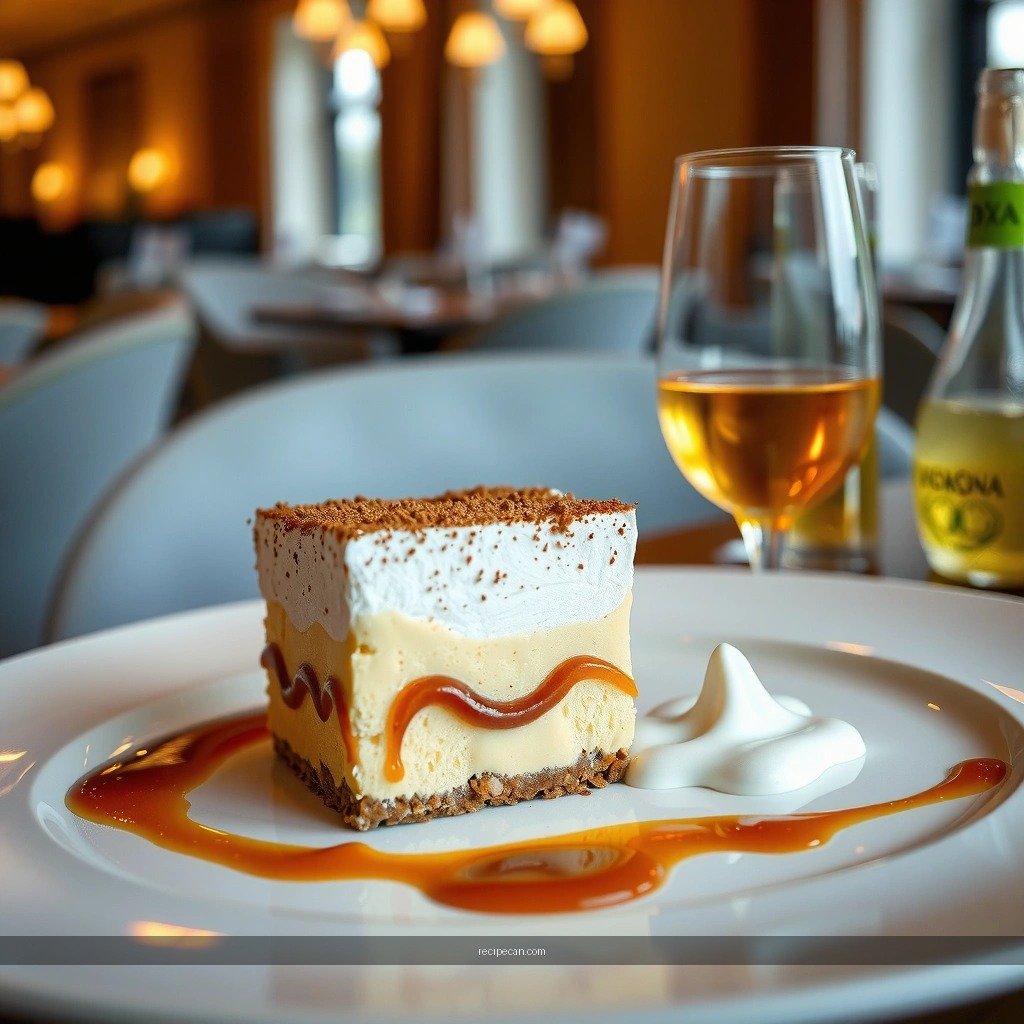
Below is a clear, repeatable process designed specifically for incorporating alcohol without compromising cream texture.
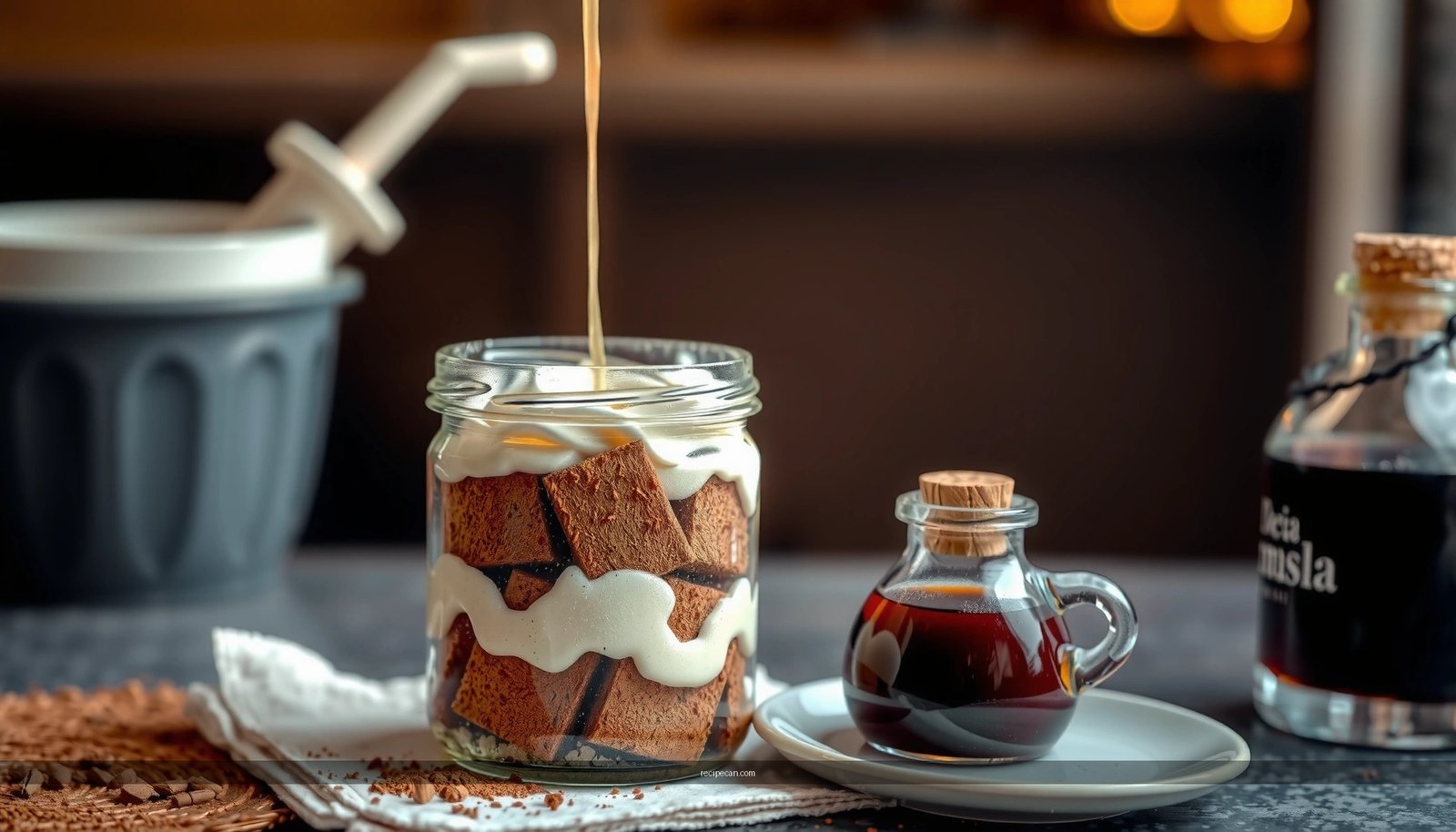
– Brew strong espresso (or coffee) and mix in your chosen alcohol.
Use espresso for the most consistent bitterness and body. Let it cool slightly so it’s warm, not scorching. Then stir in your measured tiramisu alcohol (e.g., espresso liqueur, Marsala, rum, or Amaretto).
Tip: For a more controlled soak, mix alcohol into the coffee first rather than drizzling later.
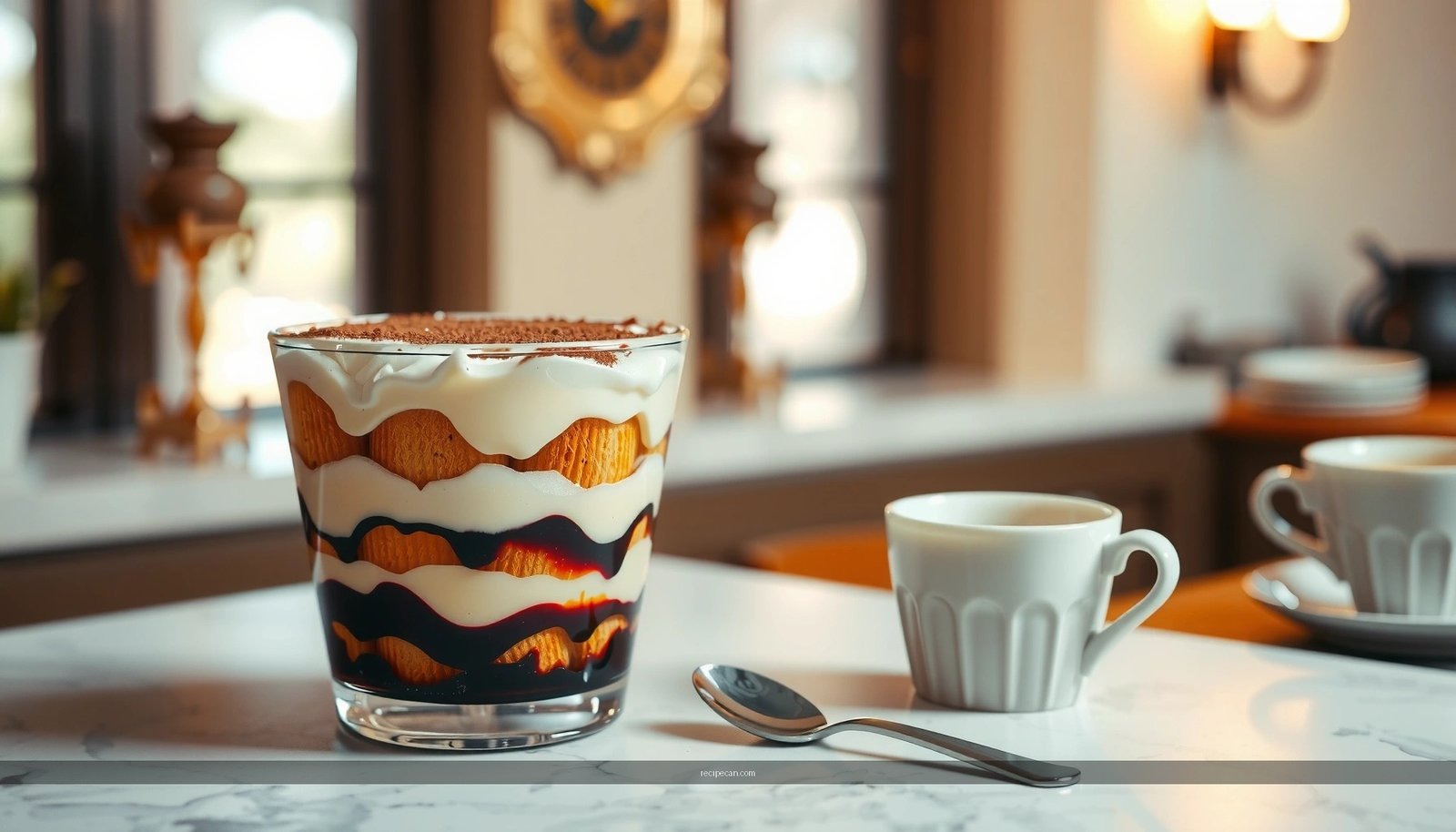
– Layer soaked ladyfingers, mascarpone cream, and cocoa, repeating as needed.
Working one ladyfinger at a time, dip 1–2 seconds per side. Place immediately in your dish. Add a layer of mascarpone cream (made with sweetened mascarpone and gently folded whipped elements). Finish with a light cocoa dusting. Repeat until the dish is filled.
– Chill at least 4 hours (overnight is best) to let flavors meld.
The alcohol’s aroma disperses during chilling, while the ladyfingers gradually soften. Overnight gives the cleanest integration, particularly when using liqueurs with vanilla/caramel or fortified notes like Marsala.
For best results, keep the assembly workflow cold and efficient: mascarpone is sensitive to heat, and warm handling can deflate whipped cream.
Best Cream and Flavor Balance Tips
Alcohol doesn’t just add taste—it can shift how your mascarpone sweetness reads. The goal is balance: creamy, not syrupy; aromatic, not sharp.
– Sweeten mascarpone carefully so alcohol doesn’t push it too far.
Many coffee liqueurs and Amaretto are already sweet. If you add sugar to mascarpone at the same time, you risk a “dessert-like dessert” that tastes heavy rather than elegant. When using sweeter spirits, reduce added sugar in the cream.
– Add vanilla or a pinch of salt to sharpen the overall flavor.
Vanilla rounds the aroma and helps espresso notes feel fuller. A small pinch of salt can make cocoa taste more “chocolatey” rather than merely bitter.
– Fold gently to keep the cream smooth and fluffy.
Stirring aggressively overworks air bubbles and can cause a grainy or dense texture. Fold until uniform, then assemble right away.
Analytical balance example:
If your alcohol is espresso liqueur, the cream should remain lightly sweet to let the coffee aroma stand out. If your alcohol is dark rum, slightly less sugar plus a little salt can prevent the dessert from tasting like boozy chocolate syrup.
Cocoa, Coffee, and Presentation Notes
Your tiramisu alcohol recipe deserves a strong sensory finish—coffee strength and cocoa timing are the two most common “presentation” levers.
– Dust cocoa right before serving for the freshest look and taste.
Cocoa absorbs moisture over time, which dulls both appearance and flavor intensity. For the cleanest top layer, dust near serving (or even right before you plate portions).
– Use freshly ground coffee or strong espresso to support the alcohol.
Stale coffee tastes flat and can make alcohol notes seem harsher. Fresh espresso provides the bitter backbone that helps the dessert taste structured, not merely sweet and boozy.
– For extra flair, garnish with cocoa and a few chocolate shavings.
Chocolate shavings add visual richness and a subtle texture contrast. Keep garnishes minimal so they don’t interfere with the creamy bite.
A small professional plating technique: wipe the rim of your spoon or spatula after layering cream so cocoa dust looks crisp instead of smeared.
Make-Ahead, Storage, and Serving Guidance
Tiramisu is inherently a make-ahead dessert because chilling is part of the chemistry. Alcohol and coffee integrate as the layers hydrate and set.
– Refrigerate covered and consume within 2–3 days for best quality.
The first day is usually peak texture. After that, the ladyfingers continue to soften, and the dessert can become slightly looser.
– Keep tiramisu cold to maintain its creamy structure.
Temperature swings can soften structure. Serve straight from the refrigerator and avoid leaving it out for extended periods.
– Serve chilled and let it sit 5 minutes for optimal flavor.
A short rest lets flavors open up without allowing the cream to collapse. If you’re serving at an event, portion and chill until close to serving time.
—
Tiramisu alcohol recipe success comes down to choosing a spirit that complements espresso and cocoa, using a light soak so ladyfingers stay creamy, and chilling long enough for flavors to blend. Pick your alcohol, follow the layering and timing steps, and taste as you go—then make it once and adjust next time. Try this recipe today and share your favorite spirit choice!
Frequently Asked Questions
What alcohol is best for a tiramisu alcohol recipe?
Common best choices are espresso liqueur (like Kahlúa) and dark rum, because they pair naturally with coffee and mascarpone. Some recipes also use Marsala wine for a more classic Italian-style flavor. If you want something less sweet, try using a smaller amount of rum or a dry Marsala instead of a very syrupy liqueur.
How do you add alcohol to tiramisu without making it too boozy?
Start with a small amount—about 1 to 2 tablespoons per layer of ladyfingers—and taste the soaking liquid before assembling. Use espresso liqueur or rum diluted with cold espresso or coffee so the alcohol is evenly distributed, not concentrated. Let the tiramisu rest in the fridge for at least 4–6 hours to mellow the flavor, and add more alcohol only if needed.
Why does tiramisu alcohol recipe sometimes taste bitter or overpowering?
Over-soaking ladyfingers can intensify bitterness, especially if the coffee or espresso is strong and the alcohol amount is high. Very dark liqueurs or high-proof rum can also dominate the mascarpone and create a harsh finish. To avoid this, balance the alcohol with enough coffee base and keep the total alcohol modest, then chill thoroughly to smooth the flavors.
Which alcohol works best for a non-rum tiramisu alcohol recipe?
If you want a non-rum option, espresso liqueur (Kahlúa-style) is the most popular substitute because it reinforces the coffee notes. Marsala wine is another excellent choice for a more traditional, slightly nutty profile. For a lighter taste, you can use a small splash of brandy or strong coffee plus a minimal amount of liqueur to get flavor without overpowering the cream.
How much alcohol should you use in a classic tiramisu alcohol recipe for 8–10 servings?
A practical guideline is 1/4 cup (about 60 ml) total alcohol in the soaking mixture for an 8–10 serving tiramisu, split between coffee and alcohol to keep it balanced. For example, you might use 2–4 tablespoons per batch of espresso-soak liquid, depending on the strength of your coffee and the sweetness of the liqueur. If you’re aiming for a more subtle tiramisu alcohol recipe, reduce it to 2 tablespoons of liqueur or rum and increase the coffee slightly for the same flavor lift.
References
- https://en.wikipedia.org/wiki/Tiramisu
https://en.wikipedia.org/wiki/Tiramisu - https://www.brittanica.com/topic/tiramisu
https://www.brittanica.com/topic/tiramisu - https://www.theguardian.com/food/series/the-ultimate-guide-to-tiramisu
https://www.theguardian.com/food/series/the-ultimate-guide-to-tiramisu - https://cooking.nytimes.com/recipes/101910-tiramisu
https://cooking.nytimes.com/recipes/101910-tiramisu - Marsala
https://en.wikipedia.org/wiki/Marsala - Mascarpone
https://en.wikipedia.org/wiki/Mascarpone - Google Scholar Google Scholar
https://scholar.google.com/scholar?q=tiramisu+marsala+alcohol+recipe - Google Scholar Google Scholar
https://scholar.google.com/scholar?q=tiramisu+alcohol+rum+coffee+mascarpone+egg+recipe - Google Scholar Google Scholar
https://scholar.google.com/scholar?q=effect+of+alcohol+in+desserts+tiramis%C3%B9+Marsala+kahlua - Google Scholar Google Scholar
https://scholar.google.com/scholar?q=tiramisu+alcohol+recipe