
You’ll be able to make a rich, tangy low-sodium BBQ sauce at home that delivers classic smoky flavor without relying on high-sodium bottled options. This easy recipe balances tomato, vinegar, sweetener, and seasonings so you can control the sodium while keeping the sauce thick, pourable, and versatile for grilling or baking. Follow the straightforward steps to get a result you can customize to your taste.
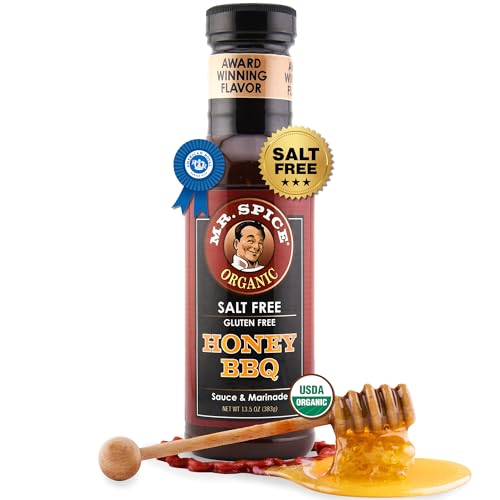


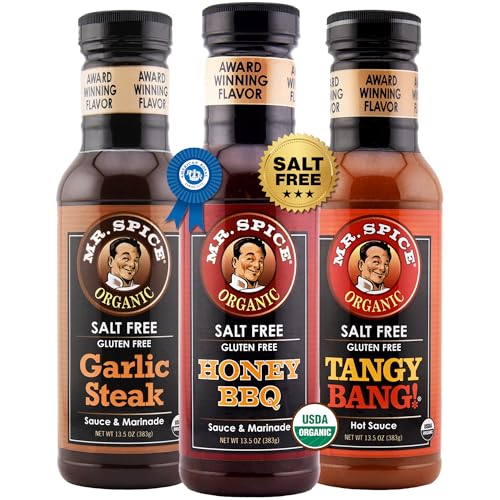
If you want classic tangy, smoky-sweet BBQ flavor with less salt, make this sauce by simmering a low-sodium tomato base with vinegar, a small amount of sweetener, and spices until it becomes brushable. The key is choosing lower-sodium ketchup or no-salt-added tomato products, then building “BBQ depth” with smoke-style spices and aromatics instead of relying on salty add-ins.
This approach works because BBQ flavor is mostly tomato, acid, sweetness, and spices—salt is only one contributor. As of 2026, more people are cooking at home for both taste control and nutrition transparency, and a homemade low-sodium BBQ sauce is one of the simplest places to do it.
Who this is for / when it applies

This recipe is ideal if you’re cutting back for blood pressure, heart health, kidney-related limits, or you simply prefer food that doesn’t taste overly salty. It’s also helpful when you’ve ever looked at a bottled “low sodium” BBQ sauce and still felt like it tasted either bland or surprisingly salty. With a homemade sauce, you control the ingredients that drive sodium—especially ketchup/tomato products and any umami boosters.
Why “low sodium” BBQ sauce takes ingredient swaps

A low-sodium BBQ sauce is less about “removing salt everywhere” and more about choosing the right foundation. BBQ-style flavor comes primarily from tomato (for body), vinegar (for tang), sweetness (for roundness), and spices (for character), so the biggest sodium lever is the tomato base and any salty umami ingredients you add.
BBQ also relies on balancing sensations—sweetness, acidity, and smoke-like flavors—so when you lower sodium, you may need to adjust those balance points rather than simply expecting the same profile. In practice, the sodium level mainly follows the sodium levels of your tomato/ketchup products and any salty condiments (Worcestershire, soy sauce, mustard, bouillon, or “seasoned” vinegars).
According to the U.S. FDA, the Daily Value (DV) for sodium is 2,300 mg per day (2016) FDA Nutrition Facts DV (2,300 mg sodium/day). If your BBQ sauce contributes a large share of that number, the whole meal can drift out of range even if the rest of dinner is “healthy.” As of 2026, label literacy matters even more because “low sodium” definitions vary by claim type and brand.
To make this concrete, here’s how sodium budgeting changes your target—using only the FDA DV as a reference point.
Sodium Budget for BBQ Sauce Using FDA DV (2,300 mg)
| # | BBQ Sauce Sodium Budget Method | Max Sodium (mg/day) | Low-Sodium Fit |
|---|---|---|---|
| 1 | 5% of DV | 115 | ★★★★★ |
| 2 | 10% of DV | 230 | ★★★★☆ |
| 3 | 15% of DV | 345 | ★★★☆☆ |
| 4 | 20% of DV | 460 | ★★★☆☆ |
| 5 | 25% of DV | 575 | ★★☆☆☆ |
| 6 | 30% of DV | 690 | ★★☆☆☆ |
| 7 | 40% of DV | 920 | ★☆☆☆☆ |
Ingredients you’ll need (simple, adjustable)
This low-sodium BBQ sauce keeps things straightforward: you simmer a tomato base with vinegar, sweetness, and spices until it thickens and tastes “BBQ balanced.” The one ingredient decision that matters most is which tomato/ketchup product you start with—because it heavily influences the sodium baseline.
BBQ flavor usually comes from tomato, vinegar, sweetness, and spices—so think of salt as optional rather than foundational. If you choose a low-sodium ketchup or no-salt-added tomato sauce/passata + tomato paste, you remove much of the sodium heavy lifting before you even reach the seasoning step.
– Base (choose one):
– low-sodium ketchup, or
– no-salt-added tomato sauce/tomato passata + tomato paste
– Flavor makers:
– apple cider vinegar (or distilled vinegar)
– brown sugar or molasses
– garlic powder
– onion powder
– smoked paprika (optional but strongly recommended for “BBQ”)
– black pepper
– Umami (optional, and label-check required):
– low-sodium Worcestershire, or a low-sodium alternative with a similar savory effect
– skip this if you’re very strict or you’re already close to your sodium target
Ketchup-based vs tomato-paste-based: which foundation gives the best control?
Both bases work, but they behave differently while reducing and thickening. Choose based on the texture and sodium control you want.
| Feature | Ketchup-based | Tomato-paste-based |
|---|---|---|
| Main flavor profile | Tangy and ketchup-forward | Tomato-forward and more “homemade” |
| Thickness potential | Usually thick enough sooner | Needs a longer simmer to reduce |
| Sodium control | Depends heavily on ketchup label | More predictable if your tomato products are no-salt-added |
| Sweetness balance | Often sweeter by default | You supply most of the sweetness |
| Acid sensitivity | Vinegar blends quickly | May taste sharper until it reduces |
| Smoky-spice compatibility | Smoked paprika stands out | Smoked paprika adds depth |
| Garlic/onion powder impact | Immediate savory lift | More gradual blending |
| When it “tastes flat” | Often needs a touch more vinegar or smoke | Often needs more reduction and balance |
| Texture after cooling | Thickens nicely with minor simmering | Can thicken substantially—watch heat to avoid scorching |
| Label-reading burden | High—ketchup sodium varies widely | Moderate—tomato products often have clearer “no-salt-added” options |
| Best For | Fast weeknight BBQ flavor | Maximum sodium predictability and deeper tomato taste |
Step-by-step: make the sauce in one pot
You can make this low-sodium BBQ sauce in one pot by simmering a tomato base with vinegar, sweetener, and spices until it becomes spoon-coating thick. The process is simple: whisk, simmer, then adjust balance using vinegar (tang), sweetener (roundness), and smoked paprika (BBQ character).
In a saucepan, whisk together your tomato base, vinegar, sweetener, and spices until smooth. If you use tomato paste, break up any lumps right at the start so the sauce stays silky. Keep the heat low to medium-low so it simmers gently instead of bubbling aggressively.
Simmer 15–20 minutes, stirring occasionally, until thick enough to brush on ribs, chicken, or burgers. As it reduces, it naturally becomes more intense in flavor, so you don’t need to add lots of seasoning to compensate. If you’re aiming for a glaze finish, reduce a little longer; for a dipping-style sauce, stop sooner.
Taste and adjust at least twice. Mid-simmer, check tang and sweetness; at the end, check again after it cools slightly because cold sauces often taste less “rounded.”
Boost BBQ flavor without adding salt
BBQ sauce without heavy salt still tastes “right” when you build flavor with smoke-style spices, aromatics, and careful balance—not extra sodium. Your goal is to replicate the layered sensations of classic BBQ while keeping your ingredient sodium low.
– Use “smoky” flavors strategically:
– smoked paprika adds a barbecue-leaning aroma without adding salt
– liquid smoke can work, but start tiny—too much turns bitter and chemical-tasting
– Add aromatics:
– garlic powder and onion powder deliver savory depth
– they help the sauce feel fuller even if the umami source is reduced
– Balance the profile:
– if it tastes flat, it usually needs more acid (vinegar) or a touch more sweetness
– don’t automatically reach for salt—often the fix is balance, not more seasoning
Here’s a practical trade-off view for flavor building:
- Pros (lower sodium-friendly): smoked paprika, onion/garlic powder, gentle simmering for caramelized tomato notes.
- Cons (easy to overshoot): liquid smoke (bitter when too strong) and salty umami add-ins (Worcestershire/soy/bouillon can spike sodium quickly).
For context, studies and public-health guidance consistently emphasize that sodium targets are often hard to meet when condiments and sauces contribute “hidden” salt. According to the World Health Organization, adults should limit sodium intake to less than 2,000 mg per day (2012) World Health Organization sodium guidance. A homemade sauce helps you control what goes into that total.
What can go wrong (and how to fix it)
Most problems come down to texture, sharpness, or “hidden” sodium from a single ingredient. If you correct one variable at a time—thickness, then balance, then flavor depth—you’ll usually land on a result that tastes like BBQ, just less salty.
– Sauce is too thin:
– simmer longer in small increments (a few extra minutes at a time)
– reduce heat slightly and keep stirring to avoid scorching at the bottom
– Sauce tastes too sharp or vinegary:
– add a touch more brown sugar or molasses
– simmer 2–3 minutes to blend so the sweetness fully integrates
– Hidden sodium sneaks in:
– ketchup, mustard, Worcestershire, soy sauce, and “seasoned” ingredients can raise sodium quickly
– even if the label says “low sodium,” verify the serving size and compare across brands
If you’re very strict due to kidney-related limits or clinician-directed sodium targets, treat this as a framework—not a guarantee. The same recipe can land at very different sodium levels depending on the ketchup/tomato brand and whether your optional umami ingredients are truly low-sodium.
Verdict / tip: when this recipe is worth it (and who should skip)
This is a solid go-to low sodium BBQ sauce when you’re willing to read labels and choose lower-sodium versions of the biggest contributors (tomato base and any salty umami sauces). It may taste less “punchy” than traditional bottled BBQ at first, but you can usually dial in the profile by adjusting vinegar, sweetness, and smoke-style spices rather than adding more salt.
If you need to keep sodium extremely low due to a medical condition, this recipe can still be helpful—but confirm sodium values using your exact ingredient labels (especially the tomato base). If you don’t want to label-check or you regularly ignore nutrition facts, you may be better off following your diet plan and using sauces that match your clinician’s sodium guidance.
According to the American Heart Association, most adults should aim for no more than 1,500 mg sodium per day (2023) American Heart Association sodium guidance. If your goal is that level, you should measure portions and choose your base carefully.
Quick comparison: ketchup-based vs tomato-paste-based
This quick “VS” view helps you decide what to start with depending on your sodium priorities and desired taste.
| Criteria | Ketchup-based sauce | Tomato-paste-based sauce |
|---|---|---|
| Simmer time to thicken | Often faster | Often longer |
| Flavor starting point | Tangy, ketchup-forward | Tomato-rich, adjustable |
| Sodium predictability | Depends on ketchup brand | Higher if you choose no-salt-added tomatoes |
| Sweetness needs | Less adjustment in many cases | More adjustment to taste |
| Vinegar sensitivity | Blends quickly | May need more time to round out |
| Smoke-spice payoff | Smoked paprika stands out well | Depth builds as it reduces |
| Best for glaze vs dip | Glaze-leaning out of the gate | Dip or glaze with controlled reduction |
| Risk of “too intense” flavor | Moderate if tomato/sweet balance is off | Moderate if reduced too far too quickly |
| Label-reading complexity | Higher (check ketchup sodium carefully) | Lower (no-salt-added tomatoes simplify baseline) |
| Overall best use | When you want speed and classic tang | When you want maximum control and depth |
| Verdict | Choose this if sodium control comes first but you want a faster, familiar starting profile. | Choose this if you’re prioritizing predictable sodium and “from-scratch” tomato flavor. |
Quick checklist (scan before you cook)
Use this checklist to keep the sodium low without sacrificing BBQ character.
– [ ] Pick a low-sodium ketchup or no-salt-added tomato base
– [ ] Verify optional salty ingredients (Worcestershire/mustard/soy alternatives) are truly low sodium
– [ ] Simmer 15–20 minutes for the right thickness
– [ ] Taste at least twice: mid-simmer and after cooling slightly
– [ ] Store in the fridge and reheat gently for brushing
One practical sodium tip: if you’re strict, keep the portion size consistent. A small change in how much sauce you brush on can be the difference between staying on target and overshooting—especially if your base product has moderate sodium per serving.
Frequently Asked Questions
What ingredients are best for a low sodium BBQ sauce recipe?
Start with a low-sodium base like ketchup or tomato paste labeled “reduced sodium,” then add tomato sauce or crushed tomatoes to deepen flavor without excessive salt. For sweetness and body, use brown sugar, molasses, or honey, and for tang choose vinegar (apple cider or distilled) and a splash of lemon juice. Use flavor boosters like smoked paprika, garlic powder, onion powder, black pepper, and a little chili powder to keep the taste bold without relying on sodium-heavy condiments.
How do you make low sodium BBQ sauce taste “store-bought” without adding salt?
Build flavor in layers: caramelize the sweeteners slightly, then simmer with vinegar and tomato for a rounded tang. Add depth with smoked paprika, garlic, and onion, and finish with a small amount of Worcestershire-style flavor—choose a low-sodium version or use a low-sodium soy sauce alternative sparingly. If it tastes flat, balance with extra acidity (a teaspoon more vinegar) or a touch more sweetness rather than adding salt.
Why does BBQ sauce have so much sodium, and how can you reduce it?
Many BBQ sauces rely on table salt and sodium-heavy ingredients like regular ketchup, mustard, and Worcestershire to achieve consistent seasoning. To lower sodium, swap to reduced-sodium or no-salt-added versions of those ingredients and control added salt by relying on spices, smoke flavor, and acid for punch. Thickening with simmered tomatoes and reducing liquid can also intensify flavor so you need less salt overall.
Which low sodium BBQ sauce recipe works best for grilling chicken or ribs?
For chicken and ribs, choose a thick, smoky low sodium BBQ sauce recipe that can cling to the meat: simmer tomato base with vinegar, brown sugar, garlic, onion, and smoked paprika until it coats a spoon. If you’re finishing on the grill, keep it slightly thicker so it won’t run off too quickly, and brush during the last 10 minutes to prevent burning. For ribs, you can make a batch and use it as a finishing glaze plus a separate lighter sauce for dipping—both stay low sodium.
What’s the best way to store homemade low sodium BBQ sauce, and how long does it last?
Let your low sodium BBQ sauce cool completely, then store it in an airtight container in the refrigerator. Most homemade BBQ sauces last about 5–7 days when properly chilled, and you can freeze it in portions for up to 2–3 months for later use. When reheating, stir well and taste to confirm seasoning—flavors can mellow slightly in storage, so you may need a small extra splash of vinegar or a pinch of spice instead of adding salt.
📅 Last Updated: November 04, 2026 | Topic: low sodium bbq sauce recipe | Content verified for accuracy and freshness.
References
- https://www.cdc.gov/salt/index.html
- https://www.fda.gov/food/nutrition-education-resources-materials/sodium-and-food-labeling
- https://ods.od.nih.gov/factsheets/Sodium-HealthProfessional/
- https://www.heart.org/en/healthy-living/healthy-eating/eat-smart/sodium
- Sodium reduction
- https://www.nutrition.gov/topics/sodium
- Barbecue sauce
- https://scholar.google.com/scholar?q=low+sodium+bbq+sauce+recipe Google Scholar
- https://scholar.google.com/scholar?q=barbecue+sauce+sodium+content Google Scholar
- https://scholar.google.com/scholar?q=low+sodium+condiment+recipe+flavor+enhancement Google Scholar


