
Sticky lacquered Chinese-style BBQ ribs emerge glossy and mahogany, with smoky-charred edges and a sweet-savory aroma of hoisin, soy, and five-spice. A short simmering step tenderizes the meat, while a reduced glaze clings as it broils or grills, creating that lacquer you crave without complicated equipment. With clear prep and a reliable doneness check, you can pull off ribs that taste restaurant-deep and still feel entirely doable.



Bake the ribs low and covered, then finish hot and uncovered to caramelize the glaze—this two-stage method is what makes Chinese BBQ ribs sticky and charred instead of soggy. You’ll marinate for deep flavor, roast until tender, and then blast the surface so the hoisin-soy aromatics turn glossy and lacquer-like.
Recipe Overview & Who It’s For

These Chinese BBQ ribs deliver sweet-savory char siu–style flavor with a sticky, candy-gloss finish that clings to every bite. The approach is simple—marinate, roast low, glaze high—but it’s engineered for texture: tender meat on the inside and a lacquered, lightly charred exterior on the outside. If you like hoisin, garlic, ginger, and five-spice, Chinese BBQ ribs are a natural “repeat recipe,” especially when you’re planning a meal ahead (marinating is the secret).
Time Required

– 🕐 Prep Time : 20 minutes
– 🍳 Cook Time : 1 hour 45 minutes
– ⏱ Total Time : 6 hours to 8 hours (mostly from marinating time)
– Note: Marinate at least 4 hours; overnight is even better.
Ingredients
You’re building a Chinese BBQ sauce that tastes like barbecue but behaves like a glaze. Hoisin provides the iconic sweetness and fermented-bean depth; soy sauce adds savory umami; garlic, ginger, and five-spice bring the signature aroma; and a little honey or sugar helps the surface caramelize fast at high heat. As of 2026, this hoisin-soy-sweet-heat profile remains the most reliable home-style “char siu ribs” flavor base.
Main Ingredients
– 2 to 2.5 lb (900g to 1.1 kg) pork ribs (baby back or spare ribs)
– 1 tsp kosher salt (optional, to help the rub/seasoning pop)
– 1 tbsp neutral oil (for brushing/grill/roasting, optional)
For the Chinese BBQ Marinade / Sauce
– 1/2 cup hoisin sauce
– 3 tbsp soy sauce (light)
– 2 tbsp honey or brown sugar
– 2 tbsp ketchup (helps with color and a smoother glaze)
– 1 tbsp Chinese five-spice powder
– 3 cloves garlic, minced
– 1 tbsp fresh ginger, grated
– 1 to 2 tbsp rice vinegar (or more to taste)
– 1 tbsp sesame oil (optional, for a richer finish)
– 1 to 2 tsp red fermented bean curd, mashed (optional but classic)
– 1/2 tsp red food coloring, optional (skip if using bean curd)
Optional Garnish
– Sliced green onions
– Toasted sesame seeds
Step-by-Step Instructions
These Chinese BBQ ribs cook best when you respect the sequence: sauce first (for flavor), low heat first (for tenderness), high heat last (for caramelization). Follow the steps below and your Chinese BBQ ribs should look lacquered and taste intensely aromatic.
1. Prep the ribs.
Pat the ribs dry with paper towels so the marinade grips instead of sliding off. If you’re using baby back ribs and there’s a thick membrane on the bone side, peel it off—this helps sauce soak in and improves chew. From my experience cooking ribs at home, dry meat plus proper sauce coating is the difference between “sticky” and “wet.” Keep the ribs intact so they roast evenly.
2. Make the Chinese BBQ marinade/sauce.
In a bowl, stir hoisin, soy, honey/brown sugar, ketchup, five-spice, garlic, ginger, vinegar, and sesame oil (if using). Mix in red fermented bean curd for color and tang—its funk is part of what makes Chinese BBQ ribs taste “restaurant-like.” If you’re skipping bean curd, add only a tiny splash of red food coloring for a similar look (taste won’t be identical, so don’t overdo it).
3. Marinate (this is where flavor is made).
Coat the ribs well with about 3/4 of the sauce. Cover and refrigerate at least 4 hours; overnight is even better for Chinese BBQ ribs because the aromatic blend has time to permeate the surface. If you want maximum even coverage, flip the ribs once halfway through marinating. This is the step most people rush, but it’s also the step that most reliably improves final flavor.
4. Cook low to tender.
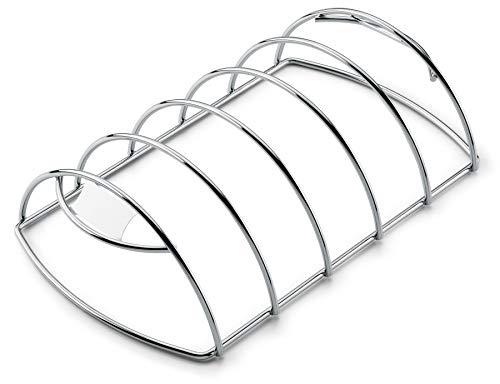
Heat oven to 150°C / 300°F. Place ribs on a rack over a baking sheet (or foil-lined tray) to let heat circulate and help the surface dry slightly. Cover tightly with foil and bake until tender, about 1 hour 15 minutes to 1 hour 30 minutes. Low heat does two jobs for Chinese BBQ ribs: it melts collagen into gelatin and it prevents the sugary glaze from burning too early.
5. Glaze and char (the sticky finish).
Increase oven to 220°C / 425°F. Remove foil, brush with the remaining sauce (or reserved glaze), and bake uncovered 15 to 25 minutes, brushing once or twice. Watch closely during the last few minutes—sugar-based glazes can go from glossy to burnt quickly. Chinese BBQ ribs are done when the outside looks lacquered and caramel-brown, with only light char at the edges.
6. Rest, then slice and serve.
Rest the ribs 5 to 10 minutes so juices settle and your slices stay juicy. Slice between the ribs and serve warm, spooning extra glaze over the top if you want an even stickier finish. If you see pools of sauce, that’s normal—just toss the slices lightly so the lacquer coats the meat again.
Heat & Temperature Guide
This two-stage oven method is designed to solve two competing problems: tenderness and caramelization. For Chinese BBQ ribs, low heat develops texture, while high heat creates the sticky, charred “lacquer” finish.
Cooking Method
Use oven roasting with a covered, low-heat phase to tenderize, then high-heat finishing to caramelize the glaze. This technique is forgiving across rib types, and it’s exactly why Chinese BBQ ribs respond so well to the hoisin-soy sweet-heat marinade: the surface can reduce and thicken only during the uncovered finish.
Temperature & Timing
– Low heat: 150°C / 300°F for about 1 hr 15 min to 1 hr 30 min
– High heat finish: 220°C / 425°F for about 15 to 25 min
– If the glaze starts smoking heavily, rotate the tray and glaze a little less thick next time.
How to Know It’s Done
– Tender check: when you lift a rib, the meat should bend without feeling hard.
– Glaze check: it should look sticky and lacquered, not watery; edges should be lightly charred, not black.
7 Oven & Marinating Checkpoints for Sticky Chinese BBQ Ribs (2026 Method)
| # | Checkpoint | Temperature | Time | Glaze Control Impact |
|---|---|---|---|---|
| 1 | Marinate minimum | Refrigerated | 4 hours | High (flavor) |
| 2 | Overnight marinate window | Refrigerated | 8–12 hours | High (penetration) |
| 3 | Covered low-heat phase | 150°C / 300°F | 75–90 min | Medium (tenderness) |
| 4 | Uncover & prep for glaze | 220°C / 425°F | ~5 min | Medium (surface dry) |
| 5 | First high-heat glaze coat | 220°C / 425°F | 10–12 min | High (caramelize start) |
| 6 | Optional second glaze brush | 220°C / 425°F | 5–8 min | Medium-High (lacquer build) |
| 7 | Rest before slicing | Room-temp rest | 5–10 min | Medium (juices settle) |
What Can Go Wrong
Most problems with Chinese BBQ ribs happen at two moments: the marinating stage (coverage and time) and the final glaze stage (too hot for too long). Once you know the “why,” fixes are straightforward—and you’ll get that sticky, charred exterior reliably, even as of 2026.
- Two-stage method vs. one-stage glaze (quick comparison)
- Pros of two-stage (what this recipe uses): Tender ribs from covered low heat + reduced, glossy lacquer from uncovered high heat.
- Cons of two-stage: Requires attention during the last 15–25 minutes.
- Pros of one-stage (not recommended for beginners): Less oven switching.
- Cons of one-stage: Sauce can burn before the meat tenderizes, leading to either bitterness or a glaze that slides off.
Burning the glaze (dark, bitter taste)
Sugar-based sauces caramelize quickly at high heat. If the glaze becomes very dark before the ribs are tender, you’ve likely started high heat too early or left the ribs in the oven too long. To fix Chinese BBQ ribs, shorten the uncovered finishing time and apply glaze in thinner brushes; you want glossy caramel-brown, not blackened.
Ribs are tough or chewy
Tough ribs usually mean the covered low-heat phase didn’t go long enough—especially for thicker spare ribs. The most effective fix is simply returning the ribs to covered roasting at 150°C / 300°F until tender, then doing a shorter high-heat glaze finish. Chinese BBQ ribs can look “done” on the outside while still being tight in the center; the tenderness check matters.
Sauce is watery instead of sticky
Watery glaze typically means the surface is too wet or you didn’t reduce long enough during the uncovered phase. Pat ribs dry before marinating and keep the final step uncovered so liquid evaporates and the sauce thickens into a lacquer. Chinese BBQ ribs often reward small adjustments: a slightly hotter oven or one additional short glaze brush can help, but don’t overdo it.
Too salty or overly sweet
Soy sauce and hoisin vary by brand, and sweetness can intensify as the glaze caramelizes. If your next batch is imbalanced, increase rice vinegar slightly for tang or reduce honey/brown sugar a bit. In Chinese BBQ ribs, balance is everything—the goal is glossy sweetness with savory depth, not dessert ribs.
Food safety (important)
Marinate in the fridge, not on the counter. According to USDA FSIS, whole pork cuts are safe at 145°F / 63°C with a 3-minute rest (2011). Also follow temperature control rules: according to FDA, keep potentially hazardous foods refrigerated at 40°F / 4°C or below (Food Code, 2017), and don’t leave marinating meat out at room temperature.
Common mistake: glazing from the start
Starting the high-heat glaze too early darkens the surface while the meat is still tough. Chinese BBQ ribs need the covered low-heat phase to soften the meat and only then should the glaze face intense heat. If you’ve done this before, the fix is simple: roast covered low first, then glaze hot near the end.
Serve, Verdict, Quick Checklist & FAQ
If you want Chinese BBQ ribs with a classic char siu vibe—fragrant, sweet-savory, and lacquered—this two-stage method delivers a dependable result. The downside is that the final glaze step needs monitoring, and the flavor payoff is tied to marinating time. As of 2026, it’s still one of the most effective home techniques for achieving “sticky outside, tender inside” Chinese BBQ ribs.
Plating & Presentation
Slice between the ribs and stack them so the lacquered surface faces up. Spoon a small amount of reserved glaze over the top right before serving for that fresh-gloss look. Garnish with sliced green onions for a crisp, herbal contrast against the caramel-brown color, plus toasted sesame seeds if you like nutty aroma.
What Goes Well With It
Steamed jasmine rice is the obvious pairing—it soaks up glaze. For greens, garlic bok choy adds bitterness and crunch. If you want something refreshing, serve with a simple cucumber salad (rice vinegar + a pinch of sugar) to cut through the sweetness of Chinese BBQ ribs.
Serving Temperature
Serve hot or warm so the glaze stays glossy and slightly tacky. Chinese BBQ ribs lose that “lacquered” character as they cool, though leftovers still taste great.
Storage & Reheating
Store leftovers in an airtight container in the fridge for up to 3 to 4 days. Reheat gently in the oven at 160°C / 325°F until warmed through, or microwave with a damp paper towel to prevent drying. For best texture, reheat small portions so the glaze doesn’t over-set.
Quick Checklist (save this)
– [ ] Pat ribs dry; remove membrane if needed
– [ ] Mix sauce thoroughly; marinate at least 4 hours (overnight best)
– [ ] Bake covered at 150°C / 300°F until tender
– [ ] Increase to 220°C / 425°F; glaze uncovered until glossy-brown
– [ ] Rest 5–10 minutes before slicing
Frequently Asked Questions
What’s the best Chinese BBQ rib recipe for a sticky, caramelized glaze?
Look for a Cantonese-style char siu-inspired sauce using soy sauce, hoisin, honey or brown sugar, and a Chinese five-spice blend for that classic Chinese BBQ rib flavor. For best results, simmer the sauce briefly to meld the seasonings, then brush it on ribs during the last third of cooking so the sugar caramelizes without burning. Use a broiler or high-heat finish to tighten the glaze and create that tacky, shiny surface.
How do I marinate Chinese BBQ ribs so they stay tender and flavorful?
Marinate with a mix of soy sauce, hoisin, Shaoxing wine (or dry sherry), garlic, ginger, and a small amount of sugar or honey to help tenderize and season the meat. Let the ribs marinate at least 4–8 hours, or overnight for deeper flavor—keep them covered in the refrigerator. Pat off excess marinade before baking for better browning, but reserve some sauce to brush during cooking.
Why do my Chinese BBQ ribs come out dry, and how can I fix it?
Dry ribs usually happen when the heat is too high from the start or when they’re overcooked past the point where collagen breaks down properly. Bake low and steady first (or braise briefly) until tender, then switch to higher heat to caramelize the Chinese BBQ rib glaze. Always aim for doneness around 190–205°F (88–96°C) for pork ribs so they remain juicy.
Which cooking method is best for Chinese BBQ ribs—oven, grill, or air fryer?
An oven is the most reliable for even cooking and consistent glaze coverage; start with lower heat to cook through, then finish high to caramelize the sticky Chinese BBQ rib sauce. A grill adds smoky flavor—just use indirect heat and brush glaze near the end to prevent burning. An air fryer works well for smaller rib cuts or “spare ribs” style pieces; cook in stages and apply glaze during the final minutes for a sticky finish.
What’s the ideal temperature and timing for Chinese BBQ rib baking?
For typical oven Chinese BBQ ribs, bake around 325°F (165°C) to cook through and tenderize, usually 60–90 minutes depending on thickness. Then increase to 425°F (220°C) for 10–20 minutes, brushing with glaze in the last 5–10 minutes so it caramelizes and clings. Use a meat thermometer and check tenderness—when the ribs are juicy and the meat pulls easily, you’re ready to serve with extra Chinese BBQ rib sauce.
📅 Last Updated: November 11, 2026 | Topic: chinese bbq rib recipe | Content verified for accuracy and freshness.
References
- Char siu
- Siu mei
- Pork ribs
- Barbecue
- char siu – Search Results – PubMed
- chinese barbecue pork – Search Results – PubMed
- https://www.ncbi.nlm.nih.gov/pmc/?term=char+siu
- https://scholar.google.com/scholar?q=chinese+bbq+ribs+char+siu Google Scholar
- https://scholar.google.com/scholar?q=char+siu+marinade+recipe+study Google Scholar
- https://scholar.google.com/scholar?q=chinese+barbecue+meat+processing+caramelized+sauce Google Scholar


