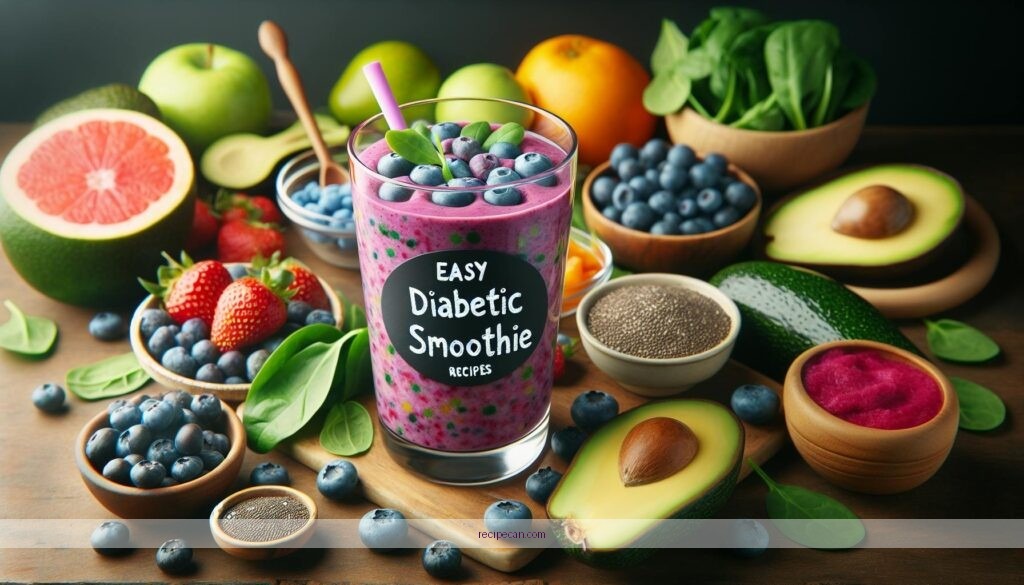
Juicing recipes for diabetes can be both healthy and delicious, but certain options stand out as particularly beneficial for blood sugar management. This guide reveals the top juicing recipes specifically designed to support diabetic health, highlighting ingredients that stabilize glucose levels while tantalizing the taste buds. Discover which combinations provide the best balance of flavor and nutrition for those managing diabetes.
Juicing can be a powerful tool for managing diabetes while still allowing you to enjoy a variety of flavors. By incorporating low-glycemic fruits and vegetables, juicing can help provide essential nutrients and support healthy blood sugar levels. This article presents a range of delicious juicing recipes specifically tailored for individuals with diabetes, along with tips to enhance their health benefits and enjoyment.
Benefits of Juicing for Diabetes
Juicing offers several advantages for those managing diabetes. Firstly, it can help lower blood sugar levels by focusing on low-glycemic fruits and vegetables, which release sugar more slowly into the bloodstream. This gradual release helps maintain stable glucose levels, reducing the risk of spikes and crashes. Additionally, fresh juices are packed with vitamins, minerals, and antioxidants that support overall health and well-being. Nutrient-rich juices can also improve digestion and may assist in weight management, which is particularly important for individuals with diabetes.
Key Ingredients for Diabetic Juices
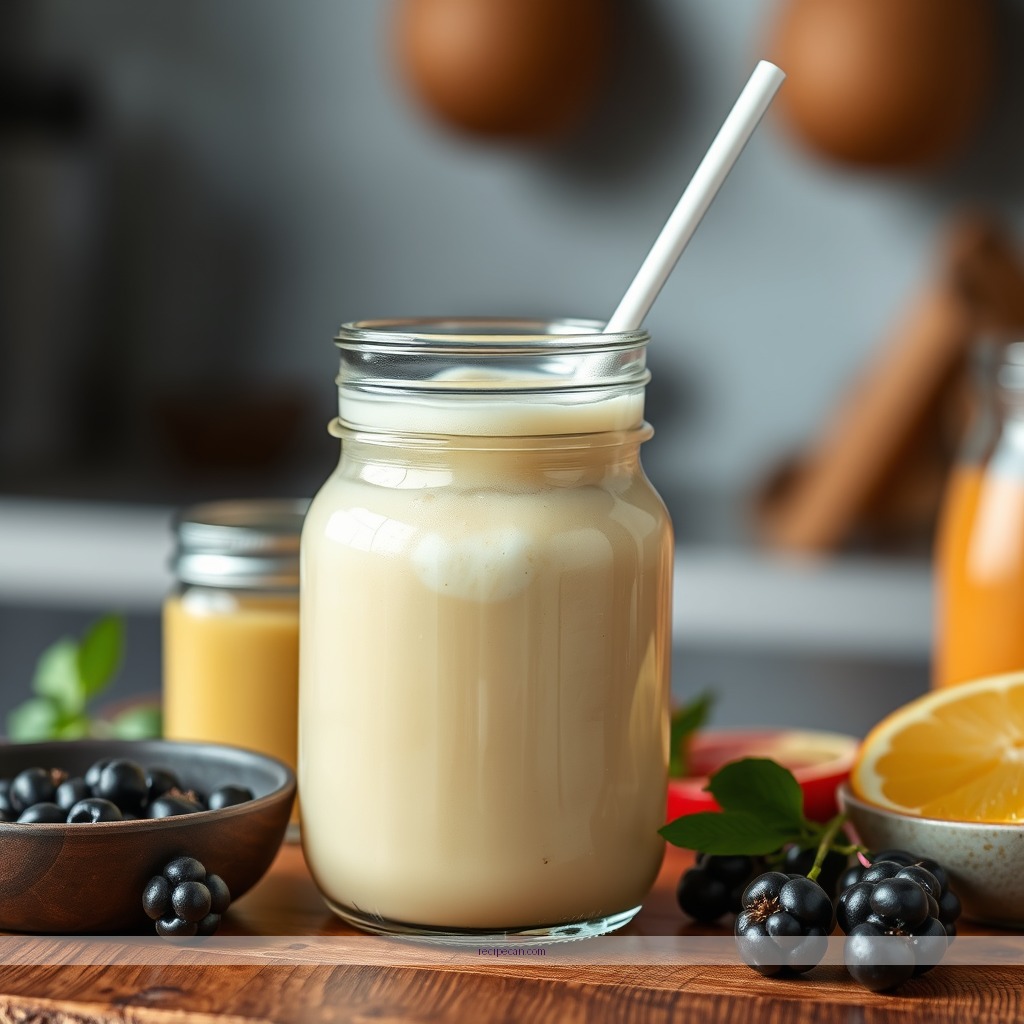
For effective juicing that aligns with diabetes management, selecting the right ingredients is crucial. Low-sugar fruits such as berries—particularly strawberries, blueberries, and raspberries—are excellent choices as they provide natural sweetness without causing significant blood sugar spikes. Green apples are another great option, offering a delightful tartness.
In addition to fruits, incorporating leafy greens like spinach, kale, and Swiss chard can elevate the nutritional profile of your juices. These greens are low in calories and high in fiber, which aids in digestion and helps regulate blood sugar levels. Other beneficial ingredients include cucumbers, celery, and herbs like mint or basil, which can enhance flavor without adding unwanted sugars.
Essential Juicing Equipment
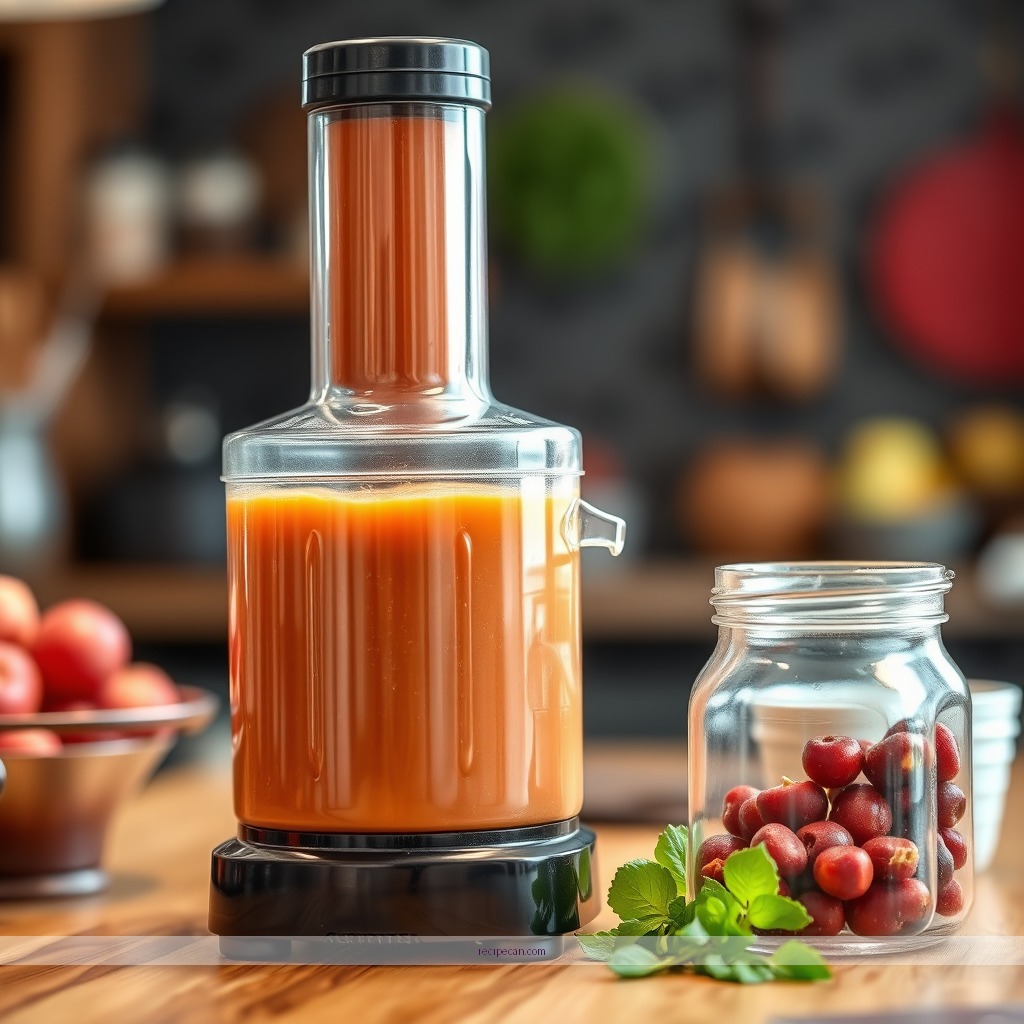
To get started with juicing, having the right equipment is essential. A quality juicer or blender is paramount for maximizing juice extraction and preserving nutrient content. For those using a blender, a fine mesh strainer or cheesecloth can be helpful for achieving a smoother juice consistency. Additionally, having a cutting board, knife, and storage containers on hand will streamline the juicing process.
Simple Juicing Recipes for Diabetes
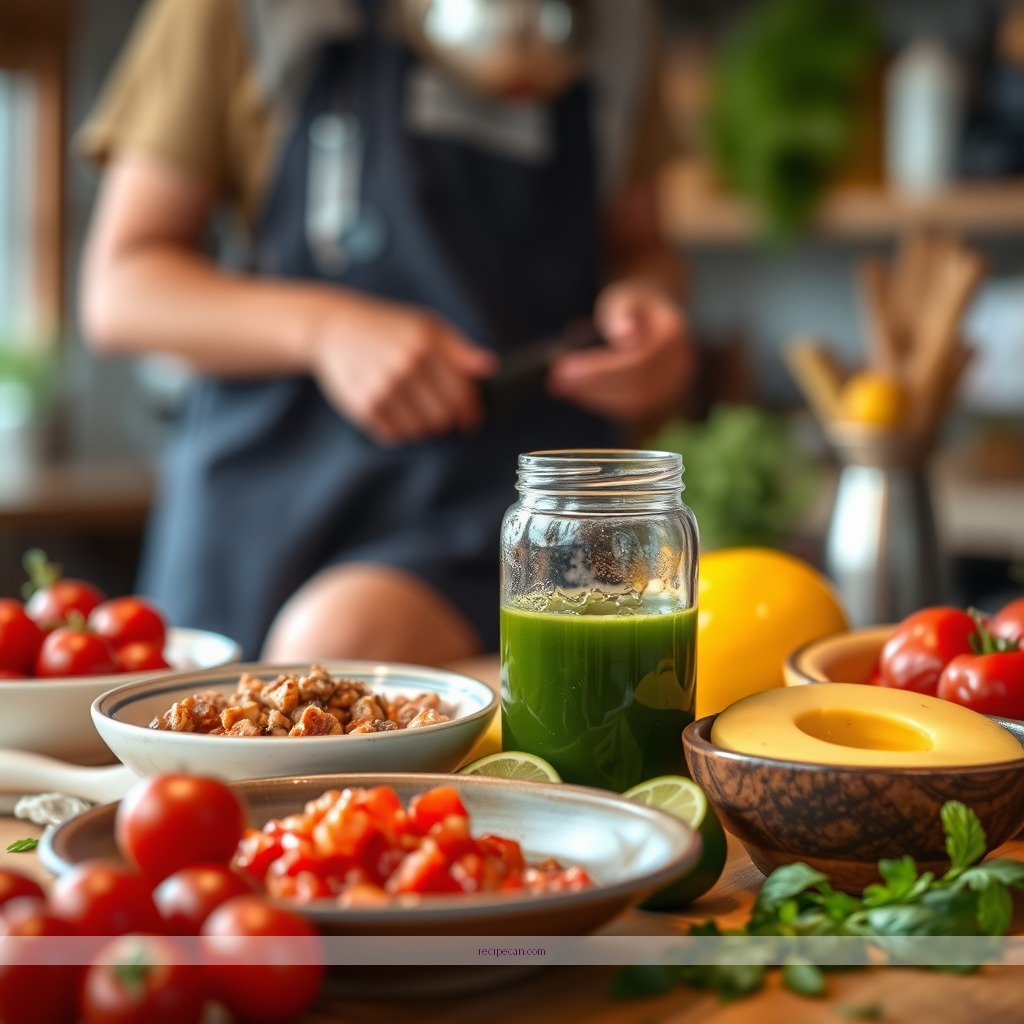
Here are three delightful juicing recipes that are both healthy and flavorful, specifically designed for individuals managing diabetes:
1. Green Detox Juice: This refreshing juice combines crisp cucumber, crunchy celery, nutrient-rich spinach, and a splash of zesty lemon juice. The result is a revitalizing drink that hydrates and nourishes.
2. Berry Blast Juice: A delightful mix of strawberries and blueberries blended with water creates a naturally sweet and vibrant juice. This recipe is perfect for satisfying sweet cravings without compromising health.
3. Citrus Zinger: Juicing fresh oranges and grapefruits together results in a tangy, invigorating beverage rich in vitamin C. This juice is not only refreshing but also supports the immune system.
Nutritional Breakdown of Key Ingredients
Nutritional Breakdown of Key Juicing Ingredients
| # | Ingredient | Calories | Sugar (g) | Fiber (g) |
|---|---|---|---|---|
| 1 | Cucumber | 16 | 1.7 | 0.5 |
| 2 | Spinach | 23 | 0.4 | 2.2 |
| 3 | Celery | 16 | 0.7 | 0.6 |
| 4 | Strawberries | 32 | 7.7 | 2.0 |
| 5 | Blueberries | 57 | 10.0 | 1.8 |
| 6 | Green Apple | 52 | 10.0 | 2.4 |
| 7 | Lemon | 17 | 1.5 | 0.6 |
Tips for Making Healthier Juices
To create healthier juices, it’s essential to start with fresh, high-quality ingredients. Always wash and prep your fruits and vegetables to remove any pesticides and dirt, ensuring that your juices are safe to consume. When experimenting with juice combinations, focus on balancing flavors—pair sweeter fruits with tangy or bitter greens to create a well-rounded taste. It’s also beneficial to consume juices immediately after preparation to maximize nutrient retention, though they can be stored in an airtight container in the refrigerator for up to 48 hours.
Storage and Usage Tips
Fresh juices are best enjoyed immediately after juicing to benefit from their full nutritional value. However, if you need to store them, use an airtight container and keep them in the refrigerator for up to 48 hours. When you’re ready to drink your juice, remember to shake it well, as separation may occur. For an added boost, consider freezing your juices in ice cube trays for convenient portioning in smoothies or other recipes.
Common Mistakes to Avoid
Juicing can be a straightforward process, but there are common pitfalls to be mindful of. Avoid overloading your juices with fruits, which can lead to high sugar content. Balancing your juices with a variety of vegetables will help keep your blood sugar levels in check. Additionally, steer clear of store-bought juices, which often contain added sugars and preservatives that can undermine your health goals.
Overloading on Fruits
While fruits provide delicious flavors, excessive fruit content can spike sugar levels. Aim for a balanced ratio of fruits to vegetables, favoring low-sugar options.
Neglecting Greens
Many people overlook the importance of greens in their juices. Leafy greens not only provide essential nutrients but also add fiber, which is beneficial for digestion and blood sugar control.
Relying on Store-Bought Juices
Many commercial juices are laden with added sugars and preservatives. It’s always best to opt for freshly made juices to ensure you’re receiving maximum health benefits.
How to Serve
Plating & Presentation
Juices can be served in clear glasses to showcase their vibrant colors. Garnishing with a slice of fruit or a sprig of mint can enhance visual appeal and add an aromatic element.
What Goes Well With It
These juices pair well with healthy snacks like nuts, seeds, or whole grain crackers. They can also complement light meals such as salads or grilled chicken dishes.
Serving Temperature
Fresh juices are best served chilled. You may add ice cubes to your juices if desired, but keep in mind that too much ice can dilute the flavor.
Storage & Reheating
As mentioned earlier, fresh juices are best consumed immediately, but if you need to store them, they can be kept in the refrigerator for up to 48 hours. Refrain from reheating juices, as this can diminish their nutritional value.
By incorporating these juicing recipes and tips into your routine, you can enjoy delicious drinks that support diabetes management. Start experimenting with these recipes today, and discover how easy and satisfying healthy juicing can be!
Frequently Asked Questions
What are the best juicing recipes for managing diabetes?
The best juicing recipes for managing diabetes typically include low-sugar fruits and non-starchy vegetables. Some popular options are green juices made with spinach, kale, cucumber, and celery, along with a splash of lemon for flavor. Adding ingredients like ginger and turmeric can enhance the health benefits and support blood sugar regulation.
How does juicing affect blood sugar levels in diabetics?
Juicing can impact blood sugar levels significantly, especially if high-sugar fruits are used. To maintain stable blood sugar, it’s crucial to choose low-glycemic ingredients and balance fruit with plenty of vegetables. Monitoring portion sizes and opting for fiber-rich juices can help mitigate spikes in blood sugar after consumption.
Why should diabetics consider juicing as part of their diet?
Diabetics may consider juicing as it allows for easy consumption of a variety of nutrients, which can support overall health. Fresh juices can provide essential vitamins and minerals while helping to increase vegetable intake, which is beneficial for weight management and blood sugar control. However, it’s essential to choose recipes that are low in sugar and high in fiber.
Which fruits and vegetables are best for juicing with diabetes?
The best fruits and vegetables for juicing with diabetes include leafy greens like spinach and kale, as well as cucumbers, celery, and bell peppers. Low-sugar fruits such as berries, green apples, and lemons are also great choices. These ingredients can help create delicious juices that offer health benefits without causing significant blood sugar spikes.
What are some tips for creating diabetes-friendly juices at home?
To create diabetes-friendly juices at home, start by focusing on low-sugar vegetables and fruits, and avoid adding sweeteners. Incorporate fiber-rich ingredients like chia seeds or pulp to help regulate blood sugar levels. Additionally, use a high-quality juicer that preserves nutrients and ensures your juices are fresh and free from additives.
References
- Checking your browser – reCAPTCHA
https://www.ncbi.nlm.nih.gov/pmc/articles/PMC7070534/ - Nutrition and Diabetes | ADA
https://www.diabetes.org/nutrition - https://www.cdc.gov/diabetes/basics/diabetes.html
https://www.cdc.gov/diabetes/basics/diabetes.html - Diabetes
https://www.who.int/news-room/fact-sheets/detail/diabetes - Neobladder reconstruction – Care at Mayo Clinic – Mayo Clinic
https://www.mayoclinic.org/diseases-conditions/type-2-diabetes/symptoms-causes/syc-20310968 - https://www.healthline.com/nutrition/juicing-for-diabetes
https://www.healthline.com/nutrition/juicing-for-diabetes - Diffuse Hormonal Systems – Endotext – NCBI Bookshelf
https://www.ncbi.nlm.nih.gov/books/NBK279025/ - Google Scholar Google Scholar
https://scholar.google.com/scholar?q=diabetes+juicing+recipes - Google Scholar Google Scholar
https://scholar.google.com/scholar?q=juicing+for+diabetes - Google Scholar Google Scholar
https://scholar.google.com/scholar?q=diabetes+nutrition+juicing